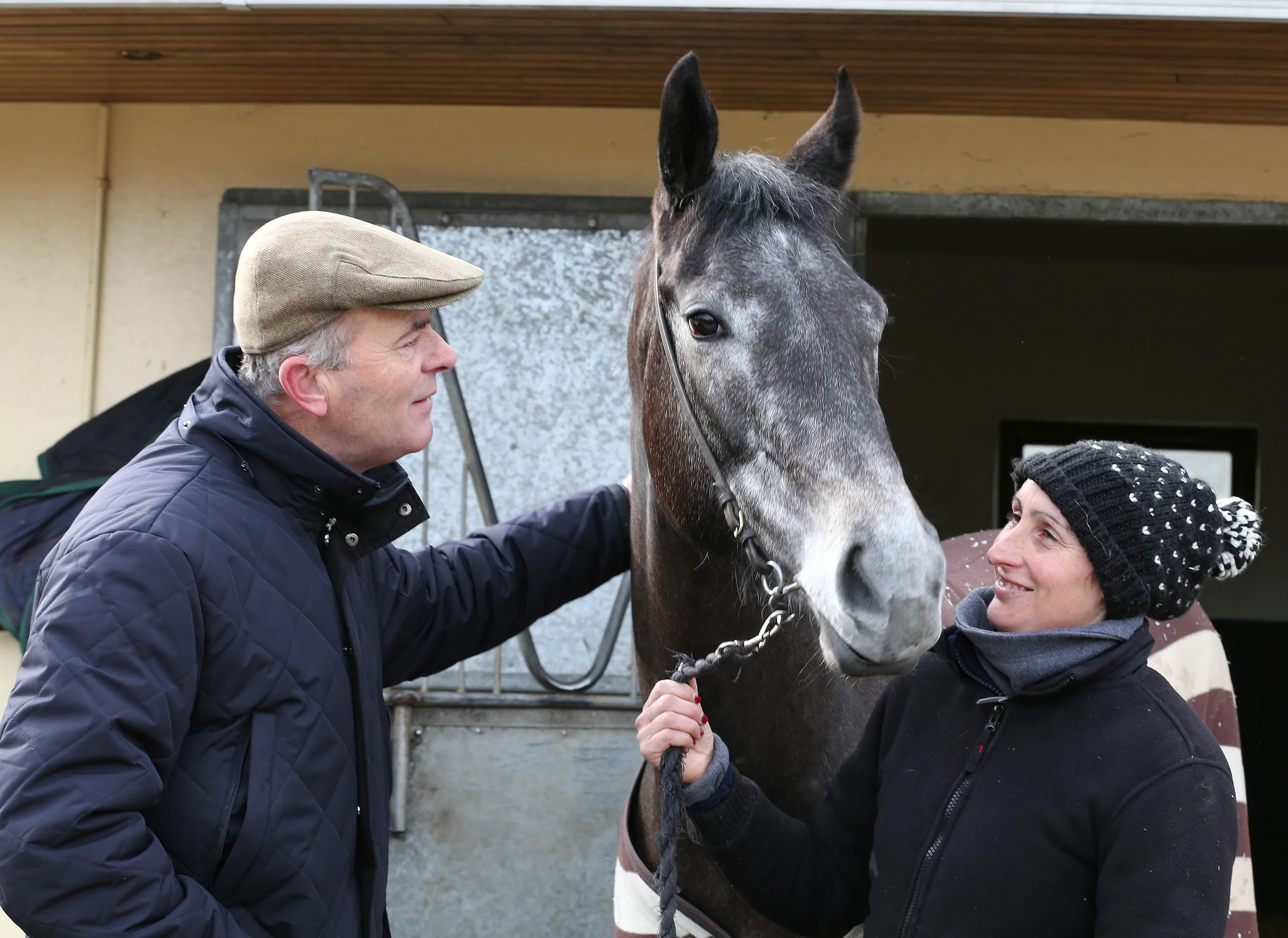
Eddie Lynam - more than just the "sprint king" trainer
The Eddie Lynam story appears to be one of overnight success, but like all overnight success stories, it was 30 years in the making. His story illustrates how tough things really are for most trainers, while highlighting why it is that they persevere. Success hinges on the right horse coming along and, for Lynam, they’re now coming along in their droves.
Do the muscles of the respiratory system affect performance?
Over the last two decades the Horserace Betting Levy Board (HBLB) has funded substantial research to understand how various body systems respond to training. For example, because of this HBLB investment we now know that the hearts of thoroughbred racehorses get bigger as a response to athletic training and that big hearts are typically associated with better performers. We also know that bones respond to training by remodelling and hence become better prepared for the strains associated with galloping.
Climate Change - New equine diseases
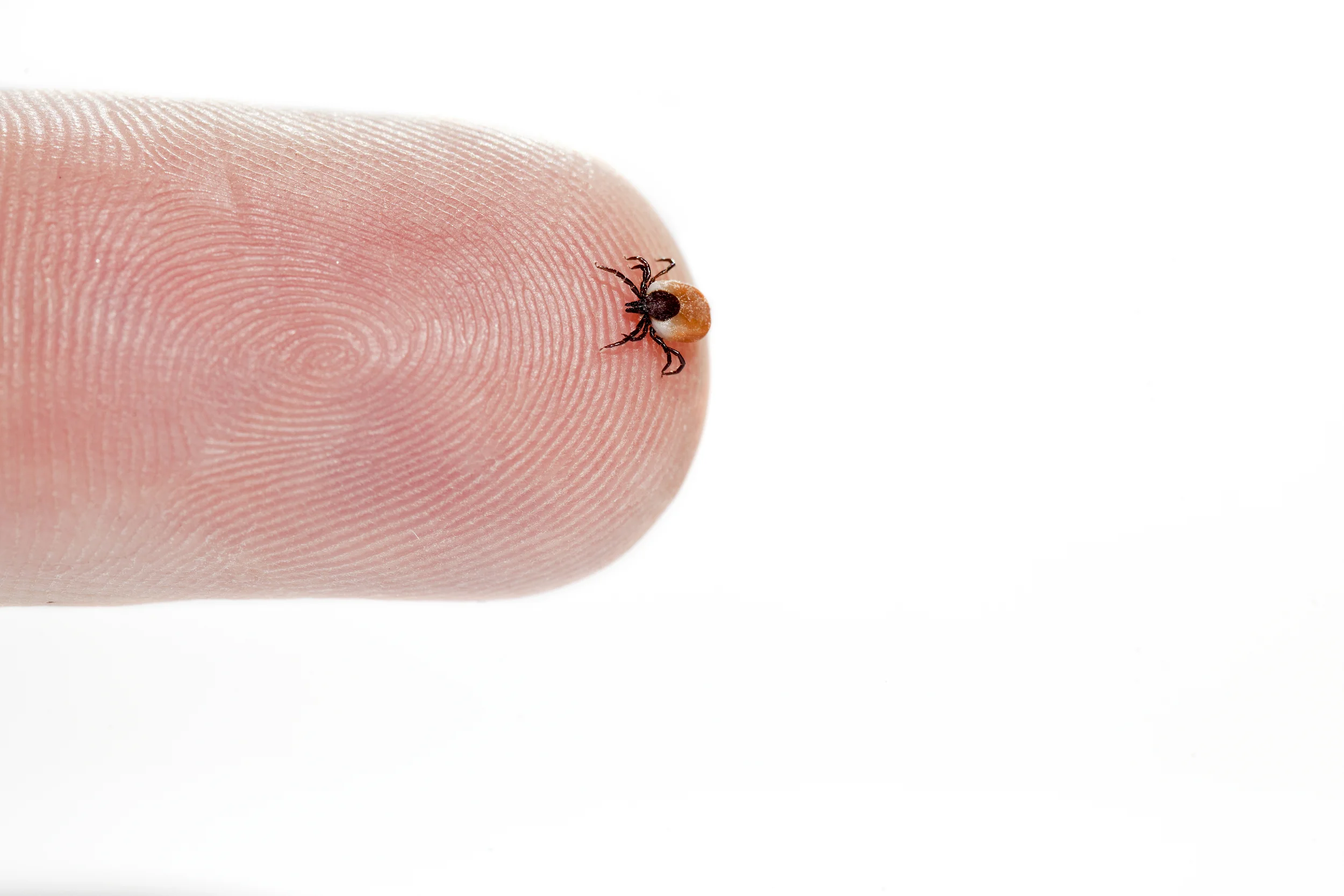
Worldwide, when there are new disease outbreaks – human or horse – there seems to be a link between climate change and infectious disease risk. Warmer environment and changing weather patterns influence many factors that encourage disease outbreaks, disease transmission, and the emergence of new diseases.


Headgear and the racehorse: Seeing the wood from the trees!
Across the world in all racing jurisdictions, there are horses that perform with a type of headgear for a multitude of reasons. From blinkers to hoods, there a variety of makes, types, and forms of equipment that can be placed on or over a horse’s head with the ultimate aim of enhancing performance.
Are stress fractures and training surfaces linked?
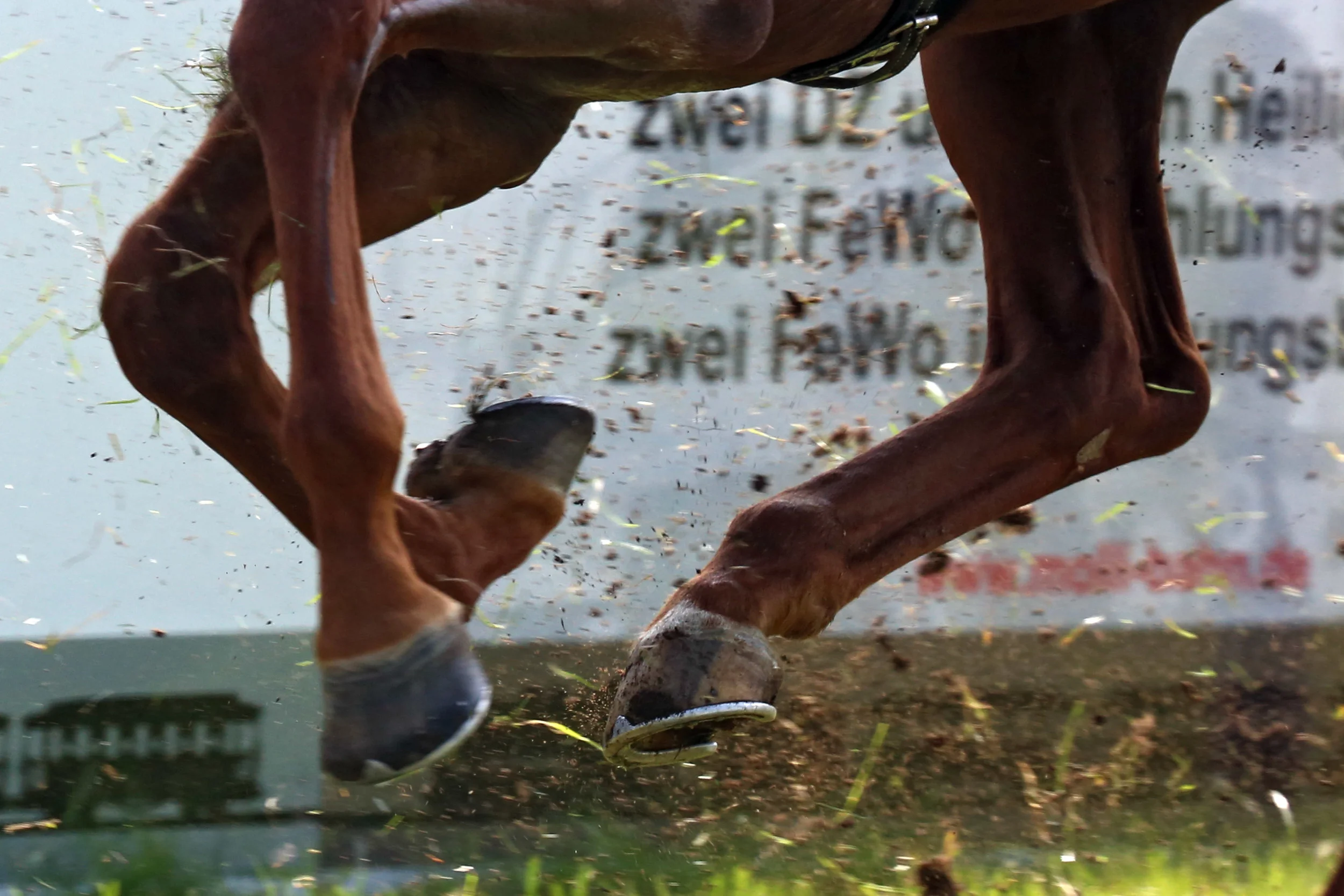
Stress fractures not only lead to training interruptions but if they are not identified early and managed appropriately they can be associated with subsequent catastrophic fractures. Stress fractures of the humerus, tibia, ilium and cannon bone (aka third metacarpal bone or McIII) are most common. Stress fractures are a late stage on a pathway of stress-related bone injury.