
North American Trainer article search
BROWSE THROUGH ARTICLES BY SELECTING A CATEGORY
RECENTLY PUBLISHED ARTICLES
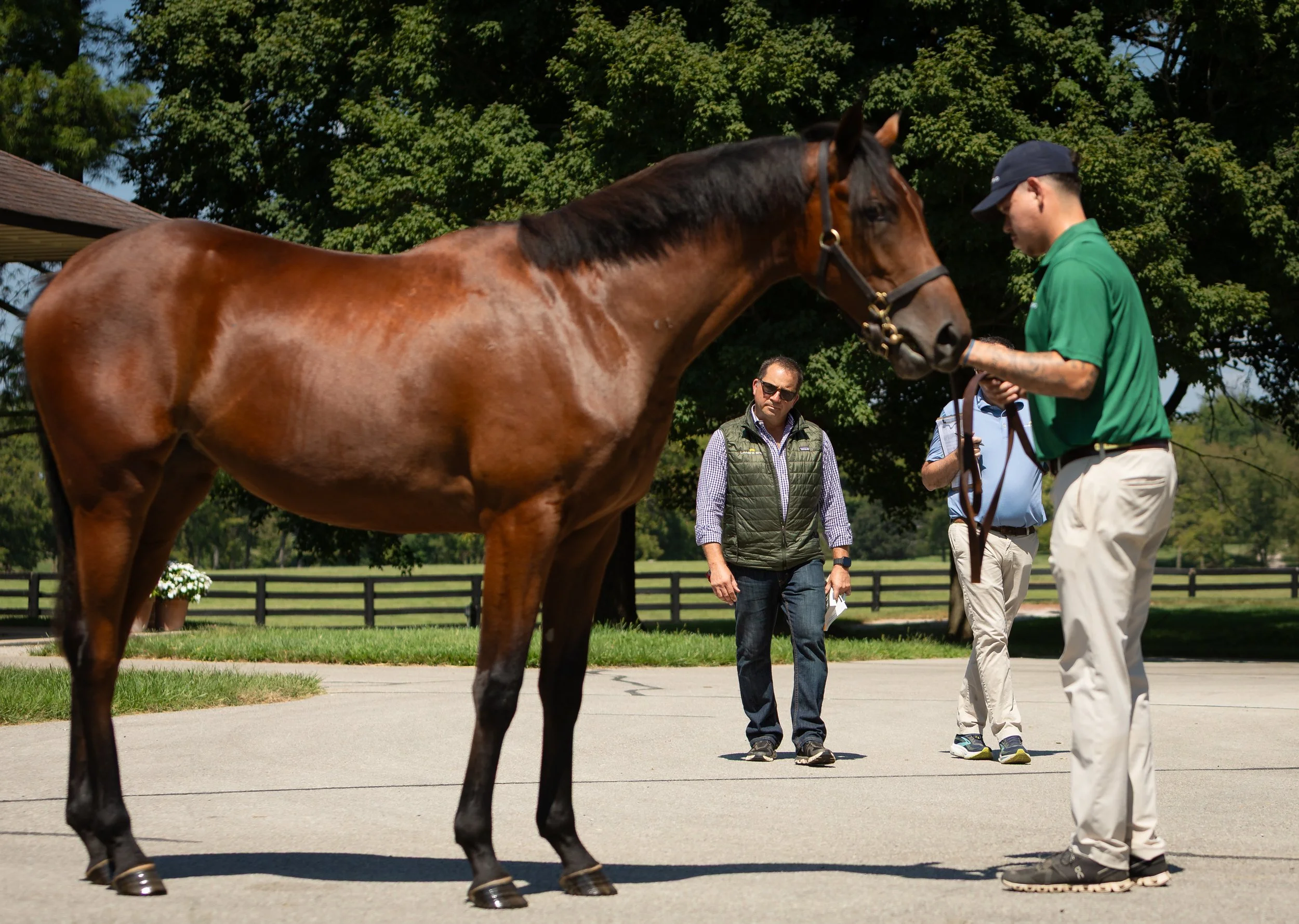
The day was one David Ingordo will never forget for inexplicable reasons. There was wisdom in what an old man told him, but it was the old man himself that made it have an impact, an old man who saw something in him and in his future. “I was a little boy, and I was sitting on a tack trunk at the racetrack,” recalled Ingordo. The old man was Charlie Whittingham, offering not so much advice as instruction.
“‘Let me tell you something’…and he said it matter of factly and almost like a military order, and it stuck with me: ‘If you're around these horses, you learn something every day.’”
Sunday Silence and Pat Valenzuela winning the 1989 Kentucky Derby.
The value of the moment enhances the poignancy. Not every little boy gets to sit at the proverbial feet of a racing giant. Whittingham today would marvel at what the little boy would achieve as a bloodstock professional, but maybe it wouldn’t surprise him.
Many things have gone into what has made Ingordo, age 50, already a legend himself. Principal among them is being around people like Charlie Whittingham, Bobby Frankel, Brian and Jeanne Mayberry, and Johnny T.L. Jones.
Mornings for David Ingordo as a kid meant going out to the racetrack with his father, jockey agent Jerry Ingordo. “Afterward, if you were at Santa Anita, you went to this place called Coco’s, or if you were at Del Mar, you went to Bully’s.
“It would be Mel Stute with his brother Warren, Henry Moreno, Charlie Whittingham, and Wayne Hughes. On occasion Bobby Frankel might show up. I'd sit there and wouldn't say anything. That was back in the day you were taught to be seen and not heard. And I’m still a bit that way.”
That didn’t preclude listening.
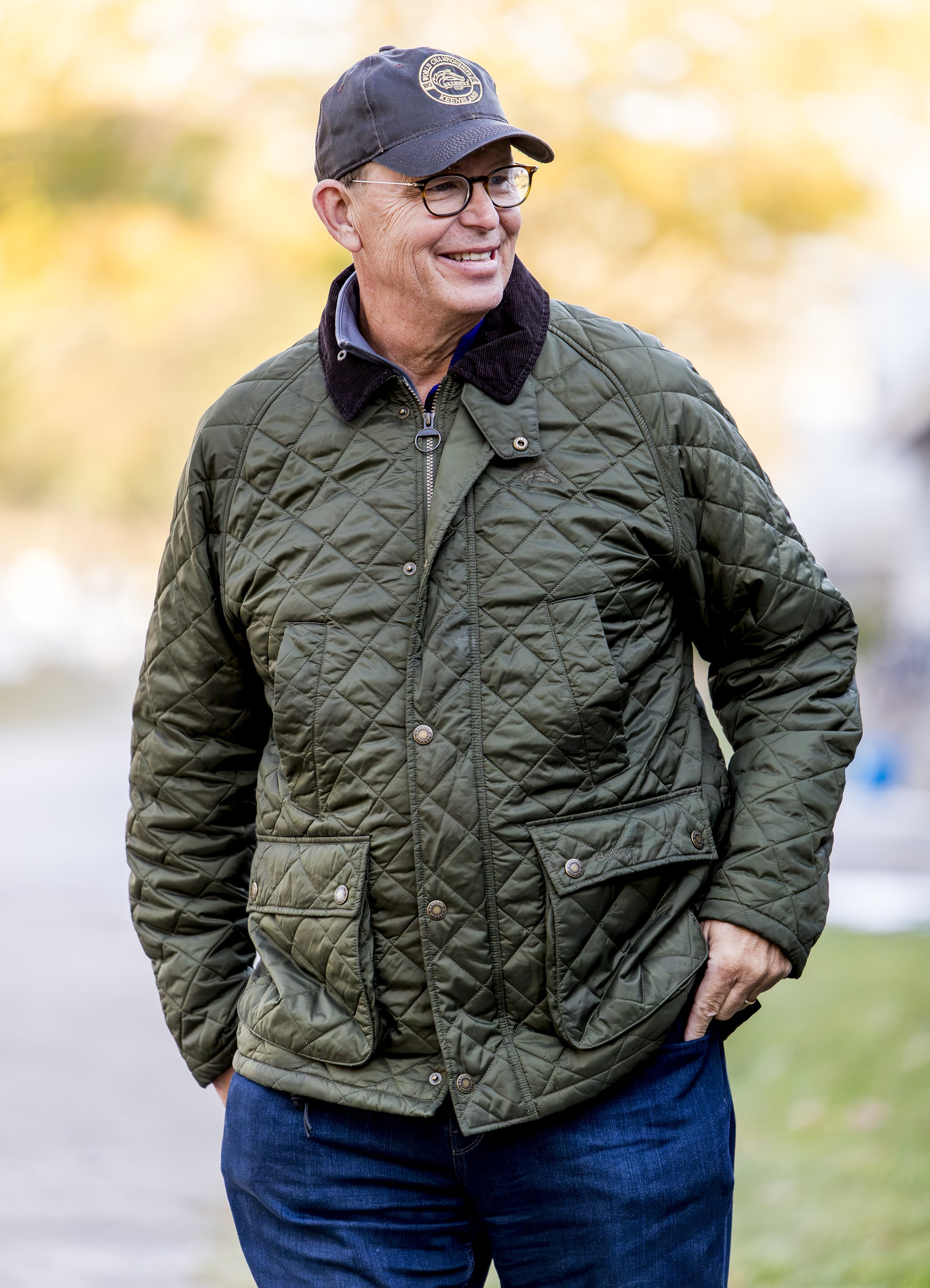
The thing about those whose career aspirations hinge upon developing athletes in the Thoroughbred industry is they rarely pause while building paths of success to take in the scenery cultivated along the way. Stop too long to admire one’s work and one will inevitably be passed by ambitious colleagues carving out a fresh route to sport’s highest echelons. Such is the byproduct of a vocation that pins its identity largely upon end results – wins, losses, economic viability.
Having spent the better part of the last quarter century as an architect of one of the most successful avenues in Thoroughbred racing, Elliott Walden is confronted by the end results of his impact on a near daily basis. It’s in the trophy cases and framed images that line the walls of the WinStar Farm office, celebrating a leading sire here, a Triple Crown winner there. It’s in the parade of bloodstock who traced their familial roots back to the Versailles, Ky nursery, sauntering into winner’s circles across the country. It is most plainly evident in the fact that, 26 years after its founding, WinStar Farm boasts perpetual residency among the industry elite.
Like many of his ilk, however, Walden doesn’t allot much time for self-admiration, although moments of self-reflection have been on the table of late as one of the more accomplished chapters of the sport over the last three decades inched towards its conclusion. Shortly after the calendar flipped to January 2026, word came that Walden, who had served as president and CEO of WinStar since 2010, would be stepping down from his longtime roles with Gerry Duffy succeeding him as the farm’s president on April 1 before taking over as both CEO and president effective October 1.
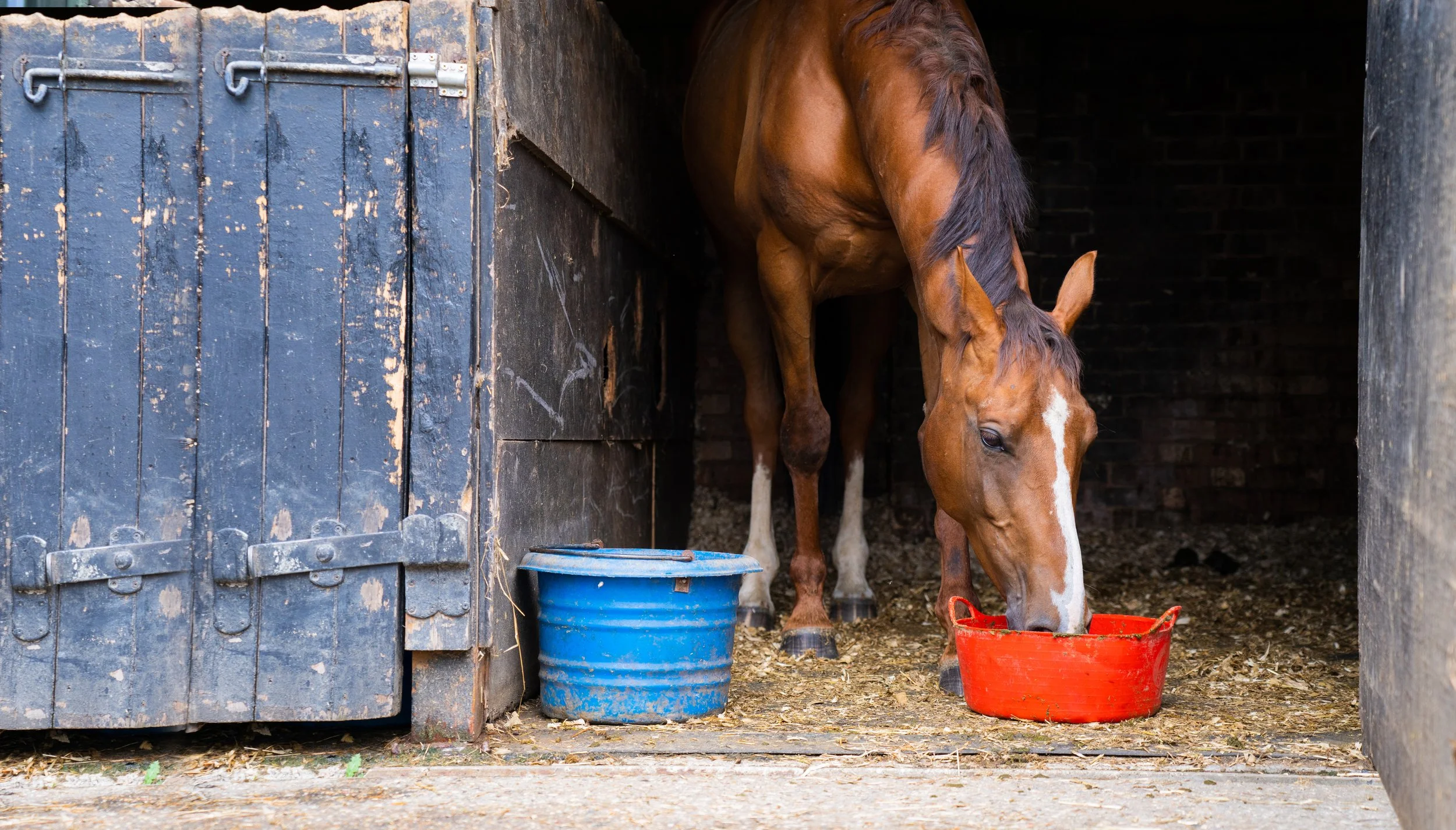
The first fundamental shift in our understanding is that gastric disease is a more accurate umbrella term than gastric ulcers. We now know there are two distinct diseases which affect different areas of the stomach: Equine Squamous Gastric Disease (ESGD) and Equine Glandular Gastric Disease (EGGD)
Less is known about the causes of EGGD but researchers describe it as an inflammatory disease rather than an ulcerative one which is why gastric ulcers is really an outdated term. This distinction is also the reason that whilst a grading system exists to define the severity of ESGD (Table 1), EGGD is not assessed in the same way. In fact, a recent study showed a grading system for EGGD had little value due to significant differences in grading by veterinary professionals (Pratt et al, 2022).
It was really studies in the early 2000s that started to investigate causes of gastric ulcers. The early studies associated ulcers with horses in training so it was largely considered a problem of racehorses. Primary squamous gastric disease occurred in response to factors often considered inherent in intensive management that result in prolonged exposure to acid in an animal with an otherwise normal gastrointestinal tract. Now, researchers are starting to show that some relatively straightforward changes to dietary management can significantly reduce the risk of ESGD without compromising performance.
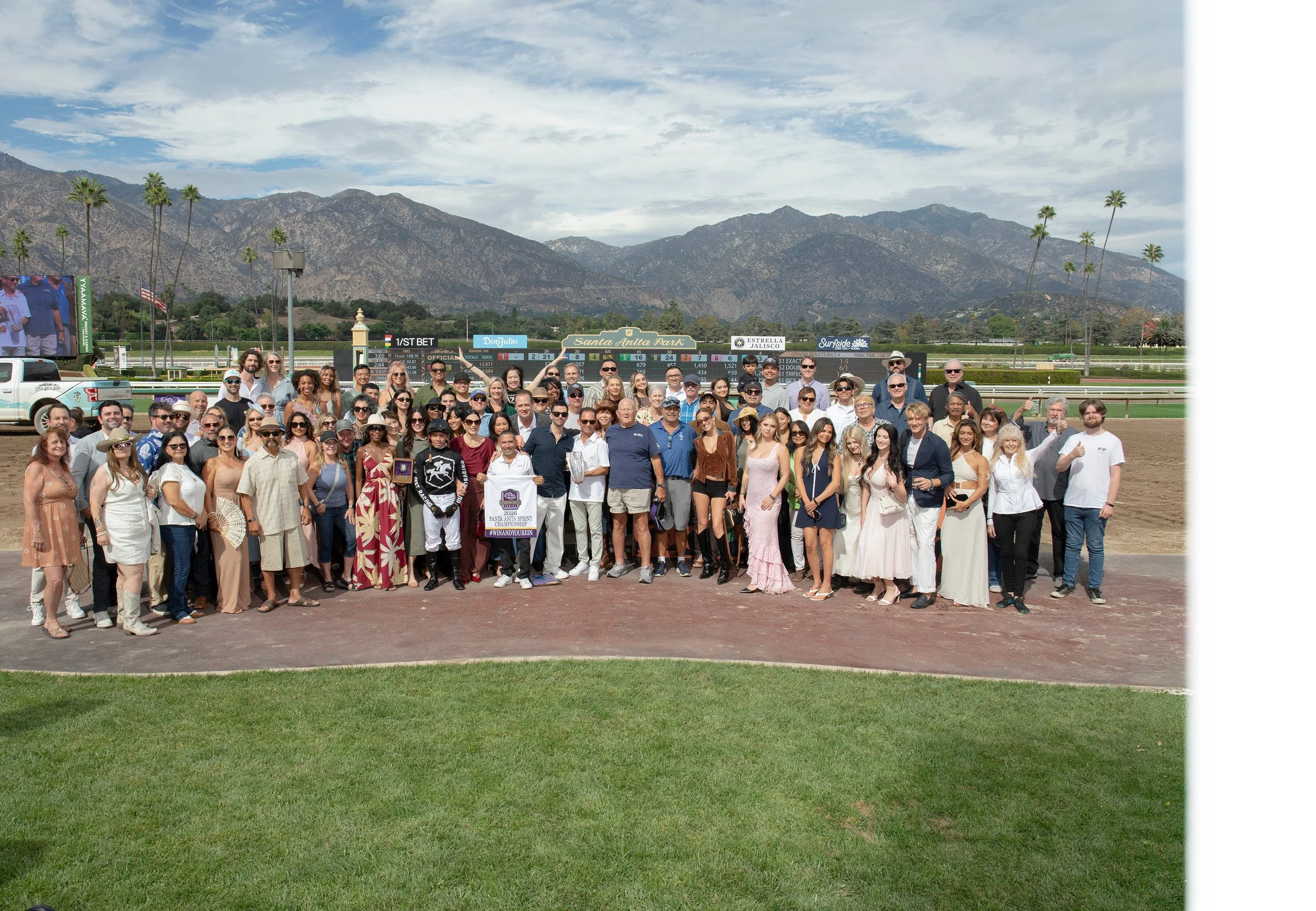
Listenupshance
Music executive Adam Kluger has come a long way from sneaking into the dog track in Tampa Bay to bet on simulcasting from Tampa Bay Downs. Less than two months after hooking up with Craig Dado’s Great Friends Stable, he was in the winner’s circle at Del Mar after their Listenupshance captured the Gr.1 Bing Crosby Stakes July 25th. Two months later, he was back after Listenupshance added the Gr.2 Santa Anita Sprint Championship.
That wouldn’t have happened had a $10,000 claimer at Del Mar a year earlier been full, denying Listenupshance, a horse Kluger bought for $30,000 after he won a maiden $20,000 claimer, a spot. Instead, trainer Doug O’Neil put Listenupshance in an $80,000 grass allowance, one he won by a nose in his turf debut. Switched back to dirt, he became a star.
Why would Kluger have put his $30,000 horse in a $10,000 claimer? That’s a pretty good story.
Kluger’s story began in north Tampa
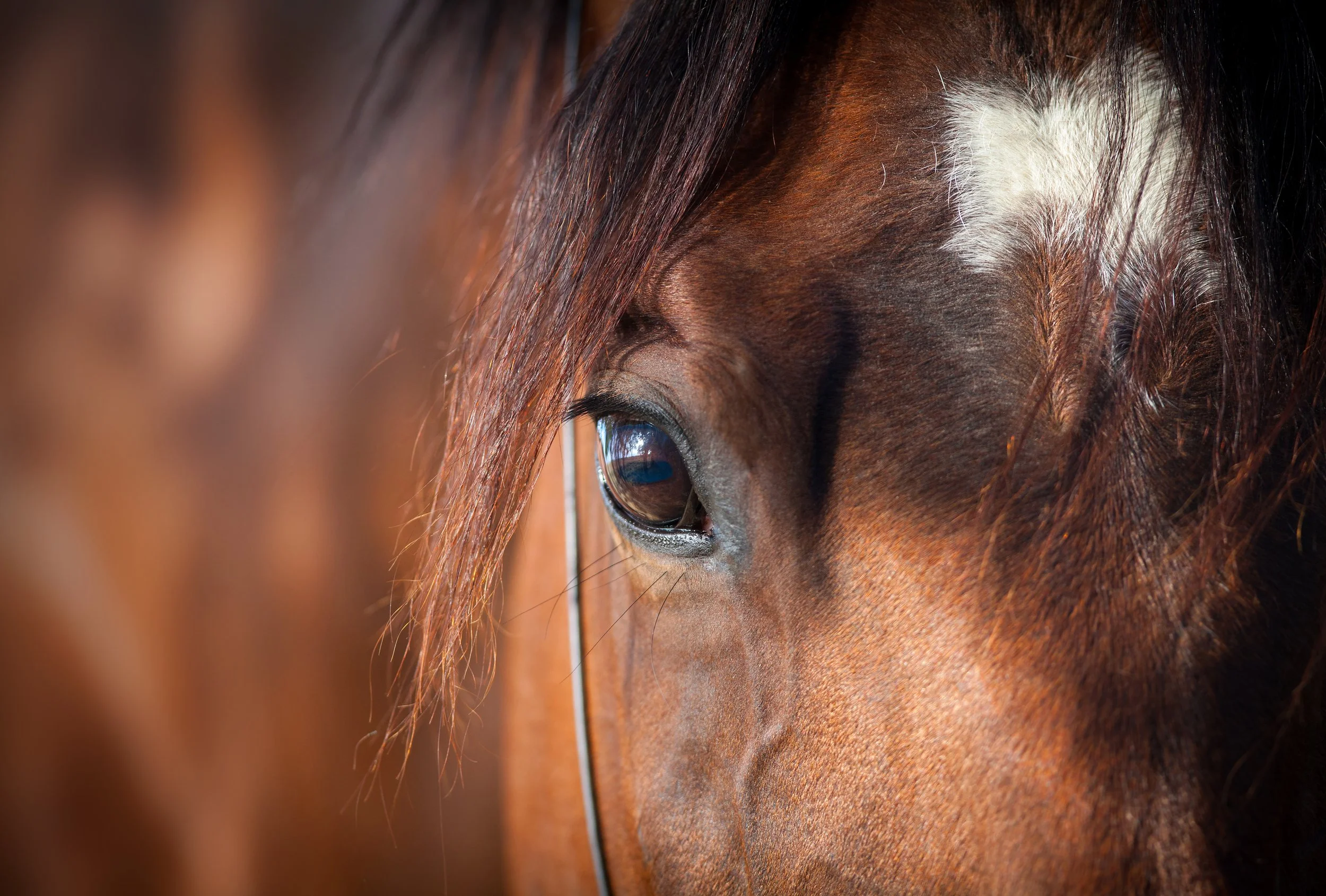
Behavior is communication
In a performance-driven environment such as racing, unwanted behavior is rarely viewed in isolation. A horse that becomes difficult to tack up, reluctant to enter the stalls, defensive around handling, unusually reactive during routine exercise or inconsistent in its work is often assessed through a familiar framework: temperament, training, attitude, experience or management. Sometimes that assessment is entirely correct. Some horses are naturally sharper than others, some are immature, and some simply take longer to learn what is being asked of them.
However, behavioral science and emerging equine welfare research increasingly challenge the assumption that problematic behavior should primarily be interpreted through a training or temperament lens. In some cases, behaviors labeled as disobedience, stubbornness, sharpness or poor attitude may instead represent expressions of discomfort, fear, accumulated stress or attempts to cope with environmental pressures.
Unwanted behavior is often communication, not simply misbehavior
This distinction sits at the heart of an increasingly important conversation within racing. Because while behavior may sometimes reflect responses to inadvertently poor training or temperament (which can link into genetics), it may equally represent the horse attempting to communicate something physically or emotionally significant.
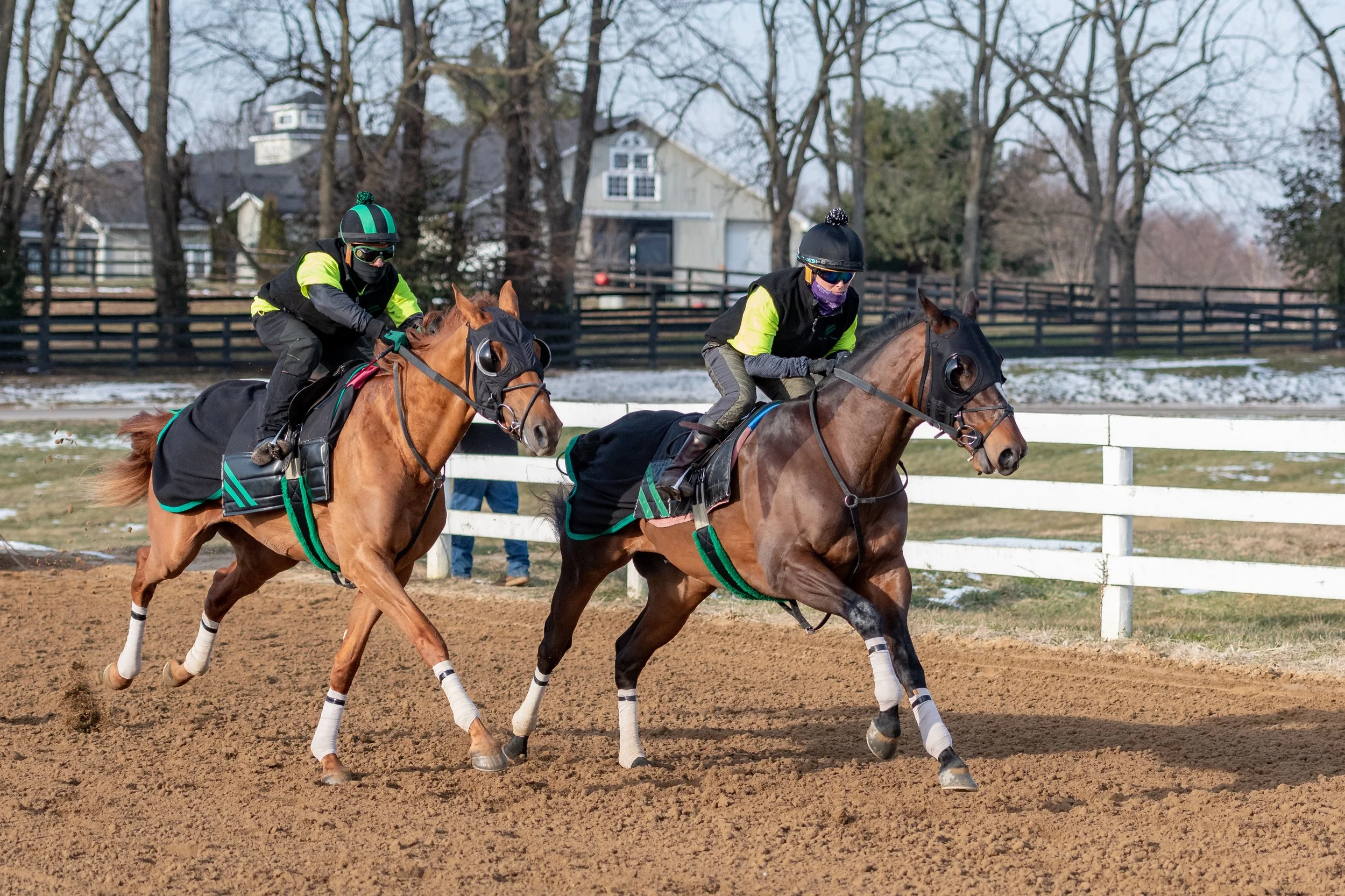
Following on from part 1 looking at the role of oral nutrition for joint health this article considers the use of oral nutrition to support soft tissue health and recovery.
Soft tissue which includes muscles, tendons, ligaments and other connective tissues will all benefit from daily nutritional support in terms of withstanding adaptation to training and helping with recovery to enable consistent training. Nutrition can also be used specifically when repair post injury is a concern.
On a daily basis the role of nutrition is to provide antioxidants, help regulate inflammatory response and provide adequate levels of energy and protein. At a basic level this means providing a fully fortified racing feed with appropriate levels of energy and protein for the work intended and balanced against the base forage.
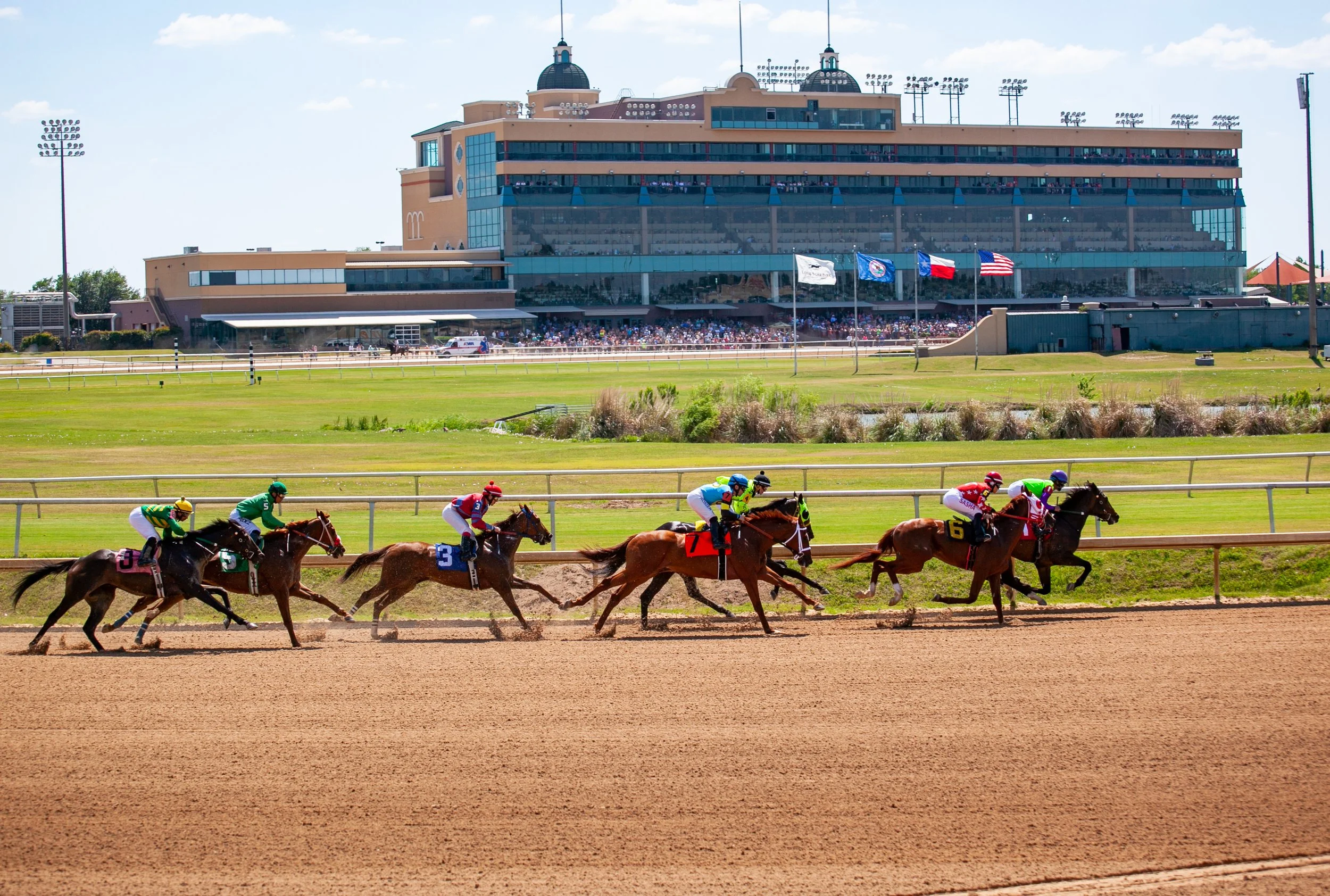
Horse racing in Texas is a study in contrasts: in a state whose culture is intertwined with the horse, its relationship with racing, both Quarter Horse and Thoroughbred, is a portrait of the ongoing struggle between practicality and morality. The state has historically supported breeding, development, and even racing, along with the ancillary industries that bolster them, but gambling has a complicated relationship with its populace and governance.
That has led the Lone Star State to a crossroads.
As the constitutionality of the Horse Racing Integrity and Safety Authority remains unresolved, Texas racing laws and regulatory uncertainties directly influence the sport's future growth prospects. This prevents its live racing signal from reaching racetracks and wagering services across the continent, leaving the state as a virtual racing island.
While racing and breeding Thoroughbreds in Texas remains a viable business, unresolved issues around HISA and the lack of off-site gaming opportunities mean the state remains a well of untapped potential.
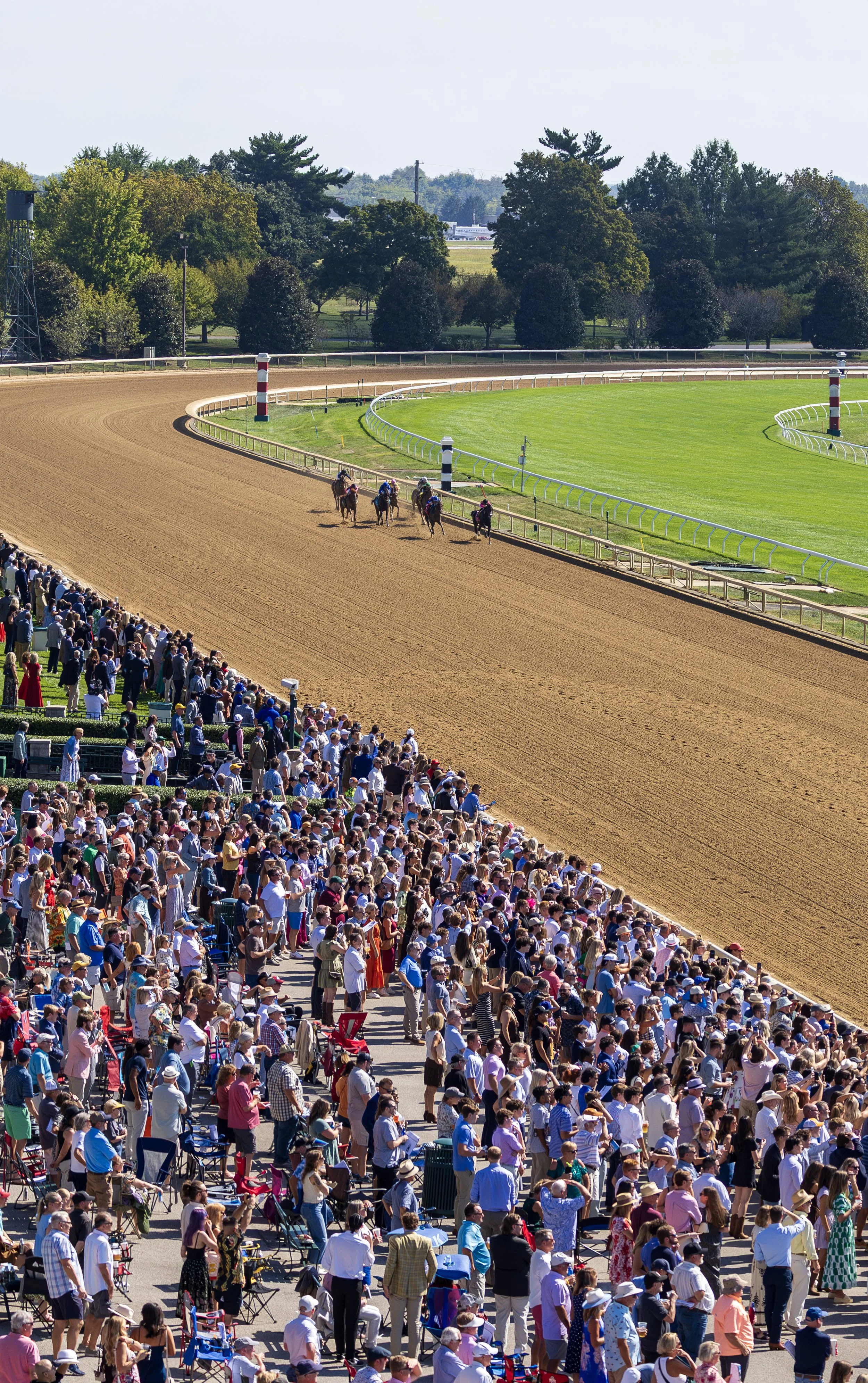
Compared to other sports’ major events, the cost of tickets to the upcoming Breeders’ Cup at Keeneland seems mighty reasonable, offering great value for two days of world-class championship races on the final two days of October. But how about racing’s other marquee days, say the Kentucky Derby, Preakness Stakes and Belmont Stakes? How about the cost of getting in at racetracks around the country on ordinary days? How do they compare?
Let’s start with the Breeders’ Cup on Friday, October 30th and Saturday, October 31st. There are 14 championship races of world-caliber horses over the two days, five on Friday for two-year-olds and nine on Saturday besides additional races both days.
The highlight of the weekend is Saturday’s $7 million Breeders’ Cup Classic. General admission costs $85 Friday and $159 on Saturday. Clubhouse general admission is $212 for Friday and $477 for Saturday. Two-day packages start at $244 for general admission and $689 for clubhouse. Reserved seating begins at $186. Corporations and groups begin at $315. Dining is $398. Grandstand loge box seats, which are expanded open-air boxes along the stretch run and finish line, are offered in a two-day package for $1,590 per seat. Travel packages begin at $1,299.
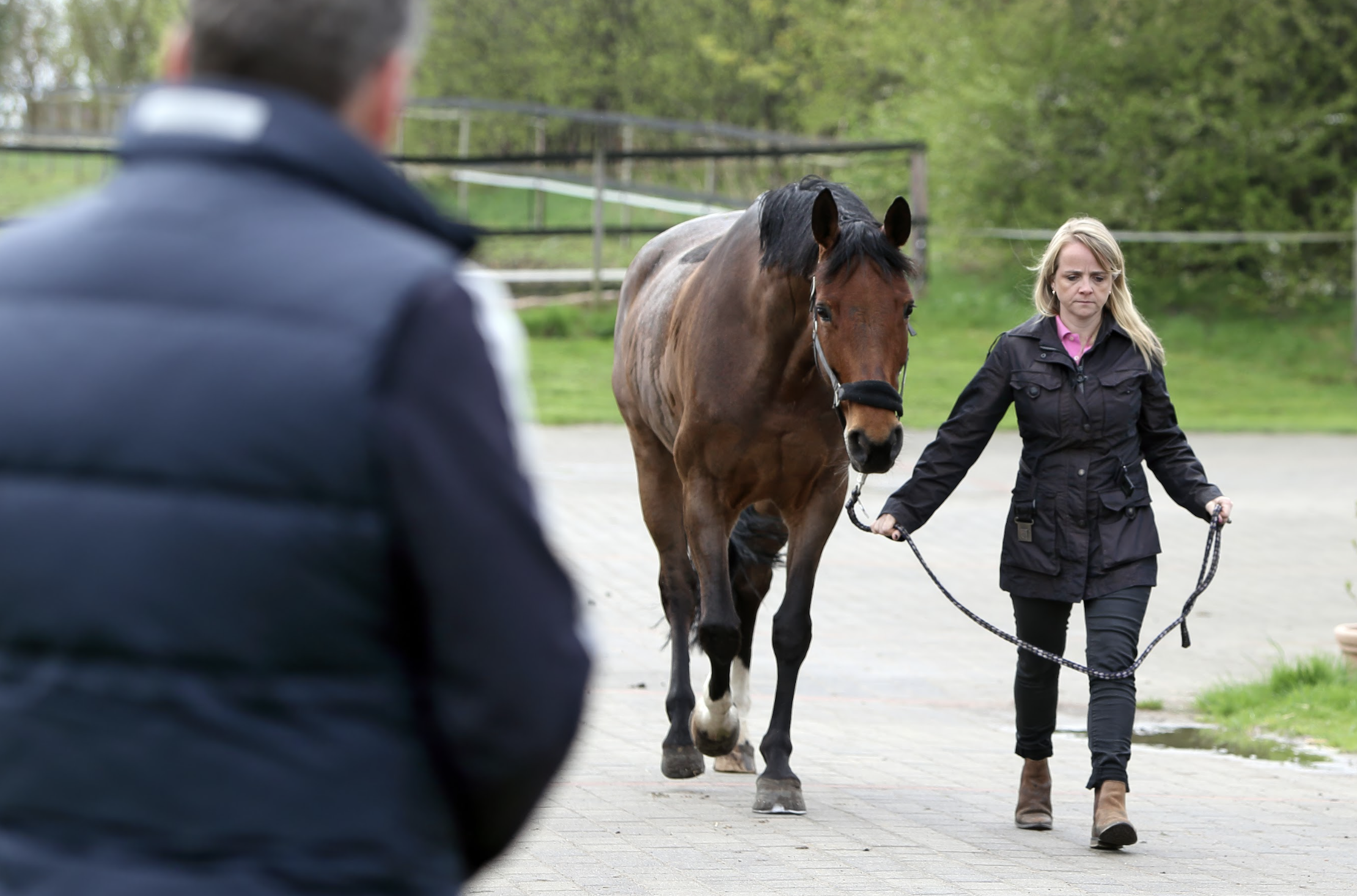
Dr. Taralyn McCarrel's journey into equine lameness began with her early experiences riding and working at a barn. Recognizing the critical importance of soundness for both horses and riders, she developed a keen eye and ear for detecting lameness issues. Her passion for veterinary medicine led her to graduate from the Ontario Veterinary College in 2006. McCarrel specialized in large animal surgery and lameness diagnosis during her residency in Kentucky, where she gained extensive experience with racehorses and sport horses. McCarrel's dedication to equine well-being continues to drive her work to this day as Associate Professor, Large Animal Surgery at the Ontario Veterinary College.
Computerised Tomography.
Working in referral hospitals has seasoned McCarrel to managing complex cases, often requiring advanced imaging and a nuanced approach to diagnostics. She highlights the importance of knowing when to use various diagnostic tools and offers clients options for either rapid, comprehensive diagnostics or a more stepwise, cost-effective approach. “I love being in an environment where I have all the toys to use when needed,” says McCarrel. “I think one of the advantages of being in environments where you've had access to all of these things, is learning when to use what.”
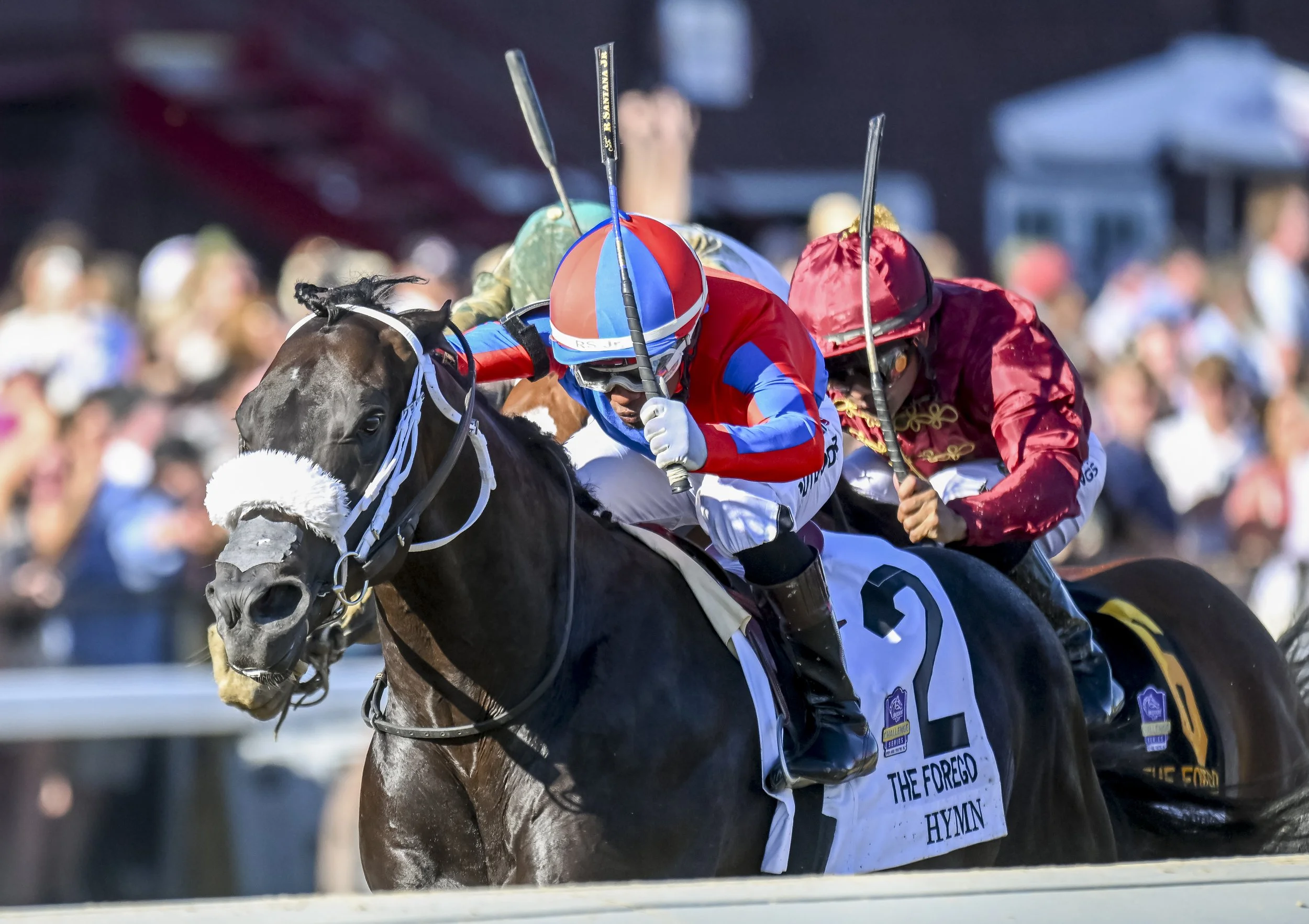
So a horse-loving oncologist from Pakistan teams up with two horsemen from Arkansas and Kentucky and wins a Grade 1 stakes with a home-bred without ever meeting his partners. “How about that?” said William Sparks, who grew up attending races at Oaklawn Park with his grandfather. “Crazy game that brings us together.”
The much-accomplished oncologist, Dr. Naveed Chowhan, agrees: “It’s kind of funny. Actually, I’ve never met them.”
The third person in the partnership is Bret Jones, the son of former Kentucky Governor Brereton and Libby Jones who oversees Airdrie Stud in Midway, Kentucky. His parents founded the farm in 1972 with a leased parcel of land from Libby’s father which has grown to more than 2,500 acres.
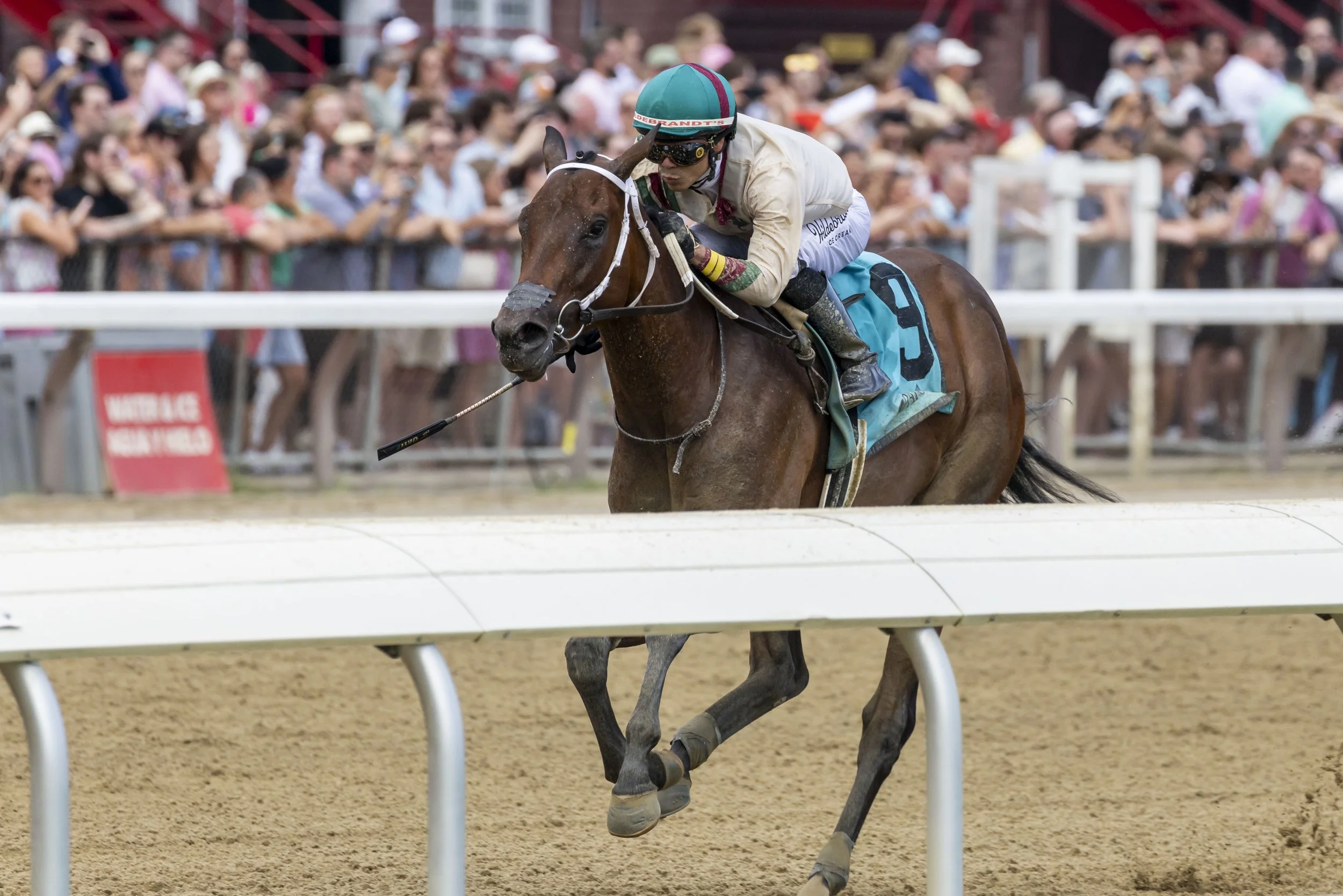
There’s a whole lot of Texas A & M in the ownership group of Gr.1 Spinaway Stakes winner Summer Starlet.
“We’re a little in-bred on our ownership,” Bellinger said.
Bellinger, like Dave Baggett, Bob Albritton and Jay Graham, are members of the Texas A & M Board of Regents. Only Bellinger, who partners with Brian Coelho in BC Stables, and Albritton, who had a bad experience as an owner decades earlier, had ever owned a horse before last September.
Watts is relatively new to the game, but his partner Sherwood, a long-time, close friend and former assistant of Summer Starlet’s trainer Steve Asmussen, has deep racing roots. “I’ve been around horses since I was born,” Sherwood, the son of a trainer, said. “Always loved it. They’re just such a beautiful animal, a majestic animal.”
His life around them was demanding. “It was a lot of work as a kid. I got up at 5 a.m. in the morning to feed horses; went to school, came back and took care of them. I did the whole gamut of being in the horse business. I broke them. That’s what I did as a kid.”
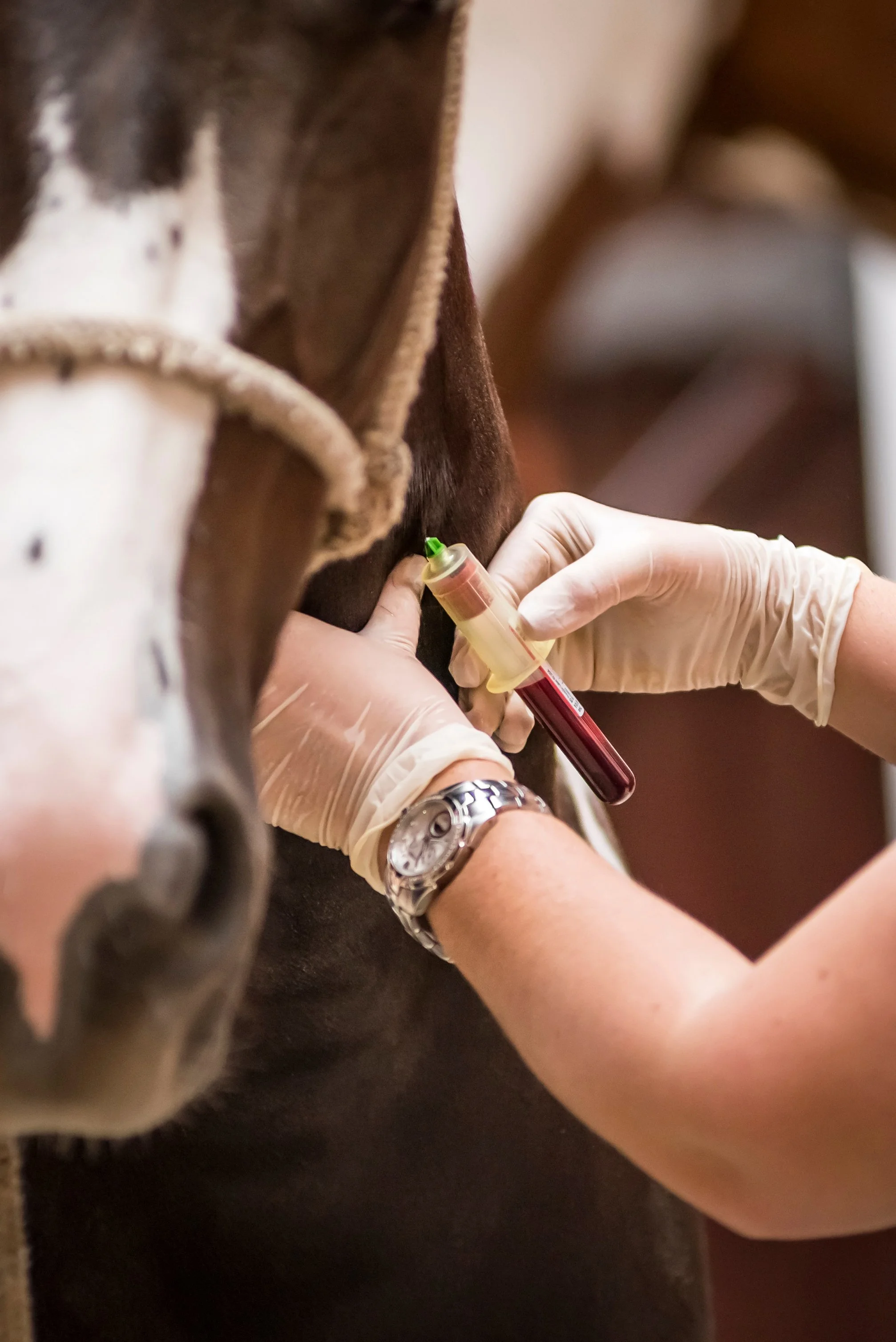
A trainer receives notice that a horse has tested positive for a prohibited substance. The laboratory result appears conclusive. Then, while reviewing the records, something seems wrong. A custody form is incomplete. A sample remained in storage overnight with no recorded time of transfer. Two witnesses disagree about who handled the evidence. The paperwork does not clearly establish how the sample moved from the horse to the laboratory.
For someone familiar with criminal trials, the natural question may be whether the evidence can be thrown out. However, the answer under the Horseracing Integrity and Safety Authority’s (HISA) Anti-Doping and Medication Control Program is more complicated. Chain of custody serves the same basic purpose in almost every legal setting in that it provides confidence that the evidence eventually tested or presented is the same evidence originally collected and that its integrity was preserved along the way.
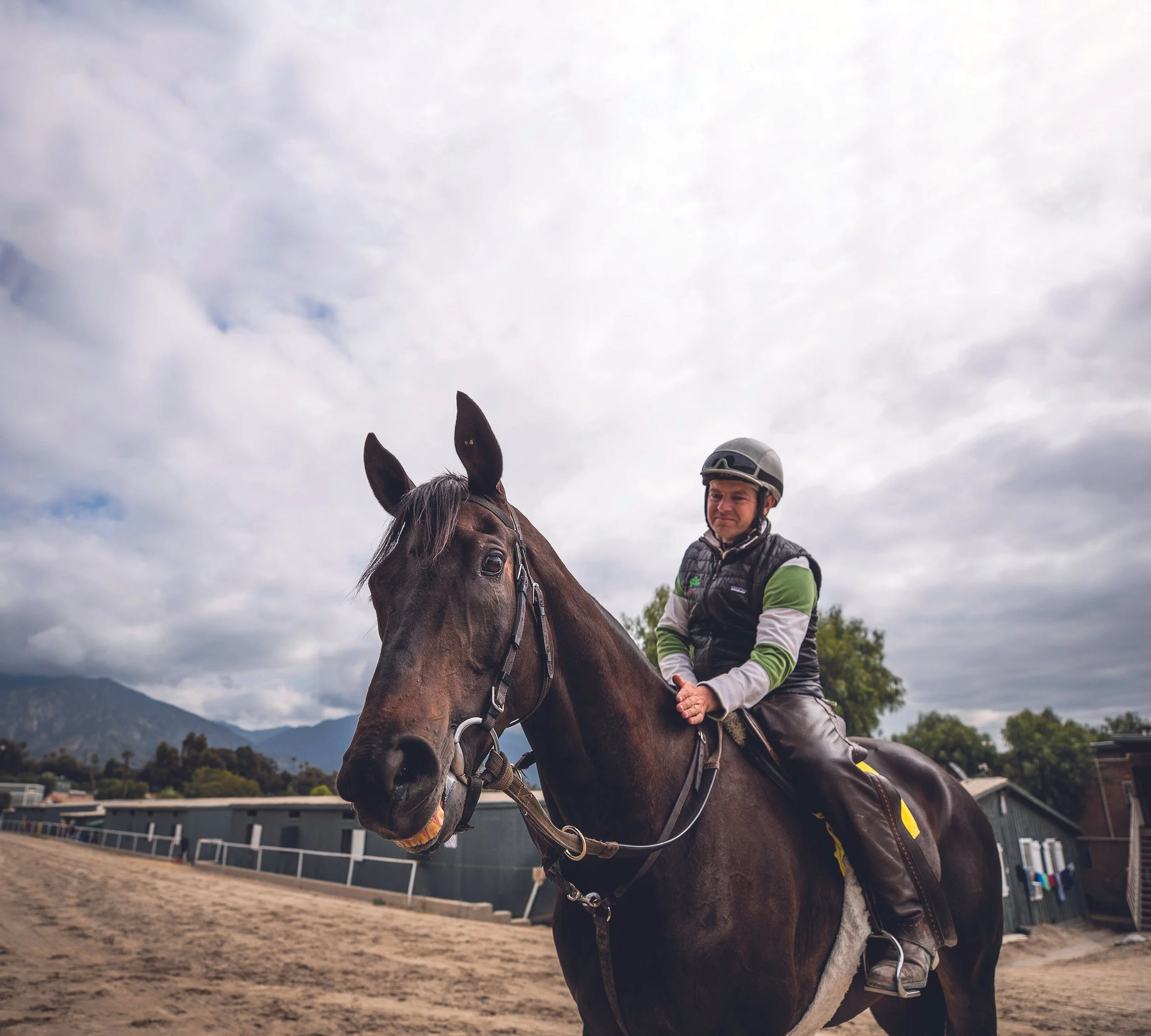
The backstretch security for the Breeders’ Cup is probably the tightest in North America, but an unsubstantiated incident in mid-July at Gulfstream Park alleges an unlicensed person snuck into a trainer’s barn and administered a drug to one of his horses. Is the backstretch security at the tracks you race at adequate? If not, what would you suggest?
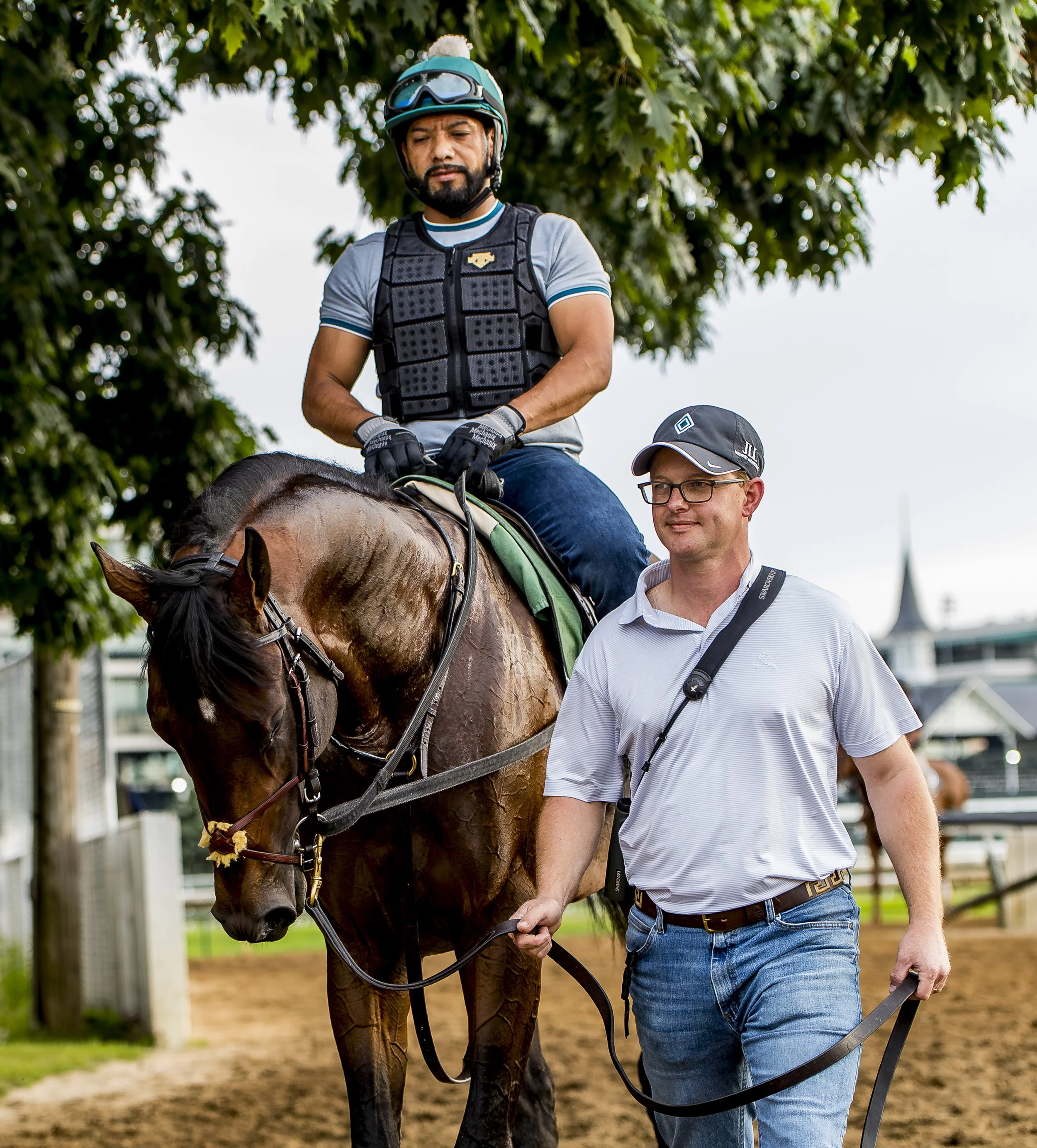
Riley Mott decided to enter Incredibolt, whom he saddled to a sixth-place finish in the 152nd Kentucky Derby, in this year’s Preakness while eating an Uncrustable at his kitchen table. His first call was to the racing office to see if entries for the second Triple Crown classic were still being accepted. Then he rang the man who had provided this young trainer with an enviable foundation in horsemanship, his father, Bill Mott.
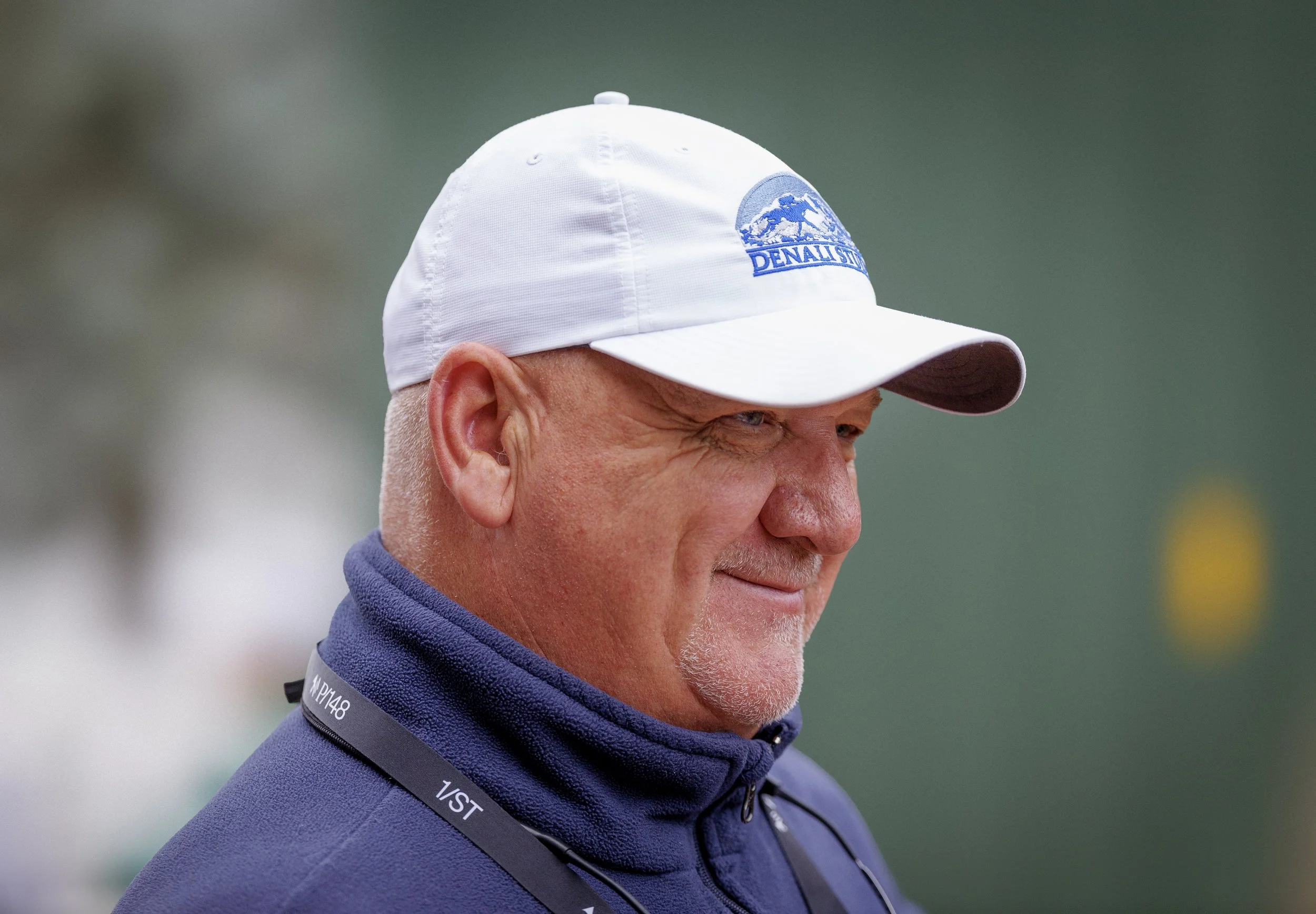
Twenty years ago trainer Kenny McPeek had a ho-hum year, relatively speaking. His horses earned $1.3 million and he earned for himself a cover photo and story in a brand new horse racing magazine, Trainer. That year, 2006, might have been a turning point for him; it was the last year his earnings would be below $2 million. It also marked the beginning of a trajectory leading to $16.2 million in 2024 when Thorpedo Anna won the Kentucky Oaks and Mystik Dan, the next day, won the Kentucky Derby, a feat only two other trainers had accomplished. Over the next 20 years after 2006, his earnings have averaged $5.7 million and he has never been out of the top 100 in annual purses.
Future success was still a question mark for McPeek back in 2006. In that first issue of Trainer was this quote from McPeek. Referring to his 14 years of training prior to 2006 he said, “I’ve tried just about everything over the years to win races.” He went on to say he was “trying something entirely new…and in the process of reinventing his training methods.” Changes apparently not only helped him win races but also go from a middling trainer to a contender and winner in Triple Crown races.
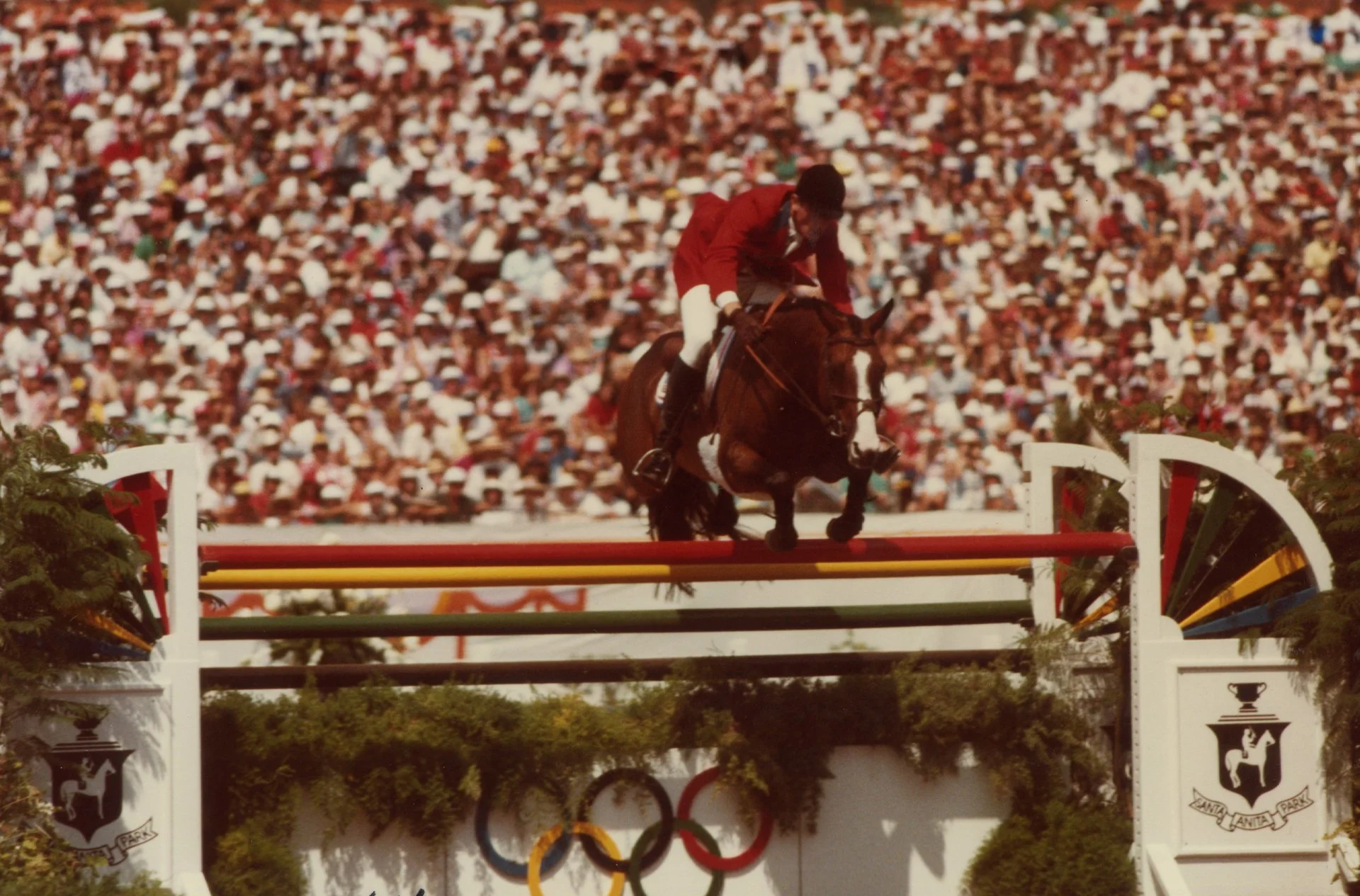
Pierre de Coubertin established the motto of the “modern” Olympic Games in 1894. And in 2021, “communiter” was added (together) to the original: swifter, higher, stronger.
We Americans of a certain age grew up with the ABC television version of the Olympics, presented by the inimitable Jim McKay. ABC’s “Wide World of Sports” also showcased his talent, covering everything from Acapulco Cliff Diving to skiing wrecks in the Giant Slalom to horse shows and racing. It didn’t hurt a bit that he loved horses, and was the founder of the Maryland Million. The Olympic ideals of perfected human nature inspired us all.
Moreover, it’s not a stretch to say that without the 1932 Olympics in Los Angeles, Santa Anita might never have been successful; in fact, it might never have been. Period.
In 1923, the International Olympic Committee sought to find the host city for those ’32 Games. There was only one applicant: remote Los Angeles. It wasn’t much different in the 1970s. After the calamities of Munich terrorism and Montreal’s financial disaster, only two nations were interested in the 1984 Games: Iran and the United States.
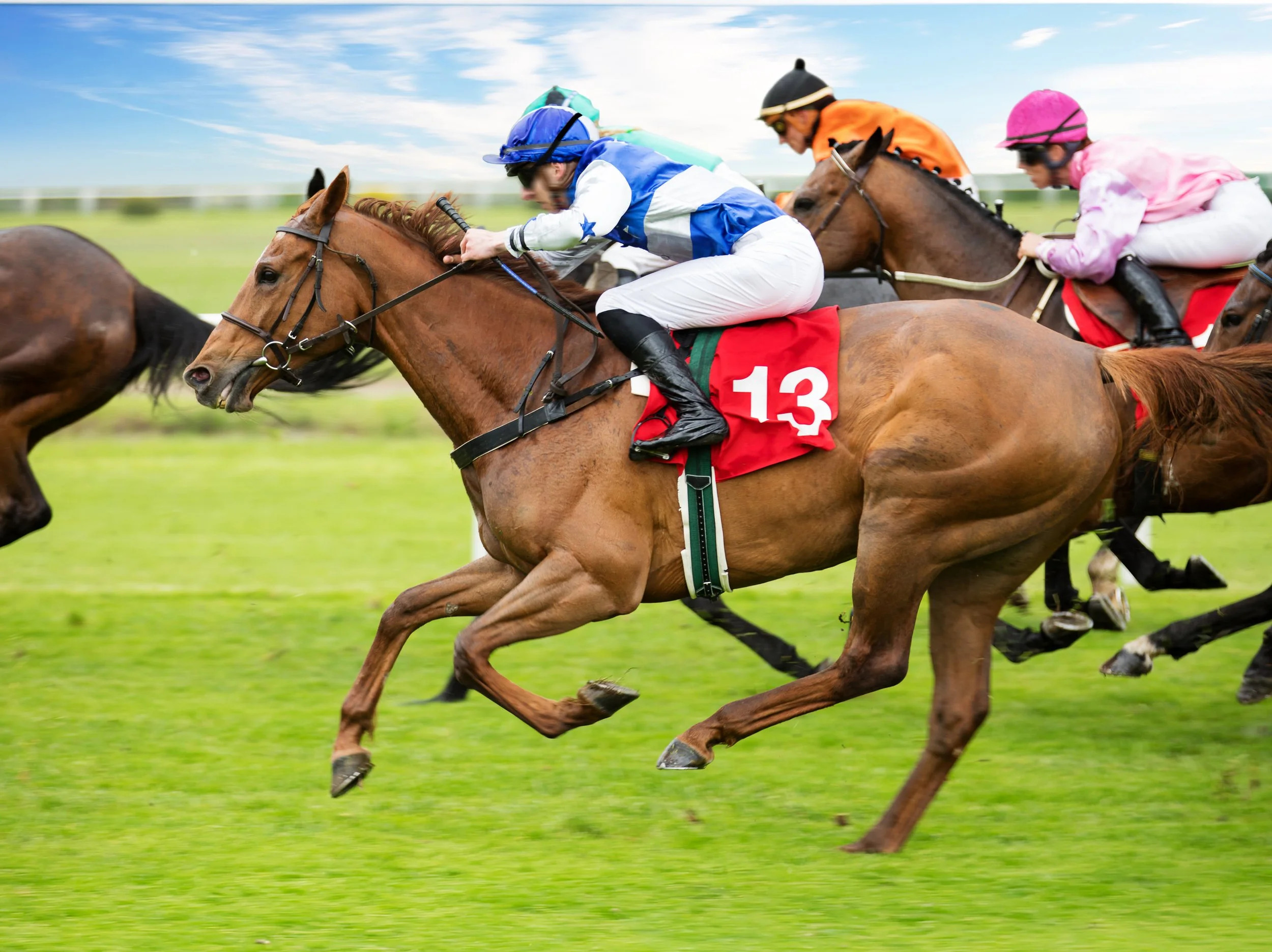
There are many factors that influence athletic performance including joint and muscular function. Training naturally places stress on both joints and muscles and this is where nutrition plays a key role. Nutrition is a powerful tool for managing inflammation, facilitating recovery and supporting repair and regeneration at a cellular level.
Oral nutritional supplements when used in a targeted manner can help horses adapt to training, recover better and support continued performance for the long term.
Part one of this two-part series focuses on joint health and the role of nutrition. In the next issue the role of oral nutritional supplements for soft tissue recovery will be discussed.
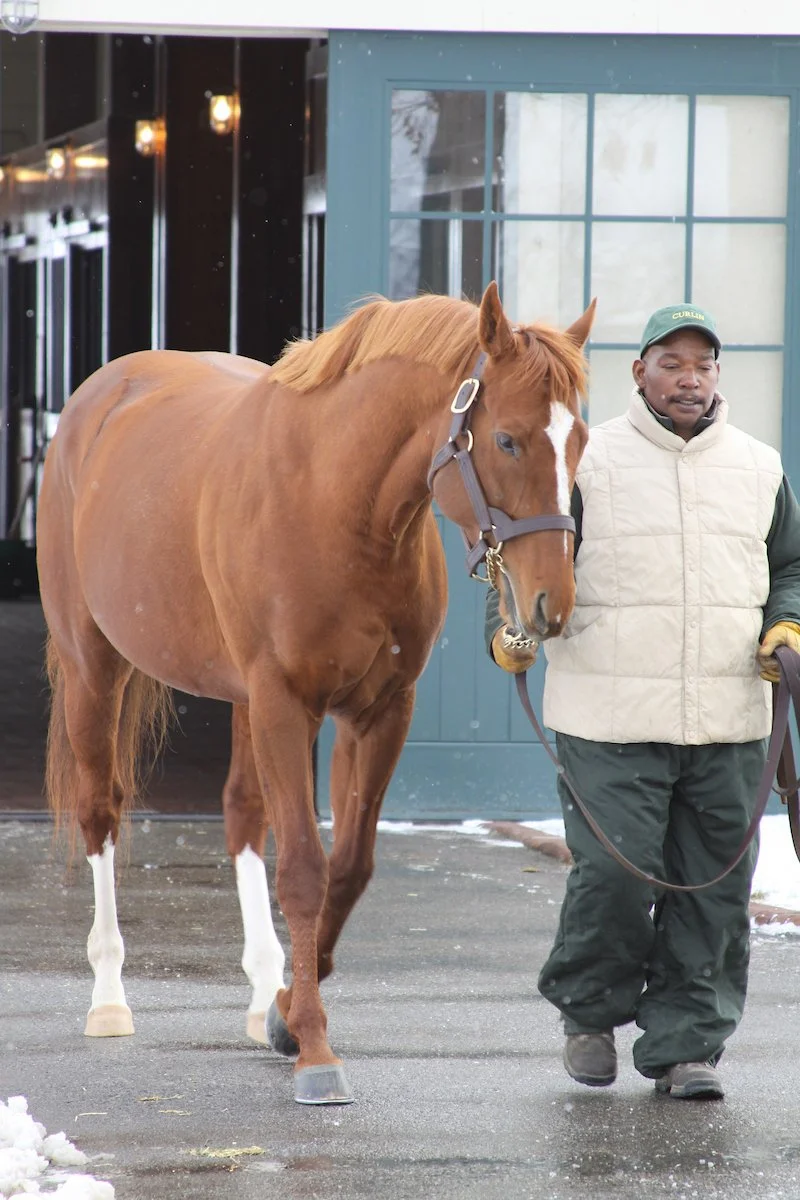
Their careers commenced within months of each other in the second half of 2021. And from the moment the two sons of Curlin began flaunting the ability honed by their shared Hall of Fame trainer, Godolphin’s homebred Adonis named Cody’s Wish and Juddmonte’s purple-bred yearling purchase aptly deemed Elite Power would share nearly everything in a competitive setting other than a starting gate.
This article is written from the perspective of an independent veterinarian, equine nutritionist, pharmacologist, former Thoroughbred trainer and owner, and lifelong horsewoman. It is not written on behalf of a feed company, supplement manufacturer, pharmaceutical company, racing organization, or political interest. Its purpose is to encourage constructive dialogue among trainers, veterinarians, nutritionists, owners, HISA, and HIWU in pursuit of a common goal: the welfare and integrity of the Thoroughbred racehorse.
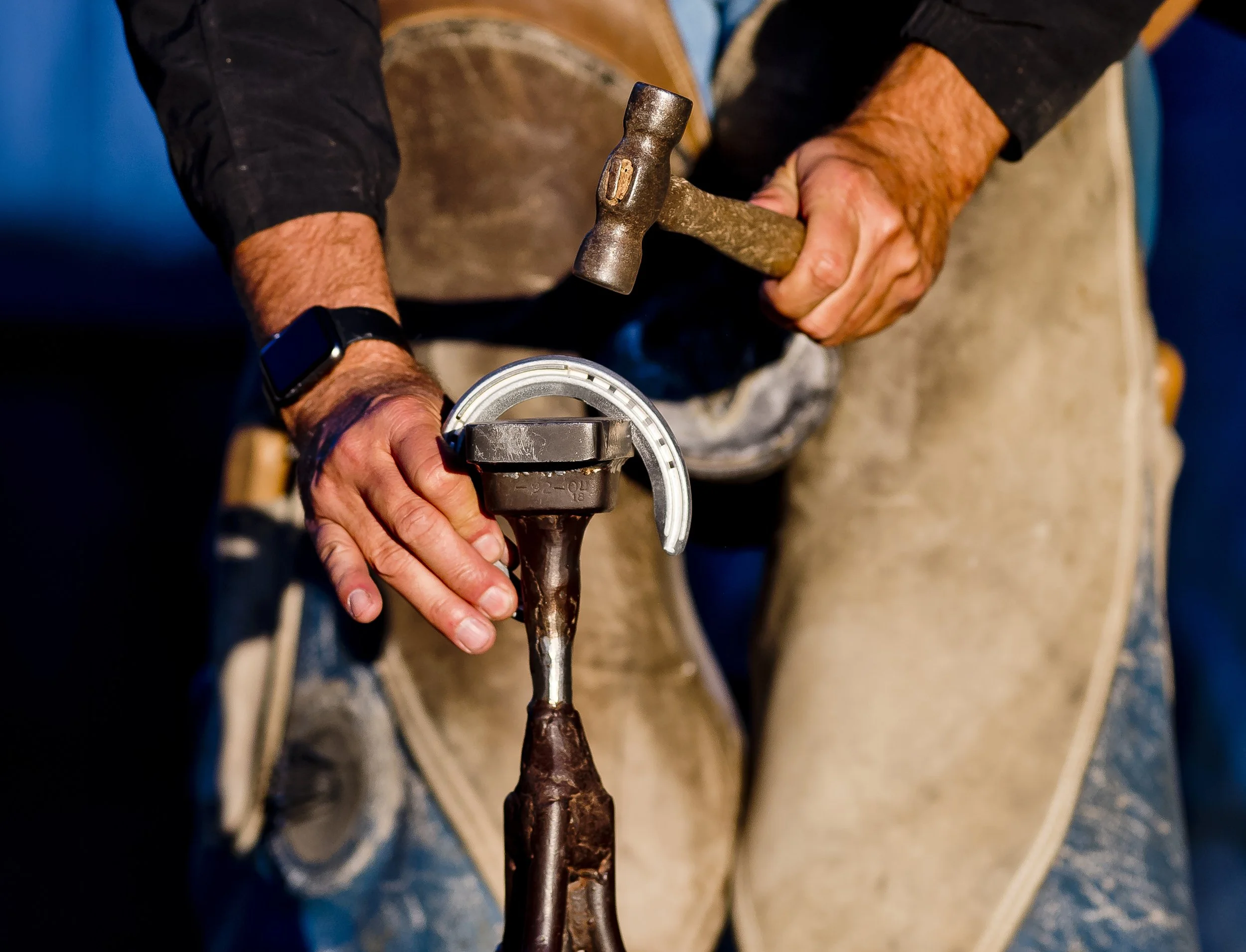
Out of necessity, cowboys became their own farriers in the American West, and they passed down their knowledge to the younger hands on the ranch. A dayworker could increase his pay substantially if he could shoe a few horses for the boss before the day was over. These days U.S. farrier schools are training farriers and social media has generated interest in a trade that goes along with a seemingly western way of life. The American horse culture is seen online in posts and streamed to every household by networks like EQUUSTV, and equine-loving YouTubers from seemingly every state, while reaching audiences of every age. Feed, supplements, grooming products, tack, equine sportswear, trucks, beer, and real estate promote with horses and sometimes farriers too. How often do you see a horseshoe in a logo or company/product branding campaign?
In racing, trainers choose their farrier in most cases. However, a skilled farrier may not be available or hard to find at some racetracks. If HISA requires that a specifically credentialed farrier must be hired for Thoroughbred racehorses, will this make hiring a farrier more difficult? Unintended consequences as they are, making it harder to find this HISA farrier is a very real possibility. Currently, there are fewer new farriers entering apprenticeships with racetrack farriers or coming out of farrier schools and looking to work at the racetrack.
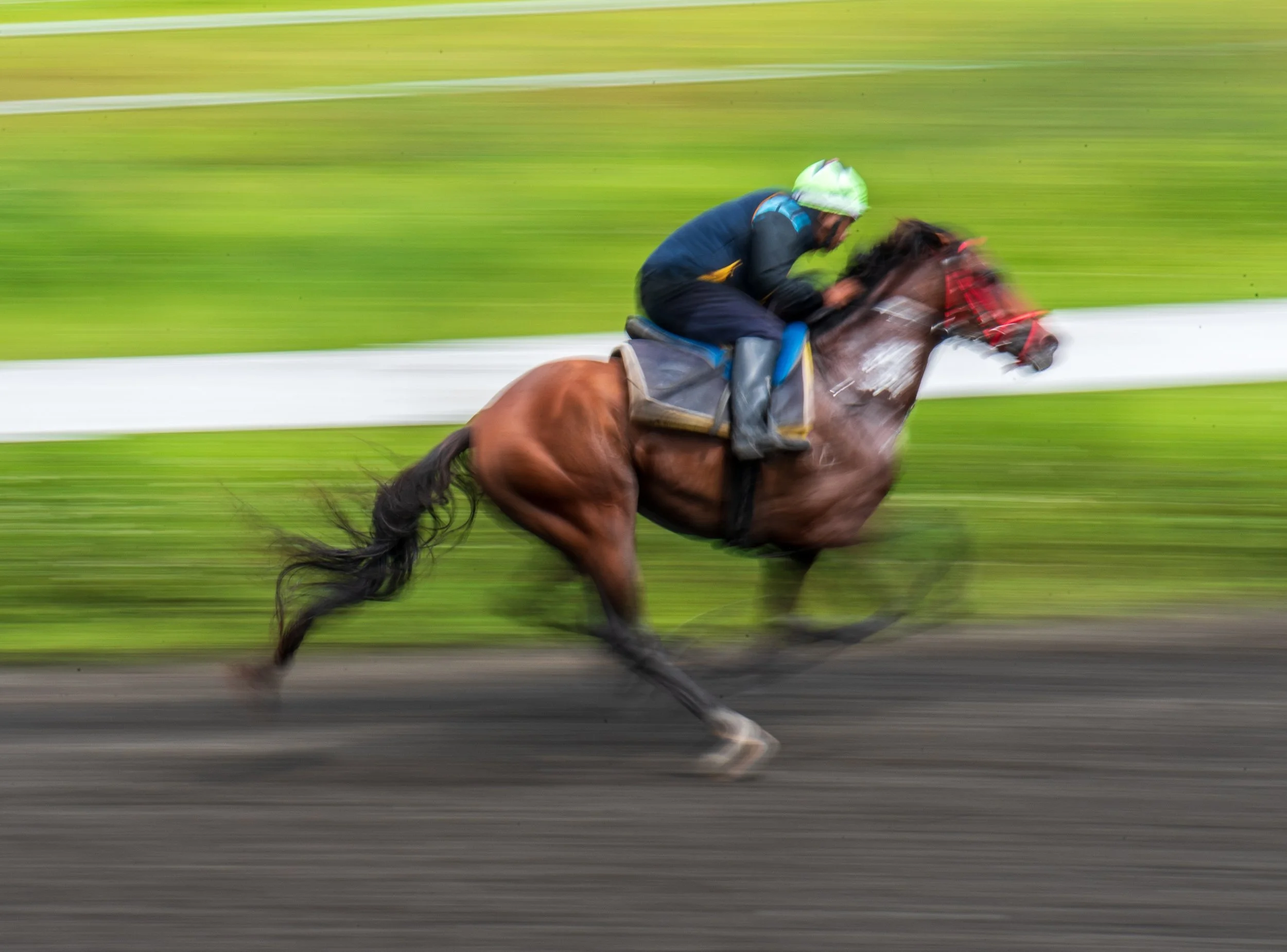
Exercise‑induced pulmonary hemorrhage, EIPH or “bleeding”, has been recognized for centuries. The true cause of this disease was misunderstood until modern diagnostic tools revealed that bleeding actually comes from the lungs, not the nose. For much of its history, the condition was understood as the rare and dramatic episodes of nosebleeds (epistaxis) after intense work, and bleeding was seen as a one-off, colorful event in an otherwise healthy horse.
With the advent of the tools of endoscopy and bronchoalveolar lavage (“lung wash”), it became clear that bleeding from the nose represents a relatively rare occurrence of a much more common lung condition. Today, EIPH is recognized as a widespread, seemingly silent feature of equine athletes, with studies finding it in up to 95% of Thoroughbred racehorses.
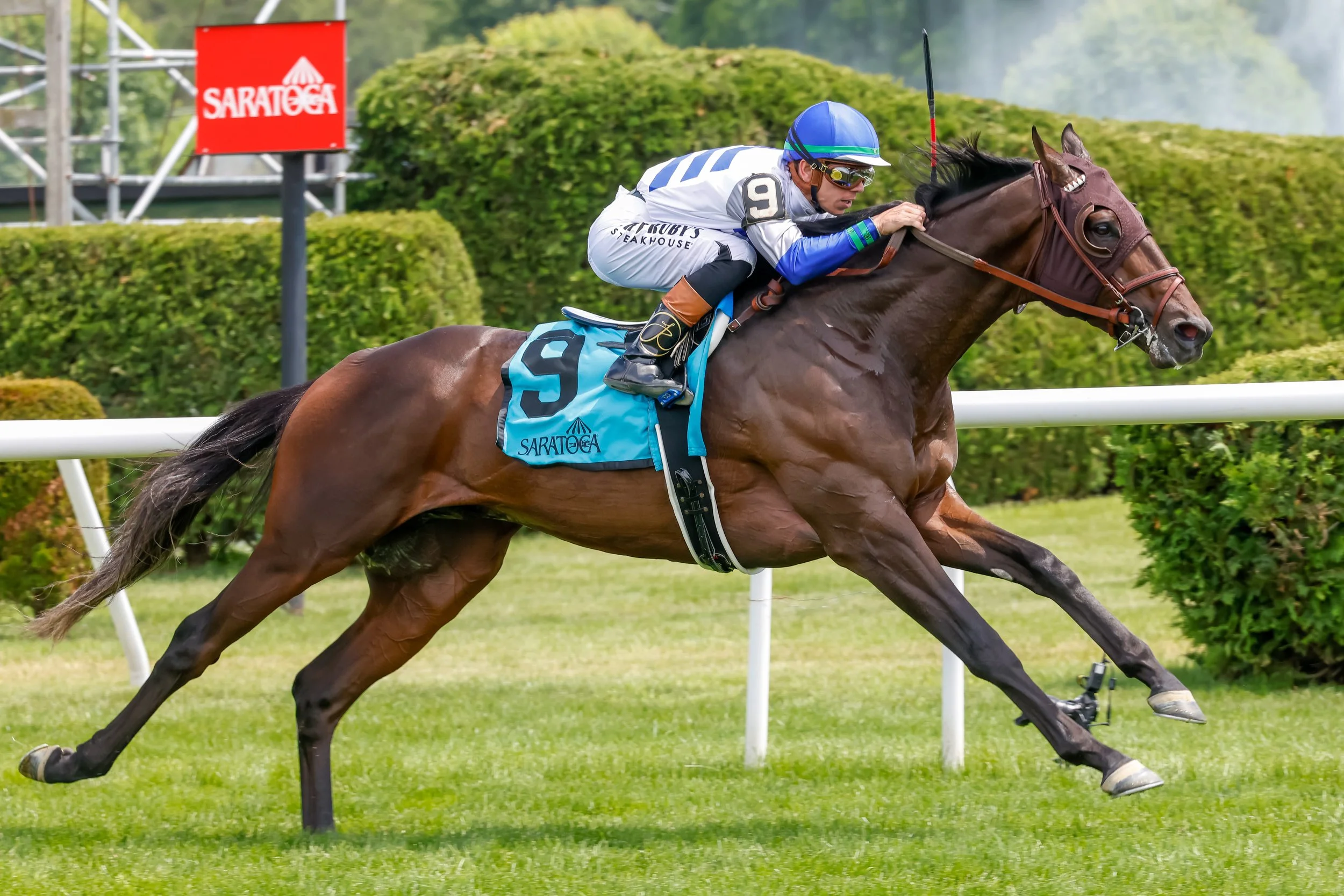
Maybe it was chance, or fate. Call it karma or destiny or happenstance. All Ohio businessman Scott Mawaka knows is that it changed his life: “As a young man, my first customer that I signed for my business, I offered to take him golfing or go out for lunch. He said, "That's not what I like. I like to handicap the ponies.’”
Off they went to Thistledown in Cleveland. Mawaka remembers seeing “a stereotypical bunch of guys with their papers and cigars. Probably 30 years ago.”
Not long after, Mawaka claimed his first horse, Fame and Gold, for $5,000 at Thistledown on October 10th, 2001. Fame and Gold won a $3,500 claimer in his third start for Mawaka and was ultimately claimed. “That got the bug in me,” Mawaka said. “Our first couple of claimers, I bought with my dad.”
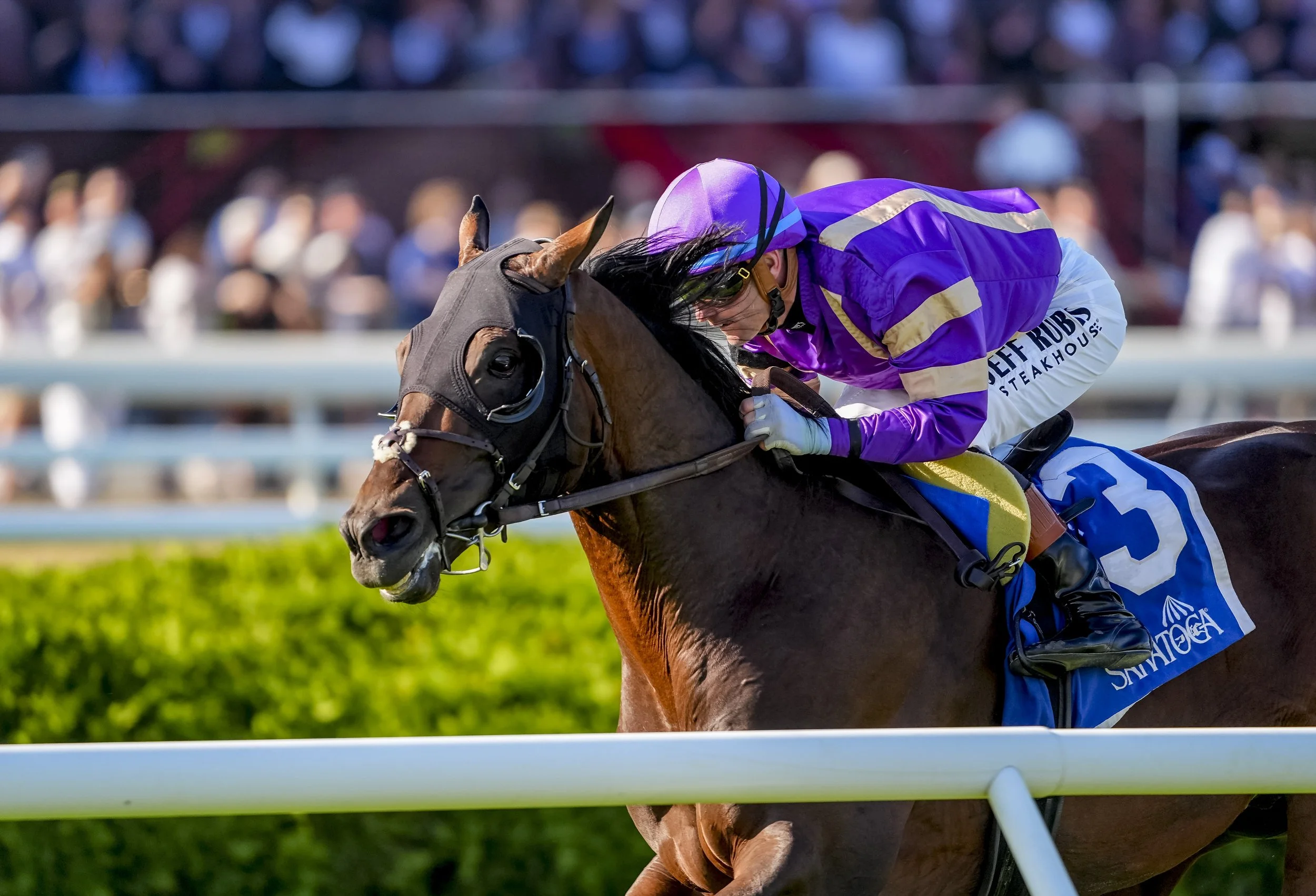
Wise enough to learn from great trainers; humble enough to take a job as a hotwalker at the age of 35 to learn more and smart enough to take his Peachtree Stable to the highest level of competition is how 83-year-old John P. Fort continues to make his mark in Thoroughbred racing.
Along the way he became a talented polo player and finally got Allen Jerkens to train his horses more than 20 years after a rocky first encounter. His latest stakes winner, Tawny Port, ended a two-year losing streak, taking the two-mile Gr.2 Belmont Park Gold Cup at Saratoga June 4th in track-record time, earning a free ‘Golden Ticket’ to the Melbourne Cup, the race that stops a nation, in Australia. Miguel Clement trains Tawny Port. Fort met him when he was five-years-old at the Saratoga Dog Show. Fort and his dog Flexi were dressed up like a lion tamer and his lion: “Thirty years later, we’re winning stakes races. The river runs deep.”
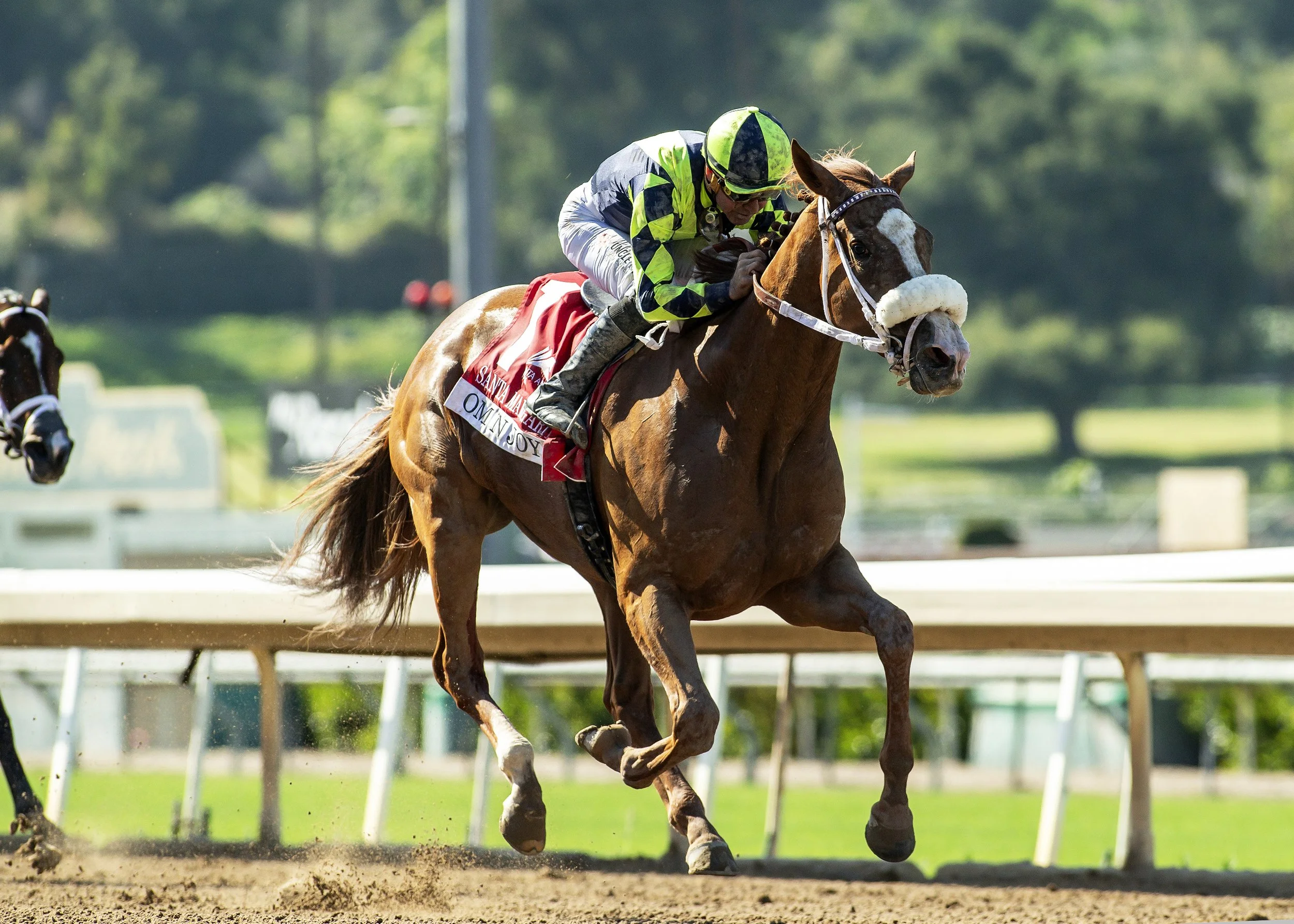
“Connie and I have a problem,” Jerry Baker said. “We fall in love with our horses.”
So when their first horse together, Margie’s Minute, a $20,000 claimer they purchased in 2016, was done racing a year later, they didn’t want to lose her. So they bred her.
Good decision. Her third foal, the five-year-old gelding Vodka Vodka, finished second in the Gr.1 Santa Anita Handicap March 7th and has earned $569,750. Less than three months later, his four-year-old half-sister Om N Joy, racing just seven days after finishing seventh in a California-bred turf stakes, dominated her competition on dirt, taking the Gr.2 Santa Margarita Stakes by 3 ¾ lengths under Kent Desormeaux. She’s now over $600,000 in earnings. Not bad for a filly who lost her first eight starts before winning five straight.
Jerry, a career real estate man, said, “We’re lucky.” Connie said, “Very lucky.”
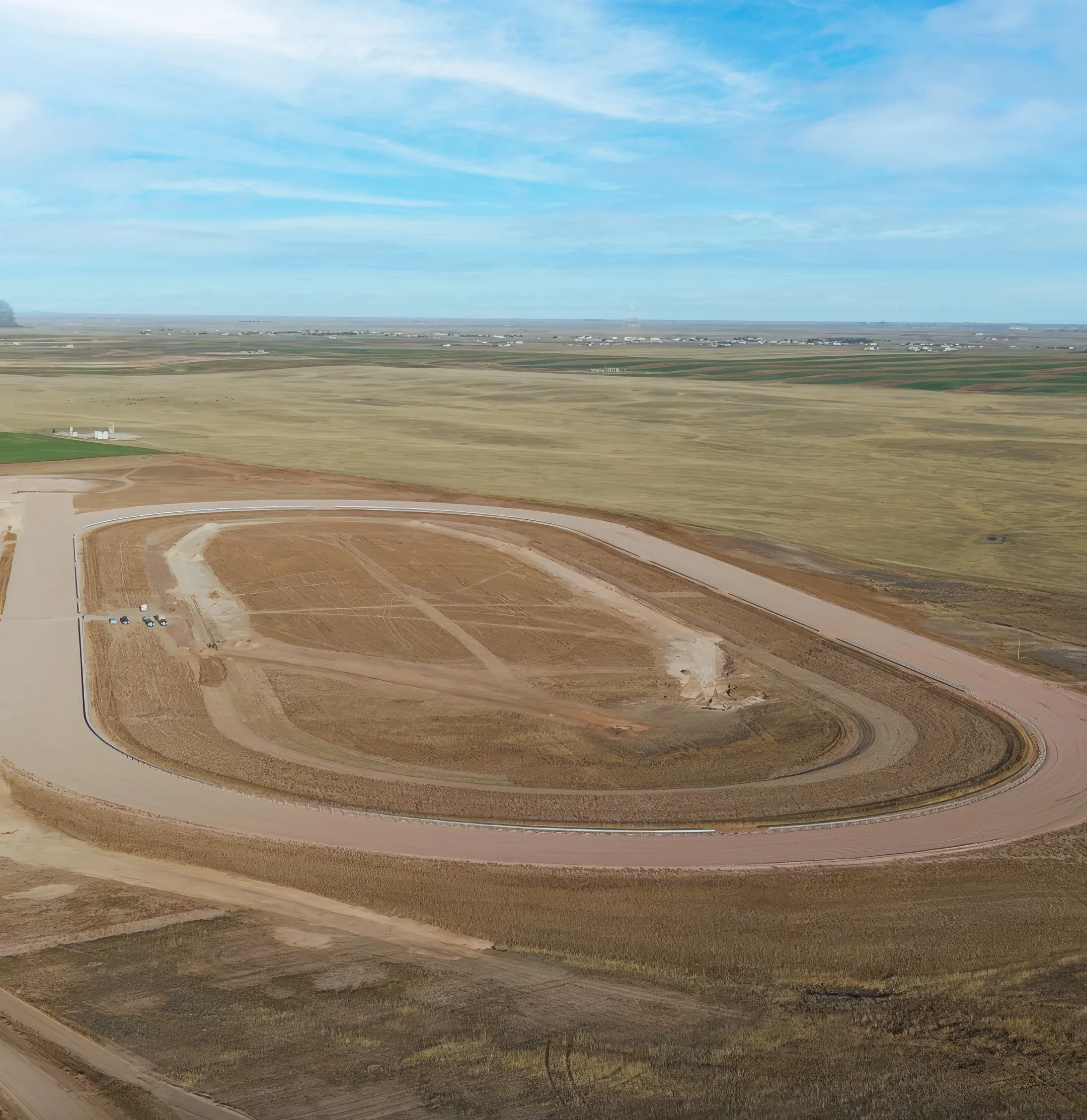
Racing to return to Kansas and a new track coming to Wyoming this year - what's behind the renewed enthusiasm for thoroughbred racing in both states?
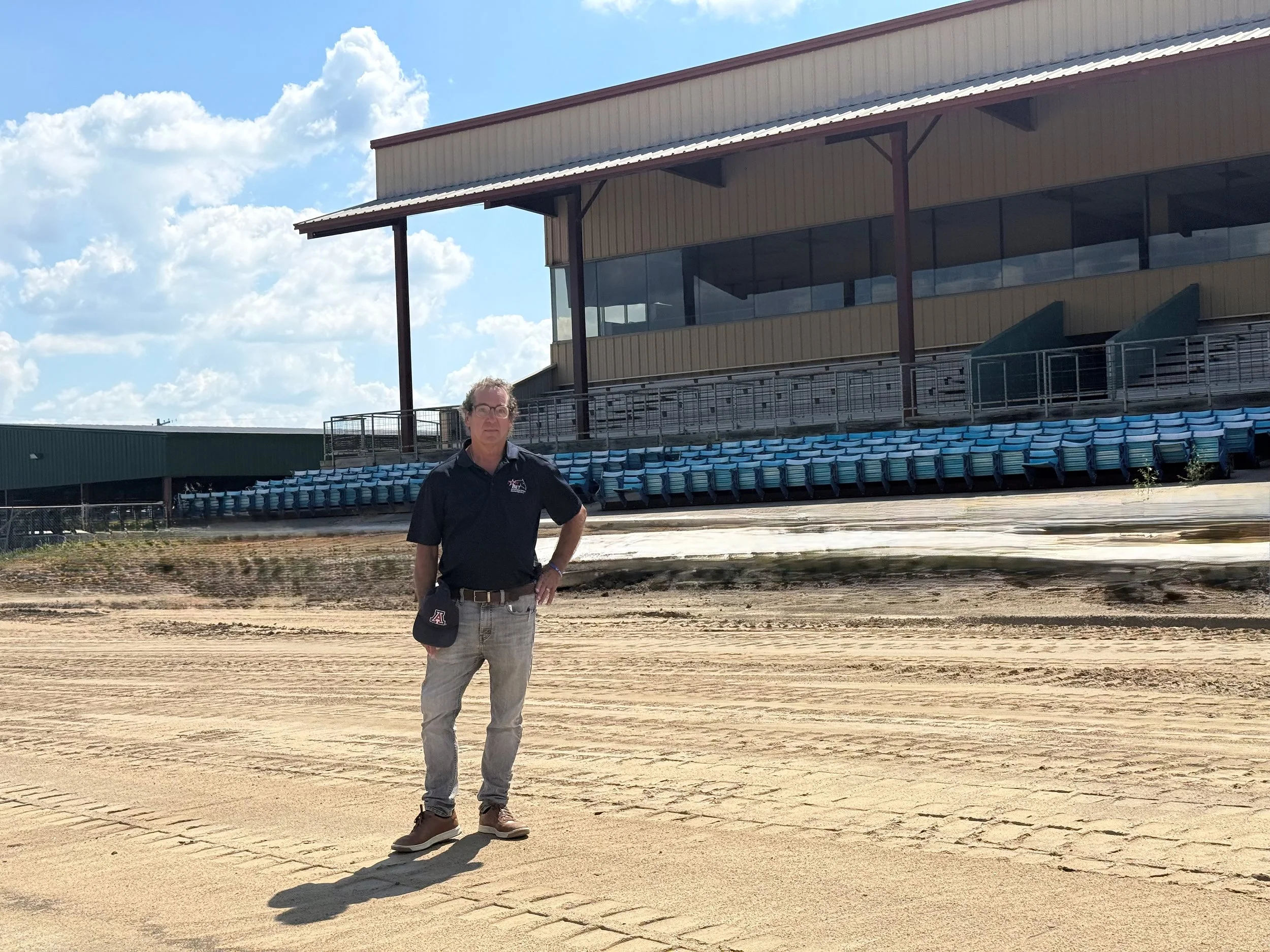
Mike Weiss, general manager at the latest iteration of Eureka Downs in the Kansas town of the same name, may have the same response.
The first Eureka Downs was built in 1872 before moving to its present address in 1902. To put that in perspective, baseball’s Wrigley Field didn’t open until 1914.
Re-openings are not new for Weiss, who managed reopenings at Prescott Downs and Rillito in Arizona along with the North Dakota Horse Park. Weiss is equally experienced in racing and racetrack management either. He was racing manager and then general manager of Buelah Park in Ohio for 22 years.
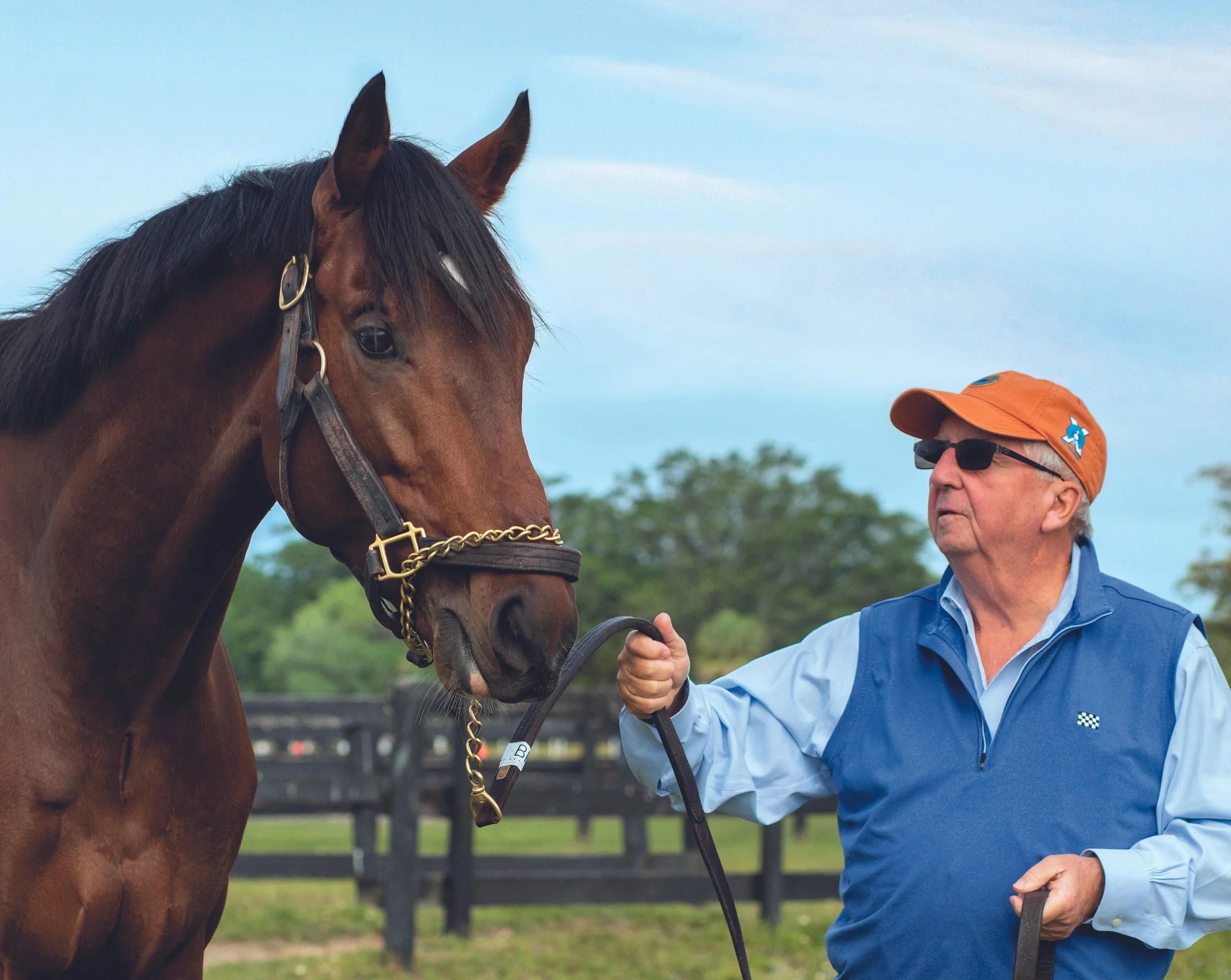
What have been the greatest innovations or changes you’ve seen in racing the last 20 years and what changes or innovations would you like to see in the next five years?
Shug McGaughey / Bill Mott / Al Stall / Bob Baffert / Nick Zito / Richard Mandella / Mark Casse / Barclay Tagg / John Servis and Ron Moquett share their views
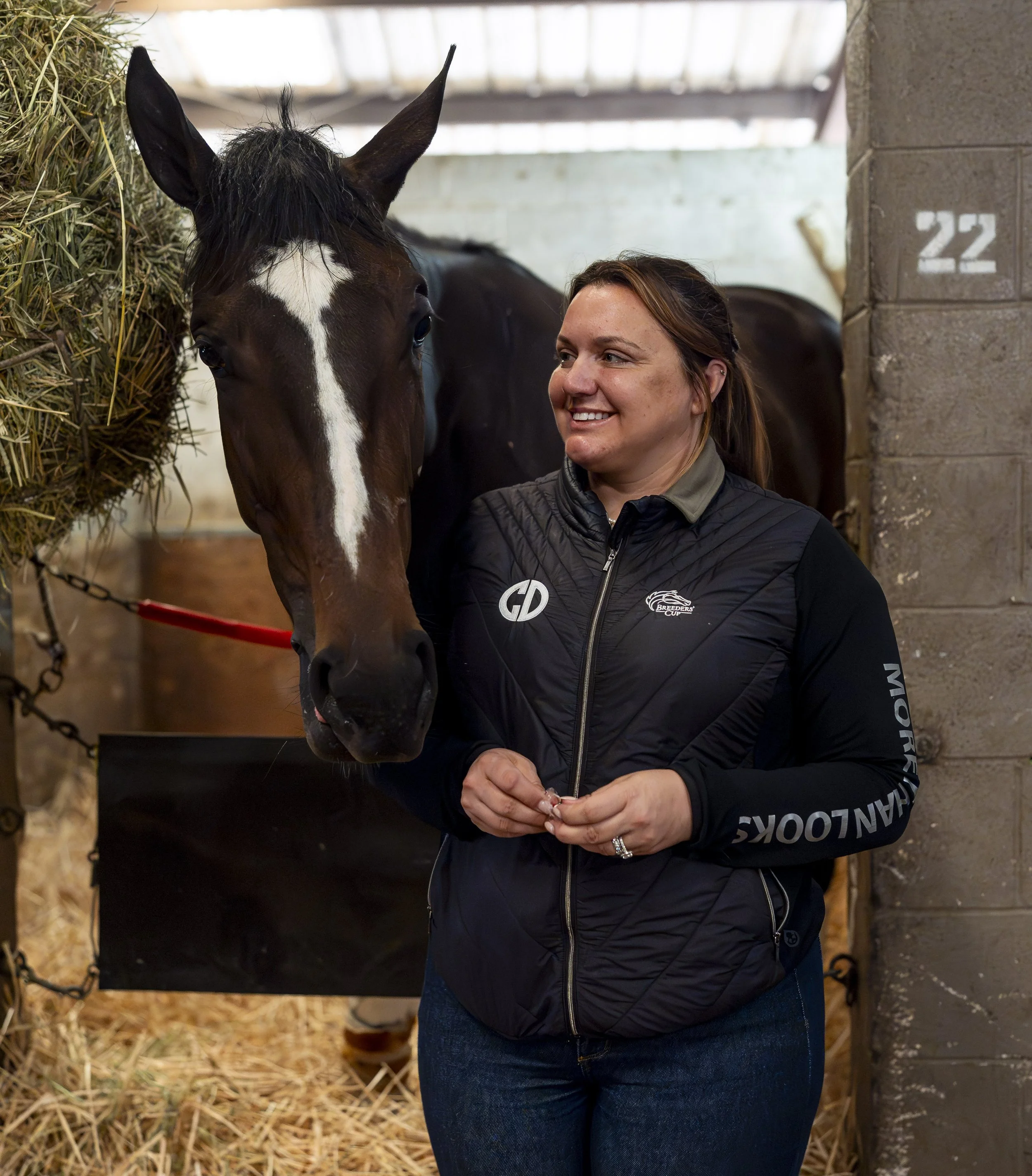
Cherie DeVaux - trainer of Kentucky Derby runner - Golden Tempo
Few races inspire the pageantry and glory that the Triple Crown classics do. For anyone involved in American horse racing, a win in any of the three puts you in an exclusive club, your name forever etched in the history of the sport.
"These big races are the ones you dream of when you look at these young horses that are being born right now, and you say, 'We might have a chance.' That's why every single person on every single level loves the sport," said Daisy Phipps Pulito, whose Phipps Stable won the Derby with Orb in 2013.
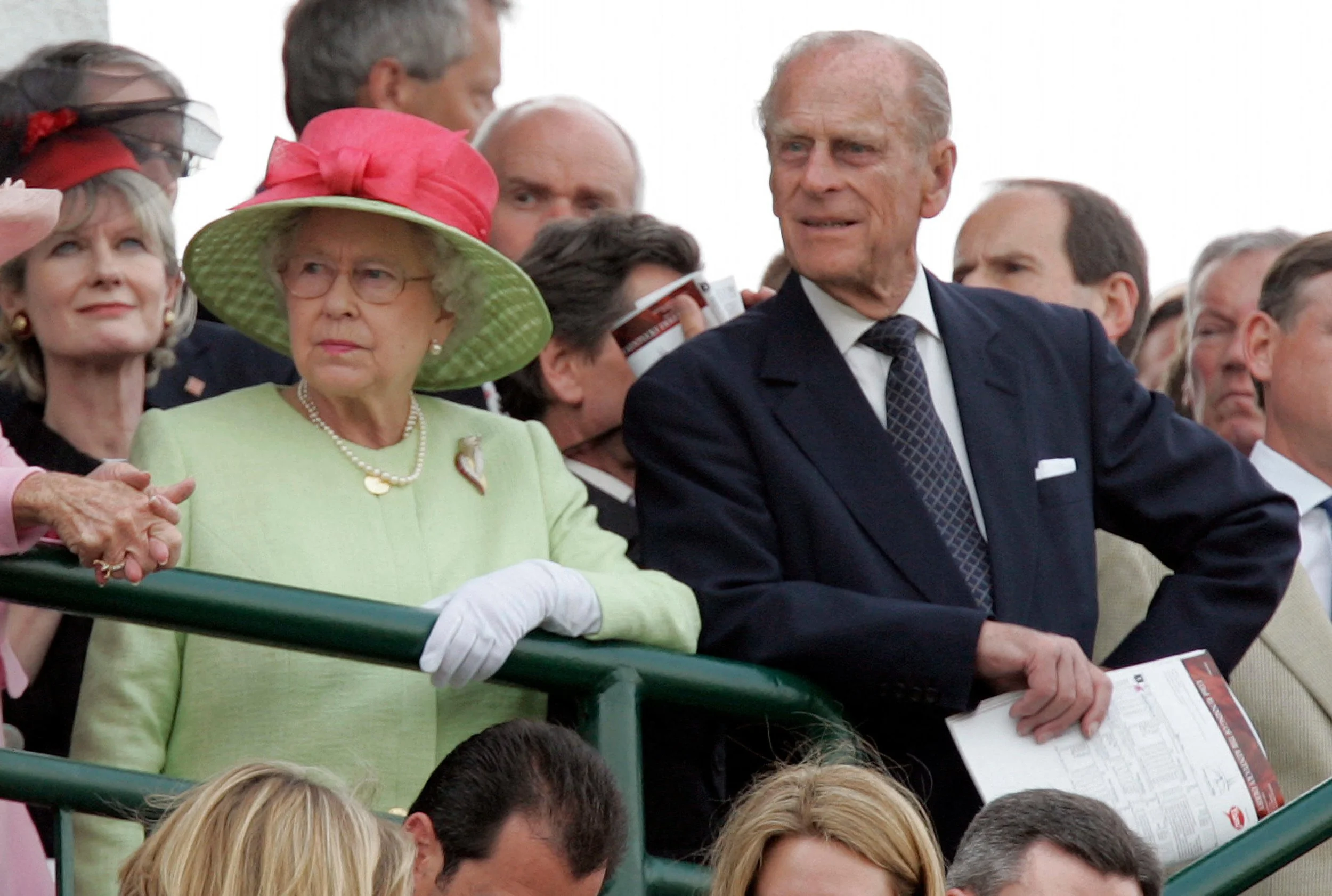
If memory serves, the first for me was Swaps, that mind-boggling California bred, winning the one in Kentucky in 1955. I didn't even hear of Santa Anita's until years later, and Kentucky's was on the radio. Who knows why I was listening to it, but I guess that winner stuck with me because of the "funny name."
I became more and more horse crazy as the years went by, so the Kentucky Derby was mandatory listening for me, and then watching on television. I particularly remember Carry Back in 1961, probably because I had him in one of those barn-pools and won some cash, when he beat Crozier ... but there was also that fascinating pedigree (by Saggy out of Joppy) and, later, all the ridiculous moves of his owner Jack Price that somehow he survived. No wonder Red Smith, the legendary Pulitzer Prize winning sportswriter, loved racing above all others: "there are more stories at the track than anywhere else."