
European Trainer article search
BROWSE THROUGH ARTICLES BY SELECTING A CATEGORY
RECENTLY PUBLISHED ARTICLES
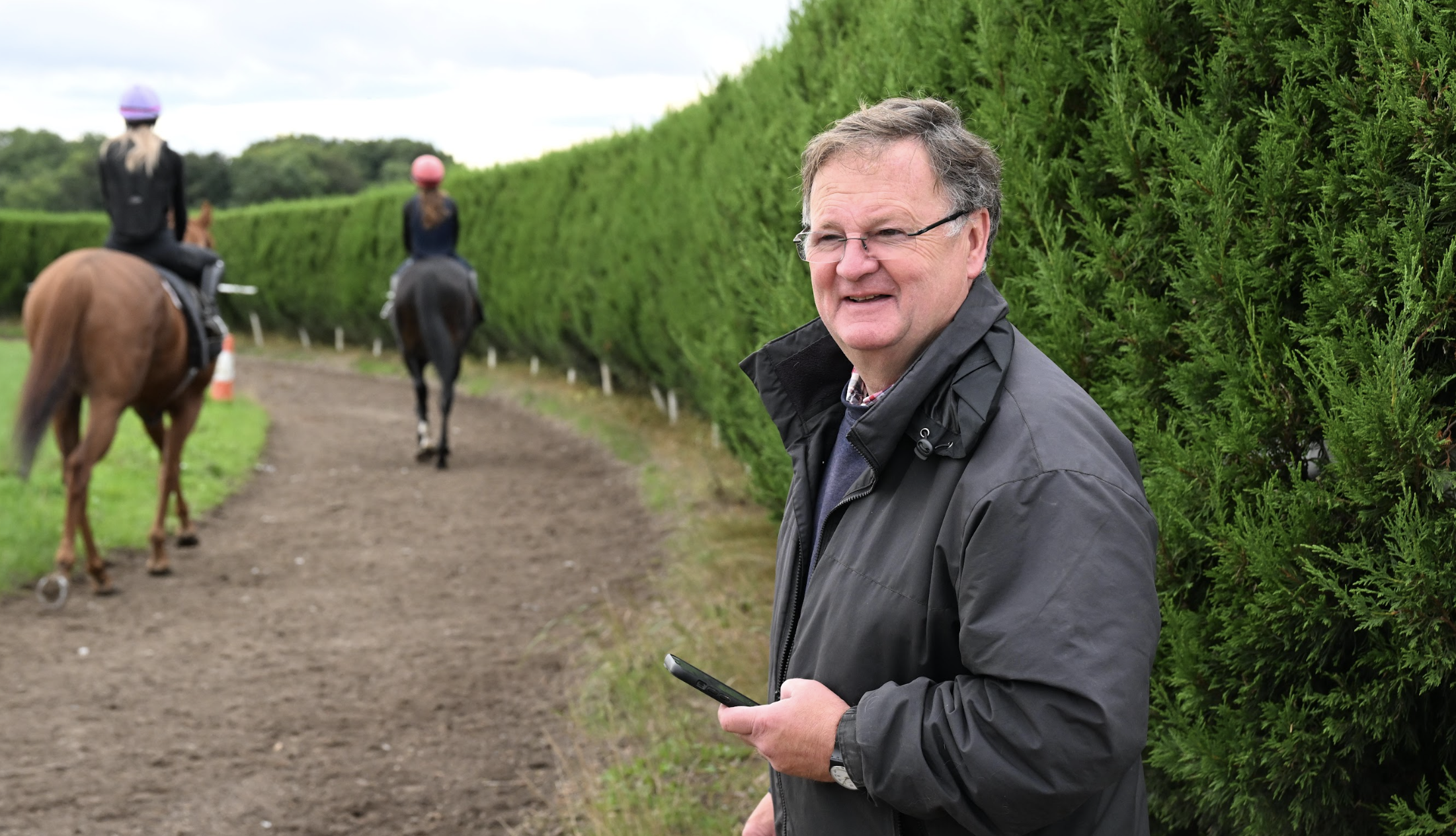
Preparation is key but training racehorses isn’t an exact science, there are always curveballs lurking. Just ask the Darlington-based trainer Michael Dods, the man responsible for saddling this year’s Gimcrack Stakes winner Arapaho Gold.
By Bayside Boy, the 42,000 euros yearling is the third foal from the capable Irish handicapper Call Of The Jungle. The juvenile making a smooth winning debut in a maiden at Thirsk in May, with Dods immediately formulating a plan,
“I had it in my mind, based upon what he’d shown us, that Arapaho Gold would go to Beverley next for the Brian Yeardley, and we fully expected he’d win that, and because of his pedigree, and the distance, it fitted that he could run in the Windsor Castle at Royal Ascot.”
However, things took a sharp U-turn on the Westwood, when the 11-4 second favourite reared up, placed a leg over the top of his stall, and consequently was withdrawn. Dods explains,
“I hadn’t really made a Plan B. Craig Witherford and Connor Beasley did a lot of work with him in the stalls afterwards, and we decided that we didn’t want to travel far – thinking Ascot might be a bit much for him – for his next start.
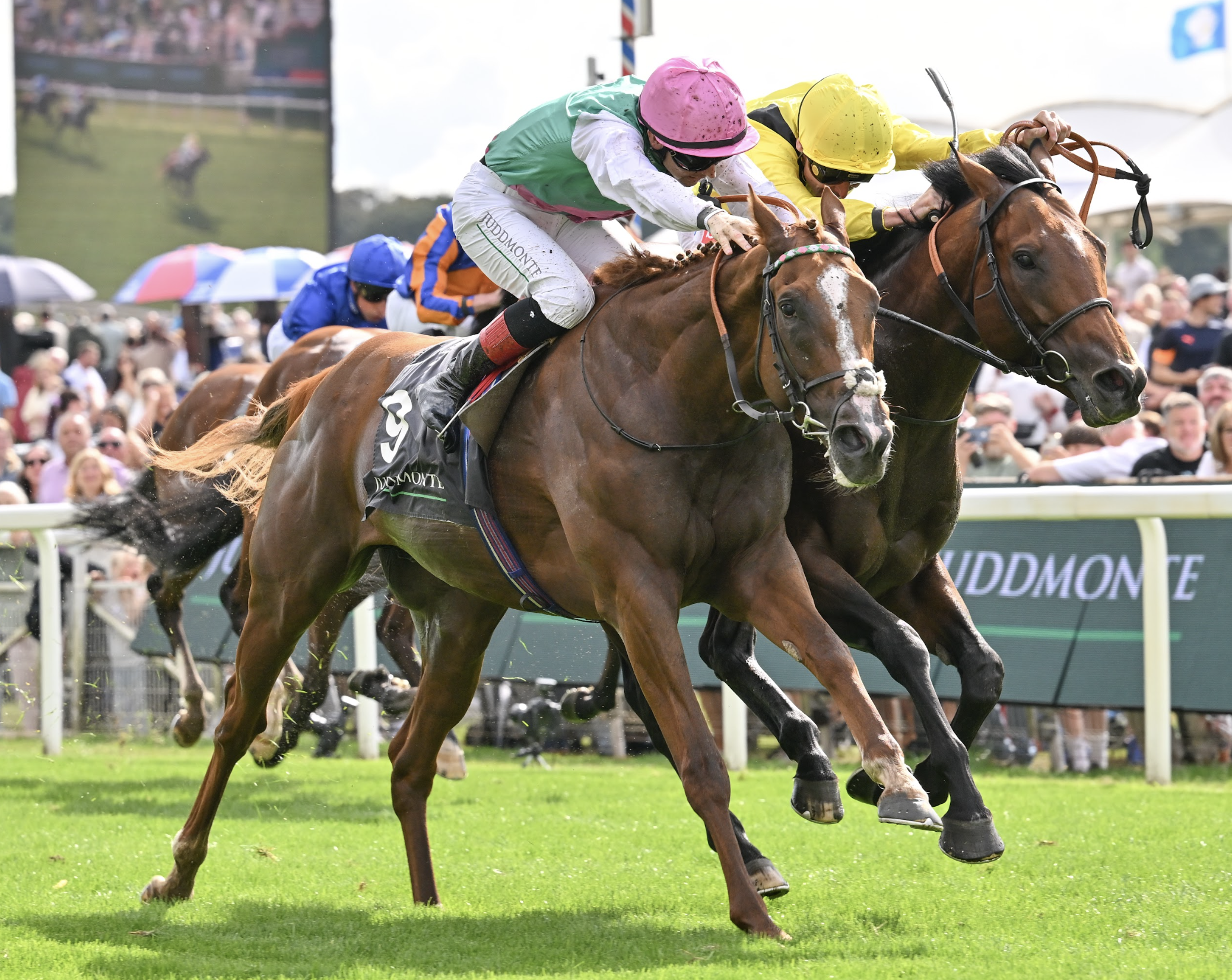
The Cavalor Trainer of the Quarter award has been won by Andrew Balding. Balding and his team will receive a Cavalor voucher of €1,000 for Cavalor supplements and care products as well as a consultation with one of their senior product specialists.
Andrew Balding became the licensed trainer at historic Kingsclere in 2003, when he succeeded his father, Ian, who sadly passed away in January 2026. Andrew’s wife, Anna Lisa, plays a key role in the running of the business and management and is also a familiar sight at the races.
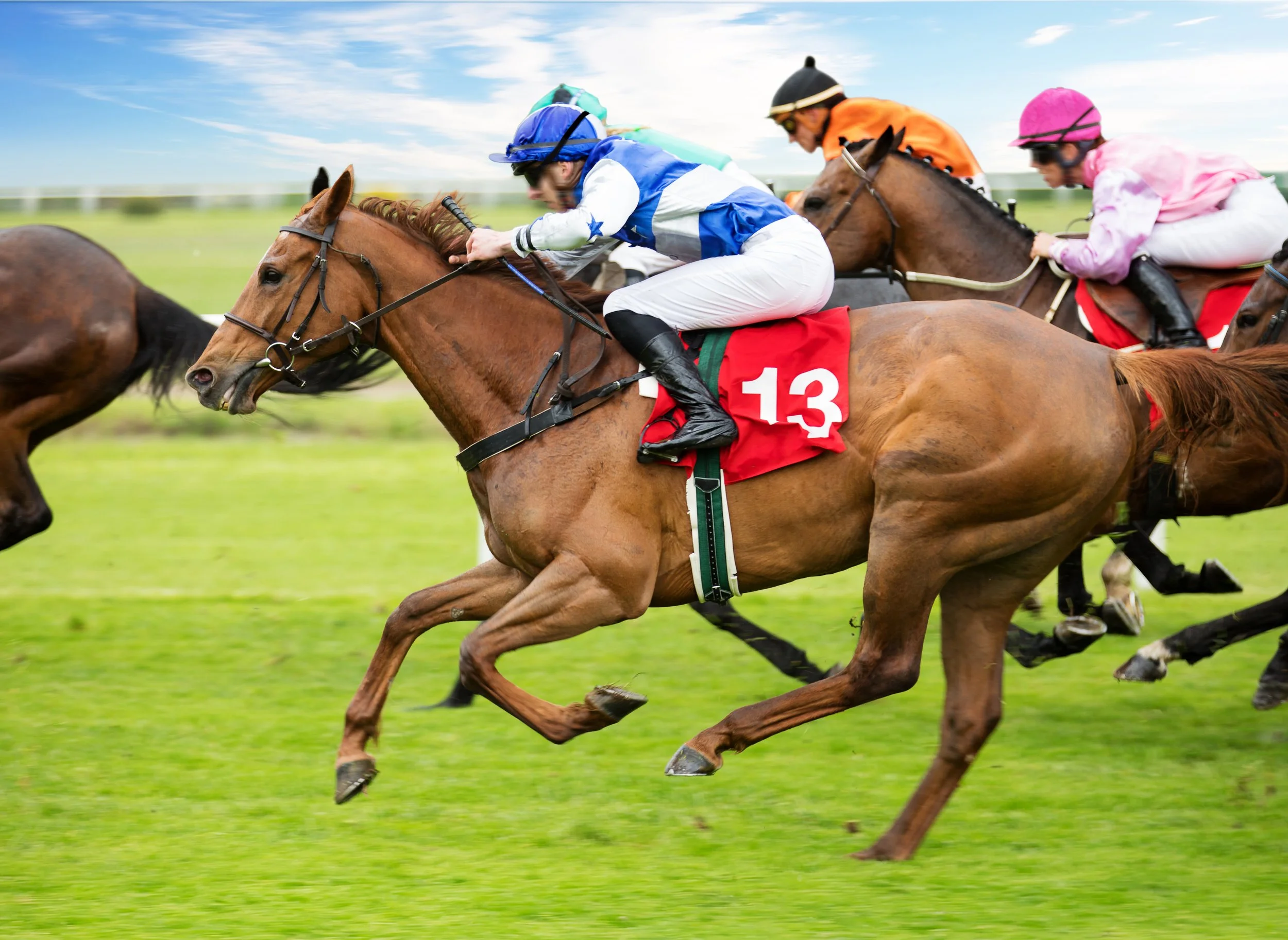
Catherine Rudenko discusses the role of targeted oral nutritional supplements - in managing joint inflammation, supporting cartilage repair and maintaining performance in both young and aging horses in training.
There are many factors that influence athletic performance including joint and muscular function. Training naturally places stress on both joints and muscles and this is where nutrition plays a key role. Nutrition is a powerful tool for managing inflammation, facilitating recovery and supporting repair and regeneration at a cellular level.
Oral nutritional supplements when used in a targeted manner can help horses adapt to training, recover better and support continued performance for the long term.
Part one of this two-part series focuses on joint health and the role of nutrition. In the next issue the role of oral nutritional supplements for soft tissue recovery will be discussed.
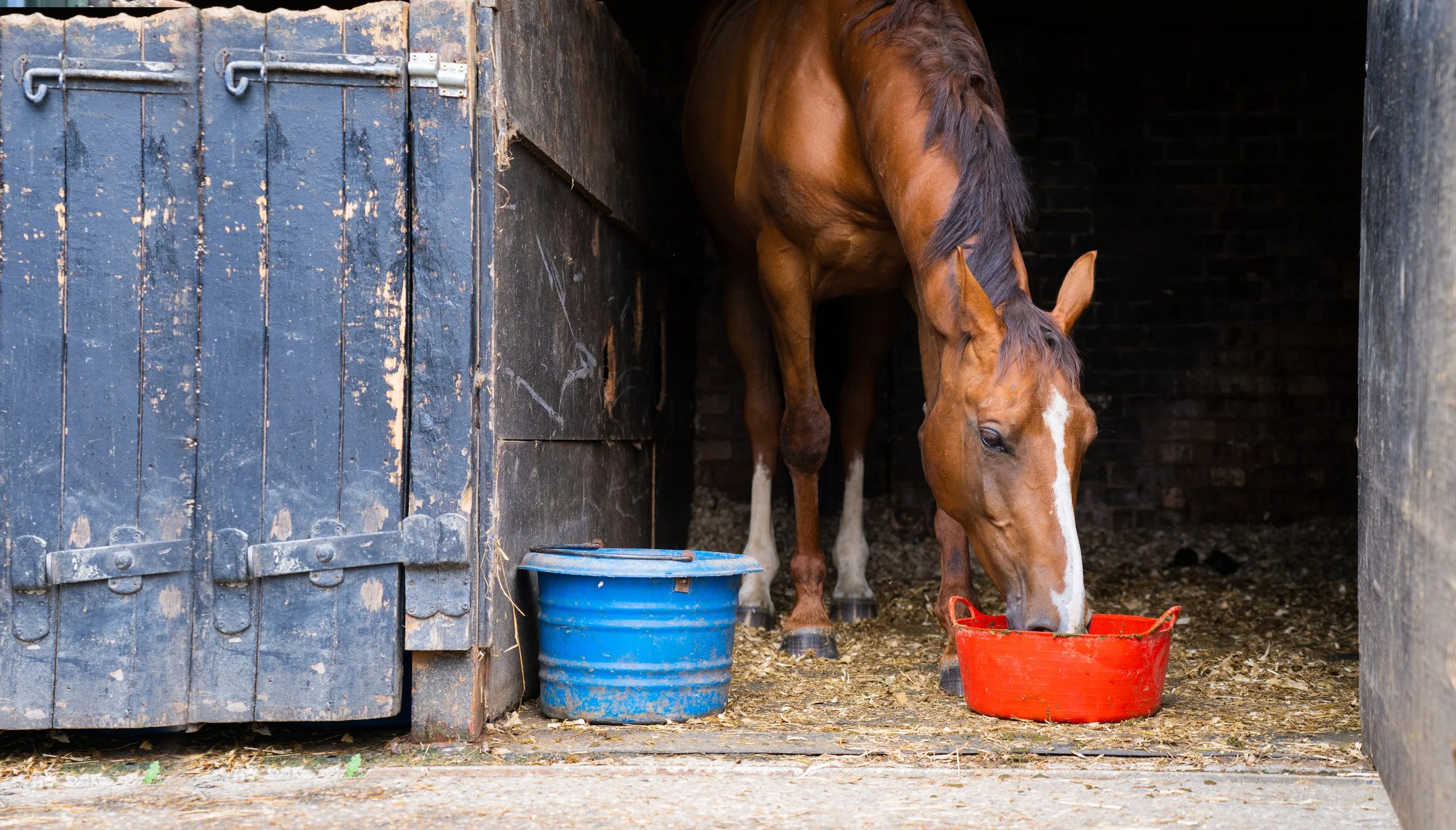
Dr. Katie Williams reviews the understanding of equine gastric health over the last 25 years, examining the distinction between ESGD and EGGD, starch thresholds, wrapped hay, and the buffering benefits of alfalfa.
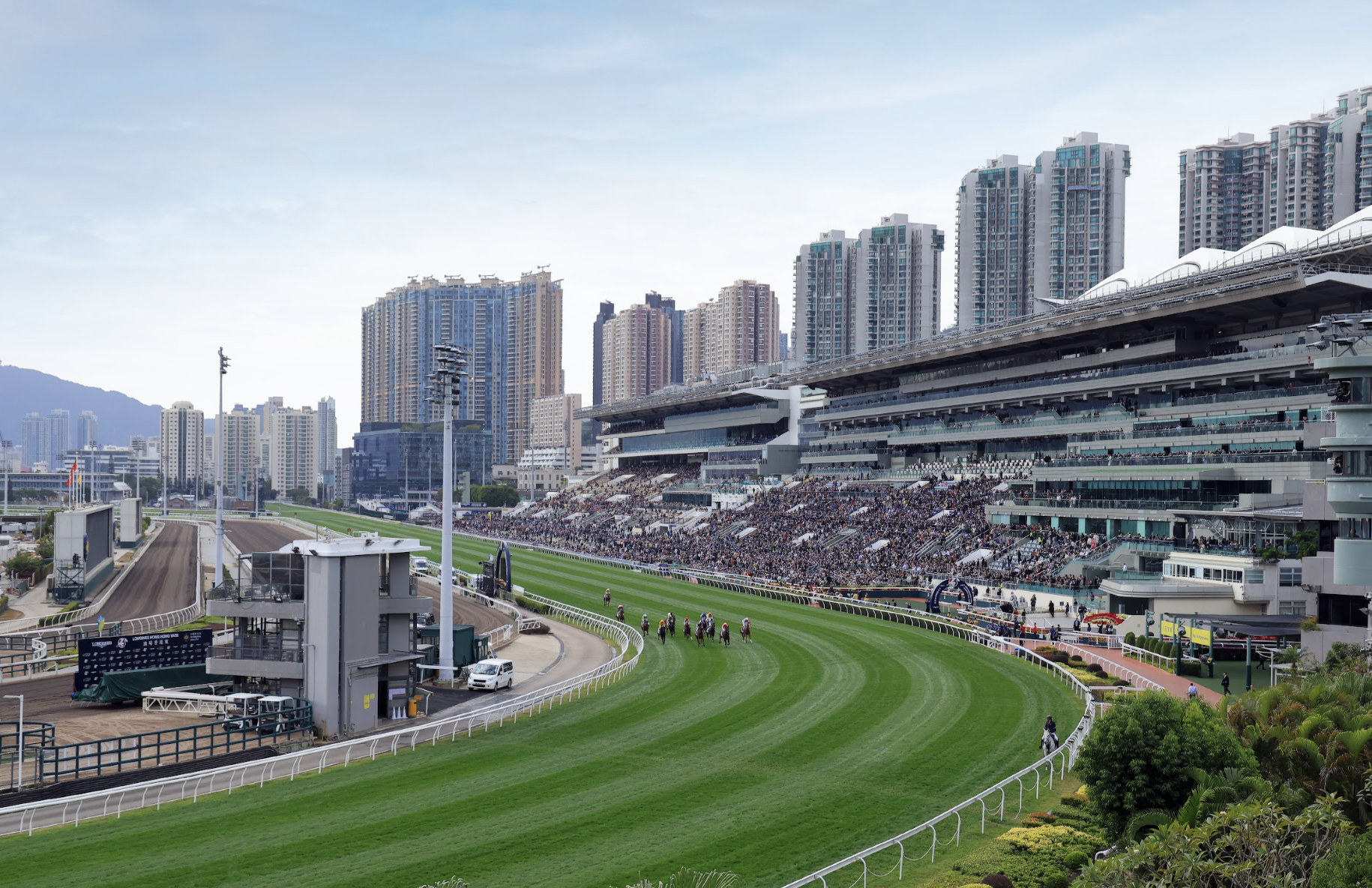
Our quarterly guide to upcoming international fixtures, bonus schemes, and travel incentives across Great Britain, Ireland, France, Morocco, the US, Bahrain and Hong Kong
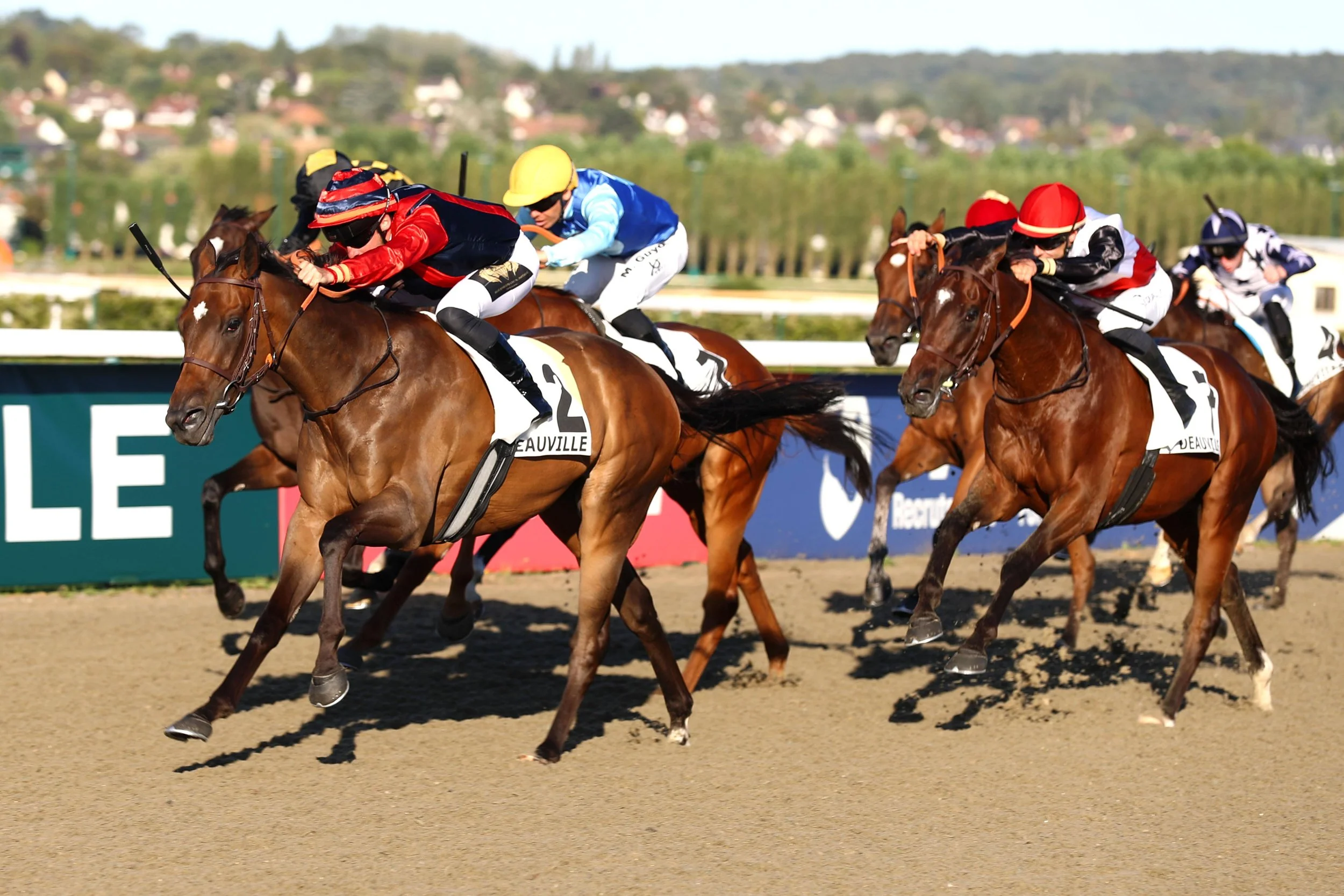
What do Group 1 winners Tiger Tanaka (Marcel Boussac 2020), Mille et Mille (Prix du Cadran 2015), Gemix (Grande Course de Haies d’Auteuil 2013 & 2014) and Gentoo (Prix Royal-Oak 2010) all have in common? Like the most famous of the rags-to-riches stories in French racing folklore, 1992 Prix du Jockey-Club hero Polytain, these champions were all snapped up by their future Group 1 winning connections via the claiming ranks.
Often stigmatized by the upper end of racing’s echelons, the claiming system in France continues to form a significant part of the calendar, serving the twofold purpose of an accessible race programme and an alternative market place.
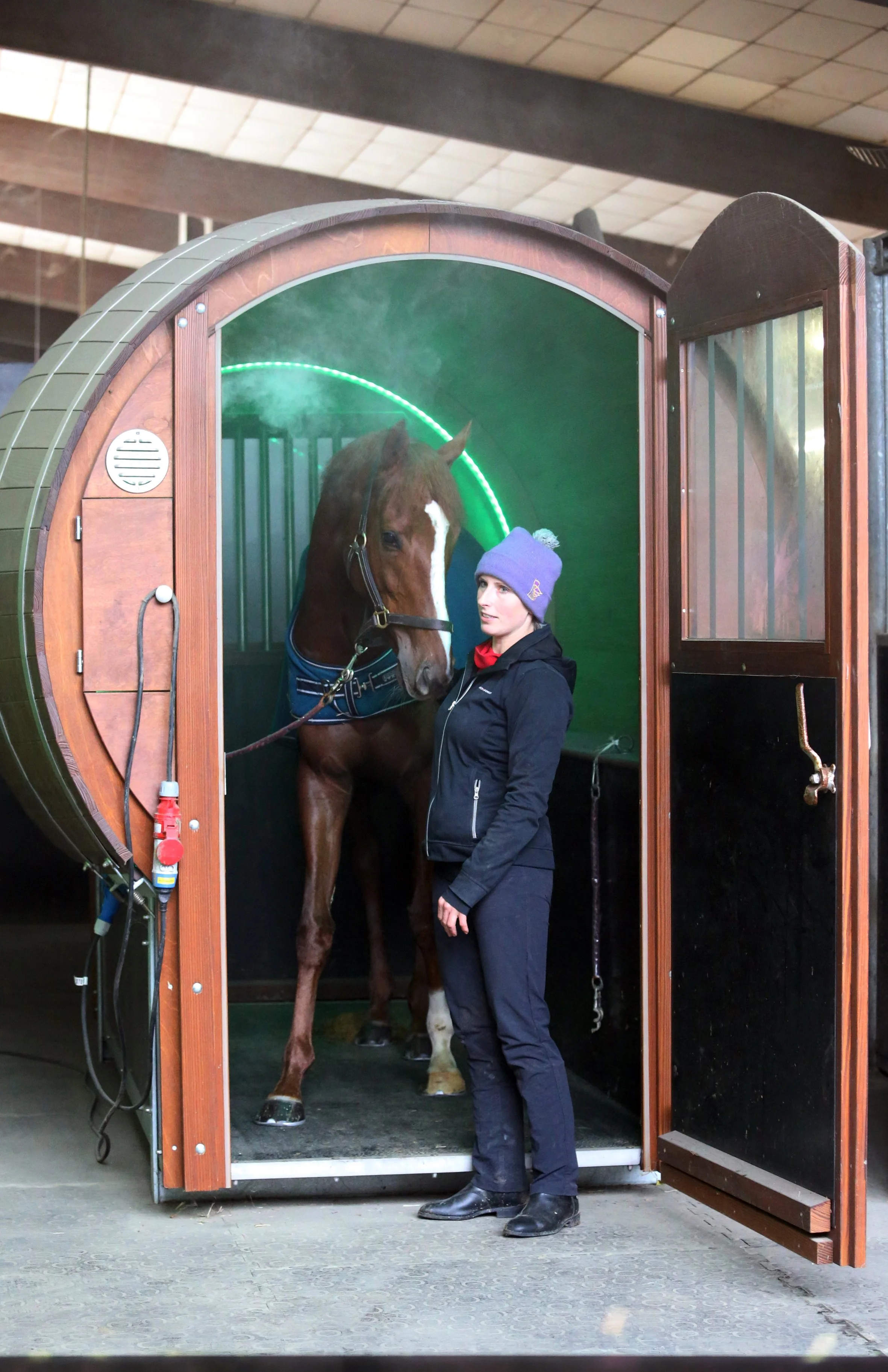
Respiratory health remains one of the most critical limiting factors in performance across all equestrian disciplines. While cardiovascular capacity can be honed through conditioning and musculoskeletal integrity, the equine respiratory tract operates under intense physiological stress during high-speed exertion and heavy training schedules. Conditions such as Exercise-Induced Pulmonary Hemorrhage (EIPH), Inflammatory Airway Disease (IAD / Equine Asthma), and bio-contaminant pressures in high-density stables present persistent challenges for trainers striving to maintain peak athletic form.
To address these multi-faceted challenges, an integrated Respiratory Care Room (RCR) environment has been conceptualised. The RCR represents a comprehensive, multi-modal respiratory therapy environment that bridges advanced physiological support with strict biosecurity protocols for all equine athletes.

There has been much fascination about how much information a horse's heart can tell us. The challenge is that much of that information is hidden in signals that are too subtle for the human eye to recognise. This is where artificial intelligence (AI), wearable technology and modern ECG analysis could make a real difference to equine medicine. AI is often portrayed as something futuristic, but at its simplest it is a way of teaching computers to recognise patterns. Give a computer enough examples and, rather than simply following a set of instructions, it can learn to identify patterns that may be difficult for us to see.
For horses, this could be particularly valuable. A modern racehorse can generate enormous amounts of information: heart rate, ECG recordings, exercise speed, recovery time, movement, laboratory results and clinical records. The problem is no longer simply collecting information. It is understanding what that information means. One area where this could become particularly important is the heart.
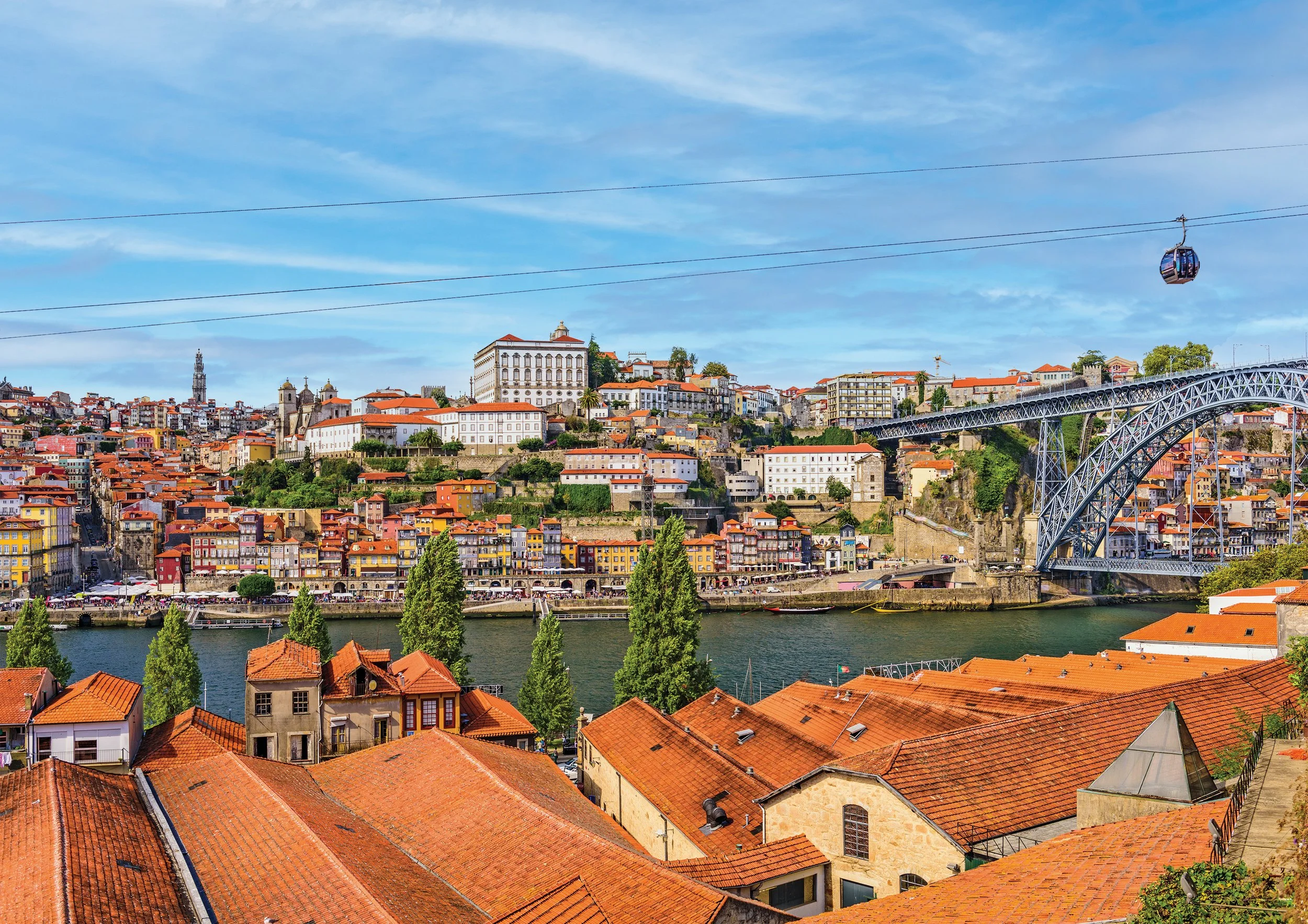
Since its inception in 2010, the European and Mediterranean Horseracing Federation has held two principal gatherings each year: a General Assembly and an Executive Council Meeting. Our long-standing policy has been to meet in as many member countries as possible, giving each host Racing Authority the chance to showcase its racing and allowing our members to experience the remarkable diversity of the sport across our region.
On every previous occasion, the host organisation has been able to present a mature racing industry with established income streams. The scale of activity has varied enormously—from the powerhouse industries of France, Britain, and Ireland to the more modest operations in Slovakia or the Channel Islands—but racing in each nation has existed for decades, if not centuries, and operates within a stable betting environment.
Portugal, which hosted the 2026 reunion, is the exception.
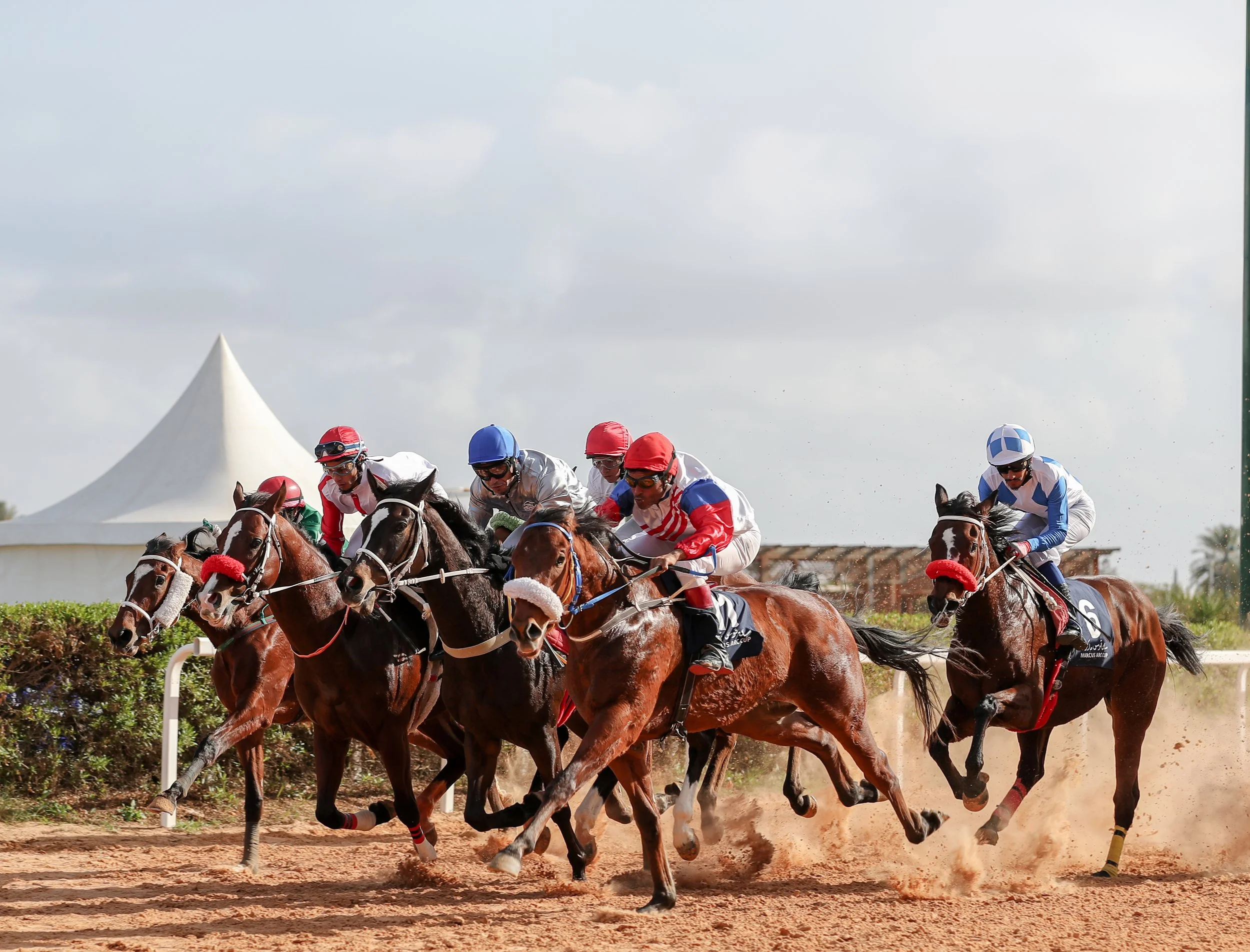
Following one of the darkest chapters of her life, former trainer and now writer, Clare Cannon, travelled to Libya expecting only to reconnect with horses she had helped send there. Instead, she discovered a nation rich in history, hospitality and ambition, where a thriving Thoroughbred industry and remarkable generosity offered a renewed sense of hope, purpose and optimism for the future, against every expectation.

Horse owners worry over recurring colic is justified
When a horse suffers nephrosplenic entrapment, a specific type of displacement colic, the risk of it happening again can be elevated. For high-performance horses, that means more than pain and emergency bills; it can disrupt training schedules and competition plans. A preventative surgery called laparoscopic closure of the nephrosplenic space has been widely used for years, but until now, no one knew how long the benefits lasted. Dr. Nicola Cribb, Department of Clinical Studies, Ontario Veterinary College (OVC), discusses new research from a five-year study at the OVC.
What is nephrosplenic entrapment colic?
Nephrosplenic entrapment colic is a condition where a section of the large intestine, usually the large colon, moves into the natural gap between the spleen and the left kidney. That gap is called the nephrosplenic space. Some horses can have a deeper or wider space, and if an excess of gas builds up in the large colon, it can cause displacement and the colon may slip into this trough and become trapped.
The result can be painful abdominal distension, gas accumulation, and obstruction of normal gut movement as well as enlargement of the spleen. If untreated, the condition can become life-threatening.
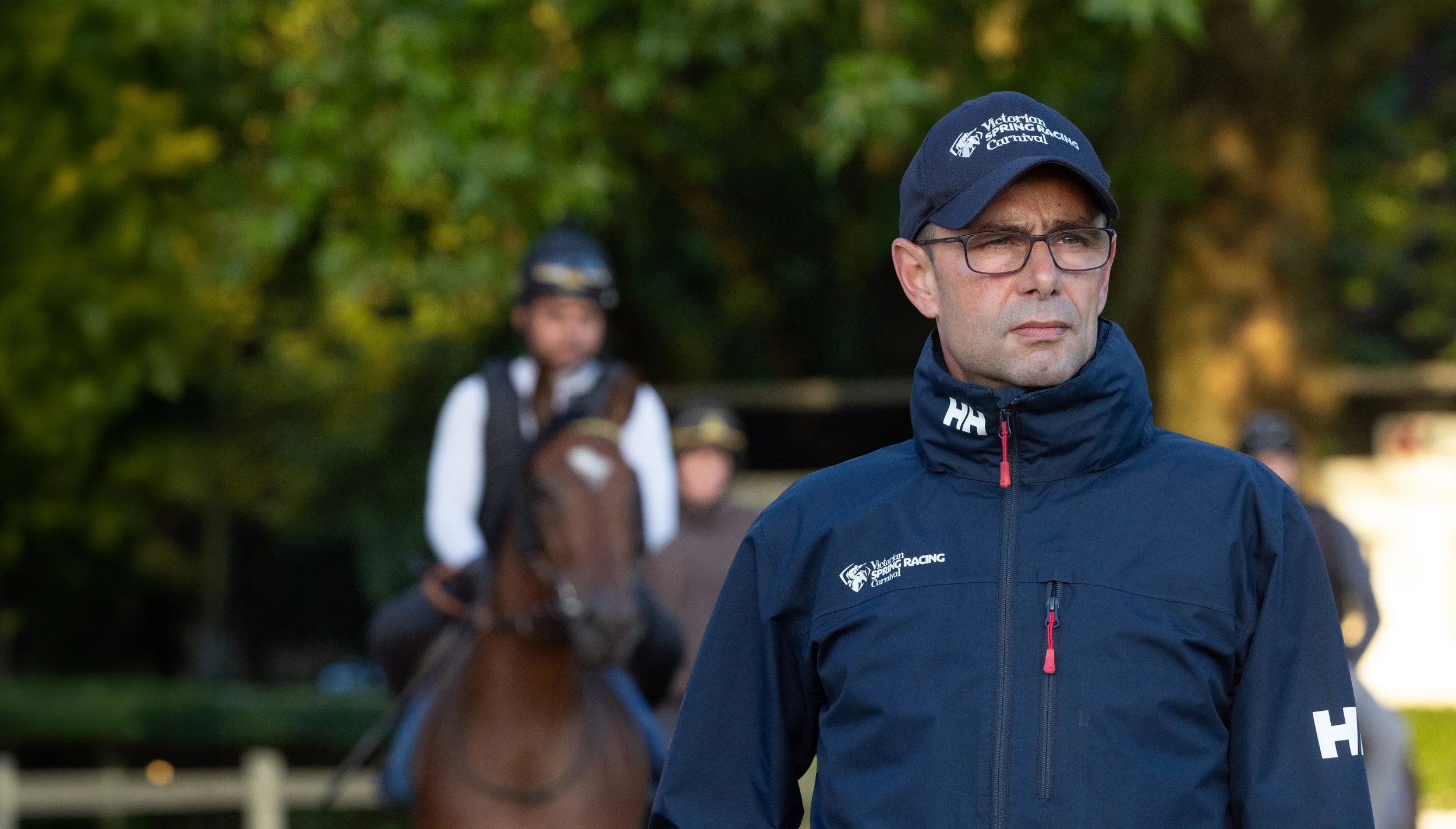
It took one horse - compact in stature but big, big in character - to catapult Weiss into the top trainer ranks. His career had been steady up to that point, and he did display the one virtue essential to his training approach: patience.
Now firmly established as one of the go-to German handlers, his composed demeanour hides fierce competition and a deep passion. A lot meets the eye when it comes to Marcel Weiss - he was in fact nicknamed ‘the Englishman’ due to his flat cap and his smart riding attire - but that tells only half the story. England is well known for its north-south divide, and it is an open secret that Germany is still very much divided into east and west. Society may be a step ahead, but things take a bit longer in racing - a lot of things move very slowly in German racing - and certain tracks are still referred to as ‘east’.
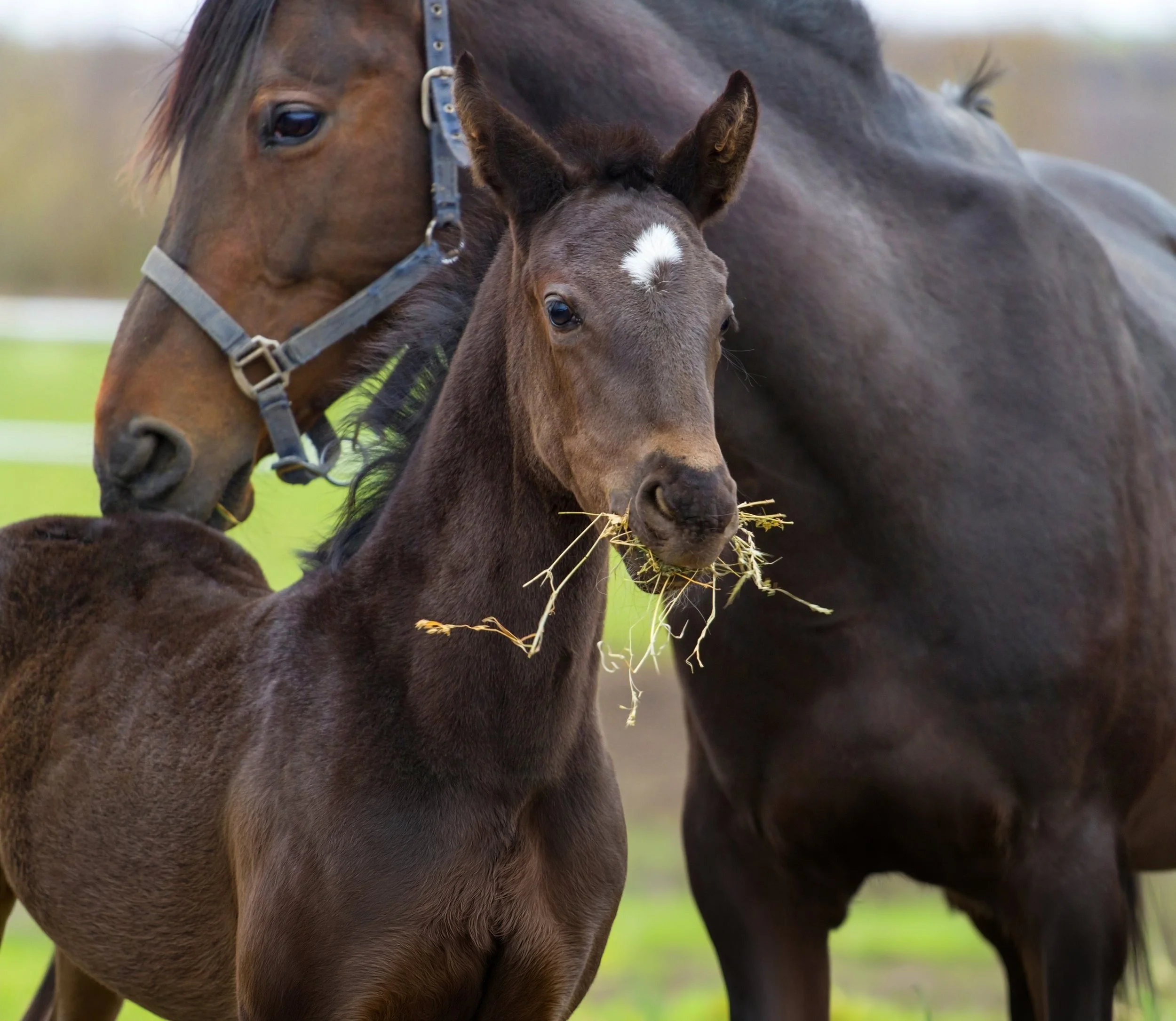
The sub-2 hour marathon recorded for the first time in 2026 was, not that long ago, said to be unachievable by some eminent scientists. This incredible achievement shows how our understanding of the science of exercise is improving rapidly. Whilst there is arguably greater scope for ‘science’ to impact performance in endurance events like marathons, should we expect a sub 2 minute 30 seconds (Epsom) Derby any time soon?
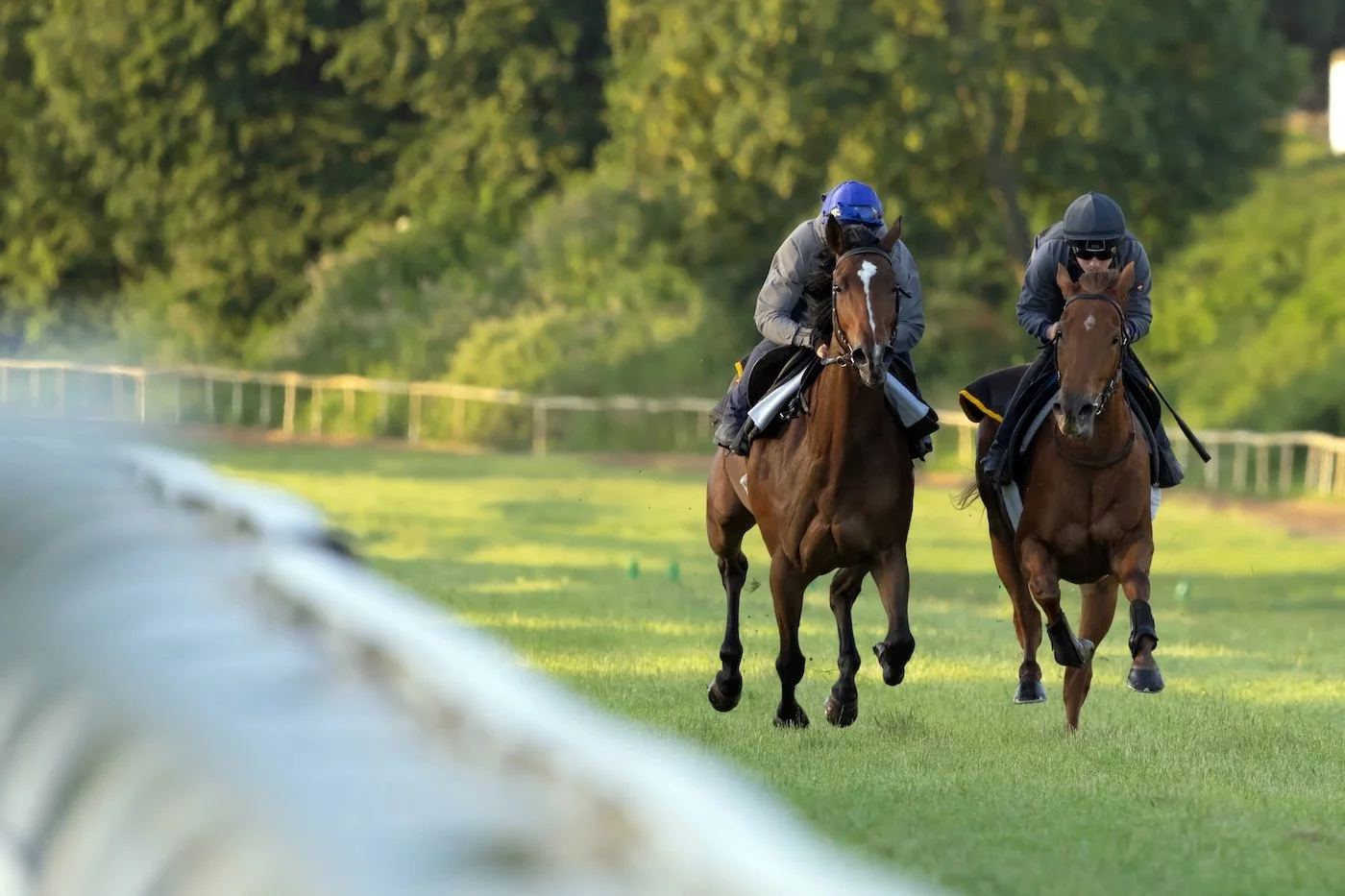
In this article we explore the latest science on combining nutritional and training strategies to promote metabolic adaptation and energy efficiency, as well as the key elements for delaying the onset of fatigue and promoting recovery in racing Thoroughbreds.
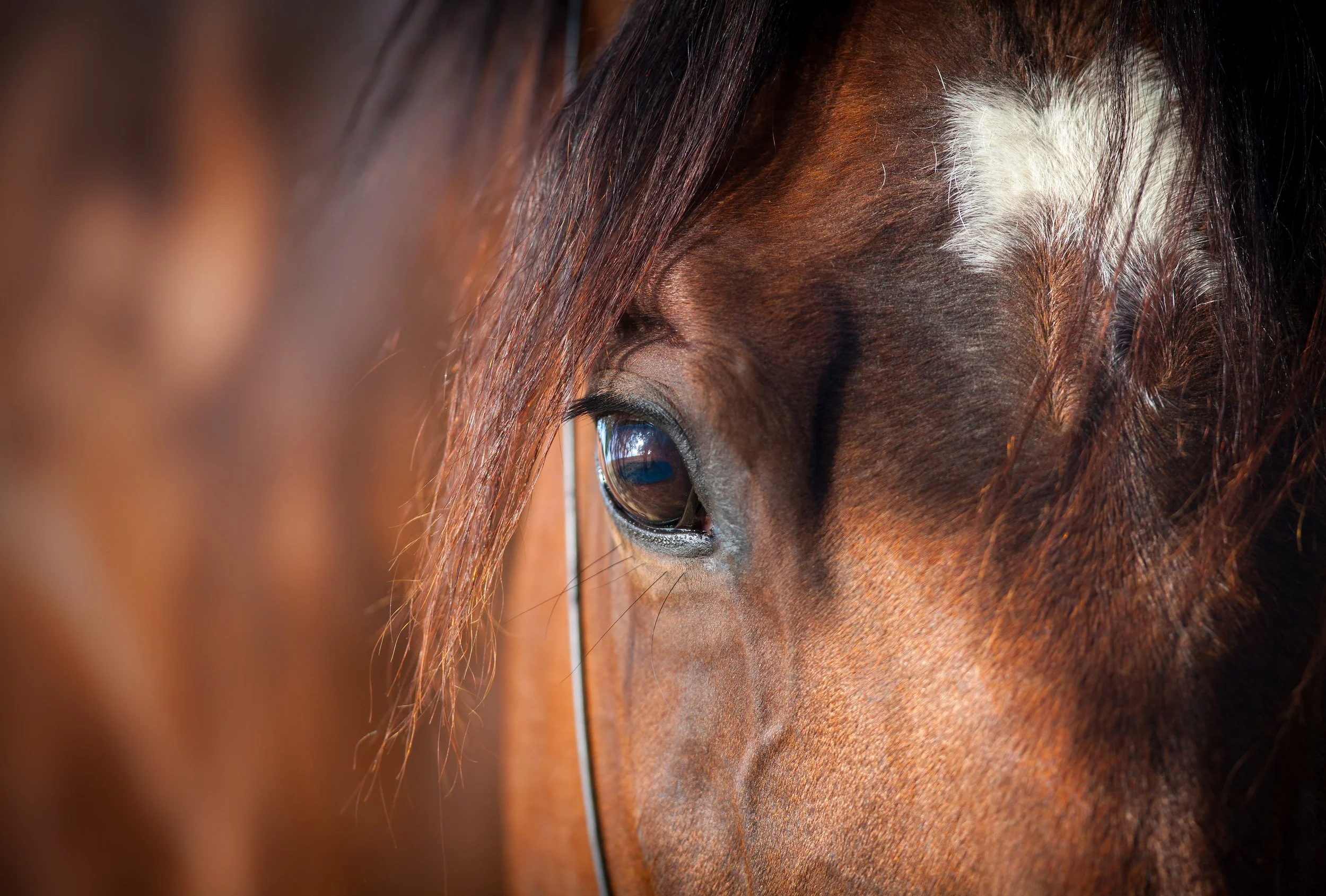
In a performance-driven environment such as racing, unwanted behaviour is rarely viewed in isolation. A horse that becomes difficult to tack up, reluctant to enter the stalls, defensive around handling, unusually reactive during routine exercise or inconsistent in its work is often assessed through a familiar framework: temperament, training, attitude, experience or management. Sometimes that assessment is entirely correct. Some horses are naturally sharper than others, some are immature, and some simply take longer to learn what is being asked of them.
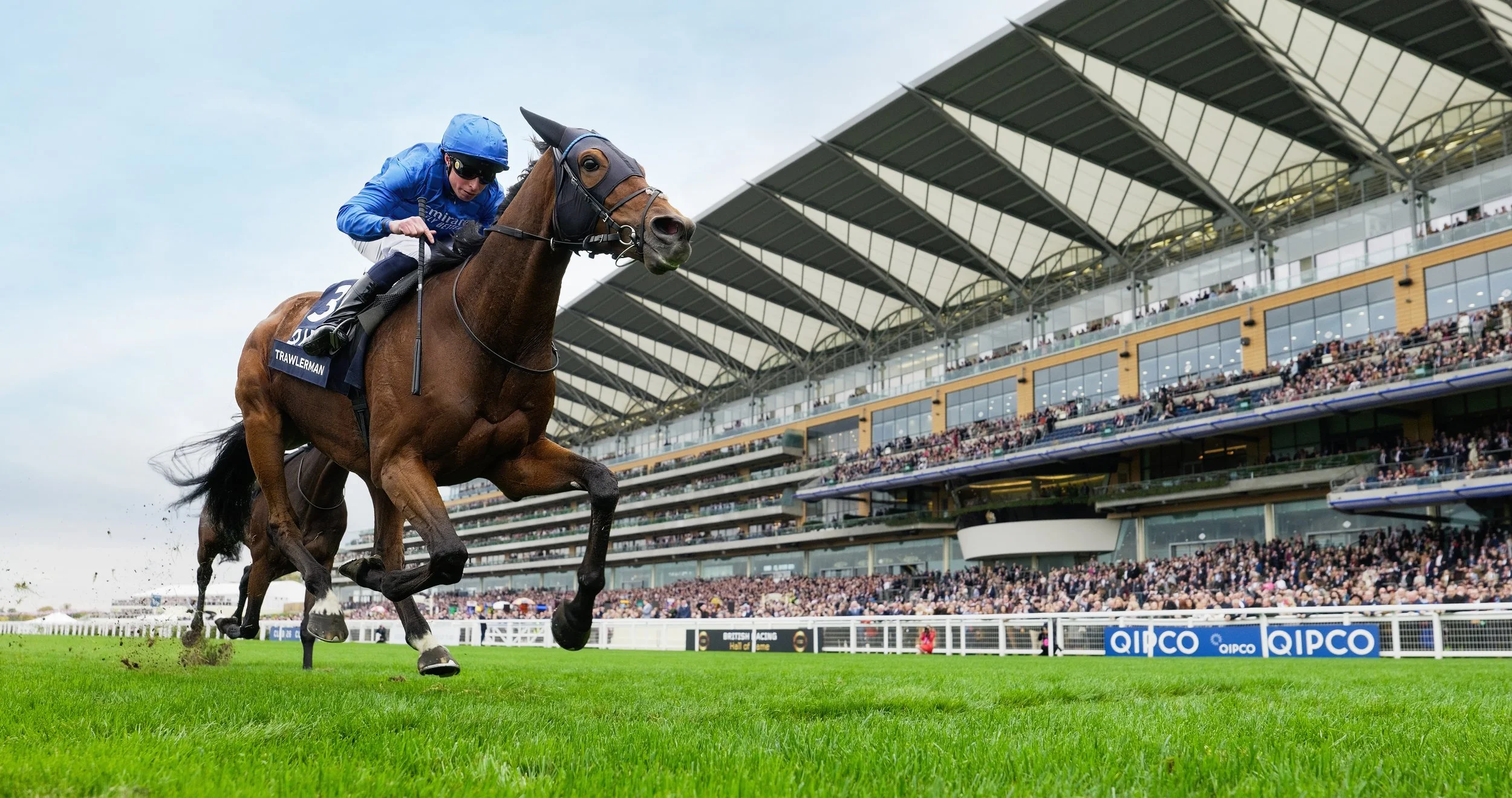
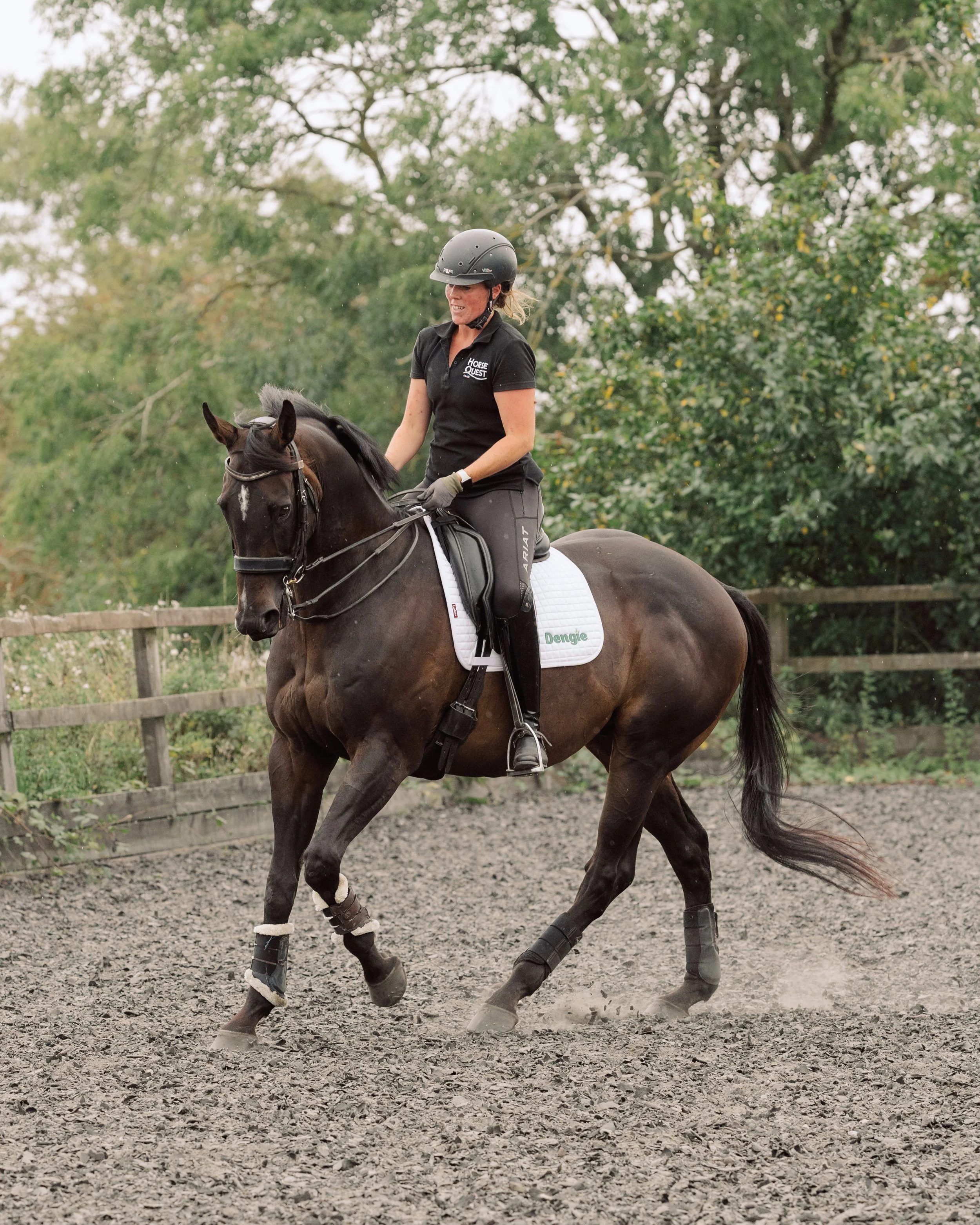
There is little doubt that, in the discourse on aftercare, the volume is, slowly but surely, being turned up.
The International Forum for the Aftercare of Racehorses (IFAR), an organisation of just 10 years’ standing, whose mission it is to advocate for lifetime care for retired racehorses, and to raise awareness of and encourage best practice in their aftercare, recently introduced a membership and supporter scheme.
Already, its website boasts no fewer than 42 member organisations and 50 supporters worldwide in a list that is ever growing. In May, in Newmarket, the Jockey Club hosted a seminar focussing on preparing racehorses for retirement and retraining.
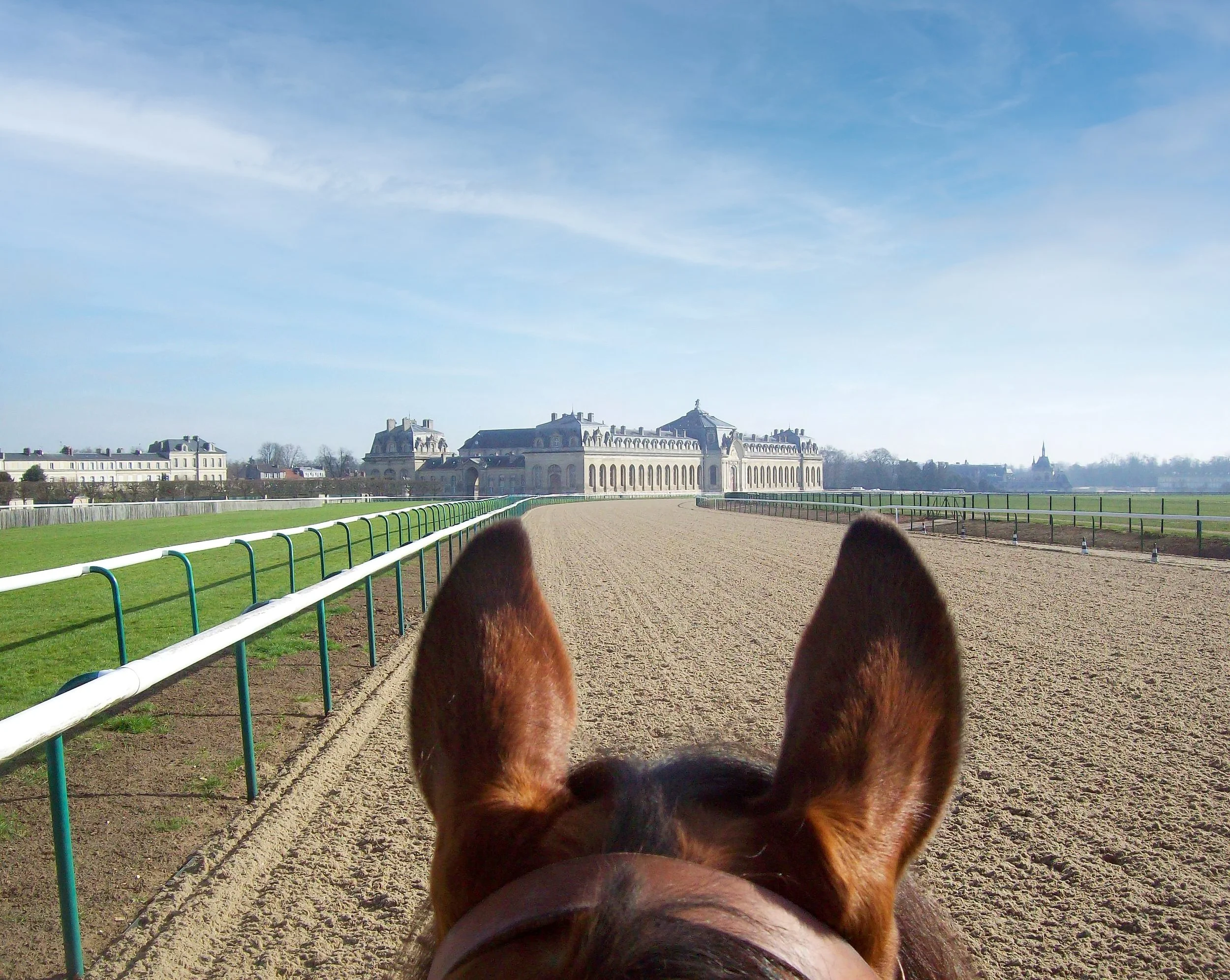
Most will recognise the impact that Climate Change is having on their everyday lives but how is Climate Change impacting on the horse racing industry, notably in the preparation of European racing surfaces? It is clear that times are changing, and racecourse officials and trainers are having to adapt.
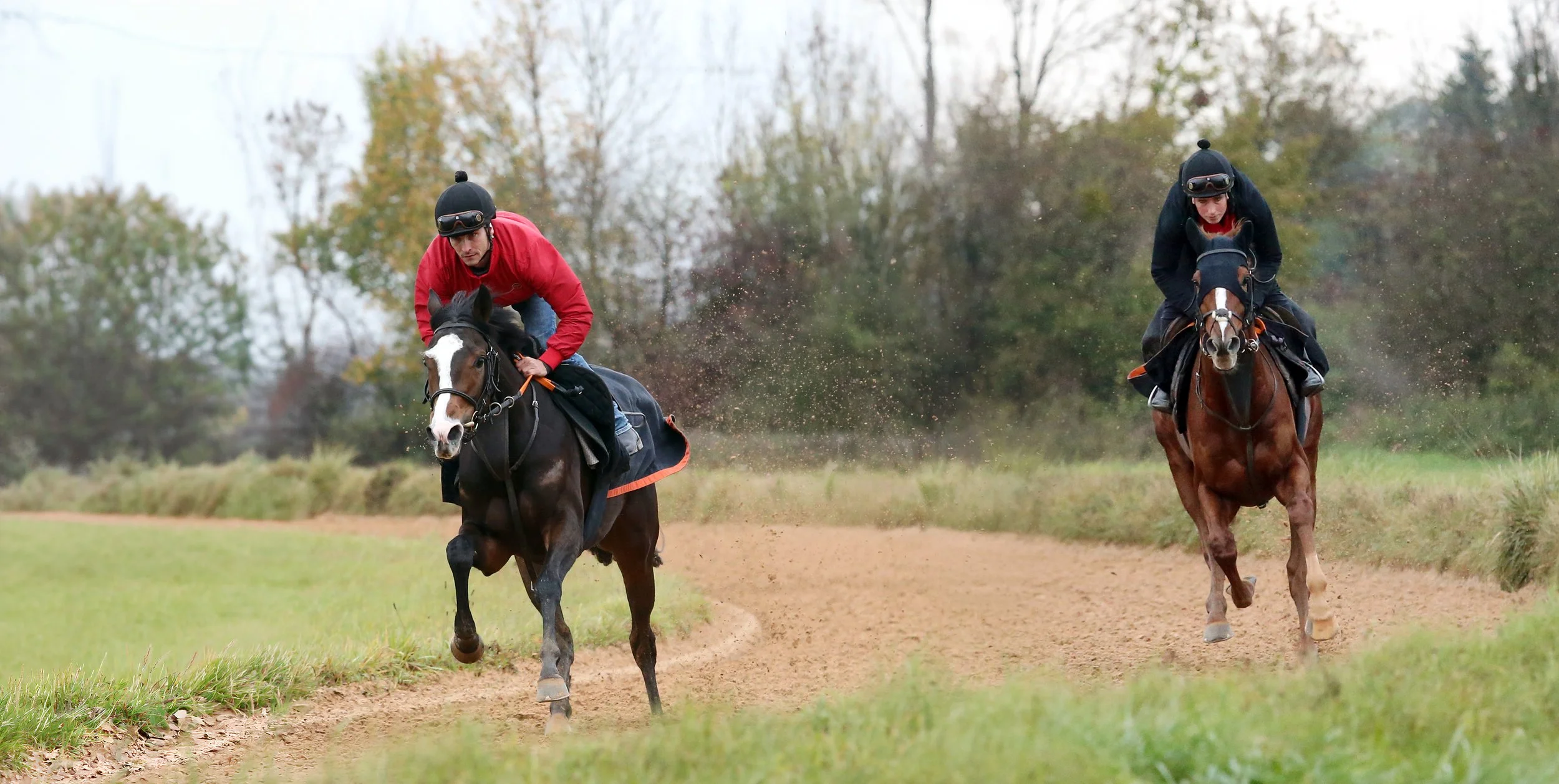
Few topics in racing concentrate stakeholder attention as sharply as the cardiac health of the Thoroughbred athlete. Sudden death on the racecourse is rare, but its impact — on owners, trainers, regulators, and on the public's perception of the sport — is disproportionately large. Behind those visible events lies a much wider population of horses whose cardiac function during work may be signalling something, well before any catastrophic outcome.
This issue brings together two articles that look at this terrain from opposite ends.
Dr Emmanuelle van Erck-Westergren addresses the prospective end of the same problem. Her recently published research uses wearable ECG technology to record cardiac rhythm during routine training in more than 70 Thoroughbreds at the Hong Kong Jockey Club. The findings show that exercise-associated arrhythmias are common, that their burden is meaningfully linked to subsequent race performance, and — crucially — that the most clinically informative window is the brief period of peak effort during a training gallop. The implication is direct: a tool now exists to identify horses whose hearts are signalling something during work, before they reach the start gate.
Dr Celia Marr reports on the work of the International Federation of Horseracing Authorities' Fatality Taskforce and its dedicated group on exercise-associated sudden death. Her article sets out what is now understood about the pathology of EASD — the role of fatal pulmonary haemorrhage, the difficulty of attributing causes even with detailed post-mortem data, and the urgent need for higher and more consistent necropsy standards across jurisdictions. It is a forensic argument: better data after the fact, leading to better understanding and, in time, better prevention.
Read together, the two articles describe the same problem at different points in time: one looking back from the necropsy table, the other looking forward from the morning gallop. Both make the case that cardiac welfare in the racing Thoroughbred is now a domain in which active, evidence-based intervention is increasingly possible — and increasingly expected.
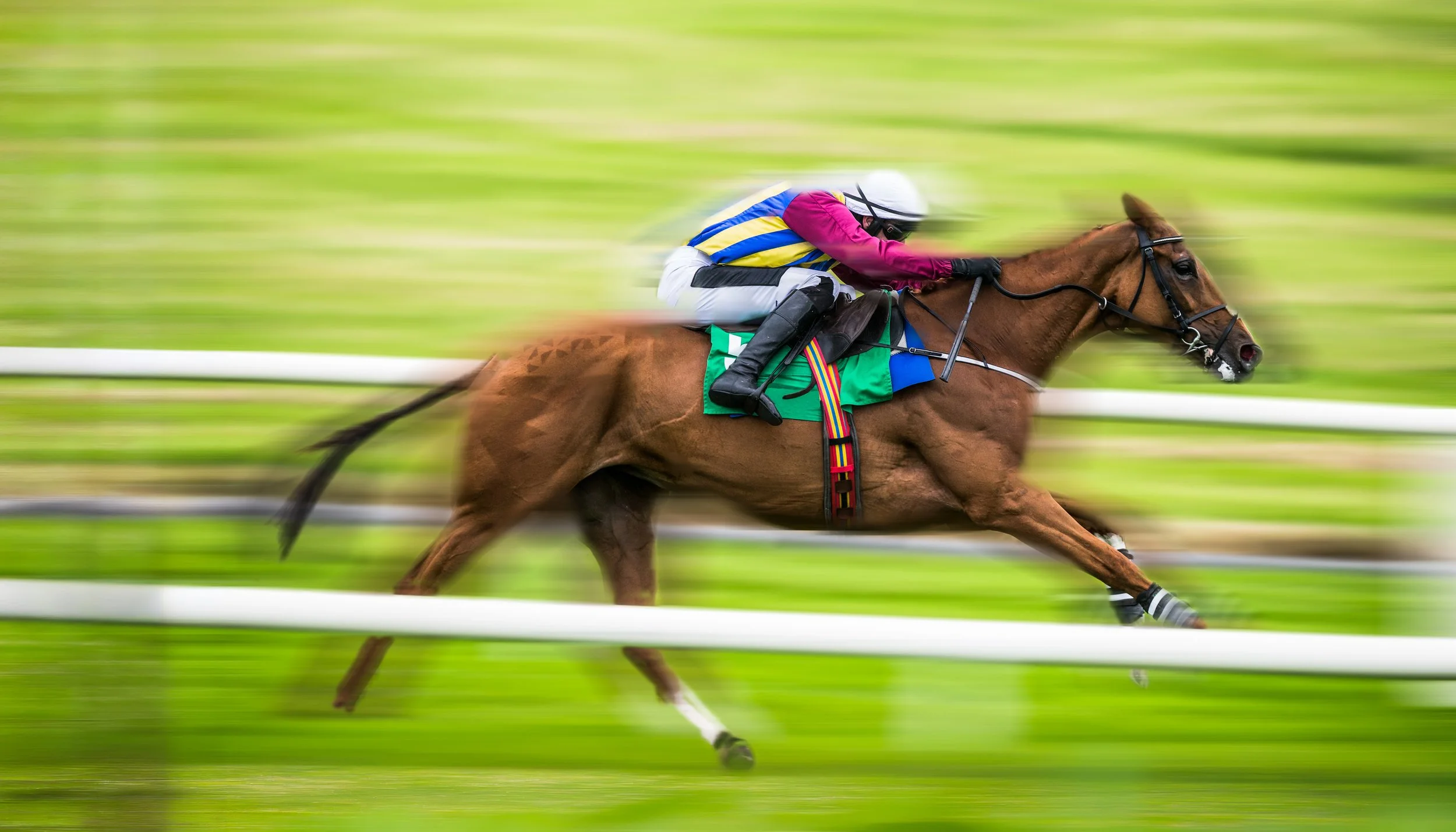
Although these statistics show EASD is a rare event, it is essential that racing faces the challenge of reducing the death toll and, in recent years, progress towards this has been made in various jurisdictions, in part co-ordinated in part by the International Federation of Horseracing Authorities’ Fatality Taskforce. Within this group, the EASD team have focussed mainly on improving standards and availability of post-mortem examination, aiming to generate a better understanding of why EASD occurs and to support research towards this goal.
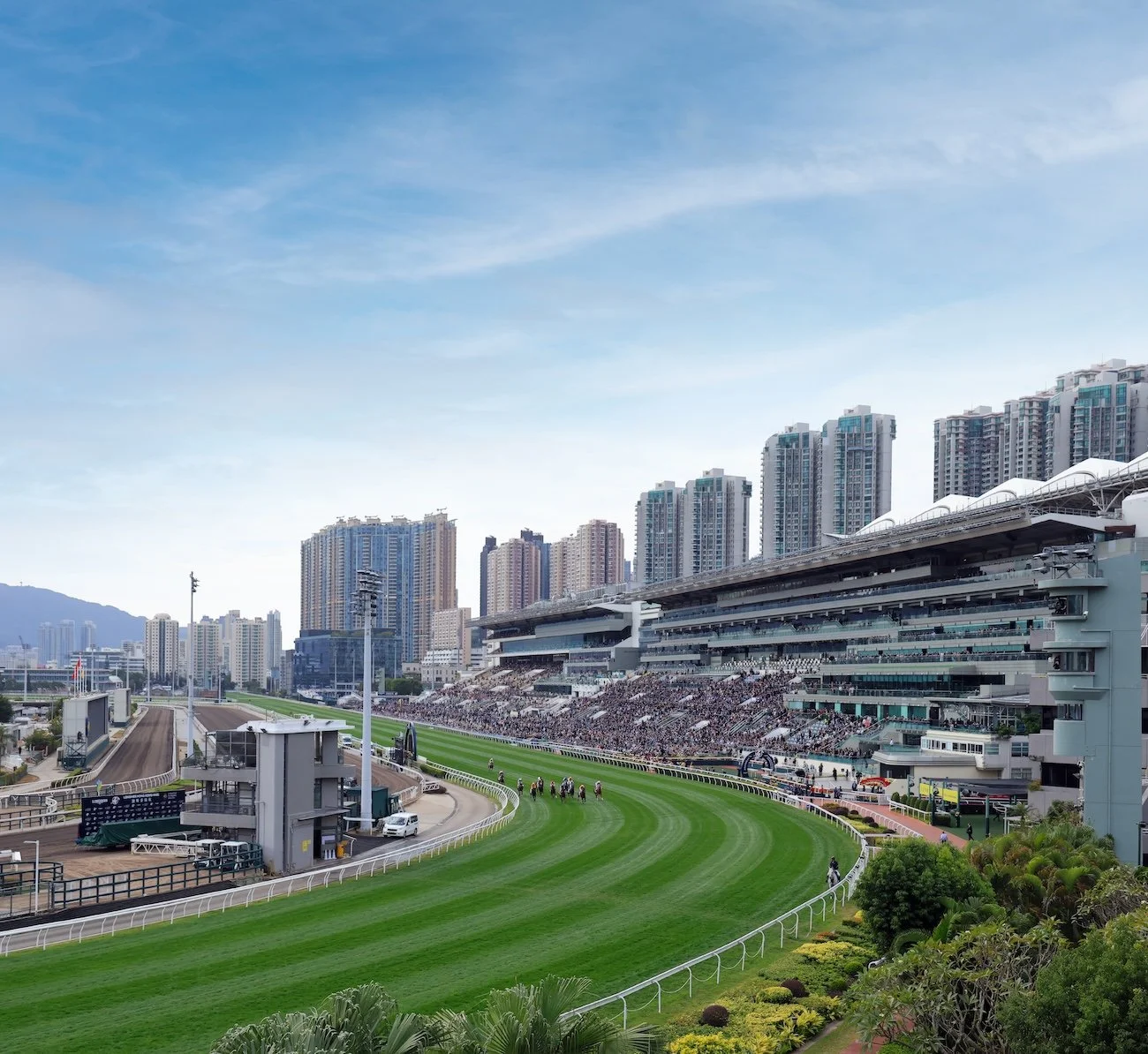
Winfried Engelbrecht-Bresges, CEO of the Hong Kong Jockey Club, John Messara, owner breeder of Arrowfield Stud and a major figure in Australian racing, French-based Group 1 winning trainer Nicolas Clement, Italian Valfredo Valiani, a former trainer turned bloodstock agent; and Damon Thayer, former Kentucky state senator and racing industry consultant, offer candid assessments of issues affecting the sport of racing. While each individual speaks from their own standpoint, the views provide food for thought for the industry on a global level.
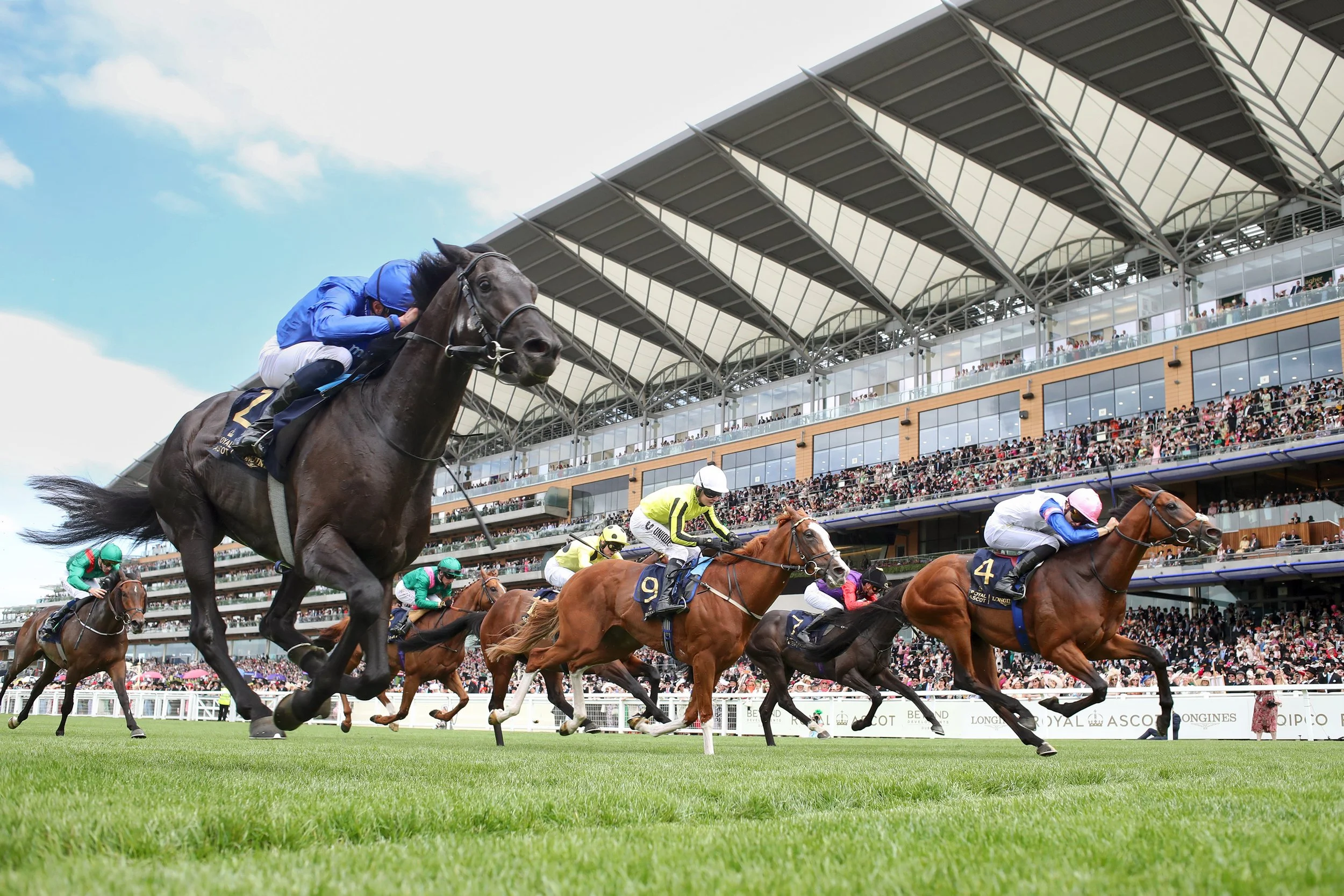
Joseph O’Brien has enjoyed remarkable contrasting successes so far this year, his hurdler Home By The Sea winning the Gr.1 Stayers Hurdle at Cheltenham back in March, the filly Thundering On landing the Gp.1 Oaks at Epsom, followed by five winners at Royal Ascot to see O’Brien challenging his father Aidan for the meeting’s coveted Leading Trainer award. At time of going to press the Irish Derby has yet to be run, but there is a strong chance James J Braddock has capped a month to remember for the Carriganóg team.
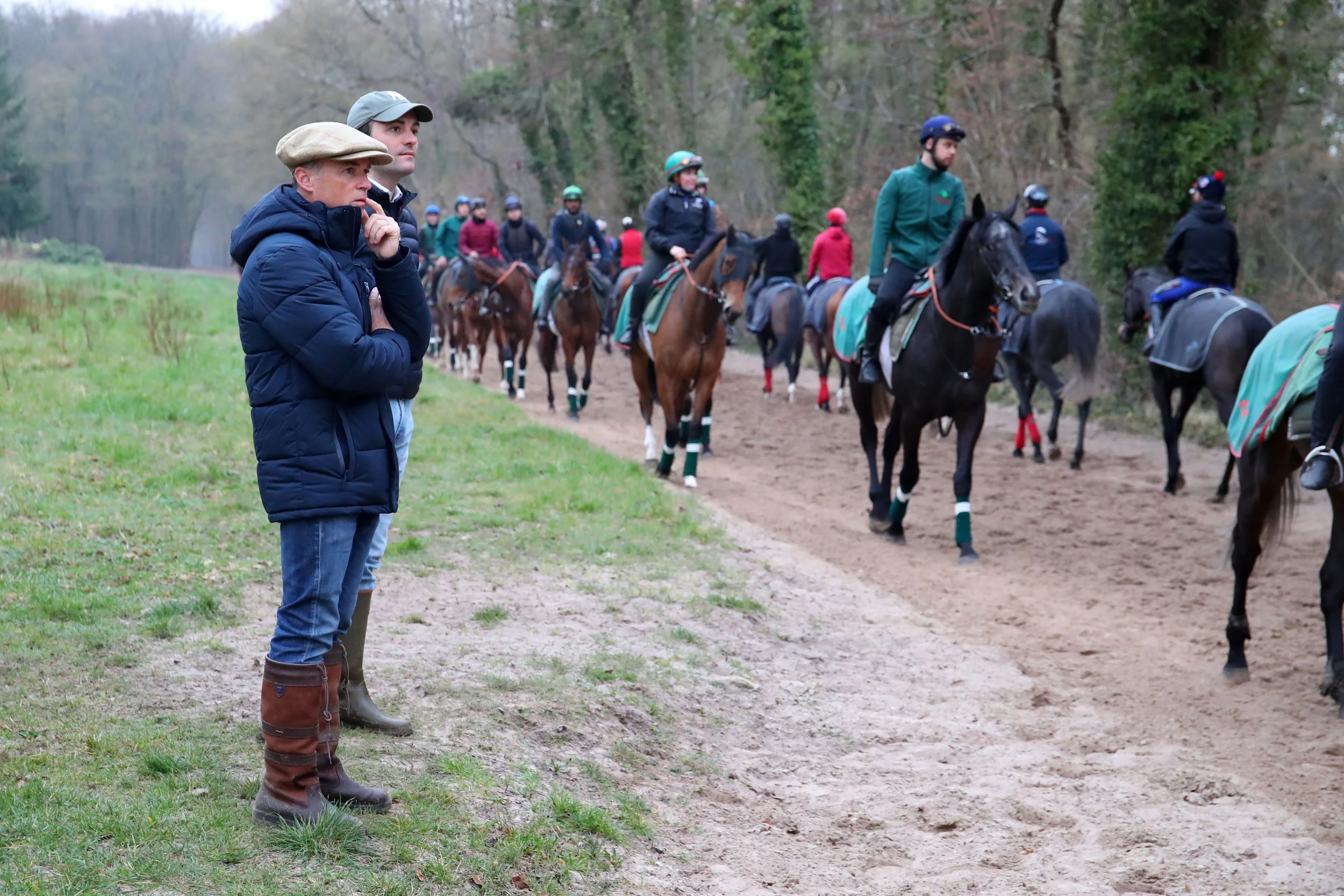
"Hasn't everyone seen and heard enough of me recently?" After a headline season which saw him set a new record for the number of Group 1 winners in a year by a French handler and a first title in the national trainers' championship, the 48-year-old is aware that the name "Graffard" has been among the most cited in the racing press over the past 12 months.
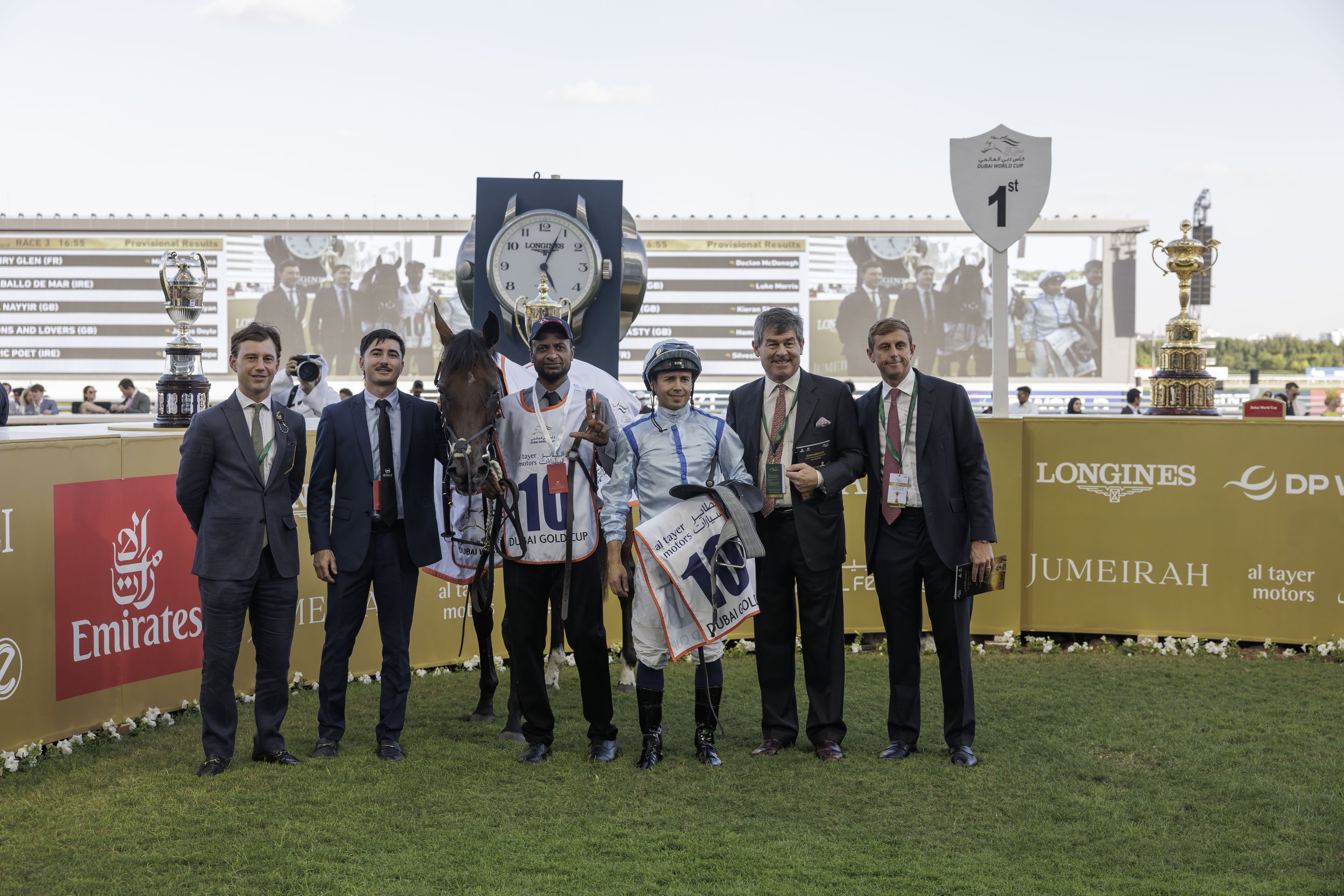
In May 2020 Ed and his father Simon Crisford became the first trainers in Britain to be granted a joint licence. Now, thanks to an excellent winter in Dubai culminating with a win in the Gp.2 Dubai Gold Cup, they become our first joint Trainers of the Quarter.
Their six runners on Dubai World Cup night earned €3.4m (£2.97m), doubling their British earnings gained in a highly successful 2025 campaign.
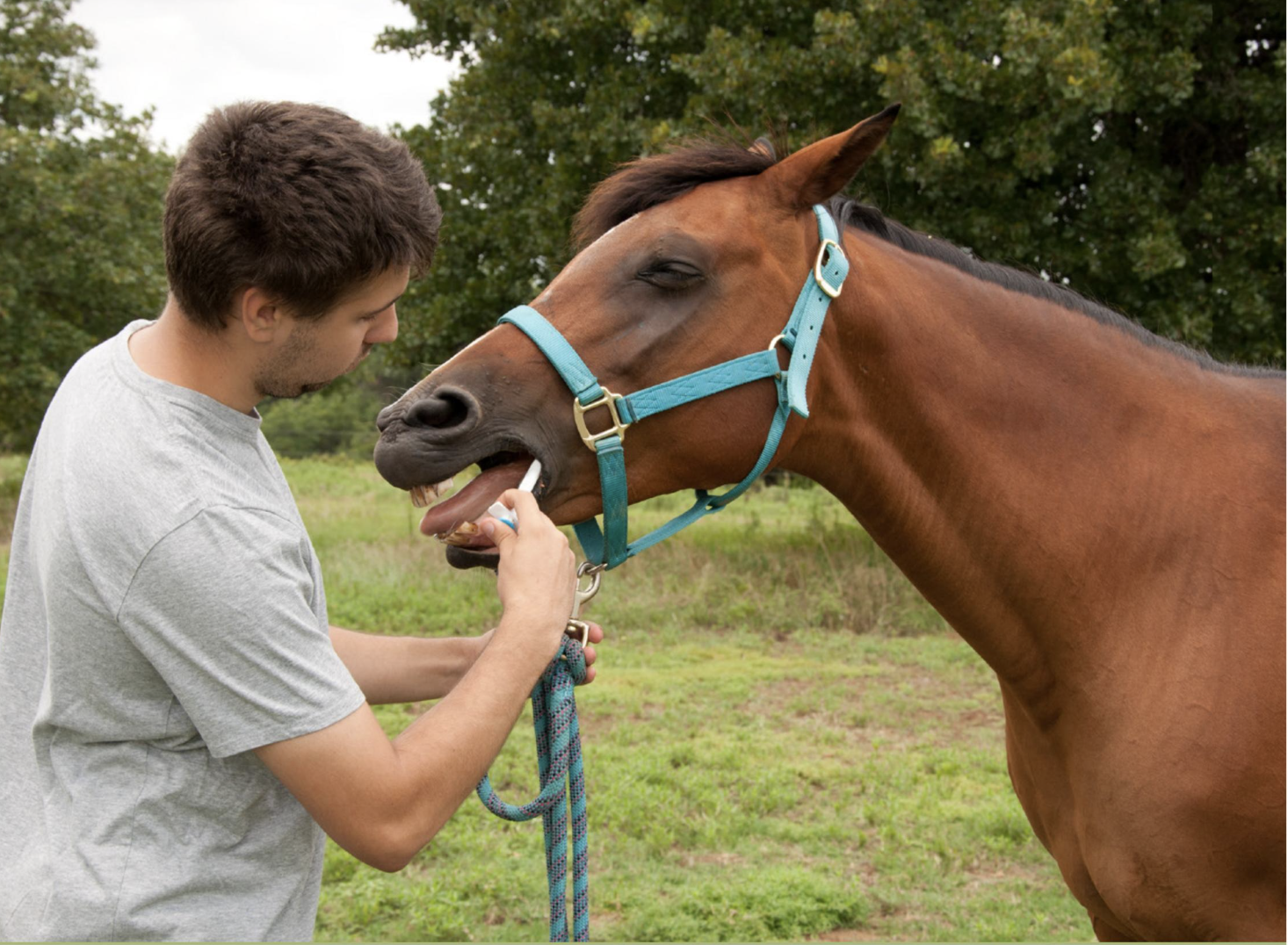
With wormer resistance increasing and no new products expected soon, targeted parasite control is now essential for all horses.
This approach combines risk assessment, diagnostic testing, and paddock management to reduce infection levels and ensure only those horses that need treatment are wormed. This article outlines practical strategies for sustainable worm control in horses in training.
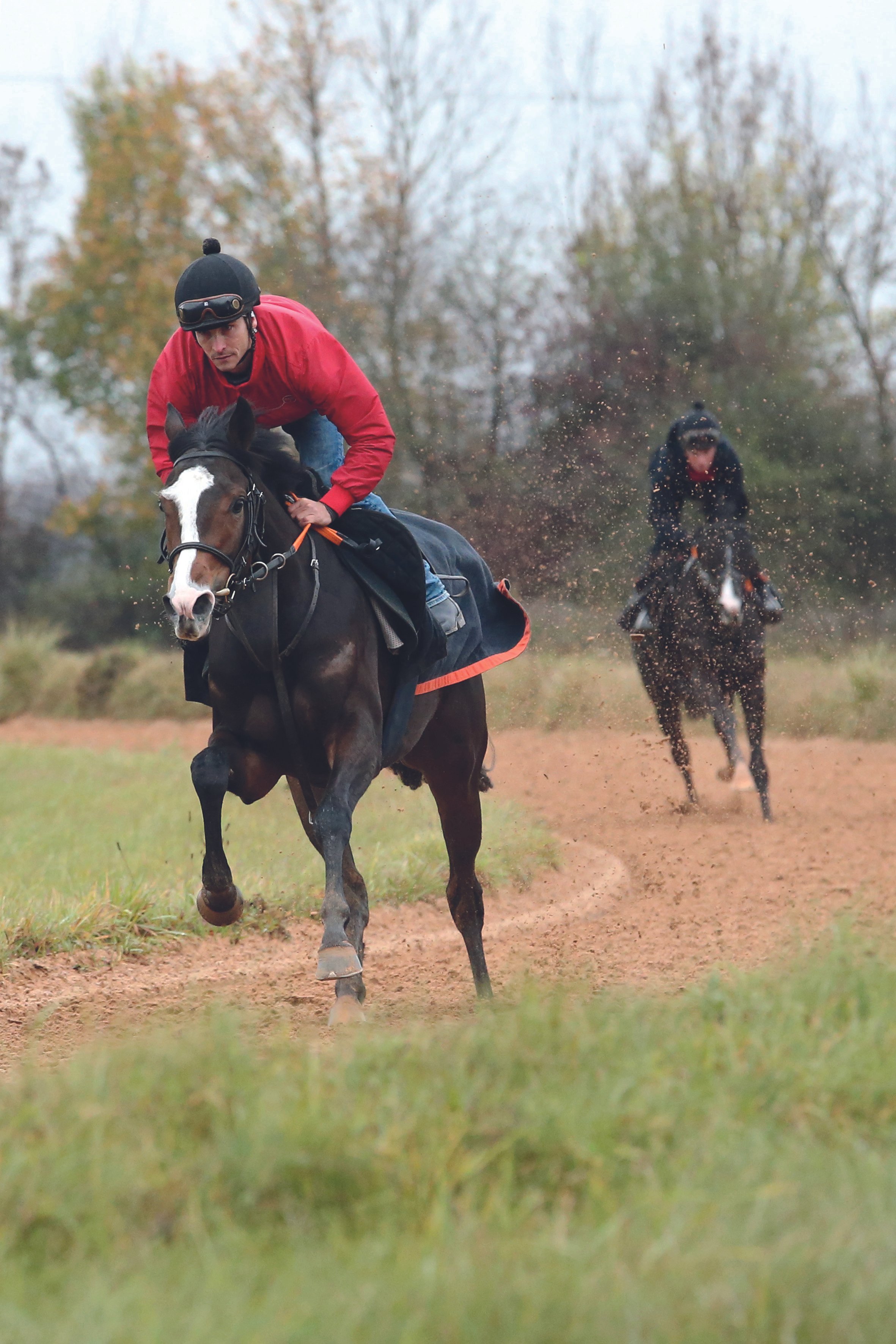
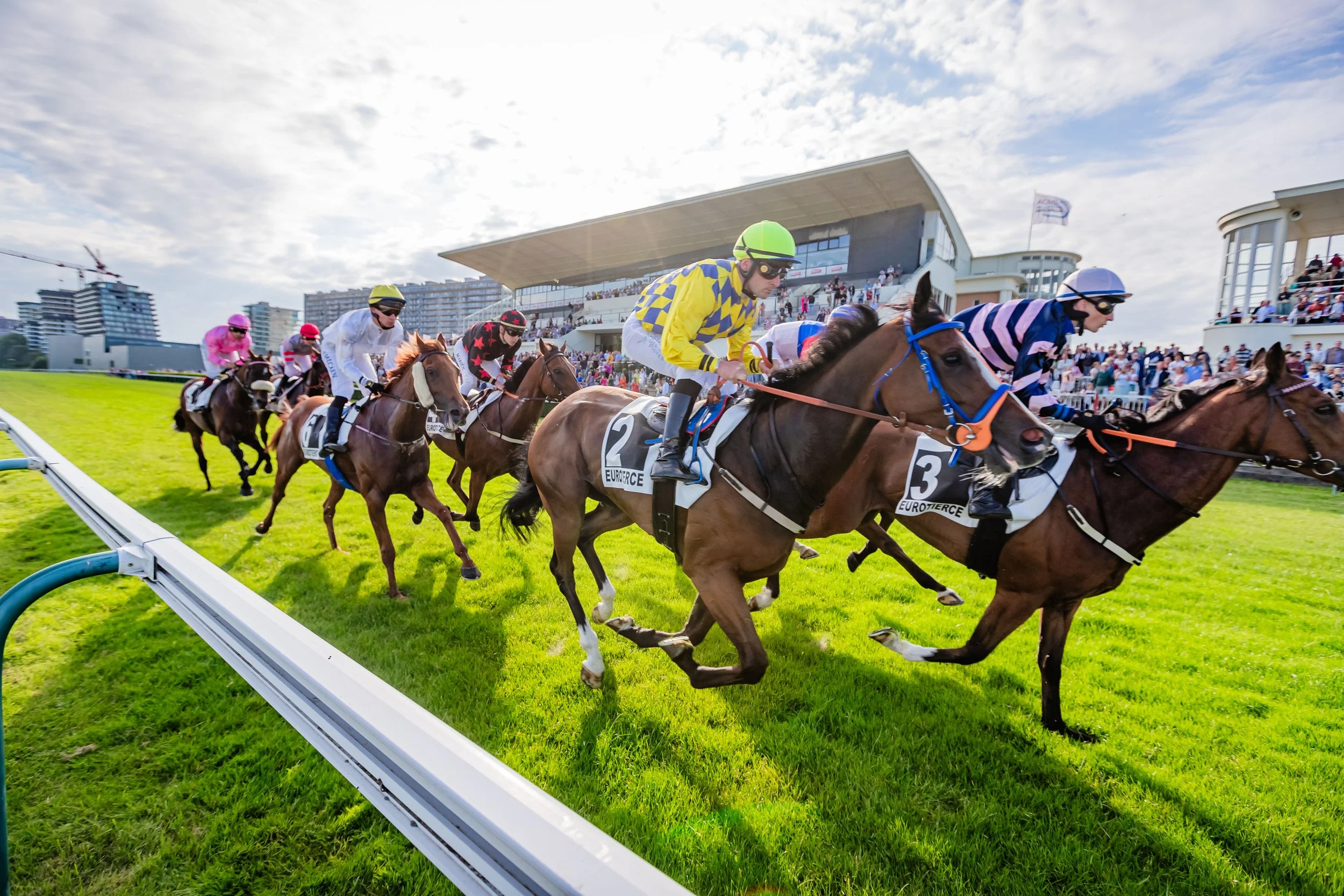
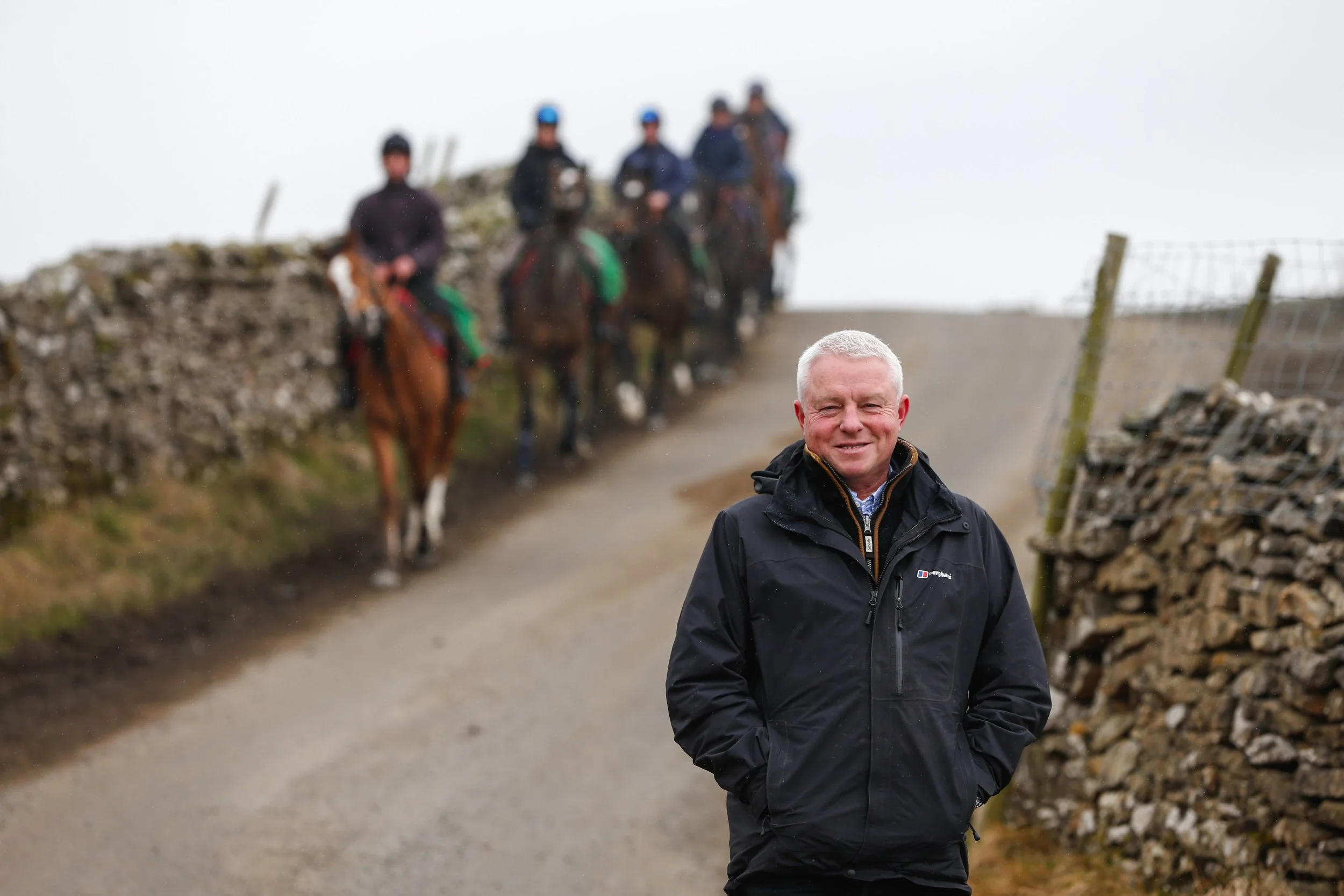
As costs escalate in all spheres and prize money lags far off the pace, many trainers are finding times extremely tough. We spoke to three professionals—Jedd O’Keeffe (Britain), David Marnane (Ireland), and Didier Prod’homme (France)—to discuss how they have adapted their businesses to the current economic climate.
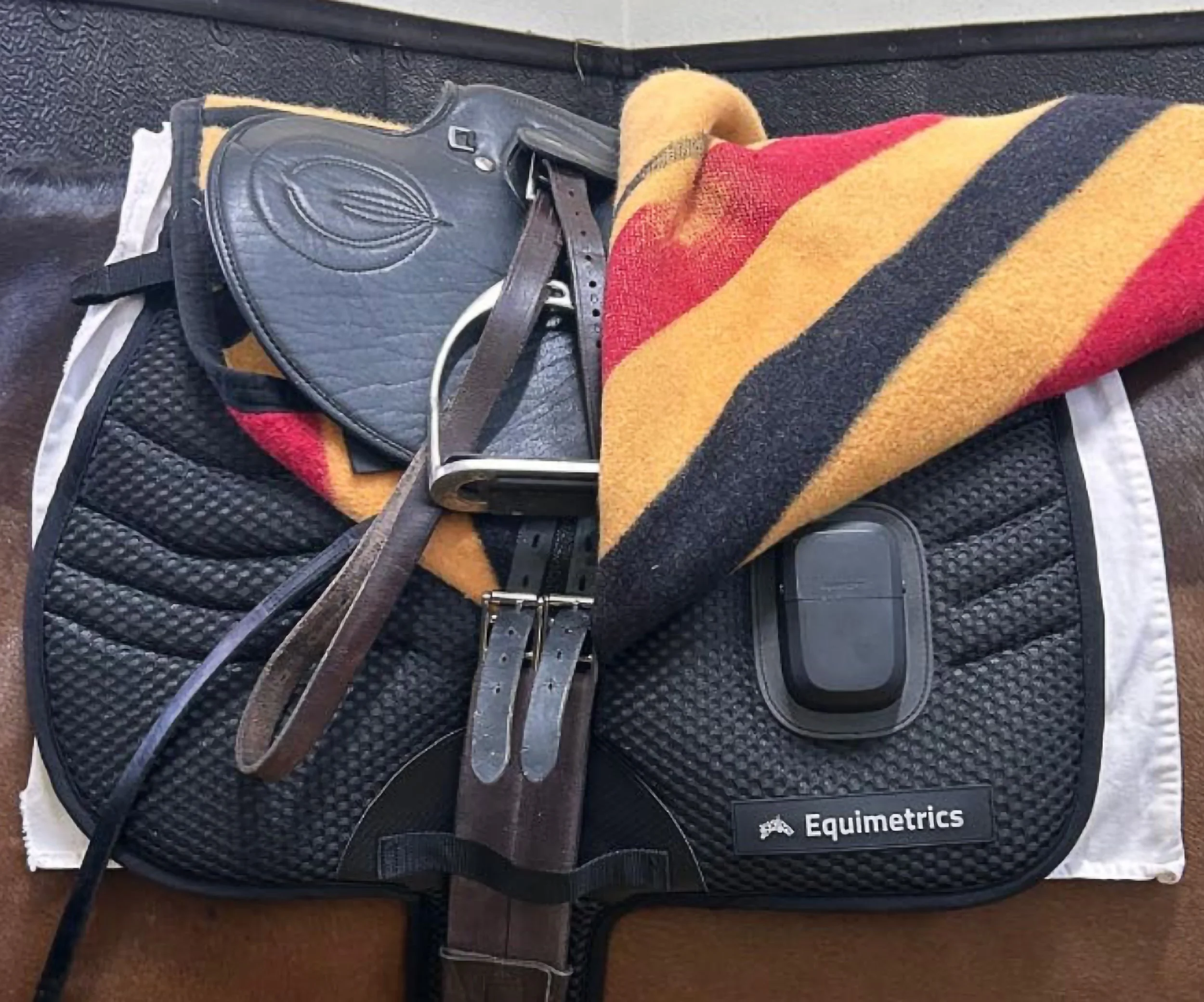
Harnessing Tech to Enhance Equine Safety and Performance.
In May 2025, Britain became the first horseracing jurisdiction to permit the use of equine heart monitors on the racecourse as part of a pilot scheme to test technology under race conditions.