
Nutrition
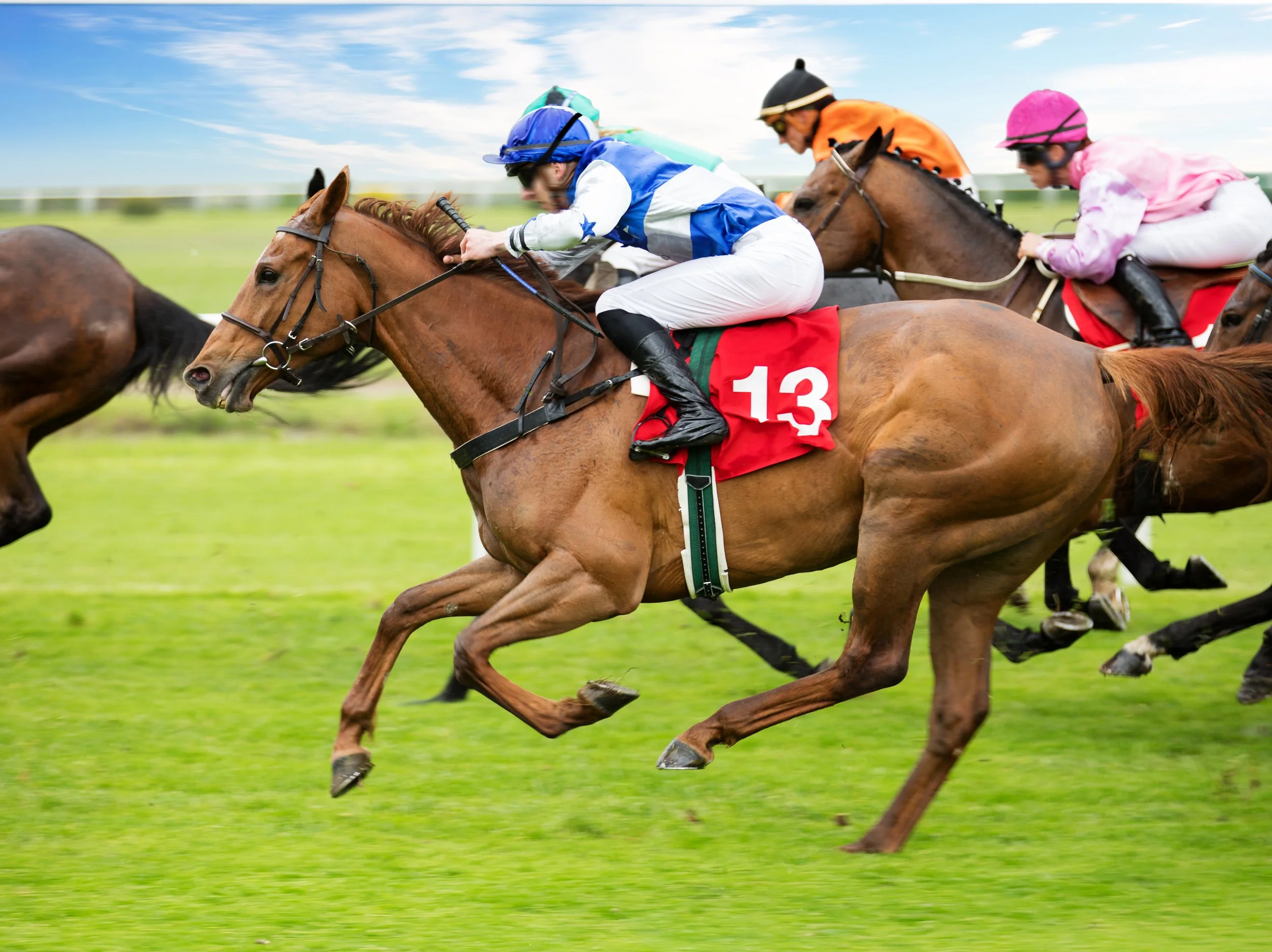
There are many factors that influence athletic performance including joint and muscular function. Training naturally places stress on both joints and muscles and this is where nutrition plays a key role. Nutrition is a powerful tool for managing inflammation, facilitating recovery and supporting repair and regeneration at a cellular level.
Oral nutritional supplements when used in a targeted manner can help horses adapt to training, recover better and support continued performance for the long term.
Part one of this two-part series focuses on joint health and the role of nutrition. In the next issue the role of oral nutritional supplements for soft tissue recovery will be discussed.

This article is written from the perspective of an independent veterinarian, equine nutritionist, pharmacologist, former Thoroughbred trainer and owner, and lifelong horsewoman. It is not written on behalf of a feed company, supplement manufacturer, pharmaceutical company, racing organization, or political interest. Its purpose is to encourage constructive dialogue among trainers, veterinarians, nutritionists, owners, HISA, and HIWU in pursuit of a common goal: the welfare and integrity of the Thoroughbred racehorse.
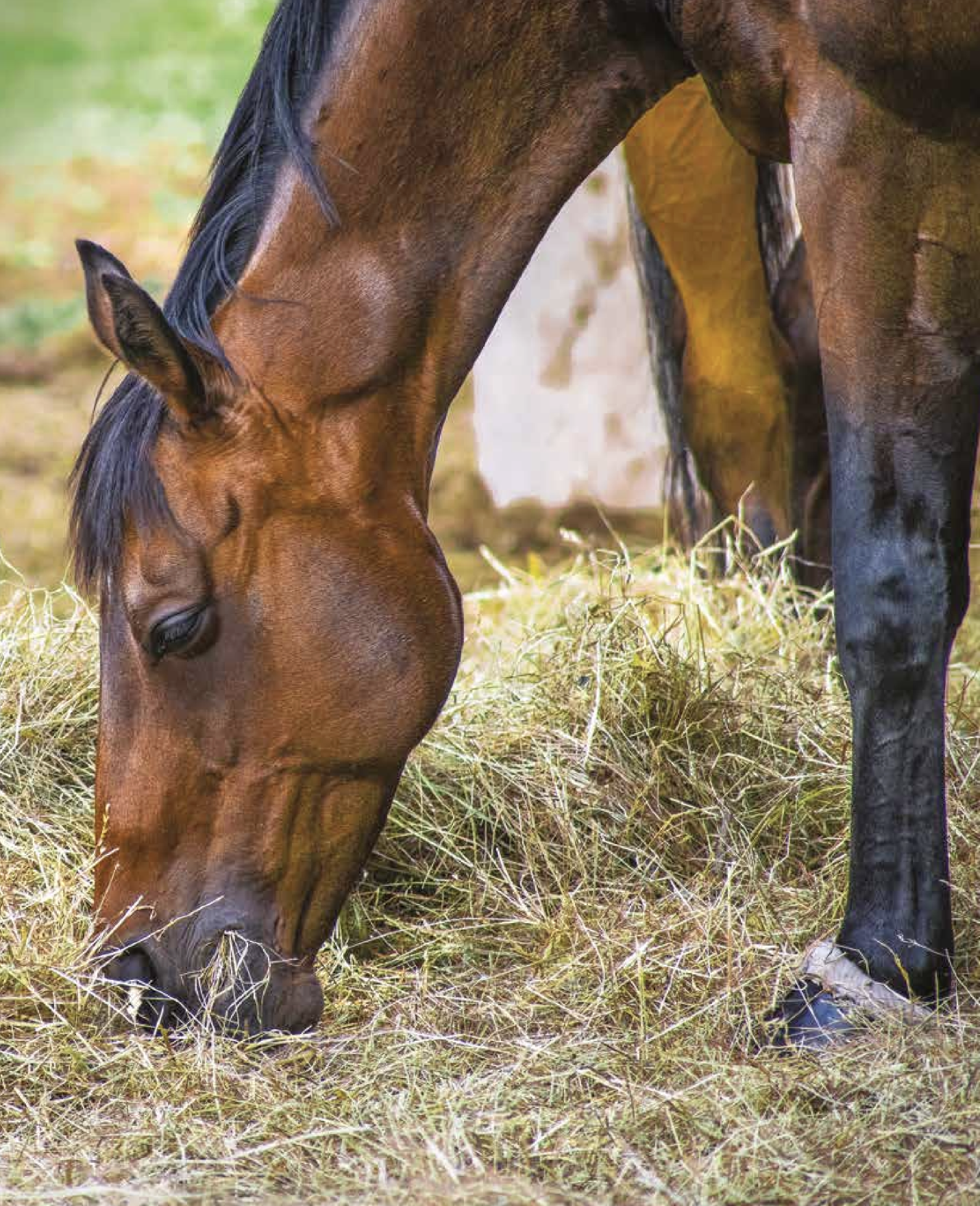
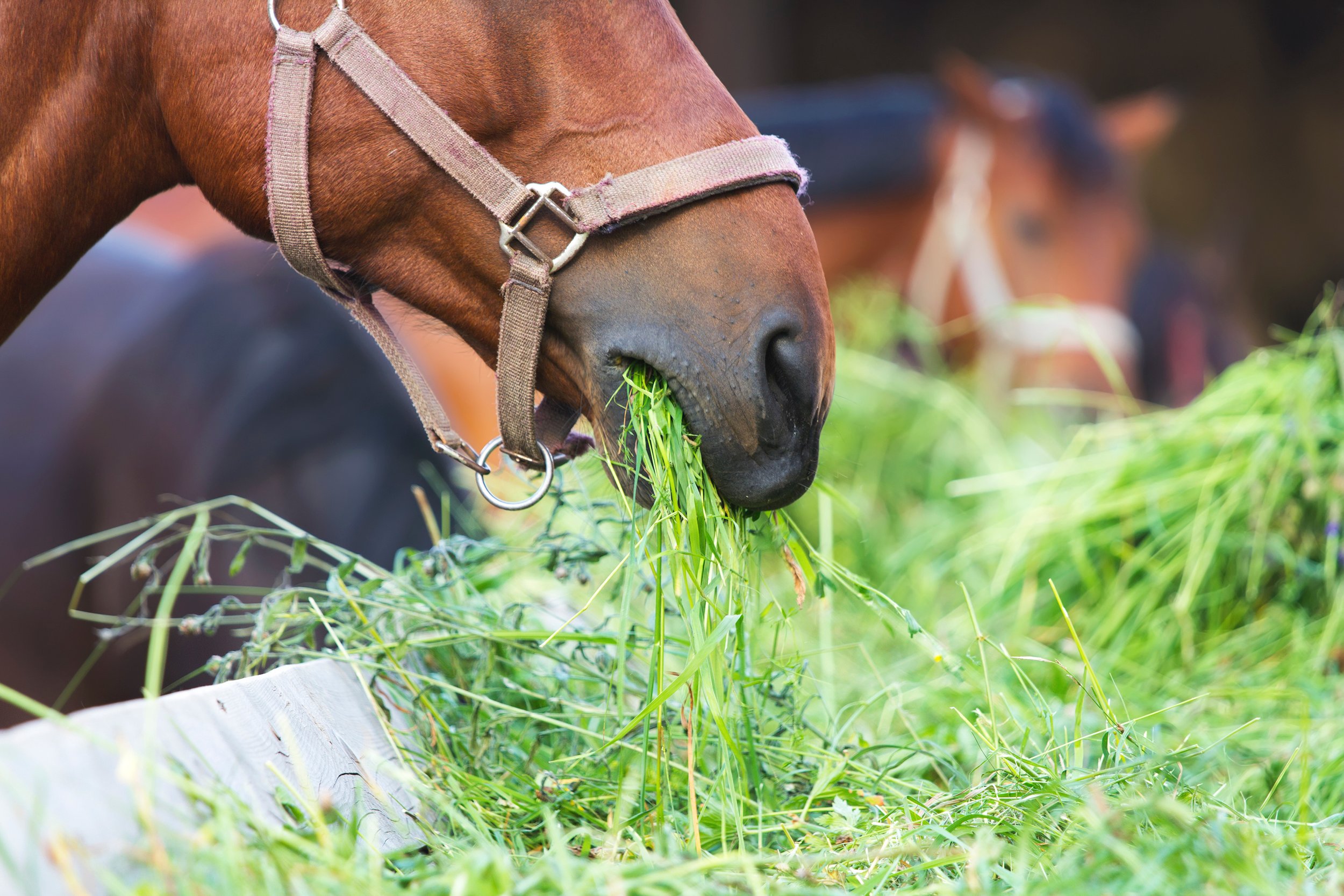
Hay may look like the simplest part of a horse's diet, but as University of Guelph professor Dr. Anna Kate Shoveller explains, it's the foundation of equine health and far more complex than it appears.
Horses are designed to graze for 14-18 hours a day, relying on a steady flow of forage to protect the stomach, fuel the hindgut, and support overall wellbeing. Whether we feed hay dry, soaked, or steamed, those decisions matter.
Each method shifts something, from dust levels to nutrients and even taste, and knowing the differences helps us choose what's best for our horses. In a University of Guelph study, Shoveller and her team examined how these treatments change the hay, how horses respond, and why the "right" choice depends entirely on the individual horse.
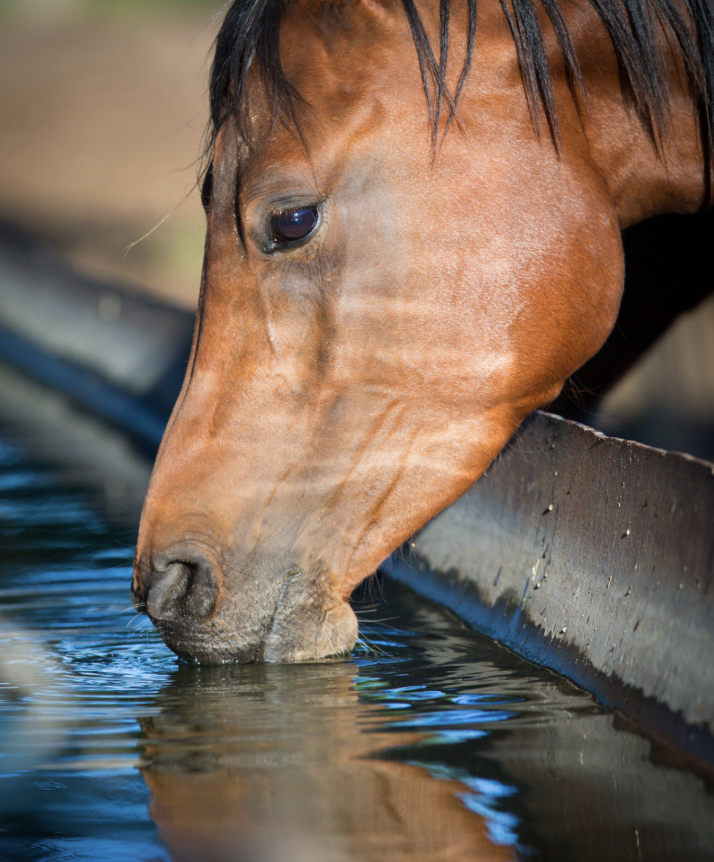
Fueling the thoroughbred athlete is a very complex and precise world; but one that demands much attention among the many talented horsemen and women within the industry. What is going into the body can be a direct reflection on what can be seen in performance across all levels of racing. Finding the correct balance to maximize energy, muscle strength, and recovery through an organized training schedule is a specialized skill within itself. As grain- based nutrition plays a major role, proper hydration is the foundation that supports every aspect of performance on the track.
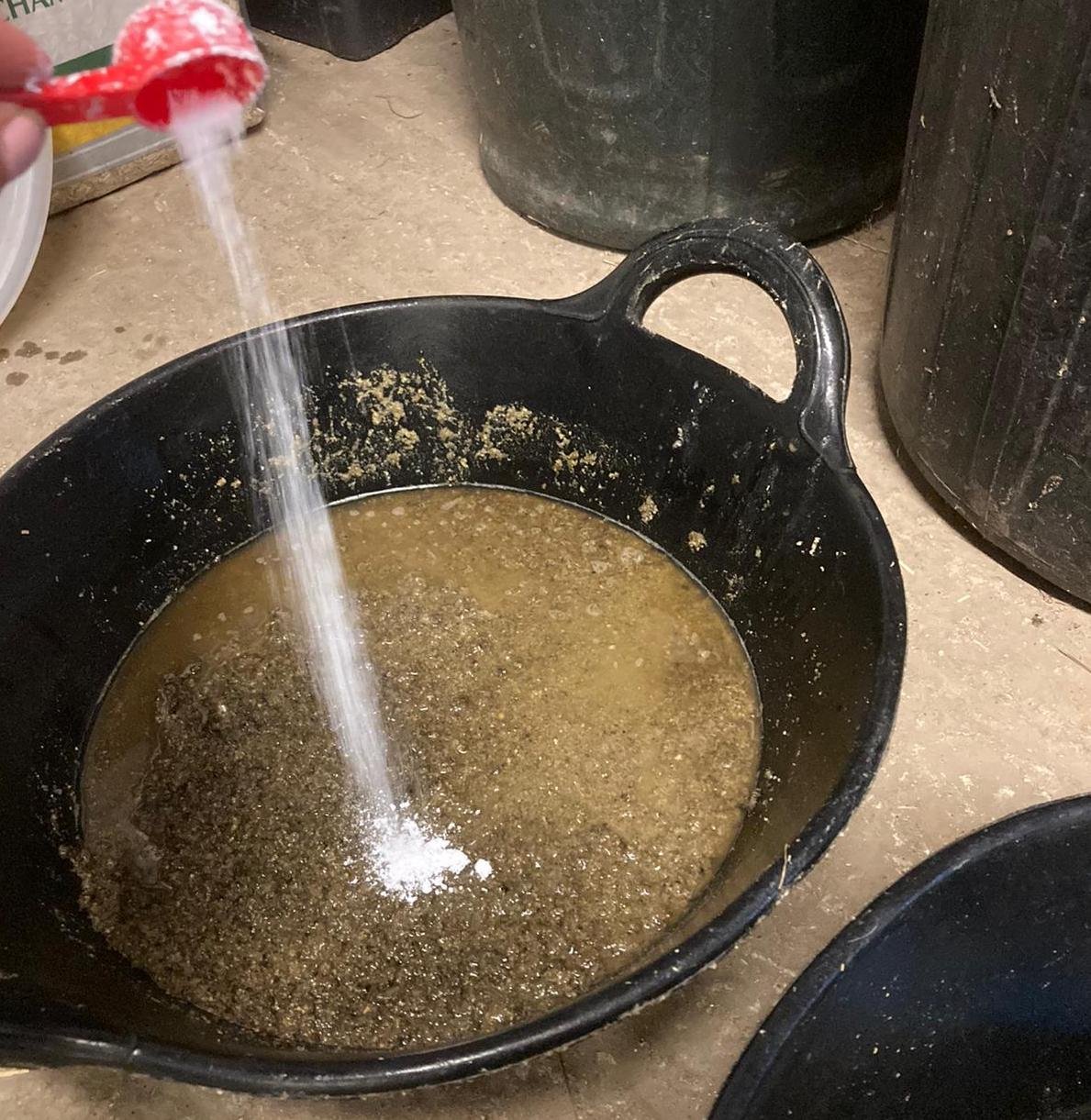
Water affects racehorses on a deep biochemical level- so much that it isn’t just “hydration”, it’s the medium that makes almost every process at the cellular level possible. Without adequate hydration, not even the best feeding program will be as effective or support optimal athletic performance.

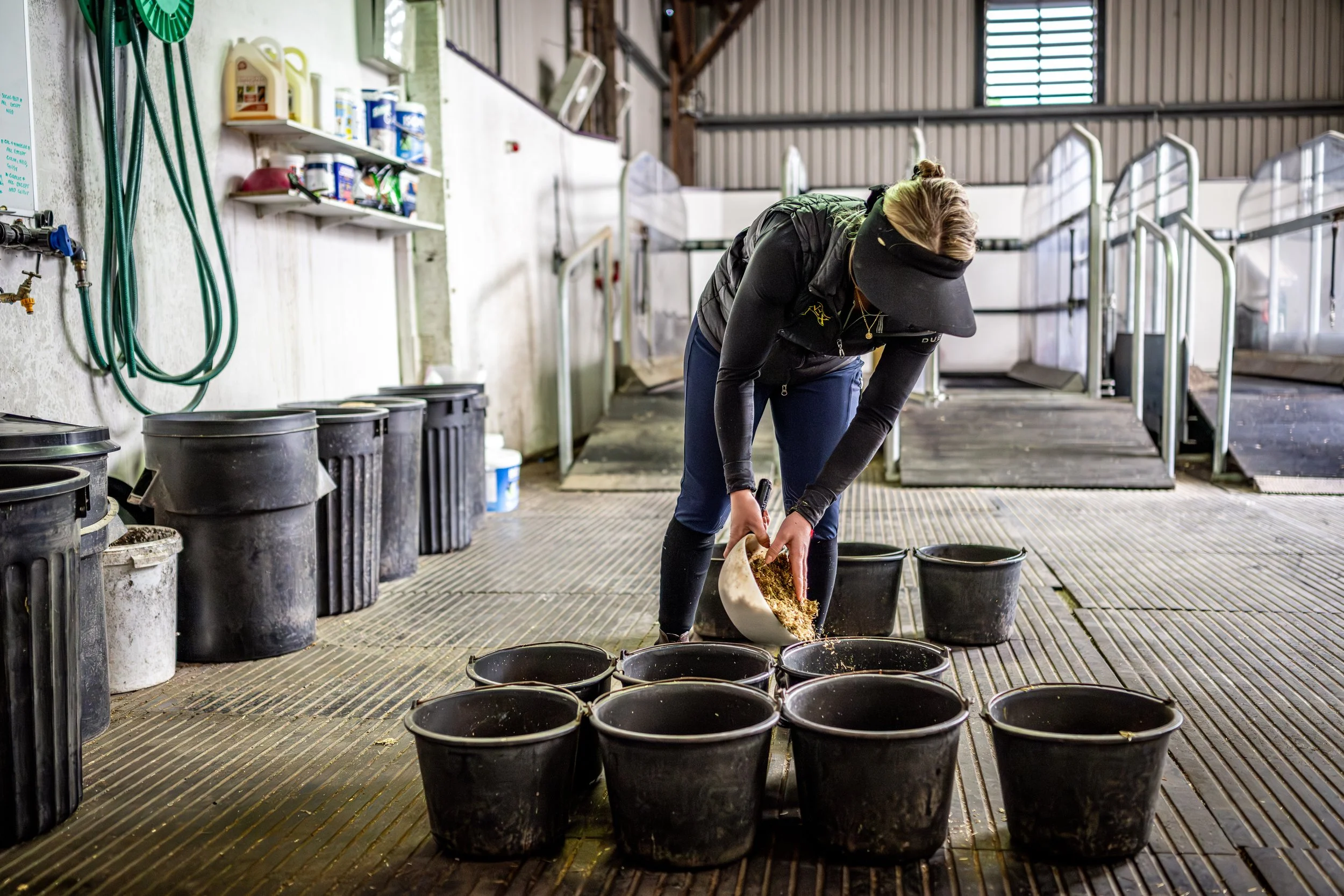









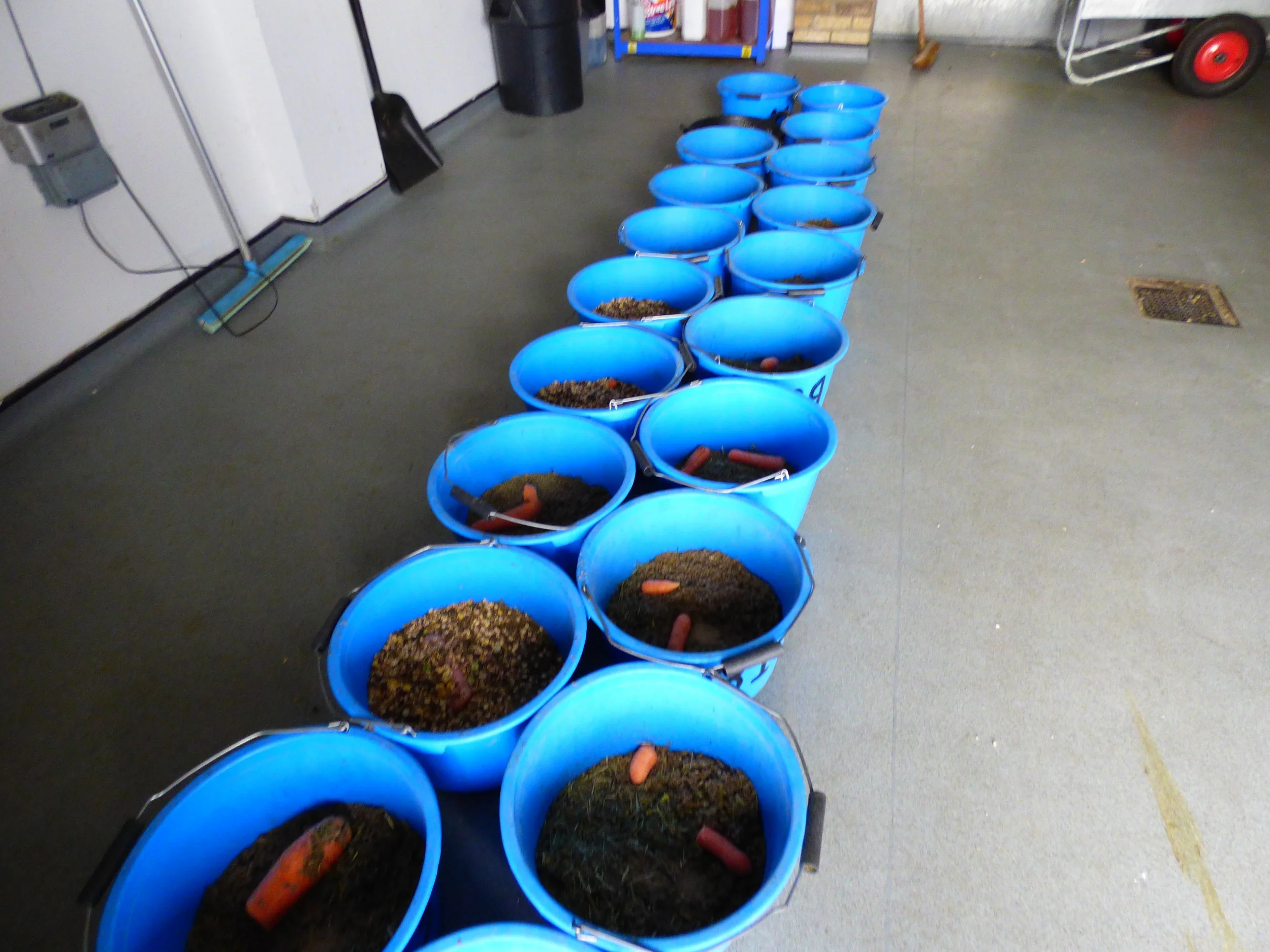






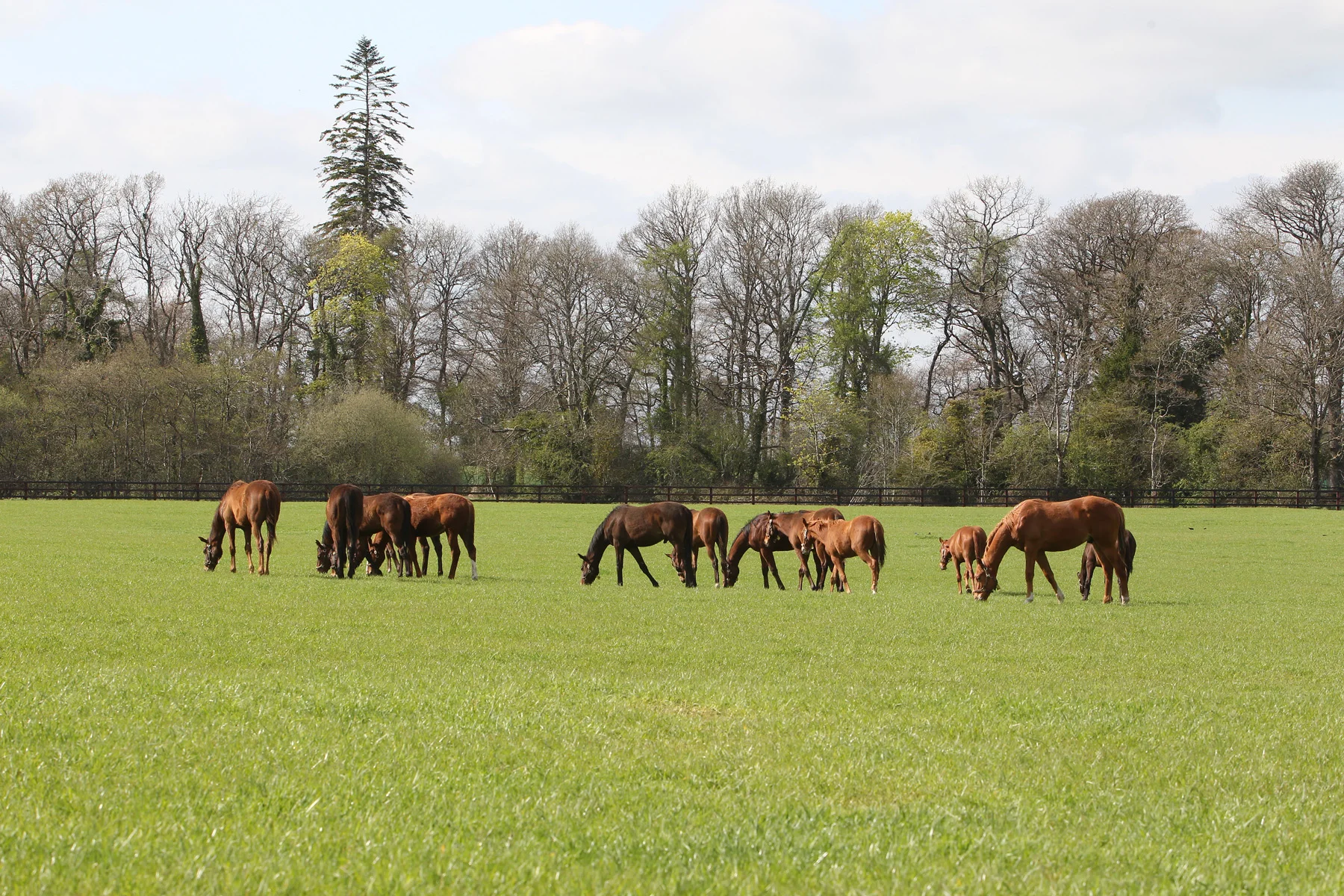
Nature’s basket offers a rich source of beneficial nutrients, including phytonutrients. Horse owners and trainers have always been interested in what these sometimes relatively un-researched ingredients can offer for the health and performance of horses in training. In this article, I explore three ingredients that have become popular components of supplements and also as stand-alone products.
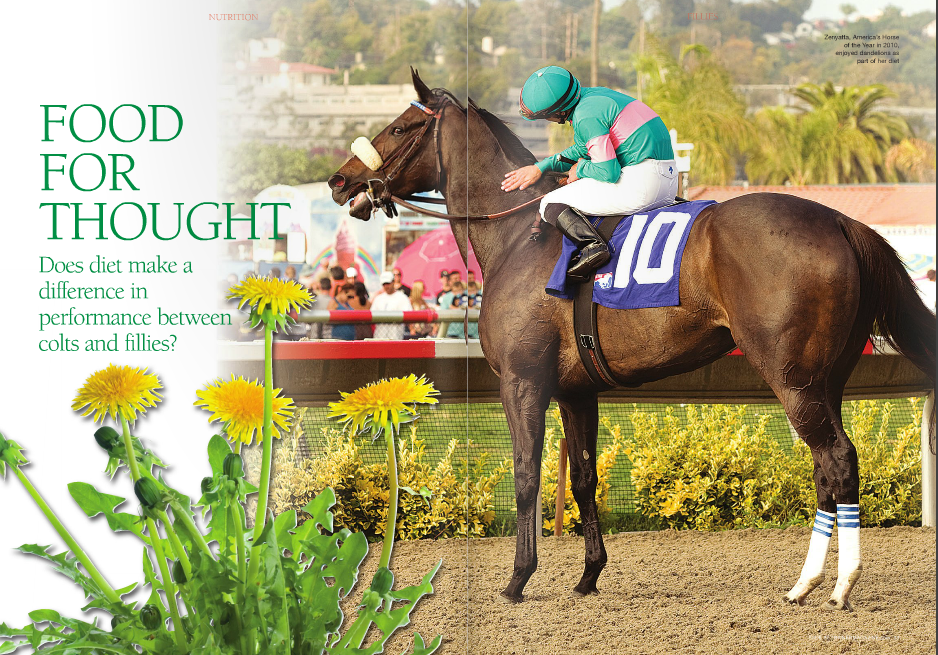
Are fillies 'dynamic divas' or the weaker sex? Should we treat them differently to colts when it comes to feeding and management? And are these differences real, or just perceived?
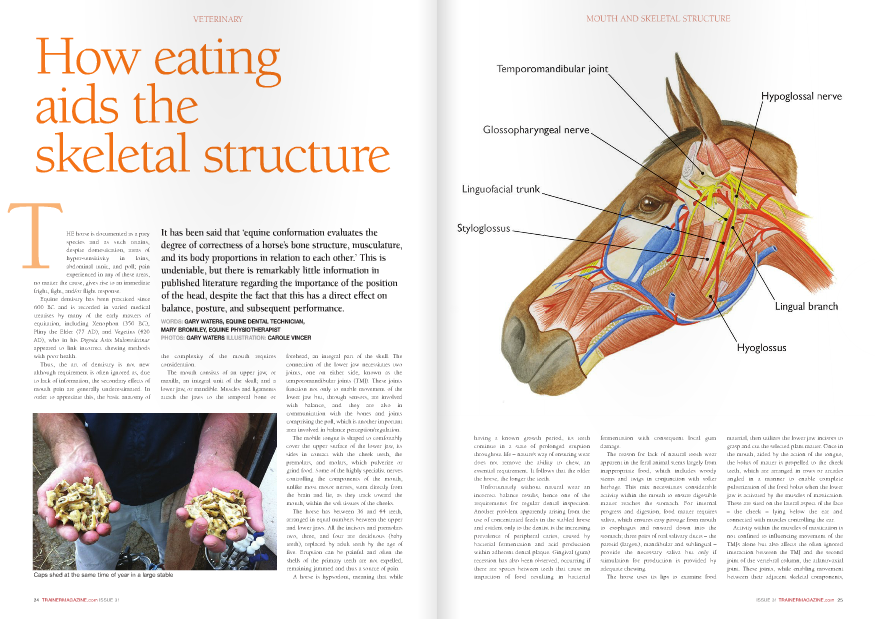
It has been said that 'equine conformation evaluates the degree of correctness of a horse's bone structure, musculature and its body proportions in relation to each other.' This is undeniable, but there is remarkably little information in published literature regarding the importance of the position of the head, despite the fact that this has a direct effect on balance, posture and subsequent performance.
The horse is documented as a prey species and as such retains, despite domestication, ares of hyper-sensitivity in loins, abdominal tunic, and poll; pain experienced in any of these areas, no matter the cause, gives you a rise to an immediate fright, flight and/or flight response.

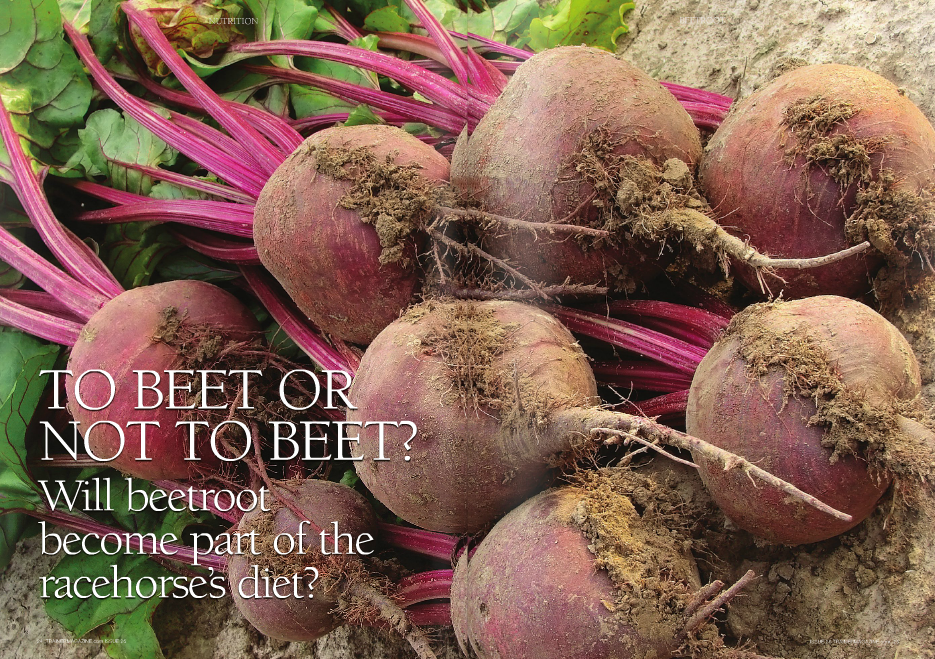
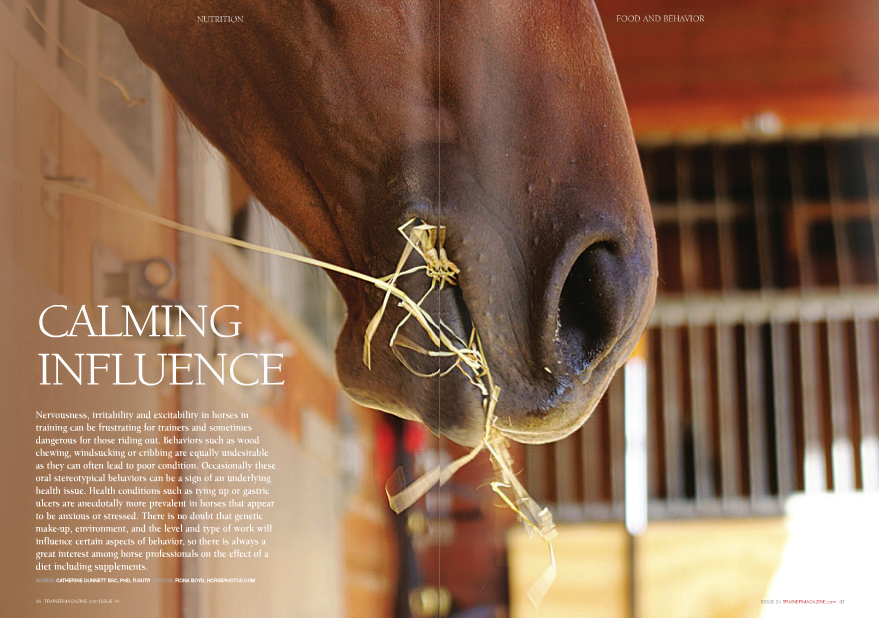
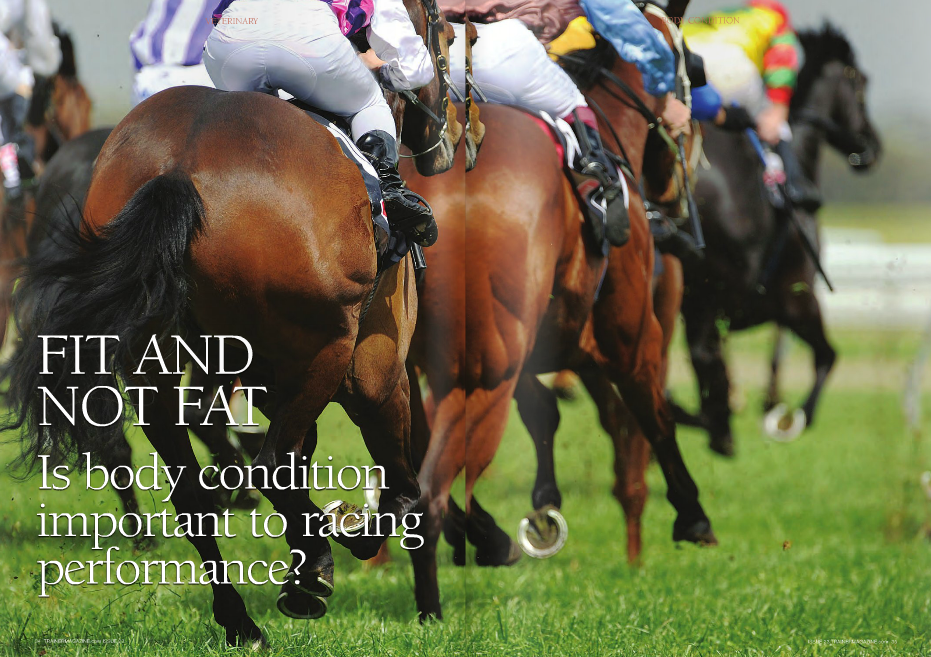

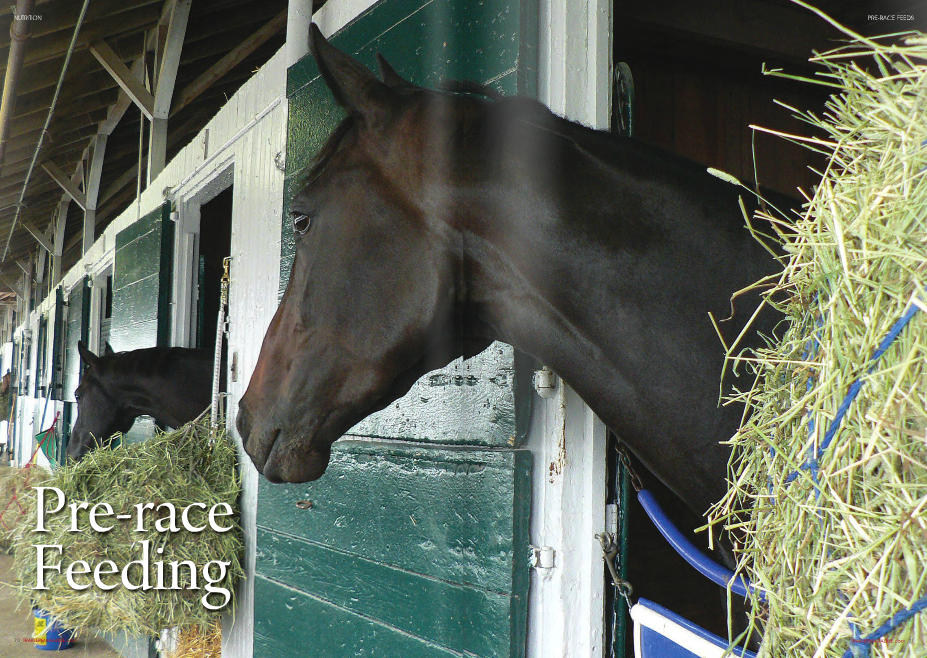


Training racehorses could be described as being the epitome of art and science coming together. Whilst the latest research and recommendations are important where racehorse nutrition is concerned, there has always been a strong belief in tradition and folklore in the racing community.