
Racing
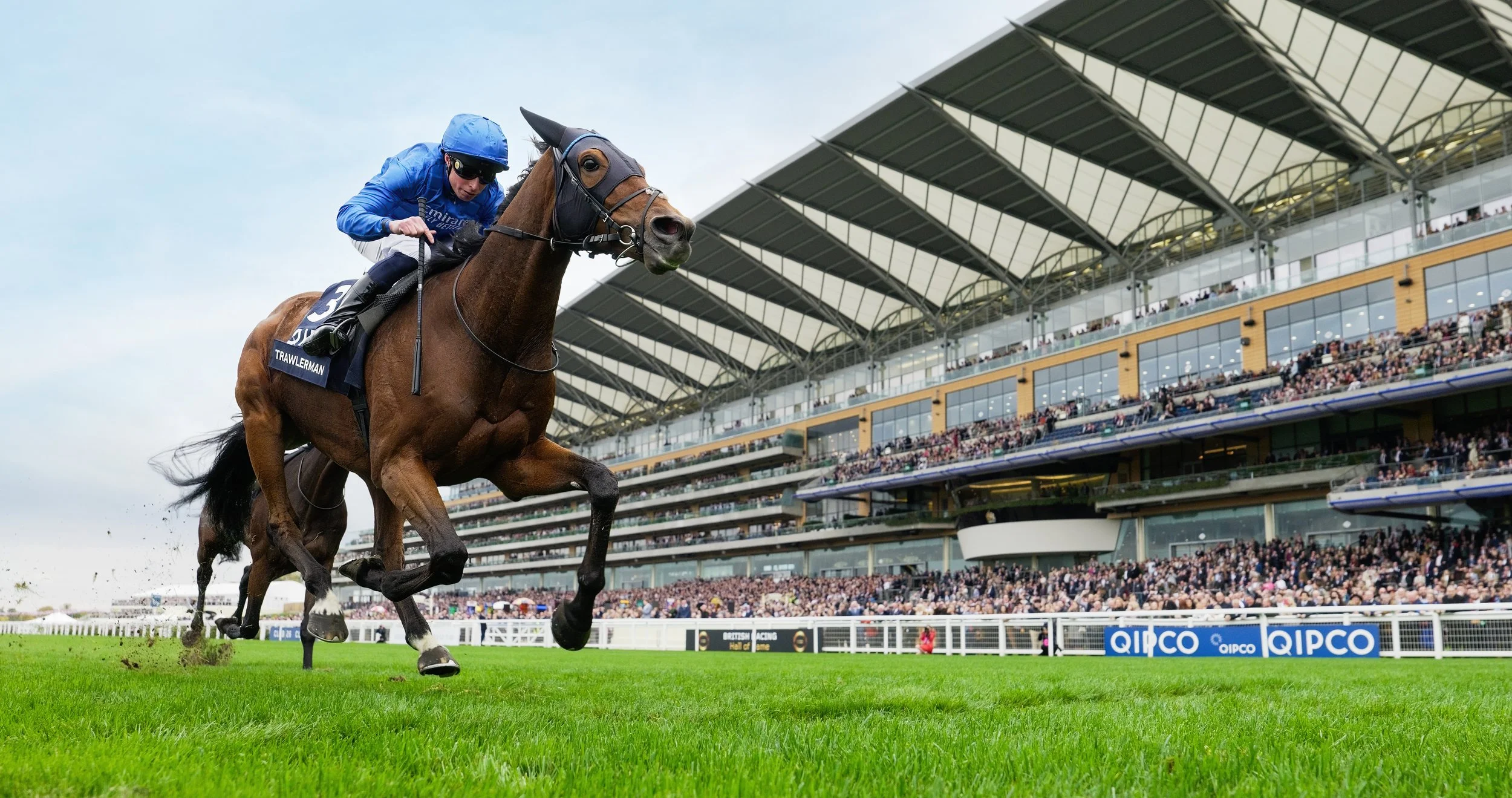
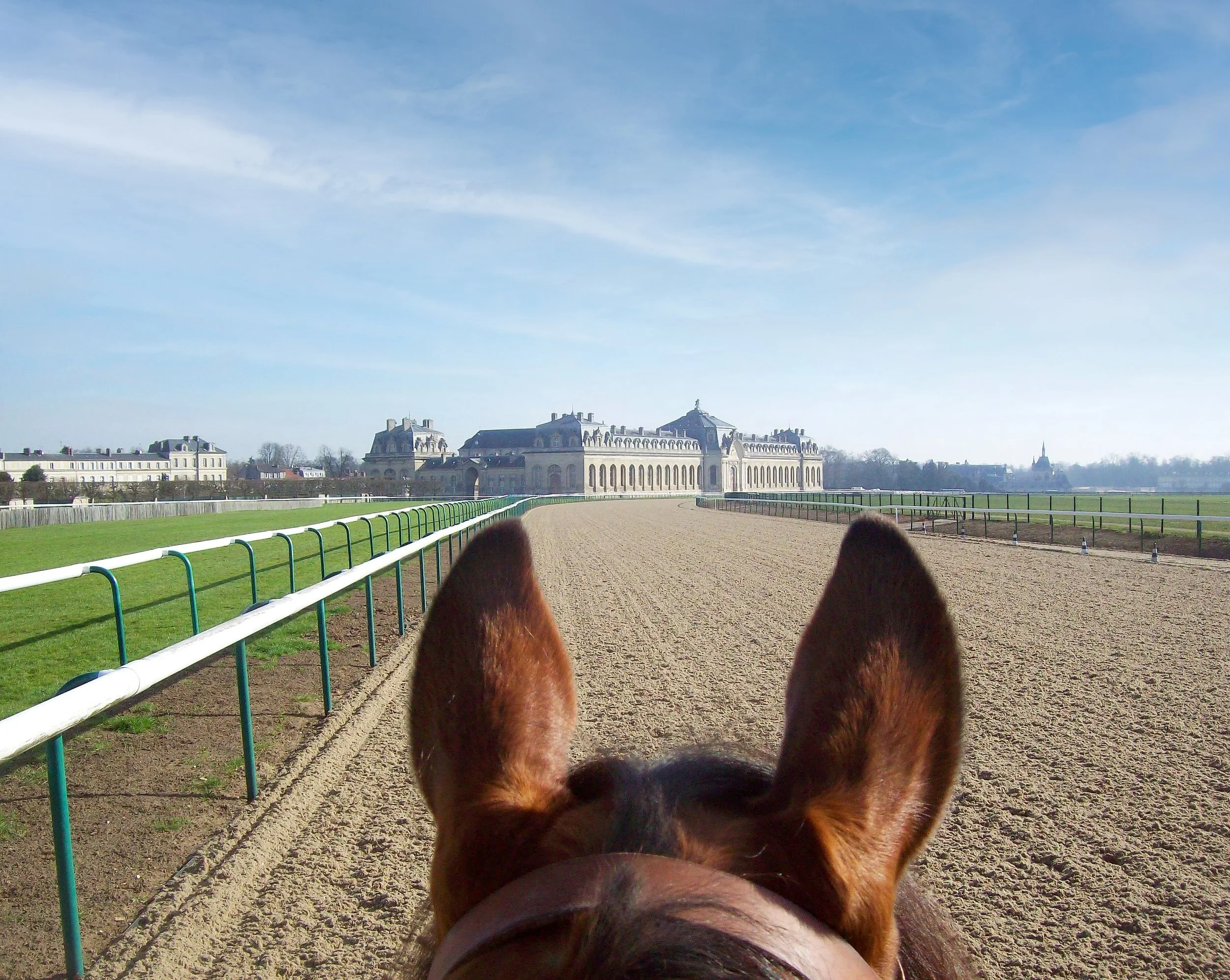
Most will recognise the impact that Climate Change is having on their everyday lives but how is Climate Change impacting on the horse racing industry, notably in the preparation of European racing surfaces? It is clear that times are changing, and racecourse officials and trainers are having to adapt.
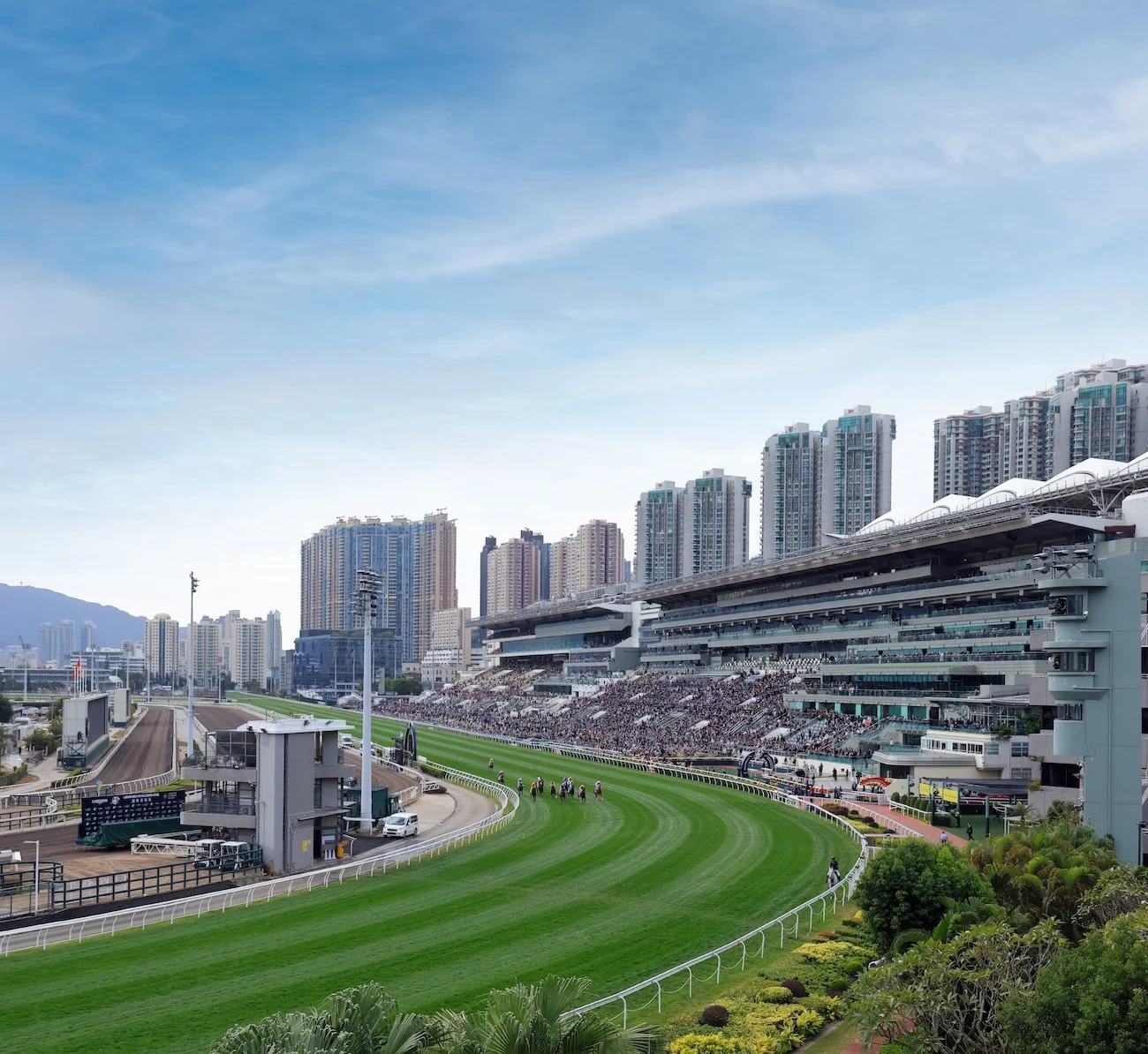
Winfried Engelbrecht-Bresges, CEO of the Hong Kong Jockey Club, John Messara, owner breeder of Arrowfield Stud and a major figure in Australian racing, French-based Group 1 winning trainer Nicolas Clement, Italian Valfredo Valiani, a former trainer turned bloodstock agent; and Damon Thayer, former Kentucky state senator and racing industry consultant, offer candid assessments of issues affecting the sport of racing. While each individual speaks from their own standpoint, the views provide food for thought for the industry on a global level.
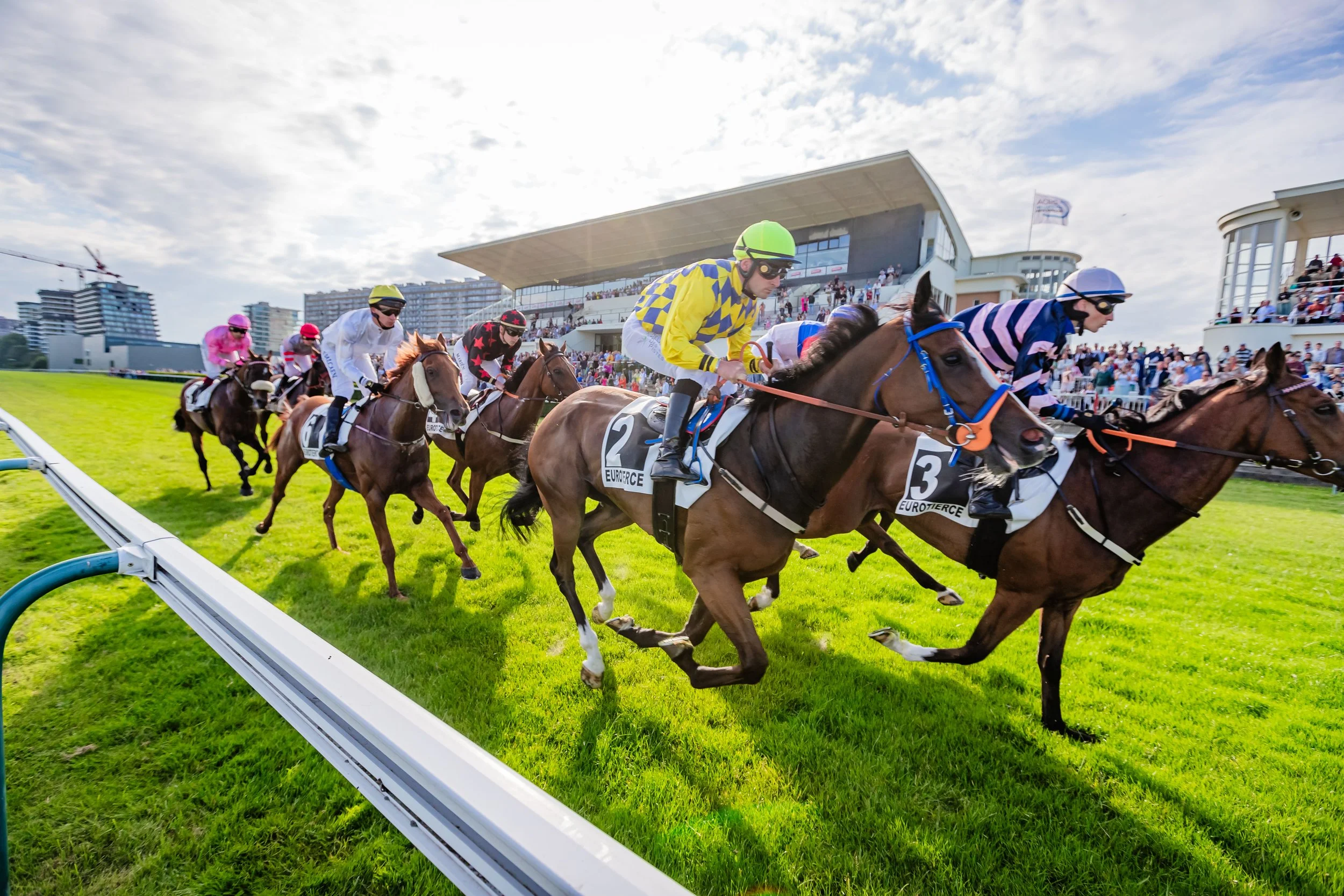
Artificial intelligence is steadily finding its place within the horse racing world, with its ability to process vast datasets and identify patterns invisible to the human eye. Could these same technologies extend into one of the sport's most nuanced and debated areas: handicap ratings?
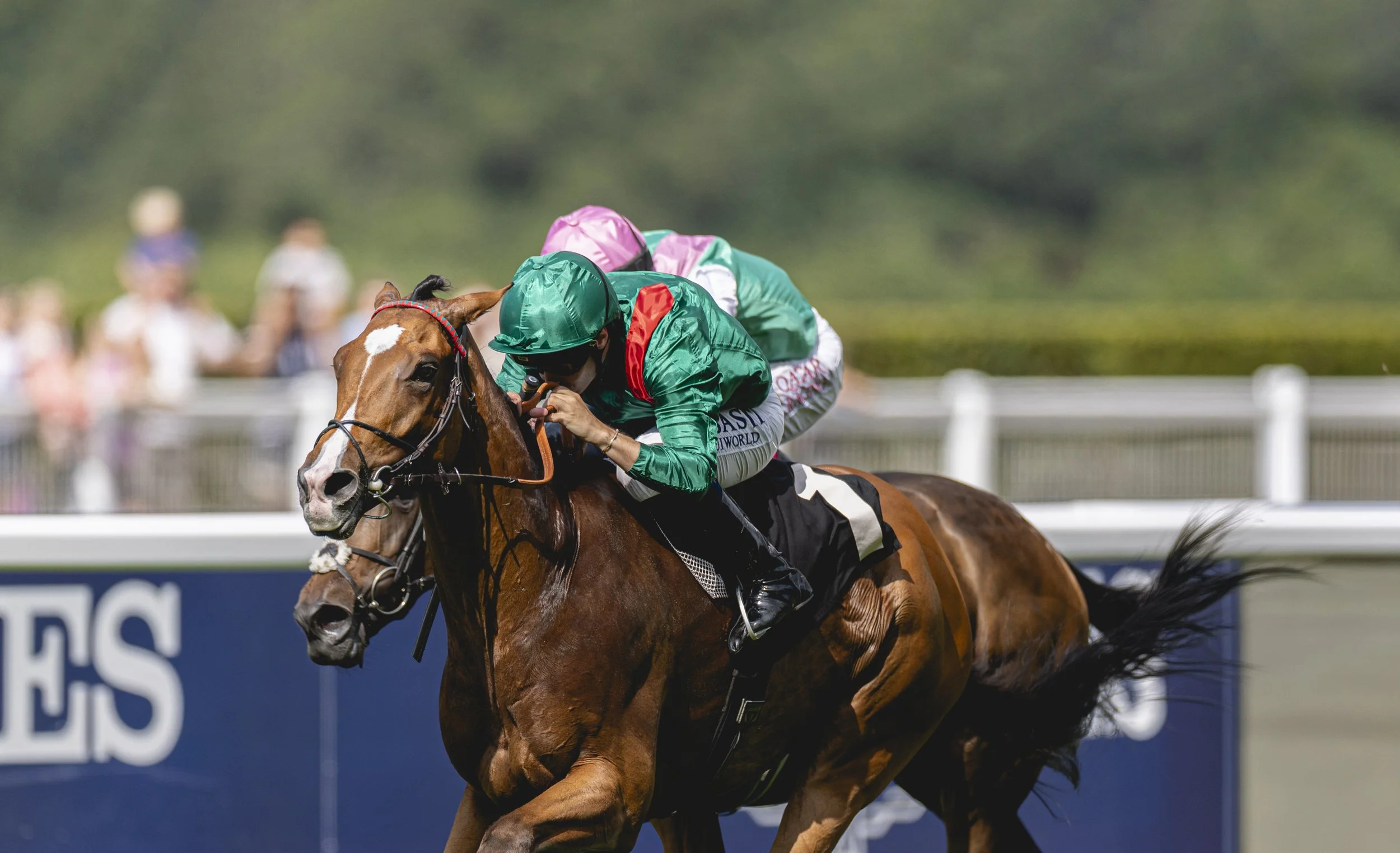

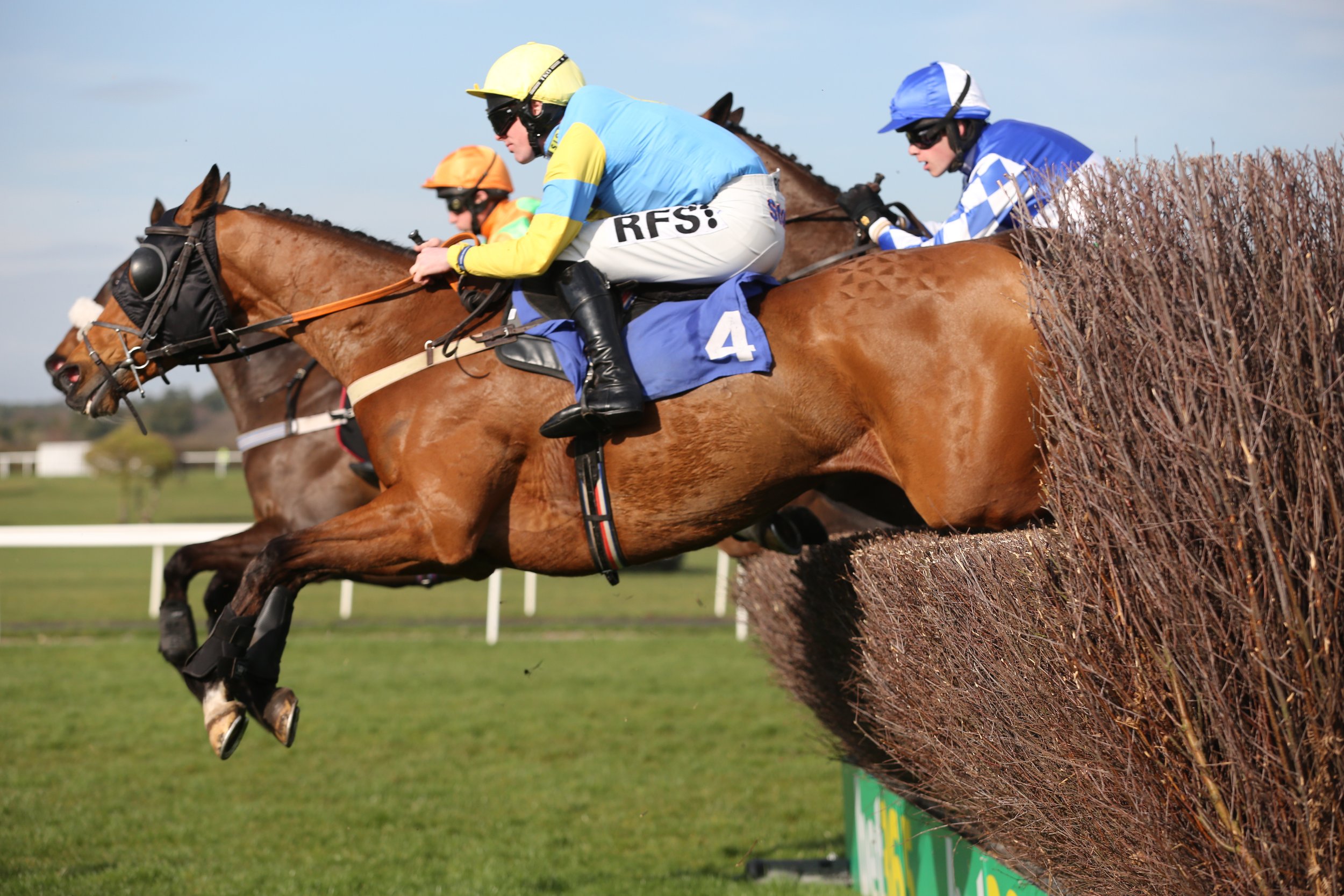
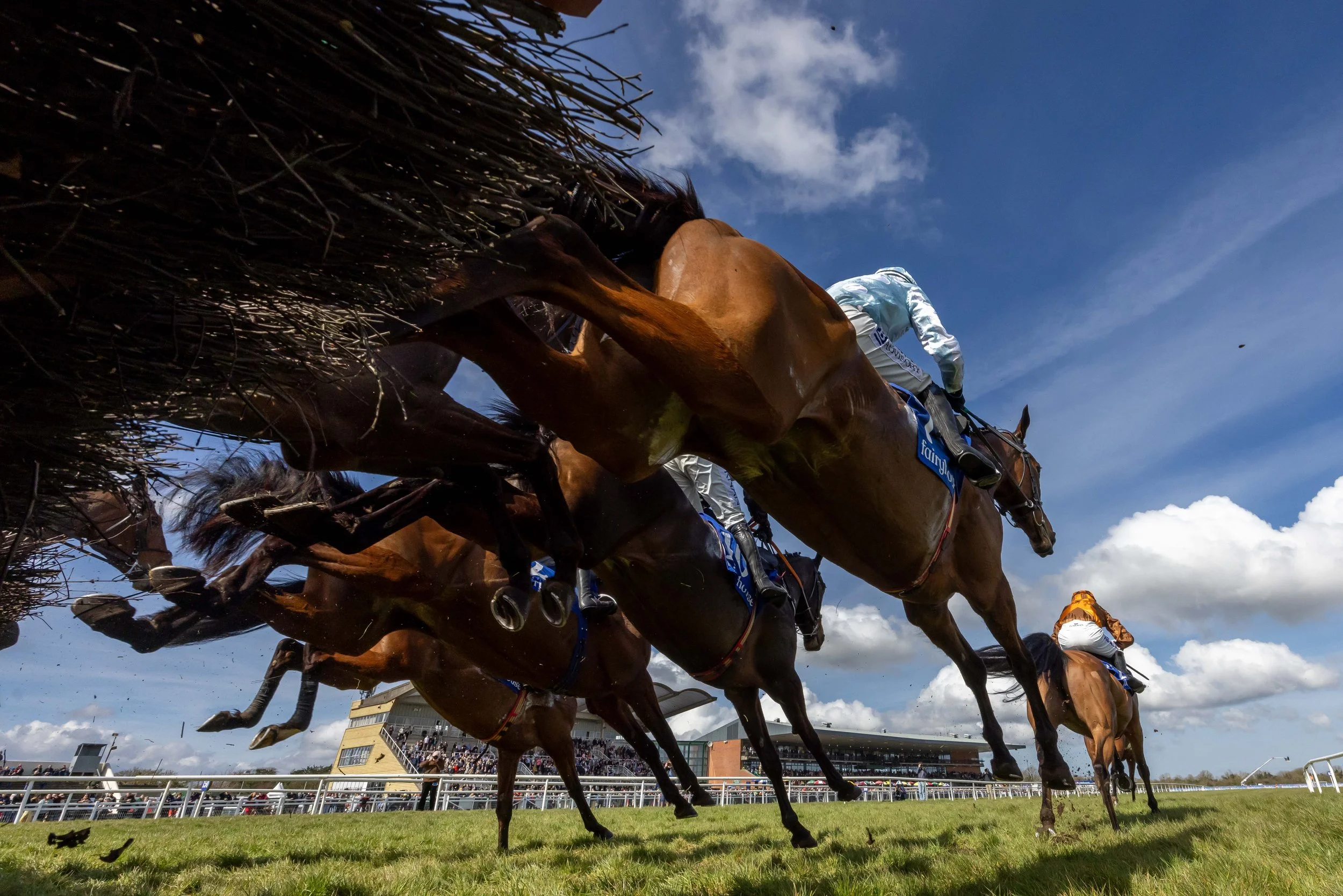


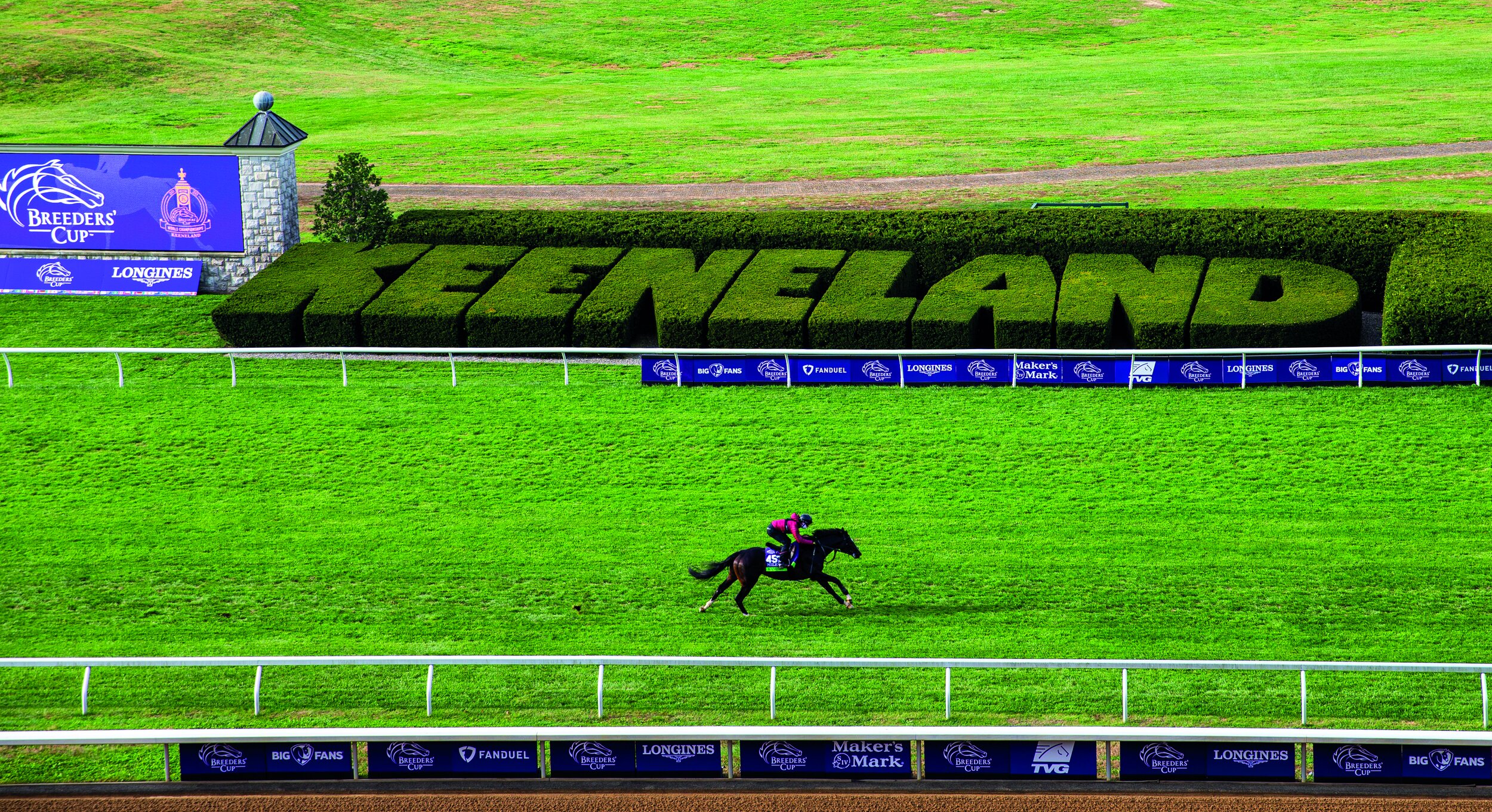
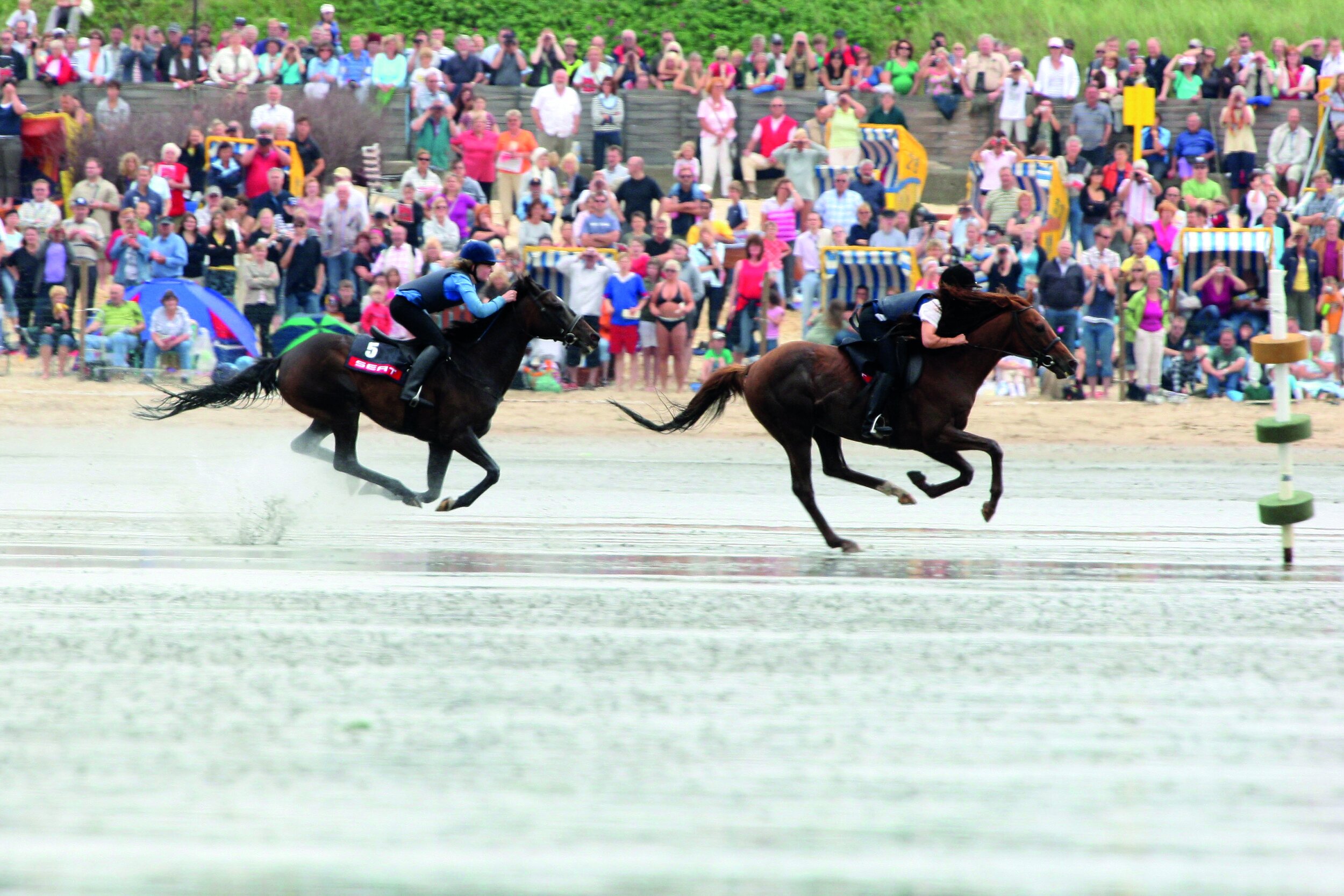
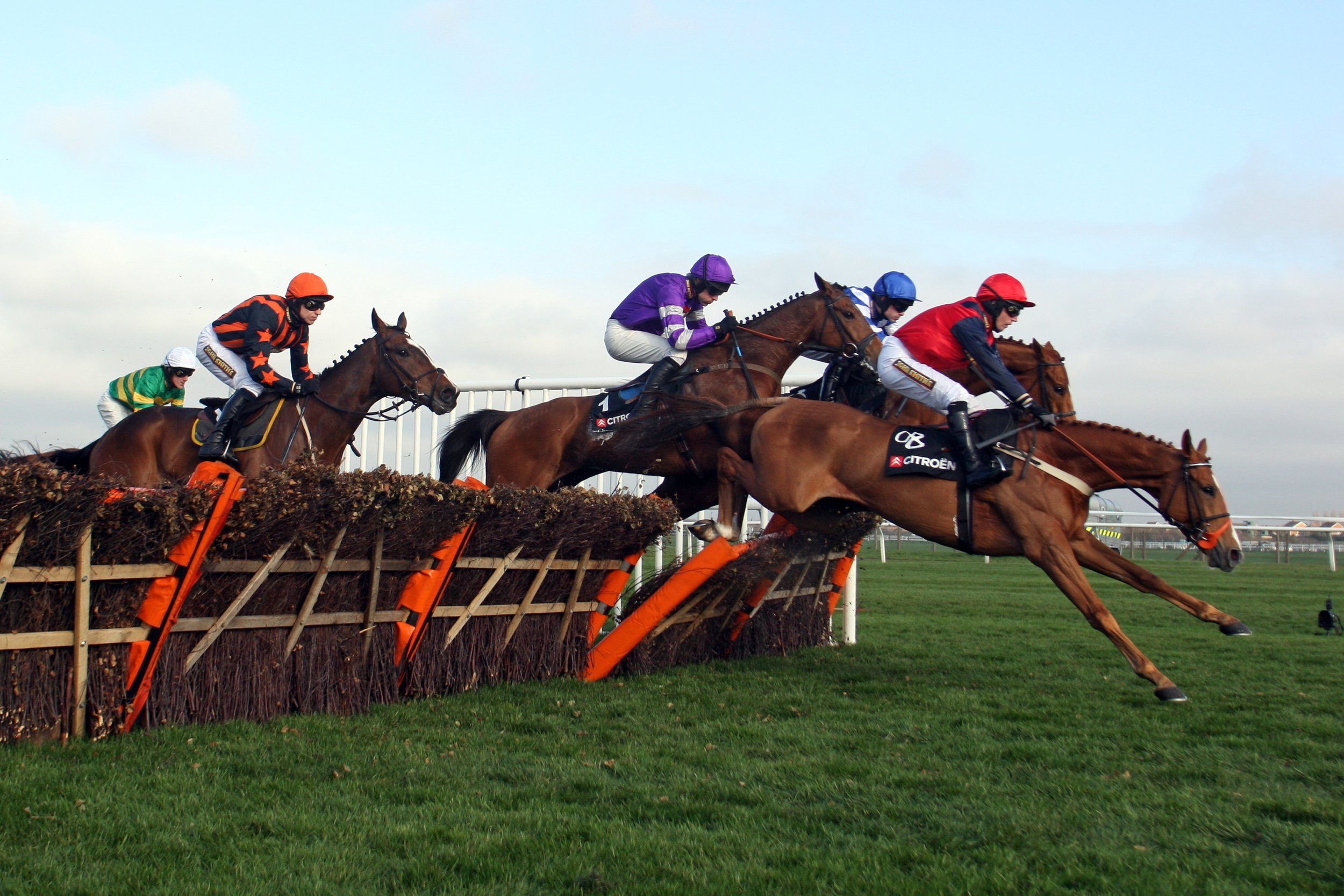





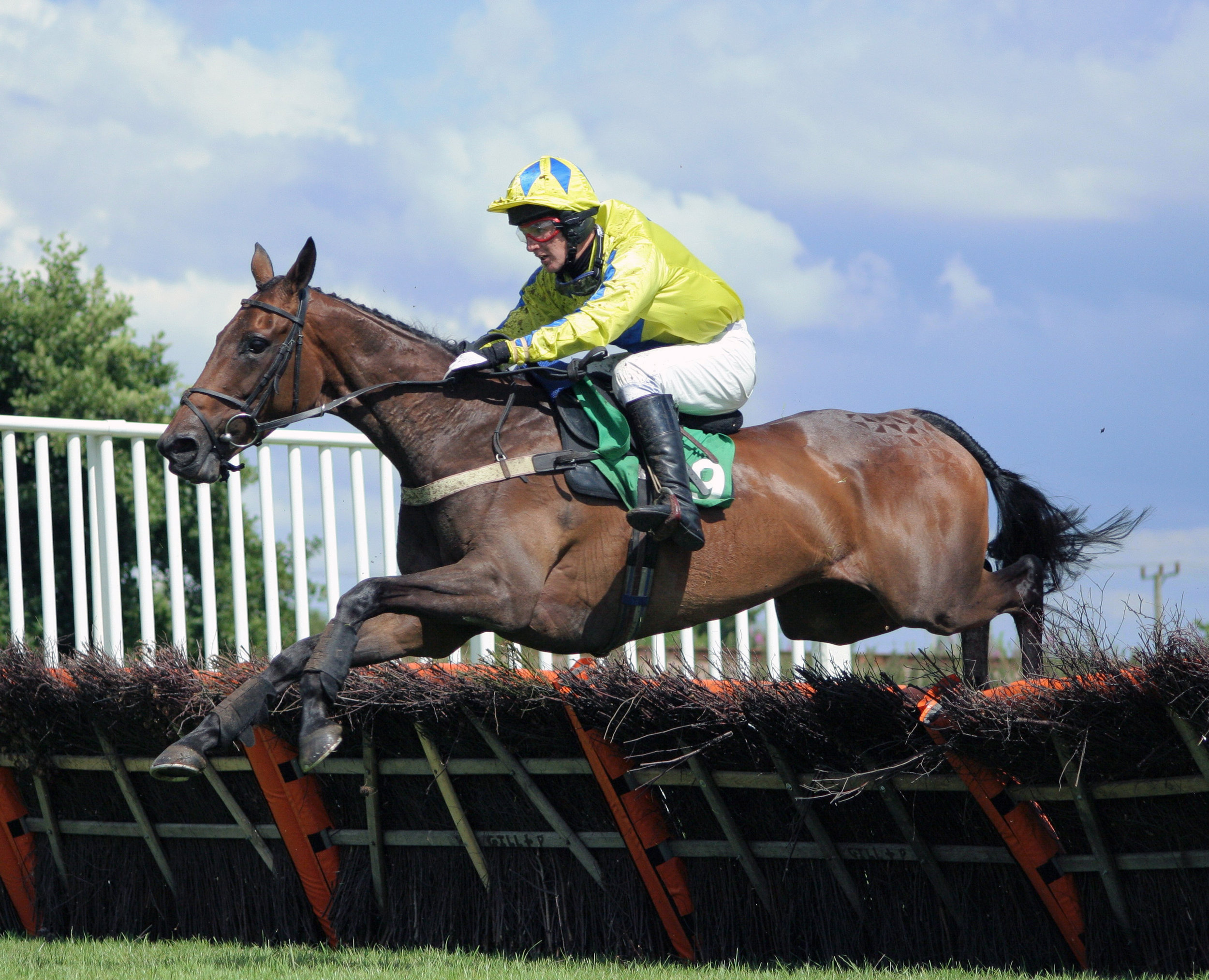




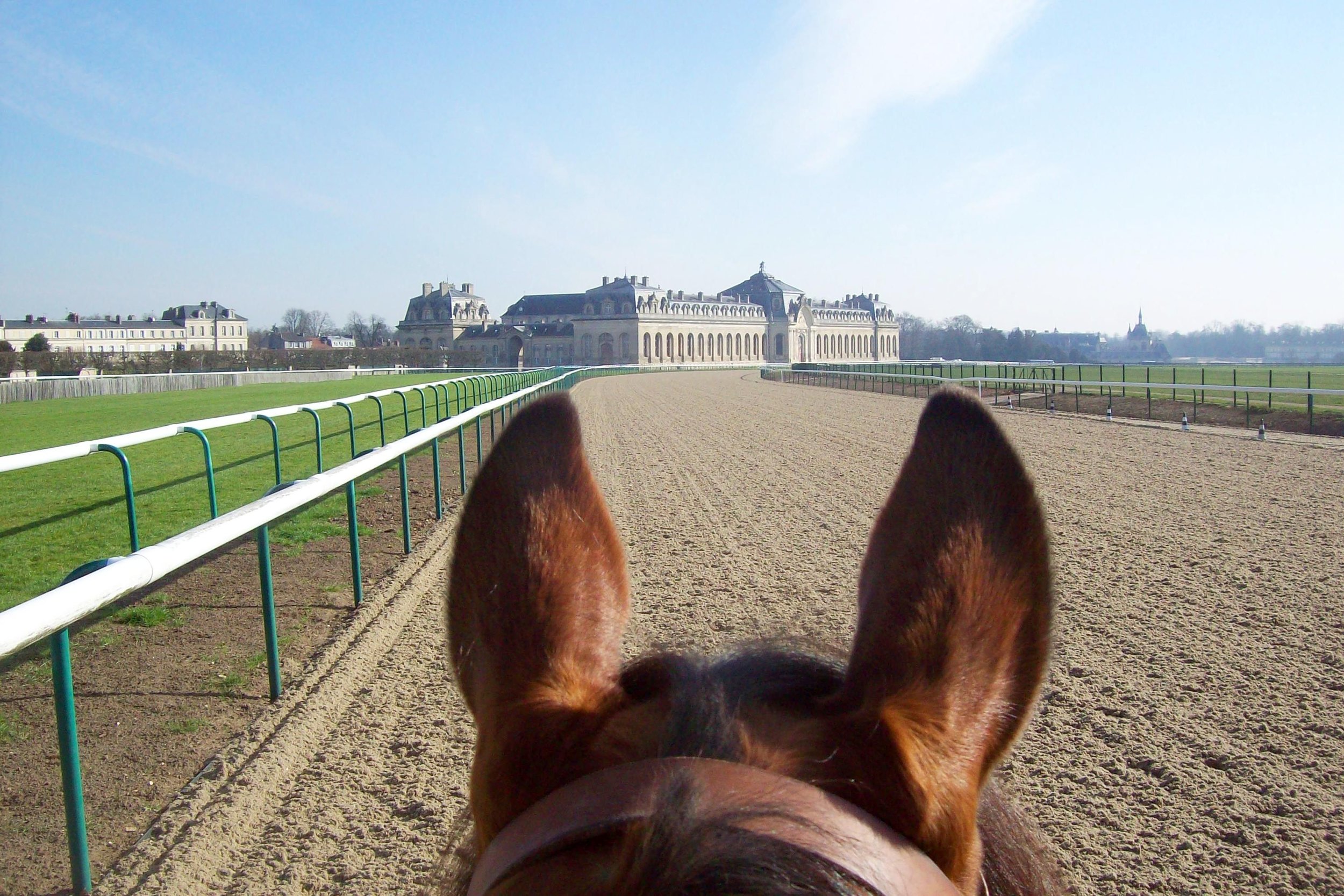


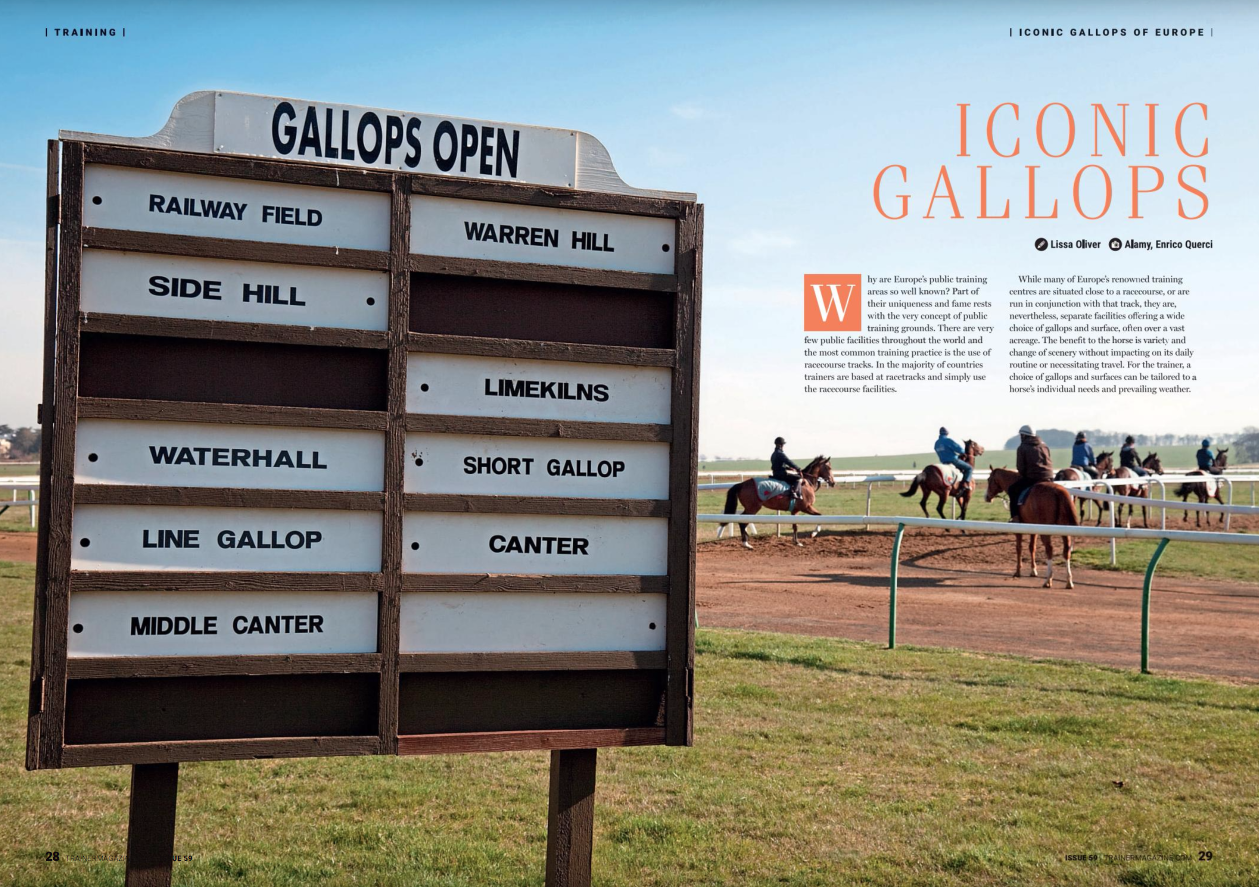
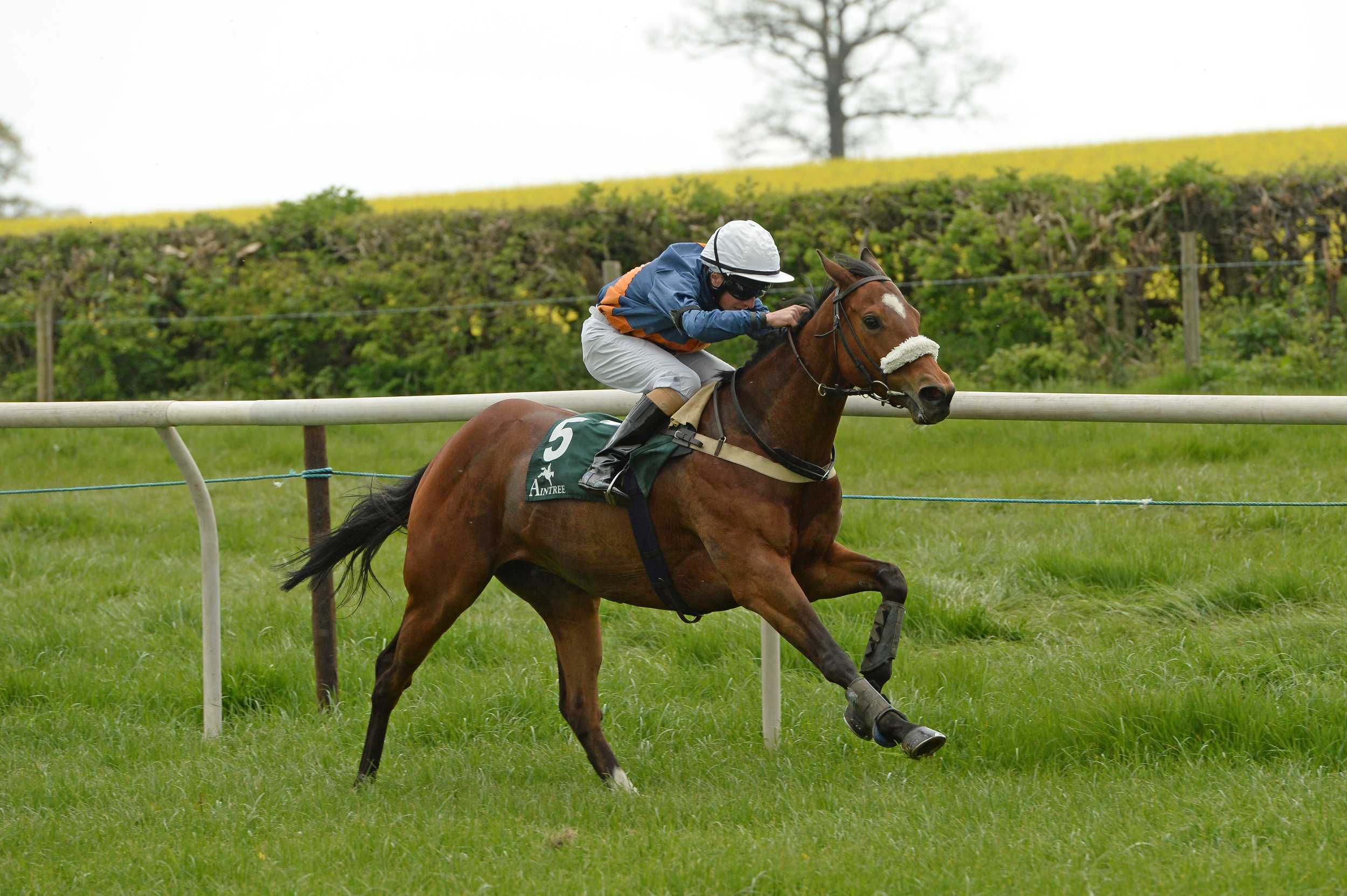
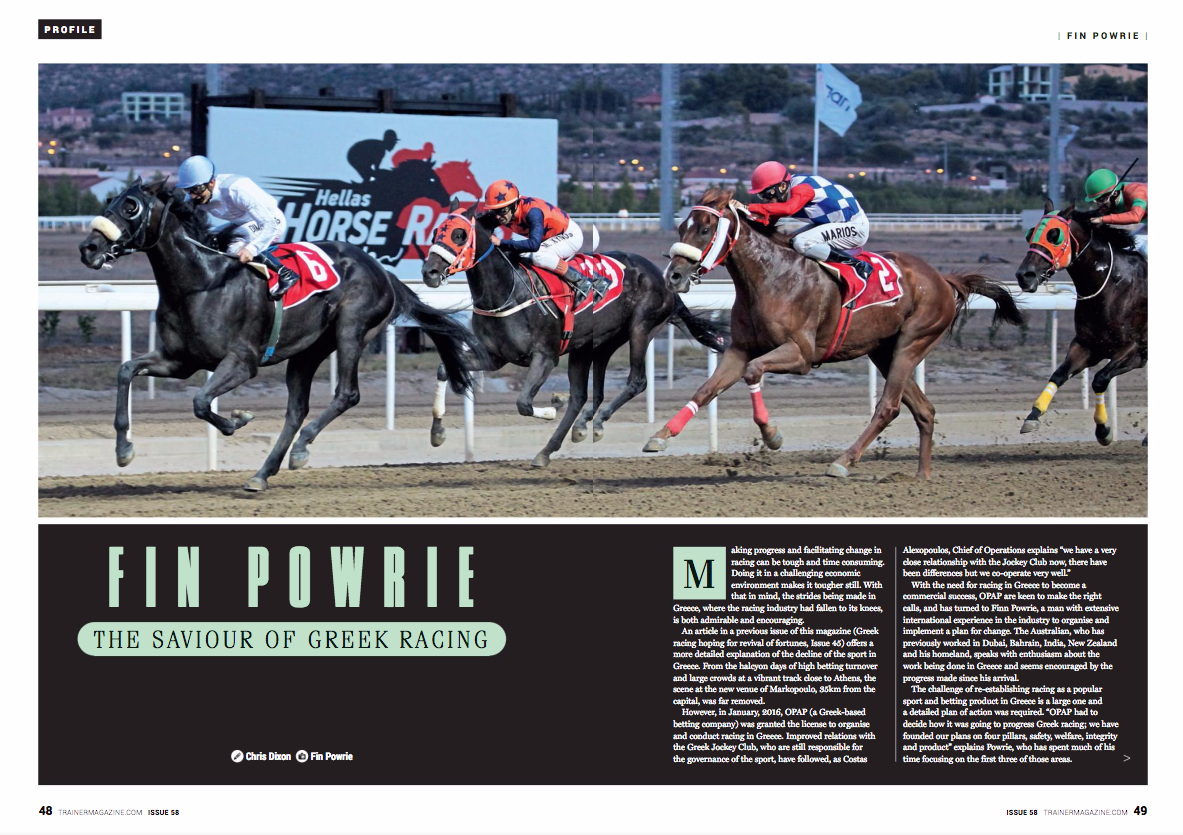




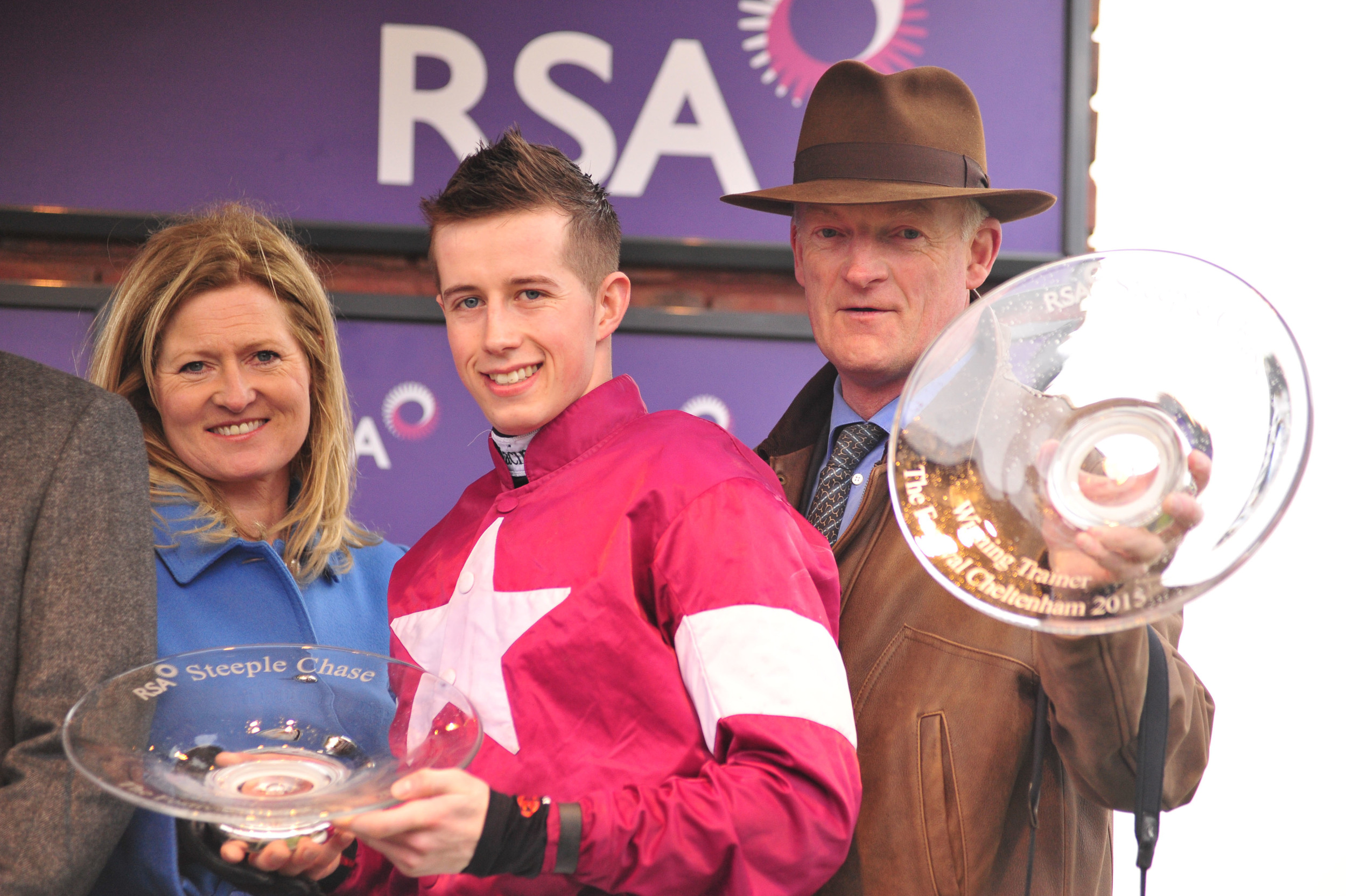



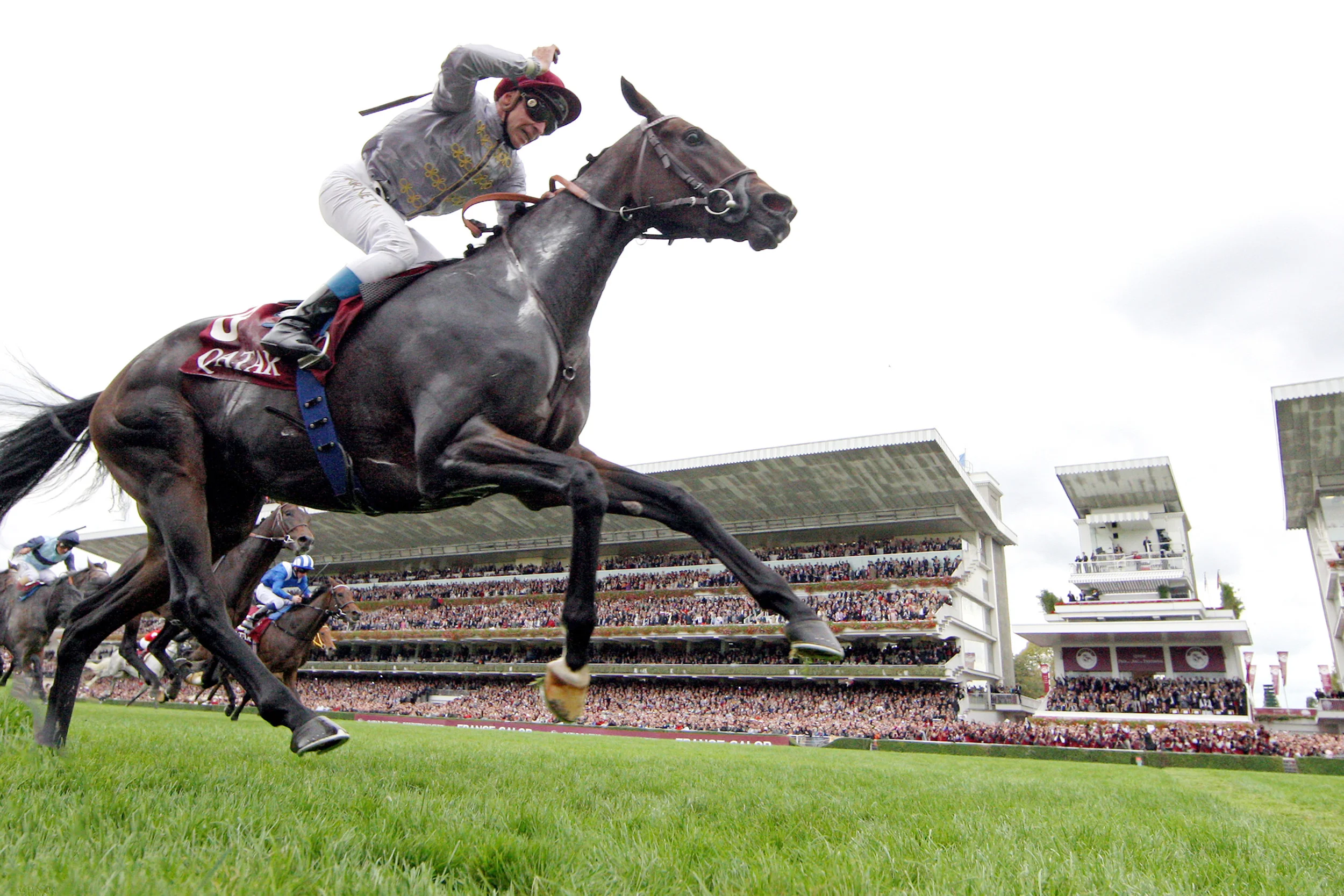

While racing on Dirt may have always been the norm in North America, the idea of All Weather racing in Europe, as the name implies, arose from a need to save race meetings otherwise lost to bad weather. A particularly severe winter some 30 years ago saw the loss of 72 days’ National Hunt racing in Britain alone, but despite the obvious premise of switching to artificial surfaces, the first British All Weather racing took place on the Flat at Lingfield Park in 1989 and today All Weather tracks are used for Flat racing, and all year round at that

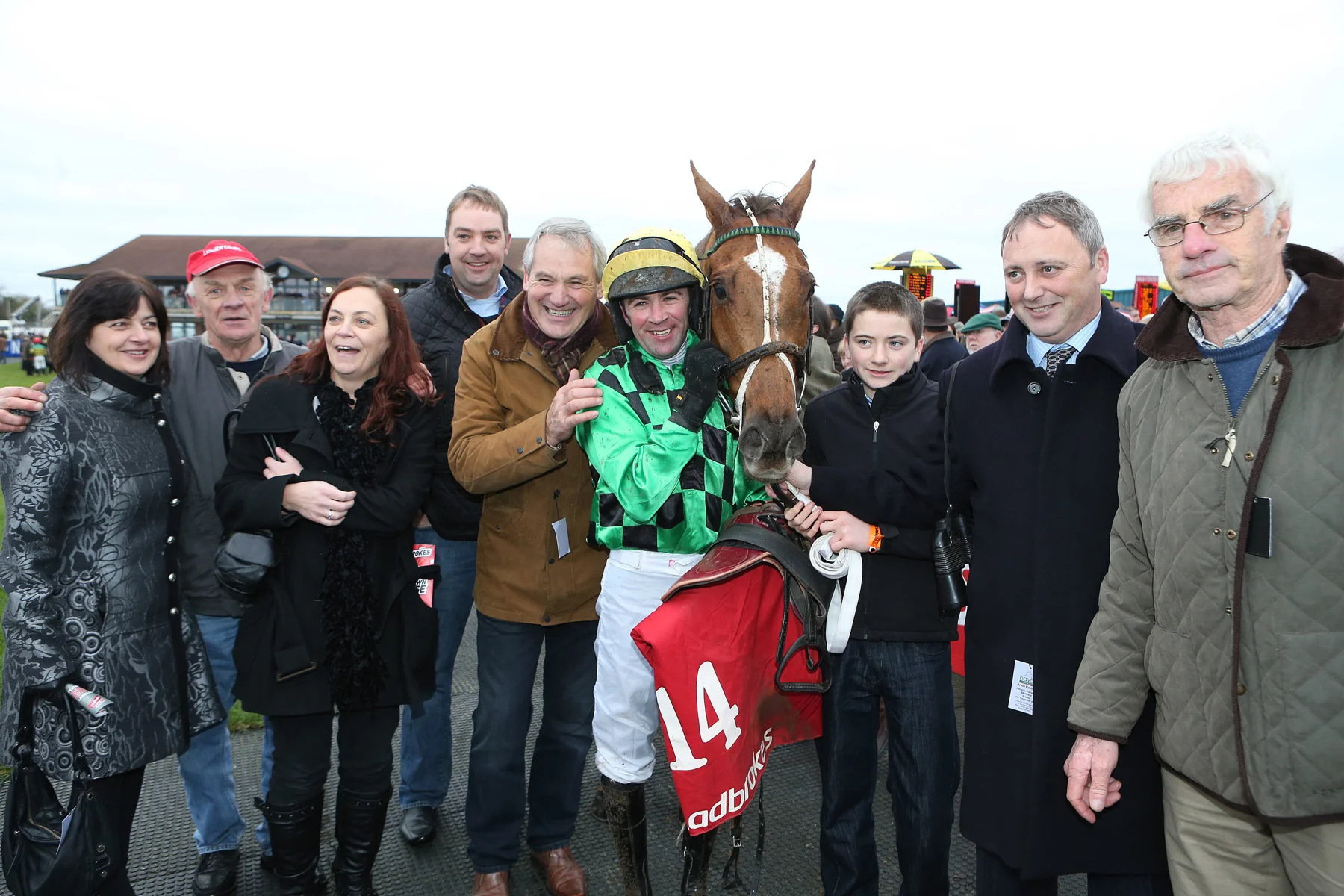
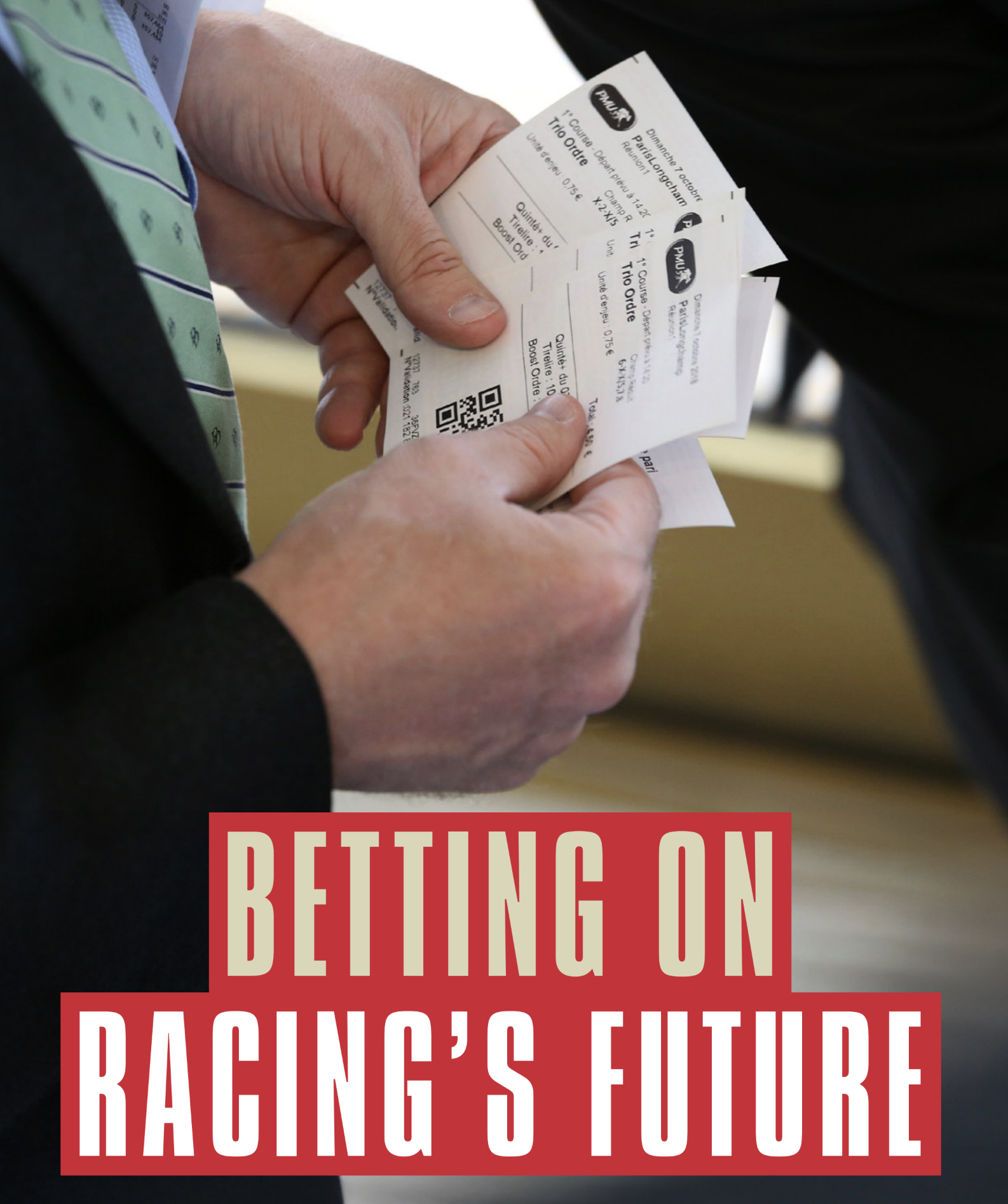
With Horse Racing Ireland (HRI) recently publishing figures for the first half of 2014, the number of active owners in Irish racing is a serious concern and reflects the general trend across Europe.

A sad indictment of racing is that many punters hold the belief that half the horses in a race are ‘not trying’, and we have to wonder, what gave them that impression?

The horseracing industry is battling for its life, and the key point of contention is medication—not just a push for uniform medication rules, but a movement to eliminate all race-day drugs. Two years after the Breeders' Cup banned anti-bleeding medication for its juvenile races, Gulfstream Park in Florida has announced its intention to offer Lasix-free races for 2015, and the Kentucky Horse Racing Commission is considering doing the same for its tracks. North America is the only region of the world that allows race-day medication.
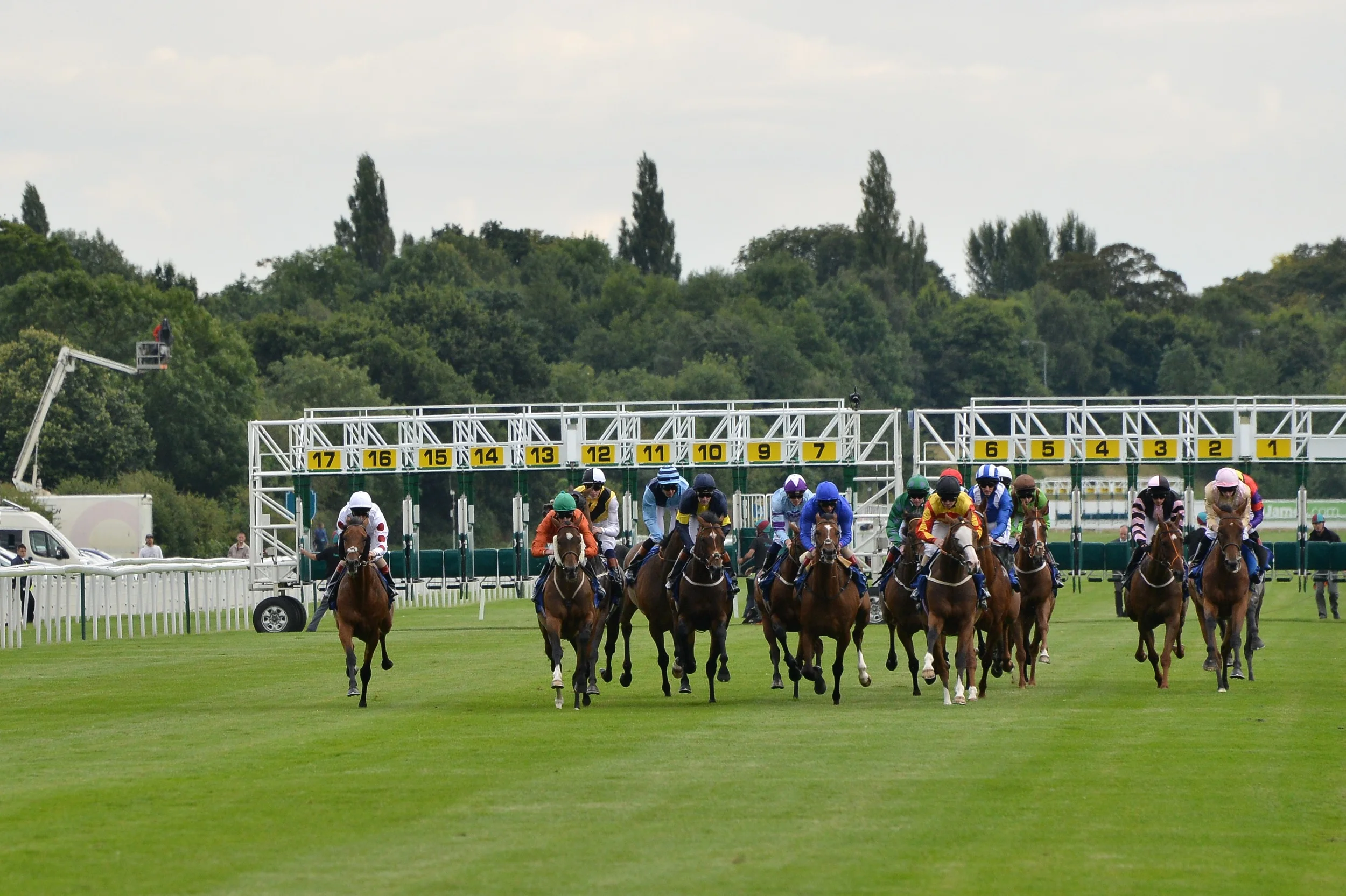
Everyone wants to see a good covering of grass on a racecourse but the watering of tracks is a highly contentious issue, even though it's essential for growth. With opinion split as to whether natural firm summer ground should prevail or artificial watering should be employed, the final word comes down to the Racecourse Manager, the Clerk of the Course and their highly skilled team of groundsmen.
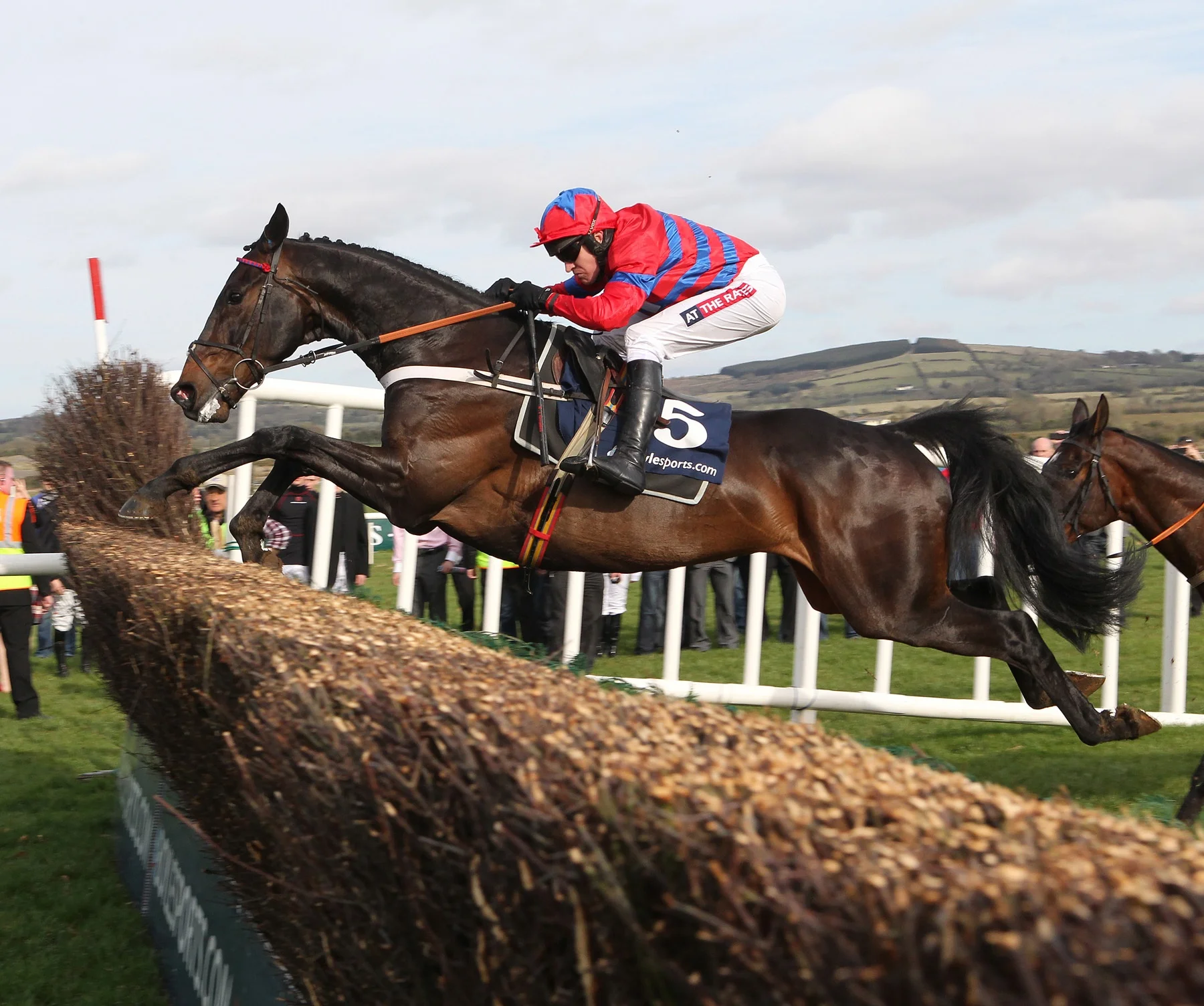
France have led the way in promoting one of their most successful breeds, the AQPS. With the National Hunt market becoming ever more competitive and commercial, isn't it time other countries also tried something new?

For some across Europe it may be hard to believe, but we’re still in the midst of the Triple Crown season in England. Deep down I’d love to be two stone lighter for the summer so I could ride in some of these races. But I’m watching from the sidelines and getting drawn in by the marketing that is taking over our major flat races.




For all the criticism Frank Stronach has received for turning Gulfstream Park from a racetrack into a casino/concert hall/shopping mall that offers racing, he's received very little credit for developing the best training center in the country, 49 miles north of Gulfstream in Boynton Beach: Palm Meadows.
Bill Heller (14 October 2008) Issue 10
By Paul Moran
The view in one direction frames an expanse of the endless Hong Kong skyline, in another the emerald Happy Valley Racecourse, but this is unmistakably the working domain of an American. Portraits of Man o' War, Spectacular Bid and presentation photos made after races at Belmont Park, Aqueduct and Saratoga decorate the walls, the occupant standing beside Orientate, Sulamani and Funny Cide.
Paul Moran (14 February 2008 - Issue Number: 7 )
Slowly, yet surely, Tampa Bay Downs is evolving from that "other track in Florida" into a viable winter/spring option for good and even great horses and horsemen."We were an afterthought," Tampa Bay Downs Vice-President and General Manager Pete Berube said. "But we've been able to dispel that stigmatism the last few years."
Bill Heller (01 December 2007 - Issue Number: 6)
Shane Spiess invested his future in the Michigan Thoroughbred industry nearly a decade ago when Great Lakes Downs opened in Western Michigan.
Troy Ruel (01 October 2007 - Issue Number: 5)
In 1953, the average cost of a Cola drink at a U.S. racetrack was around ten cents; the minimum bet on a race, two dollars. In 2007 the average cost of a Cola drink at a U.S. racetrack is around a dollar seventy-five; the cost of a bet, in most places, still two dollars.
Caton Bredar(19 May 2007 - Issue Number: 3 )
There is action at Hialeah in 2007. On e-bay. You can buy a Hialeah glass graced by a pink flamingo for $6.99. Flamingos are also depicted on Hialeah Park linen offered at $7.99. Or maybe you’d prefer three Hialeah post cards for $3.99.
Bill Heller (19 May 2007 - Issue Number: 3)
The war is over: so said France Galop director general Louis Romanet a year ago, after he had put his name to a groundbreaking deal with British bookmakers Ladbrokes. For the first time, live pictures of all French races – Flat, jumps and trotting – were being made available to show in UK betting shops, via a new broadcasting service known as Ladbrokes Xtra.
Howard Wright (Trainer Magazine - issue 16 - Winter 2006)
Just when I thought that things in the administrative world could not get any worse, they did, though it took a trip to South Africa to discover the elements of an entry and declaration system that, at face value, makes any problems faced by European racehorse owners and trainers look like a little local difficulty.
Howard Wright (European Trainer - issue 14 - Summer 2006)
Situated in France in the Mayenne region (not far from Nantes and Angers), Senonnes is a training centre in full development.
Aurelie Dupont-Soulat (European Trainer - issue 14 - June 2006)
Well that is too soon to say, but there is a significant difference between the newly upgraded “f&m” events and how other races that have earned Group One status over the years. The key word is “earned” of course, as a race cannot, under normal circumstances, be upgraded unless it has earned it through attracting high quality fields.
Geir Stabell (European Trainer - issue 13 - Spring 2006)
Kempton Park will become England’s fourth “all weather” venue when racing returns to the right-handed Sunbury oval on Saturday March 25th. Over £18.8 million has been spent on converting the track to a floodlit facility, which will also continue to stage National Hunt racing.
Giles Anderson (European Trainer - issue 13 - Spring 2006)
May 17th 1868 was an important day in the history of German horseracing. Prussian King Wilhelm I (the founding of the German Empire and the title Emperor was still eight years away) himself attended the successful opening ceremony of “Hoppegarten” together with his ministers including Chancellor Otto von Bismarck. Driving force behind the scenes was the Union-Klub, a Jockey Club founded in 1867 by leading racing enthusiast. The club purchased the over 600 hectares big area outside Berlin for the amount of 296,000 Prussian Taler. The name “Hoppegarten” comes from the fields, “garten” meaning garden, of hops that were replaced by the racecourse.
Jens Sorge (European Trainer - issue 7 - Spring 2004)
Every racing authority and every racecourse must offer incentives if they have any particular ambitions. Appearance money, owners' premiums, breeders' premiums, travel allowances and all manner of special offers are either tried out or made a basic part of policy. The question always is whether they have the intended result. If so, then the offerers must ask if the money was well spent and whether the chosen policy will produce a satisfactory result in the longer term. As for the owners and trainers who are the beneficiaries, their job is to keep themselves informed and pick up whatever they can.
Robert Carter (European Trainer - issue 7 - Spring 2004)
Very few ideas for radical change in horseracing are either universally popular or accepted at the first time of asking. And that’s if a single authority is involved. When a group of nations, some of which have a history of antipathy, bordering on hostility, towards each other’s proposals, come together to examine a programme of alterations, the chances of a speedy and amicable resolution are even slimmer.
Howard Wright (European Trainer - issue 7 - Spring 2004)
Few horses were ever as animated and filled with a zest for life as the great racehorse and sire, Northern Dancer. Frank Mitchell looks at why this unfashionably bred thoroughbred went from being an unwanted yearling to one of the influential thoroughbreds of all time.