Summer 2026 - issue 81
Order this issue:
PRINT FORMAT @ $8.95
CLICK HERE TO ORDER
DOWNLOAD PDF FORMAT @ $5.95
CLICK HERE TO ORDER
Contents in this issue include:
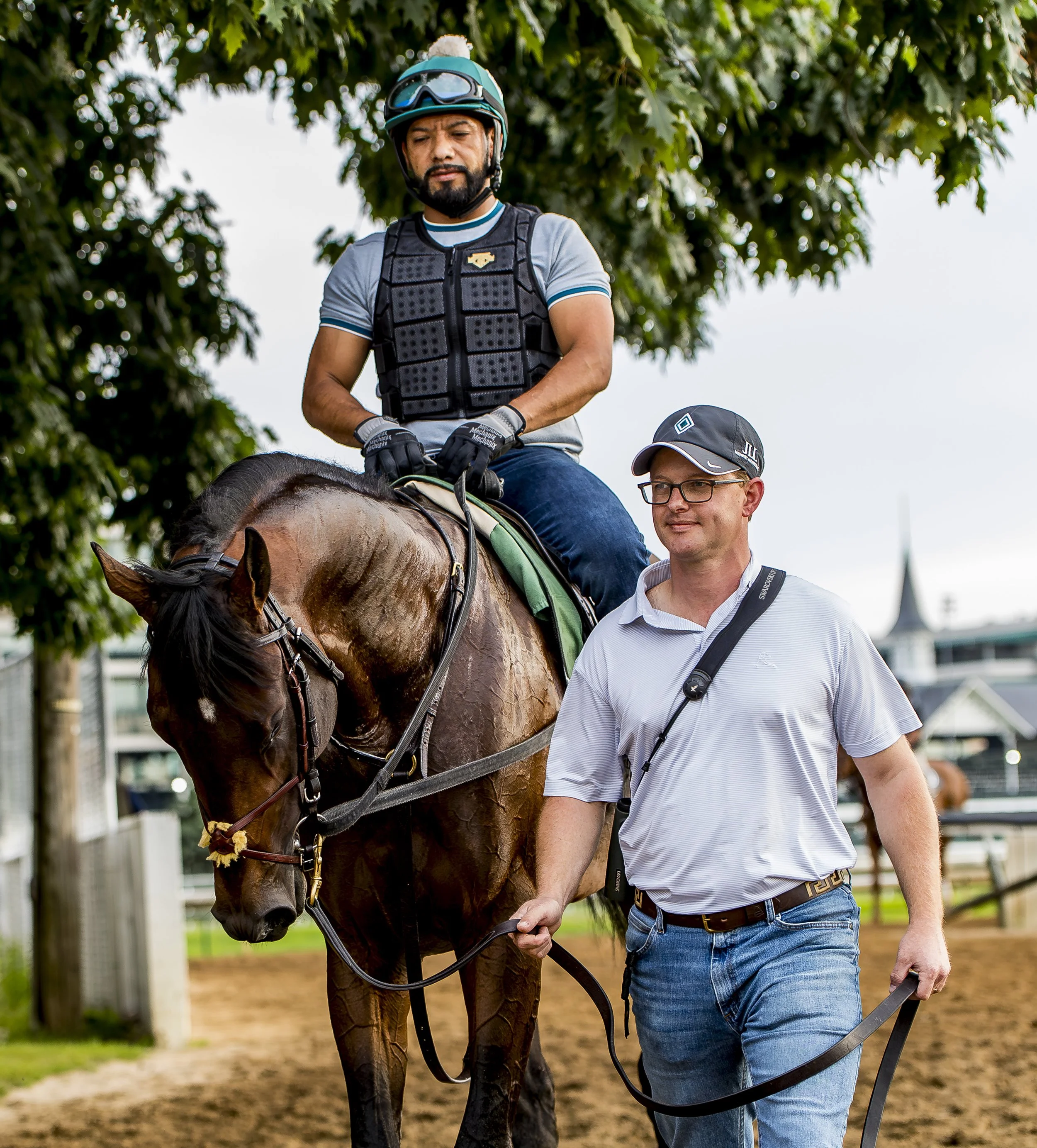
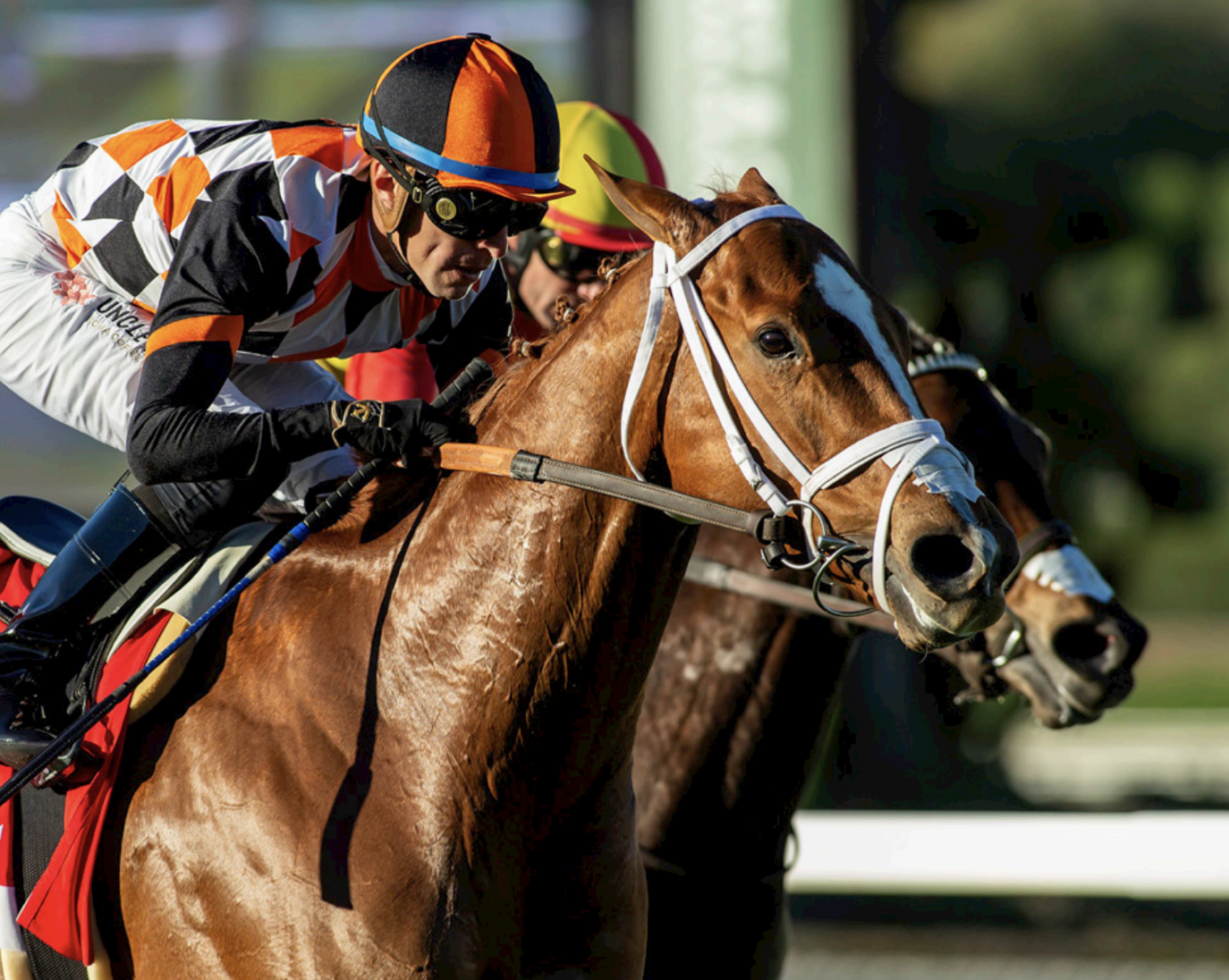
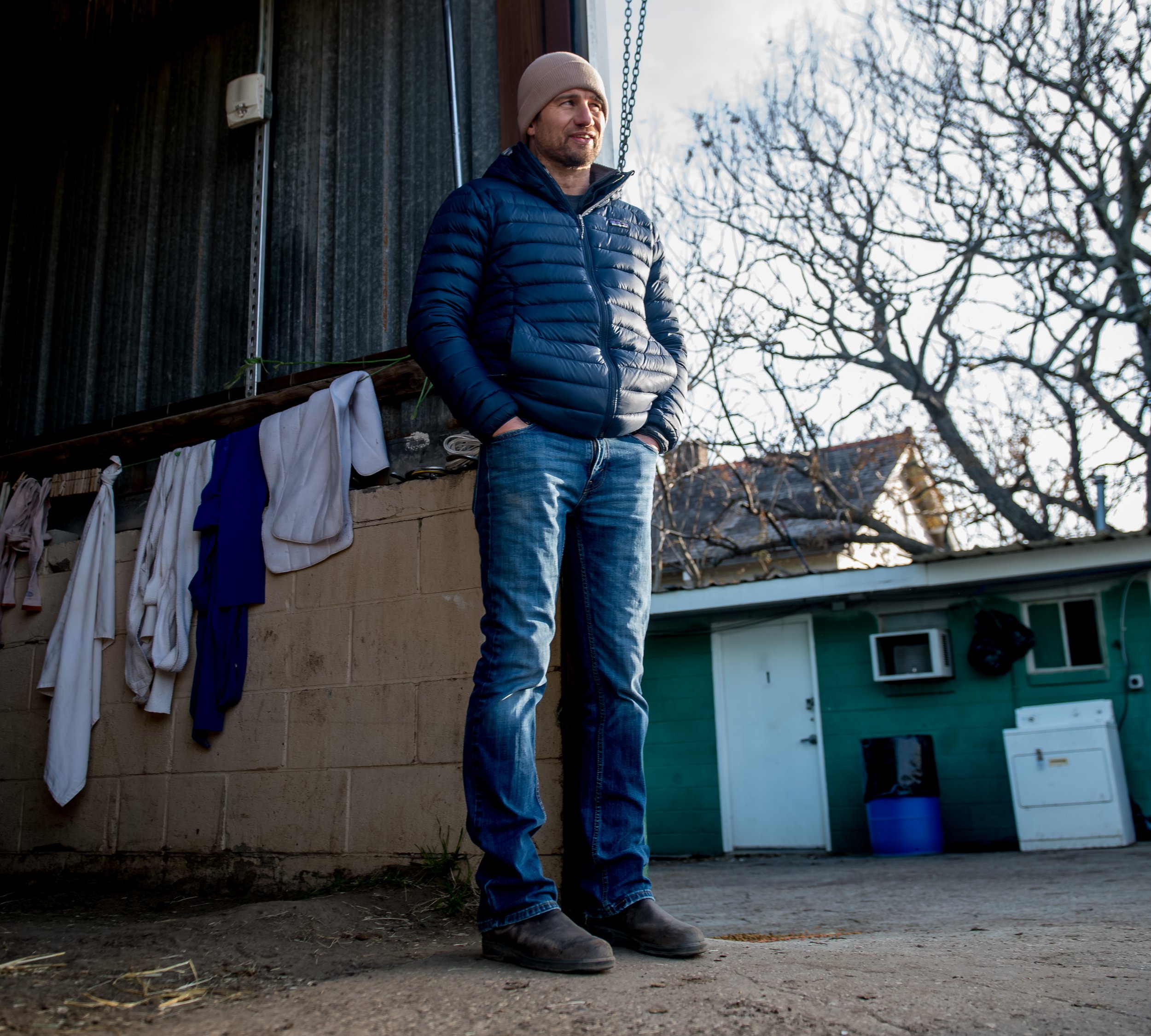
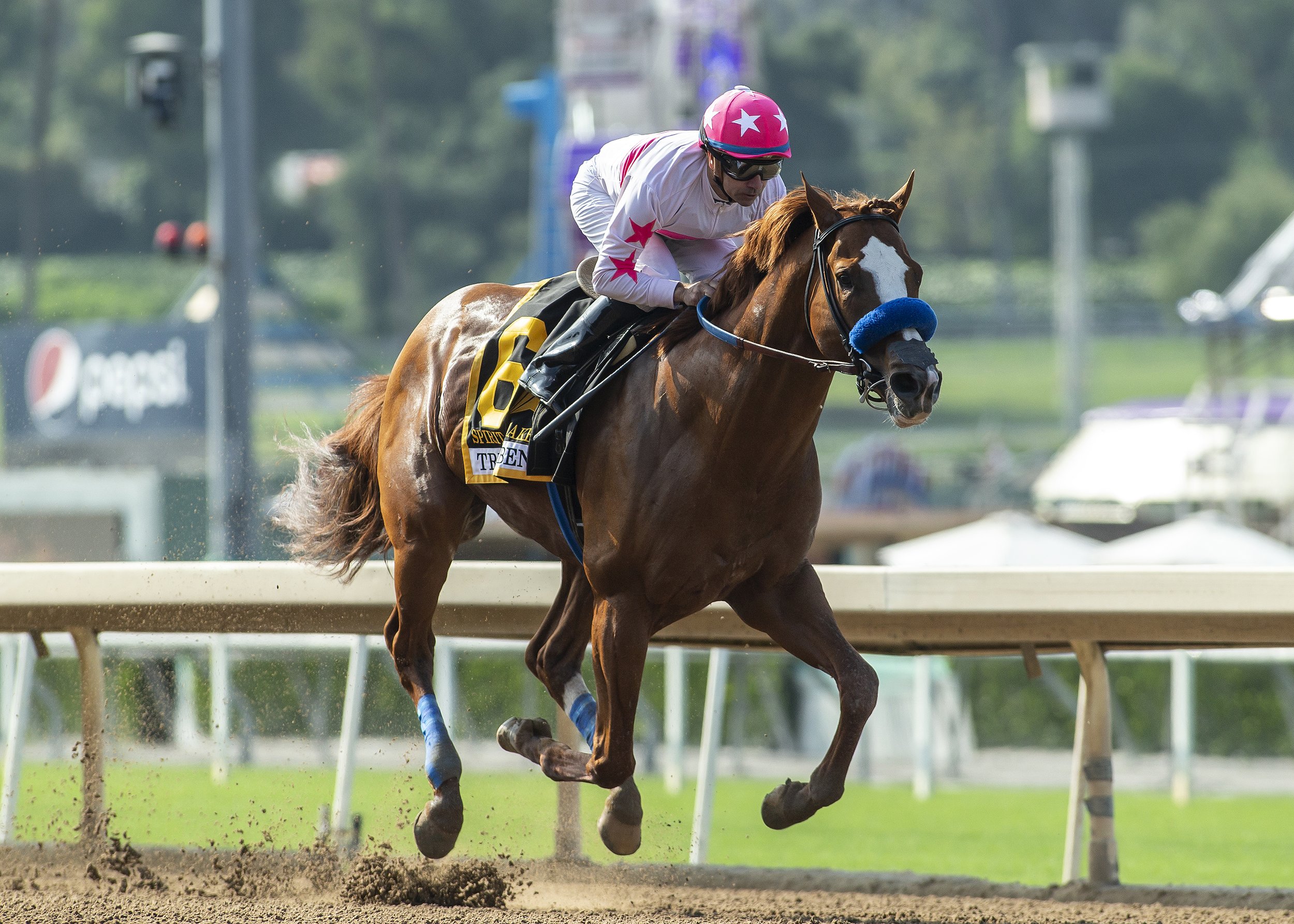
Riley Mott decided to enter Incredibolt, whom he saddled to a sixth-place finish in the 152nd Kentucky Derby, in this year’s Preakness while eating an Uncrustable at his kitchen table. His first call was to the racing office to see if entries for the second Triple Crown classic were still being accepted. Then he rang the man who had provided this young trainer with an enviable foundation in horsemanship, his father, Bill Mott.
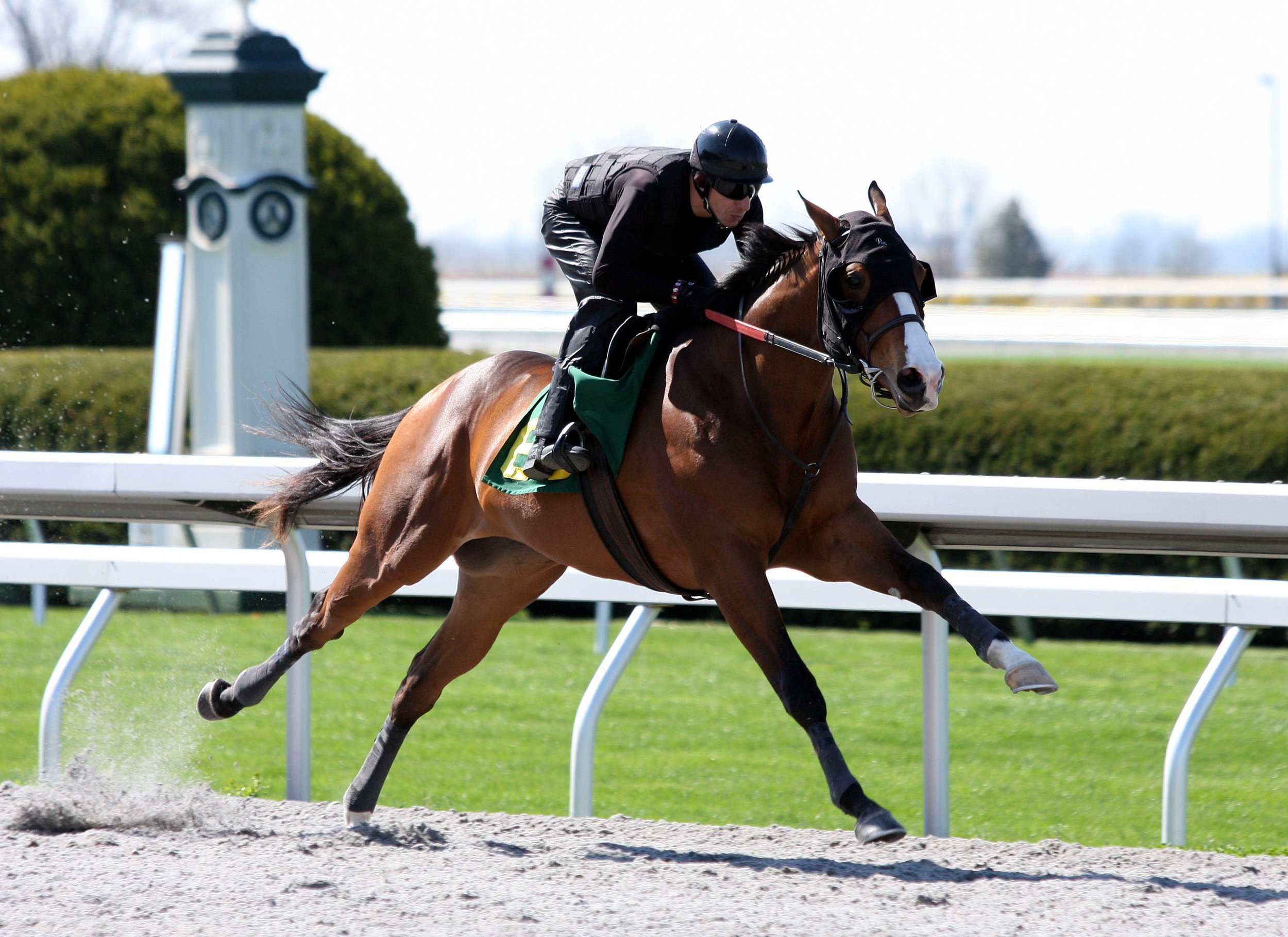
Twenty years ago trainer Kenny McPeek had a ho-hum year, relatively speaking. His horses earned $1.3 million and he earned for himself a cover photo and story in a brand new horse racing magazine, Trainer. That year, 2006, might have been a turning point for him; it was the last year his earnings would be below $2 million. It also marked the beginning of a trajectory leading to $16.2 million in 2024 when Thorpedo Anna won the Kentucky Oaks and Mystik Dan, the next day, won the Kentucky Derby, a feat only two other trainers had accomplished. Over the next 20 years after 2006, his earnings have averaged $5.7 million and he has never been out of the top 100 in annual purses.
Future success was still a question mark for McPeek back in 2006. In that first issue of Trainer was this quote from McPeek. Referring to his 14 years of training prior to 2006 he said, “I’ve tried just about everything over the years to win races.” He went on to say he was “trying something entirely new…and in the process of reinventing his training methods.” Changes apparently not only helped him win races but also go from a middling trainer to a contender and winner in Triple Crown races.
Pierre de Coubertin established the motto of the “modern” Olympic Games in 1894. And in 2021, “communiter” was added (together) to the original: swifter, higher, stronger.
We Americans of a certain age grew up with the ABC television version of the Olympics, presented by the inimitable Jim McKay. ABC’s “Wide World of Sports” also showcased his talent, covering everything from Acapulco Cliff Diving to skiing wrecks in the Giant Slalom to horse shows and racing. It didn’t hurt a bit that he loved horses, and was the founder of the Maryland Million. The Olympic ideals of perfected human nature inspired us all.
Moreover, it’s not a stretch to say that without the 1932 Olympics in Los Angeles, Santa Anita might never have been successful; in fact, it might never have been. Period.
In 1923, the International Olympic Committee sought to find the host city for those ’32 Games. There was only one applicant: remote Los Angeles. It wasn’t much different in the 1970s. After the calamities of Munich terrorism and Montreal’s financial disaster, only two nations were interested in the 1984 Games: Iran and the United States.
There are many factors that influence athletic performance including joint and muscular function. Training naturally places stress on both joints and muscles and this is where nutrition plays a key role. Nutrition is a powerful tool for managing inflammation, facilitating recovery and supporting repair and regeneration at a cellular level.
Oral nutritional supplements when used in a targeted manner can help horses adapt to training, recover better and support continued performance for the long term.
Part one of this two-part series focuses on joint health and the role of nutrition. In the next issue the role of oral nutritional supplements for soft tissue recovery will be discussed.
Their careers commenced within months of each other in the second half of 2021. And from the moment the two sons of Curlin began flaunting the ability honed by their shared Hall of Fame trainer, Godolphin’s homebred Adonis named Cody’s Wish and Juddmonte’s purple-bred yearling purchase aptly deemed Elite Power would share nearly everything in a competitive setting other than a starting gate.
This article is written from the perspective of an independent veterinarian, equine nutritionist, pharmacologist, former Thoroughbred trainer and owner, and lifelong horsewoman. It is not written on behalf of a feed company, supplement manufacturer, pharmaceutical company, racing organization, or political interest. Its purpose is to encourage constructive dialogue among trainers, veterinarians, nutritionists, owners, HISA, and HIWU in pursuit of a common goal: the welfare and integrity of the Thoroughbred racehorse.
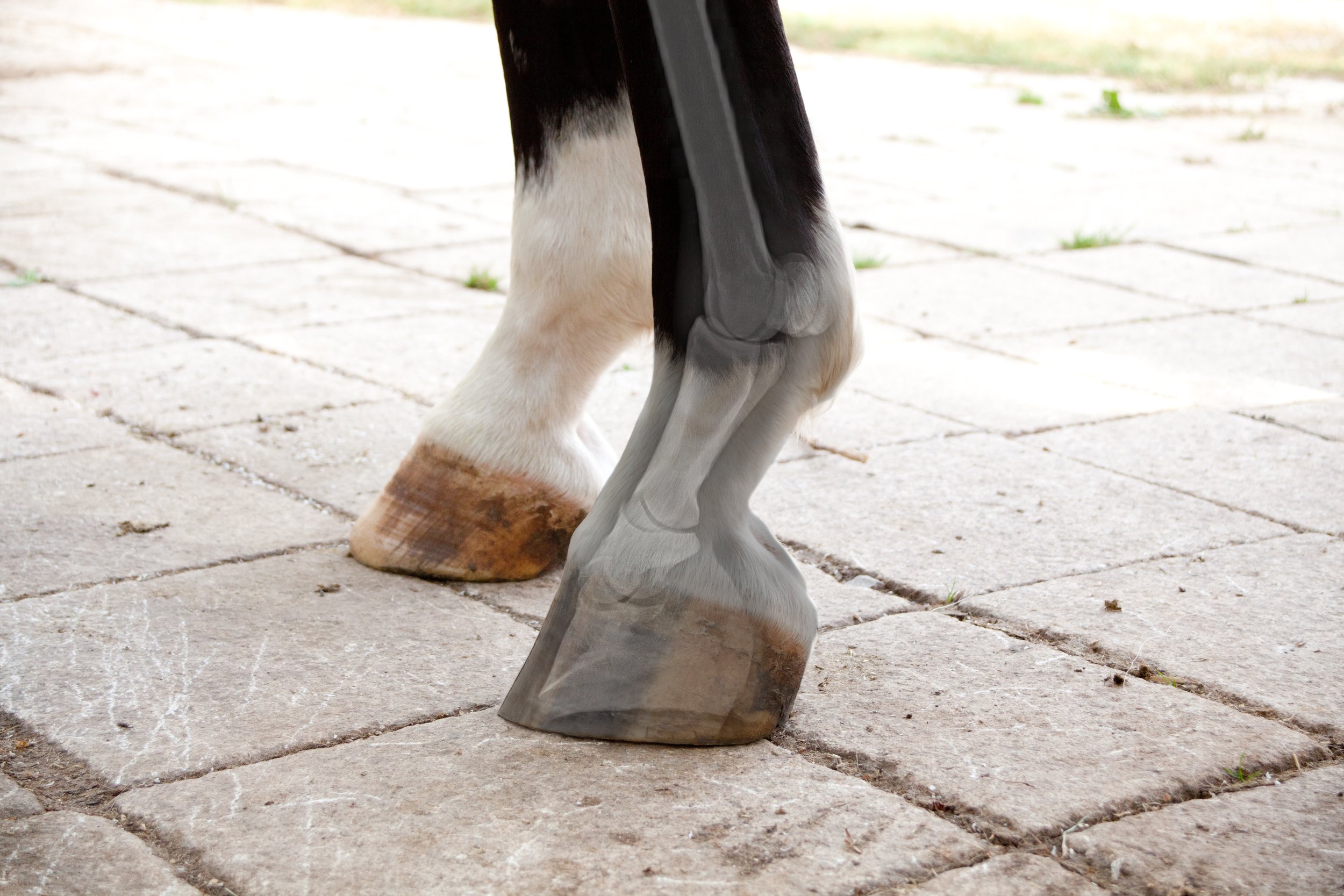
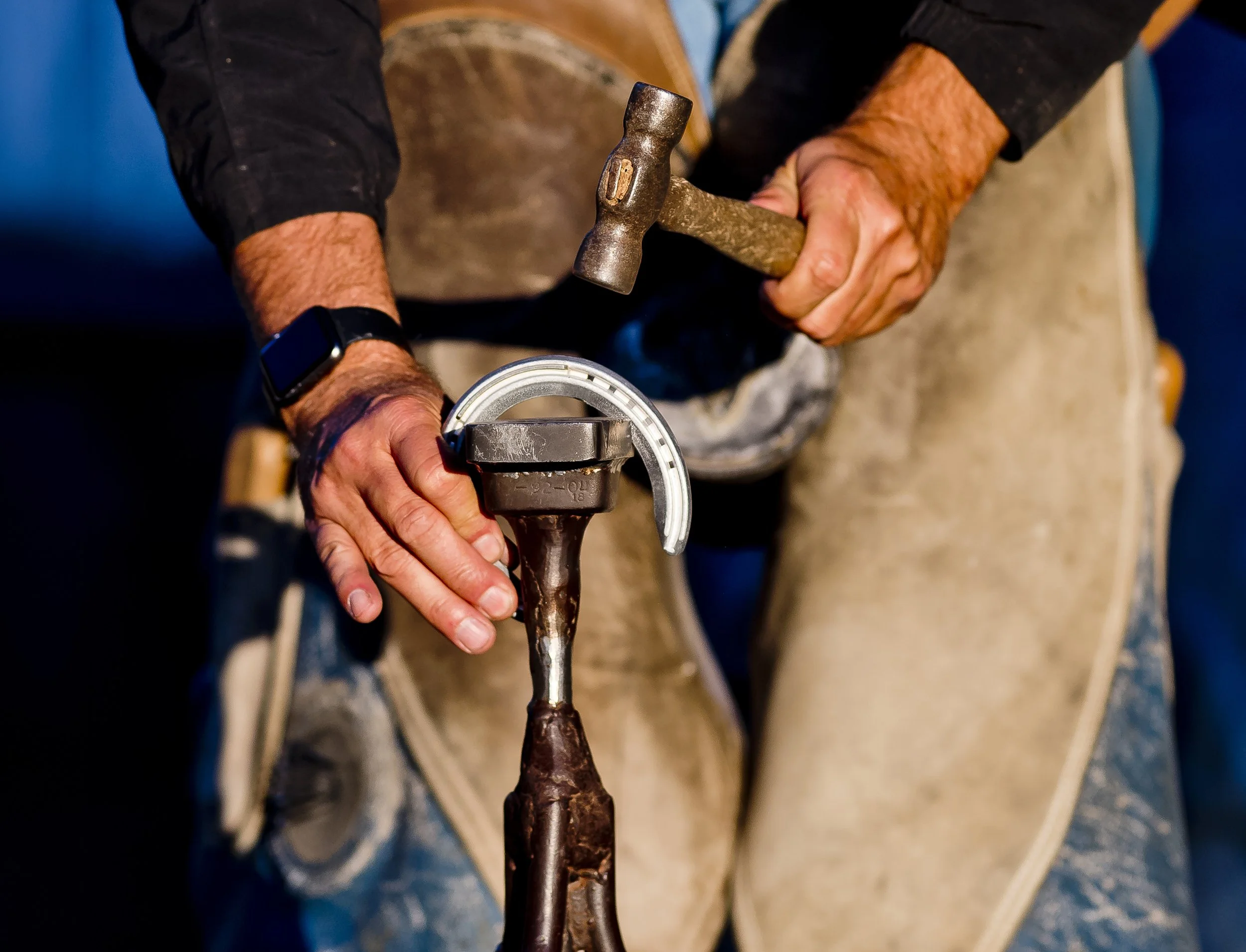
Out of necessity, cowboys became their own farriers in the American West, and they passed down their knowledge to the younger hands on the ranch. A dayworker could increase his pay substantially if he could shoe a few horses for the boss before the day was over. These days U.S. farrier schools are training farriers and social media has generated interest in a trade that goes along with a seemingly western way of life. The American horse culture is seen online in posts and streamed to every household by networks like EQUUSTV, and equine-loving YouTubers from seemingly every state, while reaching audiences of every age. Feed, supplements, grooming products, tack, equine sportswear, trucks, beer, and real estate promote with horses and sometimes farriers too. How often do you see a horseshoe in a logo or company/product branding campaign?
In racing, trainers choose their farrier in most cases. However, a skilled farrier may not be available or hard to find at some racetracks. If HISA requires that a specifically credentialed farrier must be hired for Thoroughbred racehorses, will this make hiring a farrier more difficult? Unintended consequences as they are, making it harder to find this HISA farrier is a very real possibility. Currently, there are fewer new farriers entering apprenticeships with racetrack farriers or coming out of farrier schools and looking to work at the racetrack.
Exercise‑induced pulmonary hemorrhage, EIPH or “bleeding”, has been recognized for centuries. The true cause of this disease was misunderstood until modern diagnostic tools revealed that bleeding actually comes from the lungs, not the nose. For much of its history, the condition was understood as the rare and dramatic episodes of nosebleeds (epistaxis) after intense work, and bleeding was seen as a one-off, colorful event in an otherwise healthy horse.
With the advent of the tools of endoscopy and bronchoalveolar lavage (“lung wash”), it became clear that bleeding from the nose represents a relatively rare occurrence of a much more common lung condition. Today, EIPH is recognized as a widespread, seemingly silent feature of equine athletes, with studies finding it in up to 95% of Thoroughbred racehorses.
Maybe it was chance, or fate. Call it karma or destiny or happenstance. All Ohio businessman Scott Mawaka knows is that it changed his life: “As a young man, my first customer that I signed for my business, I offered to take him golfing or go out for lunch. He said, "That's not what I like. I like to handicap the ponies.’”
Off they went to Thistledown in Cleveland. Mawaka remembers seeing “a stereotypical bunch of guys with their papers and cigars. Probably 30 years ago.”
Not long after, Mawaka claimed his first horse, Fame and Gold, for $5,000 at Thistledown on October 10th, 2001. Fame and Gold won a $3,500 claimer in his third start for Mawaka and was ultimately claimed. “That got the bug in me,” Mawaka said. “Our first couple of claimers, I bought with my dad.”
Wise enough to learn from great trainers; humble enough to take a job as a hotwalker at the age of 35 to learn more and smart enough to take his Peachtree Stable to the highest level of competition is how 83-year-old John P. Fort continues to make his mark in Thoroughbred racing.
Along the way he became a talented polo player and finally got Allen Jerkens to train his horses more than 20 years after a rocky first encounter. His latest stakes winner, Tawny Port, ended a two-year losing streak, taking the two-mile Gr.2 Belmont Park Gold Cup at Saratoga June 4th in track-record time, earning a free ‘Golden Ticket’ to the Melbourne Cup, the race that stops a nation, in Australia. Miguel Clement trains Tawny Port. Fort met him when he was five-years-old at the Saratoga Dog Show. Fort and his dog Flexi were dressed up like a lion tamer and his lion: “Thirty years later, we’re winning stakes races. The river runs deep.”
“Connie and I have a problem,” Jerry Baker said. “We fall in love with our horses.”
So when their first horse together, Margie’s Minute, a $20,000 claimer they purchased in 2016, was done racing a year later, they didn’t want to lose her. So they bred her.
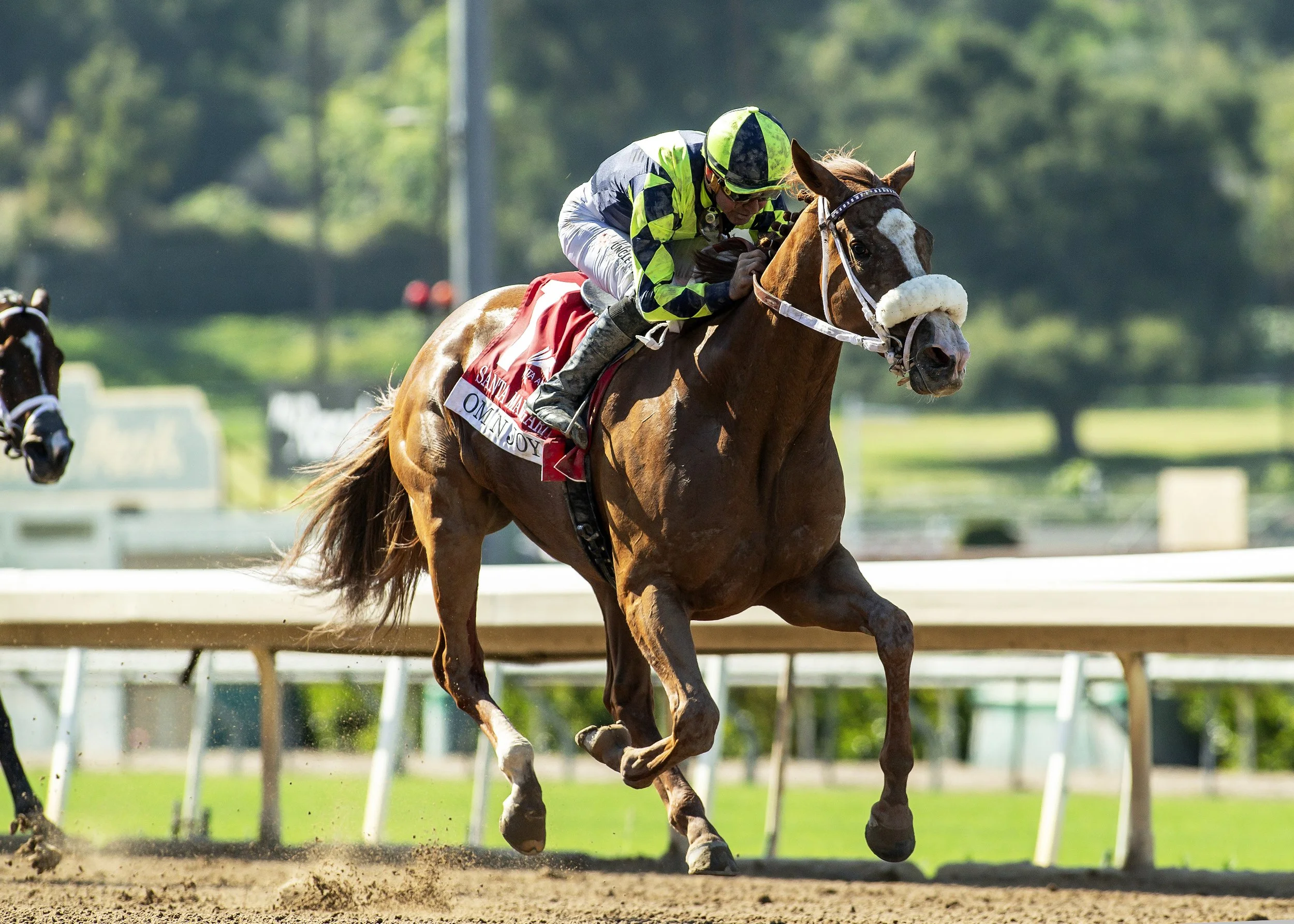
Good decision. Her third foal, the five-year-old gelding Vodka Vodka, finished second in the Gr.1 Santa Anita Handicap March 7th and has earned $569,750. Less than three months later, his four-year-old half-sister Om N Joy, racing just seven days after finishing seventh in a California-bred turf stakes, dominated her competition on dirt, taking the Gr.2 Santa Margarita Stakes by 3 ¾ lengths under Kent Desormeaux. She’s now over $600,000 in earnings. Not bad for a filly who lost her first eight starts before winning five straight.
Jerry, a career real estate man, said, “We’re lucky.” Connie said, “Very lucky.”
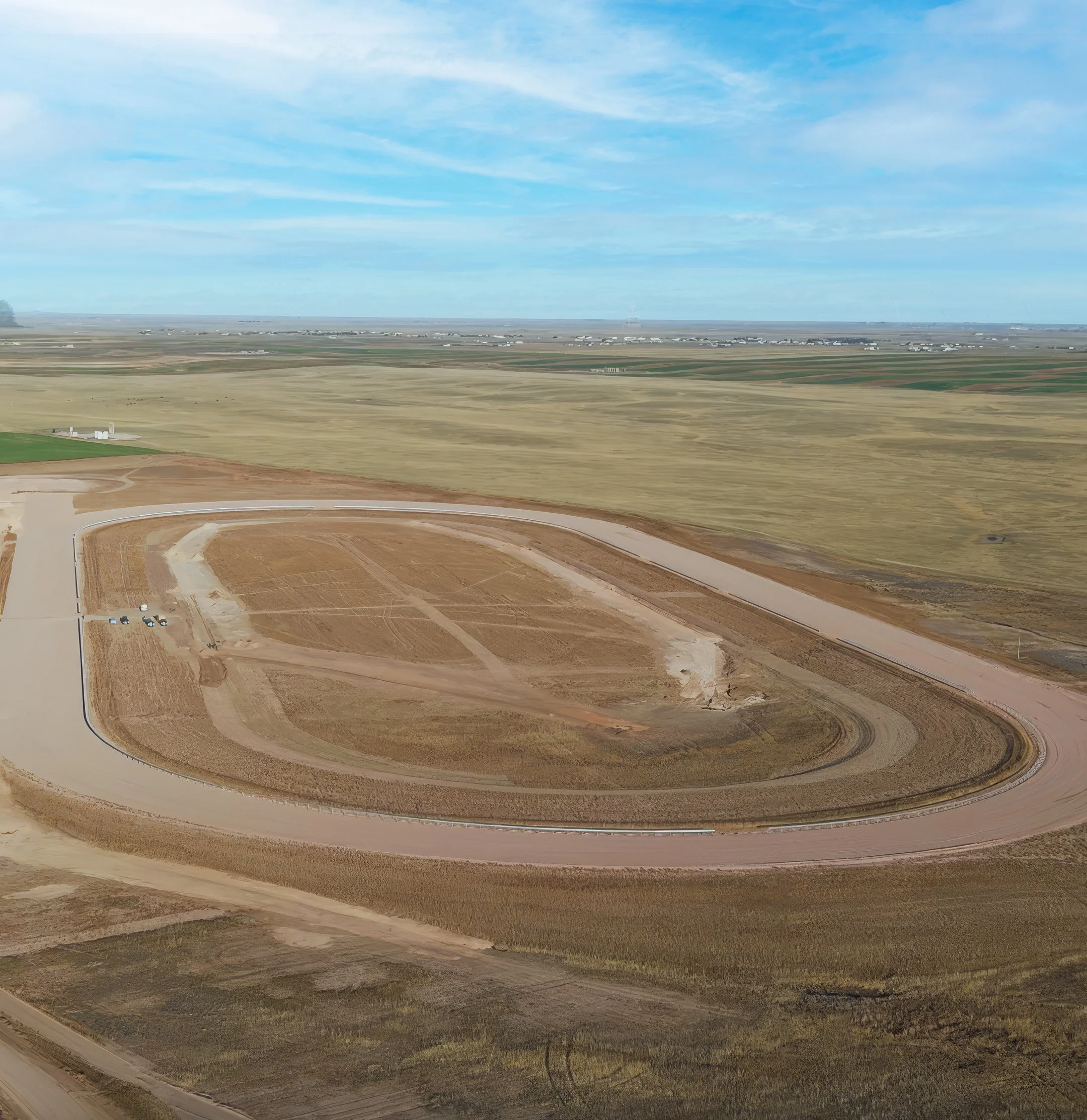
Racing to return to Kansas and a new track coming to Wyoming this year - what's behind the renewed enthusiasm for thoroughbred racing in both states?
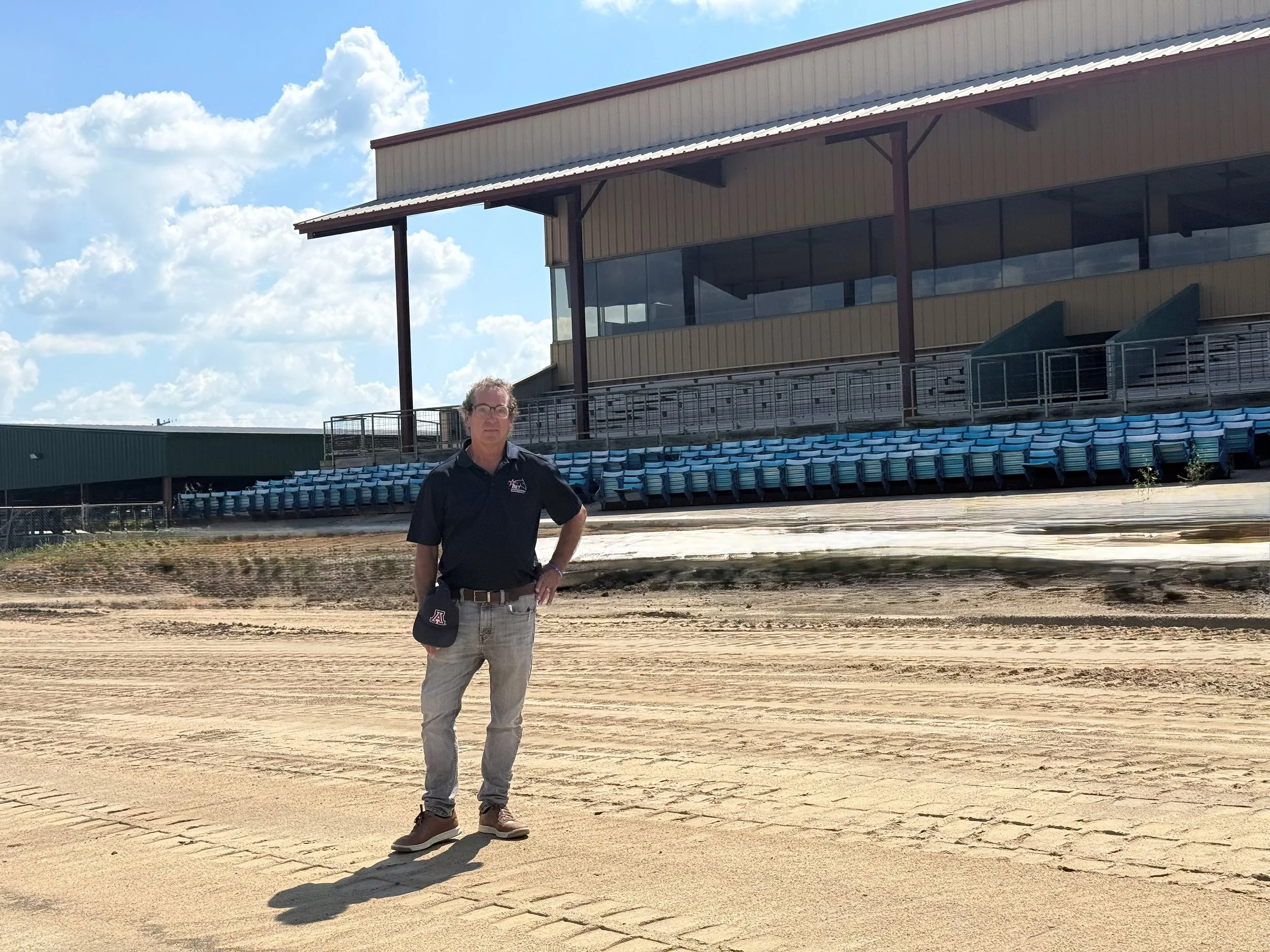
Mike Weiss, general manager at the latest iteration of Eureka Downs in the Kansas town of the same name, may have the same response.
The first Eureka Downs was built in 1872 before moving to its present address in 1902. To put that in perspective, baseball’s Wrigley Field didn’t open until 1914.
Re-openings are not new for Weiss, who managed reopenings at Prescott Downs and Rillito in Arizona along with the North Dakota Horse Park. Weiss is equally experienced in racing and racetrack management either. He was racing manager and then general manager of Buelah Park in Ohio for 22 years.
What have been the greatest innovations or changes you’ve seen in racing the last 20 years and what changes or innovations would you like to see in the next five years?
Shug McGaughey / Bill Mott / Al Stall / Bob Baffert / Nick Zito / Richard Mandella / Mark Casse / Barclay Tagg / John Servis and Ron Moquett share their views
Triple Crown 2026 - issue 80
Contents in this issue include:
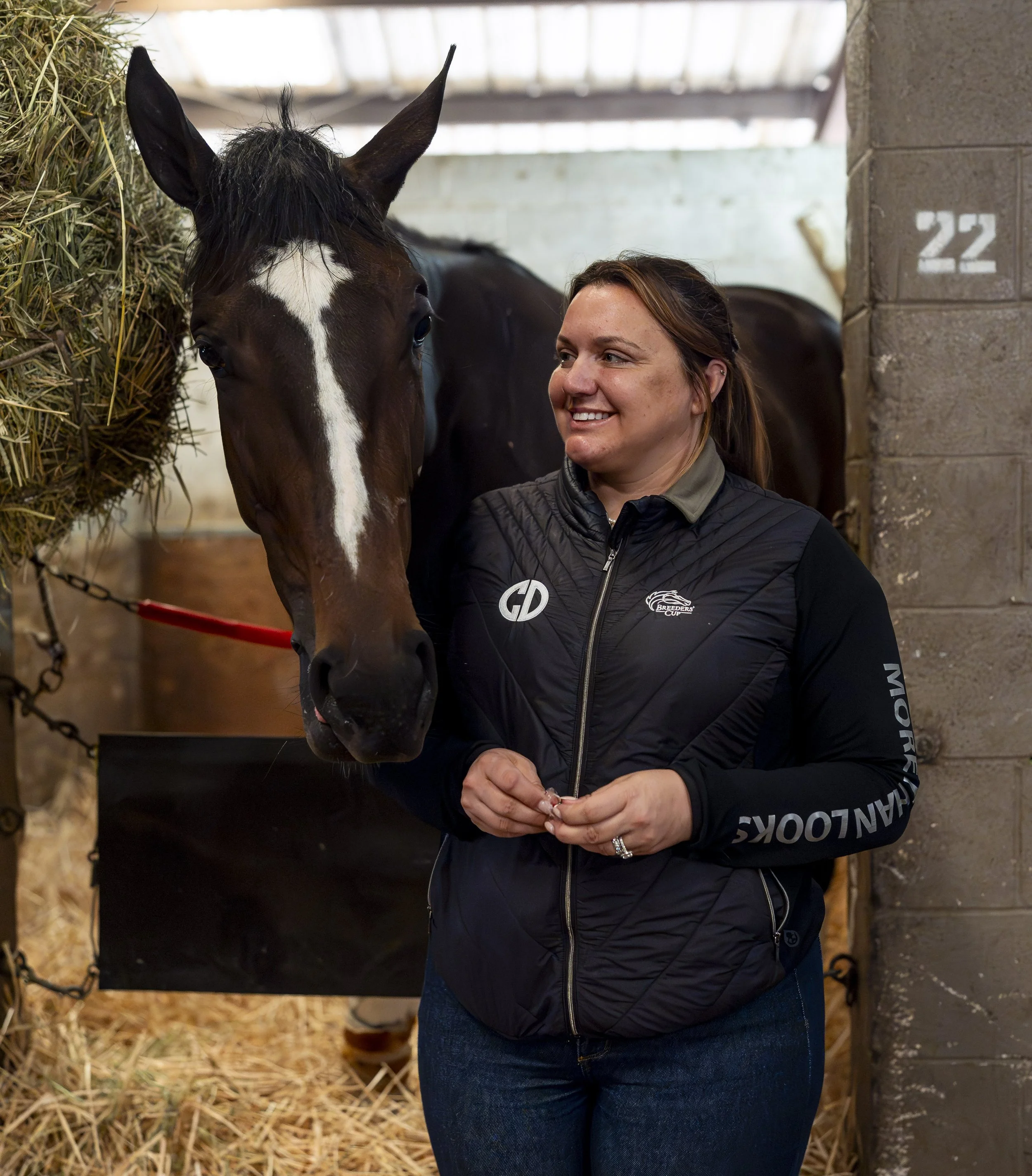
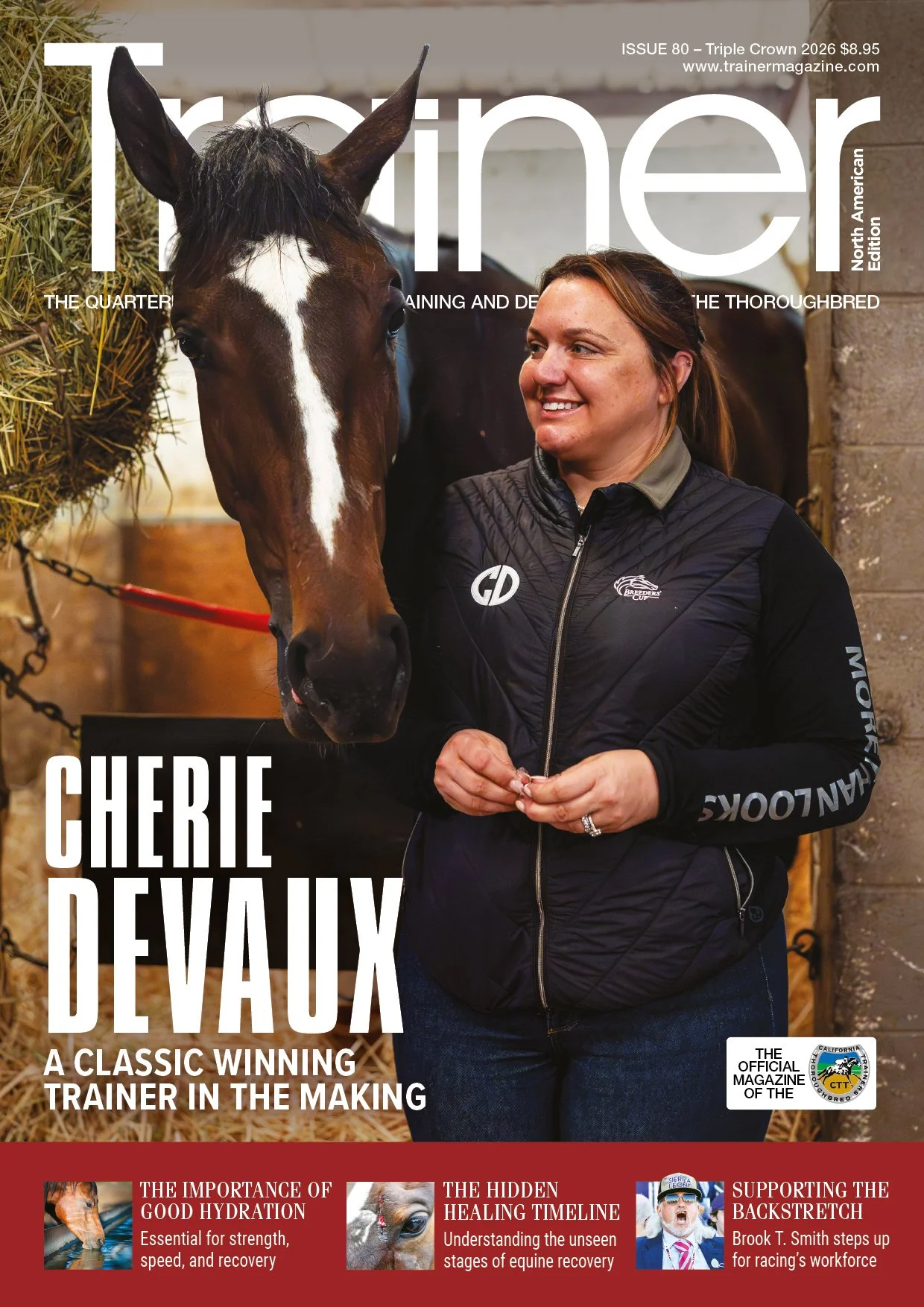
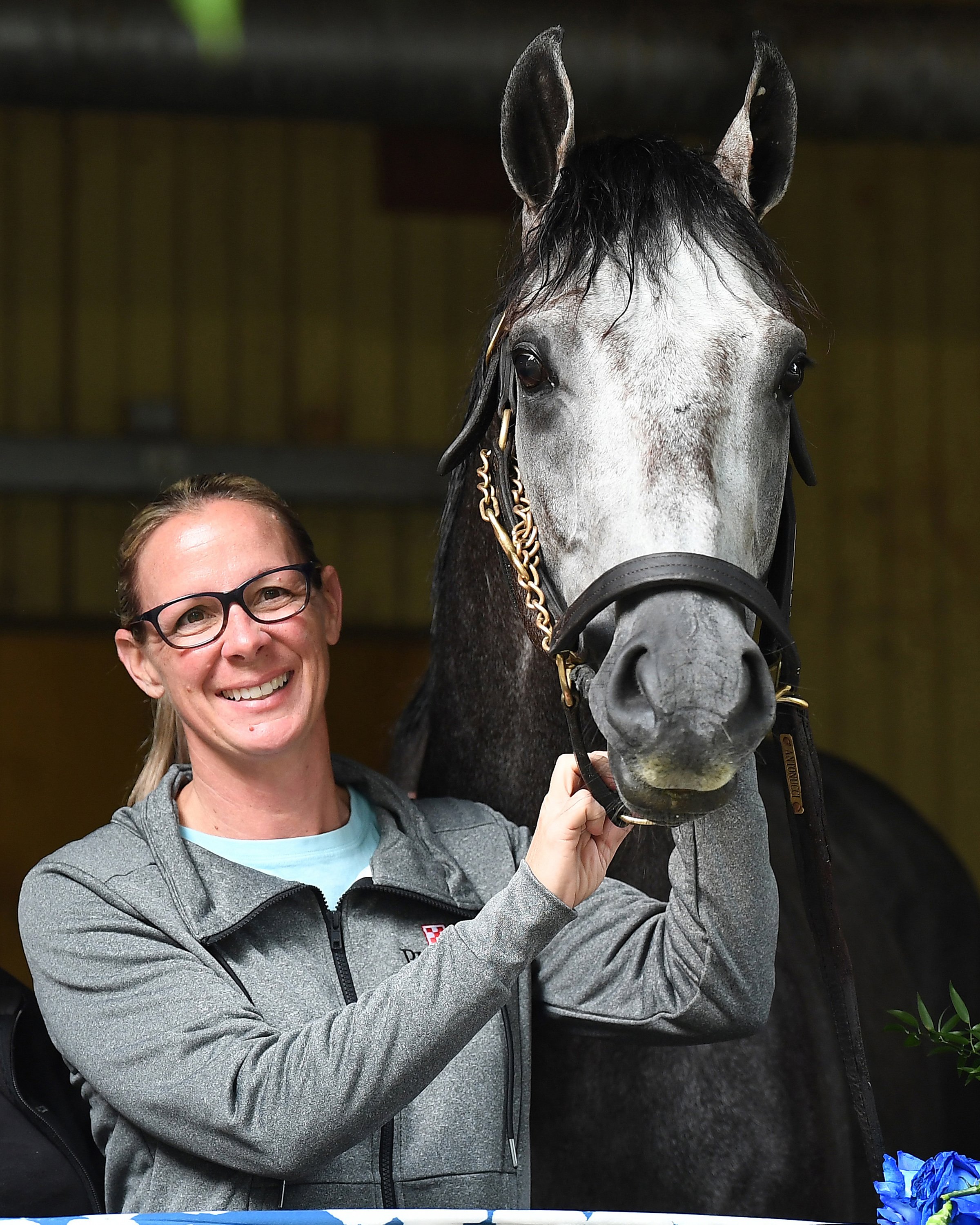
Cherie DeVaux - trainer of Kentucky Derby runner - Golden Tempo
Few races inspire the pageantry and glory that the Triple Crown classics do. For anyone involved in American horse racing, a win in any of the three puts you in an exclusive club, your name forever etched in the history of the sport.
"These big races are the ones you dream of when you look at these young horses that are being born right now, and you say, 'We might have a chance.' That's why every single person on every single level loves the sport," said Daisy Phipps Pulito, whose Phipps Stable won the Derby with Orb in 2013.
If memory serves, the first for me was Swaps, that mind-boggling California bred, winning the one in Kentucky in 1955. I didn't even hear of Santa Anita's until years later, and Kentucky's was on the radio. Who knows why I was listening to it, but I guess that winner stuck with me because of the "funny name."
I became more and more horse crazy as the years went by, so the Kentucky Derby was mandatory listening for me, and then watching on television. I particularly remember Carry Back in 1961, probably because I had him in one of those barn-pools and won some cash, when he beat Crozier ... but there was also that fascinating pedigree (by Saggy out of Joppy) and, later, all the ridiculous moves of his owner Jack Price that somehow he survived. No wonder Red Smith, the legendary Pulitzer Prize winning sportswriter, loved racing above all others: "there are more stories at the track than anywhere else."
On a rainy late September afternoon in 2024, Adrianne DeVaux sent out her first starter and got her first winner at the same time, a confluence of events that left the now-27-year-old in tears. With husband Rodrigo Ubillo by her side, the youngest daughter of Janet and Adrian "Butch" DeVaux entered the training game with a bang as Shoot the Nickel earned his first win. The neck victory at six furlongs was a hint at things to come for his rookie conditioner.
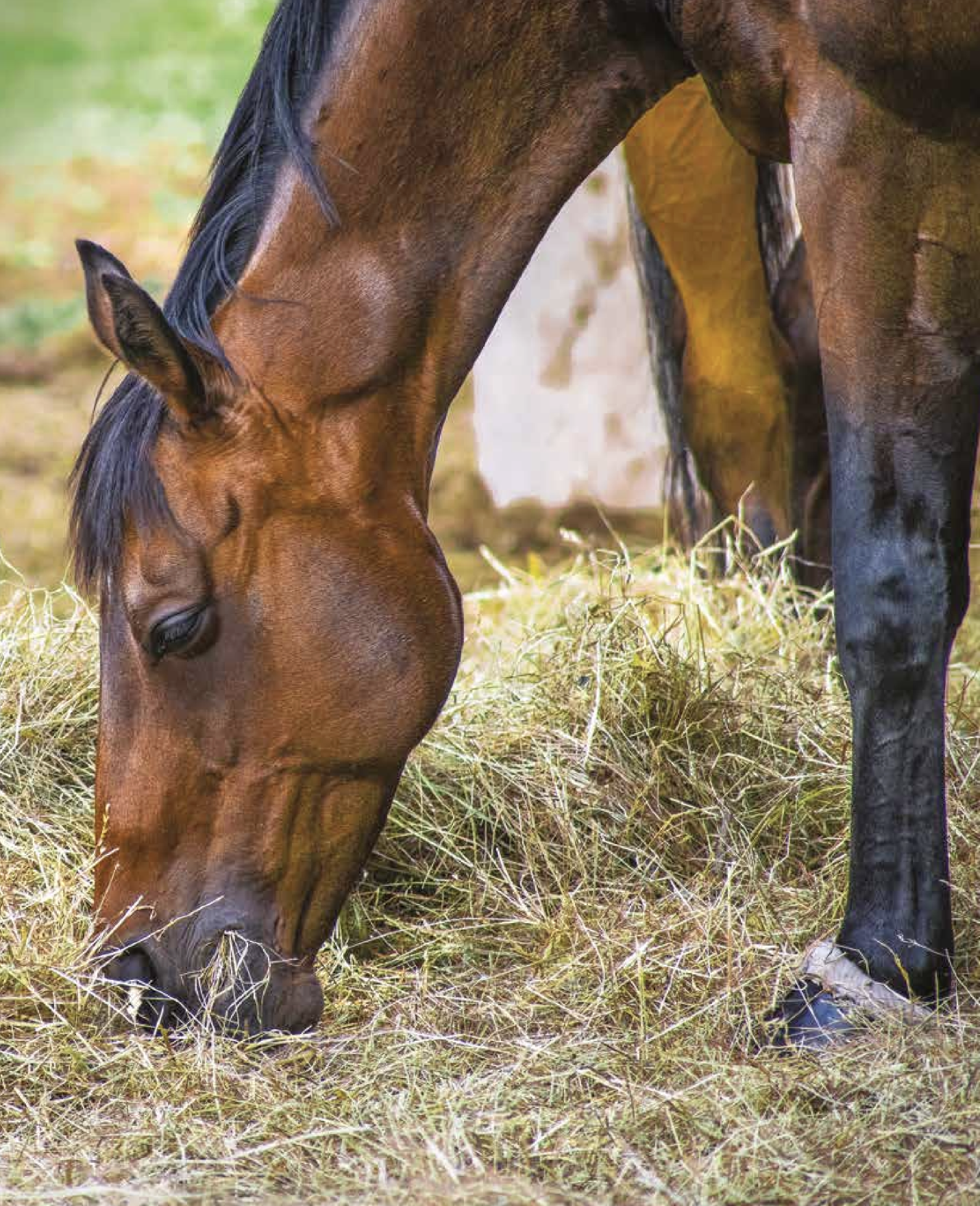
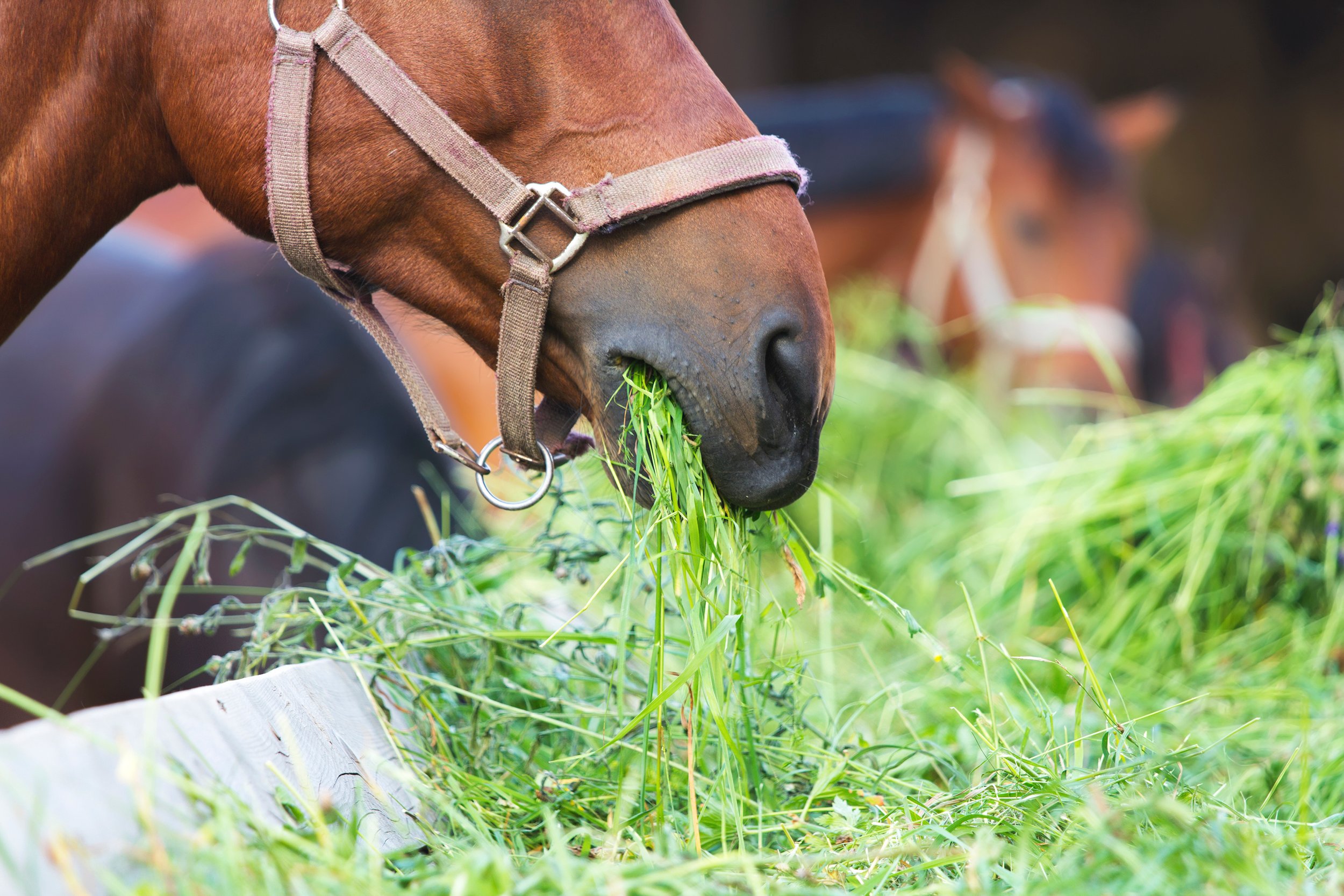
Hay may look like the simplest part of a horse's diet, but as University of Guelph professor Dr. Anna Kate Shoveller explains, it's the foundation of equine health and far more complex than it appears.
Horses are designed to graze for 14-18 hours a day, relying on a steady flow of forage to protect the stomach, fuel the hindgut, and support overall wellbeing. Whether we feed hay dry, soaked, or steamed, those decisions matter.
Each method shifts something, from dust levels to nutrients and even taste, and knowing the differences helps us choose what's best for our horses. In a University of Guelph study, Shoveller and her team examined how these treatments change the hay, how horses respond, and why the "right" choice depends entirely on the individual horse.
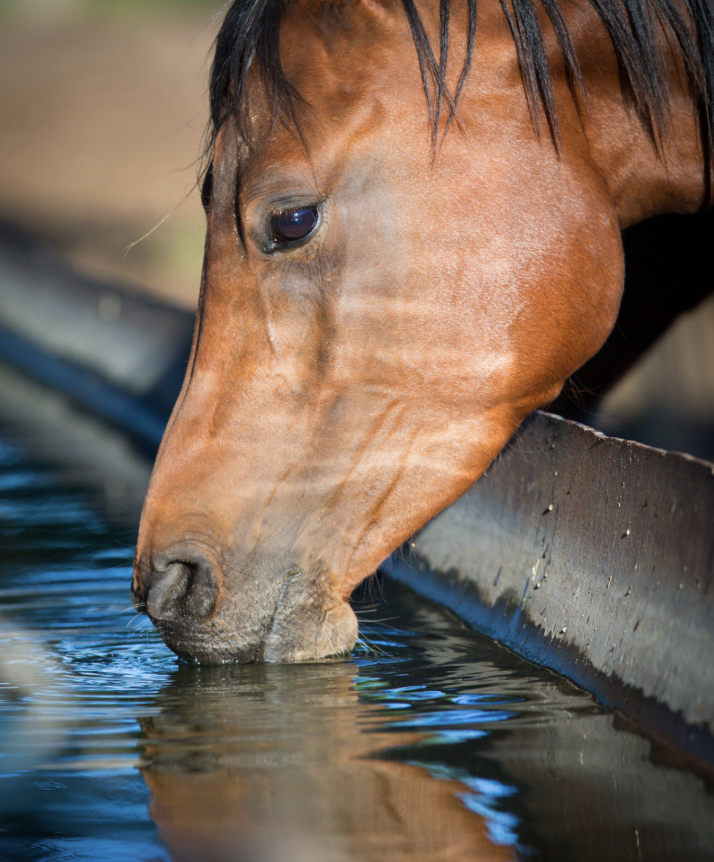
Fueling the thoroughbred athlete is a very complex and precise world; but one that demands much attention among the many talented horsemen and women within the industry. What is going into the body can be a direct reflection on what can be seen in performance across all levels of racing. Finding the correct balance to maximize energy, muscle strength, and recovery through an organized training schedule is a specialized skill within itself. As grain- based nutrition plays a major role, proper hydration is the foundation that supports every aspect of performance on the track.
Water affects racehorses on a deep biochemical level- so much that it isn’t just “hydration”, it’s the medium that makes almost every process at the cellular level possible. Without adequate hydration, not even the best feeding program will be as effective or support optimal athletic performance.
Injury is an unavoidable part of life and the ability to repair is one of the most vital characteristics of any living organism continually exposed to environmental harm. Regardless of the cause the body immediately attempts to restore tissue continuity.
Being prey animals as well as finely tuned athletes, Thoroughbreds can experience a wide range of injuries throughout their lives.The three main goals of healing are: to restore tissue continuity with the best possible quality of tissue, to do so in the shortest safest time and to prevent recurrence or breakdown of the repair.
The incidence of serious fractures in horses racing on the flat is low (around one case every one to two thousand starters); but when fractures occur the consequences are often severe for the horse and, sometimes, the jockey. Both the severity and the dramatic nature of these injuries cause a significant negative impact to everyone connected with the horse, as well as spectators.
The International Federation of Horseracing Authorities (IFHA) convened the Global Summit on Equine Safety and Technology at Woodbine Racecourse, Toronto, in June 2024, to focus on how current research into causes of racehorse fatalities on the course, including fractures, can be advanced and translated into action, to better understand the factors leading to fatalities and potentially mitigate them.
At the meeting there were two workshops where specialist veterinary clinicians, pathologists and researchers came together to focus on Exercise Associated Sudden Death incidents and fractures.
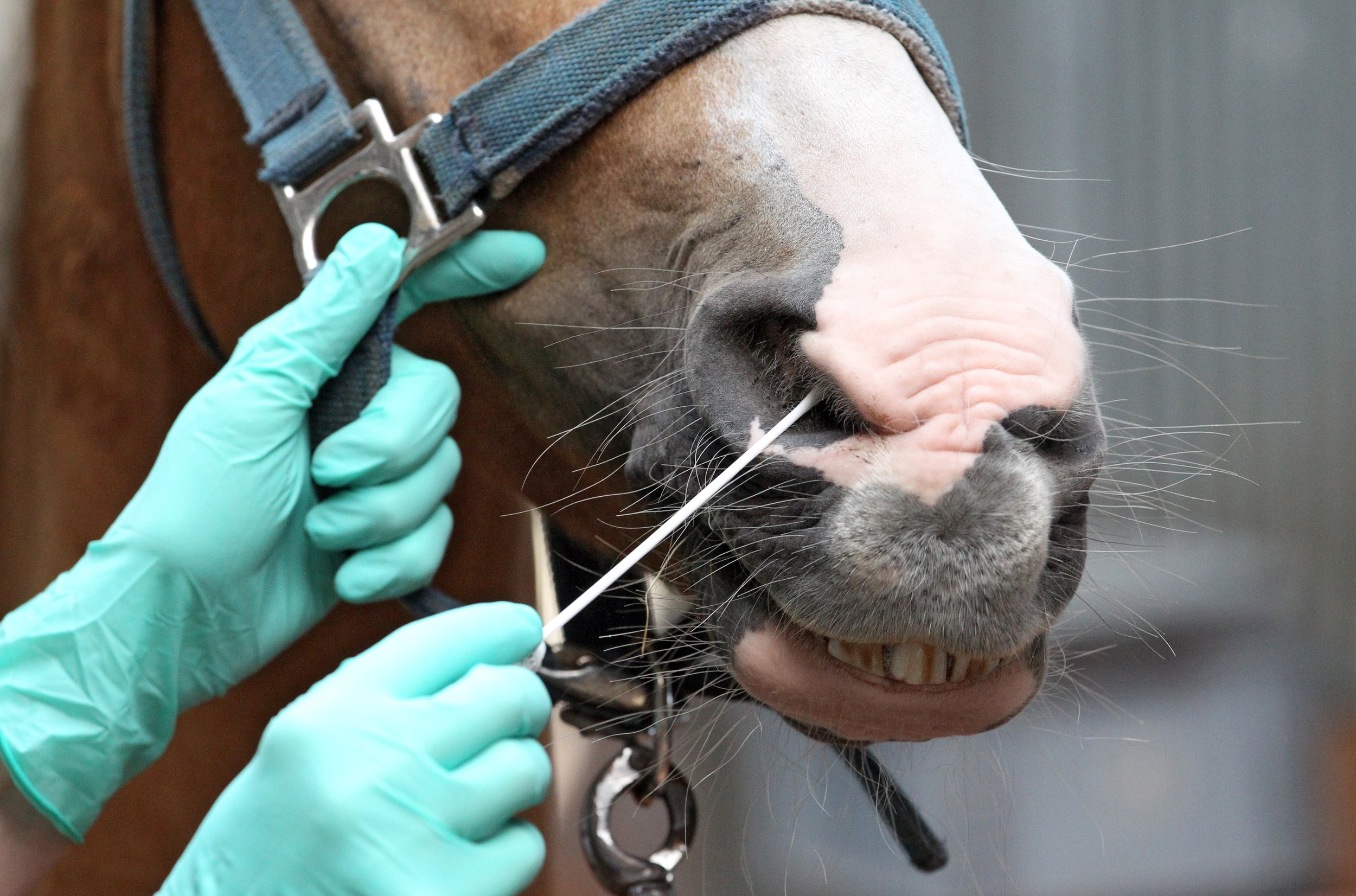
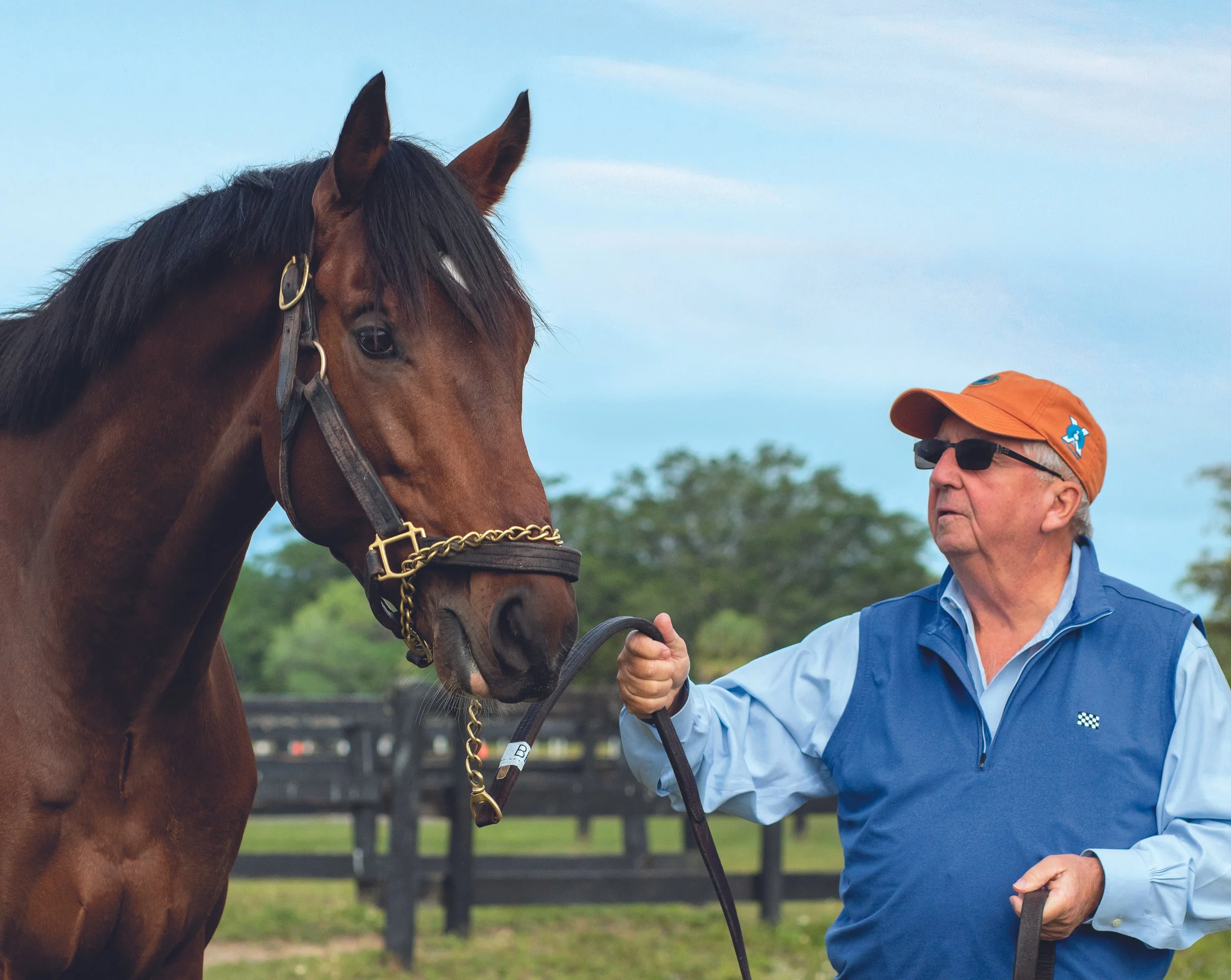
All horses are exposed to parasitic worms at some point in their lives. It is not possible to eradicate all worms from all horses, nor completely avoid the risk of worm-associated disease, so some level of parasite control is necessary in any environment where horses are kept.
Traditionally, regular all-group wormer (anthelmintic) treatments were used to control these parasites, regardless of the management conditions. Increasing reports of wormer resistance over the last two decades [1] indicate this is no longer sustainable and will only act to worsen the situation, especially as no new wormers are coming to market any time soon. It is essential to take an approach that safeguards the effectiveness of anthelmintics.
As common equine worms are spread via grass (Fig. 1), and horses in training do not routinely graze for significant periods (so are at lower risk of infection), they represent ideal candidates for diagnostic-led programes.
WORDS: ALICIA HUGHES
The words come easily and in uninterrupted batches, forming detail-laden sentences delivered with a genuine timbre. They go on for minutes at a time, not because the orator is indulging in a stream of consciousness but rather, when Brook T. Smith is asked to speak on topics that have hit the marrow of his soul, he isn’t going to skimp on the breadth and depth of their context.
Don’t ask the Louisville, KY native and serial entrepreneur how he got into Thoroughbred racing if you don’t have, at minimum, a 15-minute chunk of time at the ready, lest you miss the key intangibles of how he went from cheering on whatever Kentucky Derby (Gr.1) contender’s name he picked from a bowl during his family’s annual rite, to being enthralled after a horse part-owned by his roommate’s father won a graded stakes at Churchill Downs, to taking every half bottle of champagne he could find in his hotel’s minibar into the hot tub after the colt who ignited his current fantastical reality triumphed in the 2024 Breeders’ Cup Classic (Gr.1).
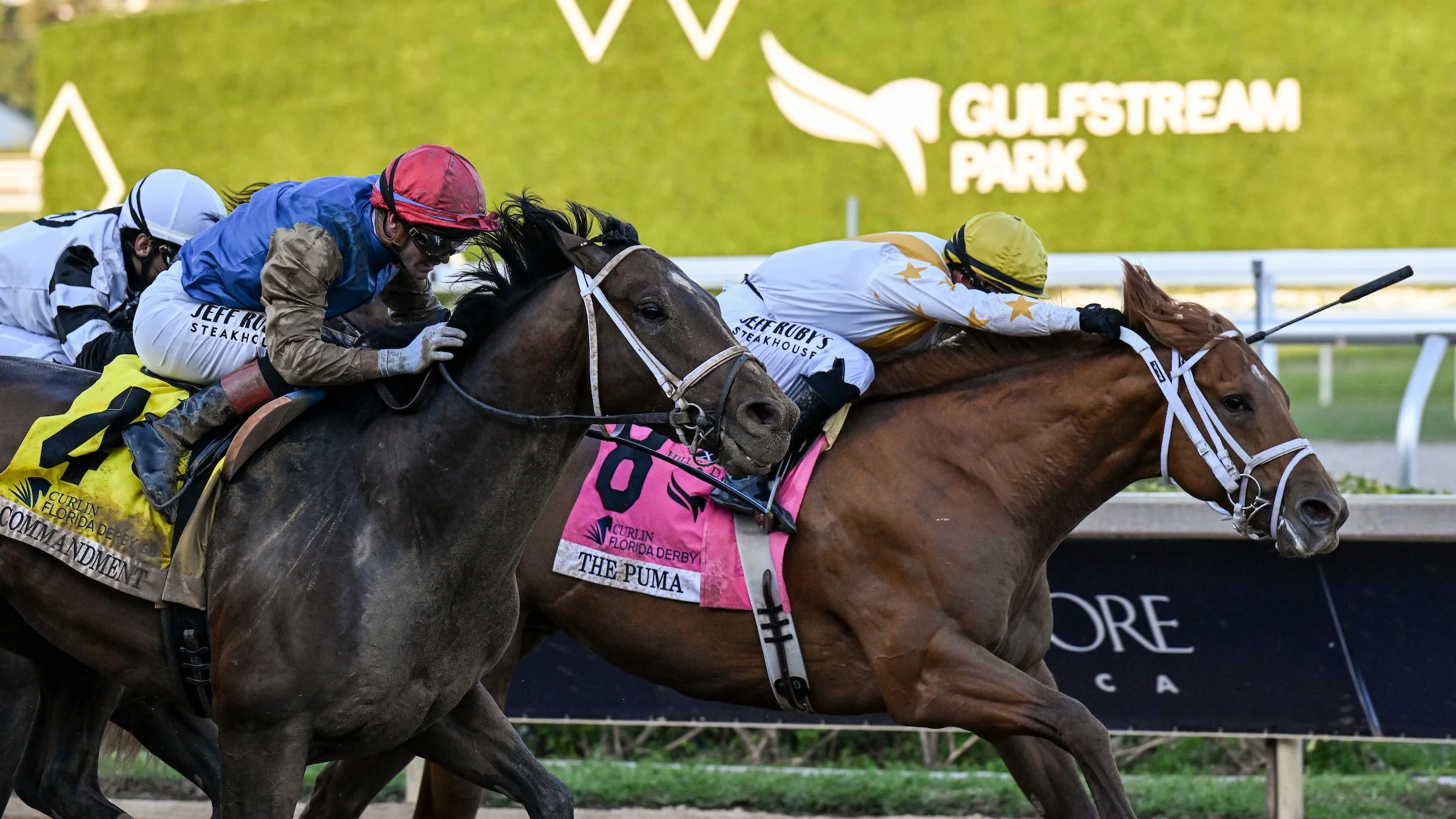
THE PUMA
OGMA Investments (led by Gustavo Delgado Jr.), High Step Racing (Randall Guy, Joe Noble, Kevin Avera, Jim Ferreira and Todd Perry) and JR Ranch (Ramiro Restrepo, Jose and Rita Aguirre)
Back in 2015, Ramiro Restrepo, then working for Fasig-Tipton as a sort of South American ambassador, met Venezuelan trainer Gustavo Delgado Sr. at Keeneland. He said, "Let's start working with each other. I'll own an interest in some of the horses, and you bring people to come in and be partners," Restrepo said. "Then, I owned pieces of some of those horses."
With their home-bred Chief Wallabee stepping into the pre-Kentucky Derby spotlight, Mike and Katherine "K.K." Ball are in unfamiliar territory. "We're not used to this much hype," Katherine said.
Mike and Katherine Ball have spent decades racing and breeding Thoroughbreds in Kentucky without getting as much of a whiff of the Kentucky Derby. Both spent more than a decade training their horses.
"As long as we've been in the business, it's our first Derby," Katherine said. "We are enjoying every minute of it."
The pursuit of genetic perfection no longer ends with traditional selection. Alongside meticulously planned breeding programs and increasingly sophisticated genomic profiling, a new and controversial possibility is quietly gaining ground—gene doping. The idea of altering a thoroughbred's gene expression to enhance muscle power, endurance, or cellular recovery is both compelling and profoundly unsettling.
In experimental research, these tools are already being tested using animal models and although no official cases have been reported in racing so far, the specter of their potential use is growing increasingly real. The discourse around gene doping and gene therapy more broadly, is emerging with greater urgency, raising complex ethical, technical, and regulatory questions.
Click on the cover to read this issue!
Order this issue:
PRINT FORMAT @ $8.95
CLICK HERE TO ORDER
DOWNLOAD PDF FORMAT @ $5.95
CLICK HERE TO ORDER
Spring 2026 - issue 79
Order this issue:
PRINT FORMAT @ $8.95
CLICK HERE TO ORDER
DOWNLOAD PDF FORMAT @ $5.95
CLICK HERE TO ORDER
Contents in this issue include:
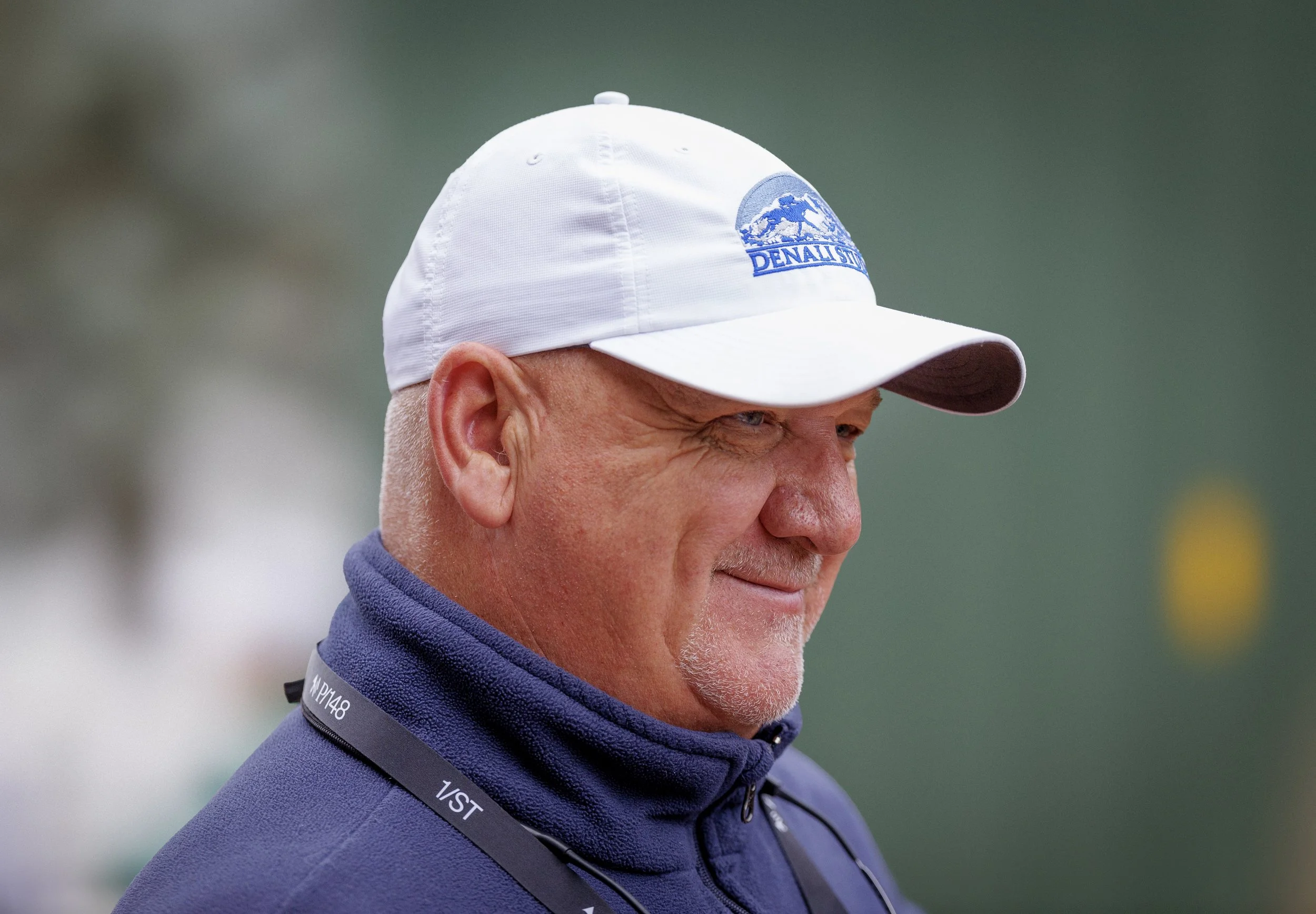
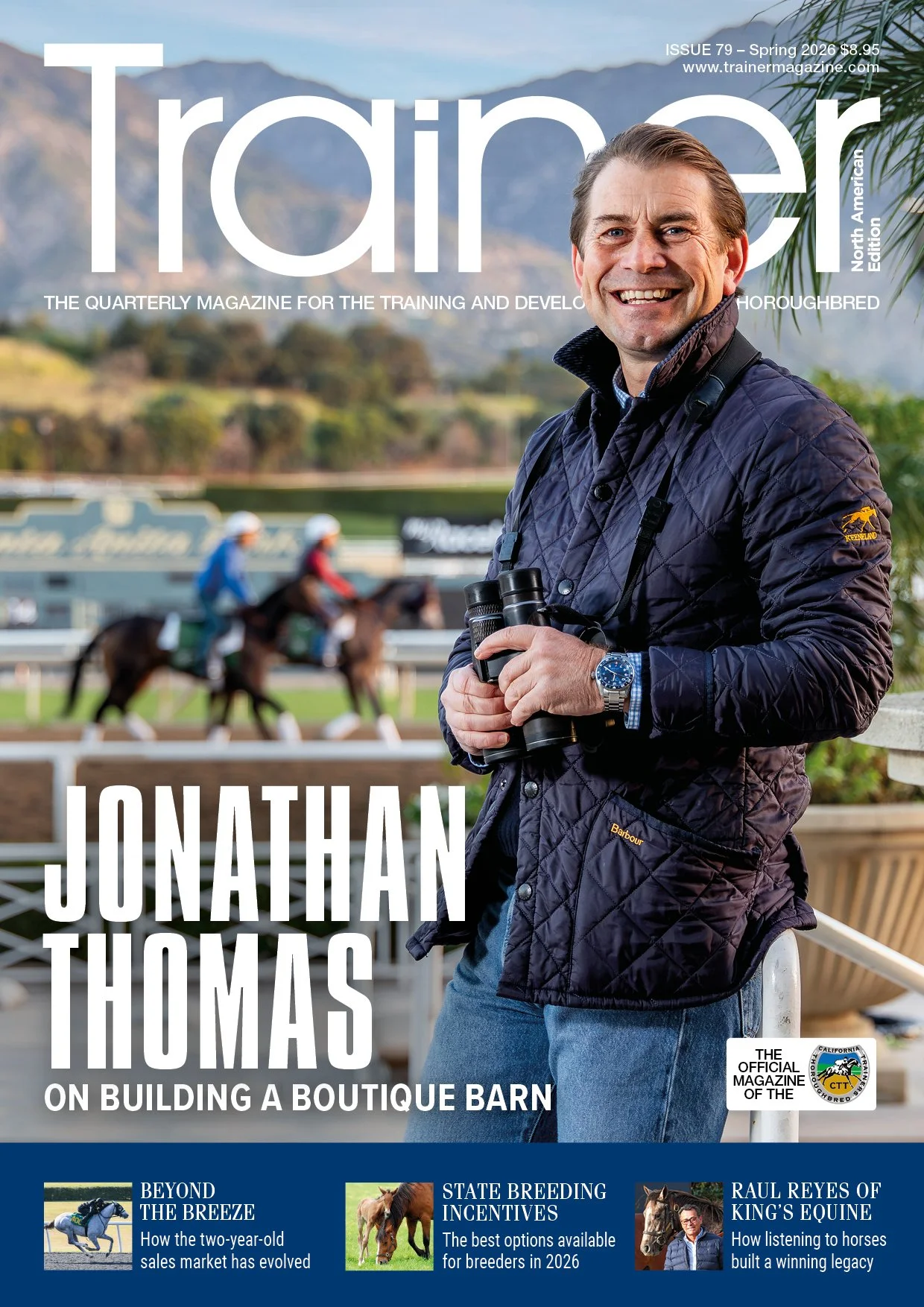
HOW FEWER HORSES & SHARPER FOCUS PLACE HIM AMONG RACING'S ELITE
It is said that numbers tell a story. And when it comes to the yarns weaved in competitive landscapes, the Thoroughbred industry relies as heavily as any sporting realm on metrics and percentages when it comes to anointing their most successful participants.
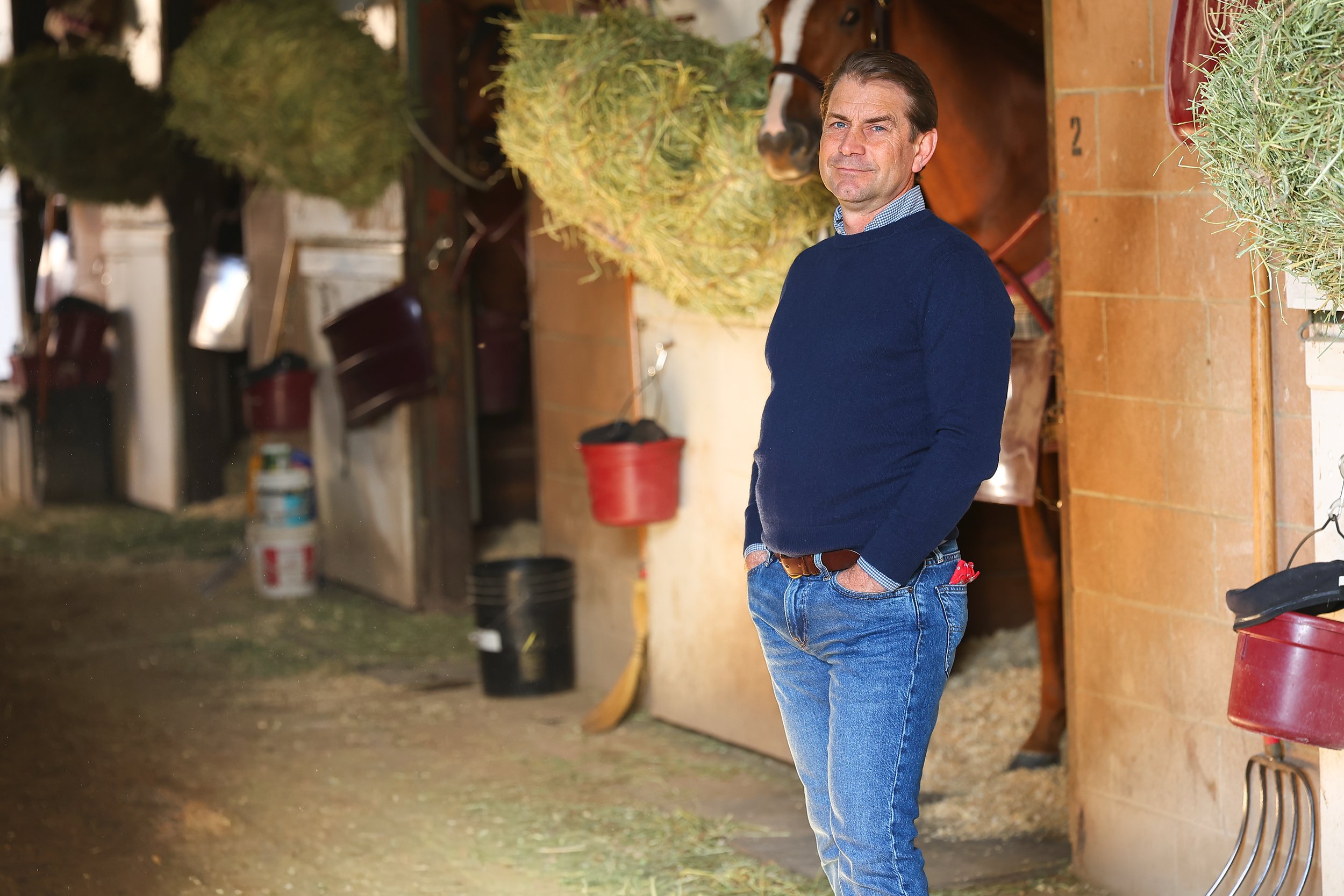
As with most narratives, though, context is a key part of interpreting raw data. In the case of trainer Jonathan Thomas, the framing of said figures is a necessity to appreciate the full scope of his professional standing.
Breeders’ Cup '25 to Pegasus World Cup '26 - issue 78
Order this issue:
PRINT FORMAT @ $8.95
CLICK HERE TO ORDER
DOWNLOAD PDF FORMAT @ $5.95
CLICK HERE TO ORDER
Contents in this issue include:
Summer 2025 - issue 77
Order this issue:
PRINT FORMAT @ $8.95
CLICK HERE TO ORDER
DOWNLOAD PDF FORMAT @ $5.95
CLICK HERE TO ORDER
Contents in this issue include:
Triple Crown 2025 - issue 76
Order this issue:
PRINT FORMAT @ $8.95
CLICK HERE TO ORDER
DOWNLOAD PDF FORMAT @ $5.95
CLICK HERE TO ORDER
Contents in this issue include:
Spring 2025 - issue 75
Order this issue:
PRINT FORMAT @ $8.95
CLICK HERE TO ORDER
DOWNLOAD PDF FORMAT @ $5.95
CLICK HERE TO ORDER
Contents in this issue include:
Breeders' Cup '24 to Pegasus World Cup '25 - issue 74
Order this issue:
PRINT FORMAT @ $8.95
CLICK HERE TO ORDER
DOWNLOAD PDF FORMAT @ $5.95
CLICK HERE TO ORDER
Contents in this issue include:
Summer 2024 - issue 73
Order this issue:
PRINT FORMAT @ $8.95
CLICK HERE TO ORDER
DOWNLOAD PDF FORMAT @ $5.95
CLICK HERE TO ORDER
Contents in this issue include:
Triple Crown - issue 72
Order this issue:
PRINT FORMAT @ $8.95
CLICK HERE TO ORDER
DOWNLOAD PDF FORMAT @ $5.95
CLICK HERE TO ORDER
Contents in this issue include:
Spring 2024 - issue 71
Order this issue:
PRINT FORMAT @ $8.95
CLICK HERE TO ORDER
DOWNLOAD PDF FORMAT @ $5.95
CLICK HERE TO ORDER
Contents in this issue include:
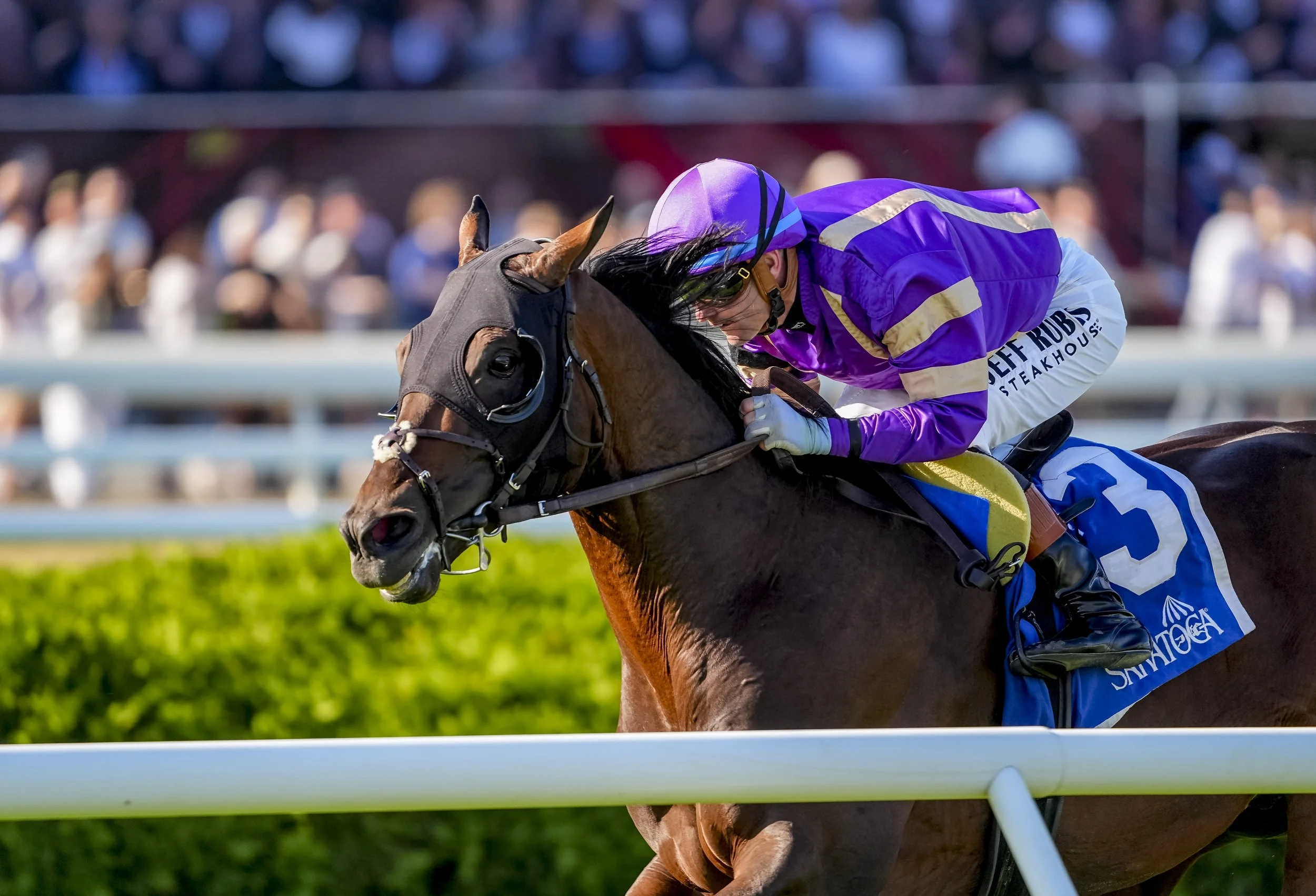
Breeders' Cup ‘23 to Pegasus World Cup ‘24 - issue 70
Order this issue:
PRINT FORMAT @ $8.95
CLICK HERE TO ORDER
DOWNLOAD PDF FORMAT @ $5.95
CLICK HERE TO ORDER
Contents in this issue include:
Summer 2023 - issue 69
Order this issue:
PRINT FORMAT @ $8.95
CLICK HERE TO ORDER
DOWNLOAD PDF FORMAT @ $5.95
CLICK HERE TO ORDER
Contents in this issue include:
Spring 2023 - issue 67
Order this issue:
PRINT FORMAT @ $8.95
CLICK HERE TO ORDER
DOWNLOAD PDF FORMAT @ $5.95
CLICK HERE TO ORDER
Contents in this issue include:
Breeders’ Cup 22 to Pegasus World Cup 23 -issue 66
Order this issue:
PRINT FORMAT @ $8.95
CLICK HERE TO ORDER
DOWNLOAD PDF FORMAT @ $5.95
CLICK HERE TO ORDER
Contents in this issue include:
Summer 2022 - issue 65
Order this issue:
PRINT FORMAT @ $8.95
CLICK HERE TO ORDER
DOWNLOAD PDF FORMAT @ $5.95
CLICK HERE TO ORDER
Contents in this issue include:
Triple Crown 2022, issue 64
trainermagazine/member subscribers click on the cover to read this issue
Order this issue:
PRINT FORMAT @ $8.95
CLICK HERE TO ORDER
DOWNLOAD PDF FORMAT @ $5.95
CLICK HERE TO ORDER
Contents in this issue include:
Spring 2022 - issue 63
trainermagazine/member subscribers click on the cover to read this issue
Order this issue:
PRINT FORMAT @ $8.95
CLICK HERE TO ORDER
DOWNLOAD PDF FORMAT @ $5.95
CLICK HERE TO ORDER
Contents in this issue include:
Breeders' Cup 21 to Pegasus World Cup 22 - issue 62
trainermagazine/member subscribers click on the cover to read this issue