July - September 2026 - issue 94
Subscription Options:
4x issue print subscription
£26.95 every 12 months (ex p&p)
4 x print issue subscription to European Trainer.
SUBSCRIPTION STARTS WITH THE OCTOBER TO DECEMBER ISSUE 2026
Order this issue in print
£8.95 (ex p&p) - CLICK HERE TO ORDER
Download this issue
£5.95 - CLICK HERE TO ORDER
Contents in this issue include:

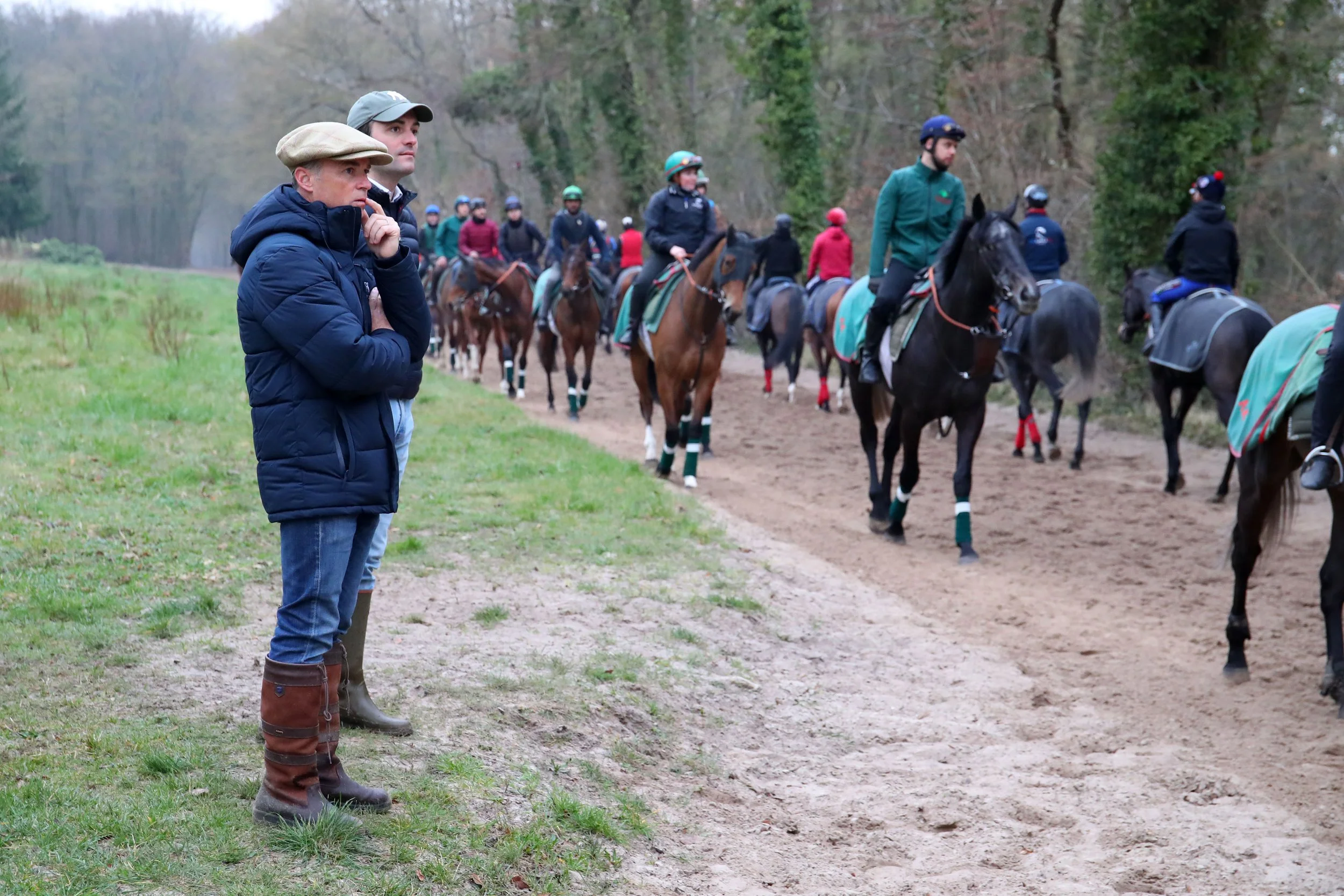
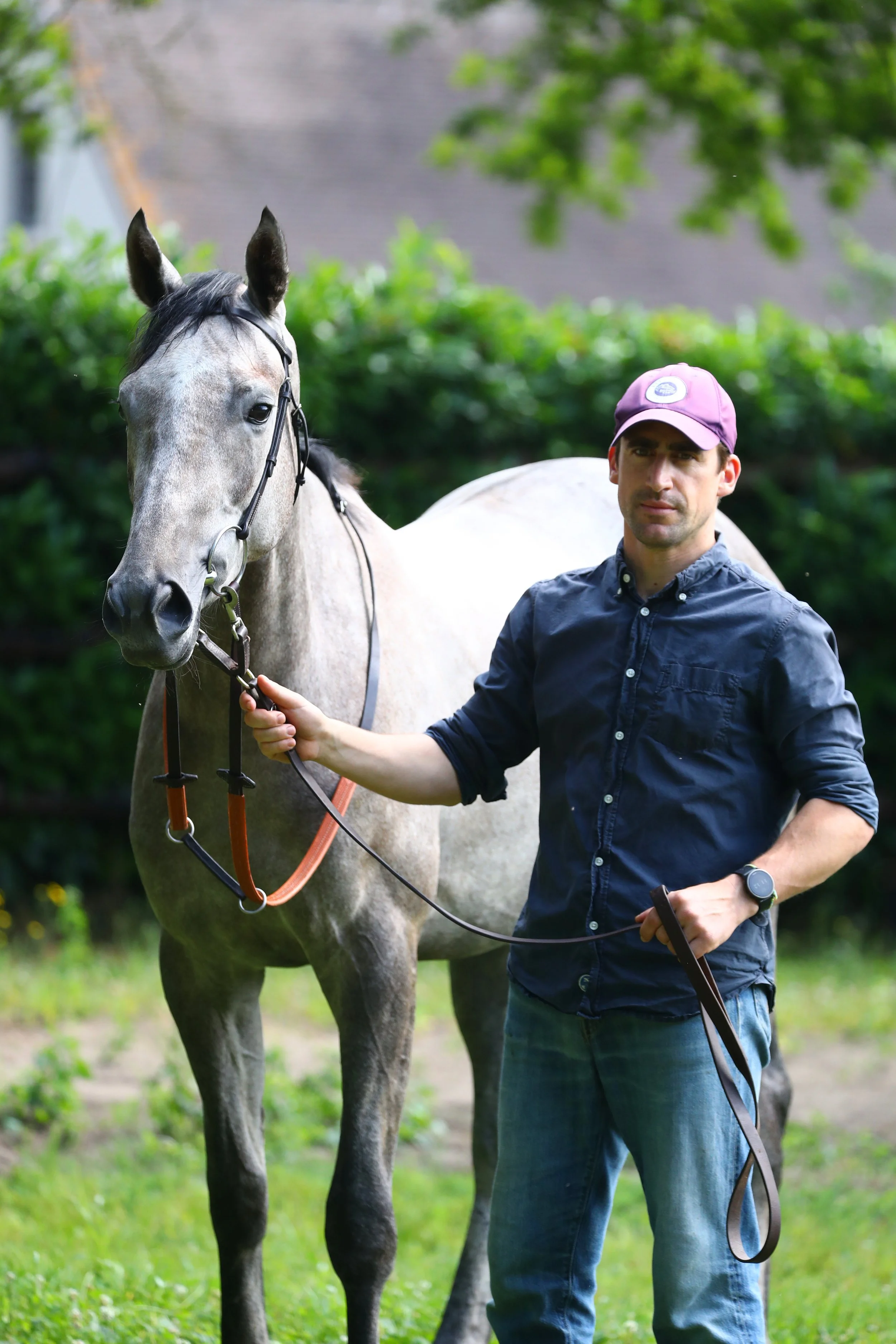
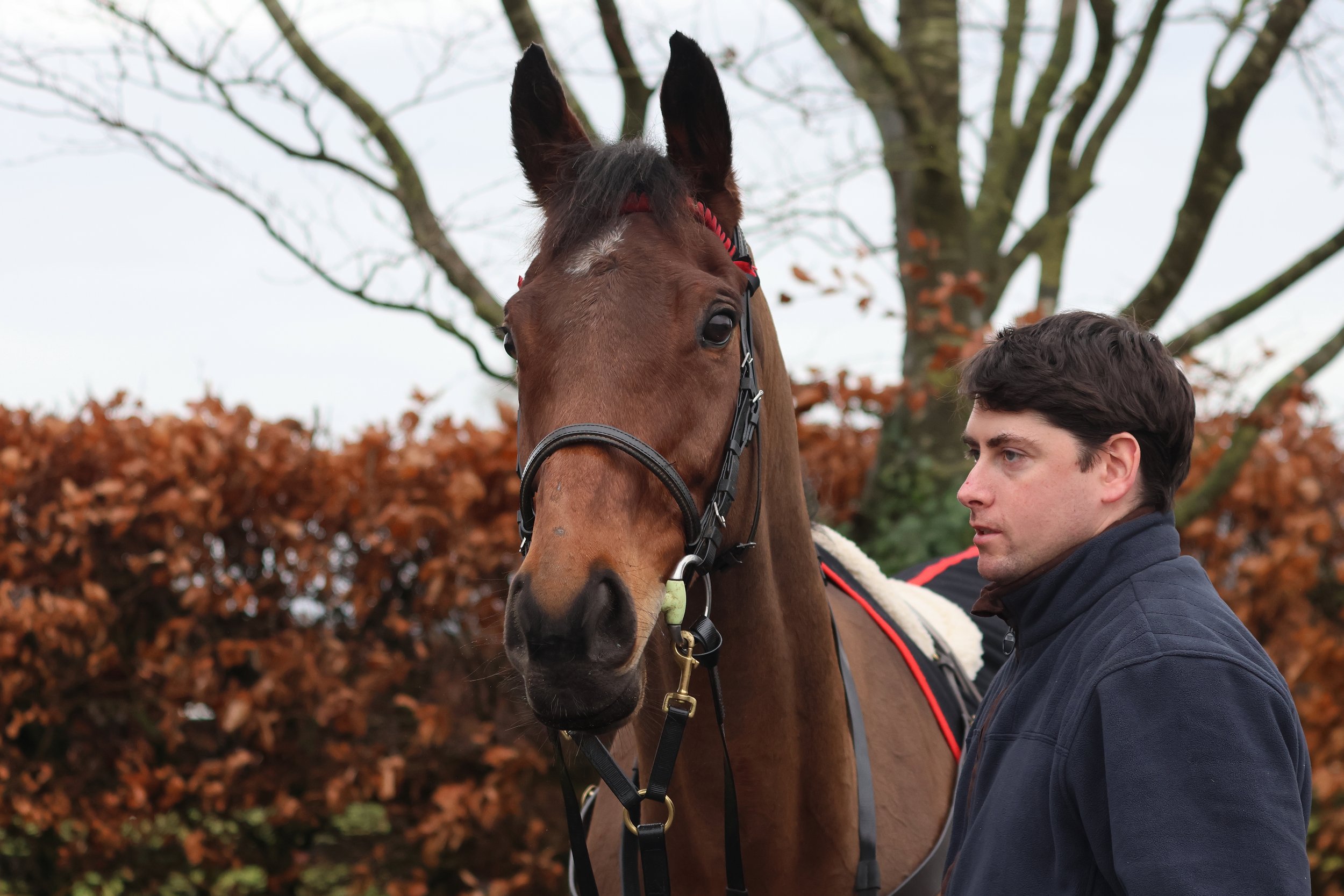
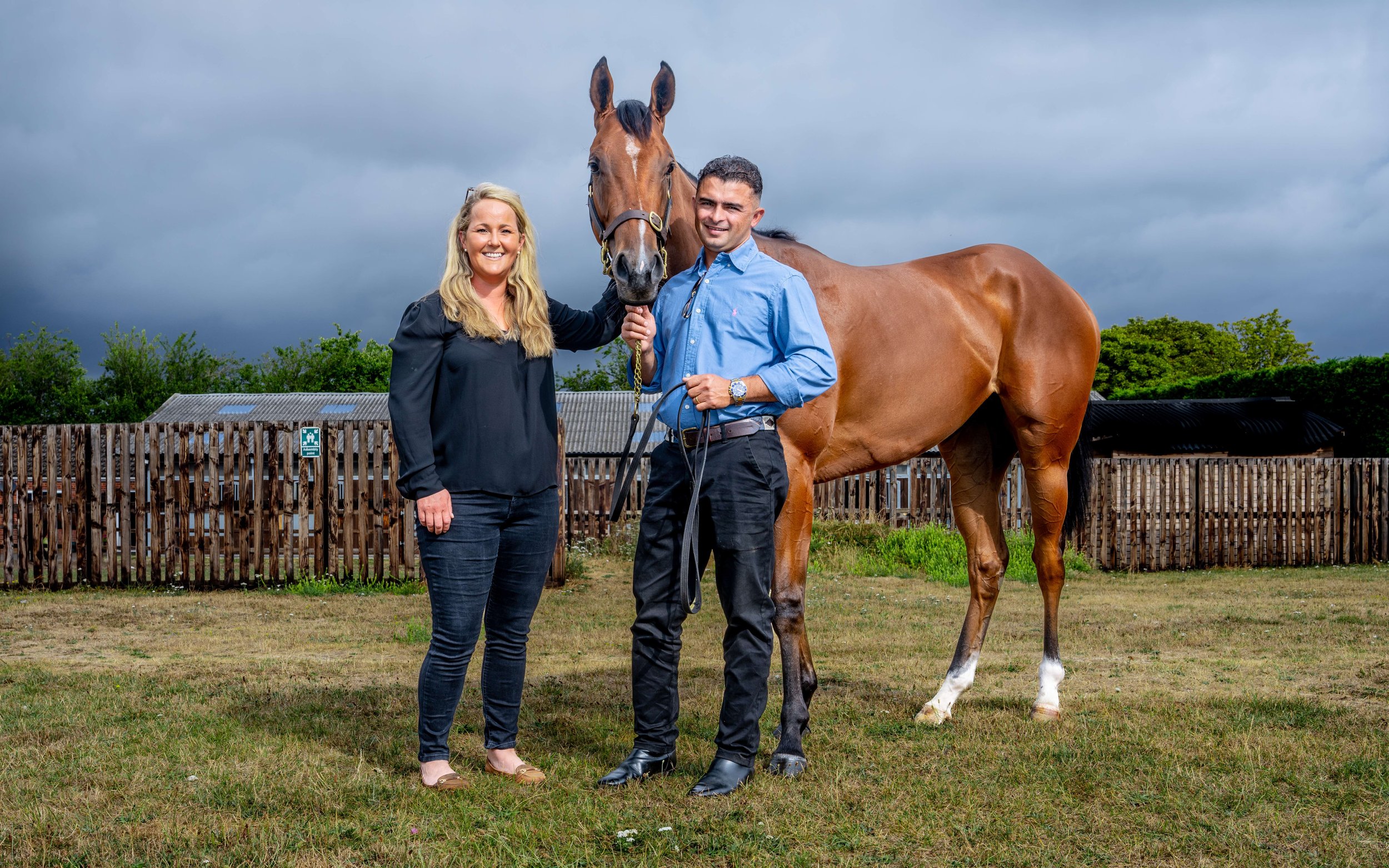
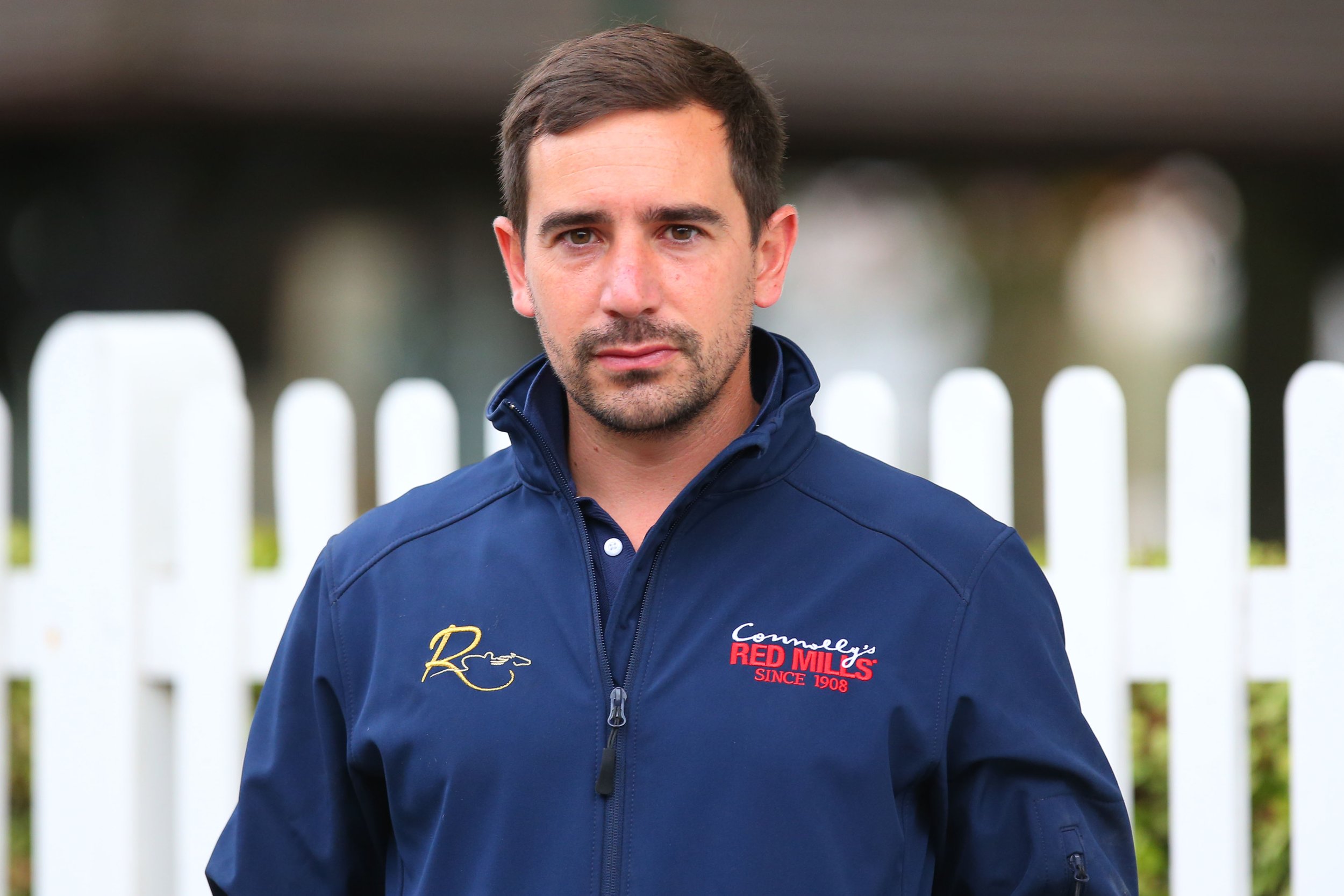
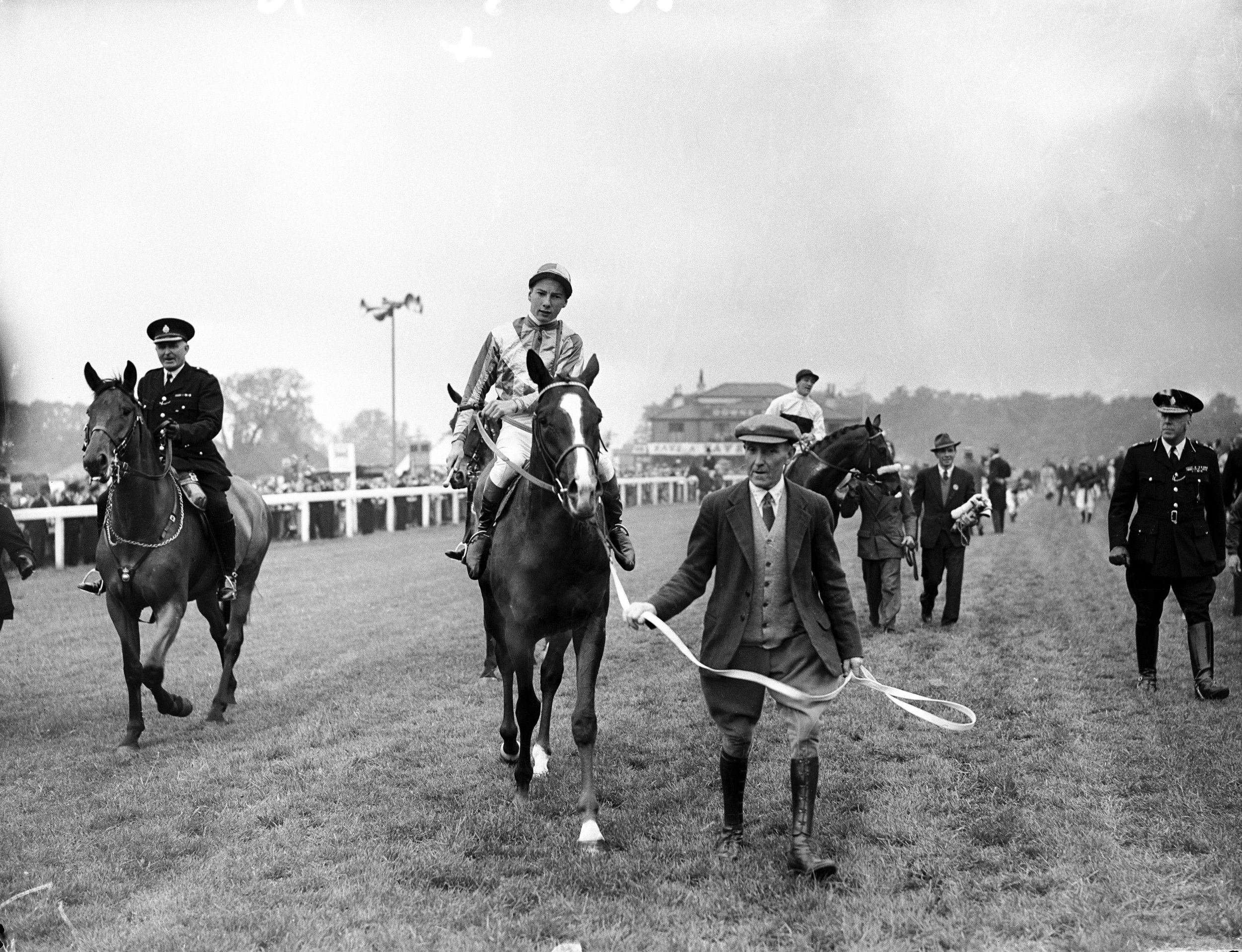
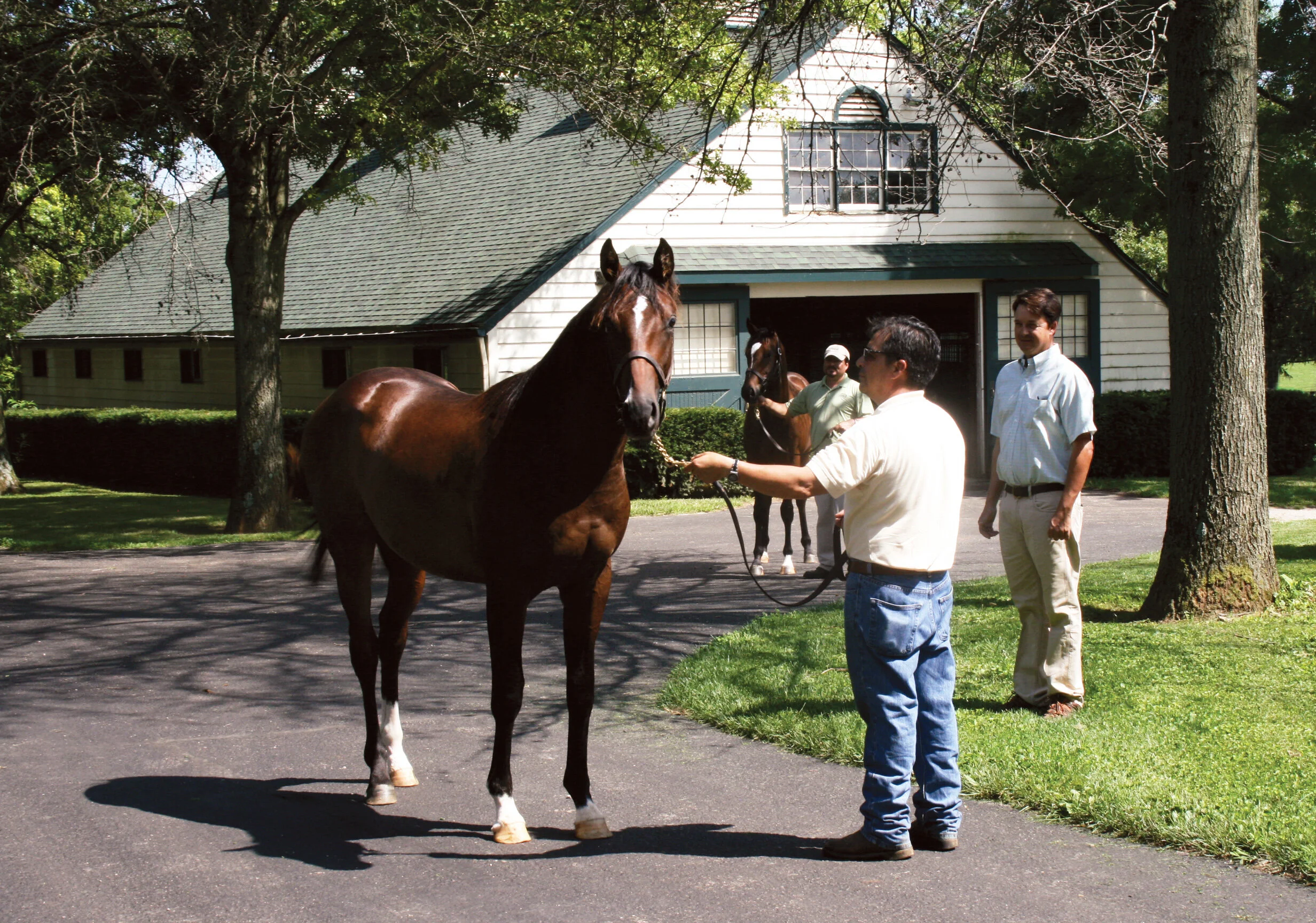
It took one horse - compact in stature but big, big in character - to catapult Weiss into the top trainer ranks. His career had been steady up to that point, and he did display the one virtue essential to his training approach: patience.
Now firmly established as one of the go-to German handlers, his composed demeanour hides fierce competition and a deep passion. A lot meets the eye when it comes to Marcel Weiss - he was in fact nicknamed ‘the Englishman’ due to his flat cap and his smart riding attire - but that tells only half the story. England is well known for its north-south divide, and it is an open secret that Germany is still very much divided into east and west. Society may be a step ahead, but things take a bit longer in racing - a lot of things move very slowly in German racing - and certain tracks are still referred to as ‘east’.
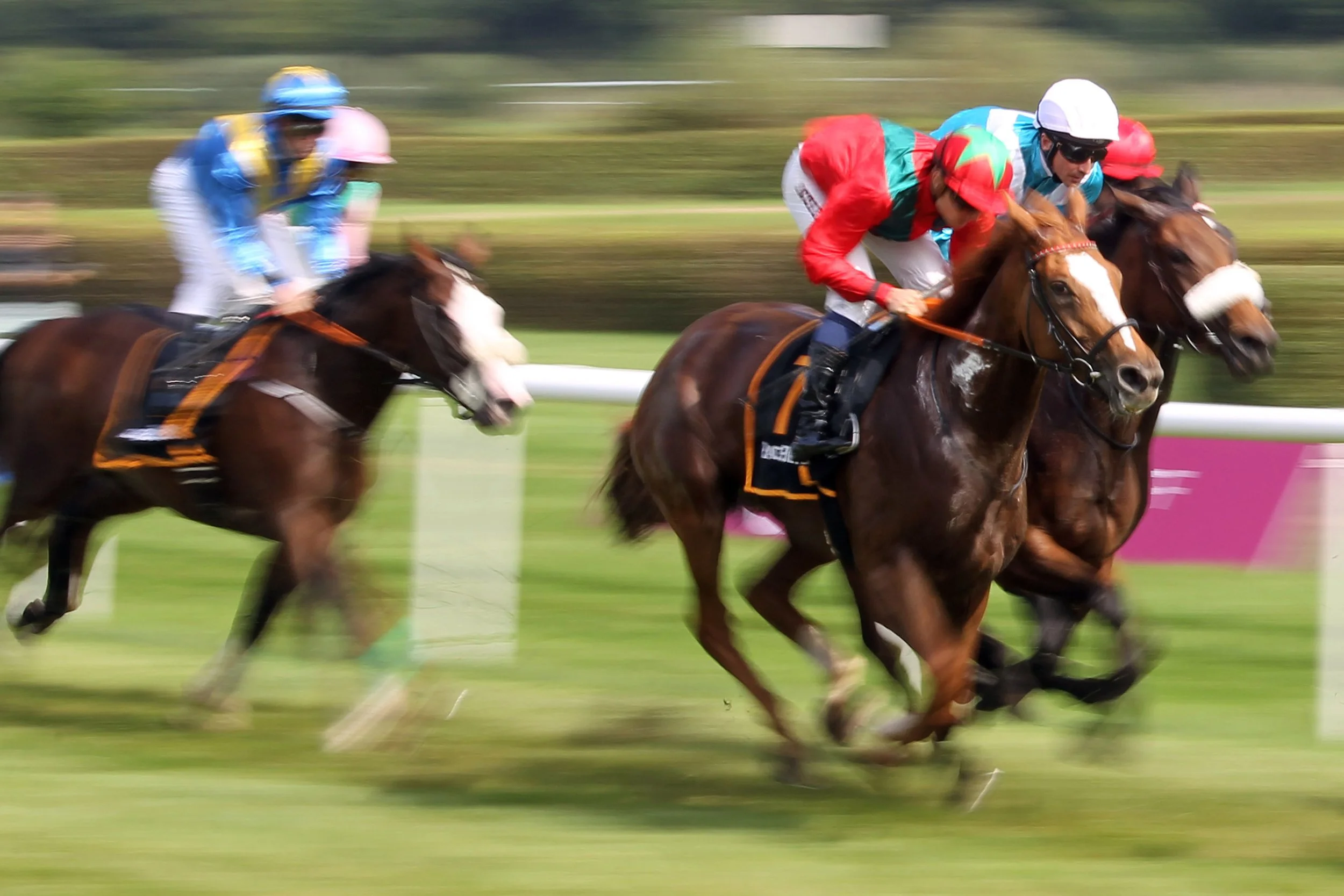
The sub-2 hour marathon recorded for the first time in 2026 was, not that long ago, said to be unachievable by some eminent scientists. This incredible achievement shows how our understanding of the science of exercise is improving rapidly. Whilst there is arguably greater scope for ‘science’ to impact performance in endurance events like marathons, should we expect a sub 2 minute 30 seconds (Epsom) Derby any time soon?
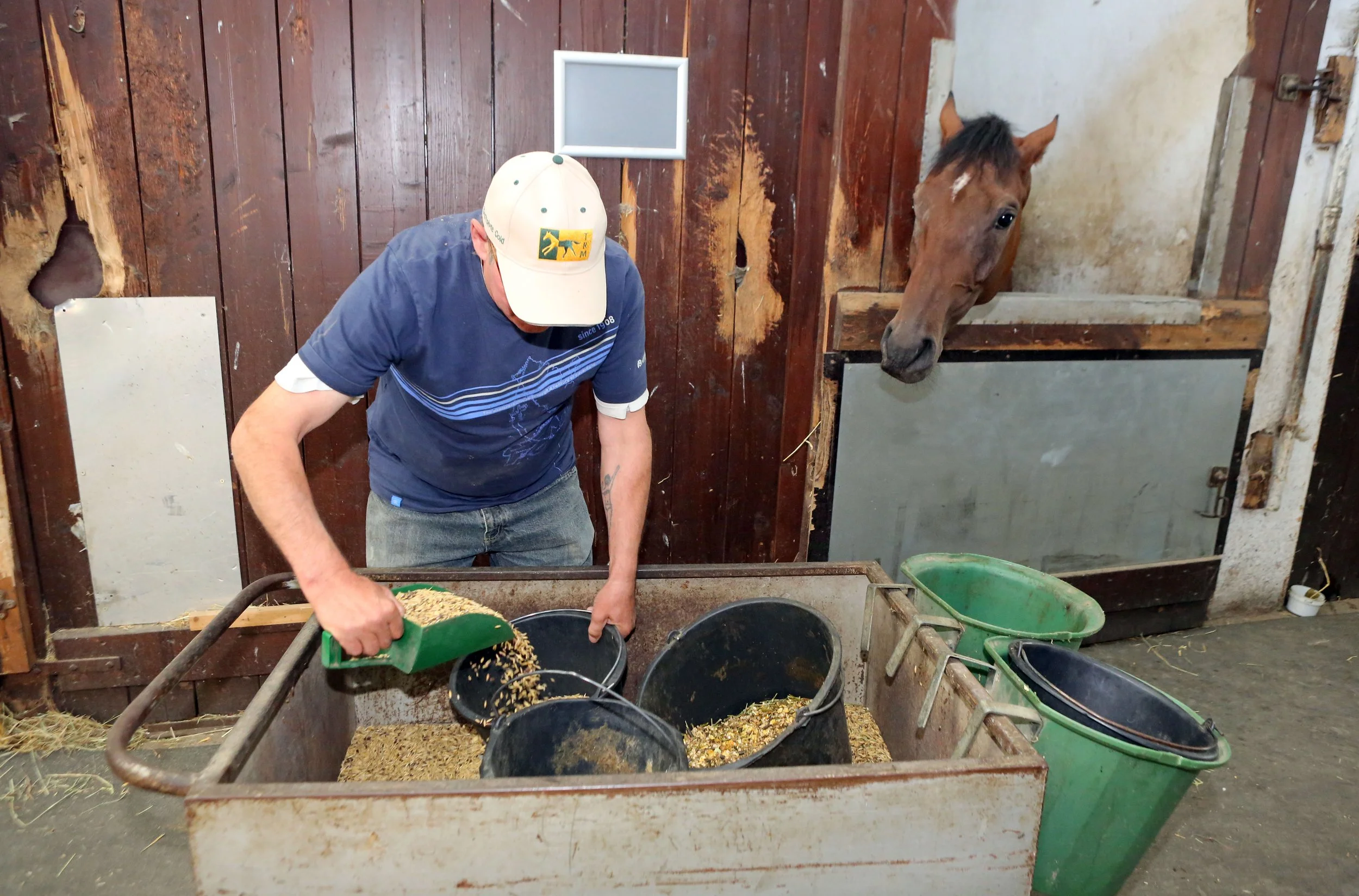
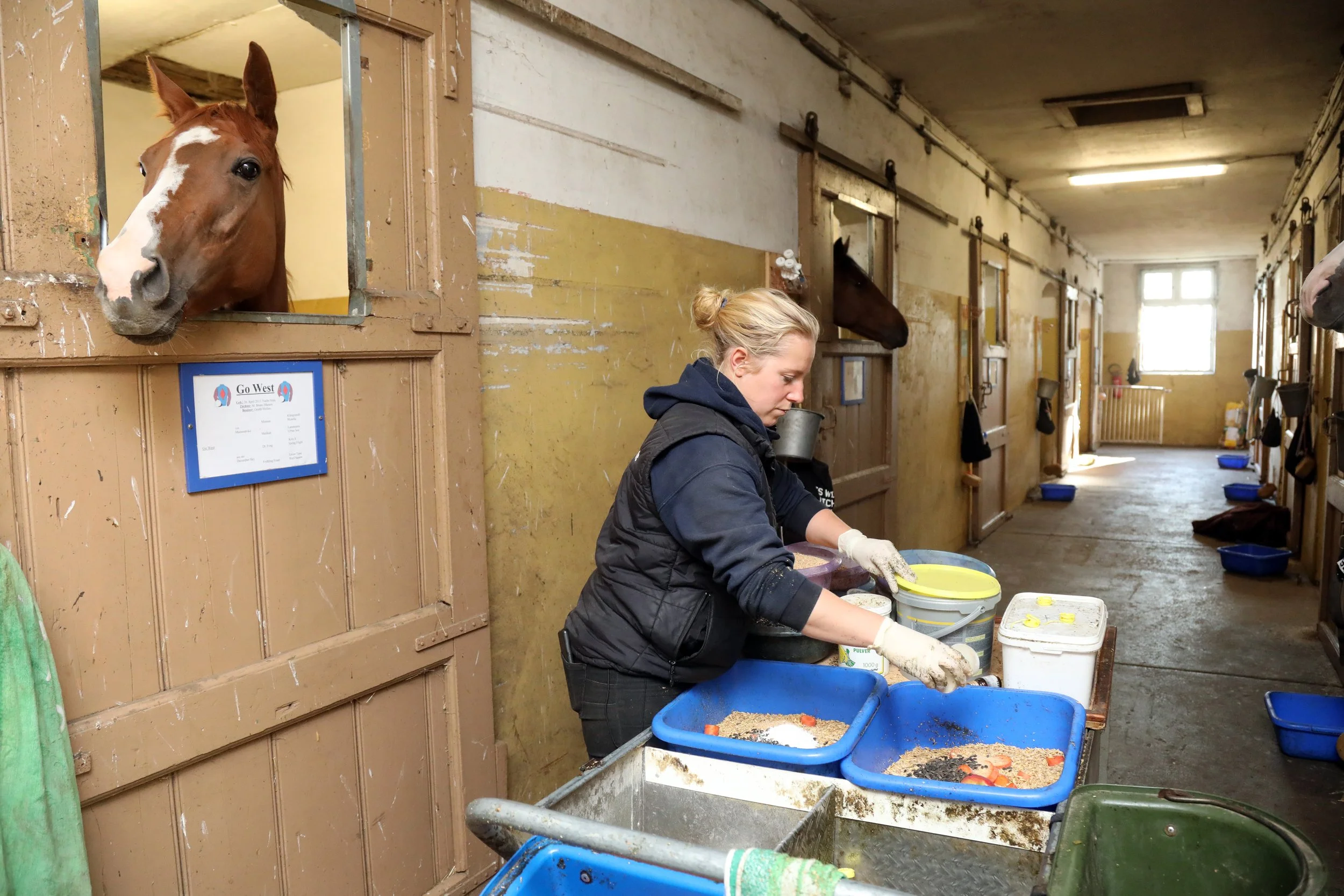
In this article we explore the latest science on combining nutritional and training strategies to promote metabolic adaptation and energy efficiency, as well as the key elements for delaying the onset of fatigue and promoting recovery in racing Thoroughbreds.
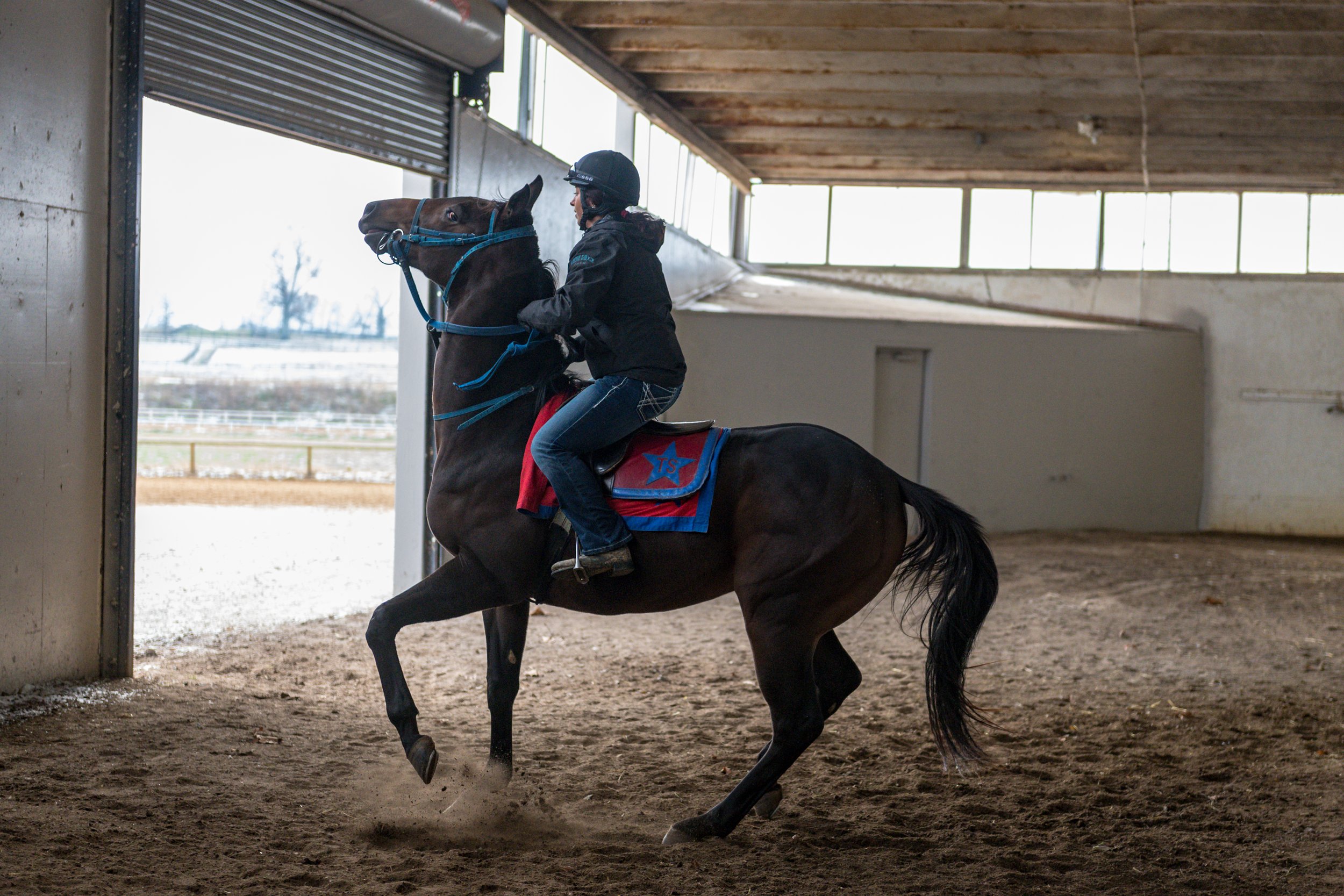
In a performance-driven environment such as racing, unwanted behaviour is rarely viewed in isolation. A horse that becomes difficult to tack up, reluctant to enter the stalls, defensive around handling, unusually reactive during routine exercise or inconsistent in its work is often assessed through a familiar framework: temperament, training, attitude, experience or management. Sometimes that assessment is entirely correct. Some horses are naturally sharper than others, some are immature, and some simply take longer to learn what is being asked of them.
There is little doubt that, in the discourse on aftercare, the volume is, slowly but surely, being turned up.
The International Forum for the Aftercare of Racehorses (IFAR), an organisation of just 10 years’ standing, whose mission it is to advocate for lifetime care for retired racehorses, and to raise awareness of and encourage best practice in their aftercare, recently introduced a membership and supporter scheme.
Already, its website boasts no fewer than 42 member organisations and 50 supporters worldwide in a list that is ever growing. In May, in Newmarket, the Jockey Club hosted a seminar focussing on preparing racehorses for retirement and retraining.
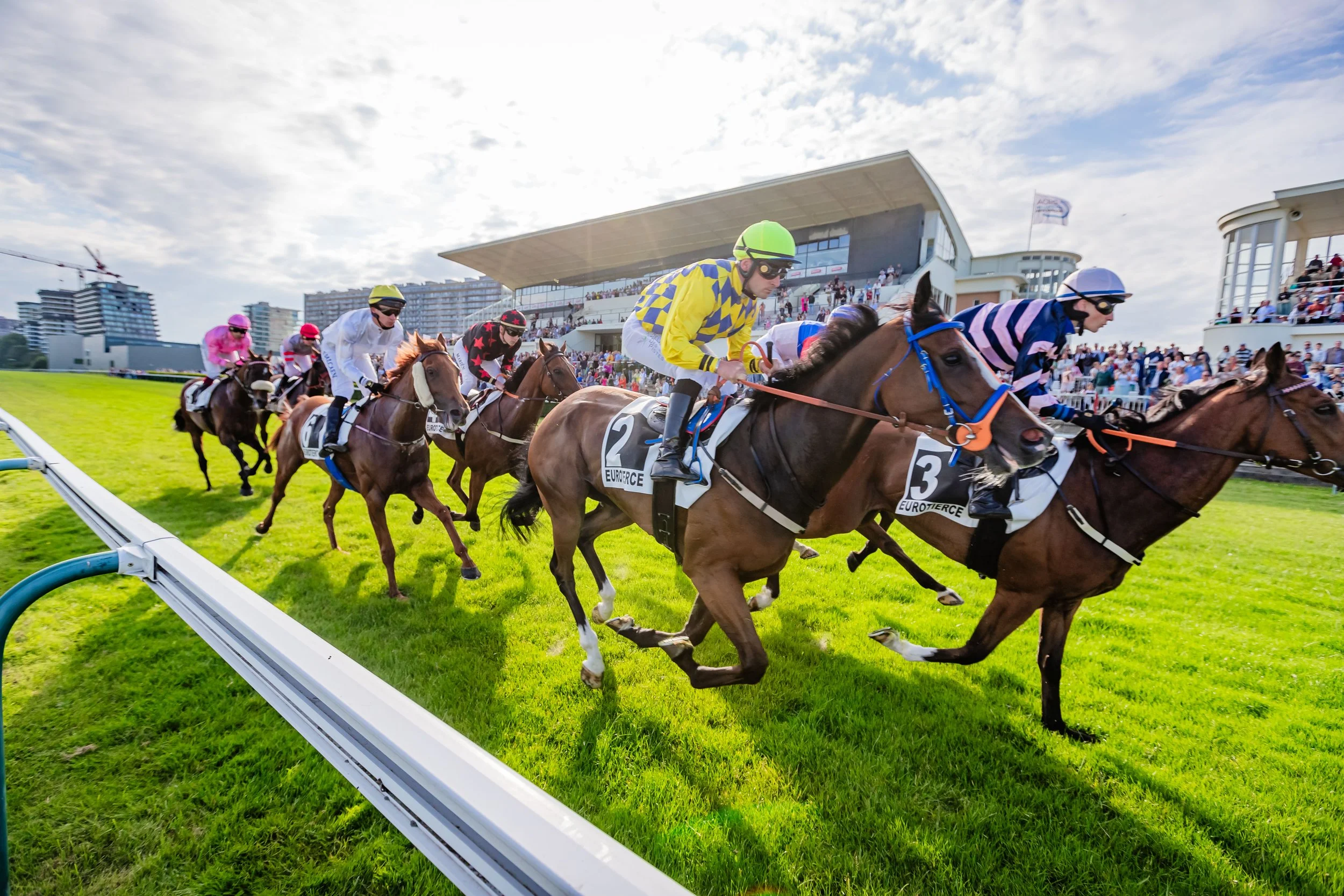
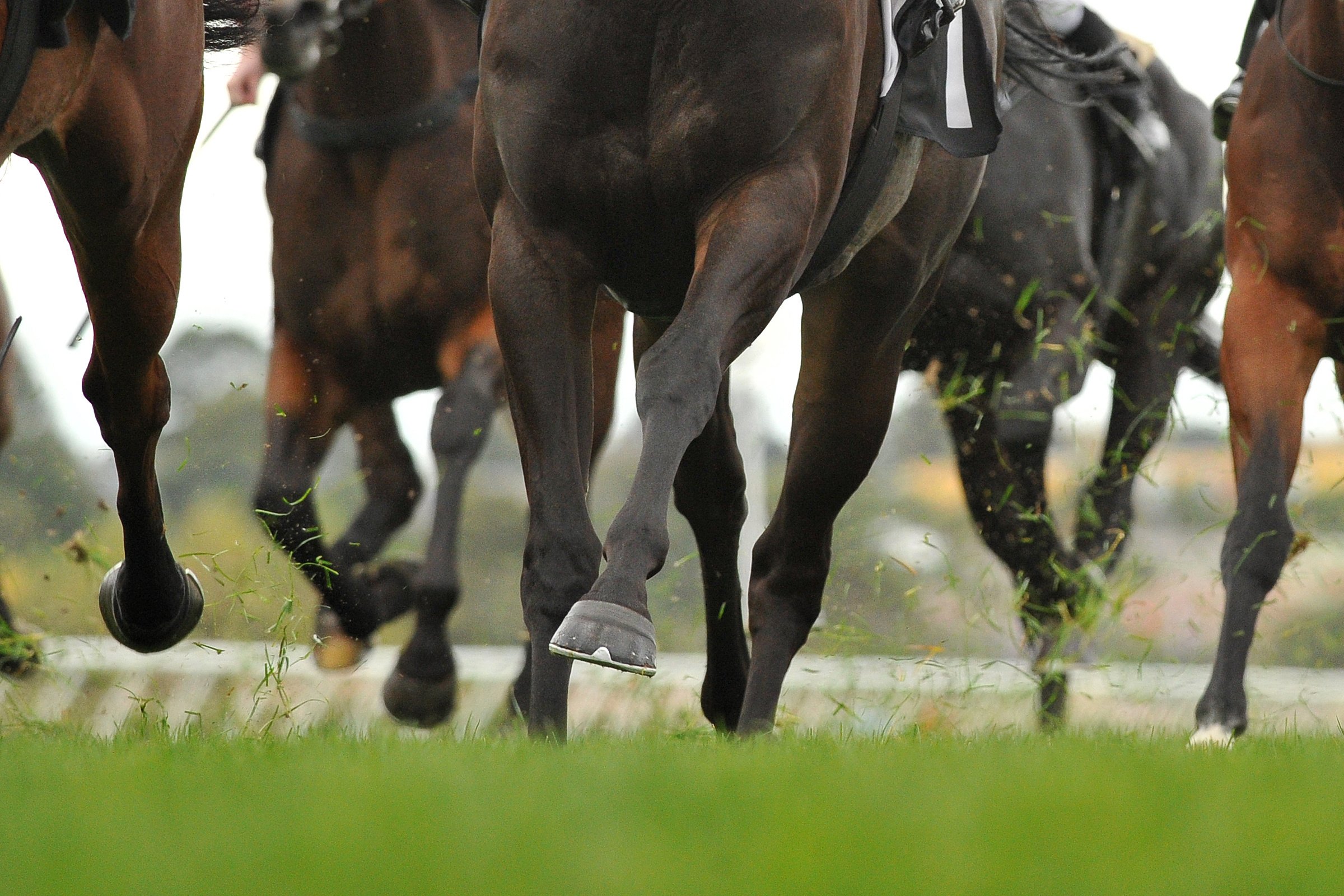
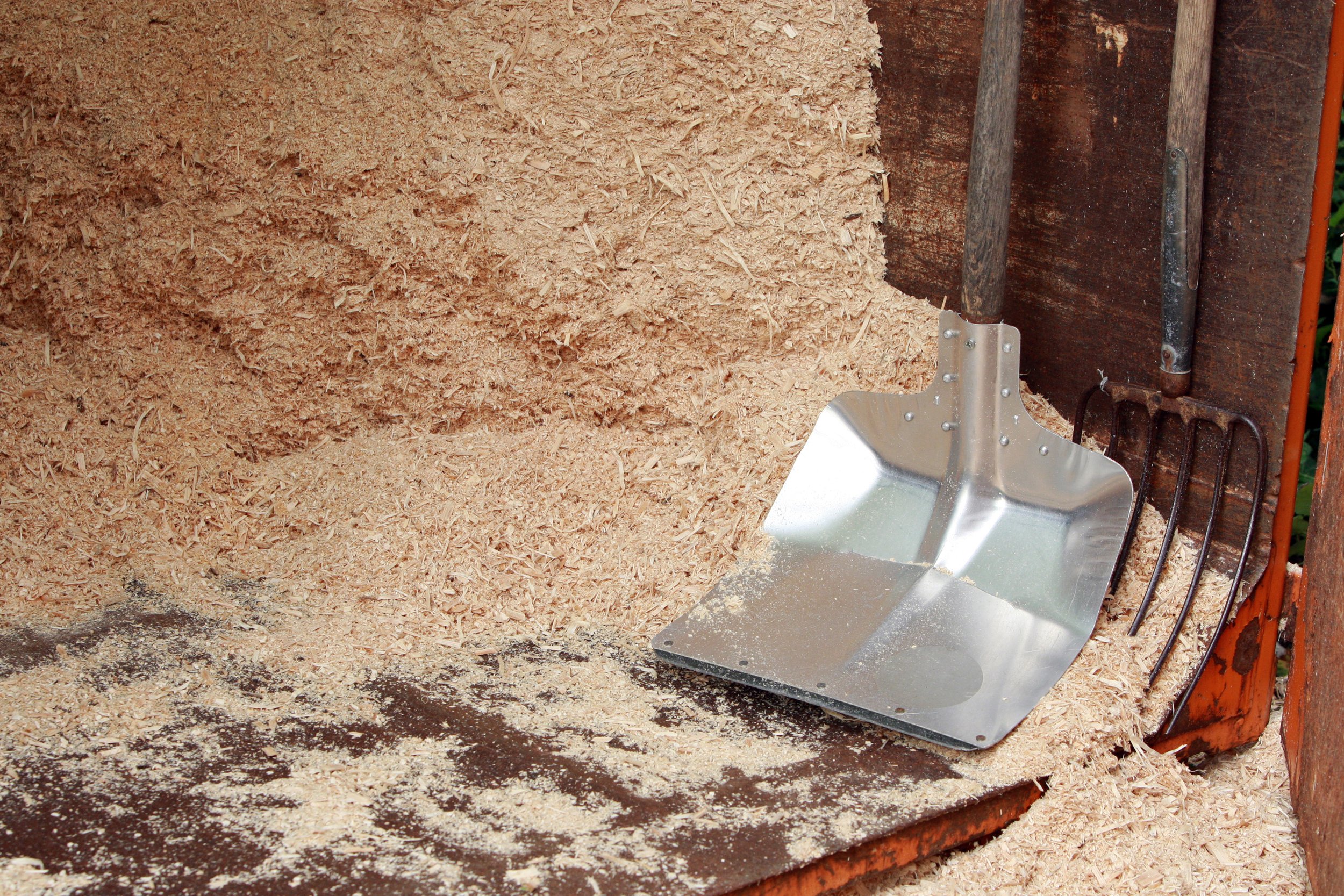
Most will recognise the impact that Climate Change is having on their everyday lives but how is Climate Change impacting on the horse racing industry, notably in the preparation of European racing surfaces? It is clear that times are changing, and racecourse officials and trainers are having to adapt.
Few topics in racing concentrate stakeholder attention as sharply as the cardiac health of the Thoroughbred athlete. Sudden death on the racecourse is rare, but its impact — on owners, trainers, regulators, and on the public's perception of the sport — is disproportionately large. Behind those visible events lies a much wider population of horses whose cardiac function during work may be signalling something, well before any catastrophic outcome.
This issue brings together two articles that look at this terrain from opposite ends.
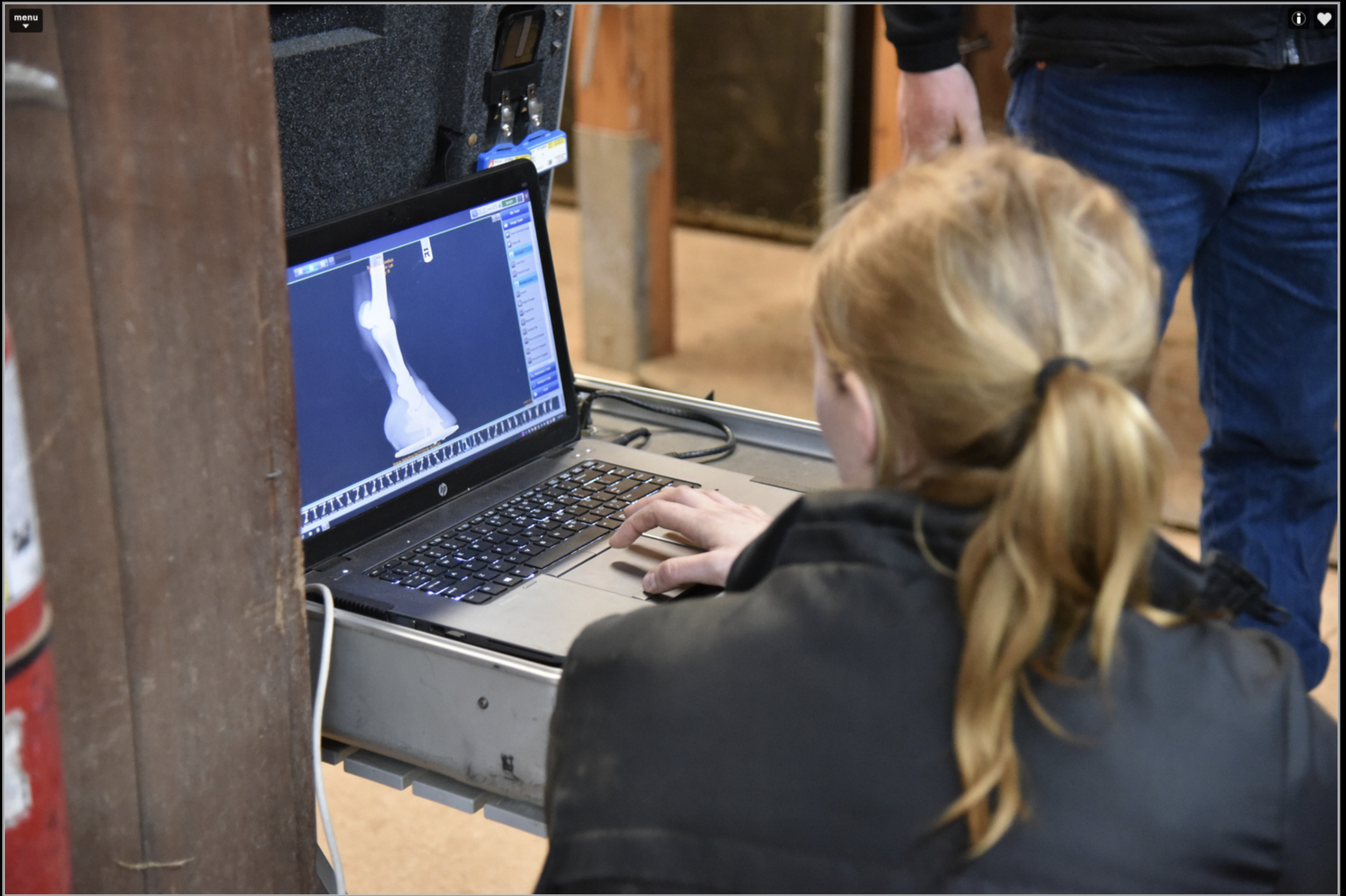
Dr Emmanuelle van Erck-Westergren addresses the prospective end of the same problem. Her recently published research uses wearable ECG technology to record cardiac rhythm during routine training in more than 70 Thoroughbreds at the Hong Kong Jockey Club. The findings show that exercise-associated arrhythmias are common, that their burden is meaningfully linked to subsequent race performance, and — crucially — that the most clinically informative window is the brief period of peak effort during a training gallop. The implication is direct: a tool now exists to identify horses whose hearts are signalling something during work, before they reach the start gate.
Dr Celia Marr reports on the work of the International Federation of Horseracing Authorities' Fatality Taskforce and its dedicated group on exercise-associated sudden death. Her article sets out what is now understood about the pathology of EASD — the role of fatal pulmonary haemorrhage, the difficulty of attributing causes even with detailed post-mortem data, and the urgent need for higher and more consistent necropsy standards across jurisdictions. It is a forensic argument: better data after the fact, leading to better understanding and, in time, better prevention.
Read together, the two articles describe the same problem at different points in time: one looking back from the necropsy table, the other looking forward from the morning gallop. Both make the case that cardiac welfare in the racing Thoroughbred is now a domain in which active, evidence-based intervention is increasingly possible — and increasingly expected.
Although these statistics show EASD is a rare event, it is essential that racing faces the challenge of reducing the death toll and, in recent years, progress towards this has been made in various jurisdictions, in part co-ordinated in part by the International Federation of Horseracing Authorities’ Fatality Taskforce. Within this group, the EASD team have focussed mainly on improving standards and availability of post-mortem examination, aiming to generate a better understanding of why EASD occurs and to support research towards this goal.
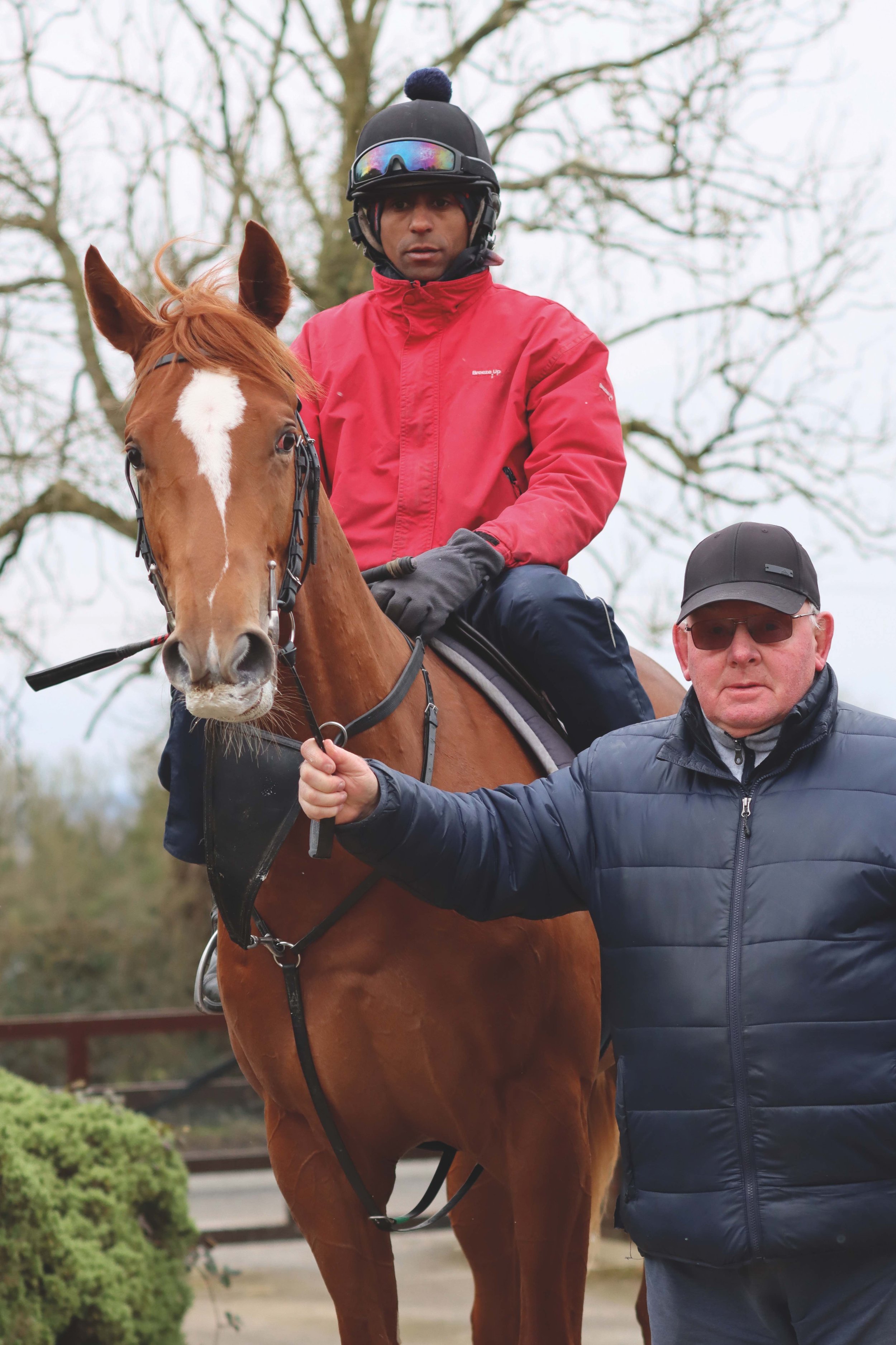
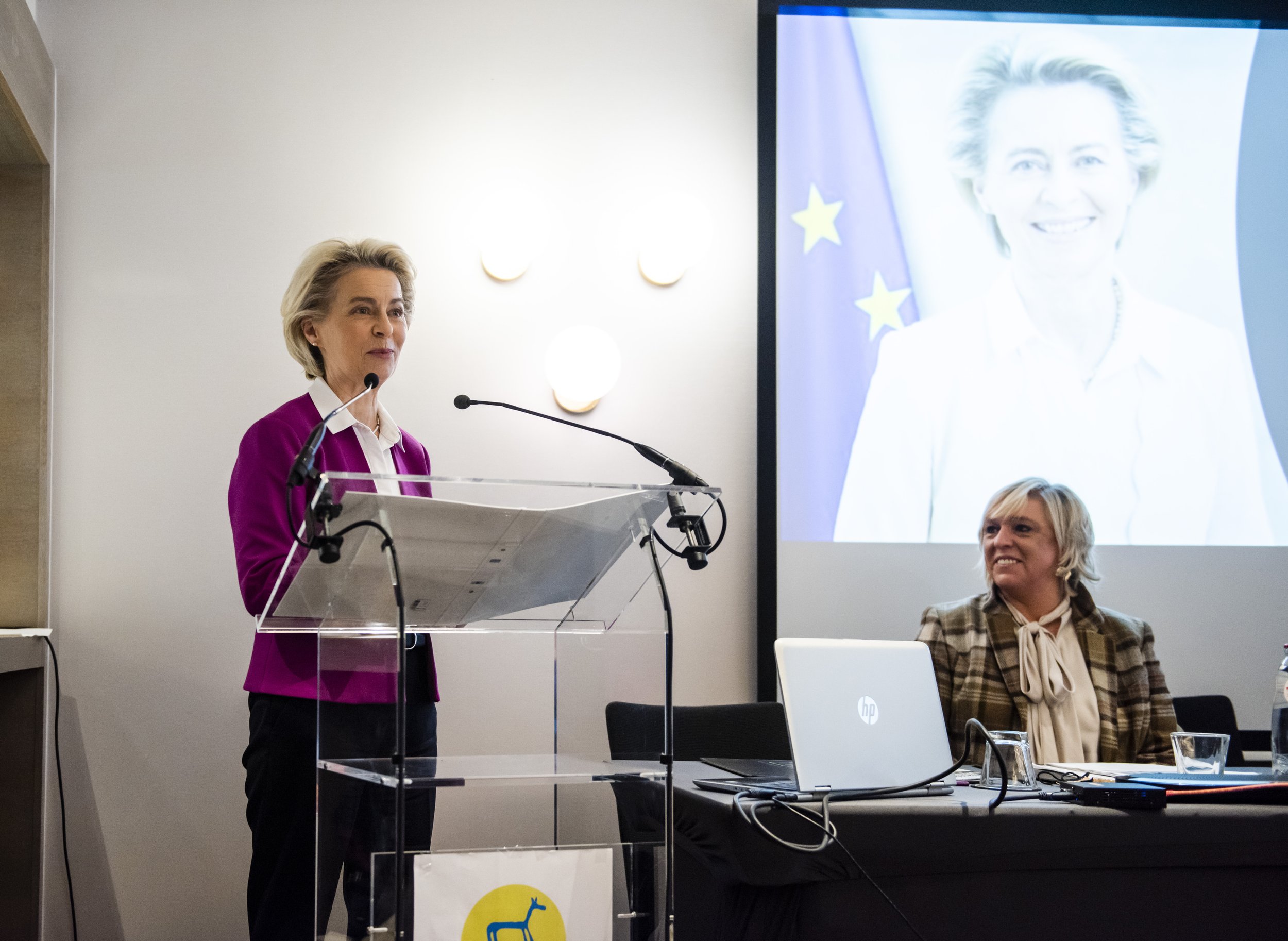
Winfried Engelbrecht-Bresges, CEO of the Hong Kong Jockey Club, John Messara, owner breeder of Arrowfield Stud and a major figure in Australian racing, French-based Group 1 winning trainer Nicolas Clement, Italian Valfredo Valiani, a former trainer turned bloodstock agent; and Damon Thayer, former Kentucky state senator and racing industry consultant, offer candid assessments of issues affecting the sport of racing. While each individual speaks from their own standpoint, the views provide food for thought for the industry on a global level.
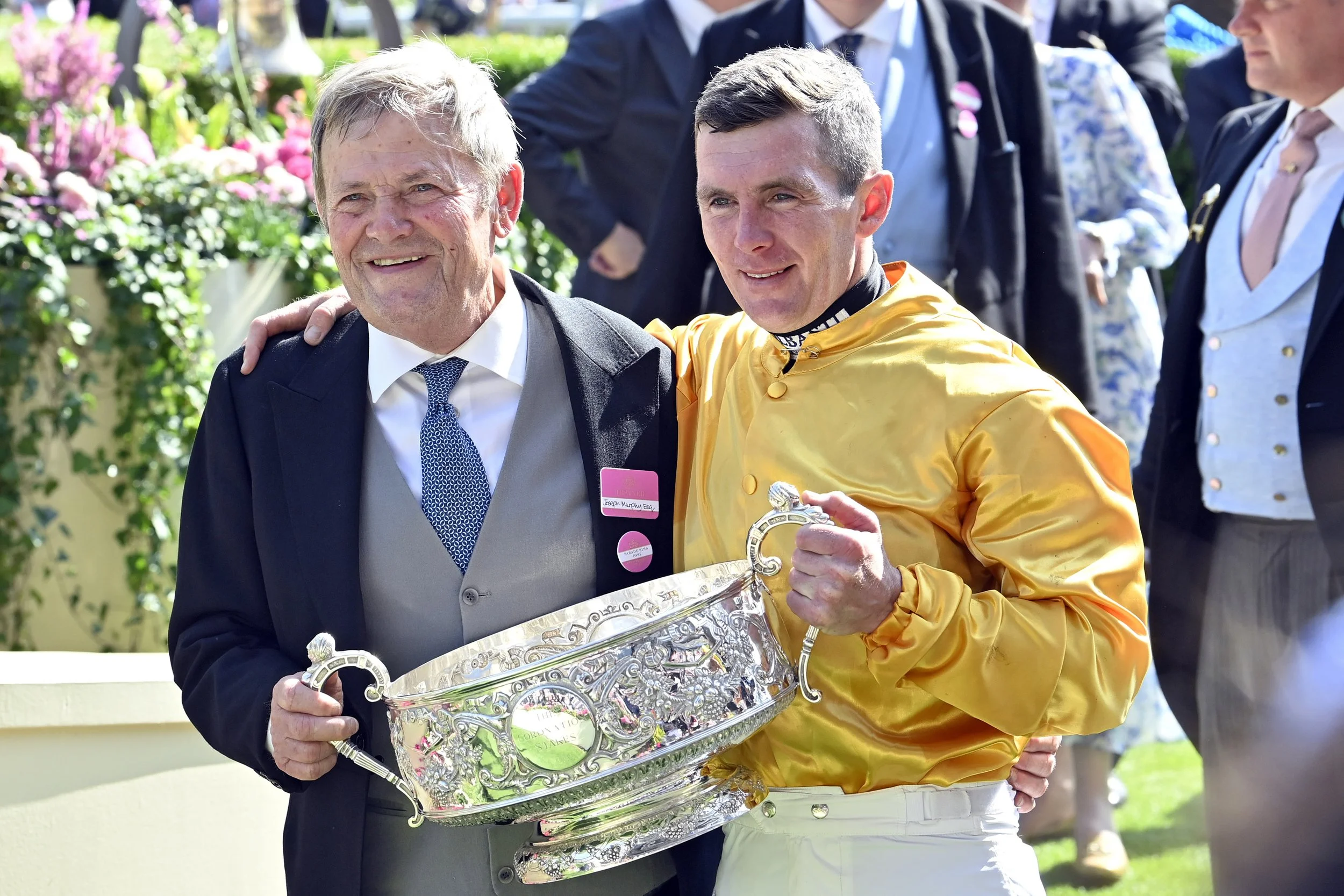
Joseph O’Brien has enjoyed remarkable contrasting successes so far this year, his hurdler Home By The Sea winning the Gr.1 Stayers Hurdle at Cheltenham back in March, the filly Thundering On landing the Gp.1 Oaks at Epsom, followed by five winners at Royal Ascot to see O’Brien challenging his father Aidan for the meeting’s coveted Leading Trainer award. At time of going to press the Irish Derby has yet to be run, but there is a strong chance James J Braddock has capped a month to remember for the Carriganóg team.
April - June 2026 - issue 93
Contents in this issue include:
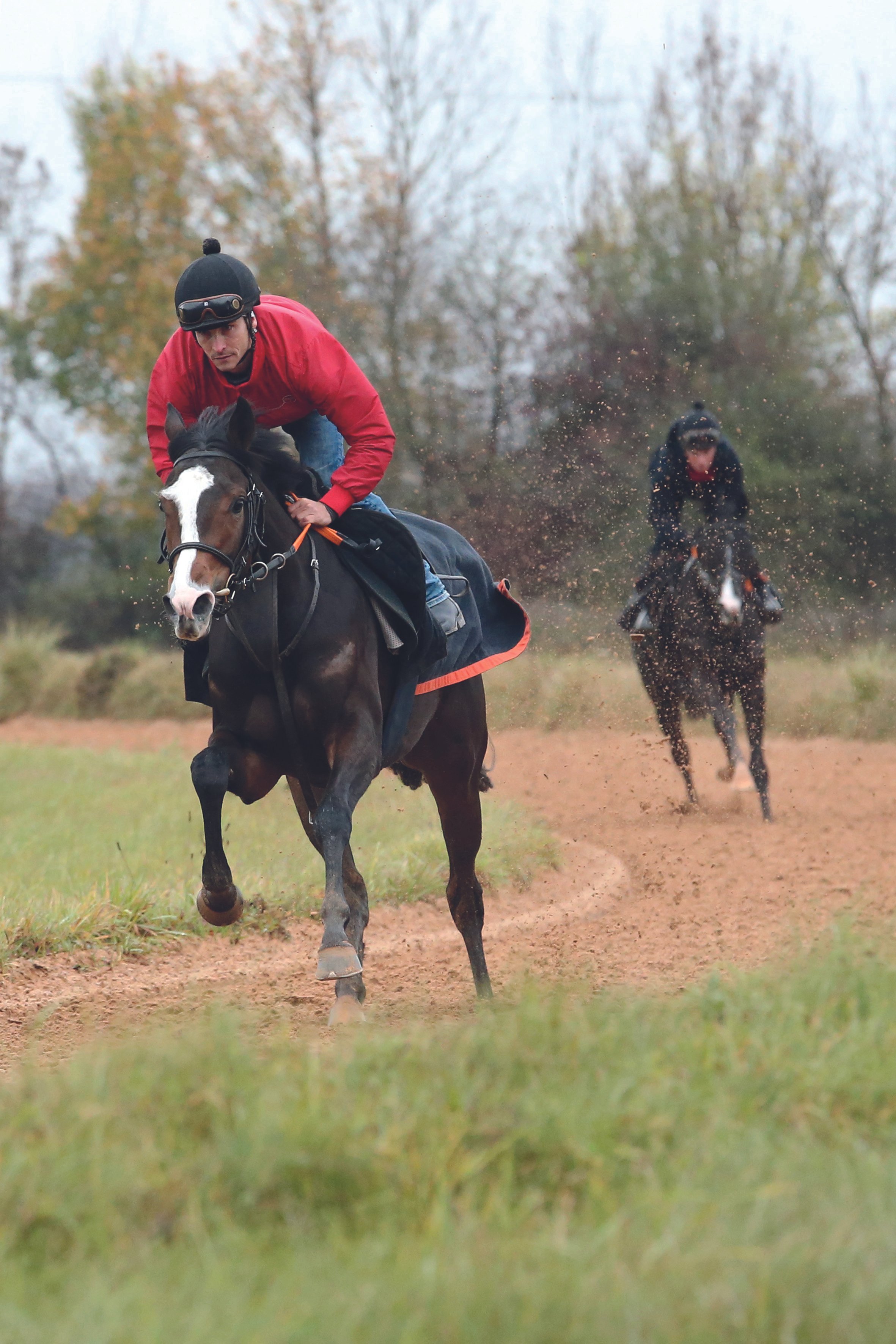
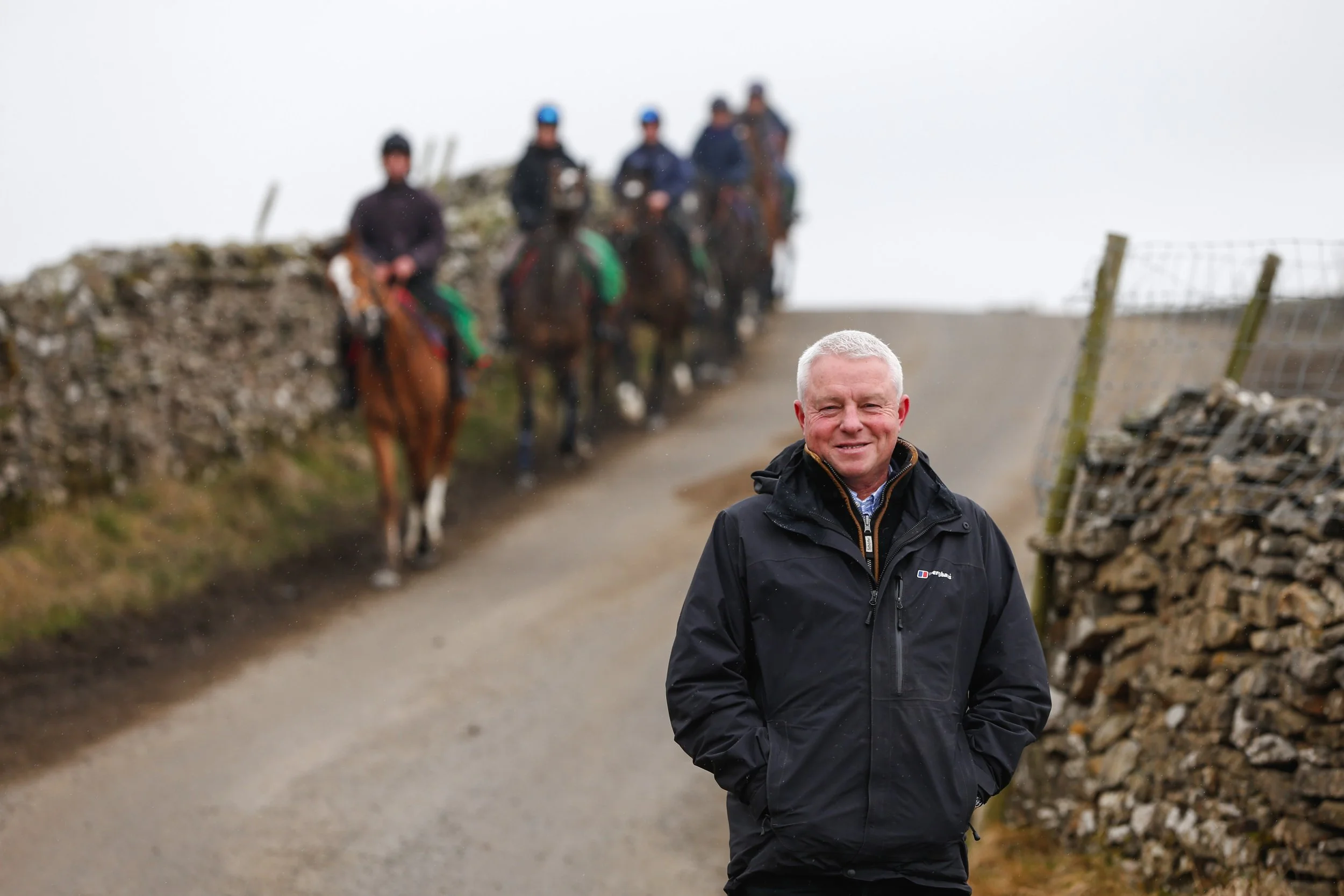
"Hasn't everyone seen and heard enough of me recently?" After a headline season which saw him set a new record for the number of Group 1 winners in a year by a French handler and a first title in the national trainers' championship, the 48-year-old is aware that the name "Graffard" has been among the most cited in the racing press over the past 12 months.
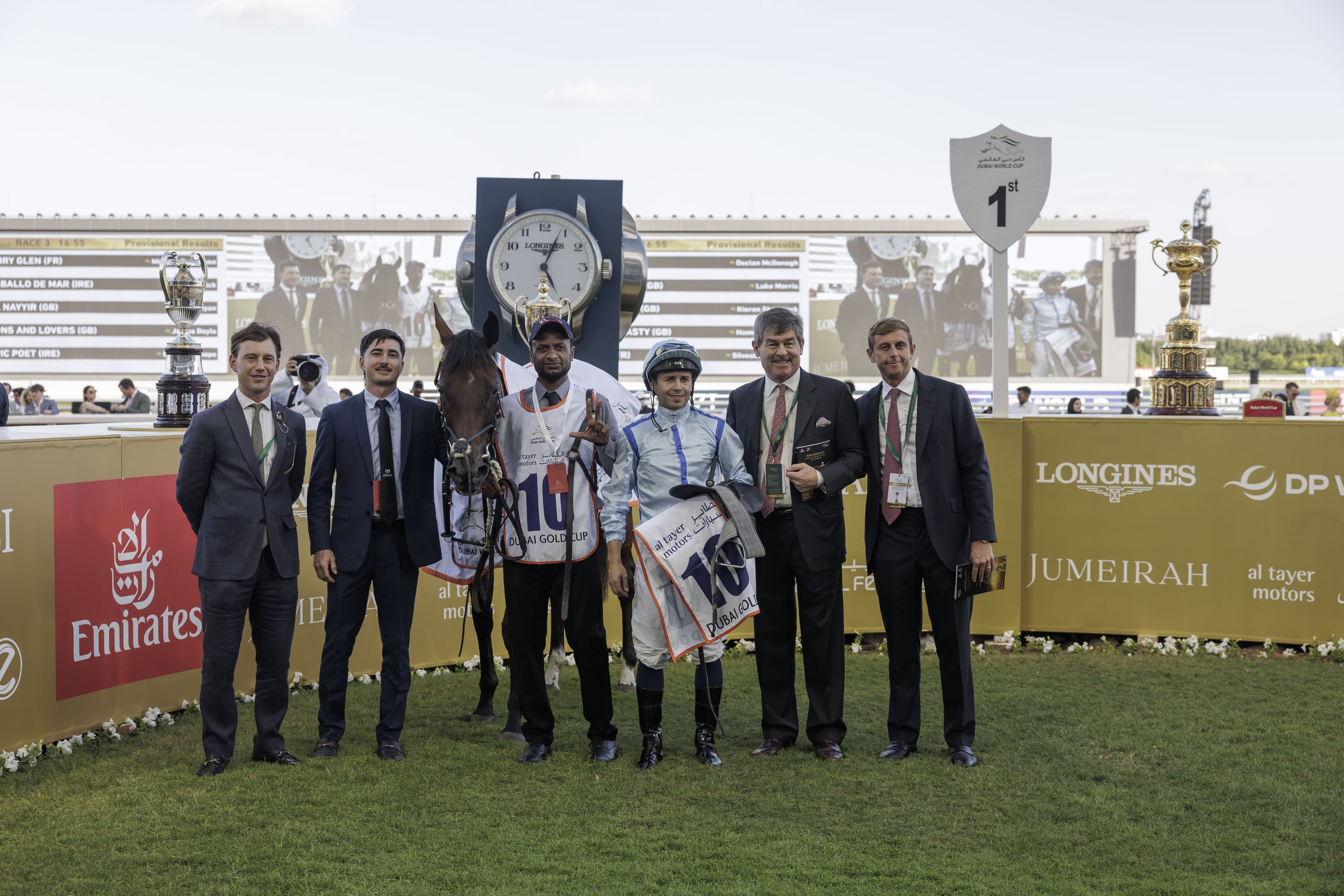
In May 2020 Ed and his father Simon Crisford became the first trainers in Britain to be granted a joint licence. Now, thanks to an excellent winter in Dubai culminating with a win in the Gp.2 Dubai Gold Cup, they become our first joint Trainers of the Quarter.
Their six runners on Dubai World Cup night earned €3.4m (£2.97m), doubling their British earnings gained in a highly successful 2025 campaign.
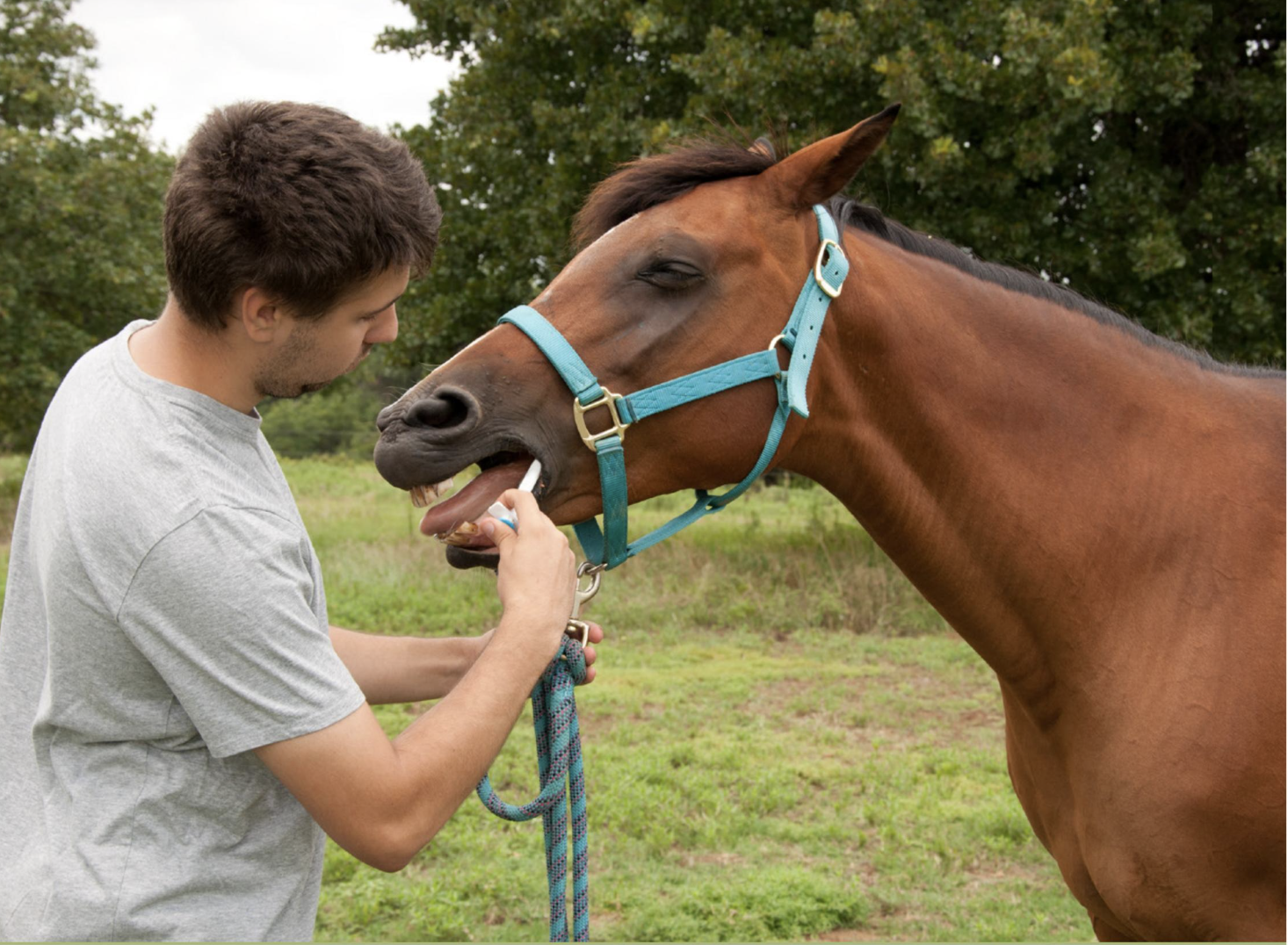
With wormer resistance increasing and no new products expected soon, targeted parasite control is now essential for all horses.
This approach combines risk assessment, diagnostic testing, and paddock management to reduce infection levels and ensure only those horses that need treatment are wormed. This article outlines practical strategies for sustainable worm control in horses in training.
As costs escalate in all spheres and prize money lags far off the pace, many trainers are finding times extremely tough. We spoke to three professionals—Jedd O’Keeffe (Britain), David Marnane (Ireland), and Didier Prod’homme (France)—to discuss how they have adapted their businesses to the current economic climate.
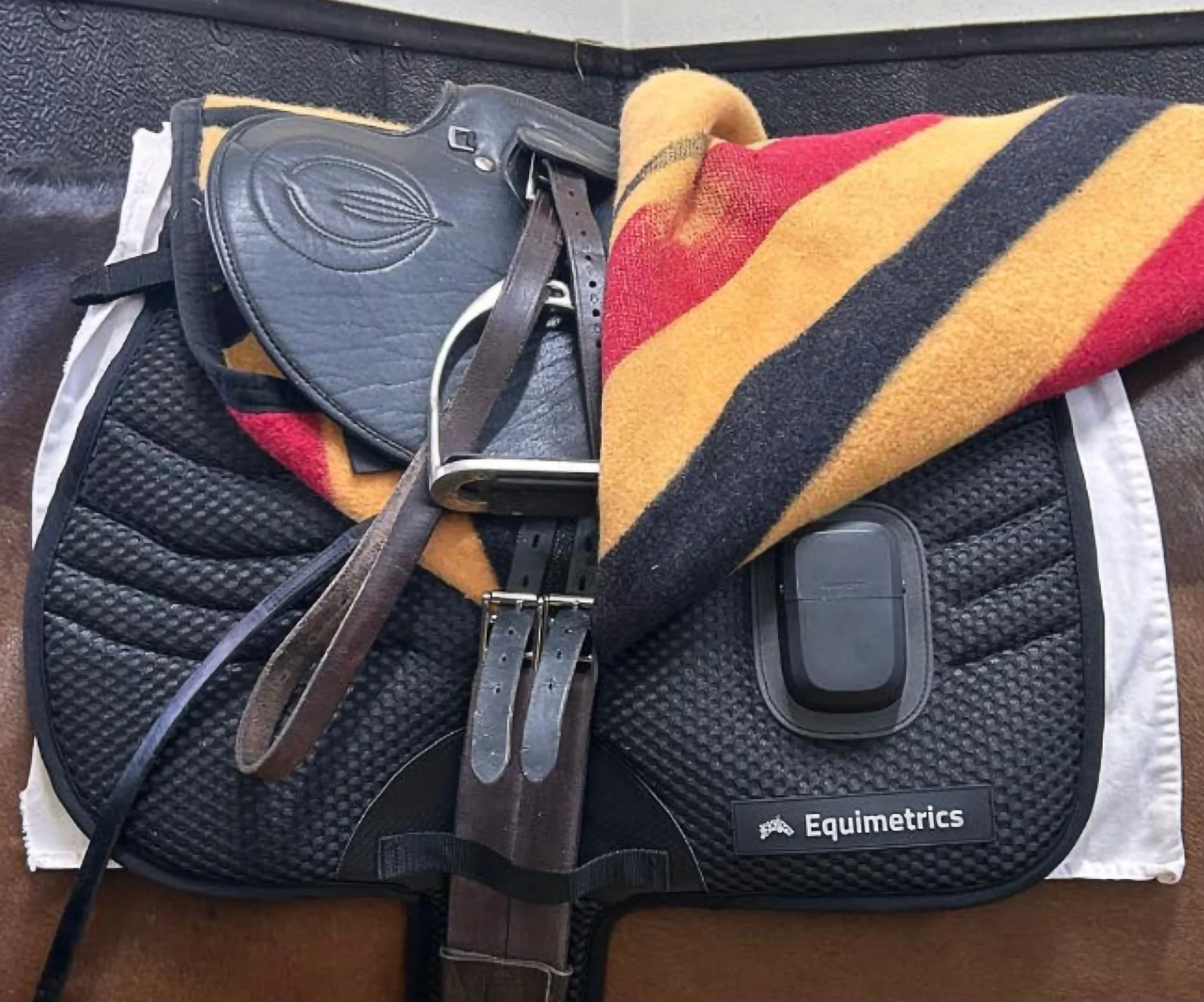
Harnessing Tech to Enhance Equine Safety and Performance.
In May 2025, Britain became the first horseracing jurisdiction to permit the use of equine heart monitors on the racecourse as part of a pilot scheme to test technology under race conditions.
The appeal of sporting events now extends beyond competition. Audiences have evolved, expecting experiences that combine sport with atmosphere, engagement, and involvement. This shift has prompted organisers to create more immersive environments. Racecourses are no exception. As Laurent Dupont, Commercial and Marketing Director of France Galop, notes, "we cannot propose only horses nowadays... people, when they buy a ticket, want more, they want to be surprised and have a wonderful day". To stay relevant, racecourses must modernise their offerings and craft experiences that are dynamic, intriguing, and aligned with contemporary audiences.
Roaring in horses is not just a loud, rasping noise made during exercise; it is a disorder of the upper airway that restricts airflow and can limit performance in large breeds such as Thoroughbreds, Standardbreds and warmbloods.
Ontario Veterinary College Associate Professor of Large Animal Surgery, Taralyn McCarrel, is seeking to develop a surgical procedure that could revolutionise treatment following tie-back surgery, offering new hope for affected horses.
Artificial intelligence is steadily finding its place within the horse racing world, with its ability to process vast datasets and identify patterns invisible to the human eye. Could these same technologies extend into one of the sport's most nuanced and debated areas: handicap ratings?
Subscription Options:
4x issue print subscription
£26.95 every 12 months (ex p&p)
4 x print issue subscription to European Trainer.
SUBSCRIPTION STARTS WITH THE JULY TO SEPTEMBER ISSUE 2026
Order this issue in print
£8.95 (ex p&p) CLICK HERE TO ORDER
Download this issue
£5.95 - CLICK HERE TO ORDER
January - March 2026 - issue 92
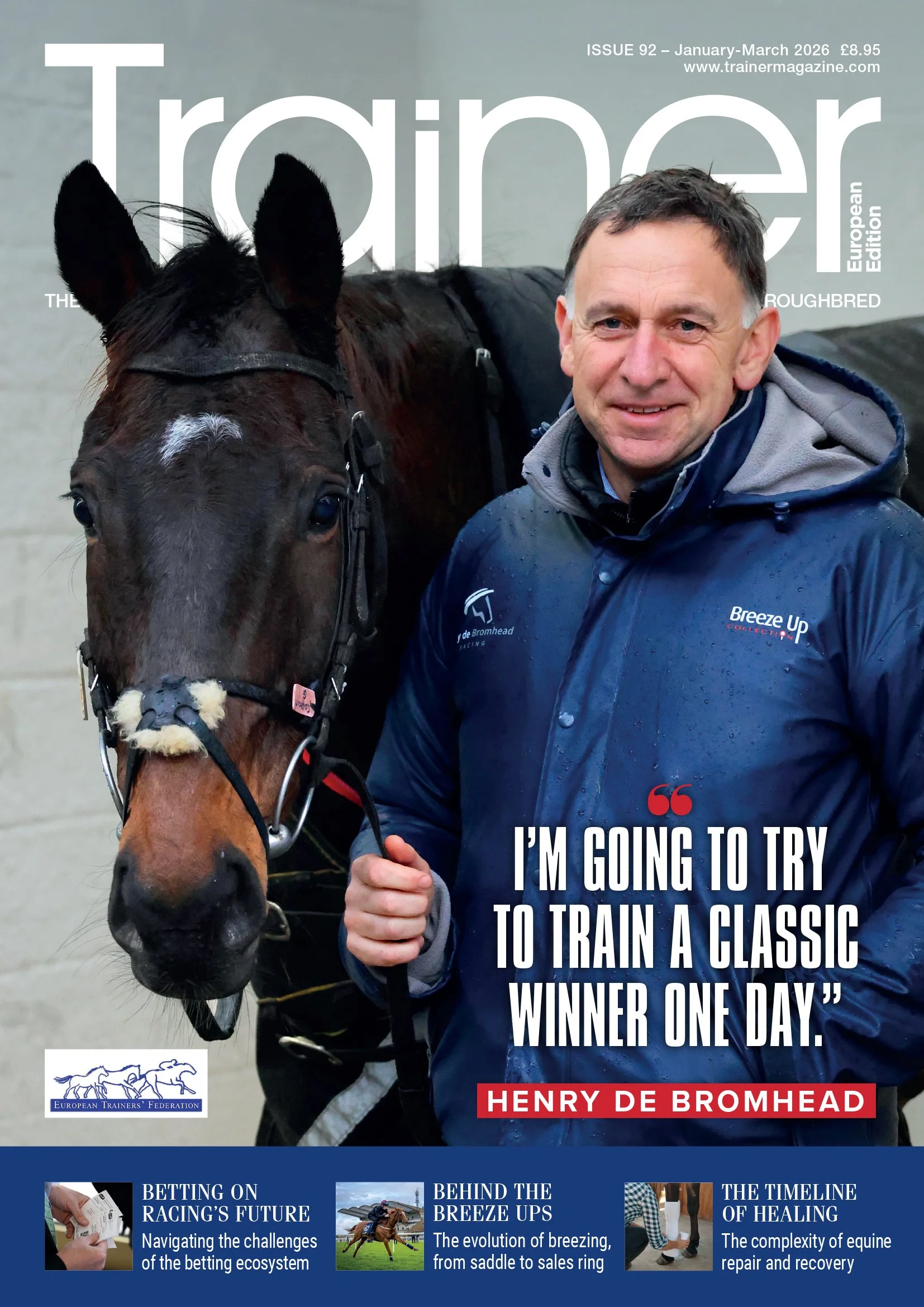
trainermagazine/member subscribers click on the cover to read this issue
Contents in this issue include:
Order this issue:
PRINT FORMAT @ £8.95
DOWNLOAD PDF FORMAT @ £5.95
October - December 2025 - issue 91
trainermagazine/member subscribers click on the cover to read this issue
Order this issue:
PRINT FORMAT @ £8.95
CLICK HERE TO ORDER
DOWNLOAD PDF FORMAT @ £5.95
CLICK HERE TO ORDER
Contents in this issue include:
July - September 2025 - issue 90
trainermagazine/member subscribers click on the cover to read this issue
Order this issue:
PRINT FORMAT @ £8.95
CLICK HERE TO ORDER
DOWNLOAD PDF FORMAT @ £5.95
CLICK HERE TO ORDER
Contents in this issue include:
April - June 2025 - issue 89
trainermagazine/member subscribers click on the cover to read this issue
Order this issue:
PRINT FORMAT @ £8.95
CLICK HERE TO ORDER
DOWNLOAD PDF FORMAT @ £5.95
CLICK HERE TO ORDER
Contents in this issue include:
January - March 2025 - issue 88
trainermagazine/member subscribers click on the cover to read this issue
Order this issue:
PRINT FORMAT @ £8.95
CLICK HERE TO ORDER
DOWNLOAD PDF FORMAT @ £5.95
CLICK HERE TO ORDER
Contents in this issue include:
October - December 2024 - issue 87
trainermagazine/member subscribers click on the cover to read this issue
Order this issue:
PRINT FORMAT @ £8.95
CLICK HERE TO ORDER
DOWNLOAD PDF FORMAT @ £5.95
CLICK HERE TO ORDER
Contents in this issue include:
July - September 2024 - issue 86
trainermagazine/member subscribers click on the cover to read this issue
Order this issue:
PRINT FORMAT @ £8.95
CLICK HERE TO ORDER
DOWNLOAD PDF FORMAT @ £5.95
CLICK HERE TO ORDER
Contents in this issue include:
April - June 2024 - issue 85
trainermagazine/member subscribers click on the cover to read this issue
Order this issue:
PRINT FORMAT @ £8.95
CLICK HERE TO ORDER
DOWNLOAD PDF FORMAT @ £5.95
CLICK HERE TO ORDER
Contents in this issue include:
January - March 2024 - issue 84
trainermagazine/member subscribers click on the cover to read this issue
Order this issue:
PRINT FORMAT @ £8.95
CLICK HERE TO ORDER
DOWNLOAD PDF FORMAT @ £5.95
CLICK HERE TO ORDER
Contents in this issue include:
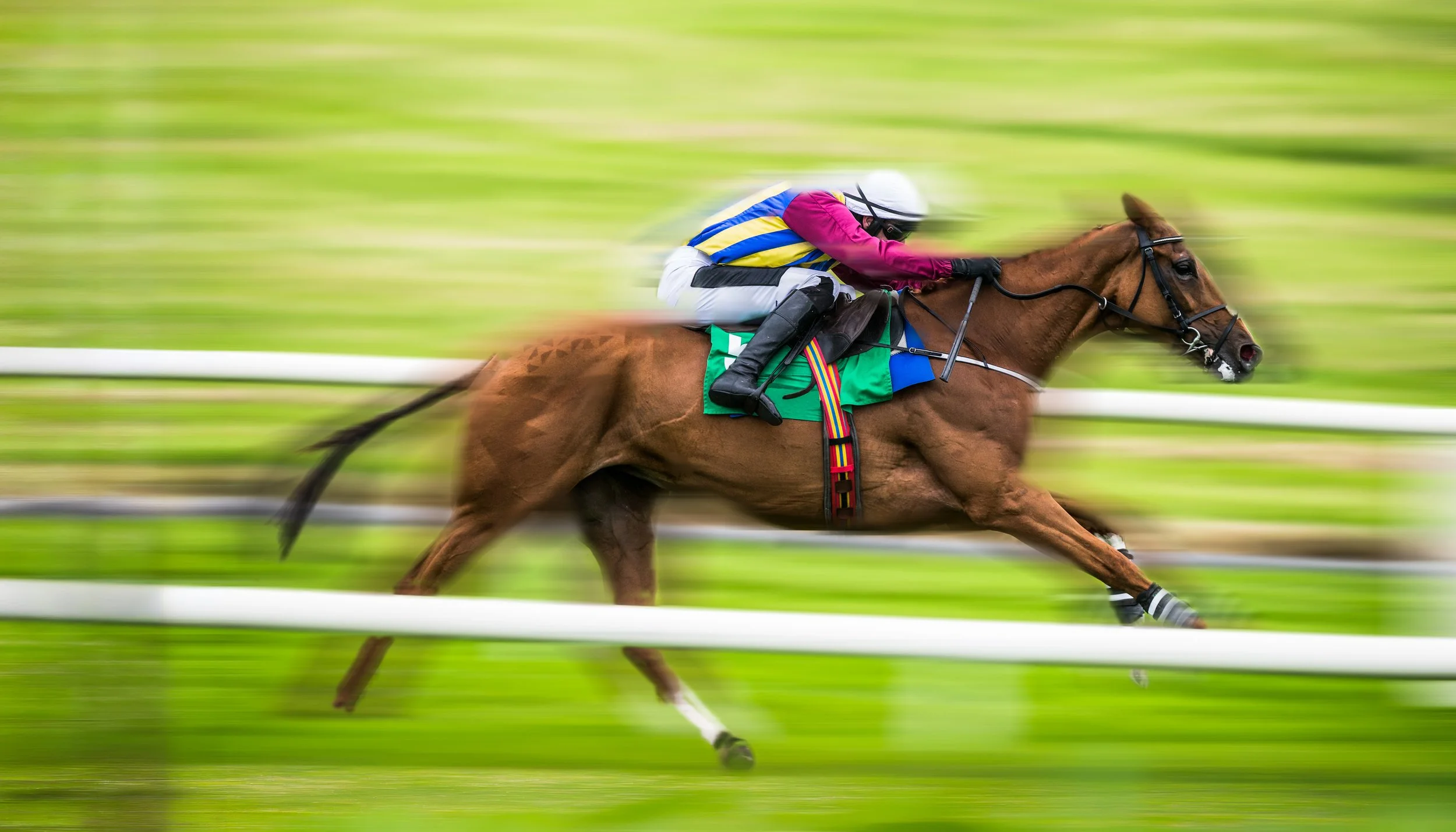
October - December 2023 - issue 83
trainermagazine/member subscribers click on the cover to read this issue
Order this issue:
PRINT FORMAT @ £8.95
CLICK HERE TO ORDER
DOWNLOAD PDF FORMAT @ £5.95
CLICK HERE TO ORDER
Contents in this issue include:
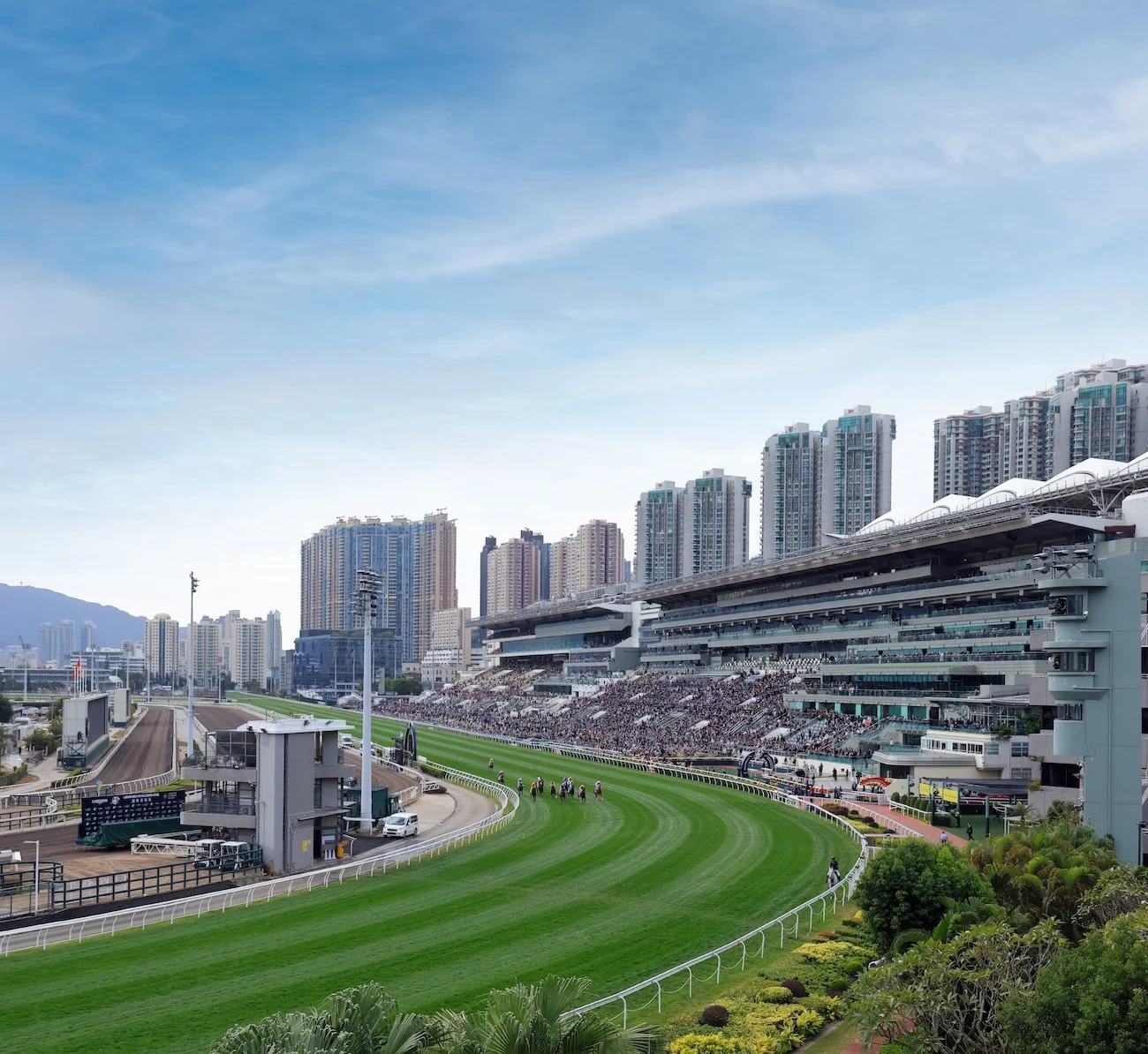
July - September 2023 - issue 82
trainermagazine/member subscribers click on the cover to read this issue
Order this issue:
PRINT FORMAT @ £8.95
CLICK HERE TO ORDER
DOWNLOAD PDF FORMAT @ £5.95
CLICK HERE TO ORDER
Contents in this issue include:
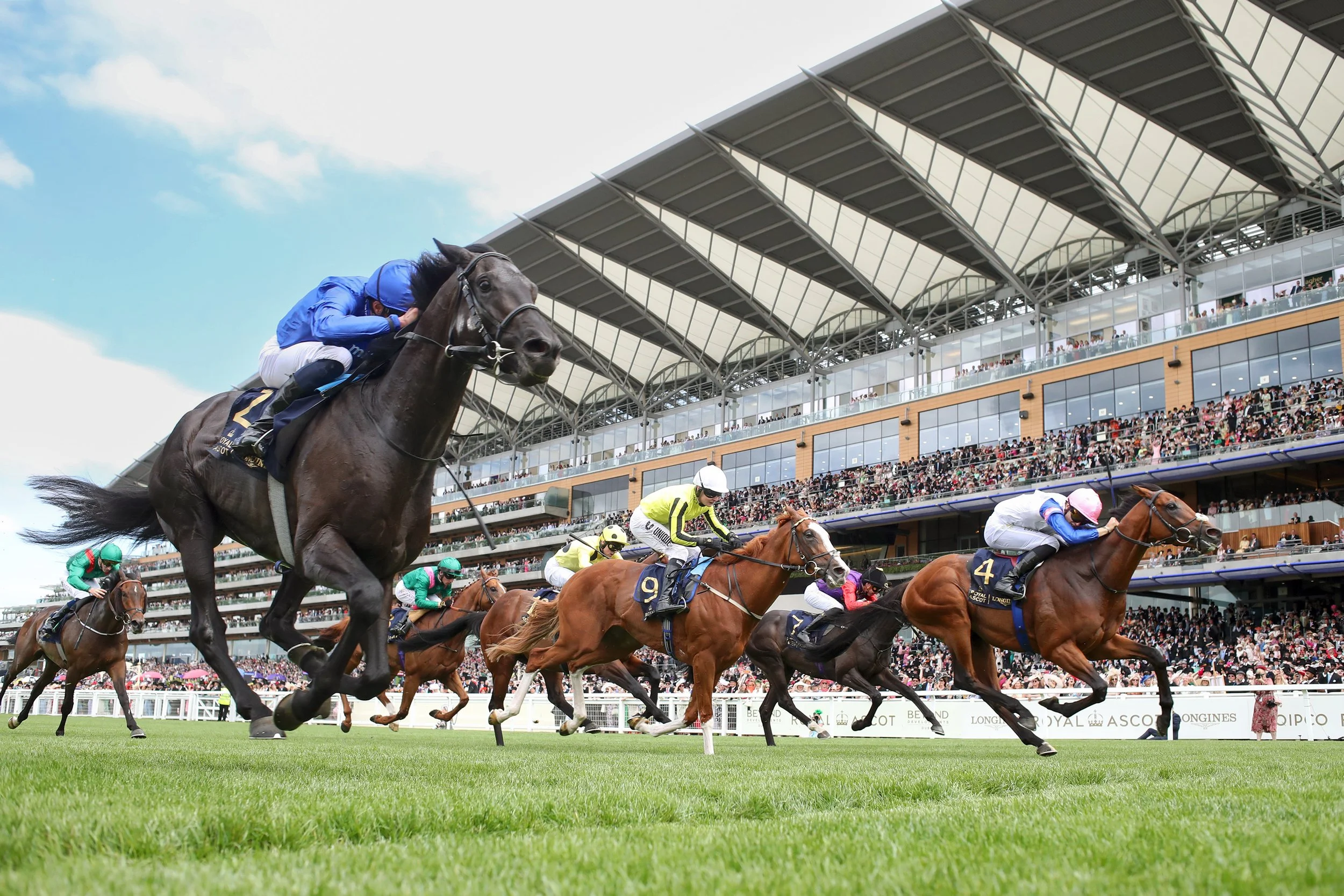
April - June 2023 - issue 81
trainermagazine/member subscribers click on the cover to read this issue
Order this issue:
PRINT FORMAT @ £8.95
CLICK HERE TO ORDER
DOWNLOAD PDF FORMAT @ £5.95
CLICK HERE TO ORDER
Contents in this issue include:
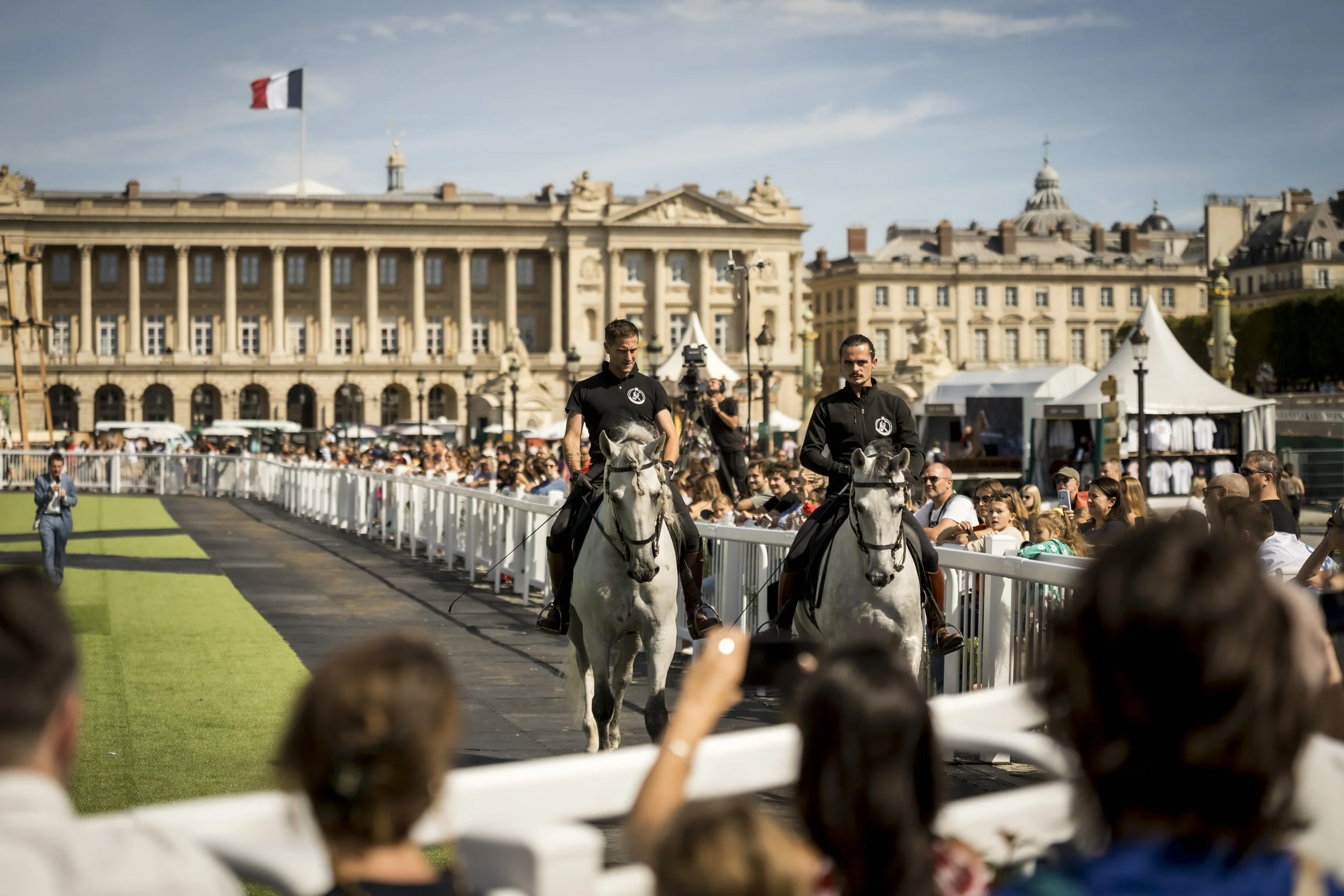
January - March 2023 - issue 80
trainermagazine/member subscribers click on the cover to read this issue
Order this issue:
PRINT FORMAT @ £8.95
CLICK HERE TO ORDER
DOWNLOAD PDF FORMAT @ £5.95
CLICK HERE TO ORDER
Contents in this issue include:
October - December 2022 - issue 79
trainermagazine/member subscribers click on the cover to read this issue
Order this issue:
PRINT FORMAT @ £8.95
CLICK HERE TO ORDER
DOWNLOAD PDF FORMAT @ £5.95
CLICK HERE TO ORDER
Contents in this issue include:
July - September 2022 - issue 78
trainermagazine/member subscribers click on the cover to read this issue
Order this issue:
PRINT FORMAT @ £8.95
CLICK HERE TO ORDER
DOWNLOAD PDF FORMAT @ £5.95
CLICK HERE TO ORDER
Contents in this issue include:

April - June 2022 - issue 77
trainermagazine/member subscribers click on the cover to read this issue
Order this issue:
PRINT FORMAT @ £8.95
CLICK HERE TO ORDER
DOWNLOAD PDF FORMAT @ £5.95
CLICK HERE TO ORDER
Contents in this issue include:

January - March 2022 - issue 76
trainermagazine/member subscribers click on the cover to read this issue
Order this issue:
PRINT FORMAT @ £8.95
CLICK HERE TO ORDER
DOWNLOAD PDF FORMAT @ £5.95
CLICK HERE TO ORDER
Contents in this issue include:
October - December 2021 - issue 75
trainermagazine/member subscribers click on the cover to read this issue