January - March 2026 - issue 92
Subscription Options:
Print / Online subscription
£26.95 every 12 months
4 x print issue subscription to European Trainer. Access to all digital back issues of both European & North American editions.
SUBSCRIPTION STARTS WITH THE APRIL TO JUNE ISSUE 2026
Order the printed issue
£8.95
Download the digital issue
£5.95
Contents in this issue include:
Cavalor Trainer of the Quarter
Francis-Henri Graffard is our Cavalor Trainer of the Quarter - having enjoyed an amazing season, capped with victories in both the Prix de l’Arc de Triomphe and the Japan Cup.
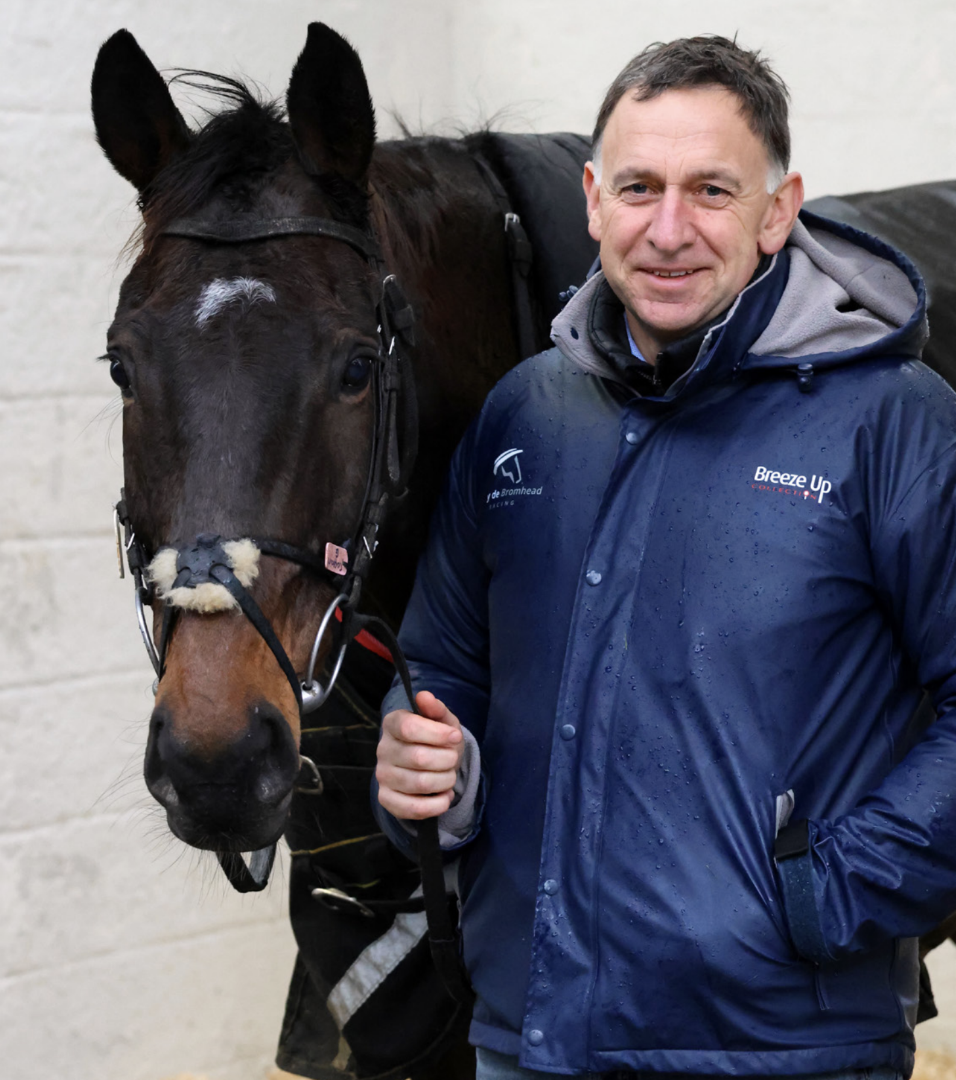
The de Bromhead method
Daragh Ó Conchúir profiles Henry de Bromhead - we learn about his training philosophy, performance strategy, ambitions and his views on betting.
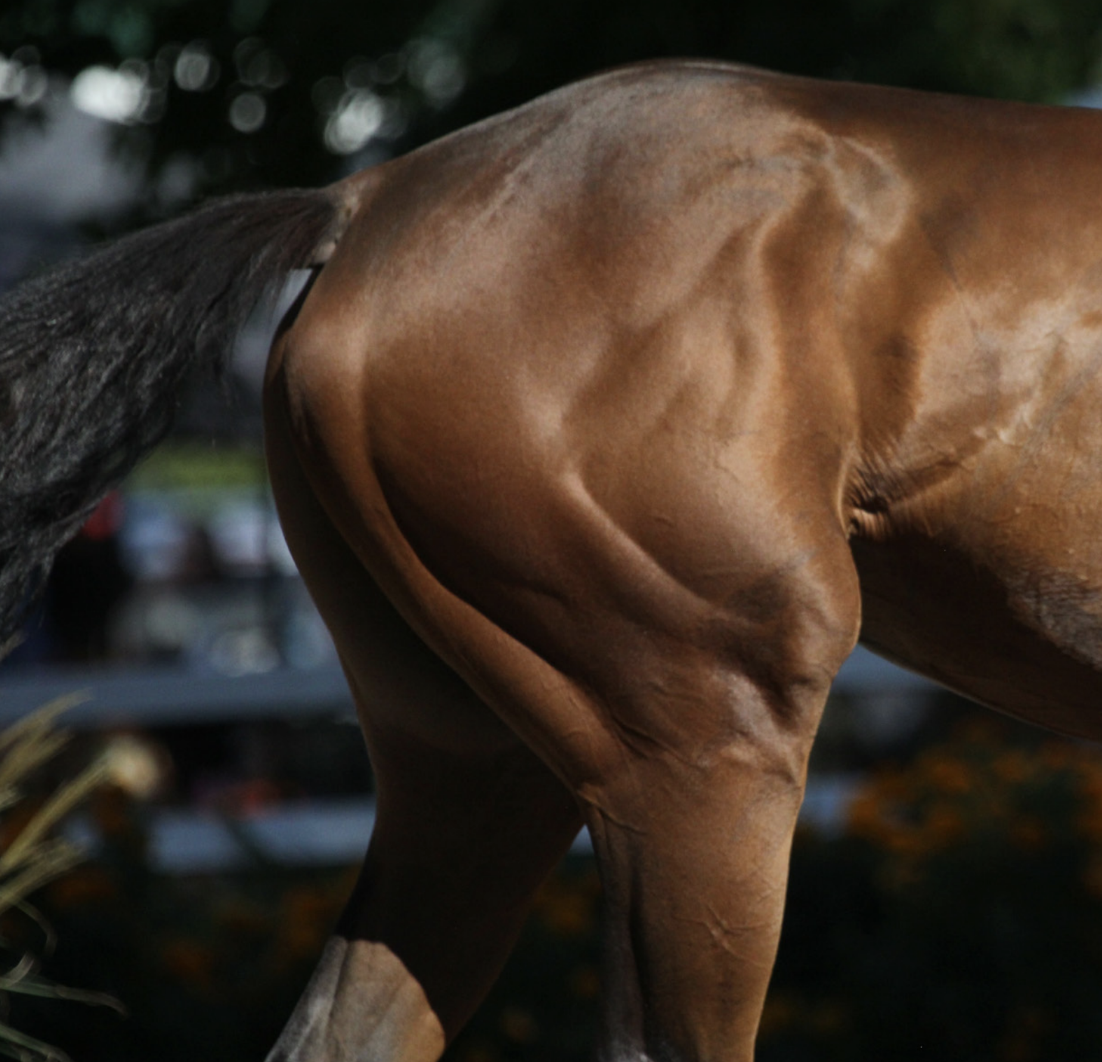
Muscle matters
Caroline Loos explains how protein quality, amino acid balance and feeding timing influence muscle development, recovery and performance.
Biosecurity - beyond the barn
Jackie Zions helps us understand how improved biosecurity and air-quality management can help reduce respiratory stress in horses.
From growth to performance
Åsa Beckman considers how musculoskeletal and neural development shape the transition from yearling to two-year-old.
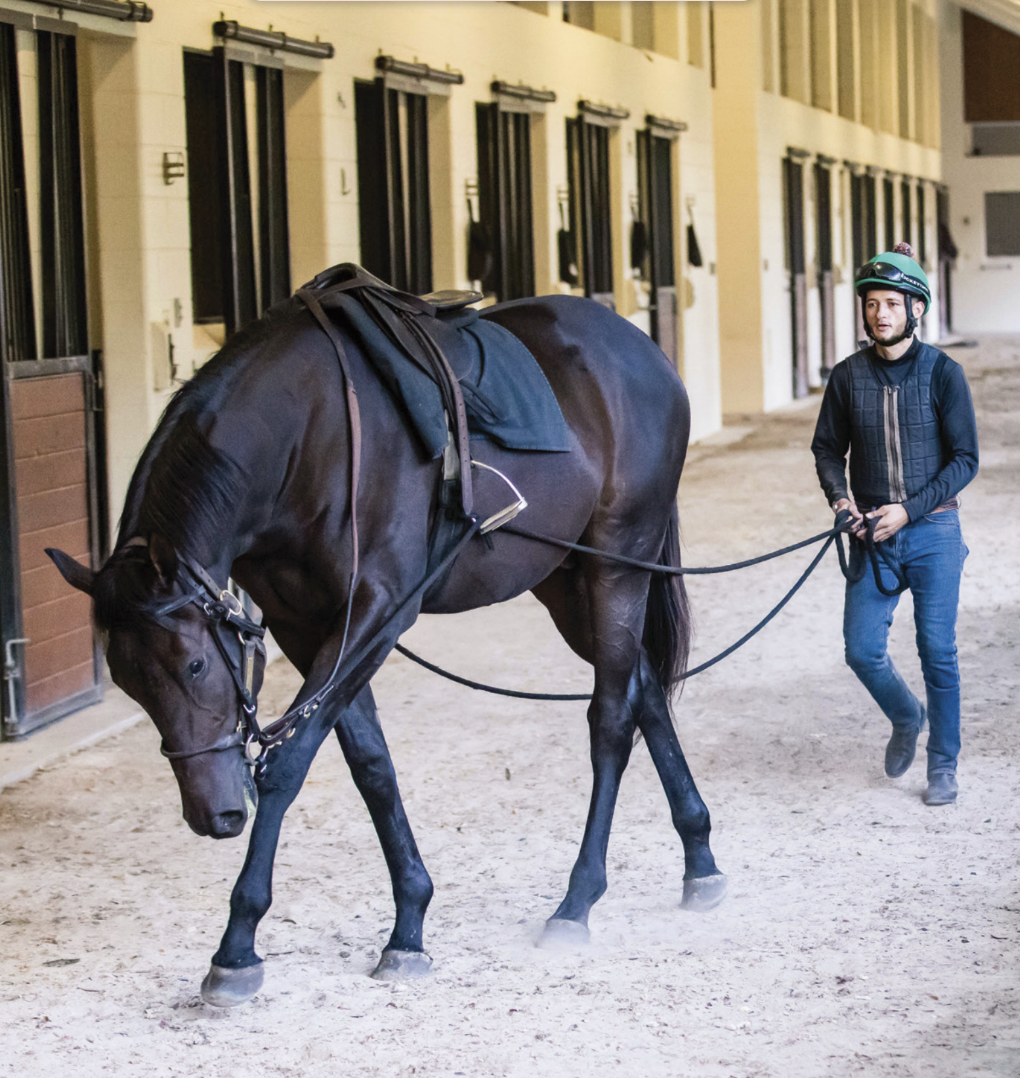
Behind the breeze ups
Virginia Lisco explores the evolution of the breeze up sales and talks to consignors and riders about preparing horses for sale.
Have horse will travel
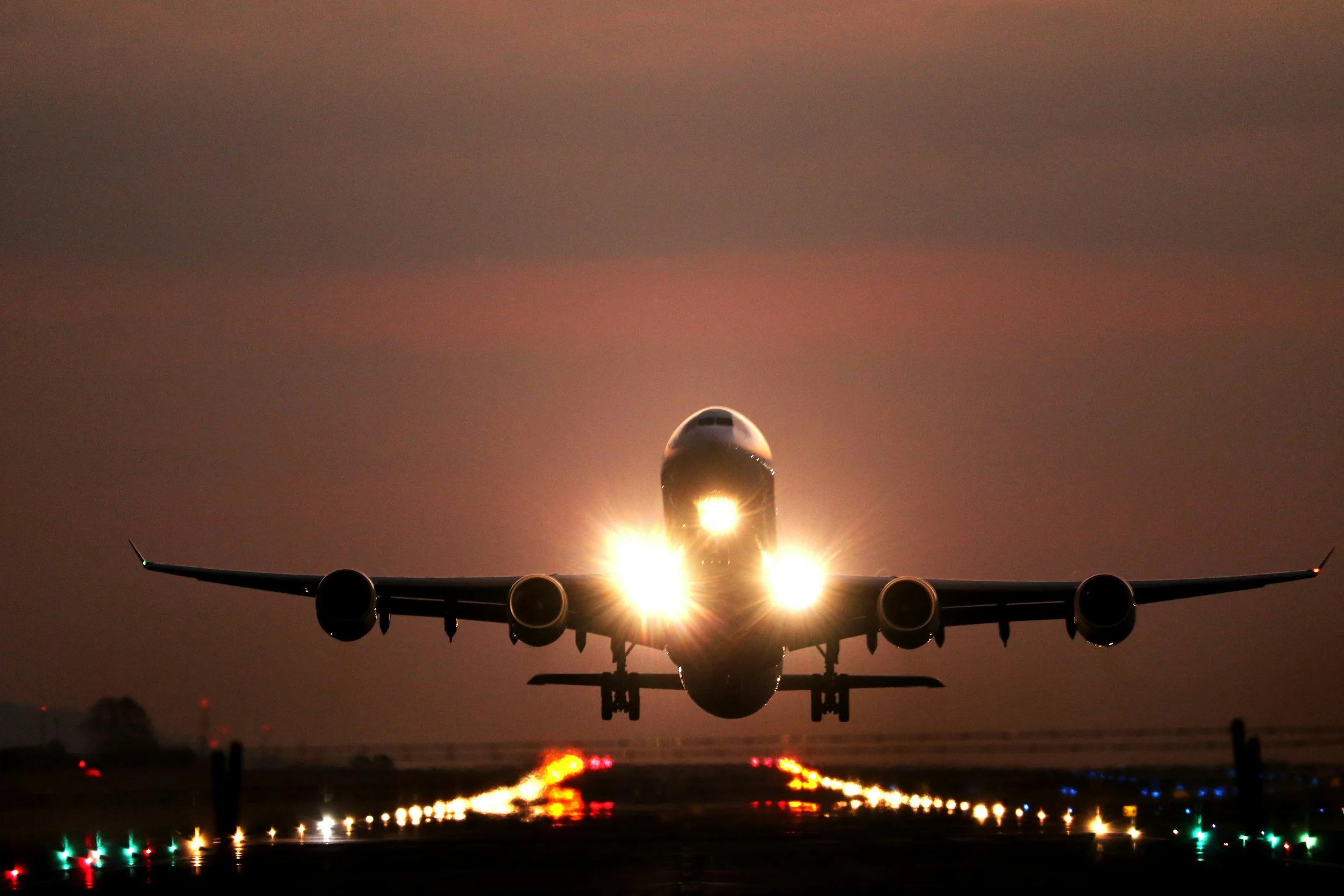
Lissa Oliver looks at the key fixtures trainers should target - in this quarter we focus on races that close for entries / run in between January and March.
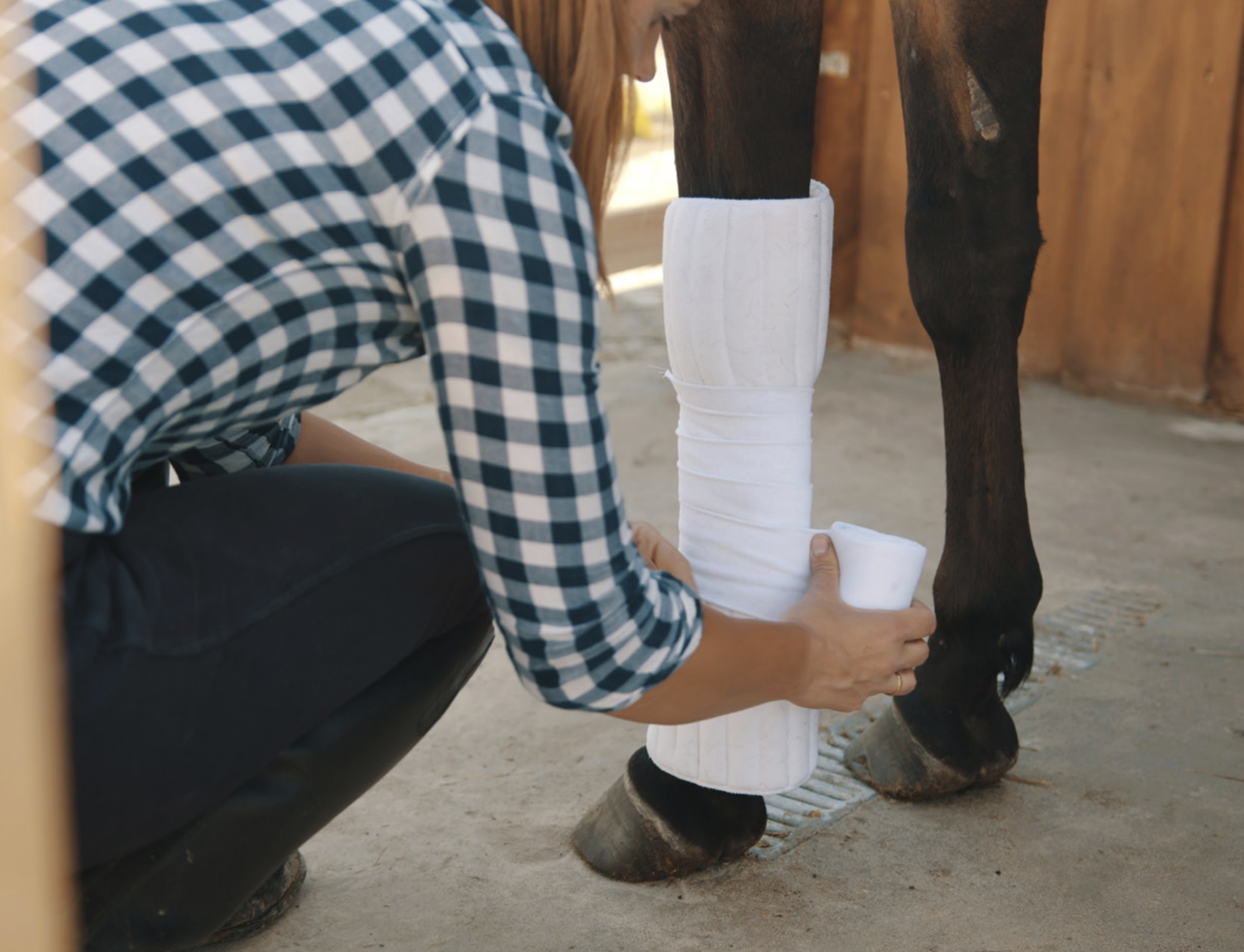
The hidden time of healing
Laura Steley examines why healing in the Thoroughbred is far slower, deeper and more complex than it appears on the surface.
Racing tourism
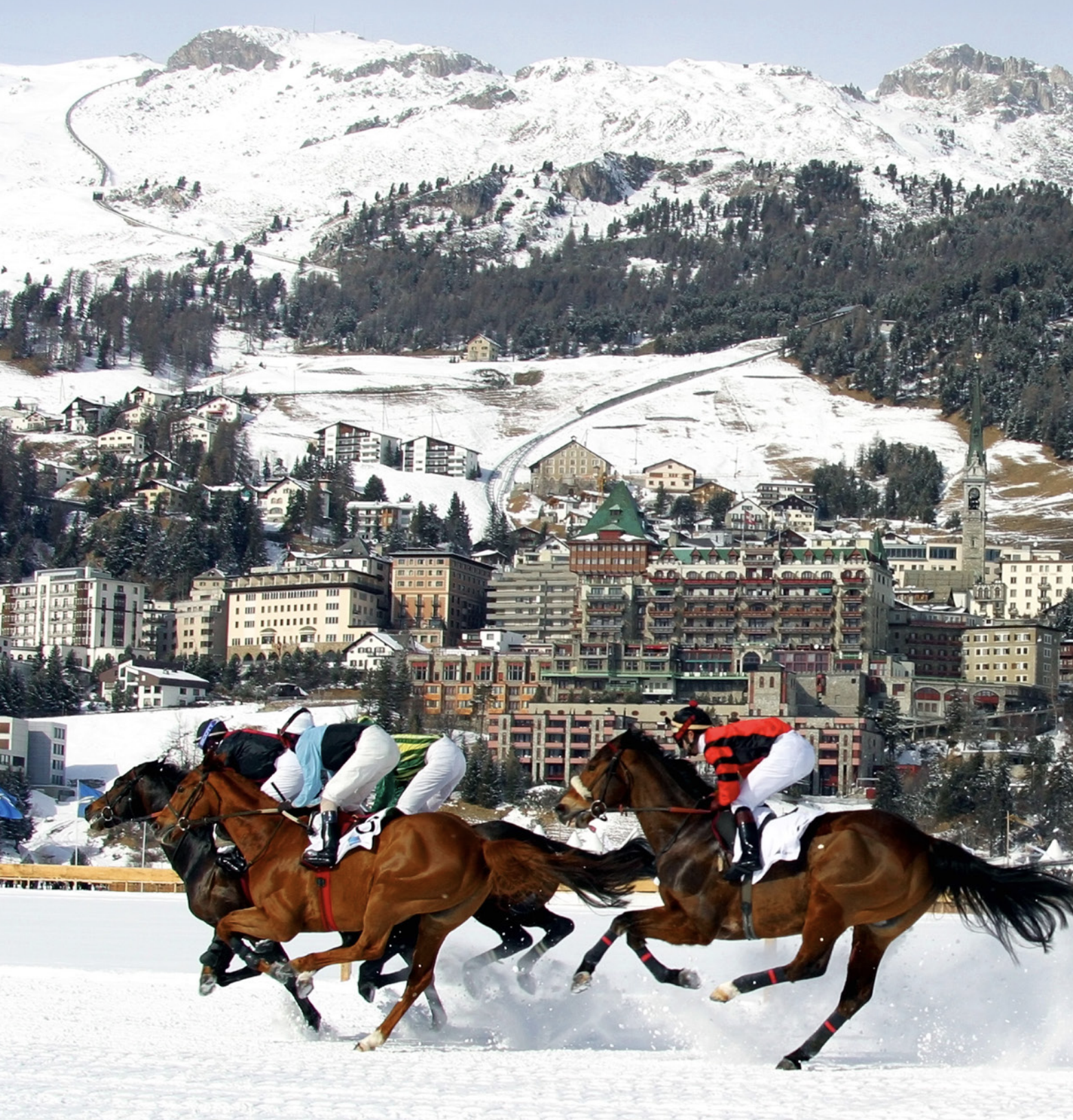
Paull Khan on why racing’s heritage and settings deserve a place in tourism.
EMHF: welcome Romania
Paull Khan outlines Romania’s route into EMHF membership and the steps now being taken to develop a professional racing structure.
Betting on racing’s future
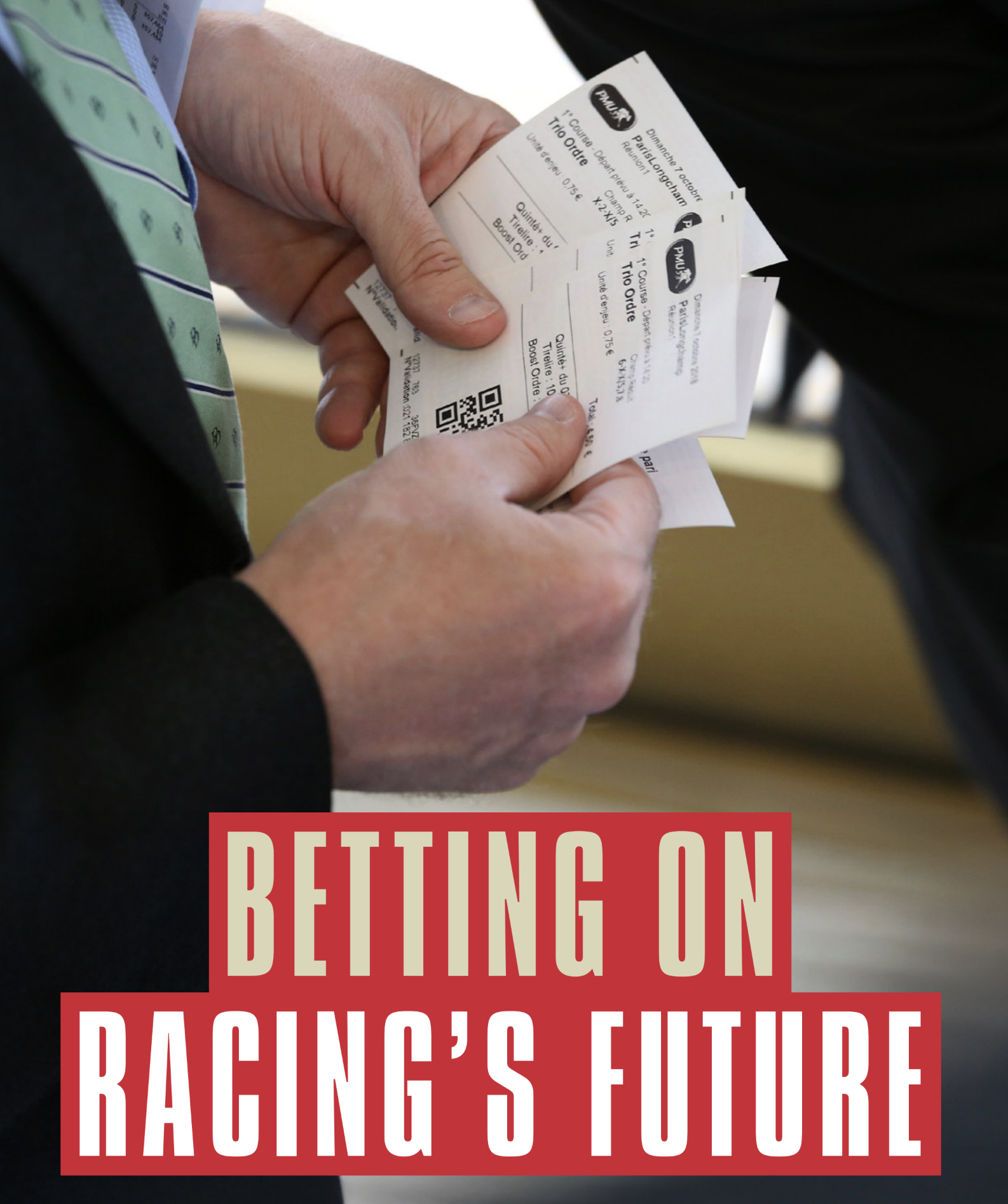
Mark Rowntree considers the challenges facing racing’s betting ecosystem, as governments, operators and the sport itself adapt to an increasingly complex environment.