
VETERINARY: WEARABLES ON THE RACECOURSE
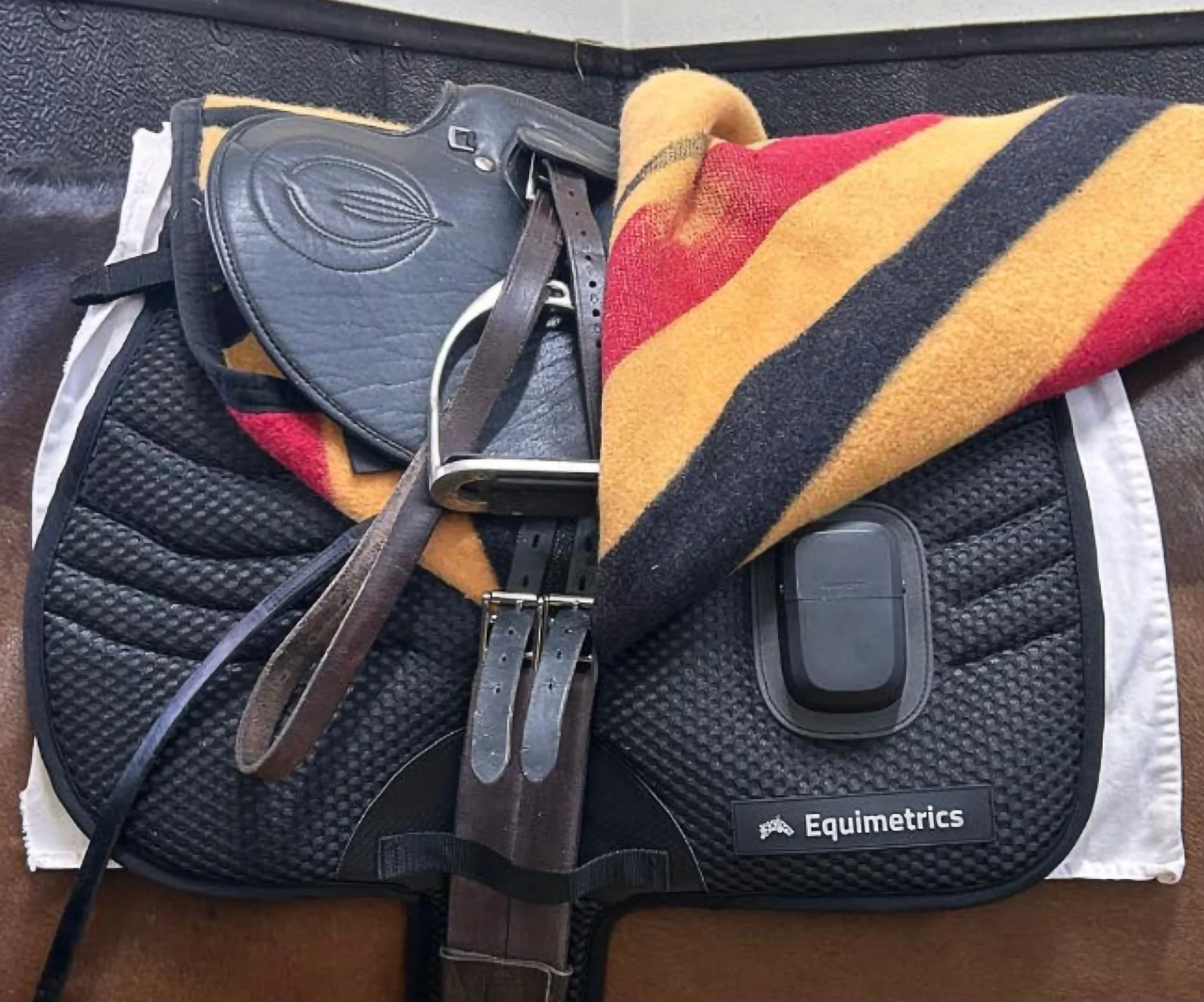
In May 2025, Britain became the first horseracing jurisdiction to permit the use of equine heart monitors on the racecourse as part of a pilot scheme to test technology under race conditions. This initiative involved working closely with Max Kendrick and the team at Fergal O’Brien Racing.
WORDS: CELIA M. MARR - CELIA MARR VETERINARY CONSULTANCY LTD. & SALLY TAYLOR - BRITISH HORSERACING AUTHORITY
A Valuable Insight into Horse Performance and Wellbeing
Advances in wearable biometric devices (often called 'equine fitbits') track a horse's heart rhythm and activity via electrocardiograms (ECG).
Safety & Welfare: Collection and analysis of cardiac data helps identify and screen horses at increased risk of cardiac issues.
Research Investment: Over the past 25 years, British racing has invested more than £63 million in equine health and research, including cardiac rhythm studies.
Sudden Death Prevention: Cardiac arrest may account for up to half of exercise-associated sudden death (EASD) cases, which affect 0.04% of runners annually.
Collaboration: The BHA is working with researchers at the University of Surrey to expand knowledge through this pilot.
Introducing Wearables on British Racecourses
Approval Process: Before use, devices must be evaluated by a BHA veterinary officer and course inspector, including testing in mock race settings.
Approved Devices: Currently, the Arioneo Equimetre (incorporated into a surcingle) and the Equimetrics Vpro (a specially adapted saddle pad) are approved.
Weight Requirements: Devices must be accounted for during the weighing in and out process as they contribute to the weight carried.
Data Access: Trainers have full access to their horse’s biometric data but must share it with University of Surrey researchers. The BHA does not have access unless there is a horse fatality.
Early Results and Observations
Race vs. Training: Rhythm interruptions are more prevalent under race conditions compared to home training.
Heart Rate Variation: Peak heart rates during racing (approx. 228 bpm) are about 5% higher than during training gallops (approx. 217 bpm).
Performance Link: In the pilot group of 20 runners, no direct link was found between cardiac rhythm variation and race performance.
Expanding the Pilot
The next phase will invite more trainers to participate via an online application to the BHA. Participants will receive a brief summary of ECG findings to discuss with their usual veterinarian.
Stride Analysis and Injury Reduction
Research suggests that changes in stride characteristics over time are directly related to musculoskeletal injury.
Risk Metrics: Decreasing speed and stride length over multiple races is associated with potential injury.
Predictive Success: A stride-based risk scoring system found that horses in the highest risk category had a 45 times greater probability of fatal injury.
PRODUCT SHOWCASE
Featured Equine Technology & Healthcare
Equimetrics® Training Intelligence: Offers deep data insights including speed by furlong, heart rate zones, and stride analysis.
THE BEST Tongue Control Bit: A patented bit designed for breathing and lugging issues. It prevents tongue pinching, head tossing, and soft palate displacement without using tongue ties.
Flexineb® E3: A portable, silent equine nebuliser for daily airway maintenance and targeted delivery of inhaled medication for managing equine airway disease.