
The End of IEEPA Tariffs, Section 122 Tariffs, and Their Impact on the International Equine Market
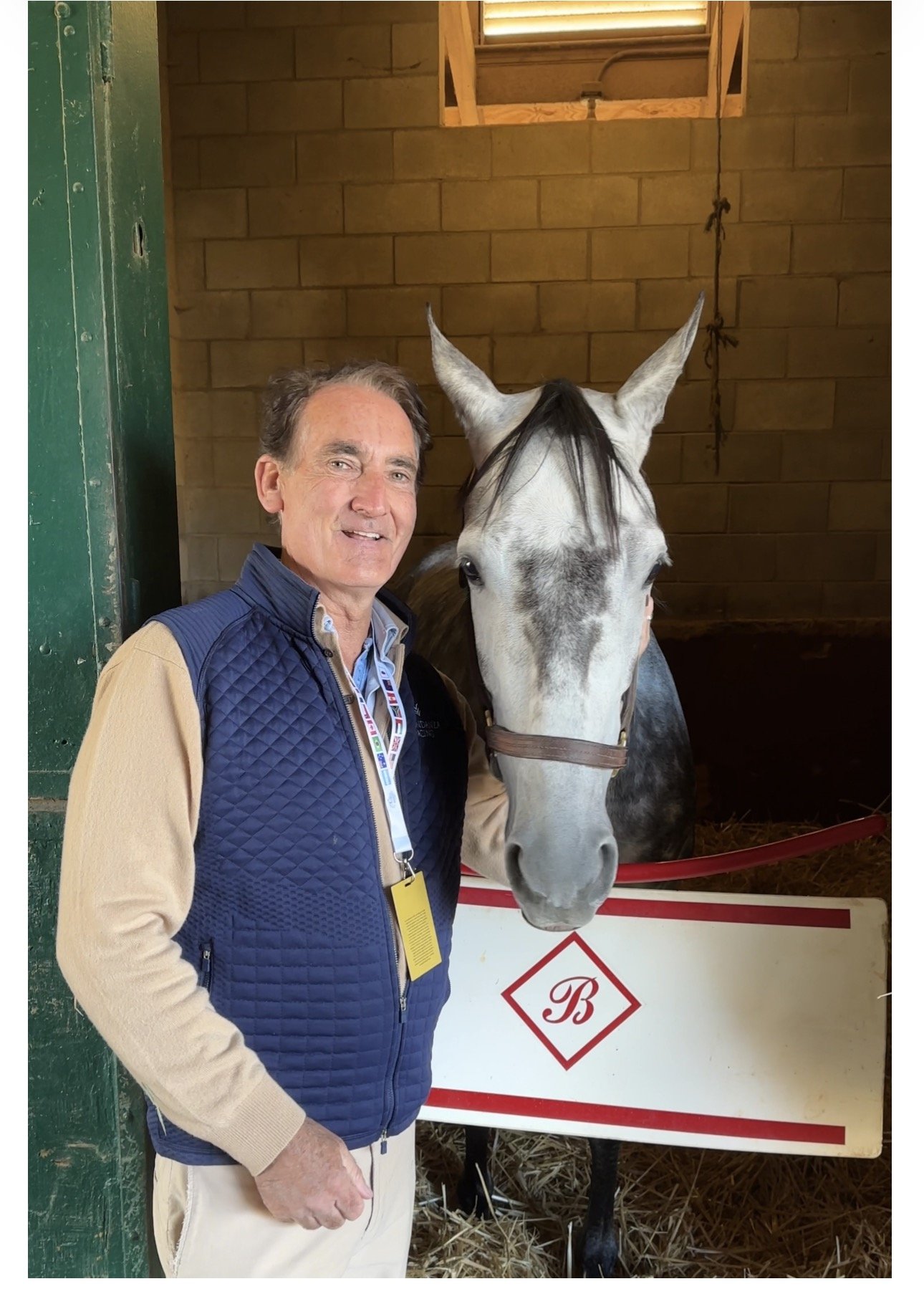
Bing I. Bush Jr.
This article follows my earlier discussion of the U.S. Supreme Court decision in Learning Resources, Inc. v. Trump, which addressed tariffs imposed under the International Emergency Economic Powers Act (IEEPA). The Court held that IEEPA does not authorize the President to impose tariffs, as that authority rests with Congress under Article I of the U.S. Constitution. As a result, tariffs imposed under IEEPA were invalidated, establishing that duties collected under that authority lacked a lawful basis.
Following that decision, a significant development occurred in the U.S. Court of International Trade (CIT). In a ruling issued on 27 March 2026, the court addressed the practical administration of claims arising from the unlawful imposition of IEEPA tariffs. While the CIT did not create the underlying right to recovery, it reinforced that recovery is available and provided guidance that affects how such claims may proceed within the customs system. The ruling supports recovery beyond strictly traditional pathways in certain respects and signals that U.S. Customs and Border Protection (CBP) will be responsible for establishing an administrative process to handle claims and refunds. This clarification is important, as it shapes how importers and their representatives should approach recovery efforts.
Under U.S. customs law, importers are generally subject to the protest framework set out in 19 U.S.C. § 1514, which provides a 180-day period following liquidation to contest a customs decision. The CIT ruling does not eliminate that framework, but it does interact with it in the context of unlawful IEEPA tariffs by reinforcing that recovery is supported and that procedural requirements may not be the only avenue for relief. Importers should still remain mindful of applicable deadlines and procedures, while also recognizing that the legal landscape has shifted in a way that supports recovery.
In parallel, the United States has implemented temporary tariff measures under Section 122 of the Trade Act of 1974. These tariffs currently impose a flat 10 percent duty on imports, including horses from both Great Britain and the European Union. Section 122 tariffs are distinct from IEEPA tariffs and are not affected by the Supreme Court decision or the CIT ruling. They are scheduled to expire on 24 July 2026 unless Congress takes action to extend them. Importantly, tariff applicability is determined based on the date of importation into the United States, not the date of purchase. As a result, horses purchased in Europe or Great Britain but imported after 24 July 2026 would not be subject to Section 122 tariffs, absent congressional extension.
For owners and trainers involved in importing horses into the United States, the practical steps begin with coordination with a qualified customs broker. The broker of record should identify all entries where IEEPA tariffs were assessed and paid, confirm entry details, and determine the total duties that may be eligible for recovery. Importers should ensure that all relevant documentation is retained, including entry summaries, commercial invoices, and proof of payment.
About Bing I. Bush, Jr.
Bing I. Bush, Jr. has practiced law since 1987. He is a graduate of the University of Kentucky College of Law and studied international law at Downing College, Cambridge University. He also manages Abbondanza Racing and advises owners, trainers, and partnerships on legal and business issues affecting the racing industry.
Law Offices of Bing I. Bush, Jr. – A Professional Corporation
Lexington, KY & Del Mar, CA / 858-259-7540 / bing@bushlawoffices.com / bushlawoffices.com
This article is intended to provide general information and is not intended to provide legal advice.
The information contained in this article is not intended to create an attorney-client relationship. Bush Law Offices will not and cannot act as your legal counsel or file any documents or perform any other actions on your behalf until a written agreement for legal services is signed between the client and our firm