
Veterinary
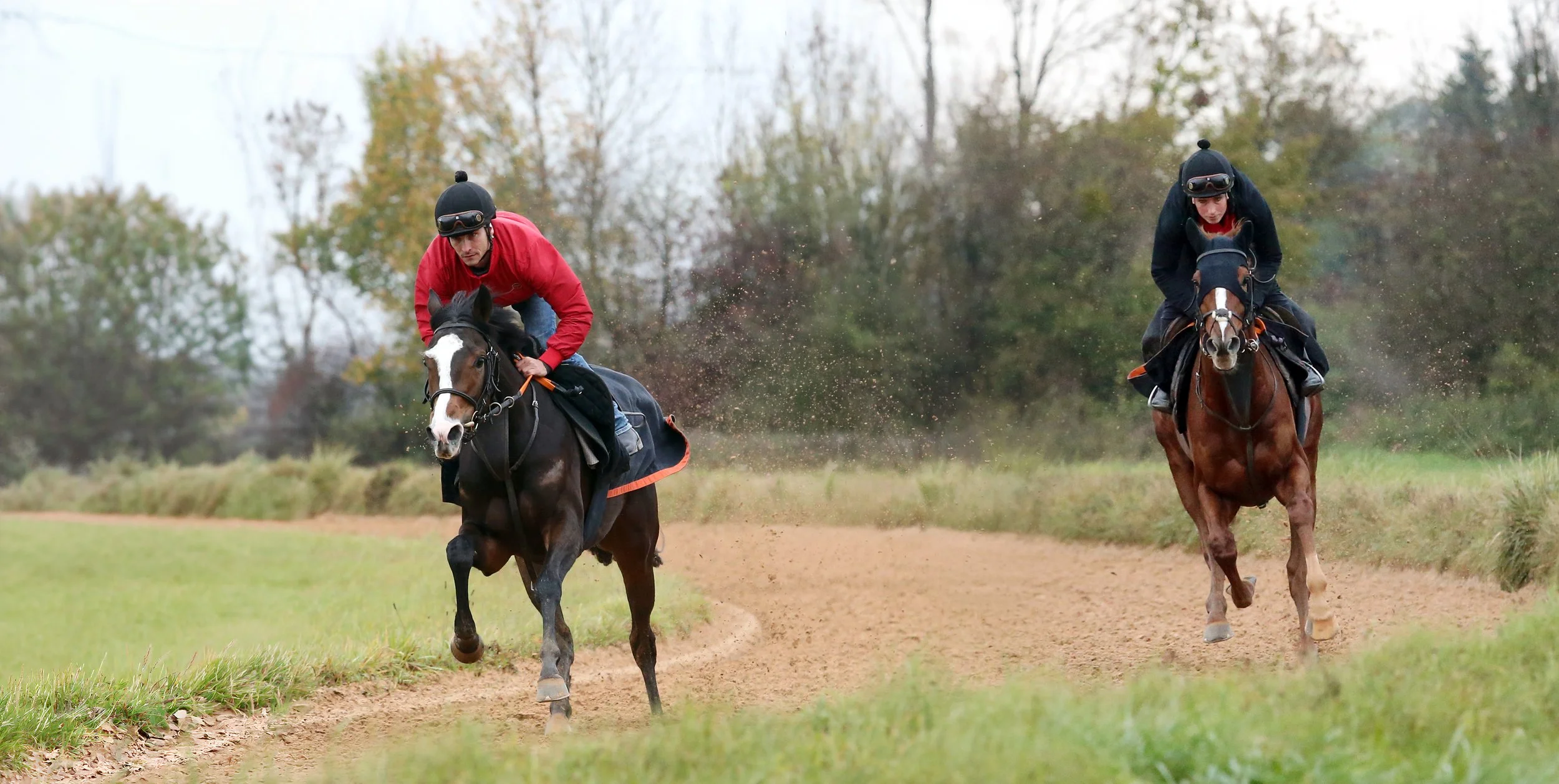
Few topics in racing concentrate stakeholder attention as sharply as the cardiac health of the Thoroughbred athlete. Sudden death on the racecourse is rare, but its impact — on owners, trainers, regulators, and on the public's perception of the sport — is disproportionately large. Behind those visible events lies a much wider population of horses whose cardiac function during work may be signalling something, well before any catastrophic outcome.
This issue brings together two articles that look at this terrain from opposite ends.
Dr Emmanuelle van Erck-Westergren addresses the prospective end of the same problem. Her recently published research uses wearable ECG technology to record cardiac rhythm during routine training in more than 70 Thoroughbreds at the Hong Kong Jockey Club. The findings show that exercise-associated arrhythmias are common, that their burden is meaningfully linked to subsequent race performance, and — crucially — that the most clinically informative window is the brief period of peak effort during a training gallop. The implication is direct: a tool now exists to identify horses whose hearts are signalling something during work, before they reach the start gate.
Dr Celia Marr reports on the work of the International Federation of Horseracing Authorities' Fatality Taskforce and its dedicated group on exercise-associated sudden death. Her article sets out what is now understood about the pathology of EASD — the role of fatal pulmonary haemorrhage, the difficulty of attributing causes even with detailed post-mortem data, and the urgent need for higher and more consistent necropsy standards across jurisdictions. It is a forensic argument: better data after the fact, leading to better understanding and, in time, better prevention.
Read together, the two articles describe the same problem at different points in time: one looking back from the necropsy table, the other looking forward from the morning gallop. Both make the case that cardiac welfare in the racing Thoroughbred is now a domain in which active, evidence-based intervention is increasingly possible — and increasingly expected.
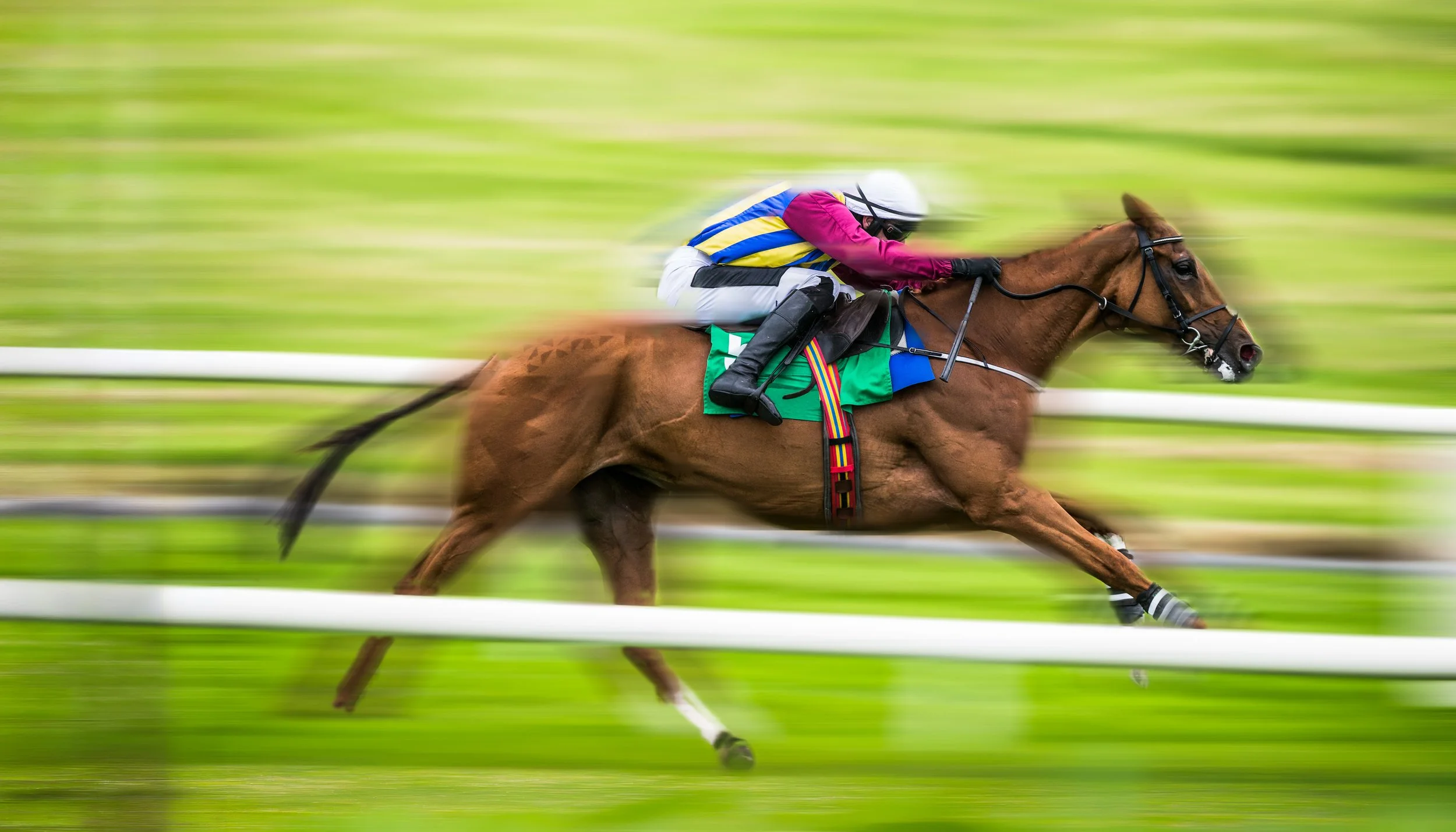
Although these statistics show EASD is a rare event, it is essential that racing faces the challenge of reducing the death toll and, in recent years, progress towards this has been made in various jurisdictions, in part co-ordinated in part by the International Federation of Horseracing Authorities’ Fatality Taskforce. Within this group, the EASD team have focussed mainly on improving standards and availability of post-mortem examination, aiming to generate a better understanding of why EASD occurs and to support research towards this goal.
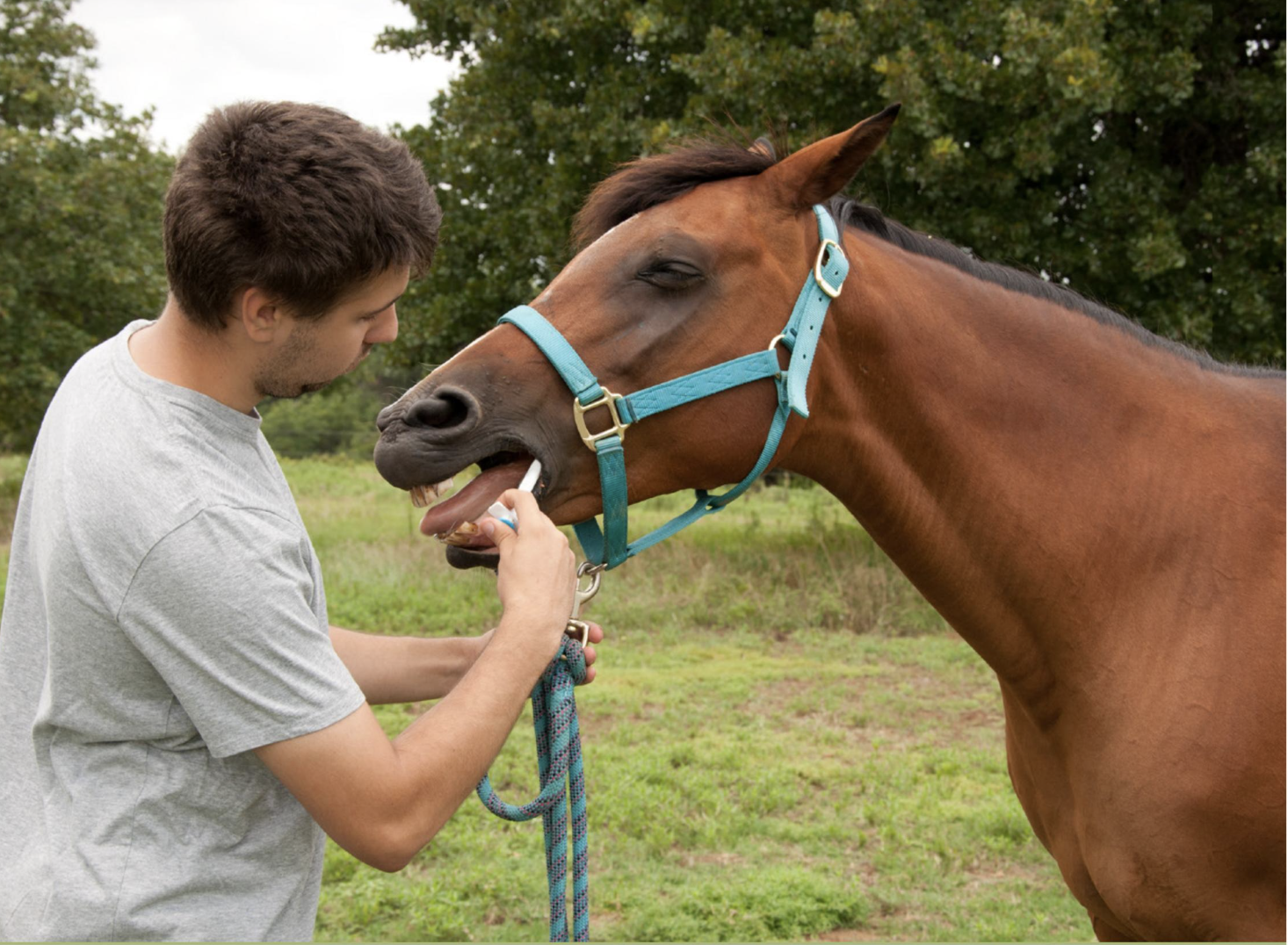
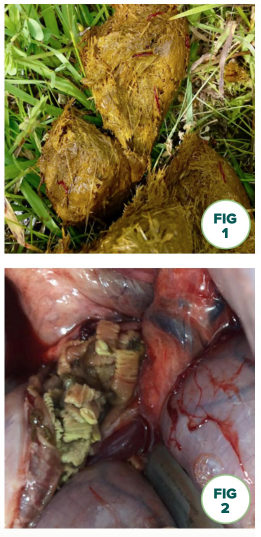
With wormer resistance increasing and no new products expected soon, targeted parasite control is now essential for all horses.
This approach combines risk assessment, diagnostic testing, and paddock management to reduce infection levels and ensure only those horses that need treatment are wormed. This article outlines practical strategies for sustainable worm control in horses in training.
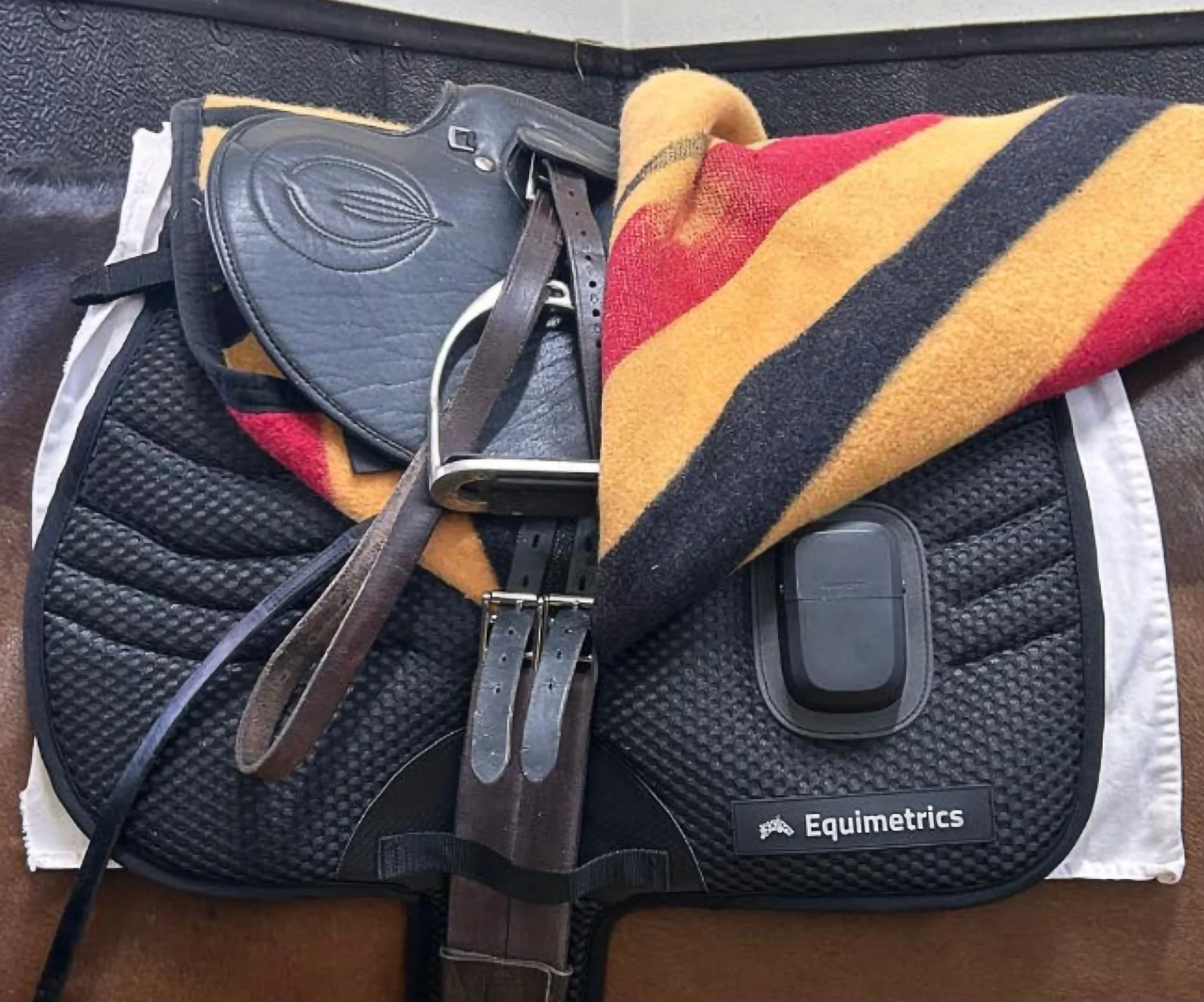
Harnessing Tech to Enhance Equine Safety and Performance.
In May 2025, Britain became the first horseracing jurisdiction to permit the use of equine heart monitors on the racecourse as part of a pilot scheme to test technology under race conditions.
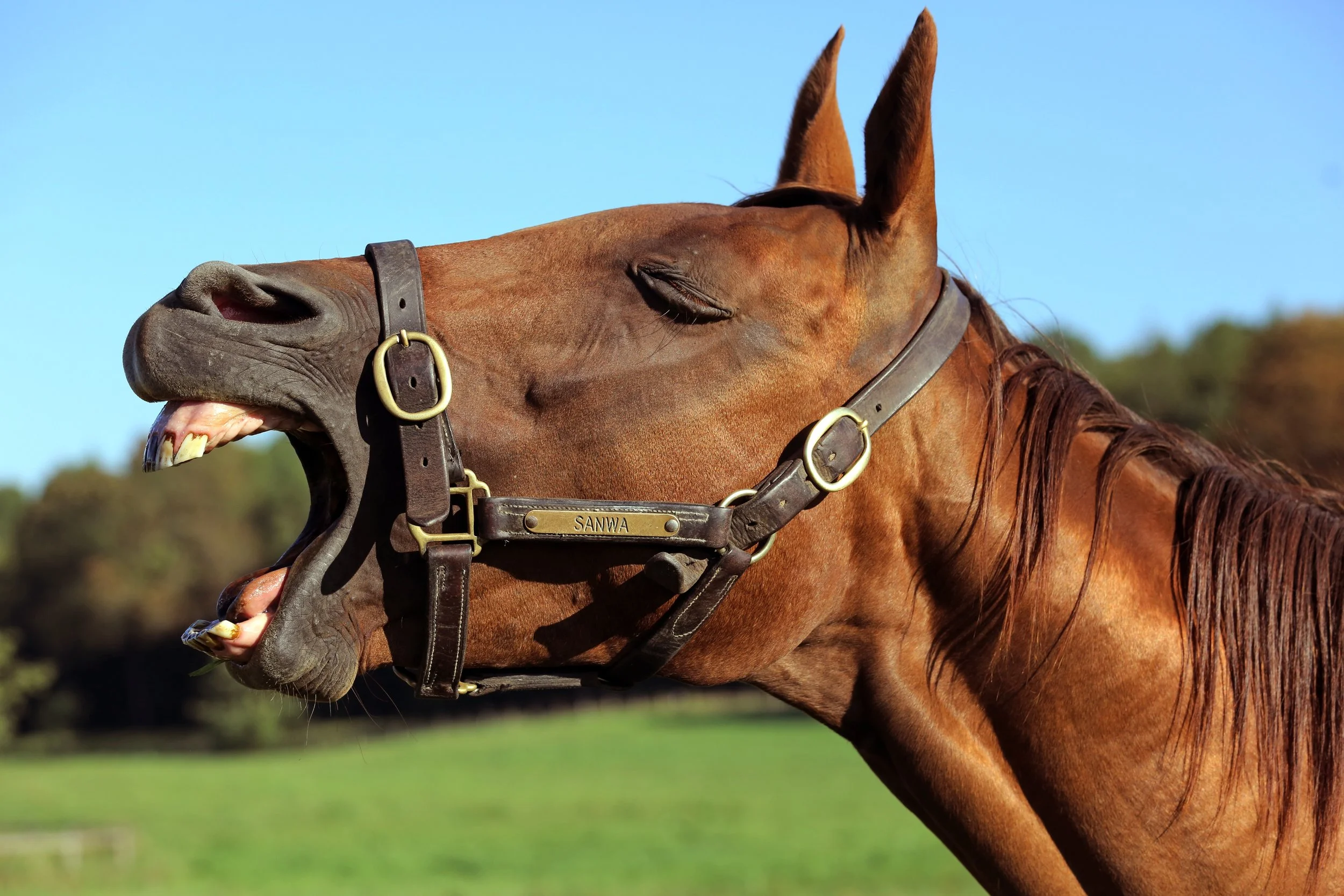
Roaring in horses is not just a loud, rasping noise made during exercise; it is a disorder of the upper airway that restricts airflow and can limit performance in large breeds such as Thoroughbreds, Standardbreds and warmbloods.
Ontario Veterinary College Associate Professor of Large Animal Surgery, Taralyn McCarrel, is seeking to develop a surgical procedure that could revolutionise treatment following tie-back surgery, offering new hope for affected horses.
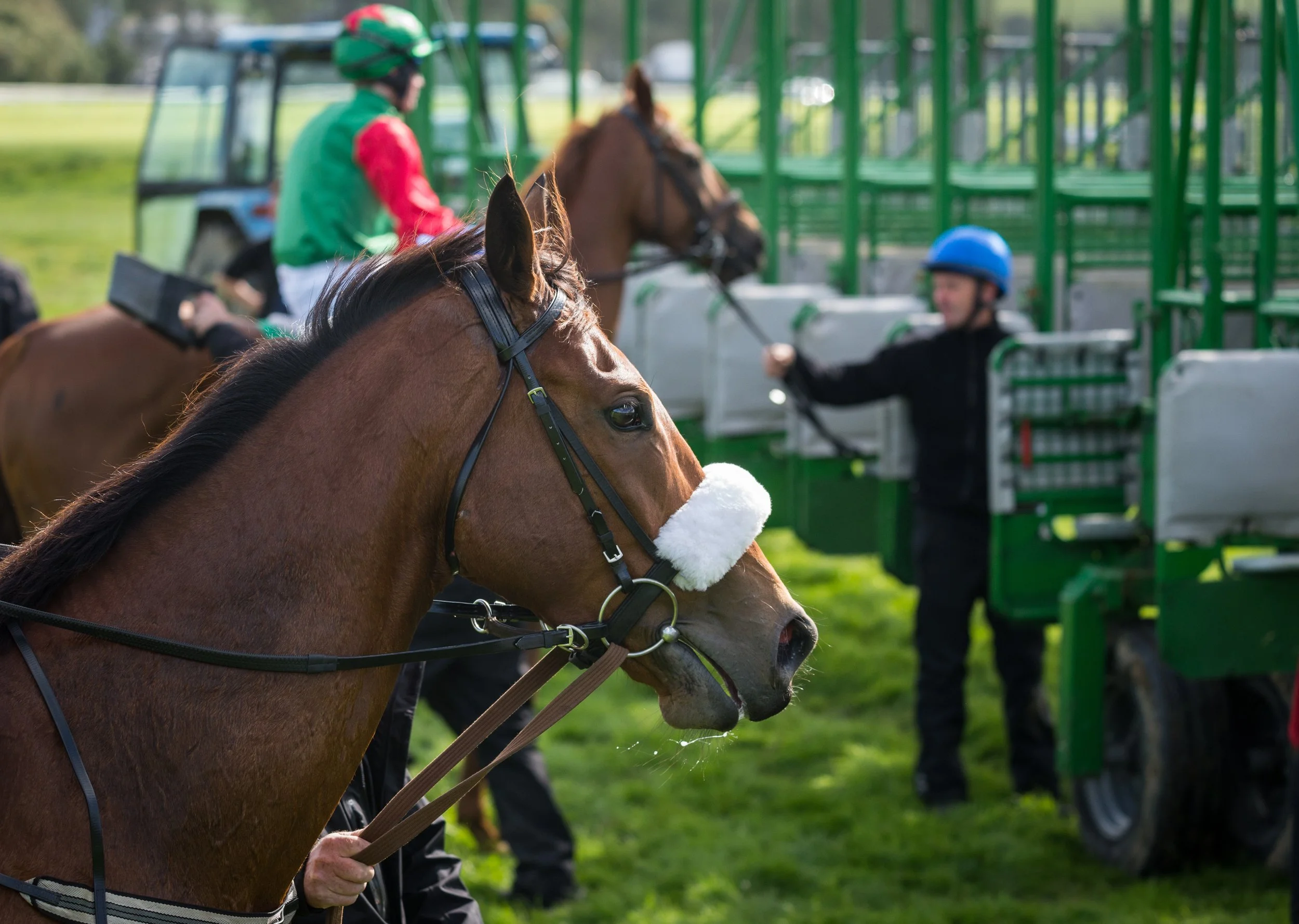

























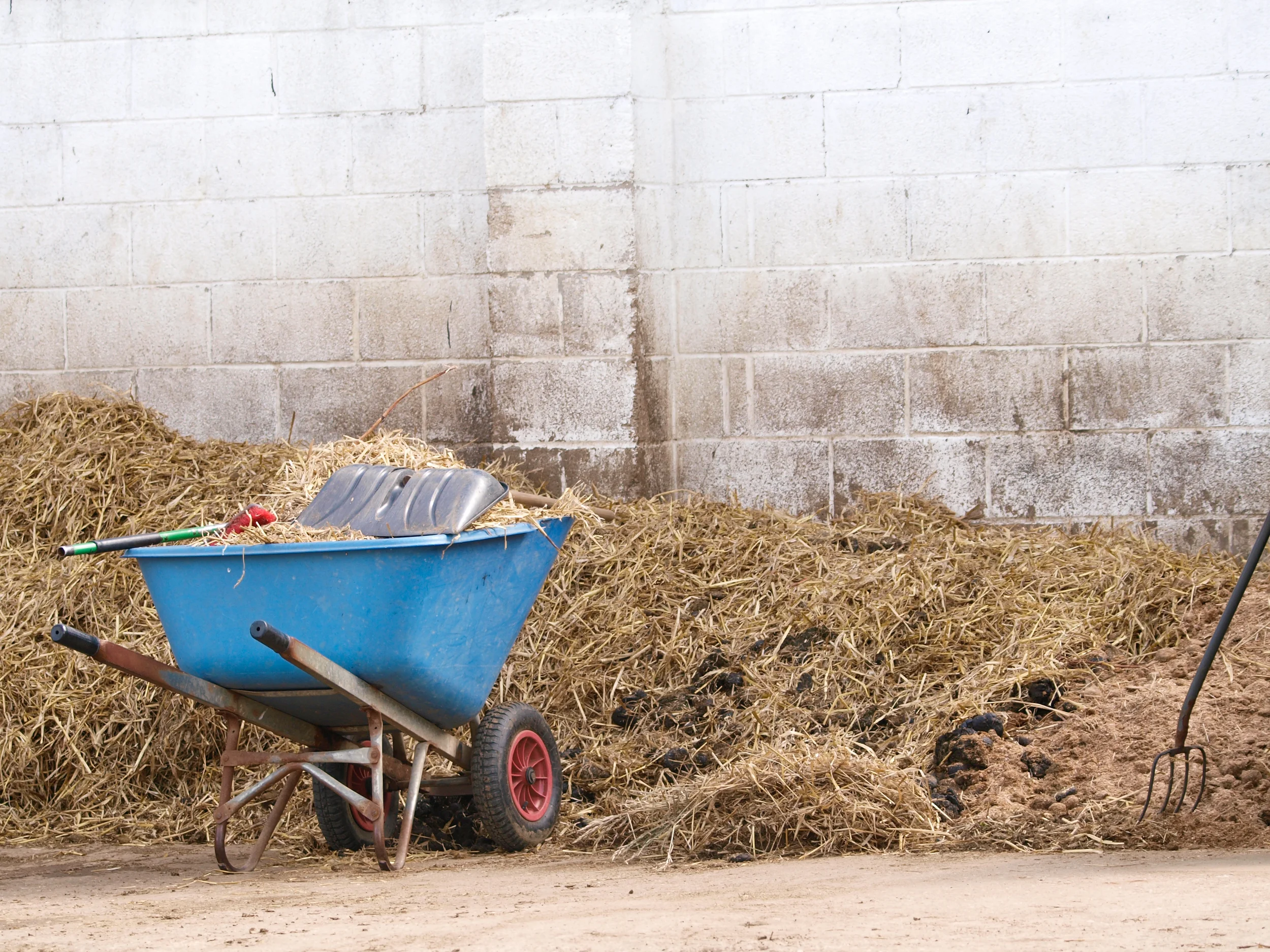
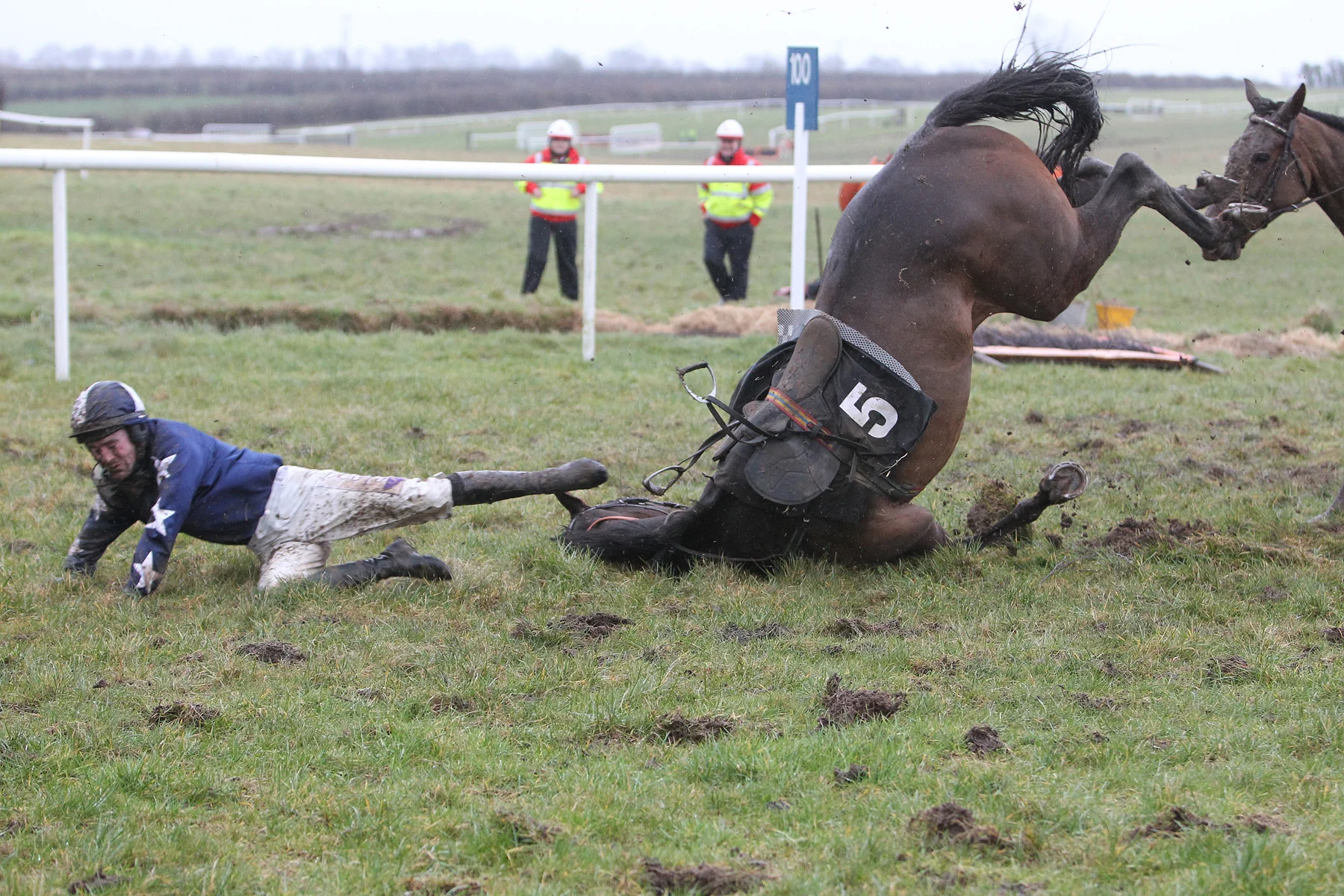

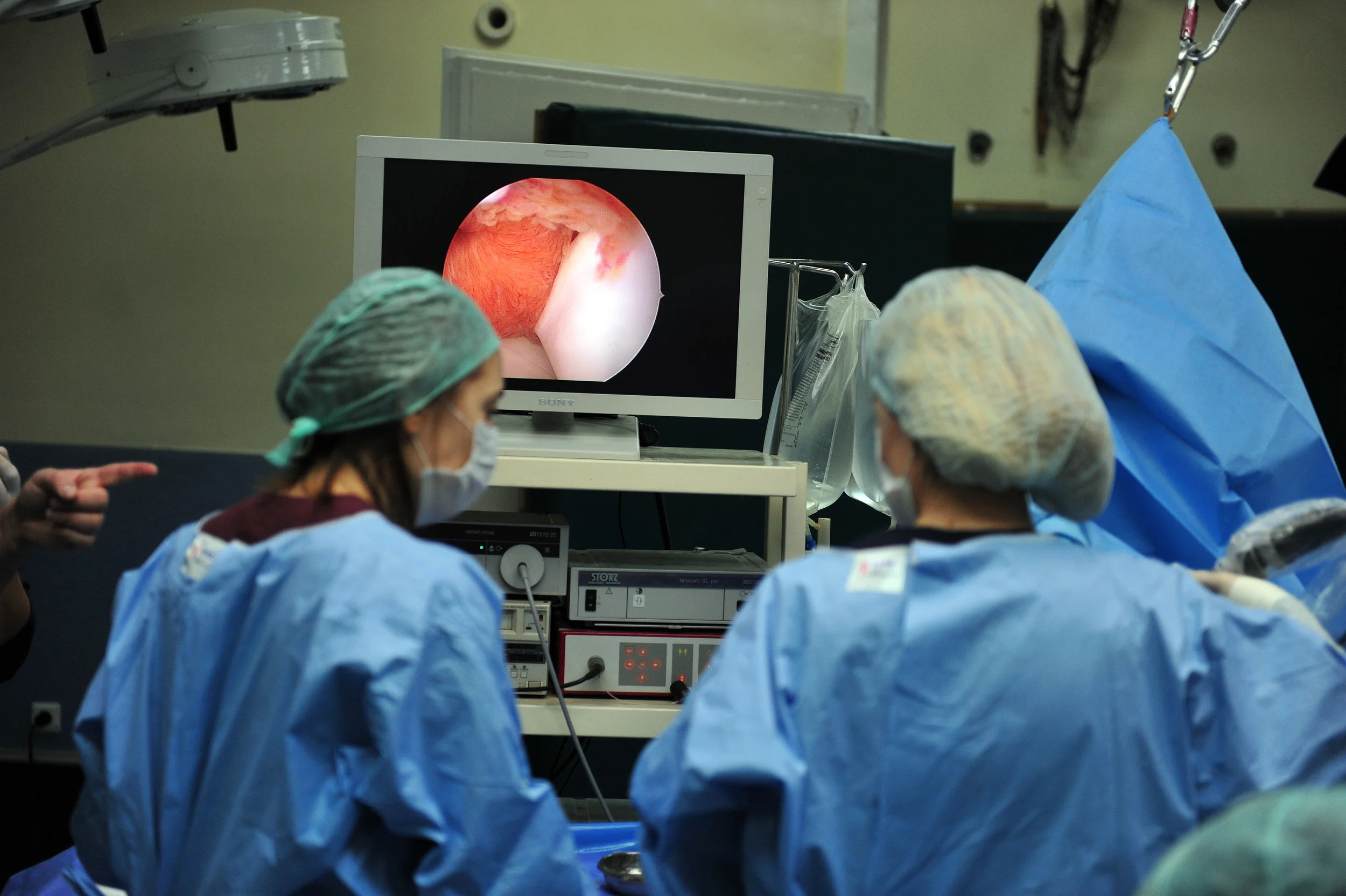
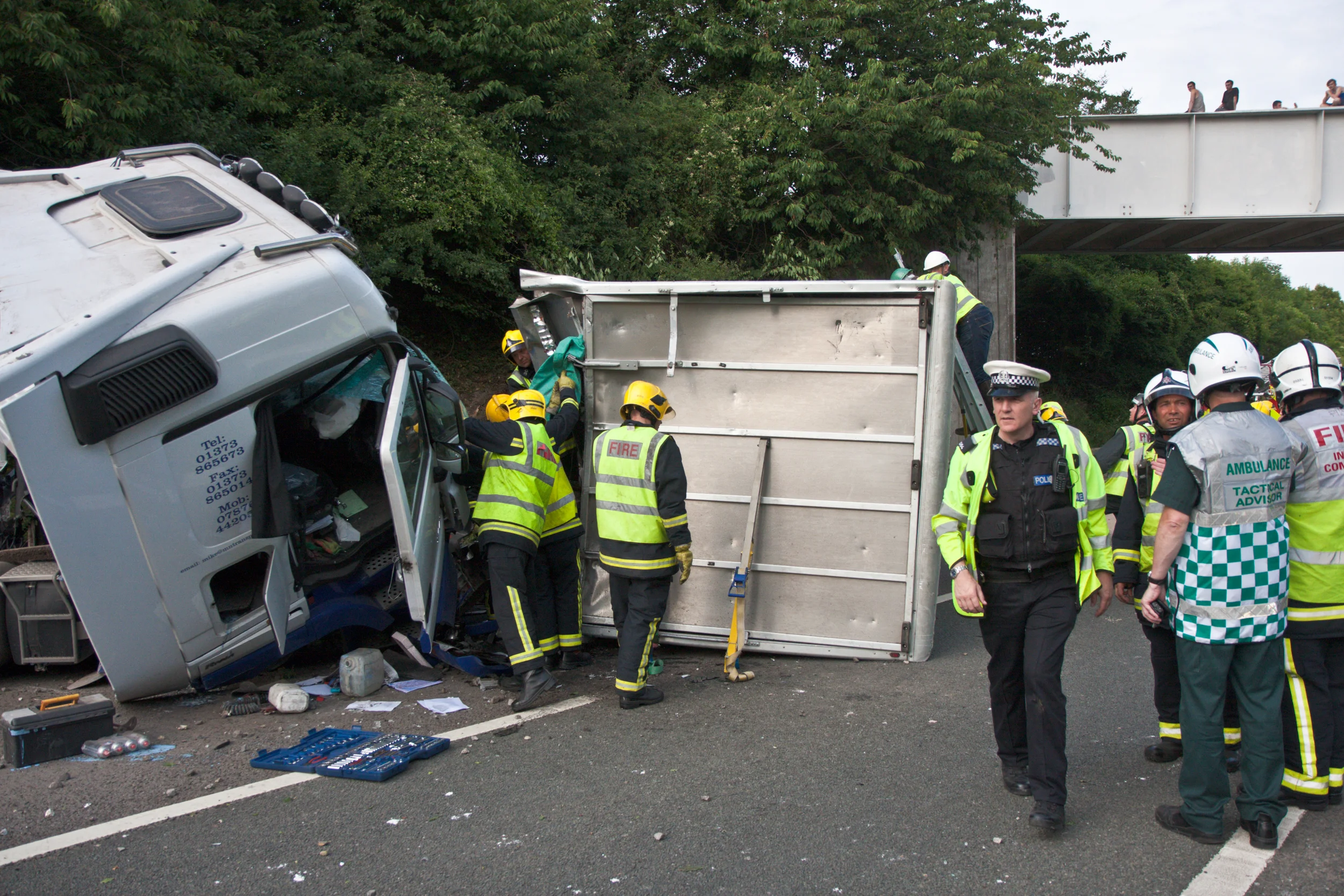
The UK Fire and Rescue Service along with large animal veterinary associations have responded to the need for a joined-up approach and standard operating protocols when dealing with emergency situations involving large animals. This article explores the concepts and techniques required to safely resolve such incidents and demonstrates how these skills in planning for and managing the unforeseen or unwanted event are being translated into the everyday operational activity of the equine professional community.
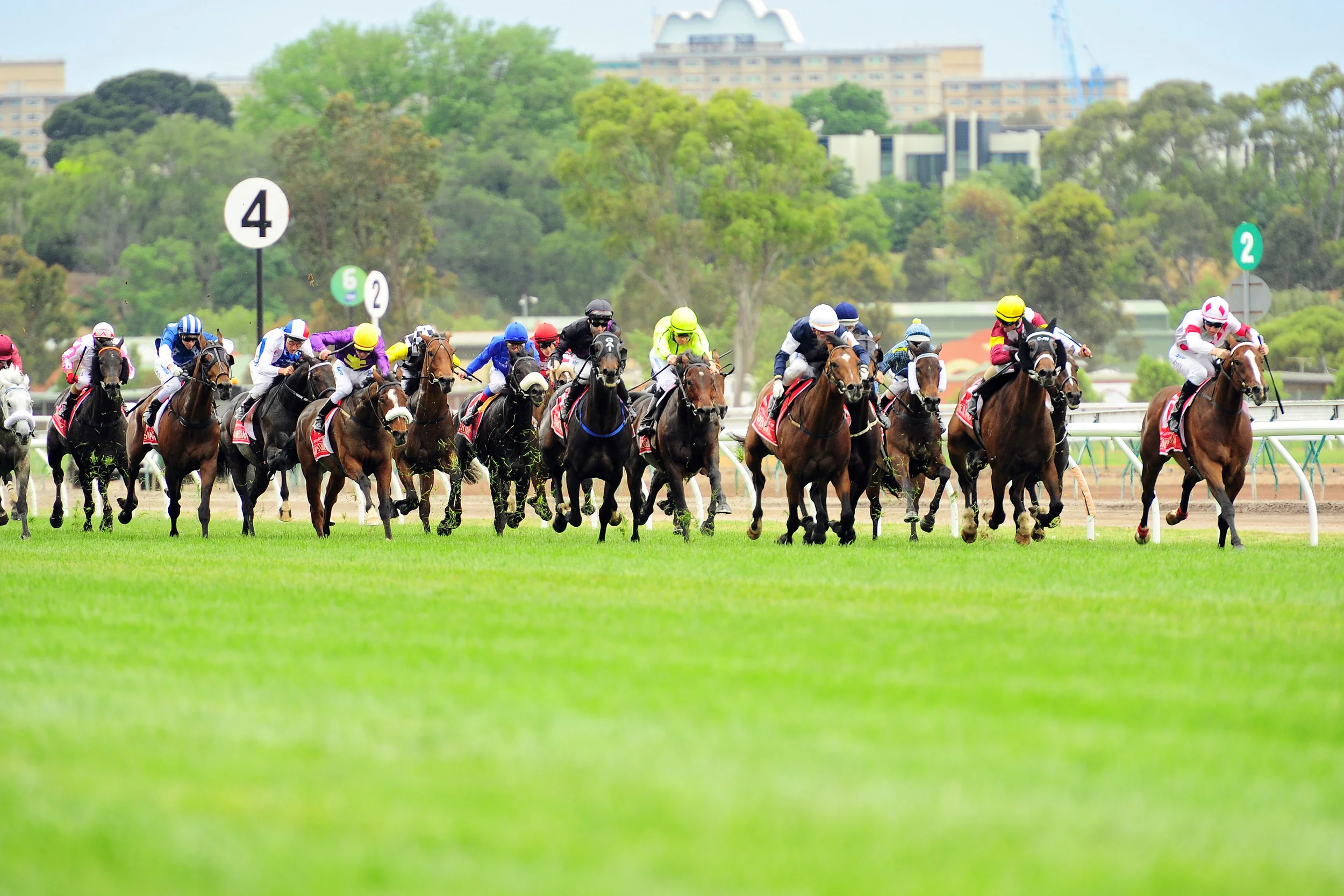
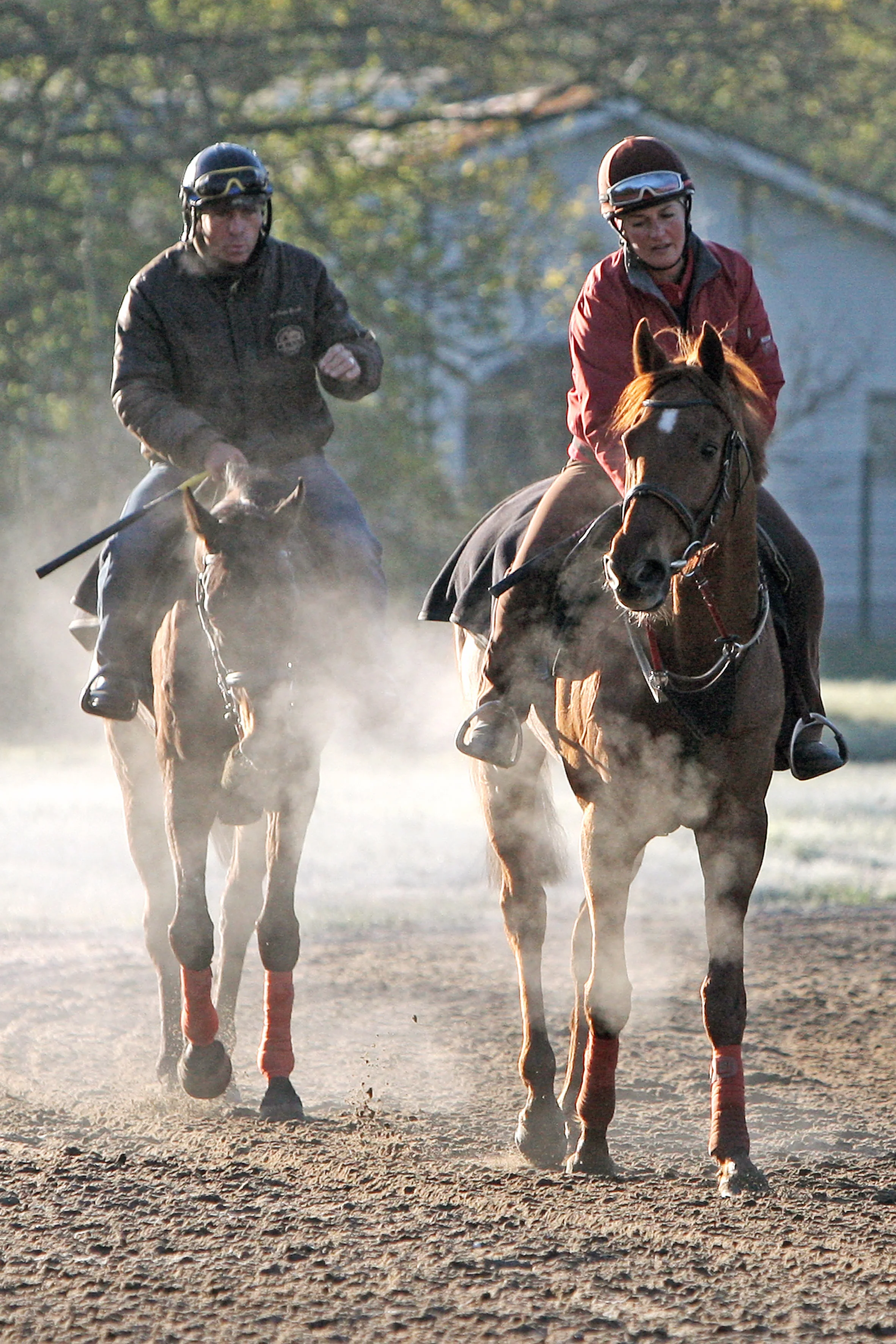
Over the last two decades the Horserace Betting Levy Board (HBLB) has funded substantial research to understand how various body systems respond to training. For example, because of this HBLB investment we now know that the hearts of thoroughbred racehorses get bigger as a response to athletic training and that big hearts are typically associated with better performers. We also know that bones respond to training by remodelling and hence become better prepared for the strains associated with galloping.

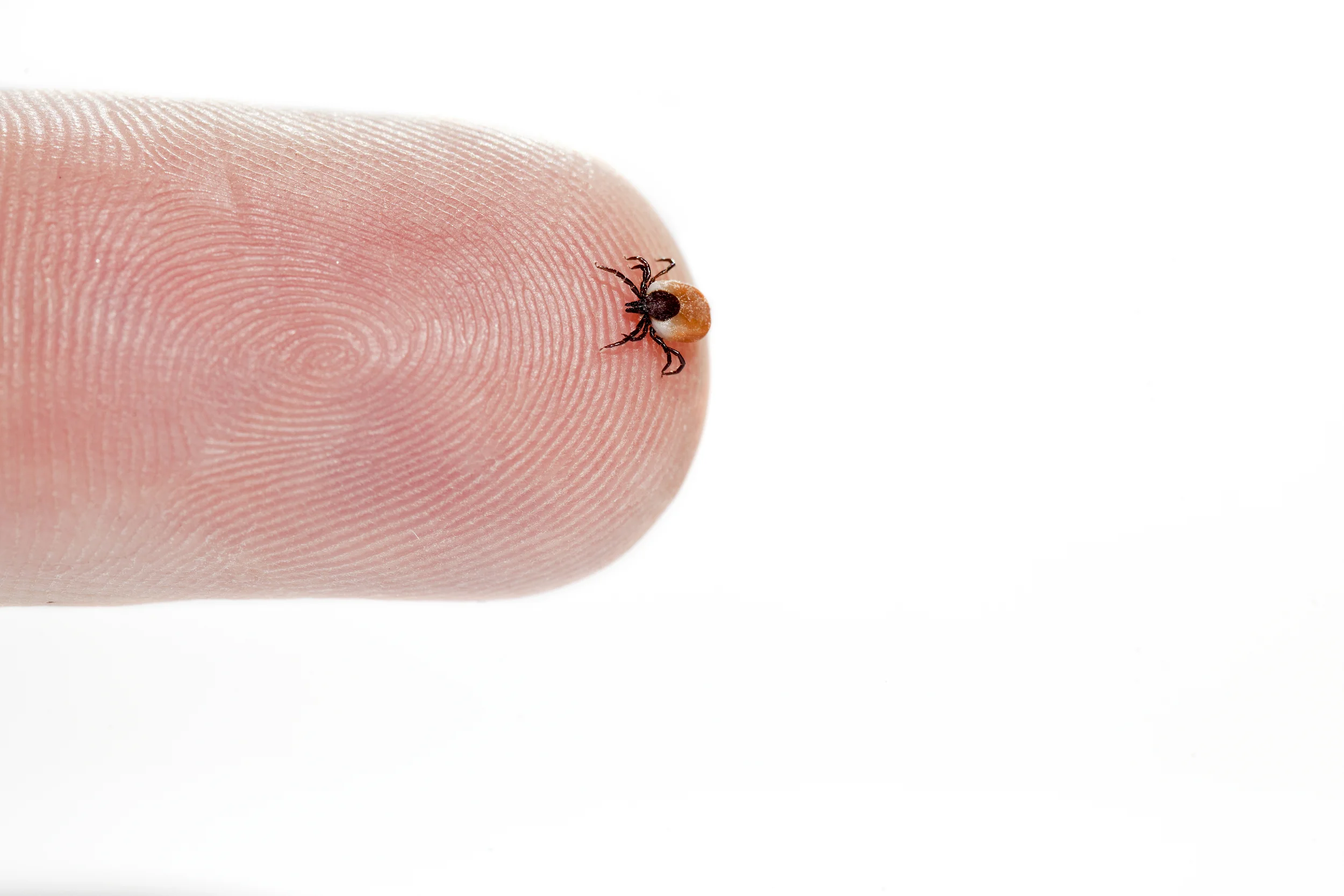
Worldwide, when there are new disease outbreaks – human or horse – there seems to be a link between climate change and infectious disease risk. Warmer environment and changing weather patterns influence many factors that encourage disease outbreaks, disease transmission, and the emergence of new diseases.
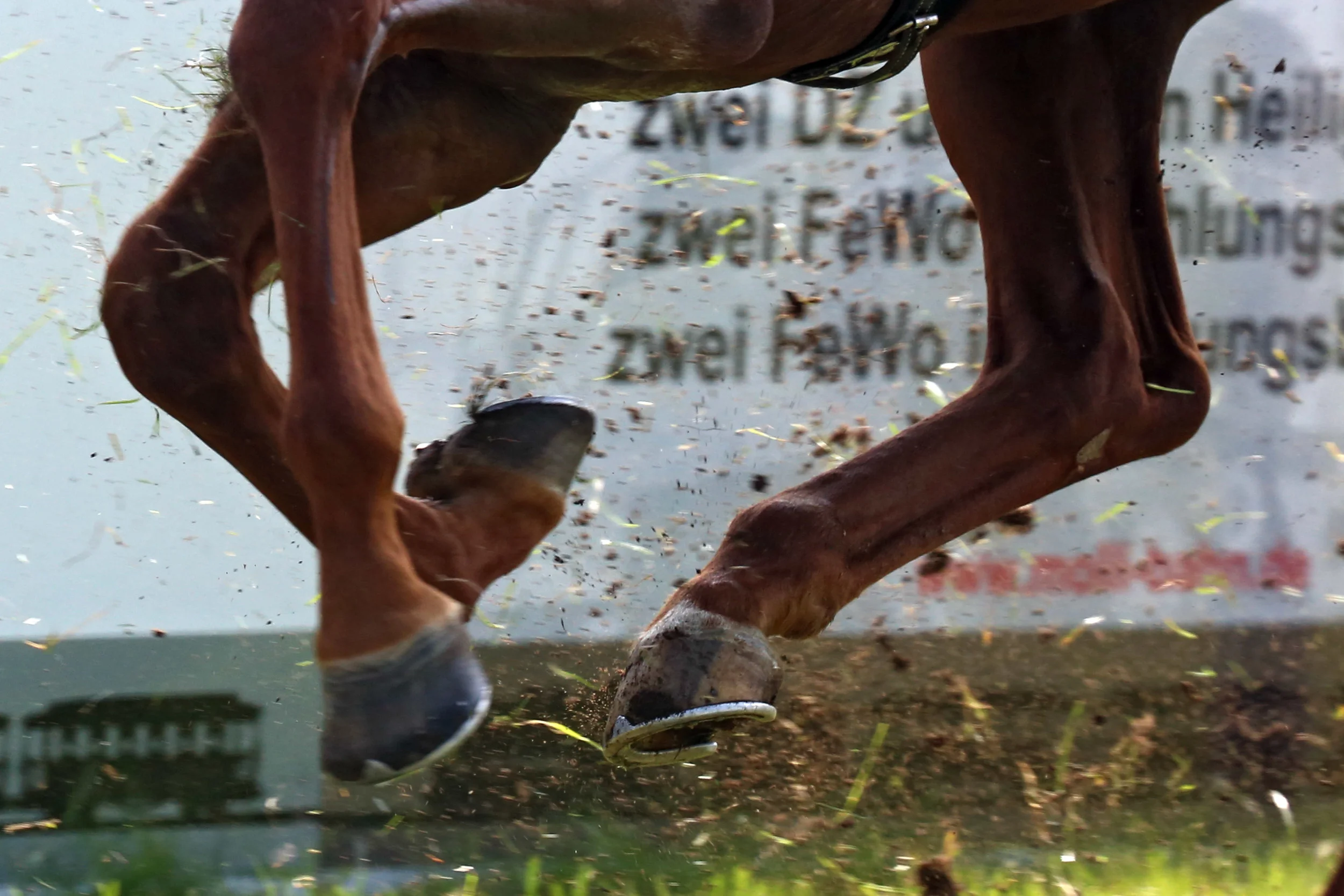
Stress fractures not only lead to training interruptions but if they are not identified early and managed appropriately they can be associated with subsequent catastrophic fractures. Stress fractures of the humerus, tibia, ilium and cannon bone (aka third metacarpal bone or McIII) are most common. Stress fractures are a late stage on a pathway of stress-related bone injury.
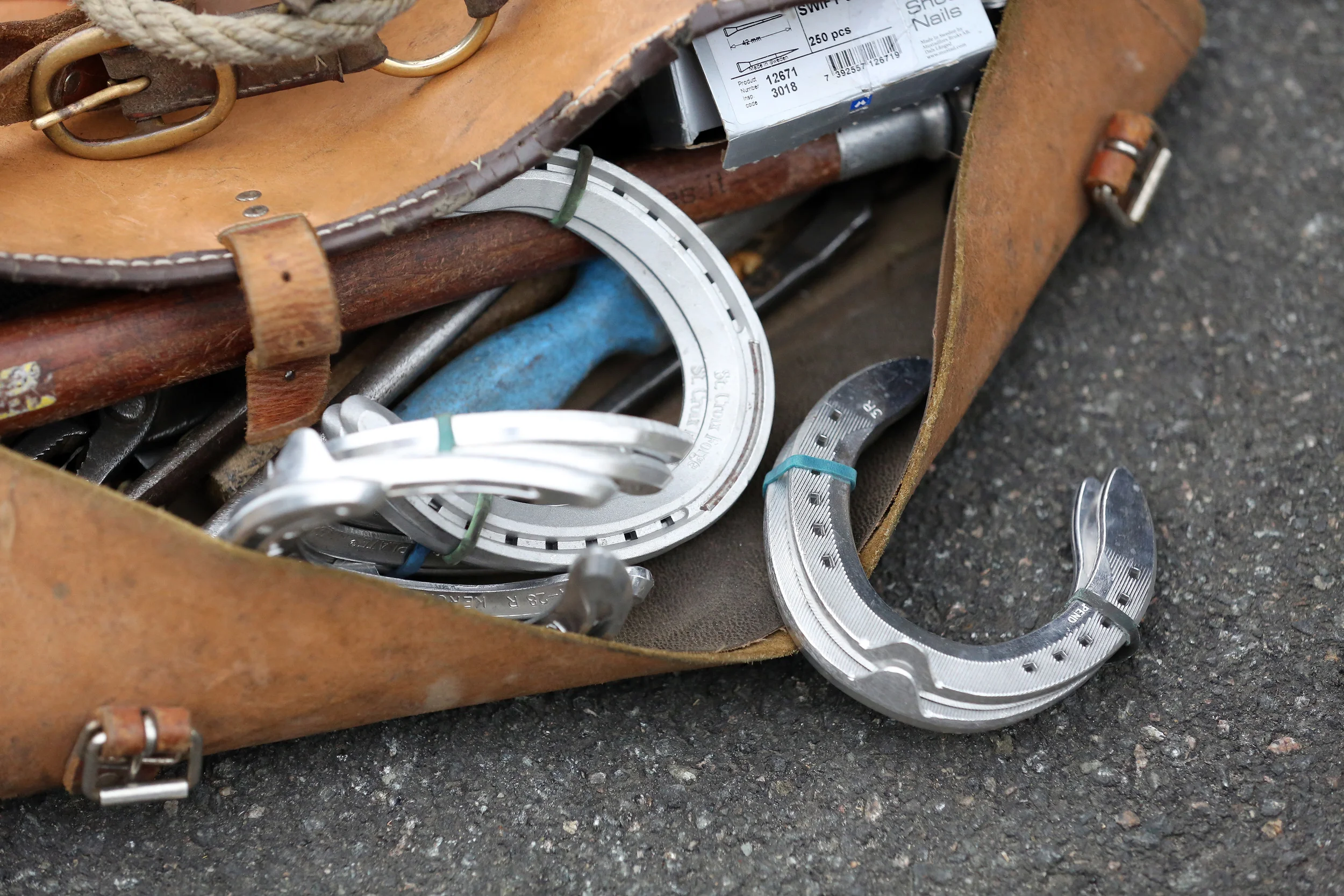
The interaction of a horse’s foot and the ground surface is complex. Stance—that part of the stride when the foot is in contact with the ground—can be divided into three phases, which determine the loading environment of the limb: impact, mid stance and push off. Loading of the limb determines how it functions and also influences where injury may occur. Research funded by the Horserace Betting Levy Board at the Royal Veterinary College has focussed on the foot and is allowing a greater understanding of the effect of changes in surface or shoeing on stance, on remodelling of the tissues and ultimately on the risk of injury.
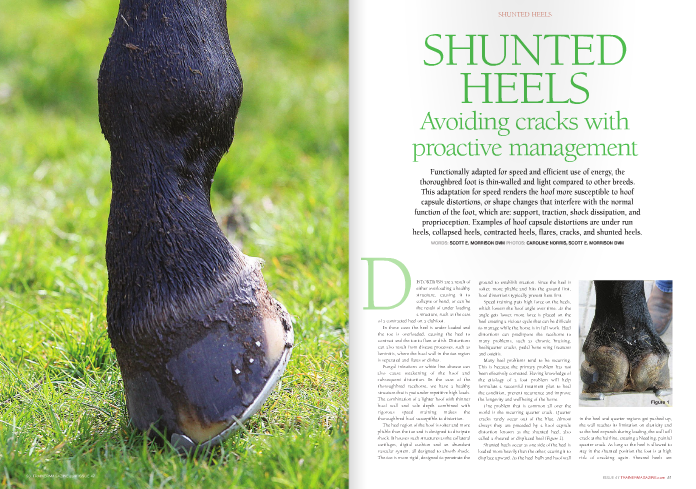
Functionally adapted for speed and efficient use of energy, the thoroughbred foot is thin-walled and light compared to other breeds. This adaptation for speed renders the hoof more susceptible to hoof capsule distortions, or shape changes that interfere with the normal function of the foot, which are: support, traction, shock dissipation, and proprioception.
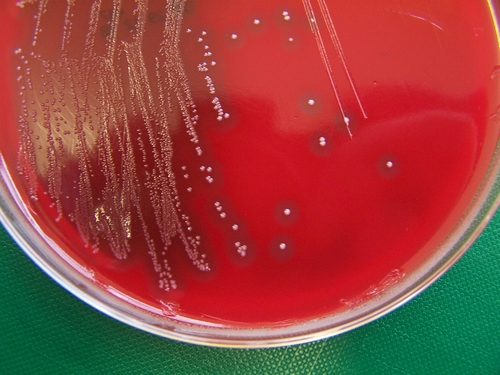
The Horserace Betting Levy Board (HBLB) has invested over £7 million to protect racing and ensure horse welfare by disease surveillance and research on prevention of equine infections over the last decade. Infection with bacteria is one of the important causes. One bug in particular that can be found in many cases is Streptococcus zooepidemicus.

When a horse runs badly, after lameness and respiratory disease have been ruled out, the heart is usually the next suspect. A new study, published in the Equine Veterinary Journal, provides significant insights into cardiac rhythm abnormalities that can develop during and after racing in standardbreds.

While several texts are available on equine orthopaedics and sports medicine, information relating to the racehorse - taking into account the practicalities of management peculiar to the racing industry - is often fragmented and contradictory. A new and hugely useful, if not indispensable, book by leading equine veterinary practitioner Pieter H L Ramzan, BVsc(Sydney), MRCVS provides a practical source of accessible information for the clinician, trainer and owner.
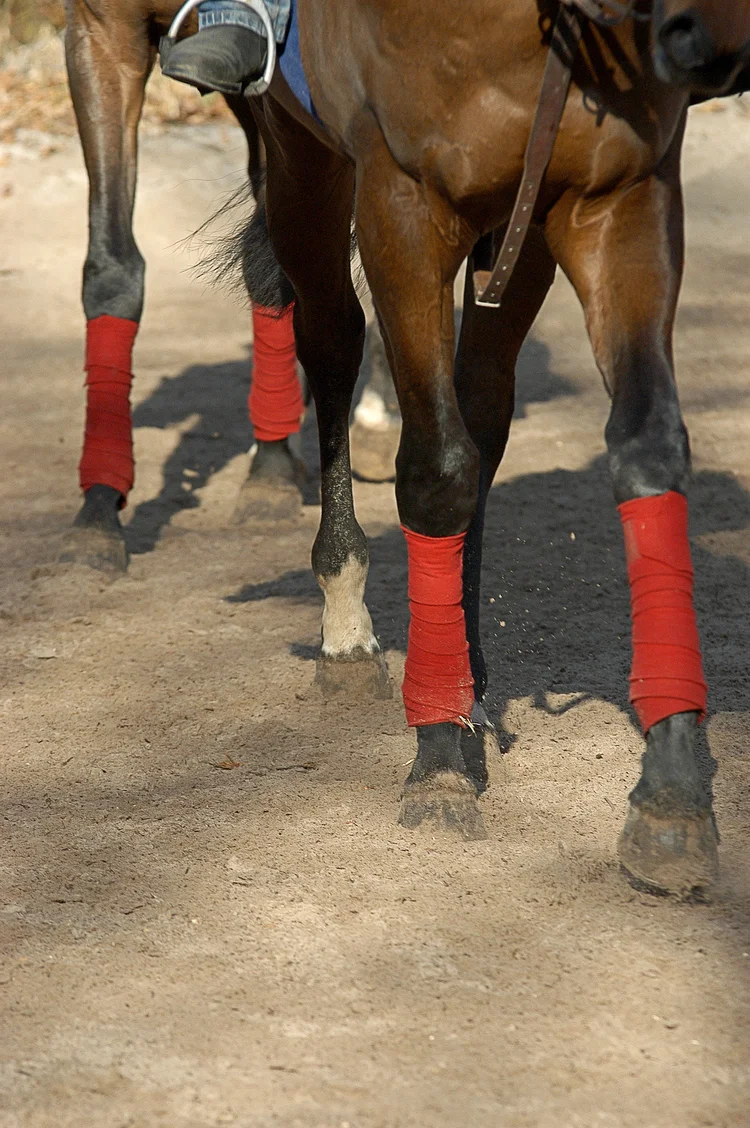
From the turn of the year, consignors on both sides of the Atlantic have been battling with the phenomenon of 'bucked shins' otherwise known as sore shins. Thomas O'Keeffe looks into the research being done to see if a breakthrough into the treatment of this condition is imminent.
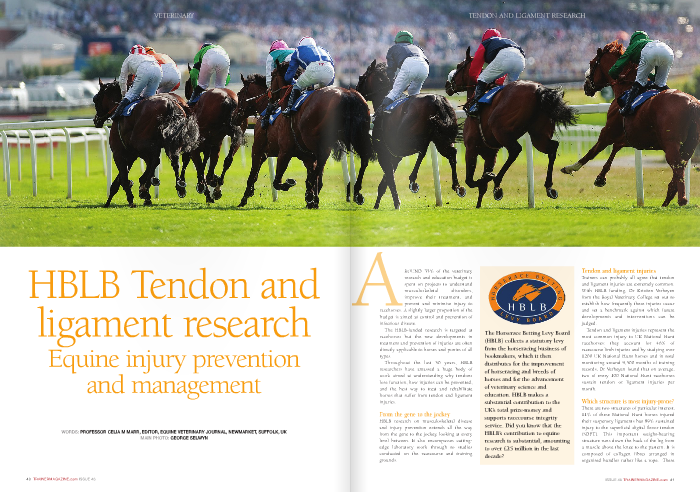
Professor Celia M Marr looks into the work carried out by the HBLB over the past 50 years aimed at the prevention and management of tendon and ligament injuries, most recently looking at research into stem cells.


Fractures are relatively common injuries in Thoroughbred racehorses. This relates to the high athletic demands of racing and training, and the cumulative stresses imposed on the musculoskeletal system by the repetitive nature of race training.

The quest to own or train the perfect racehorse can have many starting points. For many people the search for the Holy Grail begins at the yearling sales, where horsemen from around the globe inspect and agonize over young horseflesh, dreaming and hoping of attaining that future champion.
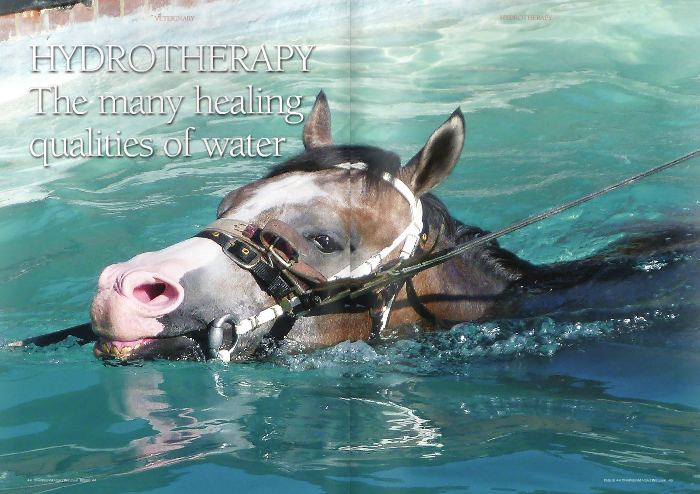


The Background - Lameness resulting from joint degeneration or
osteoarthritis (OA) is one of the most prevalent diseases affecting
horses and the most common reason that vets are called out to
competition horses. OA causes inflammation of the joint lining and
progressive destruction of articular cartilage that covers the ends of
the bones composing a joint. This destruction decreases both the natural
shock-absorbing function and the range of motion of the joint,
ultimately resulting in lameness in the affected animal.
Howard Wilder (14 October 2008 - Issue 10)
Men have been interfering with the equine larynx for centuries, but so
far with only limited success.When a horse is heard to be making a noise
for the first time, it is of serious concern. Sometimes the concern is
only short lived as the horse may be unfit, have a mild respiratory
infection or perhaps a sore throat. However, on other occasions the
equine athlete in question is on the verge of being diagnosed with a
problem that will limit its performance for the rest of its life.
James Tate BVMS MRCVS (14 October 2008 - Issue 10)
Most body systems of the horse have some capacity to respond to physical training of the type used to improve fitness and performance in Thoroughbred racehorses. The art of training is of course assessing what each horse needs, when to start, when to back off and when to accept that you have reached a suitable level of fitness which should result in a horse being able to get close to achieving a performance consistent with its genetic potential. However, the one body system that training cannot improve on is the respiratory system and this article will highlight some of the implications of this.
Dr David Marlin (17 September 2008 - Issue number 9)
This year’s yearling sales are just beginning with Fasig-Tipton July in Kentucky quickly followed by Fasig-Tipton August taking place in Saratoga. Then it is the turn of the monstrous Keeneland September catalogue to lay host to thousands of blue-blooded Thoroughbreds desperate to have their conformation analyzed by trainers, owners and those conformation experts – the bloodstock agents. The 2007 September Keeneland yearling sale sold nearly four thousand horses for just short of four hundred million dollars in seven books, each illustrated with photographs of the current superstars sold at last year’s sale. Does examining a horse’s conformation really give you a better idea as to whether you are looking at next year’s superstar?
James Tate BVMS MRCVS(10 July 2008 - Issue Number: 9)
On February 27th, the United States Congressional Subcommittee on Commerce, Trade and Consumer Protection conducted a day-long hearing on drugs in sports. Discussion of one of the topics, anabolic steroids in horseracing, triggered the typical, knee-jerk reaction by the horseracing industry: heaven help us if there's federal intervention.
(26 June 2008 - Issue Number: 6)
While catastrophic fractures are relatively rare - less than 2 percent
of all horses racing worldwide sustain them - they account for nearly 80
percent of racing-related fatalities. Even with advances in modern
veterinary medicine, fracture diagnosis can often be elusive. What if a
simple blood test could reveal a fracture or a predisposition to one
before it became a crisis?
Kimberly French (10 July 2008 - Issue 9)
Equine Gastric Ulcer Syndrome (EGUS) is an increasingly common problem
in the Thoroughbred racehorse, causing a range of symptoms from
depression to aggression, and often impacting negatively on performance.
Diagnosis is sometimes difficult, although there are methods by which
they can be swiftly identified and treated. Equine gastric ulcers are
graded on a scale of 0 to 4 where 4 is the most severe. A grade of 2 or
more is clinically significant and usually warrants treatment. The
primary objectives of treatment of equine gastric ulcers are to
facilitate healing and relieve symptoms. This can be accomplished by the
use of antacids, histamine receptor antagonists or acid pump
inhibitors. Ulcers are an issue - especially for racehorses- as they can
be a source of chronic pain, leading to reduced appetite, loss of
condition and sometimes colic. The clinical signs of the problem are
often intermittent, and can vary tremendously depending on the horse and
the types of discipline they compete in.
Rachel Queenborough (10 July 2008 - Issue 9)
Nuclear scintigraphy or 'bone scanning' attempts to take lameness
diagnosis one stage further by predicting rather than just diagnosing
fractures. It is an imaging technique that searches for an increase in
bone production and thus can often pinpoint the cuase of minor lameness
problems before they become catastrophic injuries.
James Tate (26 June 2008 - Issue 6)
Steeplechase racing in particular is a high risk sport for the horse. There is currently some fairly extensive research into racehorse injuries and fatalities on the racecourse, with previously published scientific reports on the subject being widely available. The racing industry is aware of the need for such reports, as the industry itself is very much in the public eye with regard to injury rates on the racecourse.
Nicole Rossa (14 February 2008 - Issue Number: 7)
Oxygen is the fuel of life and its efficient use is the key to athletic
fitness. The respiratory system of the racehorse must work hard to
harvest the 20 percent of oxygen present in the air we all breathe.
Observing a horse after his work on a cold morning provides a visual
reminder of this, as the breath surges from his nostrils.
Barry Sangster (14 February 2008 - Issue 7)
One of the major challenges in training racehorses is keeping them
sound. Not unlike a human athlete, a racehorse's ligaments, tendons,
bones and joints are susceptible to injury throughout its career and, at
times, it seems impossible to avoid some sort of musculoskeletal
mishap.
Kimberly French (14 February 2008 - Issue 7)
The mouth of a Thoroughbred is the principle means of communication between the horse and his rider. Other aids are used as well, but for many, the bit is what determines direction, rate of speed and position or frame in which the horse moves.
Kimberly French (01 December 2007 - Issue Number: 6)
In 1889, for the fourth edition of his book “The Racehorse in Training with Hints on Racing and Racing Reforms”, the English jockey turned horse trainer William Day added a chapter on shoeing, his preface stating one topic, highly important to all owners of horses, might advantageously be added…the aim to deal with facts and to avoid speculation.
Caton Bredar (01 October 2007 - Issue Number: 5)
At the height of the flat racing season how many different terms are used to describe horses that lose their action? The description depends very much upon those that are explaining the condition and what is perceived to be the cause and the effect; the animal simply becomes scratchy and non free flowing in its movements. The exciting cause reveals itself as being “JARRED UP.” At this early stage no observable foot specific secondary condition is presented.
Peter Baker (European Trainer - issue 19 - Autumn 2007)
Steeplechase racing in particular is a high risk sport for the horse. There is currently some fairly extensive research into racehorse injuries and fatalities on the racecourse, with previously published scientific reports on the subject being widely available.
Nicole Rossa (European Trainer - issue 19 - Autumn 2007)
Exciting new advances in ultrasound image technology have provided a better understanding of both the anatomy and function of the heart at rest and during exercise. In the last 30 years many veterinary clinics and universities with equine departments that study equine physiology are able to study the heart of the equine athlete in their own sports performance laboratories, while exercising on a high-speed treadmill.
Robert Keck (European Trainer - issue 19 - Autumn 2007)
The powerhouse for a horse in training is found in its large muscle mass. Whilst genetic makeup within the Thoroughbred breed has a large impact on a horse’s innate racing ability, dietary factors will also influence subsequent performance.
Dr Catherine Dunnett (European Trainer - issue 19 - Autumn 2007)
Nasal strips’ future in Thoroughbred racing seemed limitless in the fall of 1999. Just two weeks after longshot Burrito won a race at Keeneland wearing one, 29 of the 101 horses competing in the 1999 Breeders’ Cup at Gulfstream Park November 6th had the 4-by-6-inch strip affixed 1.5 inches above their nostrils.
Bill Heller (European Trainer - issue 18 - Summer 2007)
No doubt we are all aware of the plethora of dietary supplements that are now available and that are promoted as offering clear and profound benefits to our horses’ health, general well being and performance. In the latter category are the so-called ergogenic aids. So what are they, and do they work?
Dr Catherine Dunnett (European Trainer - issue 18 - Summer 2007)
Anaerobic work is performed at heart rates above 150 BPM and involves explosive power such as short sprints, acceleration, and fast galloping. A Quarter Horse running 2 furlongs would be deriving energy 60% anaerobically and 40% aerobically.
Robert Keck (European Trainer - issue 18 - Winter 2007)
The rules of racing are intended to maintain a level playing field; any
drug testing program is meant to monitor compliance to those rules. In
reality, drug testing is a deterrent. For truly illicit activity where
the intent is to take an unfair advantage (cheat), the current program
in California is working well. But we know it isn't perfect. We are
always looking for holes in the system and ways to improve the program.
Rick M. Arthur, DVM, - (01 July 2007 - Issue Number: 4)
There is a need for several changes and improvements in international racing. None can be more pressing that the issue on international regulations on the use of medication. Both on and off the tracks.
Geir Stabell (19 May 2007 - Issue Number: 3)
The use of homespun and herbal remedies may have been superseded by
wormers formulated after lengthy research programmes, but the control of
worms in the horse remains as important for horsemen today as it was
when the significance of these unwanted passengers was first understood.
Dr Philip K Dyson BVMS Cert. EM and Barry Sangster BVMS MRCVS (19 May 2007)
Equine researchers are still uncovering everything shockwave therapy can do for horses after it was initially and successfully used in Germany in 1996 to treat lameness.
Bill Heller (European Trainer - issue 17 - Spring 2007)
The expression ‘no foot no horse’ should perhaps be extended to cover all the bones of the skeleton, for as far as racehorses are concerned, without strength and durability in this area a trainer’s job is fraught with difficulties.
Dr Catherine Dunnett (European Trainer - issue 16 - Winter 2006)
The expression no foot no horse’ should perhaps be extended to cover all the bones of the skeleton, for as far as racehorses are concerned, without strength and durability in this area a trainer’s job is fraught with difficulties. The number of training days lost to lameness in a season is testament to this. A racehorse diet should help to maintain the skeletal system during rigorous training. This task is no doubt easier when the skeletal foundations have been firmly laid in utero and during the rapid growing phase.
Dr Catherine Dunnet (19 October 2006 - Issue Number: 2)
Horses are similar to many other species with the skin being the largest
organ in the body. This is based on overall organ size; just think
about the total surface area of a 600 kg horse!; The good news is that
it can be easily evaluated by visual inspection and palpation. Specific
tasks for equine skin include protection from trauma, thermoregulation
(temperature control; sweating and heat conservation), sensory
perception, secretory function and pigmentation. In addition, it is
important to recognize that skin is an important indicator of systemic
health since disorders of the skin may actually indicate systemic ill
health.
Elizabeth G. Davis, DVM, PhD, DACVIM, Kansas State University (16 October 2006)
What is immunomodulation? By definition this simply means that we modify the natural immune response. This can occur in one of two ways, either by boosting the response with immunostimulants or suppressing the response with medications like corticosteroids. Currently immunostimulation has become a more widely discussed method of managing horses suffering from infectious disease.
Elizabeth Davis, DVM, PhD, Dip. ACVIM (19 September 2006)
One of the most common orthopedic problems encountered in young horses is osteochondritis dissecans (OCD). This is of particular concern in the Thoroughbred industry, where horses are often bought and sold before maturation is complete and are expected to perform starting at a relatively young age. There are many common sources of confusion surrounding this disease. Deborah Spike-Pierce, DVM discusses research into the development, causes and treatment of OCD.
Deborah Spike-Pierce, DVM (13 October 2006 - Issue Number: 1)
A fast growing treatment for racehorses is Reiki, an ancient Japanese healing methodology which is said to date back over 2000 years, but was actually ‘discovered’ by a monk in Victorian times.
Paul Peacock (European Trainer - issue 15 - Winter 2006)