
Training
There is little doubt that, in the discourse on aftercare, the volume is, slowly but surely, being turned up.
The International Forum for the Aftercare of Racehorses (IFAR), an organisation of just 10 years’ standing, whose mission it is to advocate for lifetime care for retired racehorses, and to raise awareness of and encourage best practice in their aftercare, recently introduced a membership and supporter scheme.
Already, its website boasts no fewer than 42 member organisations and 50 supporters worldwide in a list that is ever growing. In May, in Newmarket, the Jockey Club hosted a seminar focussing on preparing racehorses for retirement and retraining.







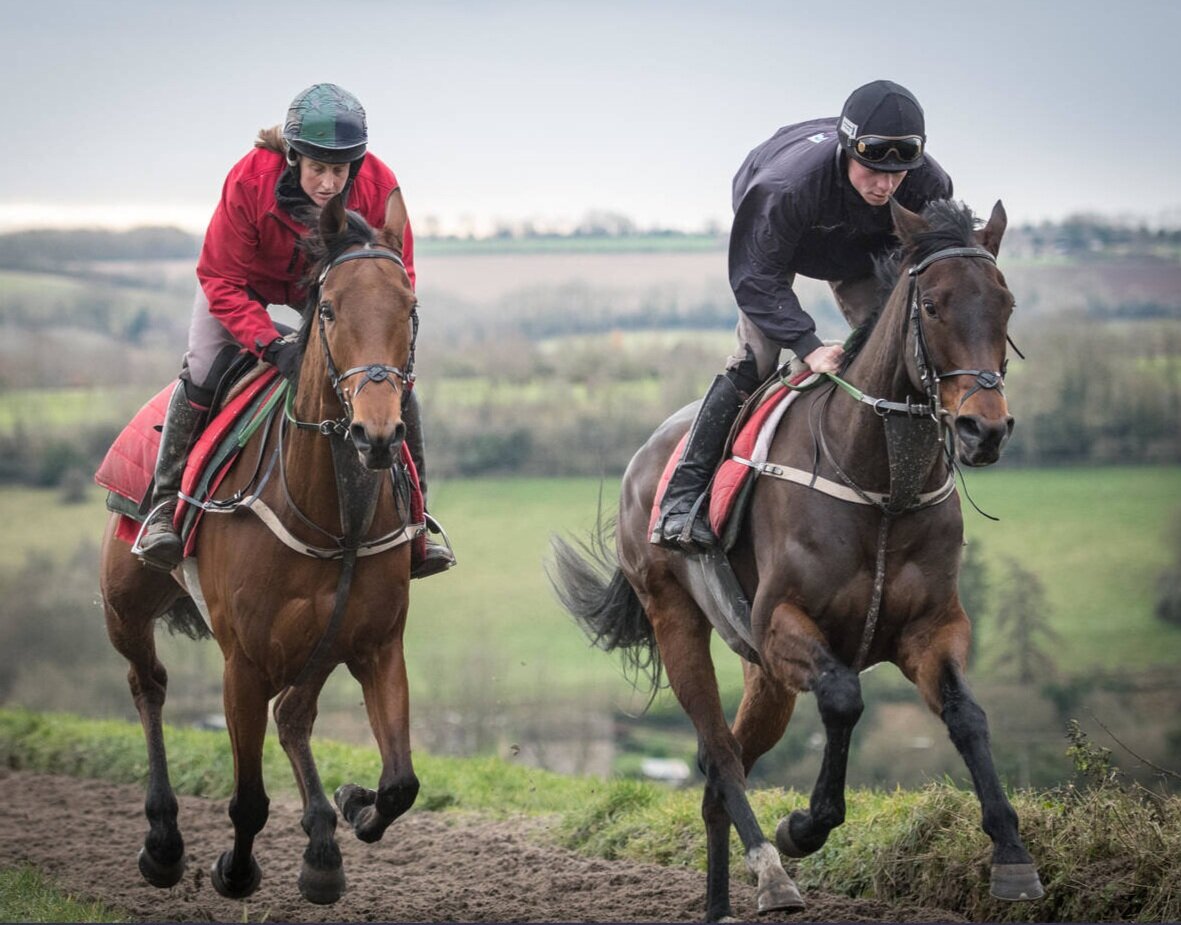






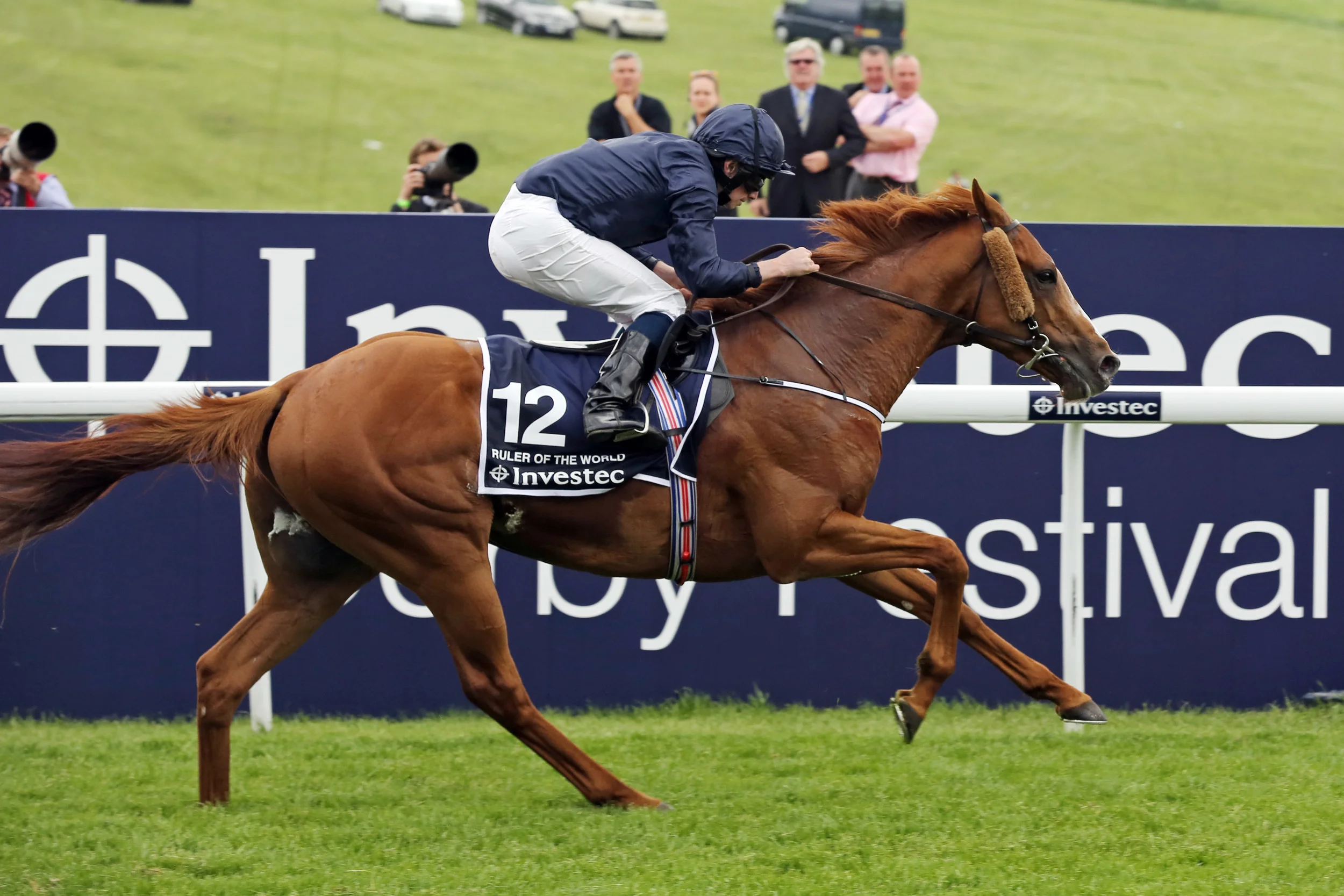
Across the world in all racing jurisdictions, there are horses that perform with a type of headgear for a multitude of reasons. From blinkers to hoods, there a variety of makes, types, and forms of equipment that can be placed on or over a horse’s head with the ultimate aim of enhancing performance.
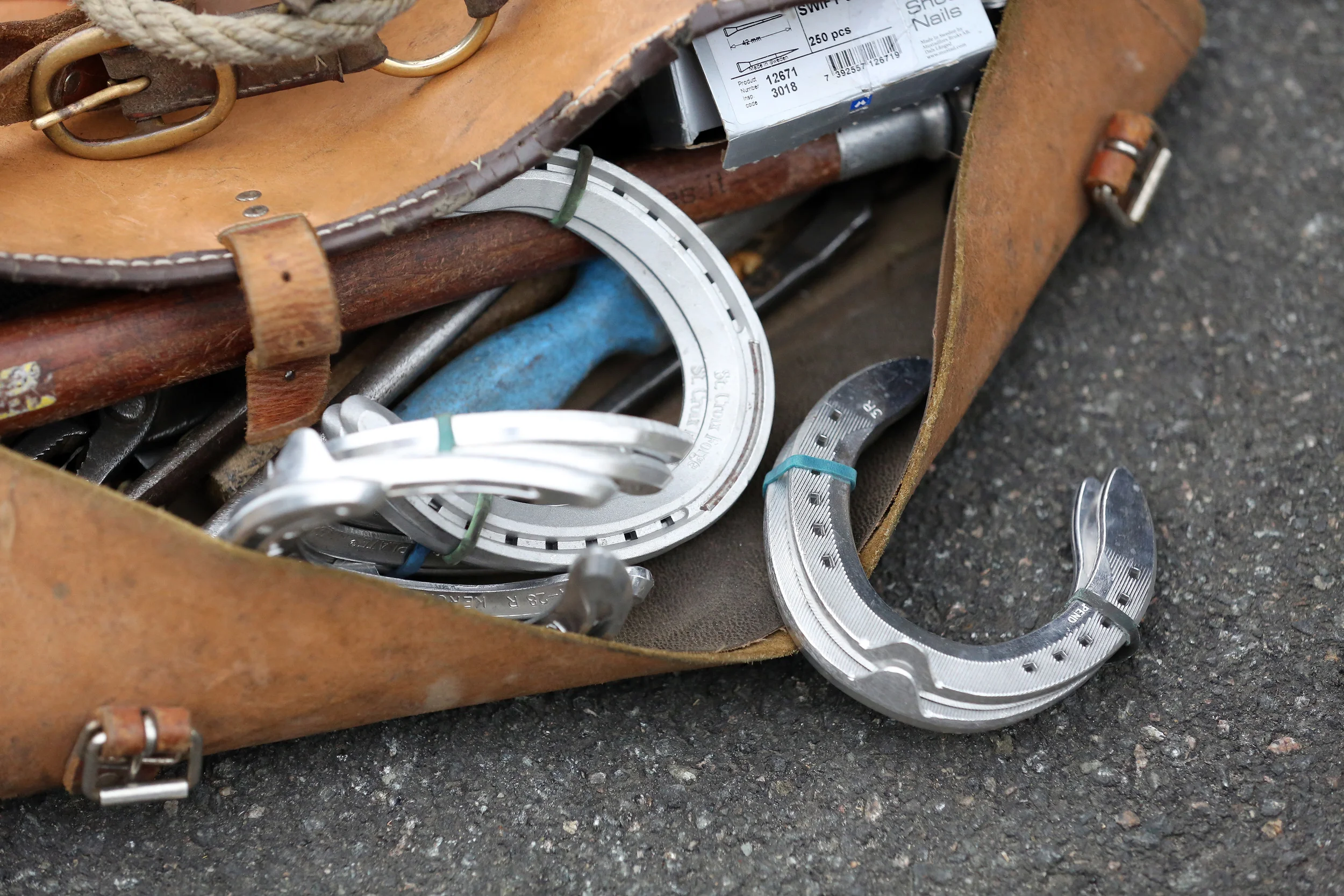
The interaction of a horse’s foot and the ground surface is complex. Stance—that part of the stride when the foot is in contact with the ground—can be divided into three phases, which determine the loading environment of the limb: impact, mid stance and push off. Loading of the limb determines how it functions and also influences where injury may occur. Research funded by the Horserace Betting Levy Board at the Royal Veterinary College has focussed on the foot and is allowing a greater understanding of the effect of changes in surface or shoeing on stance, on remodelling of the tissues and ultimately on the risk of injury.
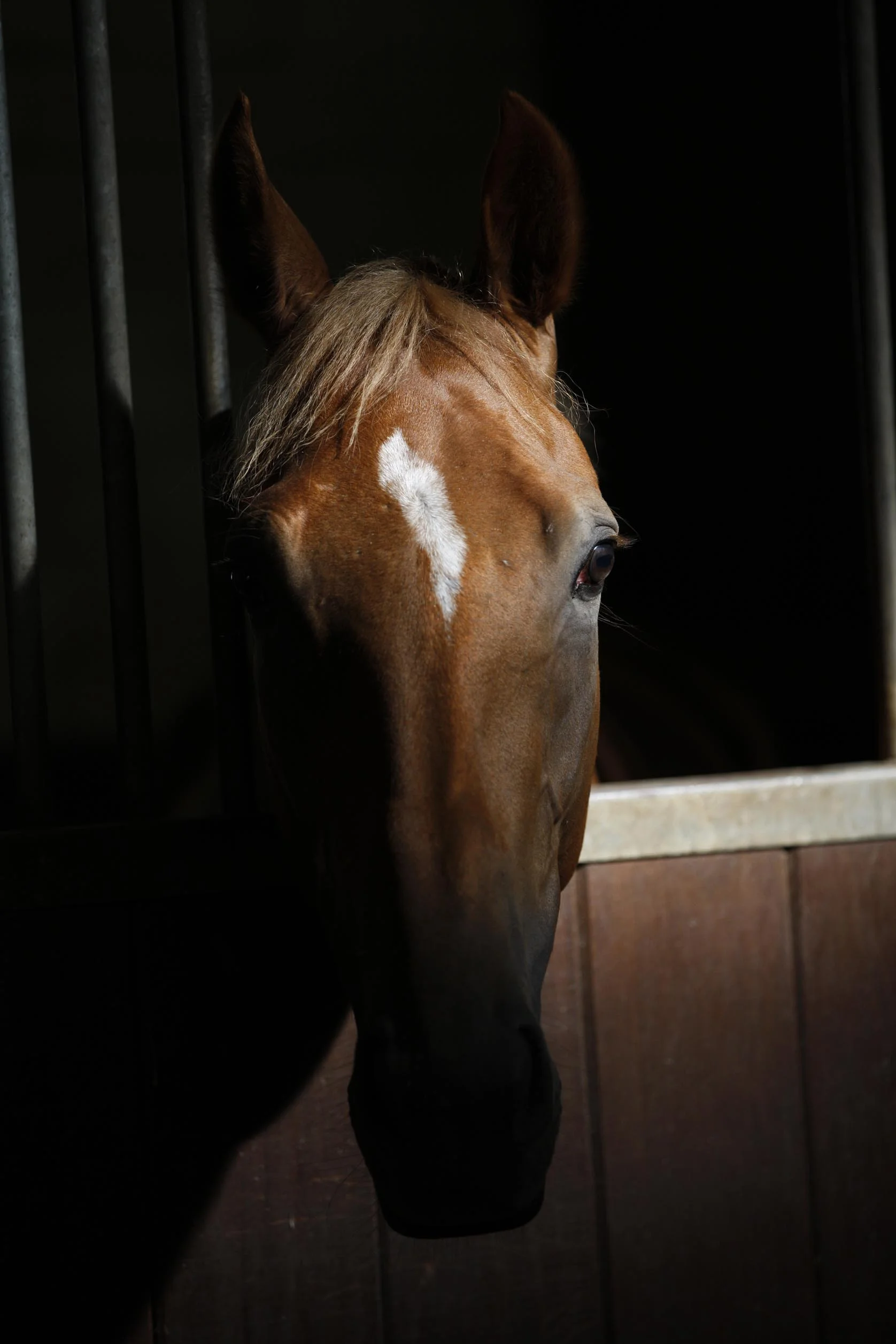
Recipient of multiple awards, including the Saratoga Trainer’s Title and the Eclipse Award for Outstanding Trainer, Bill Mott is no stranger to travelling with his horses. For example, Mott was trainer and chaperone of Cigar, winner of the inaugural Dubai World Cup in 1996. How do Mott and other elite trainers consider the impact of jet lag, light-dark cycles, and other factors associated with shipping across times zones on their horses’ performance?
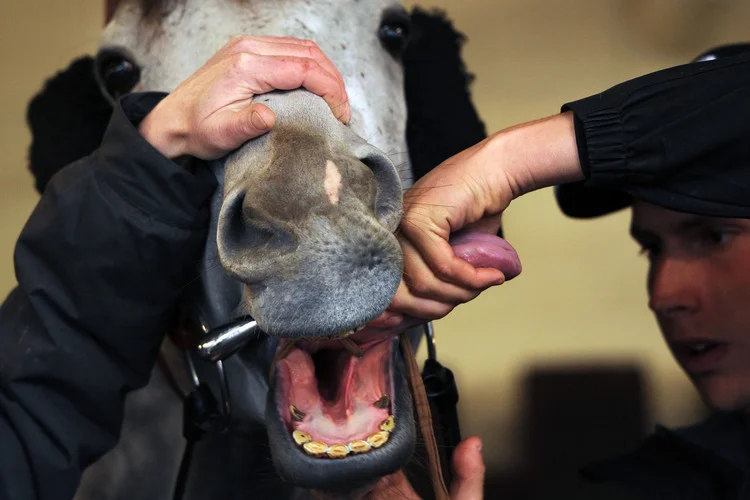
Tongue-ties (strips of material passed through the horse's mouth over the tongue and tied under the jaw) have been used for generations on racehorses worldwide as a method for the rider to retain control if his horse is prone to manoeuvering it's tongue over the bit. The use and efficacy of tongue-ties has spawned much debate and the Equine Veterinary Journal published reports in 2009 and 2013 evaluating use on racing performance and airway stability in thoroughbred racehorses.
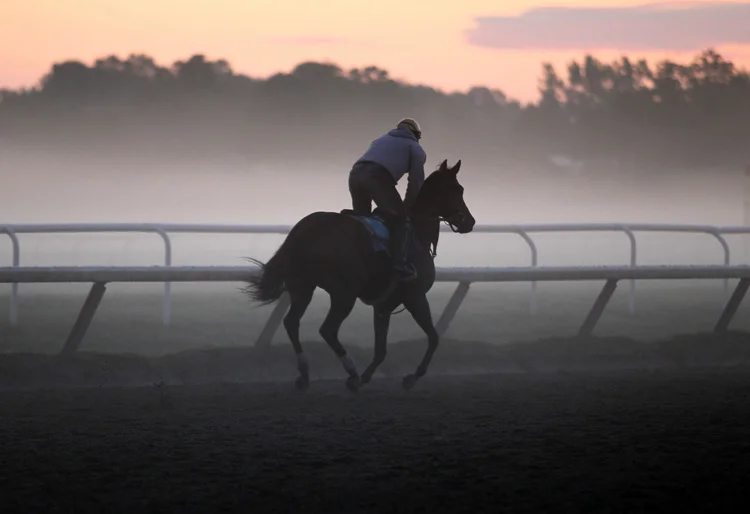
Timing is everything and nowhere is this more relevant than when preparing an elite equine athlete for a race. Here, Barbara Murphy reveals a fascinating insight into the circadian system of the racehorse and how timing daily exercise impacts equine performance.
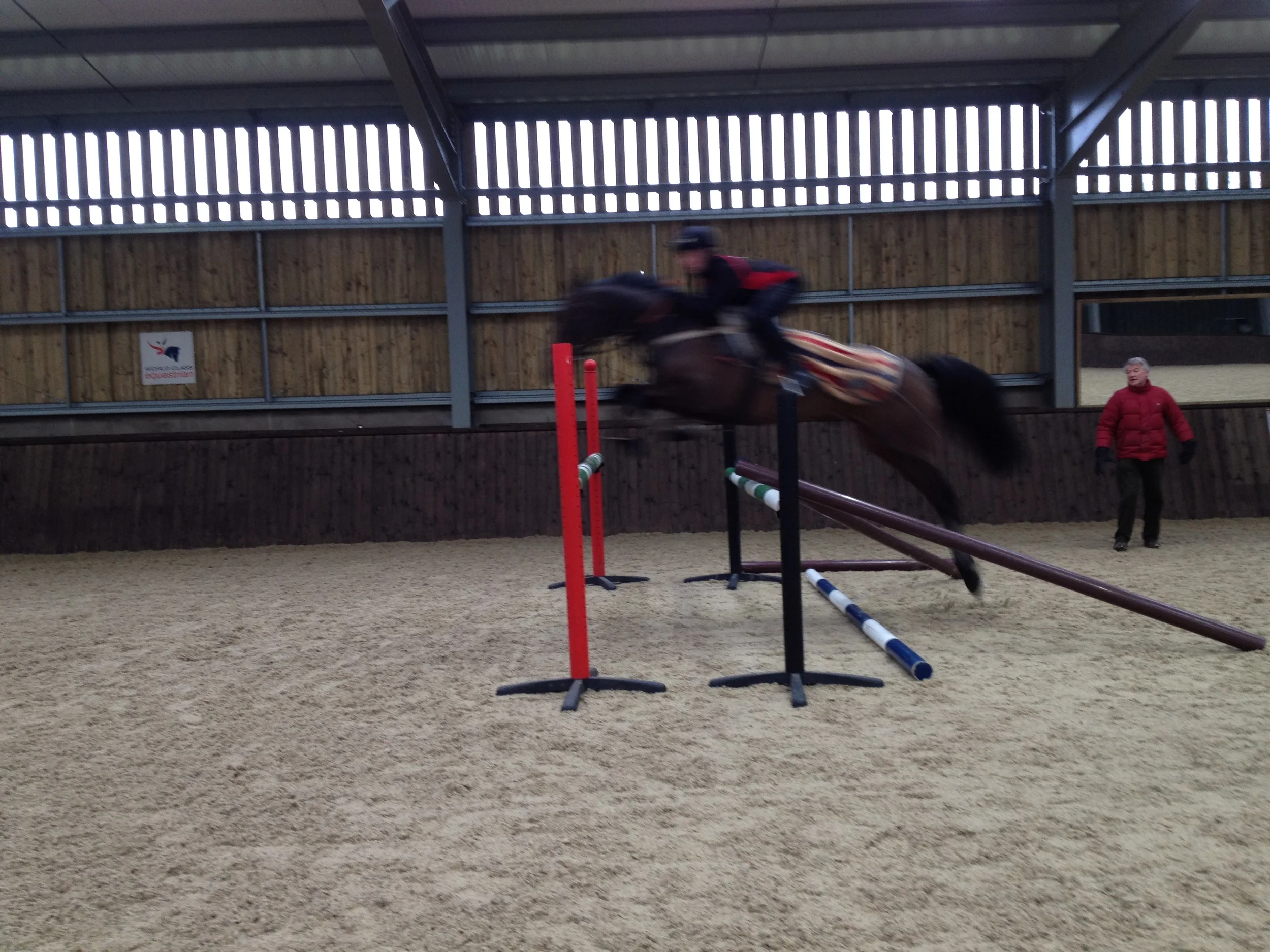
Emma Berry speaks to Yogi Breisner about his work within the racing world and why he has helped many racehorses get that one step ahead in the jumping game.
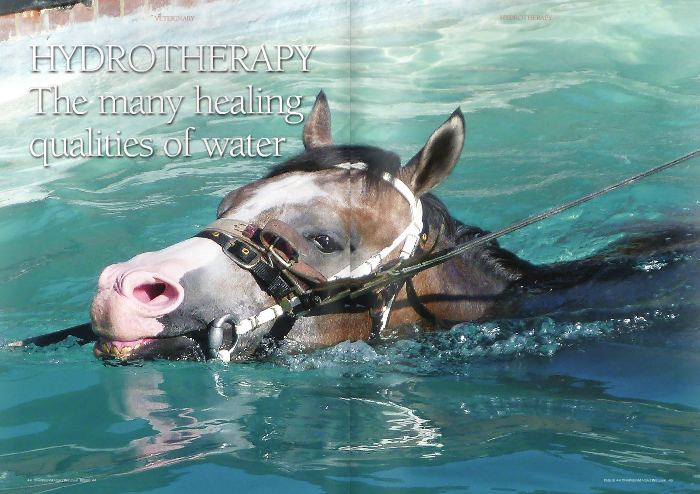

Opting to invest in a property rather than renting a yard, Jennifer Bidgood decided to have her modern training centre designed and built from scratch at Chateau Gassard, near Saint Samson in Normandy.
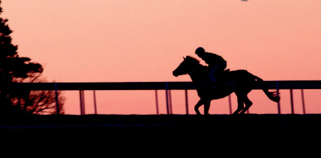
Newmarket Heath has been fiercely protected by the Jockey Club as training grounds for some of the world's best racehorses for more than 250 years.


Preparing a horse for his first start on turf is trickier than most people realize. Most tracks ban maidens from their grass courses, and many allow only grass stakes-nominated horses who have not made their last start against maidens or claimers to work on the turf course.
Bill Heller (10 July 2008 - Issue Number: 9)
Trainers at the main French training base, Chantilly, have gone green and are soon to be the envy of their contemporaries around the world with a ground-breaking manure-disposal project. Faced with piles of manure, the bane of all trainers' lives, Chantilly professionals are working together to launch a pioneering scheme which looks set to solve all their problems and at the same time reap both environmental and financial rewards. The 10-million euro project, which should be operational towards the end of 2009, is at the cutting edge of technology and consists of using a process of methanization to convert the waste into electricity which will then be sold to the EDF (French Electricity Board), and into heat which will be used locally.
Katherine Ford (26 June 2008 - Issue Number: 6)
Research studies have shown that warming up prior to competition is an important factor in preparation to enhance performance and potentially reduce injury risk. When it comes to cooling down, research shows that active cooling down is more beneficial than passive cooling down.
Nicole Rossa (European Trainer - issue 22 - Summer 2008)
It is important to see the needs of the racehorse as being different from horses kept for any other sporting purpose. Its management, feeding, training and stabling are all critical and unique.
Peter Gray (European Trainer - issue 21 - Spring 2008)
Exciting new advances in ultrasound image technology have provided a better understanding of both the anatomy and function of the heart at rest and during exercise. In the last 30 years many veterinary clinics and universities with equine departments that study equine physiology are able to study the heart of the equine athlete in their own sports performance laboratories, while exercising on a high-speed treadmill.
Robert Keck (01 October 2007 - Issue Number: 5)
The combined forces of Italian trainer Daniele Camuffo and the enigmatic Turkish businessman Mehmet Kurt have brought to fruition a project first dreamt up by Kurt himself more than a decade ago.
Niki Sweetnam (01 October 2007 - Issue Number: 5)
Equine exercise physiology is defined as the study of the horse’s body systems in response to exercise. A relatively new scientific field, equine exercise physiology provides an incredible amount of information that can be used to maximize performance, and extend the health and longevity of the athletic horse.
Robert Keck (01 July 2007 - Issue Number: 4)
Horsewalkers are used extensively in the management and training of horses. They permit controlled exercise of horses at walk and trot and are less labour intensive than most other forms of controlled exercise, such as walking in-hand, lunging, riding, swimming or running horses on treadmills.
Dr David Marlin & Paul Farrington (European Trainer - issue 18 - Summer 2007)
The claims of manufacturers of light therapy equipment for equines vary from the scientifically proven, through the scientifically dodgy to the downright bizarre. Trainers need to be able to sift through the advice and make financially viable judgements and weigh up the various proposed benefits against costs
Paul Peacock (19 October 2006 - Issue Number: 2)
Lunging and long reining may seem like old fashioned, basic disciplines for working horses. However by the end of this article, I hope to remind you that these disciplines, when incorporated into your horse’s work routine, can really enhance their physical and emotional state.
Bolette Petersen (19 October 2006 - Issue Number: 2)
From stud to stable, weighing machines have augmented, and even supplanted, the empirical judgment of the eye. Applications range from gauging the development of the weanling to assimilating the optimal fighting-weight of the performance horse to monitoring the effects of transportation.
James Willoughby (European Trainer - issue 7 - Spring 2004)
We asked Justine Harrison to explain why consideration must be given to the psychological factors, as well as the physical, that may affect the racehorse's performance.