
Industry
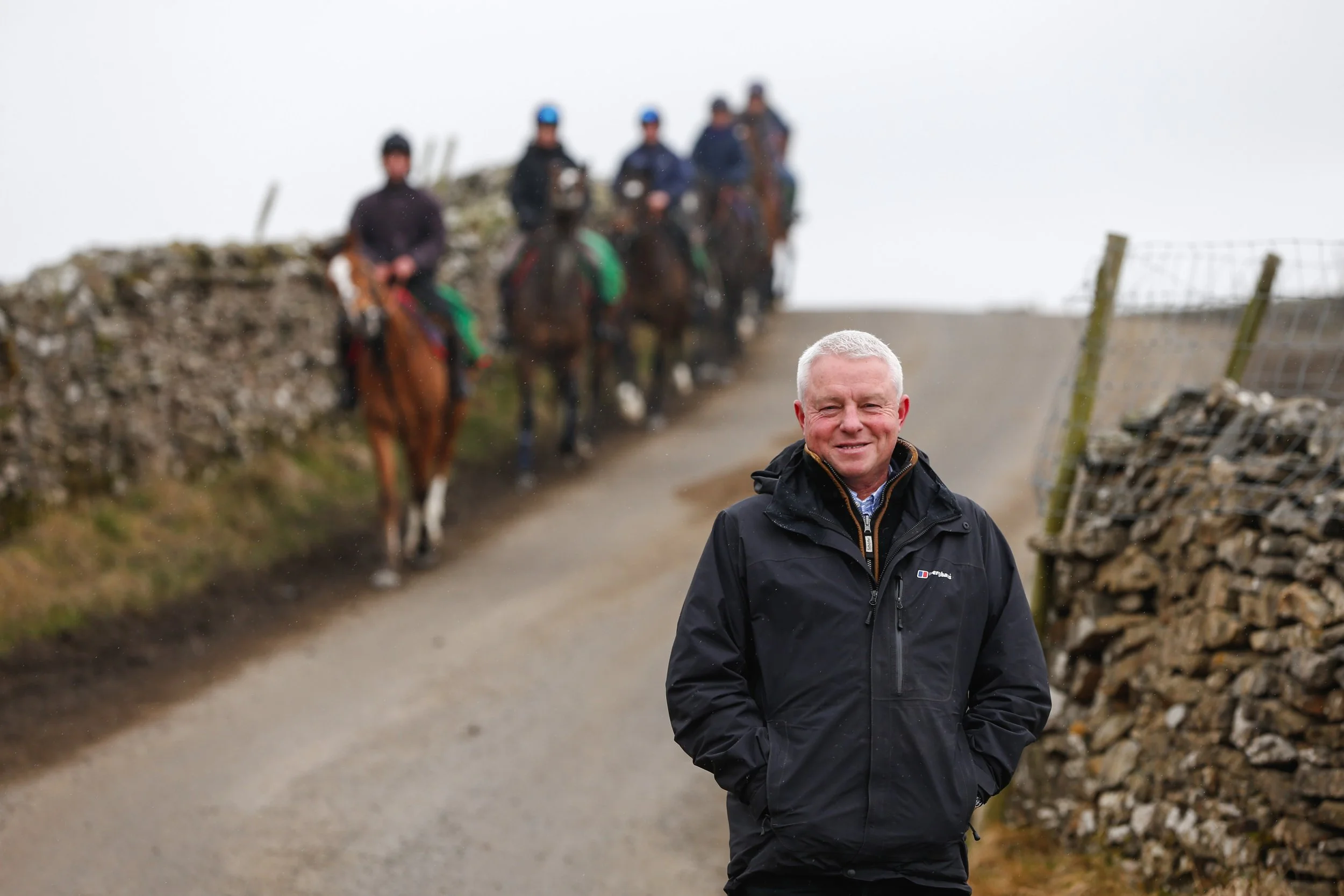
As costs escalate in all spheres and prize money lags far off the pace, many trainers are finding times extremely tough. We spoke to three professionals—Jedd O’Keeffe (Britain), David Marnane (Ireland), and Didier Prod’homme (France)—to discuss how they have adapted their businesses to the current economic climate.
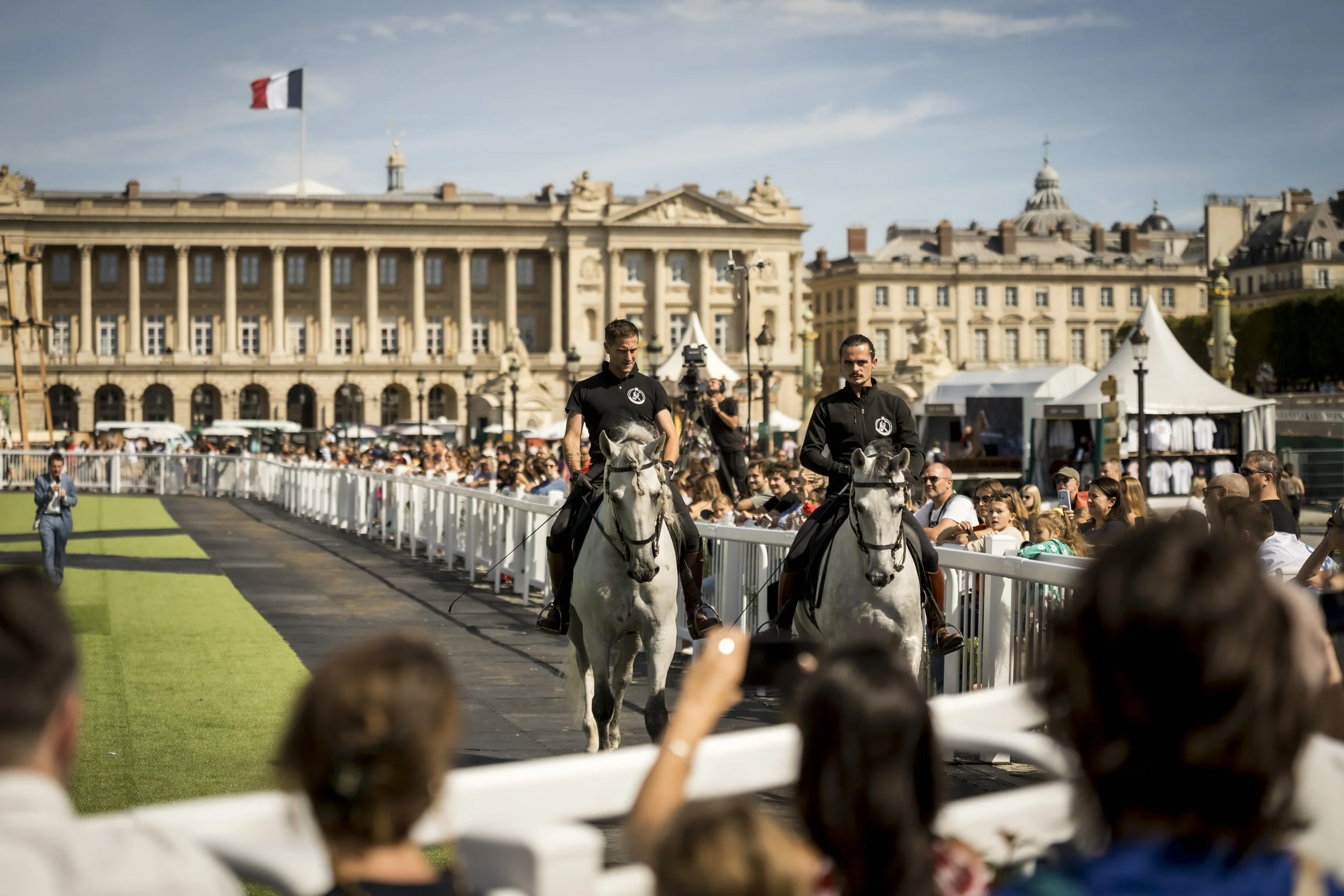
The appeal of sporting events now extends beyond competition. Audiences have evolved, expecting experiences that combine sport with atmosphere, engagement, and involvement. This shift has prompted organisers to create more immersive environments. Racecourses are no exception. As Laurent Dupont, Commercial and Marketing Director of France Galop, notes, "we cannot propose only horses nowadays... people, when they buy a ticket, want more, they want to be surprised and have a wonderful day". To stay relevant, racecourses must modernise their offerings and craft experiences that are dynamic, intriguing, and aligned with contemporary audiences.
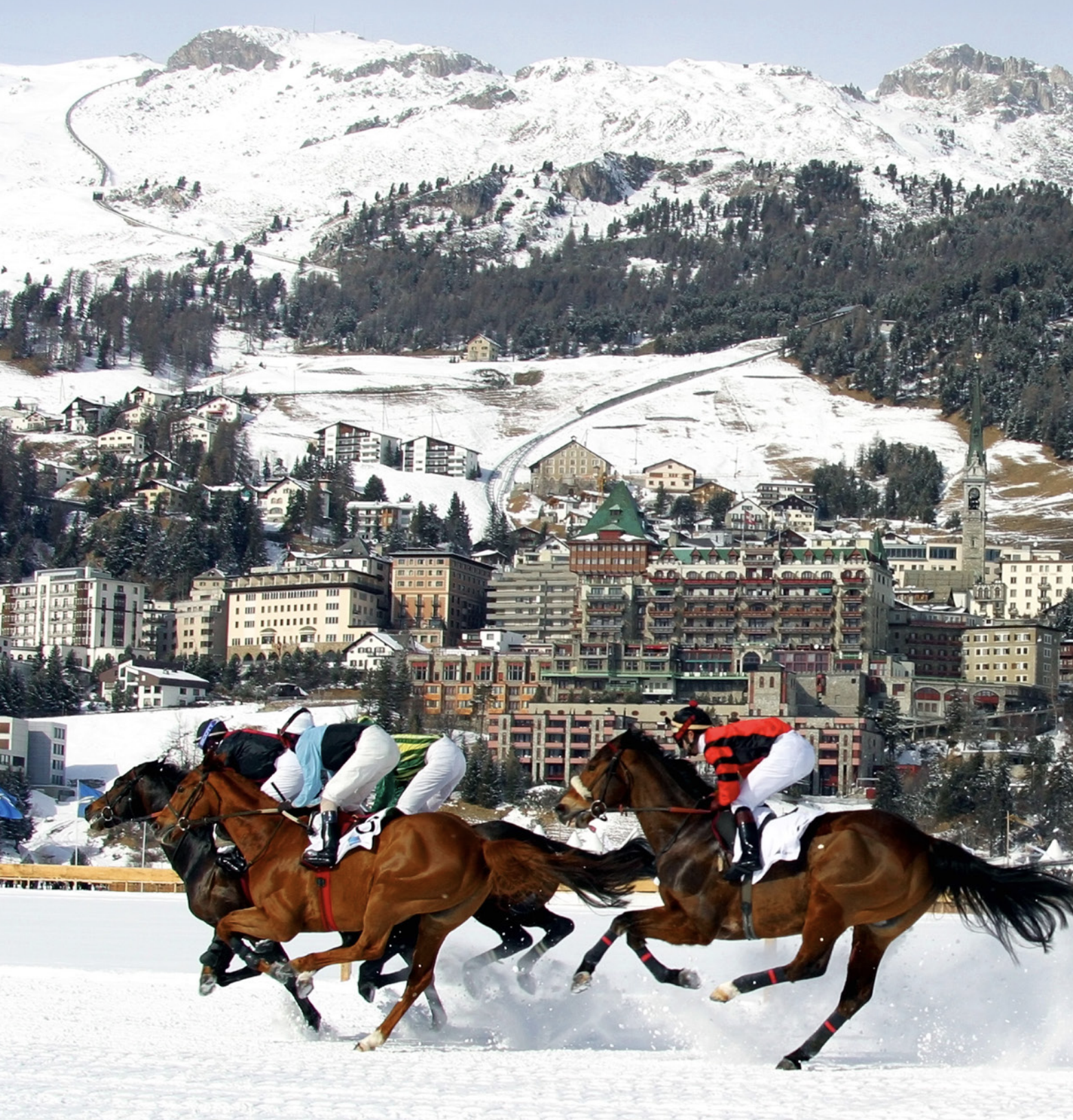
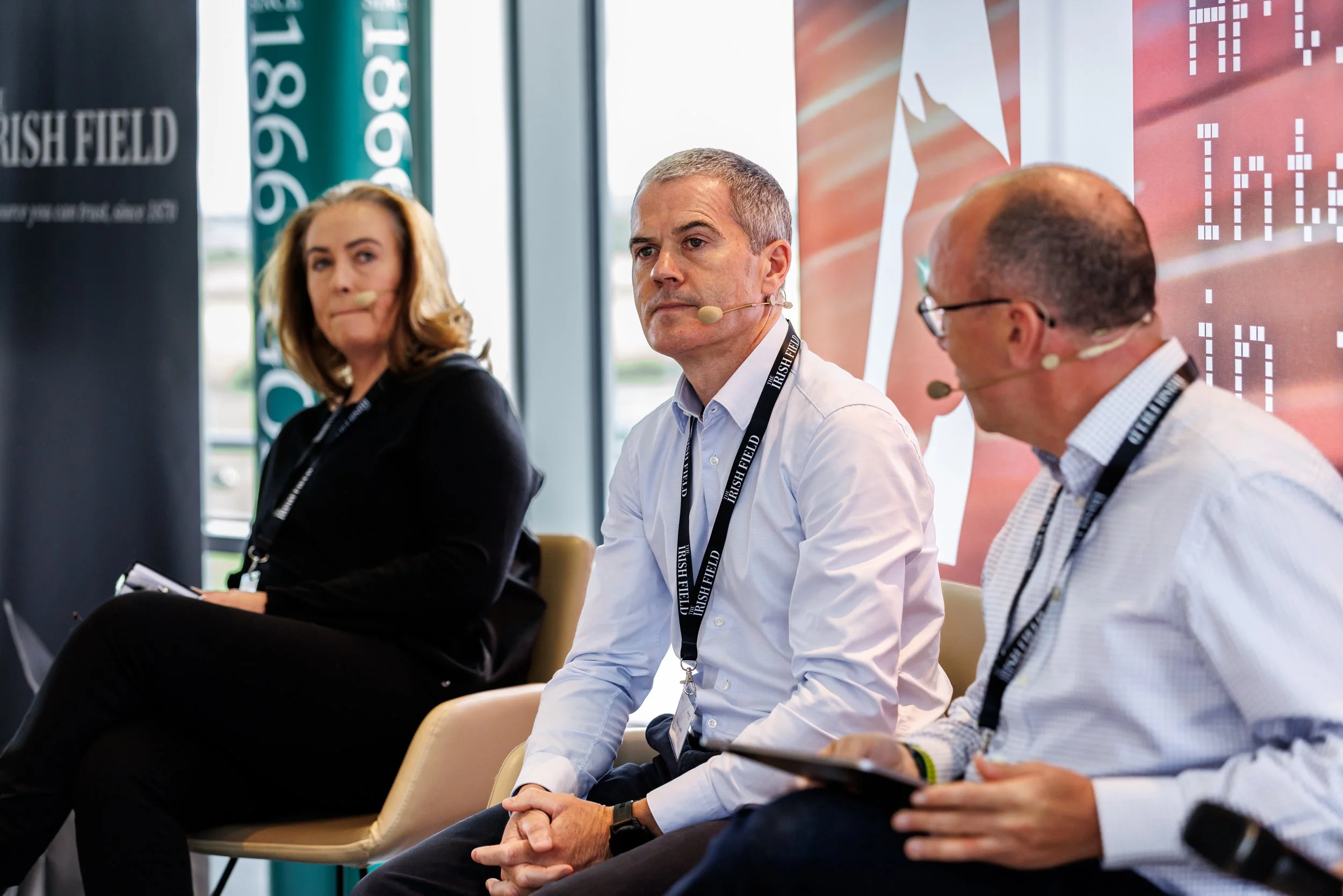













The horseracing industry is battling for its life, and the key point of contention is medication—not just a push for uniform medication rules, but a movement to eliminate all race-day drugs. Two years after the Breeders' Cup banned anti-bleeding medication for its juvenile races, Gulfstream Park in Florida has announced its intention to offer Lasix-free races for 2015, and the Kentucky Horse Racing Commission is considering doing the same for its tracks. North America is the only region of the world that allows race-day medication.



When lifelong horsemen Nancy and Harvey Vanier were married in 1960, state racing programs were barely in the discussion phase.The concept of millions of dollars allocated specifically to and for horses bred or raced in a particular state was at least a decade away.The closest thing to an Illinois-bred was Nancy herself.
Caton Bredar (10 July 2008 - Issue Number: 9)
The world has gone gambling mad, and perhaps it will hit us harder than most people anticipate in coming years. There is fierce competition out there, for the betting pound, the gambling euro and the wagering dollar. Therefore, this is not a good time for horseracing to lose its share of the gambling pot.
Geir Stabell (European Trainer - issue 22 - Summer 2008)
Chantilly trainers have gone green and are soon to be the envy of their contemporaries around the world with a ground-breaking manure-disposal project. The 10-million euro project is at the cutting edge of technology and consists of using a process of methanisation to convert the waste into electricity which will then be sold to the EDF (French Electricity Board), and into heat which will be used locally.
Katherine Ford (European Trainer - issue 21 - Spring 2008)
Twenty-five years ago John R. Gaines in Kentucky came up with an idea, the Breeders’ Cup series. Gaines felt that Thoroughbred racing needed a high profile day, which would make it possible for the sport to compete with NFL, NHL and NBA in the media picture. Everyone involved in racing agreed.
Geir Stabell (European Trainer - issue 20 - Winter 2007)
For all the differences between the horseracing and betting landscapes in Britain and North America - size, history, administration and race and bet types, - one similarity of principle has emerged over the last five years. The live televised racing scene has crystallised into two entities, and the impact on both the foundation and prosperity of the sport and the availability of its betting facilities has been thrown into the blender.
Howard Wright (01 October 2007 - Issue Number: 5 )
Geir Stabell (01 October 2007 - Issue Number: 5)
Not too long ago, I saw a TV interview with Terje Haakonssen, three times World Champion snowboard rider. When talking about his lifestyle, and that of the general public, he made an interesting point; “Look carefully at what you eat, take it seriously,” he said, “People don’t. You know, a man is ever so careful about what quality of petrol and oil he gets for his new car. But when he has filled it up with the best he can find, the most expensive, he buys a full-fat cheeseburger and a large coke for himself.” Perhaps many of us value our cars more than we value our bodies.
Geir Stabell (European Trainer - issue 19 - Autumn 2007)
Trivia fiends interested in international horseracing and betting will have a field day with the combined question: Which country operates the world’s most extensive pari-mutuel system, and which company is the operator? It might not be who you would expect...
Howard Wright (European Trainer - issue 18 - Summer 2007)
Attending industry conferences and seminars, especially those staged overseas, as a media reporter can be hard work – honestly! – but when you come across speakers at the top of their game, who can put over concise points in layman’s language, the tedium of long days, and sometimes even longer nights, wafts away on a breeze of simple understanding.
Howard Wright(19 May 2007 - Issue Number: 3)
Attending industry conferences and seminars, especially those staged overseas, as a media reporter can be hard work – honestly! – but when you come across speakers at the top of their game, who can put over concise points in layman’s language, the tedium of long days, and sometimes even longer nights, wafts away on a breeze of simple understanding.
Howard Wright (European Trainer - issue 17 - Spring 2007)
For all the differences between the horseracing and betting landscapes in Britain and North America, one similarity of principle has emerged over the last five years. The live televised racing scene has crystallised into two entities, and the impact on both the foundation and prosperity of the sport and the availability of its betting facilities has been thrown into the blender.
Howard Wright (European Tariner - issue 19 - Autumn 2007)
Disputes about horses and money are all too common in the racing world. The legal process is not a good way of settling disputes it can be costly, lengthy, antagonistic and uncertain. Therefore other ways of settling disputes have been sought. Walking away from a problem may work but it all too often returns twofold.
Nicholas J. Mills, M.A. (European Trainer - issue 14 - Summer 2006)
The enforcement of new European legislation next spring may come as a costly blow to racehorse transporters. The regulation aims to safeguard animal welfare by radically improving conditions during transport, but the racing industry feels that existing standards are already sufficient and the innovations amount to only red tape.
James Willoughby (European Trainer - issue 14 - Summer 2006)
Well that is too soon to say, but there is a significant difference between the newly upgraded “f&m” events and how other races that have earned Group One status over the years. The key word is “earned” of course, as a race cannot, under normal circumstances, be upgraded unless it has earned it through attracting high quality fields.
Geir Stabell (European Trainer - issue 13 - Spring 2006)
Anyone heard of it? No? EHSLC? Still no-one? Thought not. Neither its full nomenclature nor its clumsy acronym elicits anything approaching a visceral response amongst racing professionals.
This summer the Football World Cup will take place in Germany. Teams from Africa may play teams from South America. It is unlikely they'll talk the same language and the games may well be refereed by Asians who speak neither French nor Spanish! But, they all know the rules they are playing by. You see, wherever international football, rugby, cricket, basketball or golf (to name but a few sports) uniform rules of sport are in place.
Christian von der Recke (European Trainer - issue 13 - Spring 2006)
For some across Europe it may be hard to believe, but we’re still in the midst of the Triple Crown season in England. Deep down I’d love to be two stone lighter for the summer so I could ride in some of these races. But I’m watching from the sidelines and getting drawn in by the marketing that is taking over our major flat races.