
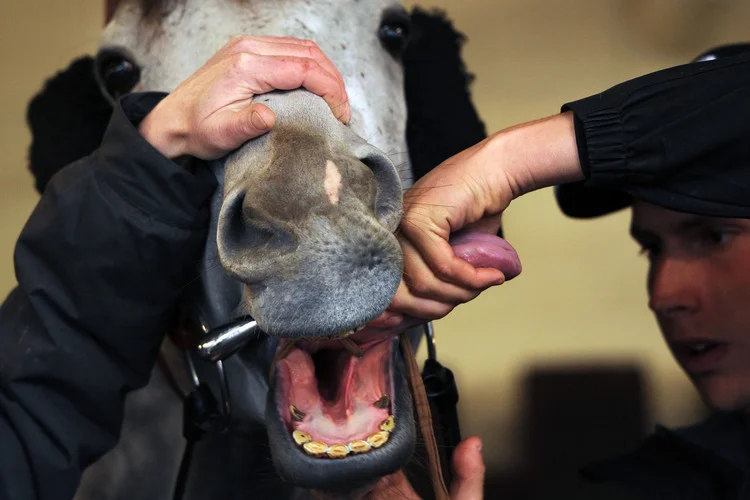
Tongue-ties - their place in racing in 2014
Tongue-ties (strips of material passed through the horse's mouth over the tongue and tied under the jaw) have been used for generations on racehorses worldwide as a method for the rider to retain control if his horse is prone to manoeuvering it's tongue over the bit. The use and efficacy of tongue-ties has spawned much debate and the Equine Veterinary Journal published reports in 2009 and 2013 evaluating use on racing performance and airway stability in thoroughbred racehorses.
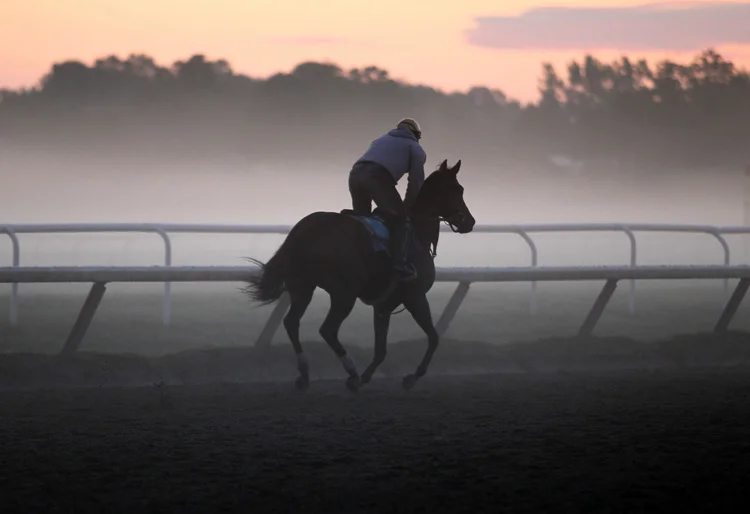
The effects of routine morning exercise on muscle response in thoroughbreds
Timing is everything and nowhere is this more relevant than when preparing an elite equine athlete for a race. Here, Barbara Murphy reveals a fascinating insight into the circadian system of the racehorse and how timing daily exercise impacts equine performance.
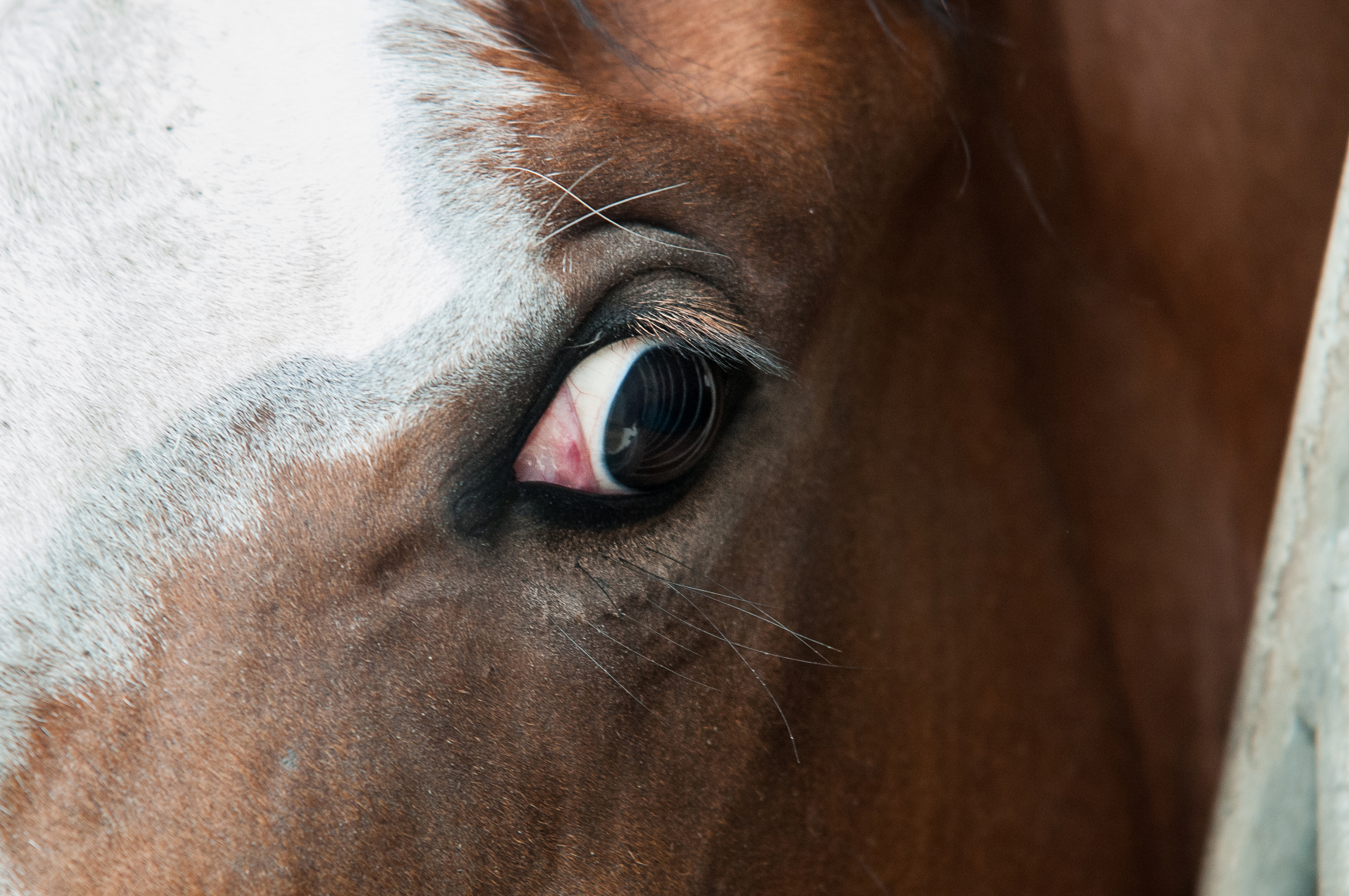
Do horses sense fear?
We asked Justine Harrison to explain why consideration must be given to the psychological factors, as well as the physical, that may affect the racehorse's performance.
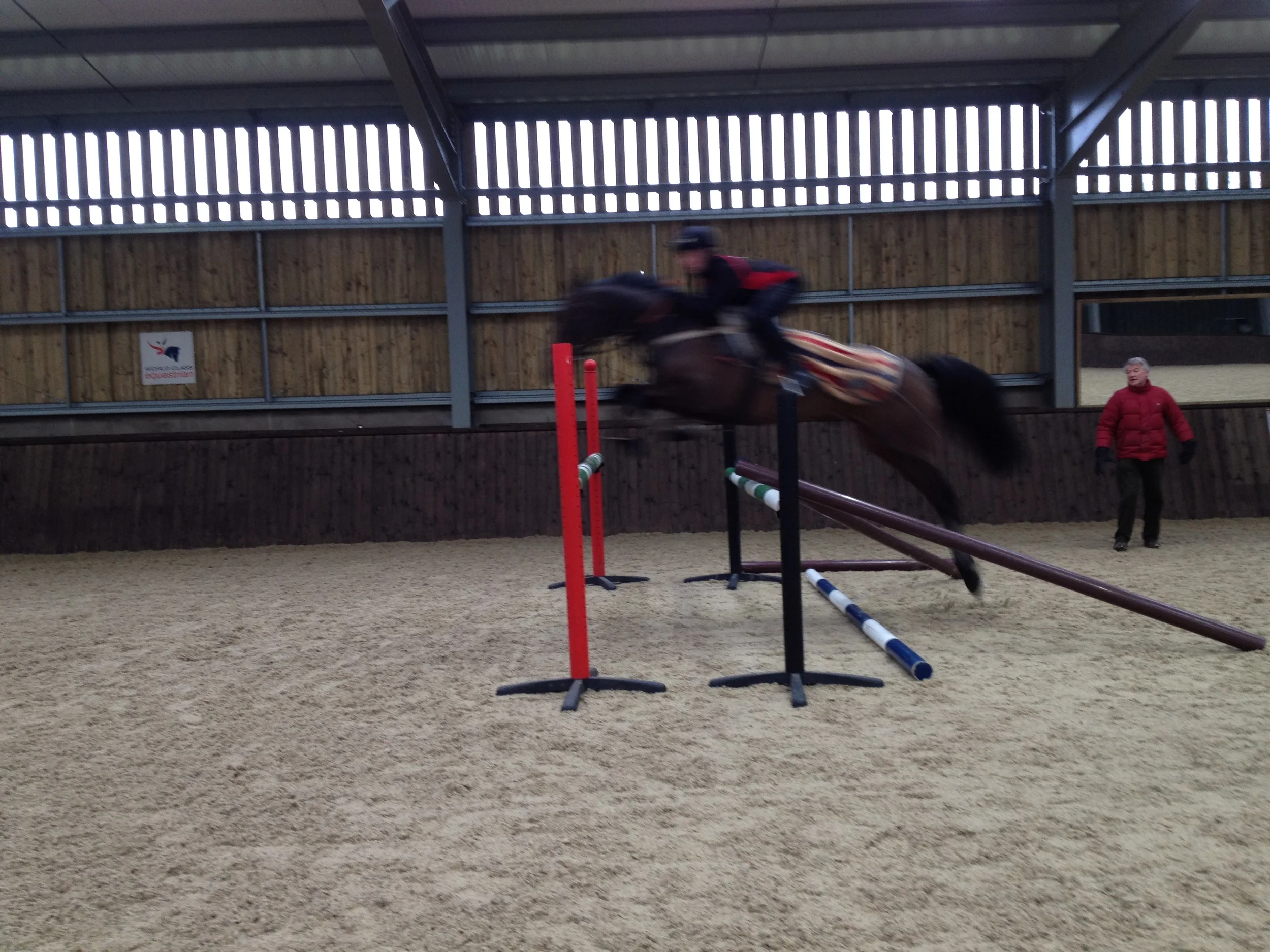
Yogi Breisner - taking racehorses back to school
Emma Berry speaks to Yogi Breisner about his work within the racing world and why he has helped many racehorses get that one step ahead in the jumping game.

Grand Designs - Creating the perfect training centre
Opting to invest in a property rather than renting a yard, Jennifer Bidgood decided to have her modern training centre designed and built from scratch at Chateau Gassard, near Saint Samson in Normandy.

The Heath - the headquarters of horseracing
Newmarket Heath has been fiercely protected by the Jockey Club as training grounds for some of the world's best racehorses for more than 250 years.