
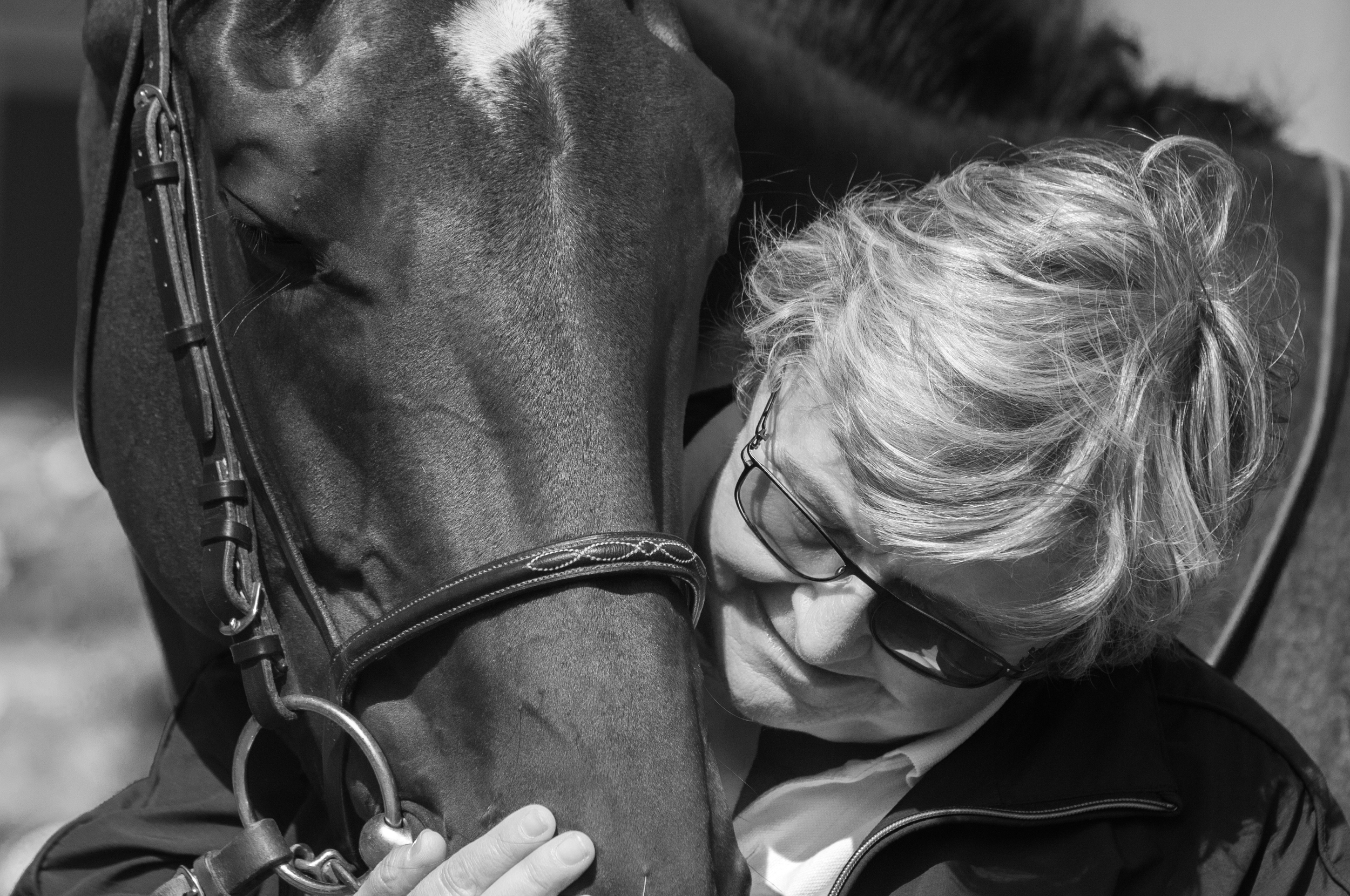
The definitive profile of Criquette Head-Maarek
Frances J. Karon visits the home of Criquette Head-Maarek and learns how and why she became France's First Lady of racing. From the foal that started her on the road to great success to her love of Treve, Criquette talks about her family and why she likes to keep training simple.


Northern Dancer - small in stature but a giant among thoroughbreds
Few horses were ever as animated and filled with a zest for life as the great racehorse and sire, Northern Dancer. Frank Mitchell looks at why this unfashionably bred thoroughbred went from being an unwanted yearling to one of the influential thoroughbreds of all time.
Treating sore shins - can current research make a breakthrough?
From the turn of the year, consignors on both sides of the Atlantic have been battling with the phenomenon of 'bucked shins' otherwise known as sore shins. Thomas O'Keeffe looks into the research being done to see if a breakthrough into the treatment of this condition is imminent.
HBLB tendon & ligament research - equine injury prevention and management
Professor Celia M Marr looks into the work carried out by the HBLB over the past 50 years aimed at the prevention and management of tendon and ligament injuries, most recently looking at research into stem cells.
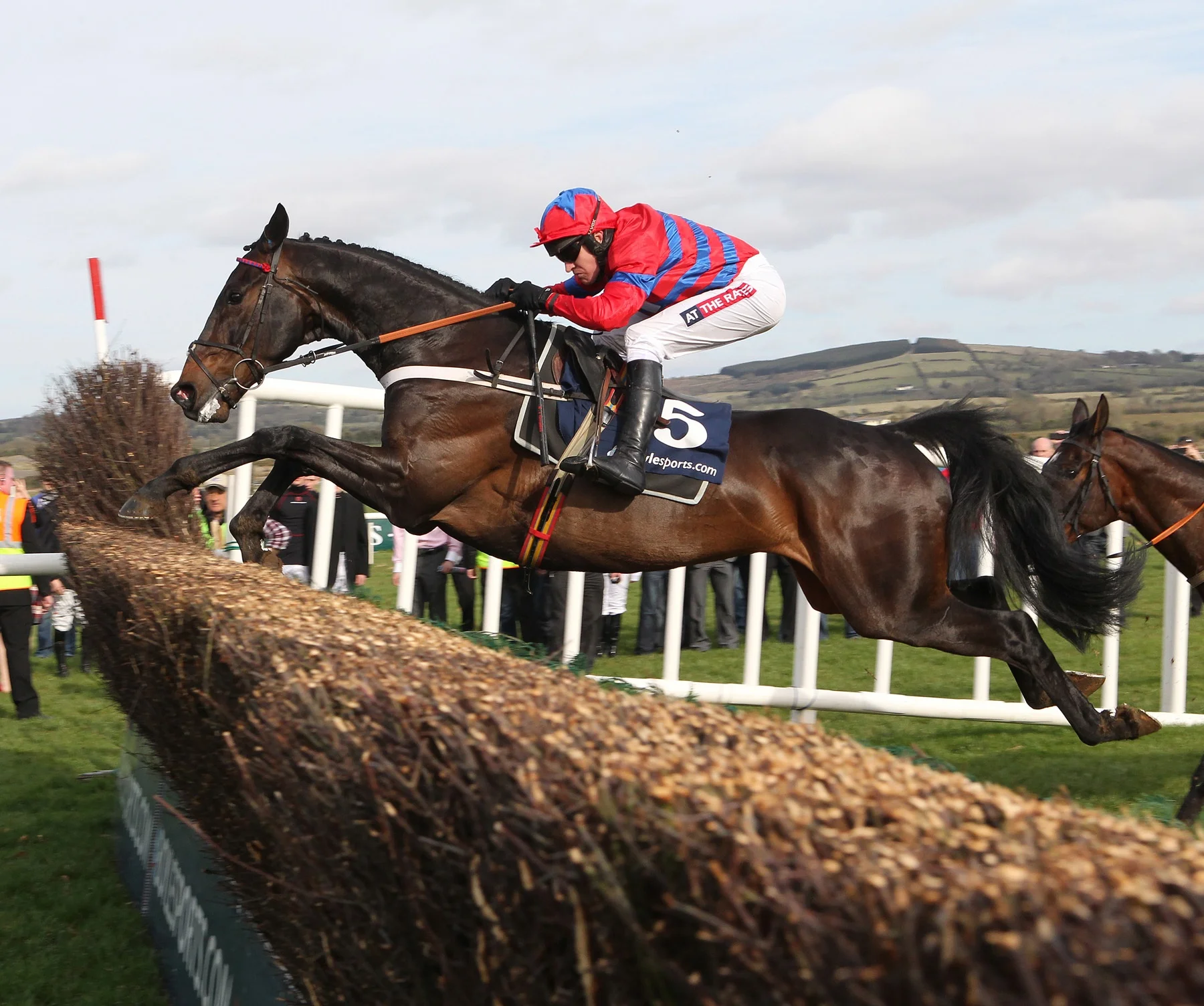
Best in show - is the popularity of youngstock shows growing across Europe?
France have led the way in promoting one of their most successful breeds, the AQPS. With the National Hunt market becoming ever more competitive and commercial, isn't it time other countries also tried something new?
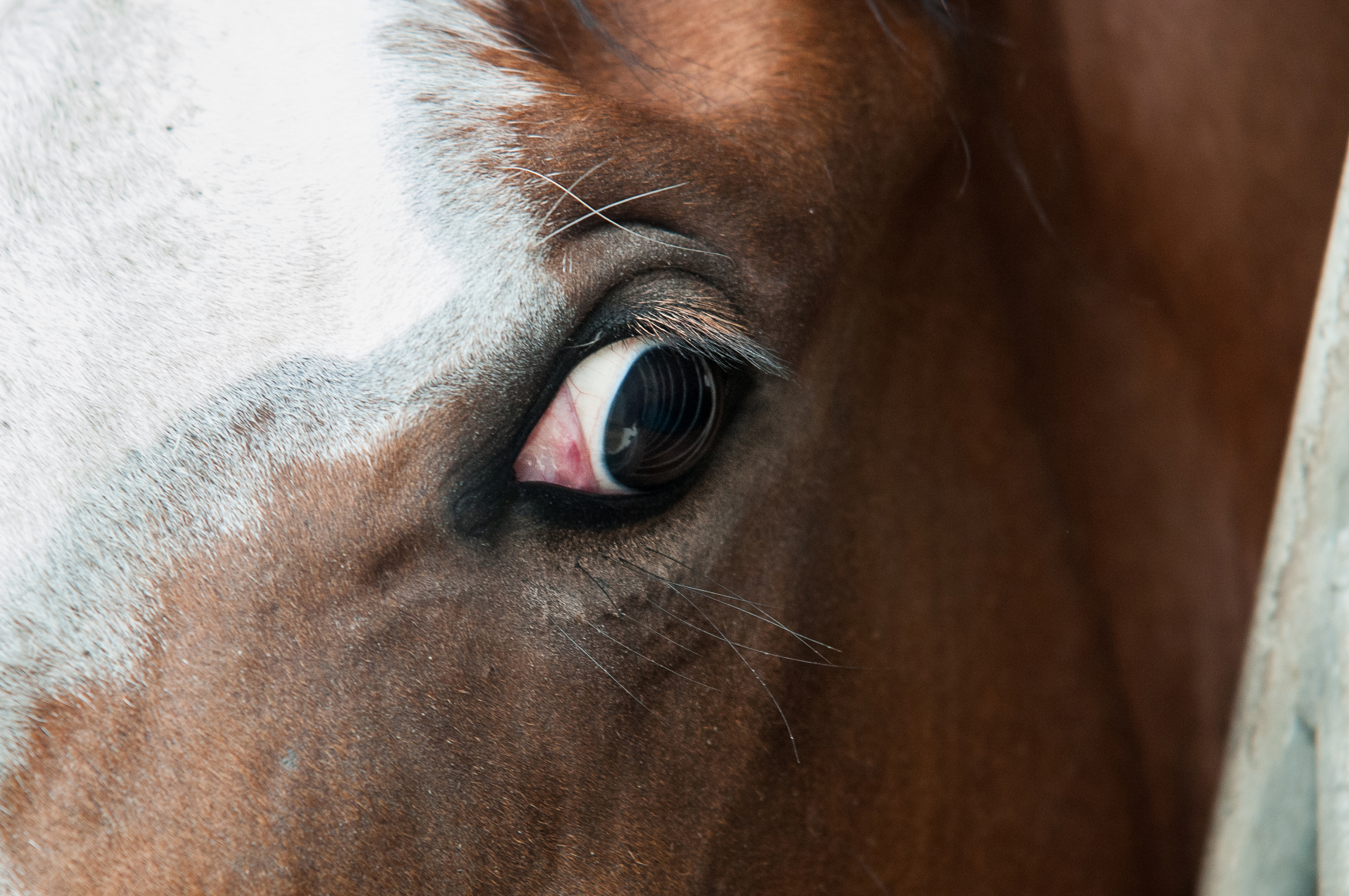
Do horses sense fear?
We asked Justine Harrison to explain why consideration must be given to the psychological factors, as well as the physical, that may affect the racehorse's performance.
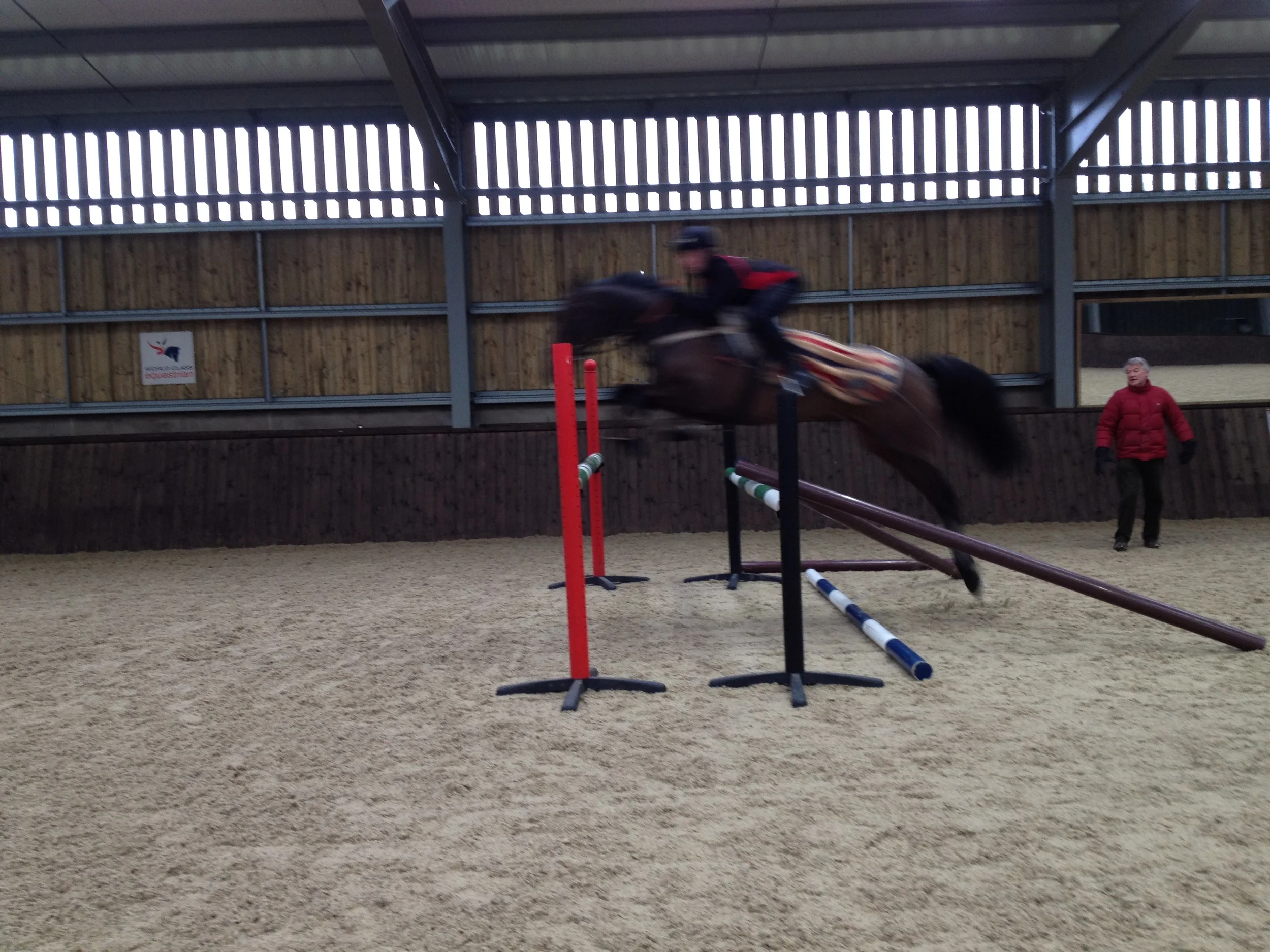
Yogi Breisner - taking racehorses back to school
Emma Berry speaks to Yogi Breisner about his work within the racing world and why he has helped many racehorses get that one step ahead in the jumping game.
Influenza - are we protecting our horses effectively?
The economic losses and welfare impact of flu are minimised by vaccination in Europe and America but the virus remains an ever-present threat.
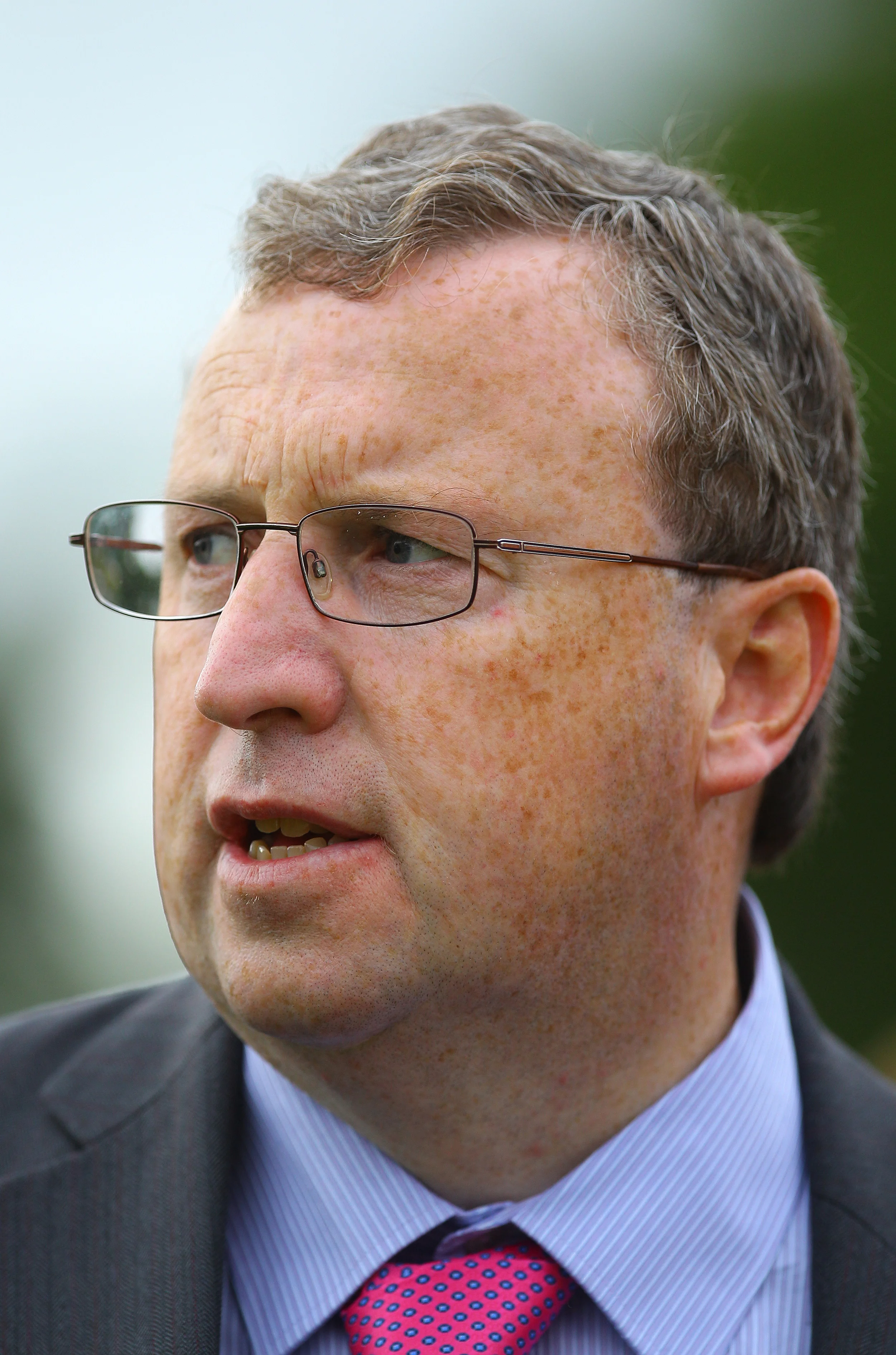
Brian Kavanagh - a man with his finger on the pulse of racing
The CEO of Horse Racing Ireland also happens to be chairman of the European & Mediterranean Horseracing Federation (EMHF) and the vice chairman of the International Federation of Horseracing Authorities (IFHA). He's a busy man but gave an insight into his hectic world to Lissa Oliver.
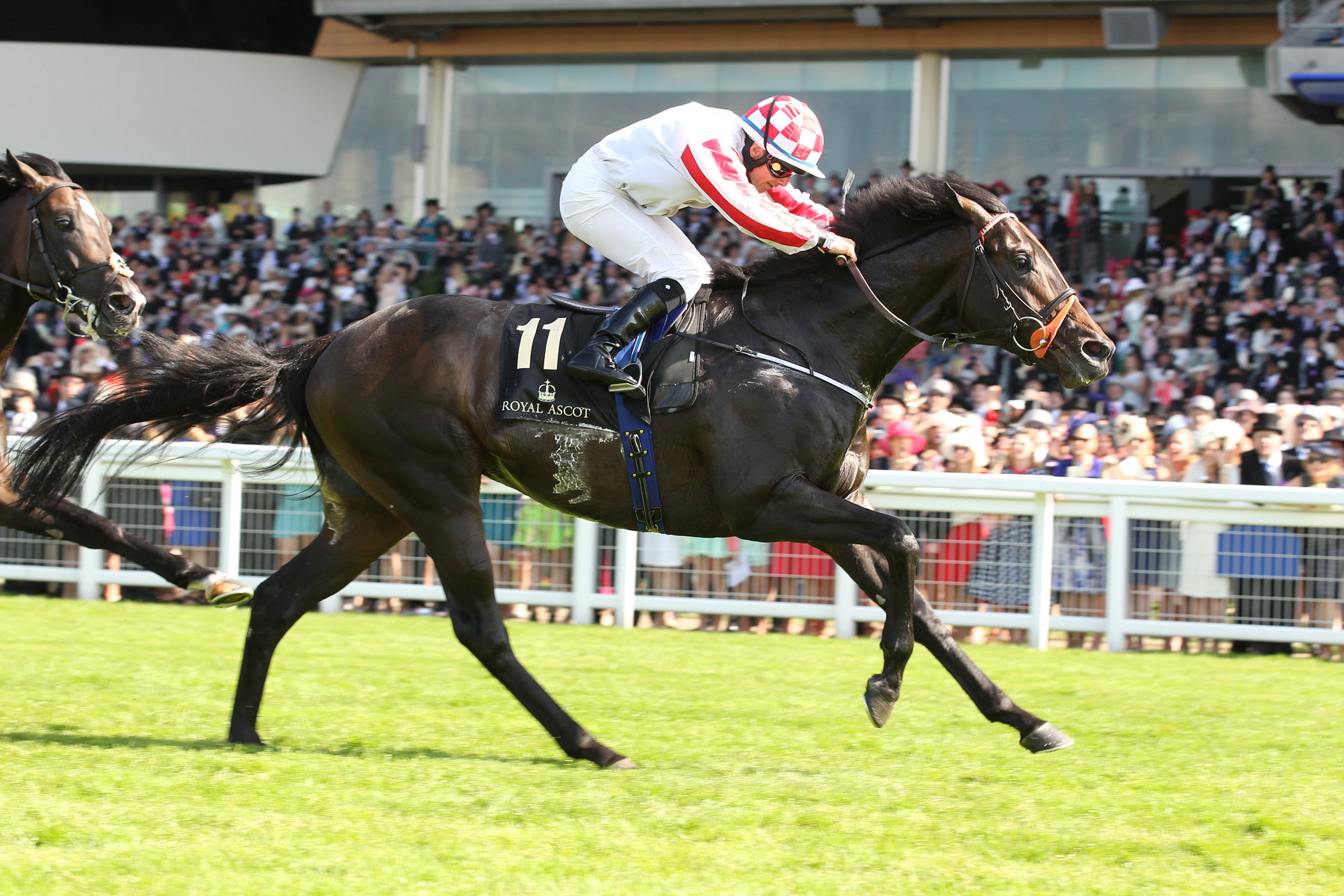
TRM Trainer of the Quarter - Edward Lynam
Edward Lynam made the history books at Royal Ascot this year, becoming the first trainer to ever win both the principle Group One sprint races with different horses. In total, Lynam sent four horses to the Royal meeting and returned to his County Meath base with a second consecutive win in the King’s Stand Stakes with Sole Power – a feat which hadn’t been achieved since the 1930s – and a victory with Slade Power in the Golden Jubilee Stakes.
David Crosse - View from the saddle
For some across Europe it may be hard to believe, but we’re still in the midst of the Triple Crown season in England. Deep down I’d love to be two stone lighter for the summer so I could ride in some of these races. But I’m watching from the sidelines and getting drawn in by the marketing that is taking over our major flat races.