
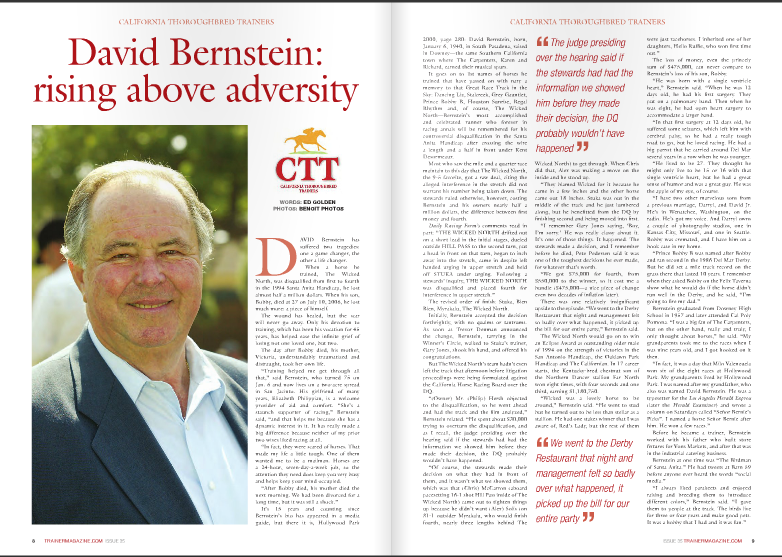
David Bernstein: rising above adversity
David Bernstein has suffered two tragedies: one a game changer, the other a life changer.
CLICK IMAGE TO READ FULL ARTICLE

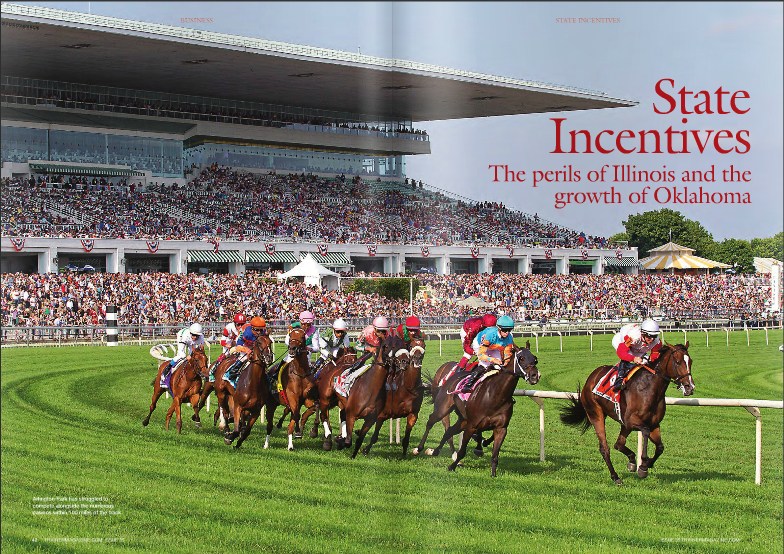
State Incentives 2015
This magazine has examined the correlation between slots revenue and a healthy racing industry. Slots are not enough without a strong breeding incentive program to produce long-term results, and marketing innovations to keep the racetrack as patron-friendly as a modern casino. What happens when one of those three legs is missing?
CLICK IMAGE TO READ FULL ARTICLE

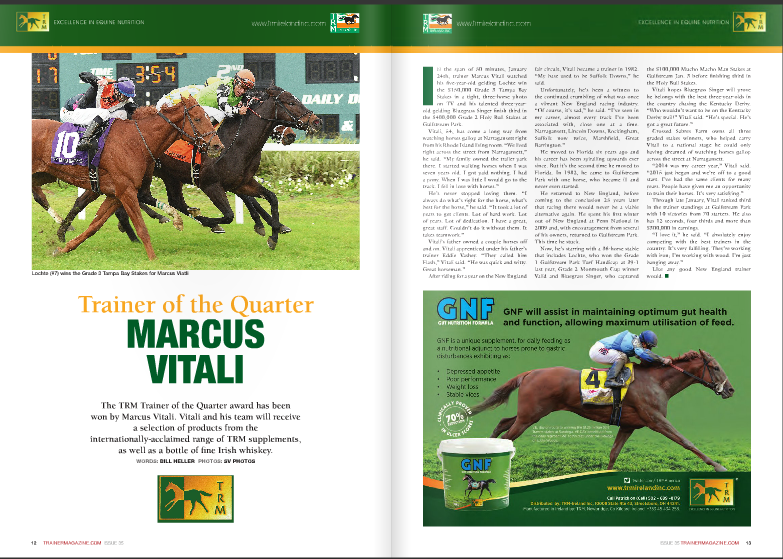
The TRM Trainer of the Quarter - Marcus Vitali
The TRM Trainer of the Quarter Award goes to Marcus Vitali, read more to find out why!
CLICK IMAGE TO READ FULL ARTICLE

The Cobalt Conundrum
Catching cheaters is like playing Whac-A-Mole. Regulators smack one here, and another turns up there.
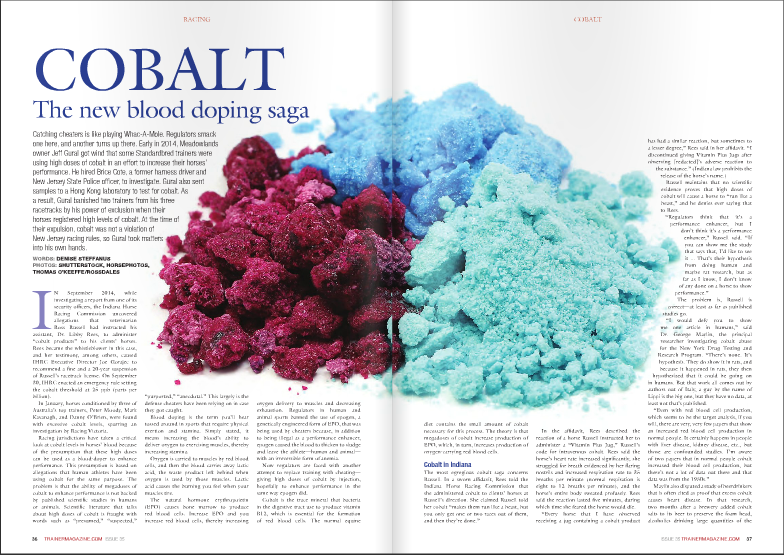
CLICK IMAGE TO READ FULL ARTICLE

What the future holds for Florida racing and breeding
For decades, a settlement in the Middle East seemed more likely to happen that an agreement on dates between South Florida’s three warring thoroughbred racetracks, Calder Raceway, Gulfstream Park and Hialeah Park.
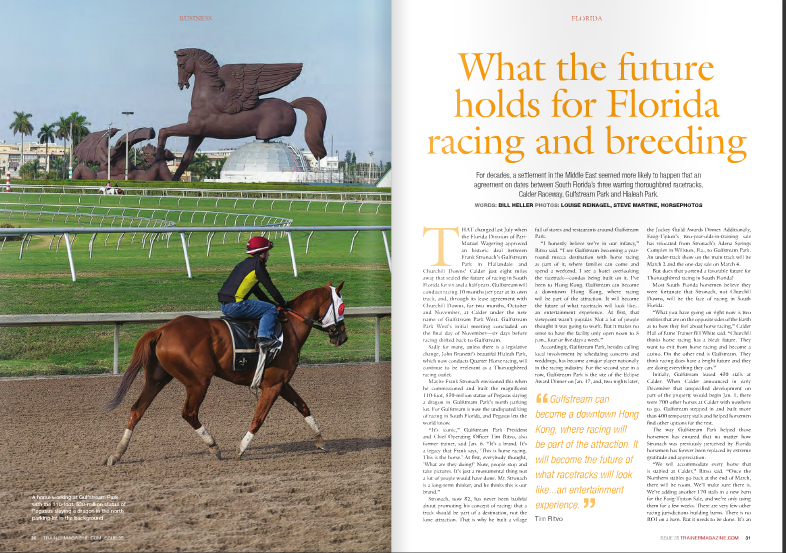
CLICK IMAGE TO READ FULL ARTICLE
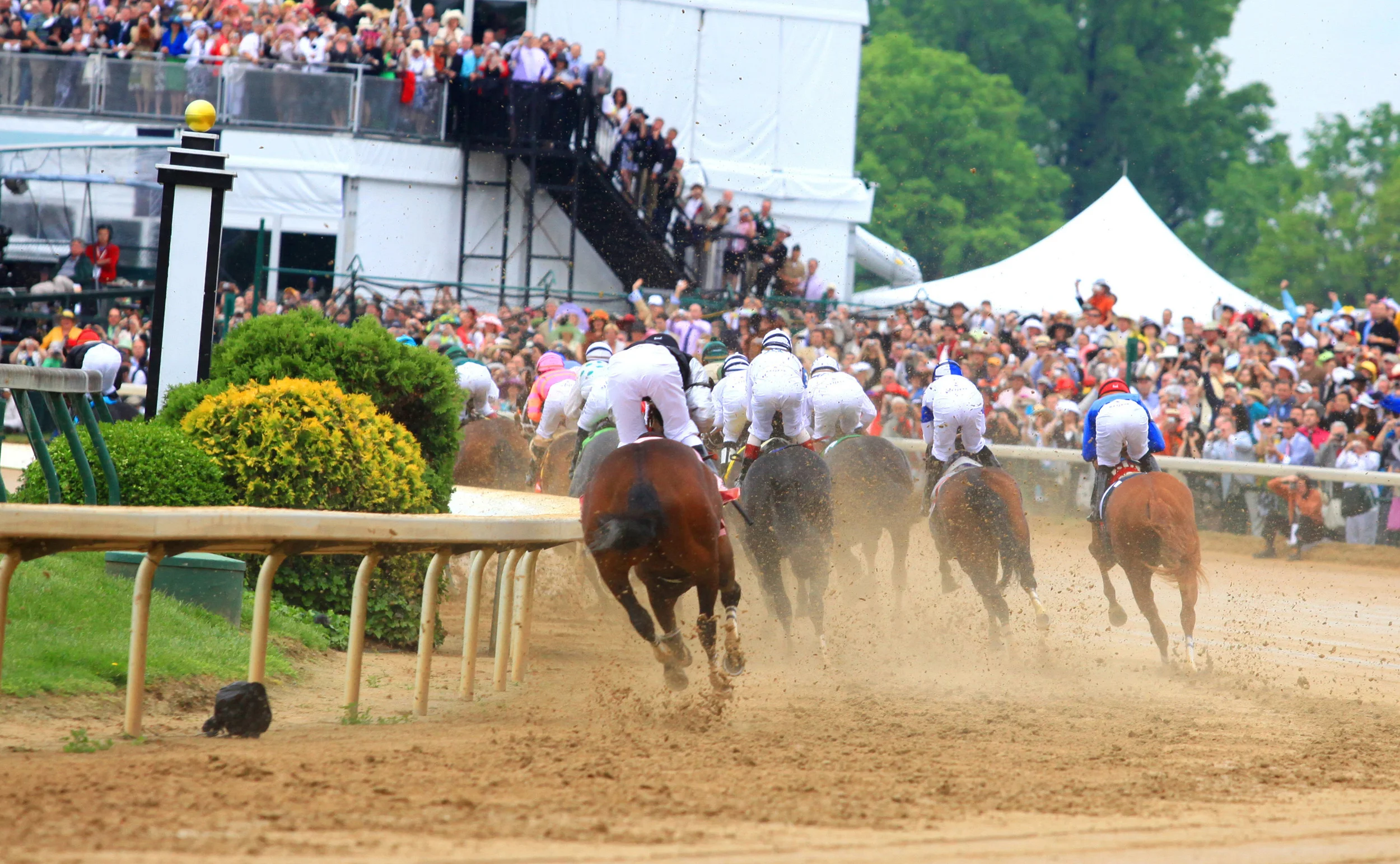
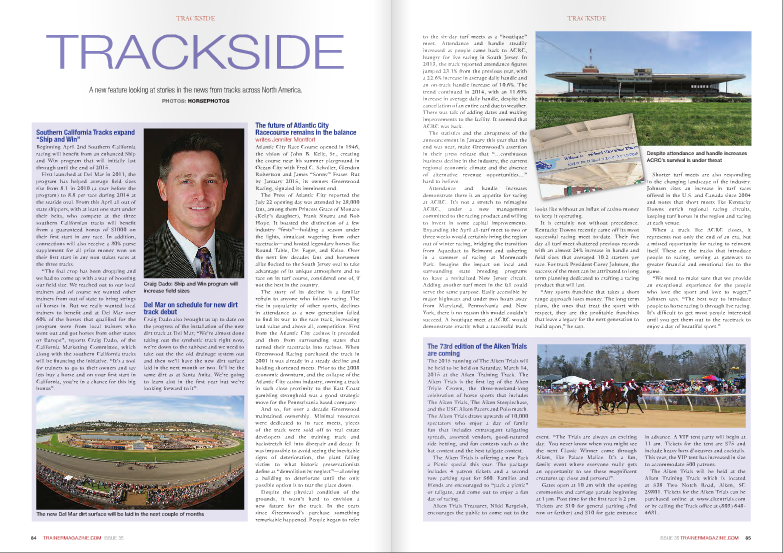
Racetrack Safety - The Most Dangerous Game
The very nature of horse racing makes it the most dangerous land sport on Earth. Jockeys must control a pack of stampeding animals ten times their size, while precariously balanced atop them as the horses race at speeds approaching 40 mph.
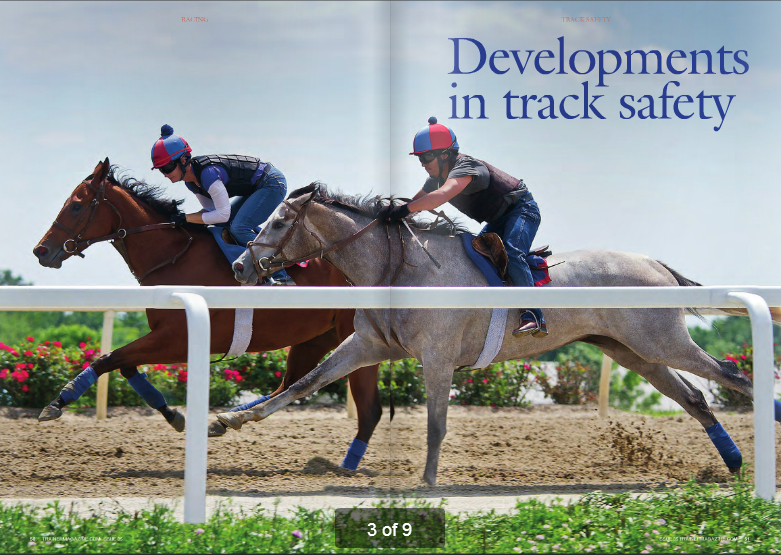
CLICK IMAGE TO READ FULL ARTICLE
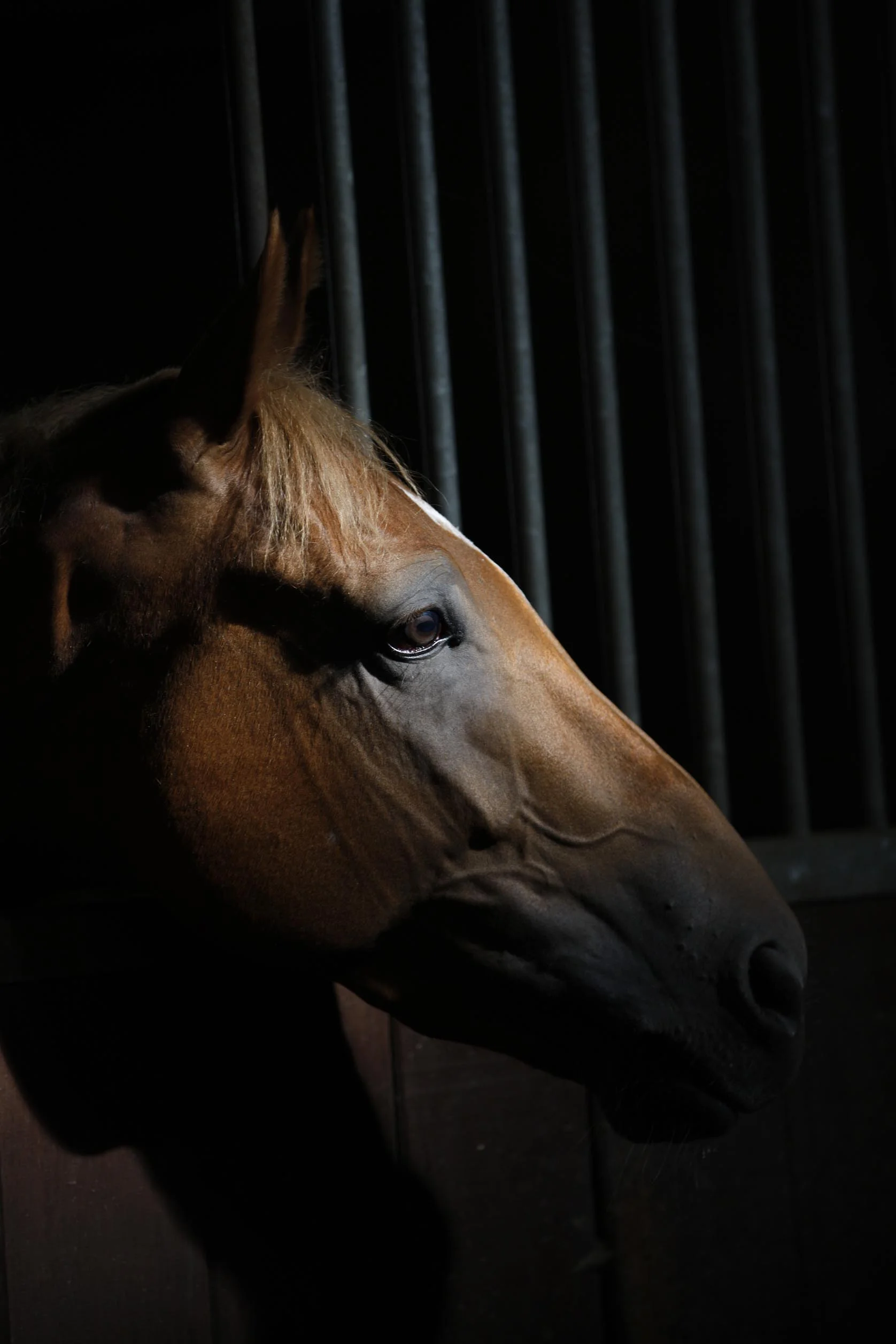
Let there be light - How the sun’s light affects racehorse performance and safety
Find out how elite trainers consider the impact of jet lag, light-dark cycles, and other factors associated with shipping across times zones on their horses’ performance?

CLICK IMAGE TO READ FULL ARTICLE

New TopSpec UlsaKind® Cubes
New TopSpec UlsaKind cubes are formulated to be highly sympathetic to the equine digestive system, even when it is compromised by excess acidity.
The formula is very low in starch and sugar and high in fibre but still has a conditioning index of 12MJ/kg making these cubes both 'Non-Heating' and conditioning.
TopSpec UlsaKind cubes are ideal in those circumstances where the internal surface of the stomach has been eroded, because they contain very high levels of β-glucans which coat the stomach lining with a protective film.
These β-glucans also slow the rate of passage of feed through the stomach and intestines. In the stomach this means that the periods of time when the stomach is empty and therefore highly acidic, are reduced. It also means that the small intestine has more time to absorb nutrients reducing the levels of carbohydrate reaching the hindgut and potentially leading to excess lactic acid production. This effect is augmented by the addition of a source of pectin to the formula.
The β-glucans in TopSpec UlsaKind cubes also bind to sugars in the intestine, slowing their absorption and so lowering the glycaemic index of the feed.
The TopSpec UlsaKind formula also contains 1% of a marine-derived ingredient with established buffering properties. This calcium and magnesium-rich substance has been scientifically proven to reduce the environmental acidity under simulated in vitro equine stomach digestive conditions for up to six hours.
Omega 3 fatty acids are provided by two sources of linseed and the ratio of Omega
3:6 is higher than in most traditional horsefeeds. Omega 3 fatty acids are less inflammatory than Omega 6 fatty acids.
Soya oil is included in the formula as it has been proven to soothe eroded areas of the stomach lining.
The highly digestible fibre in these cubes helps to promote the beneficial bacteria in the hindgut therefore further helping to maintain a healthy hindgut environment.
Sodium, calcium and magnesium are added to the blend to provide the correct level of these major minerals. The calcium and magnesium also help to slightly negate excess acidity in the stomach.
TopSpec UlsaKind cubes are also highly suitable for any horses or ponies requiring a low-starch/high-fibre diet for other reasons; please contact our nutritionists for feeding advice relating to any specific health problems.
For further information please contact the Multiple Award-Winning Helpline on 01845 565030 or visit www.topspec.com
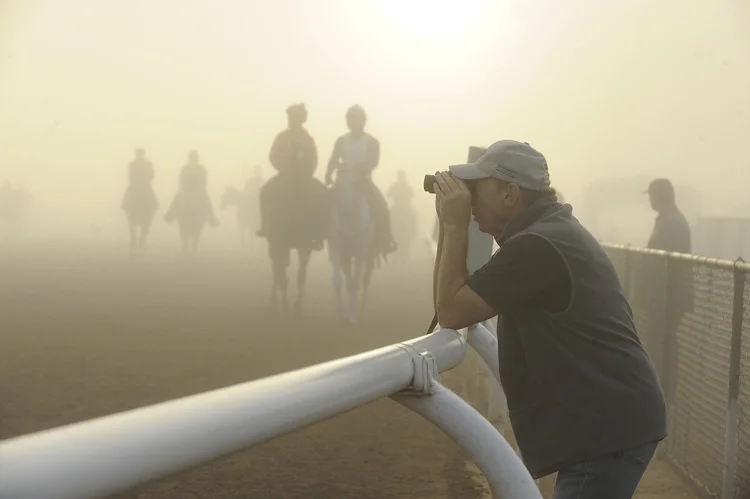
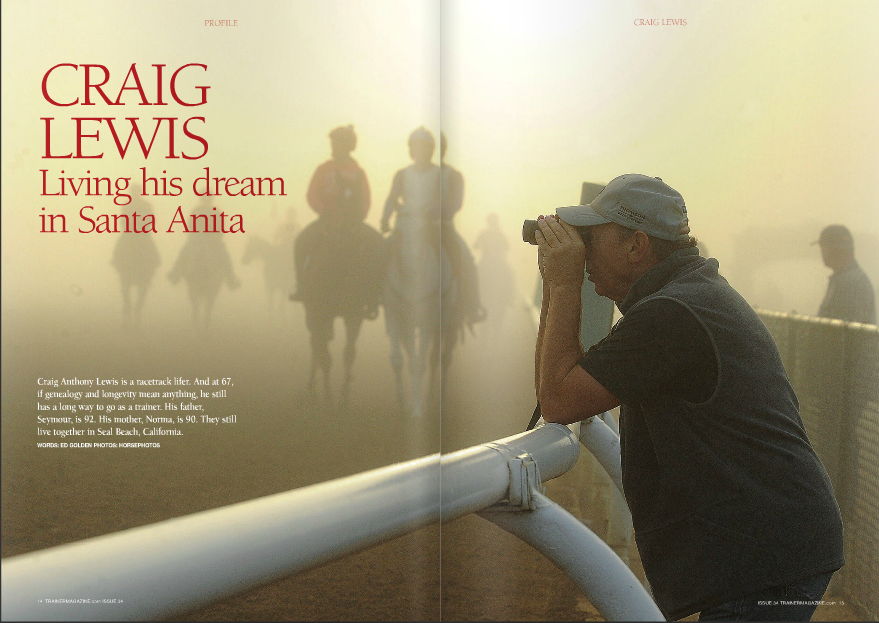
Craig Lewis
Craig Anthony Lewis is a racetrack lifer. And at 67, if genealogy and longevity mean anything, he still has a long way to go as a trainer. His father, Seymour, is 92. His mother, Norma, is 90. They still live together in Seal Beach, California.
CLICK IMAGE TO READ FULL ARTICLE
Alan Balch - Risky Business
A horse trainer without a high school diploma based his entire and considerable success on one aphorism, and relentlessly reminded his students and peers: it’s what you learn after you know it all that really counts.

CLICK IMAGE TO READ FULL ARTICLE
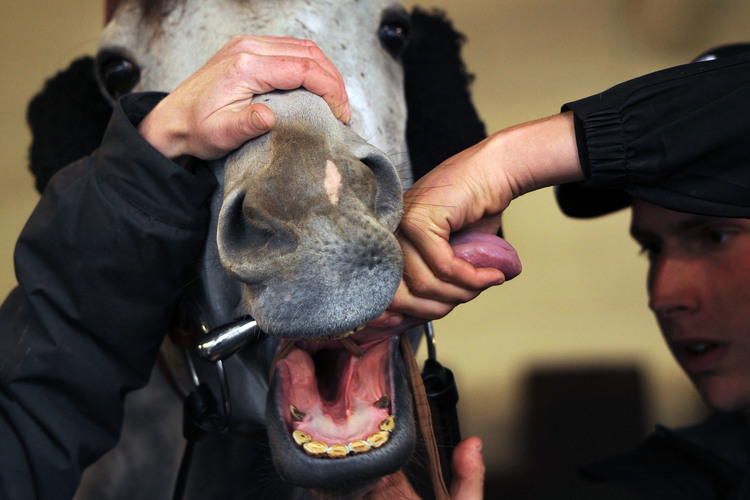
Tongue-ties
The use and efficacy of tongue-ties has spawned much debate, and in 2009, veterinarians at the University of Edinburgh, Scotland, led by Safia Barakzai conducted extensive research, which was published in the Equine Veterinary Journal, to evaluate the use of tongue-ties on racing performance in Thoroughbred racehorses.

CLICK IMAGE TO READ FULL ARTICLE

The effects of morning exercise on muscle response
Timing is everything. Nowhere is this more relevant than when preparing an elite equine athlete for a race. Thoroughbred trainers are critically aware of the importance of fine-tuning the feeding and exercise regimes of their charges in the months, weeks and days before a big event. Timing is also critical for the smooth functioning of a horse’s musculoskeletal system for optimal performance.

CLICK IMAGE TO READ FULL ARTICLE
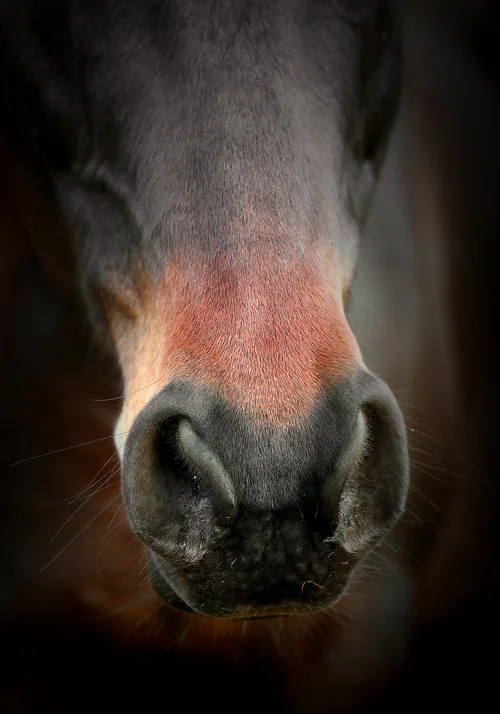
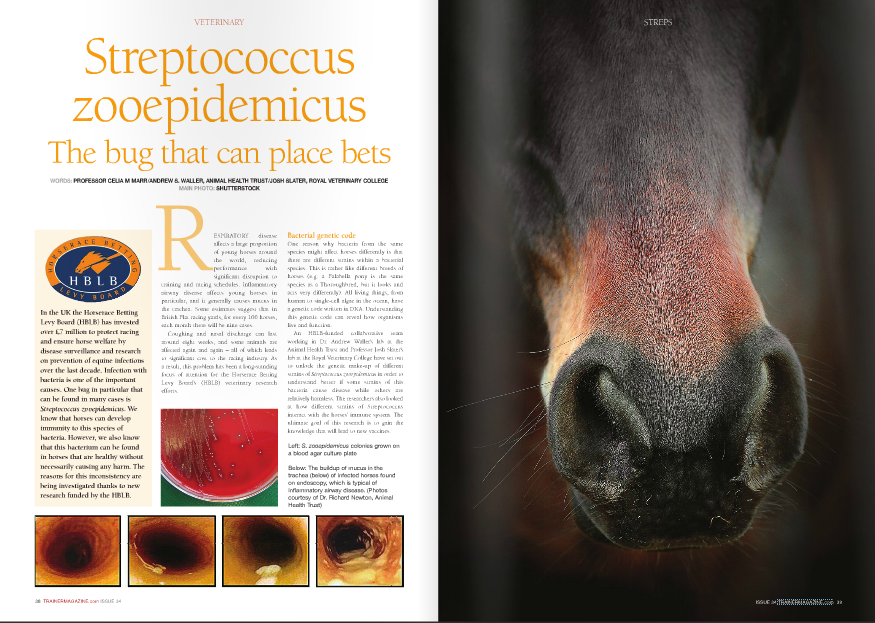
Streptococcus
The Horserace Betting Levy Board (HBLB) in the UK has invested over $11 million to protect racing and ensure horse welfare by disease surveillance and research on prevention of equine infections over the last decade. Infection with bacteria is one of the important causes.
CLICK IMAGE TO READ FULL ARTICLE

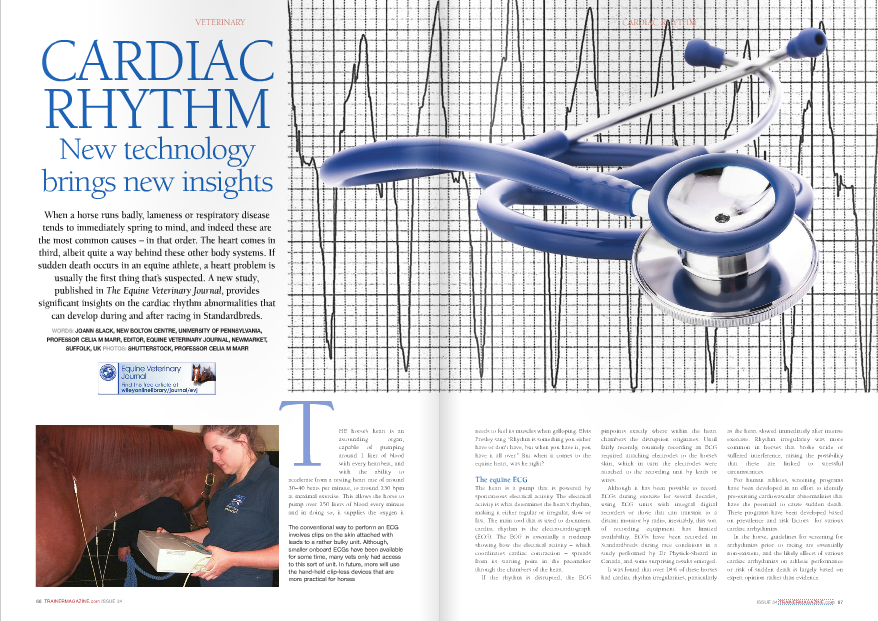
Cardiac rhythm
When a horse runs badly, lameness or respiratory disease tends to immediately spring to mind, and indeed these are the most common causes—in that order. The heart comes in third, albeit quite a way behind these other body systems. If sudden death occurs in an equine athlete, a heart problem is usually the first thing that’s suspected. A new study, published in The Equine Veterinary Journal, provides significant insights on the cardiac rhythm abnormalities that can develop during and after racing in Standardbreds.
CLICK IMAGE TO READ FULL ARTICLE
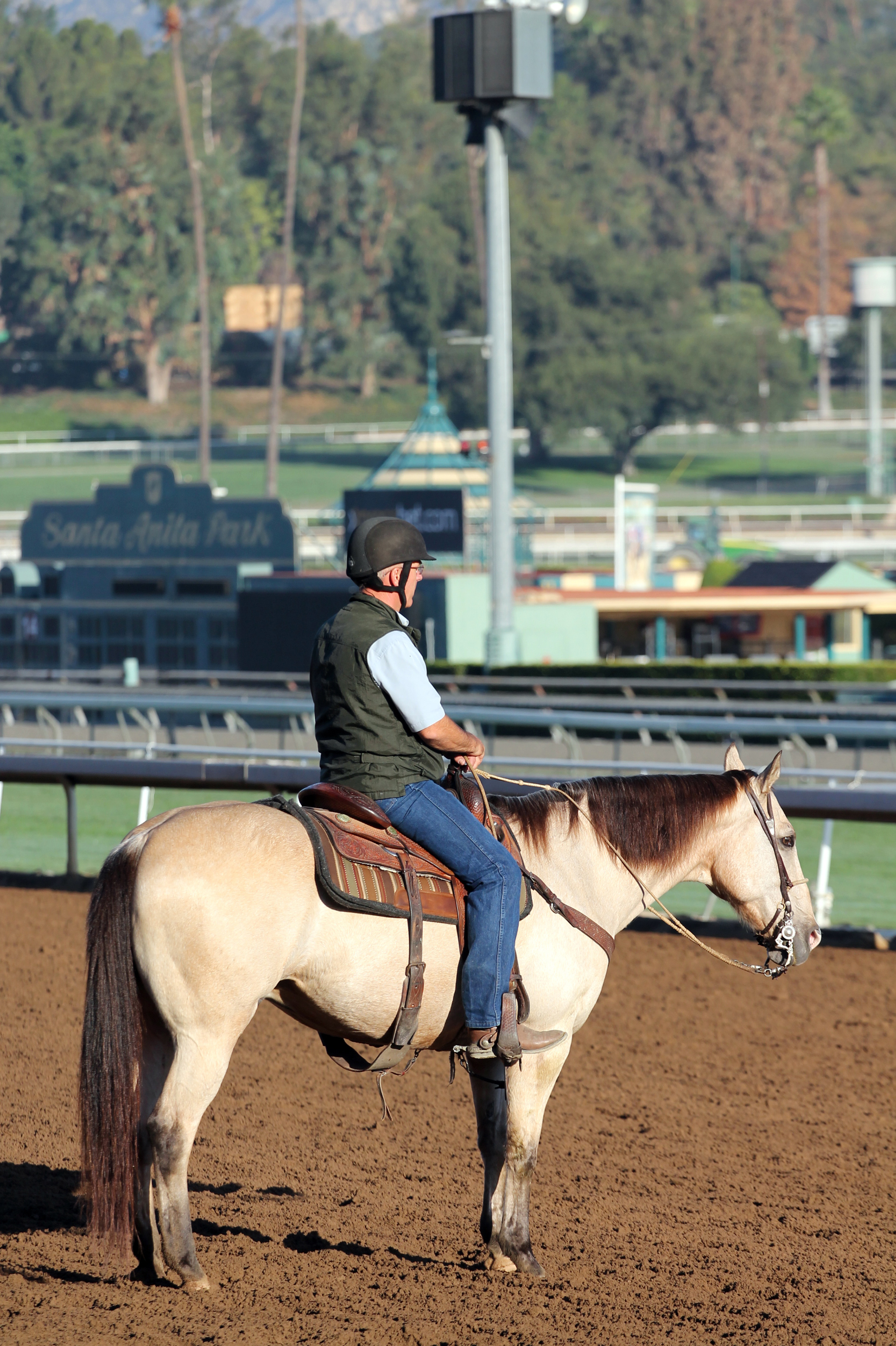
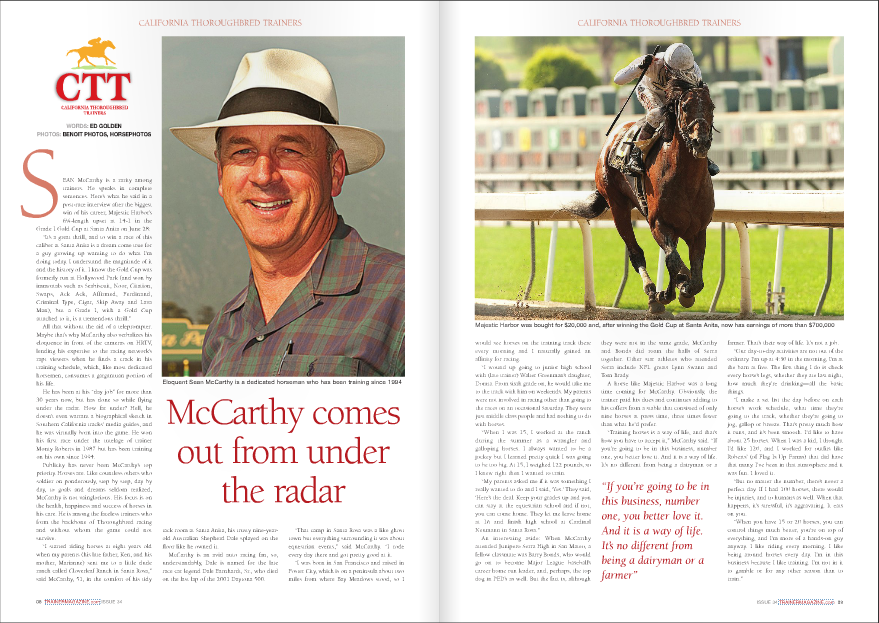
Sean McCarthy comes out form under the radar
Sean McCarthy is a rarity among trainers. He speaks in complete sentences. Here’s what he said in a post-race interview after the biggest win of his career, Majestic Harbor’s 6 1/4-length upset at 14-1 in the Grade I Gold Cup at Santa Anita on June 28...
CLICK IMAGE TO READ FULL ARTICLE

Racetrack incentives
The horseracing industry is battling for its life, and the key point of contention is medication—not just a push for uniform medication rules, but a movement to eliminate all race-day drugs. Two years after the Breeders' Cup banned anti-bleeding medication for its juvenile races, Gulfstream Park in Florida has announced its intention to offer Lasix-free races for 2015, and the Kentucky Horse Racing Commission is considering doing the same for its tracks. North America is the only region of the world that allows race-day medication.

CLICK IMAGE TO READ FULL ARTICLE

Horse welfare on the backstretch
If backstretch workers encounter conditions they can’t tolerate, they have an option of walking away. Horses don’t have that luxury. Whether a racetrack’s backstretch is horse-friendly or grossly indifferent, the horse remains. He relies on his trainer and his trainer’s staff to act in his best interest.

CLICK IMAGE TO READ FULL ARTICLE
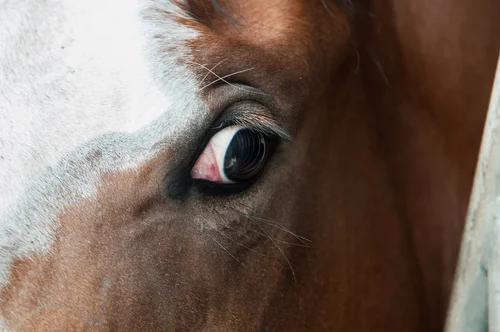
Do horses sense fear?
Racehorses are athletes performing at the peak of their physical capabilities, with their strength and fitness carefully monitored and researched. However less consideration is given to the psychological factors that may affect their performance, with fear being a major influence.