
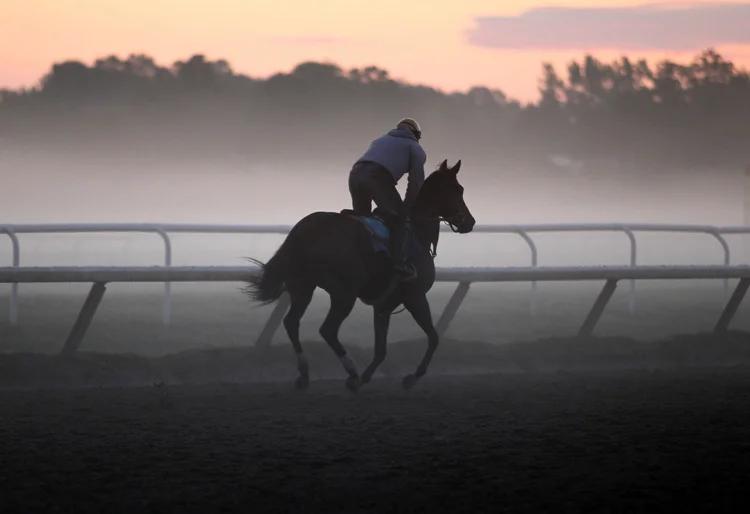
The effects of morning exercise on muscle response
Timing is everything. Nowhere is this more relevant than when preparing an elite equine athlete for a race. Thoroughbred trainers are critically aware of the importance of fine-tuning the feeding and exercise regimes of their charges in the months, weeks and days before a big event. Timing is also critical for the smooth functioning of a horse’s musculoskeletal system for optimal performance.

Streptococcus
The Horserace Betting Levy Board (HBLB) in the UK has invested over $11 million to protect racing and ensure horse welfare by disease surveillance and research on prevention of equine infections over the last decade. Infection with bacteria is one of the important causes.

Cardiac rhythm
When a horse runs badly, lameness or respiratory disease tends to immediately spring to mind, and indeed these are the most common causes—in that order. The heart comes in third, albeit quite a way behind these other body systems. If sudden death occurs in an equine athlete, a heart problem is usually the first thing that’s suspected. A new study, published in The Equine Veterinary Journal, provides significant insights on the cardiac rhythm abnormalities that can develop during and after racing in Standardbreds.
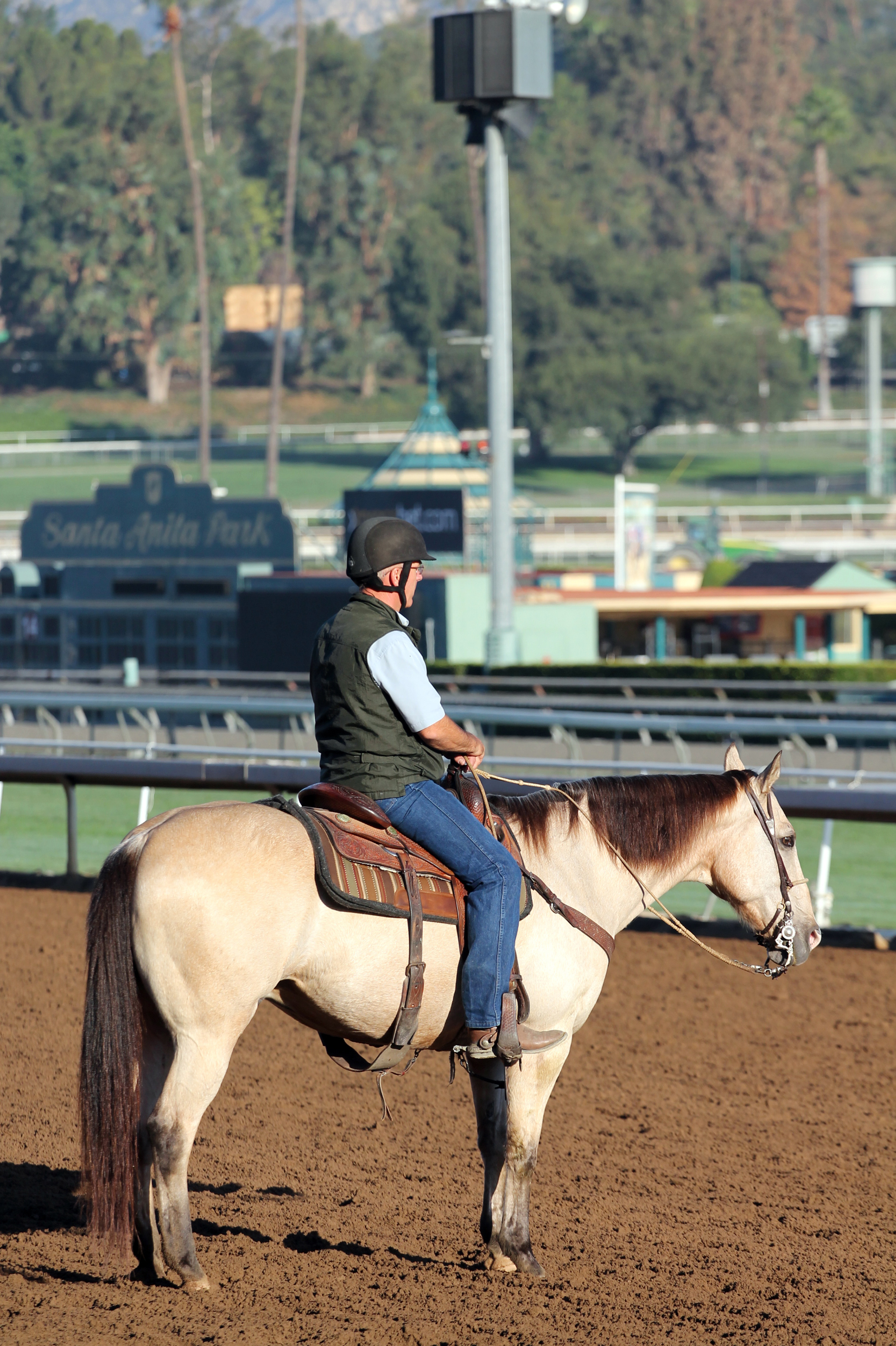
Sean McCarthy comes out form under the radar
Sean McCarthy is a rarity among trainers. He speaks in complete sentences. Here’s what he said in a post-race interview after the biggest win of his career, Majestic Harbor’s 6 1/4-length upset at 14-1 in the Grade I Gold Cup at Santa Anita on June 28...

Racetrack incentives
The horseracing industry is battling for its life, and the key point of contention is medication—not just a push for uniform medication rules, but a movement to eliminate all race-day drugs. Two years after the Breeders' Cup banned anti-bleeding medication for its juvenile races, Gulfstream Park in Florida has announced its intention to offer Lasix-free races for 2015, and the Kentucky Horse Racing Commission is considering doing the same for its tracks. North America is the only region of the world that allows race-day medication.

Horse welfare on the backstretch
If backstretch workers encounter conditions they can’t tolerate, they have an option of walking away. Horses don’t have that luxury. Whether a racetrack’s backstretch is horse-friendly or grossly indifferent, the horse remains. He relies on his trainer and his trainer’s staff to act in his best interest.
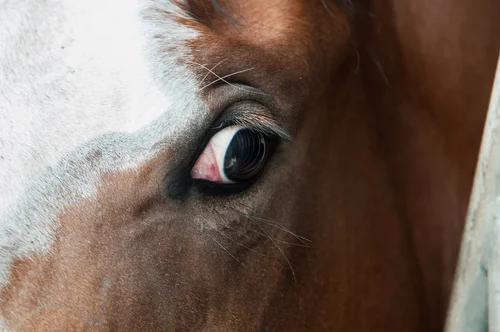
Do horses sense fear?
Racehorses are athletes performing at the peak of their physical capabilities, with their strength and fitness carefully monitored and researched. However less consideration is given to the psychological factors that may affect their performance, with fear being a major influence.
Sid Fernando - Racing's Rich Tapestry
Plot: An ambitious two-pronged plan is hatched by some guys in Hong Kong, to take a local horse from Sha Tin Racecourse to the United States with the aim of winning the Breeders’ Cup Sprint on dirt in early November. First, though, they'll prep in a Grade 1 race on dirt at Santa Anita in California in early October as a practice run for the main event.