Alan Balch - Insoluble Problems?
Alan Balch looks into the hope that every cloud currently hanging over California racing has the silver lining every race follower is praying for. With more racetracks closing and trainers unable to make a living the long term future of California racing is looking doubtful.

CLICK ON IMAGE TO READ ARTICLE
THIS ARTICLE FIRST APPEARED IN - NORTH AMERICAN TRAINER - ISSUE 33
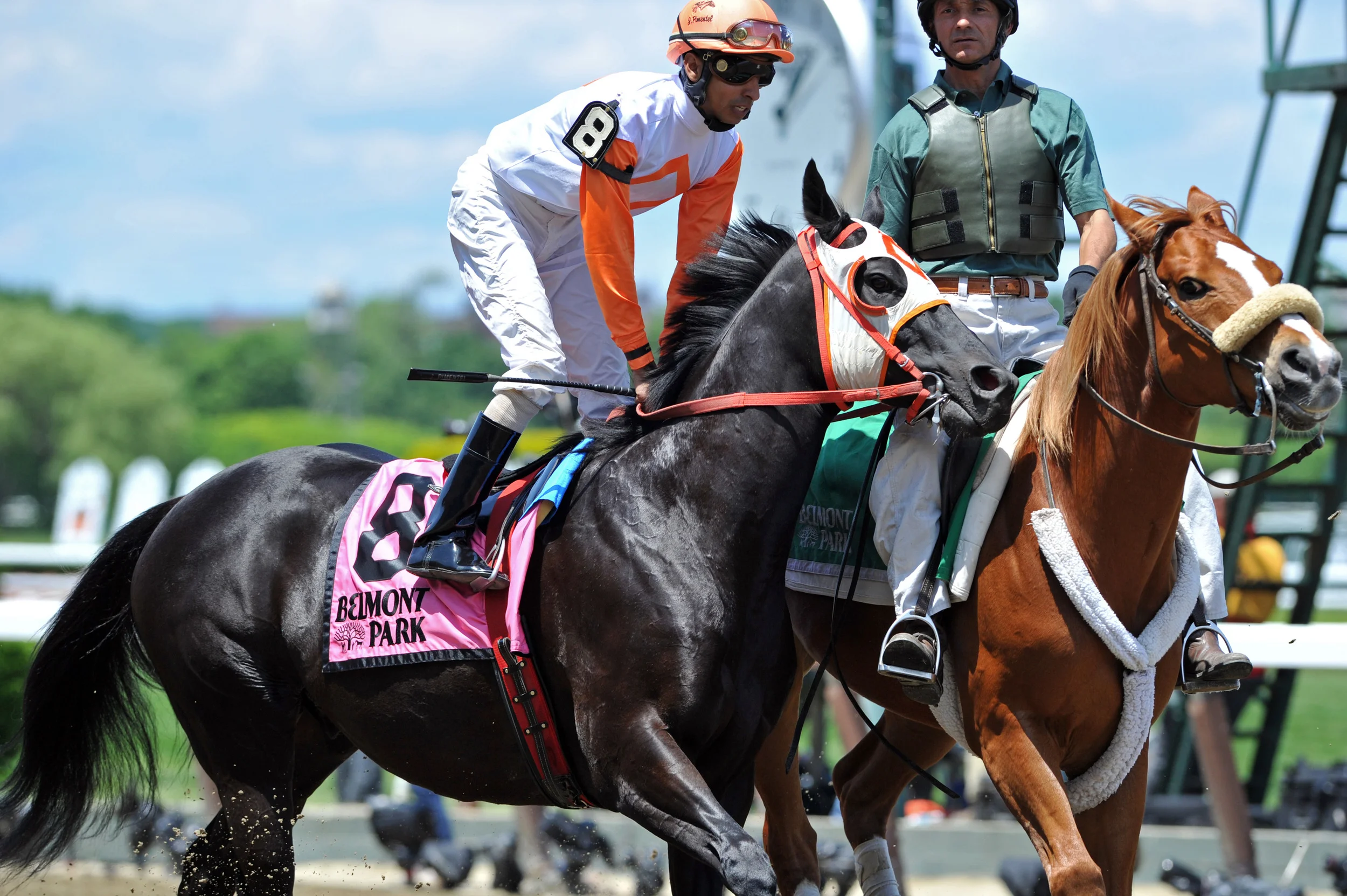
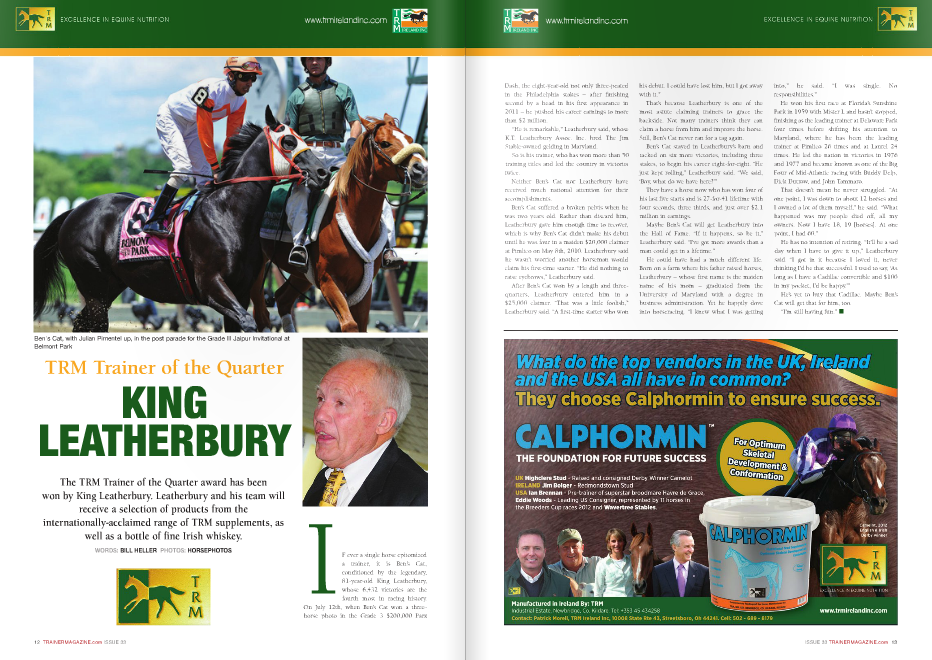
The TRM Trainer of the Quarter - King Leatherbury
TRM Trainer of the Quarter is awarded to King Leatherbury, the Maryland based trainer who is hoping that his stable star Ben's Cat may just provide him with the item on his wish list he has yet failed to obtain, a Cadillac convertible.
CLICK ON IMAGE TO READ ARTICLE
THIS ARTICLE FIRST APPEARED IN - NORTH AMERICAN TRAINER - ISSUE 33
Veterinary research - the funding conundrum
The Thoroughbred Racing Industry is experiencing greater scrutiny than it ever has in its long and distinguished history, with the amplitude of debate and criticism from opponents of the sport on the basis of ethics and welfare reaching an unparalleled decibel.

CLICK ON IMAGE TO READ ARTICLE
THIS ARTICLE FIRST APPEARED IN - NORTH AMERICAN TRAINER - ISSUE 33
Grade 1 winning owner profiles - April / May / June 2014
Profiles on Grade 1 winning owners between April and June 2014.

CLICK ON IMAGE TO READ ARTICLE
THIS ARTICLE FIRST APPEARED IN - NORTH AMERICAN TRAINER - ISSUE 33

Succulents and treats for the horses - secret weapons or folklore?
Training racehorses could be described as being the epitome of art and science coming together. Whilst the latest research and recommendations are important where racehorse nutrition is concerned, there has always been a strong belief in tradition and folklore in the racing community.

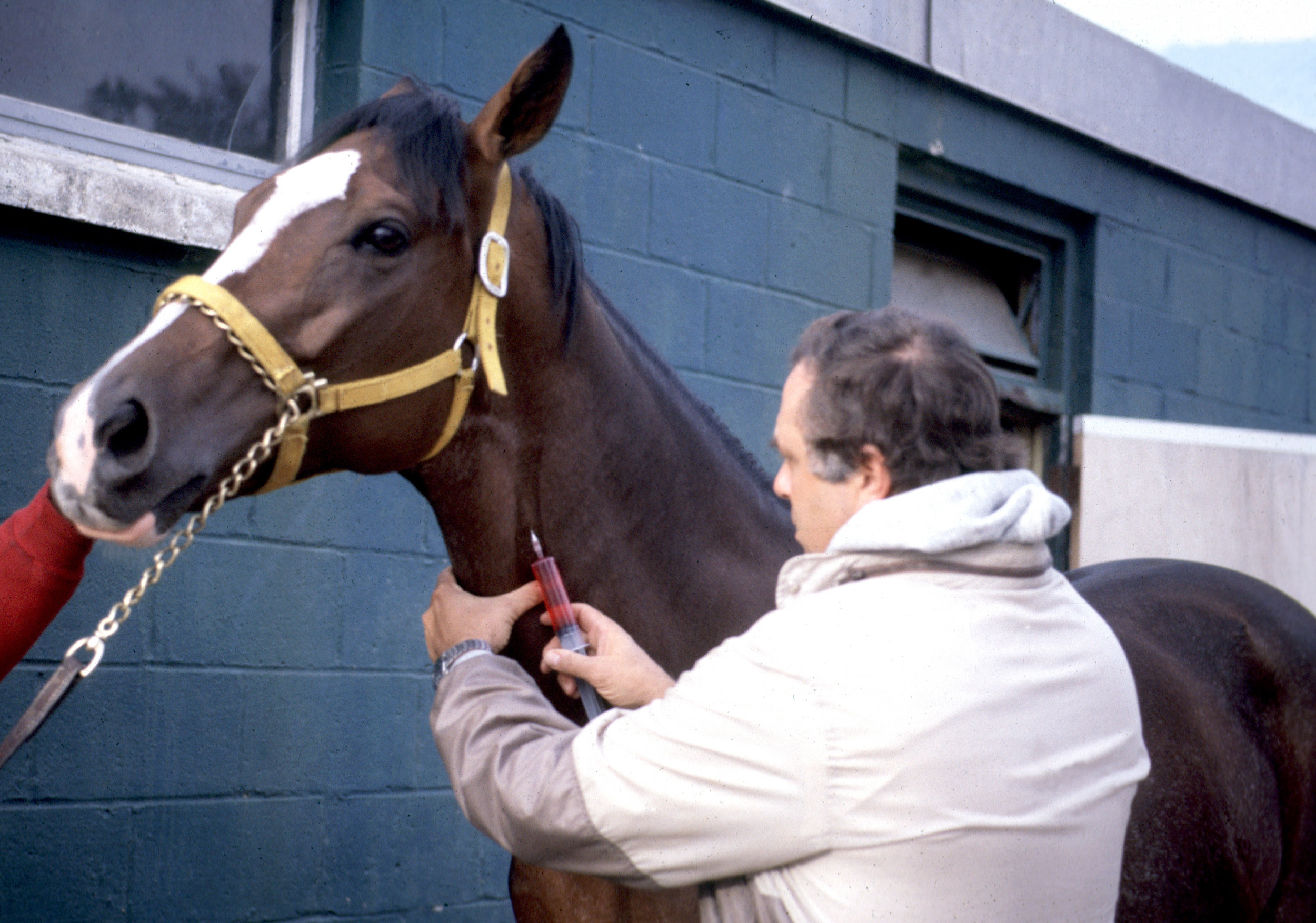
Is there a place for medication in racing?
The single biggest area of debate currently in the Thoroughbred racing industry is the issue of racehorse medication. Medication is often characterized by the media and by people within and outside the industry as a black and white issue where one side of the argument is framed in terms of “hay, oats and water,” and anything else is considered permissive medication.

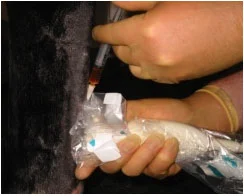
New research into the treatment of tendon and ligament damage in the Thoroughbred
Around 35% of the veterinary research and education budget is spent on projects to understand musculoskeletal disorders, improve their treatment, and prevent and minimize injury to racehorses.

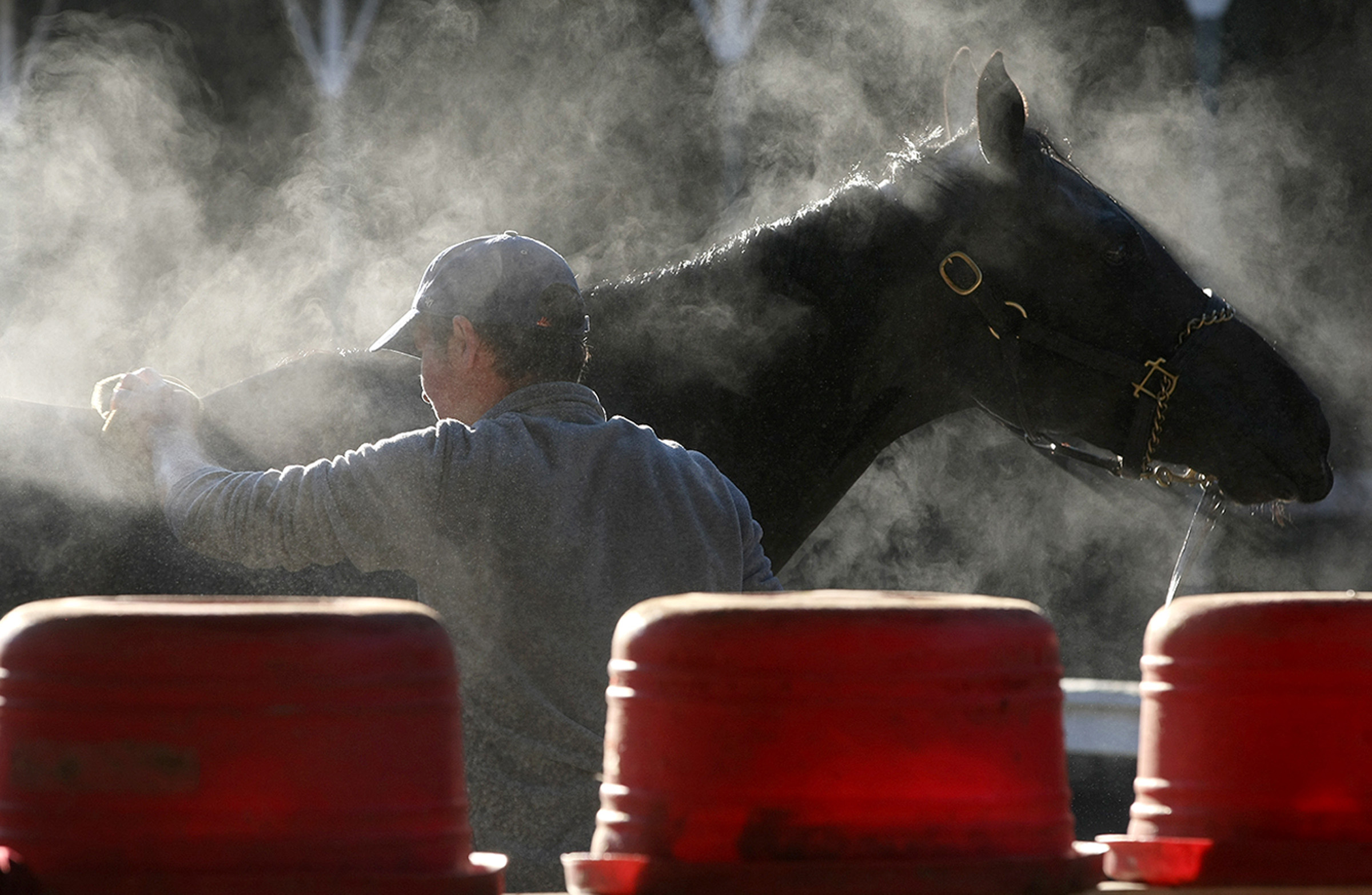
Does racing do enough to help its backstretch workers?
Is the racing industry doing enough to support the key members of staff on the backstretch, we look into the people and associations that are working hard to provide better facilities for these invaluable racecourse workers.

CLICK ON IMAGE TO READ ARTICLE
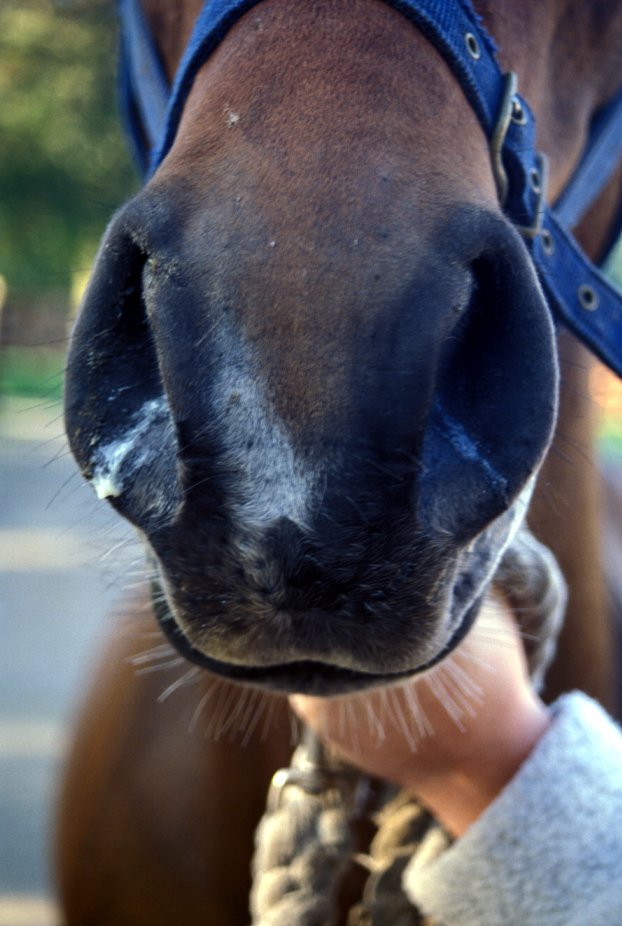
Treating outbreaks of flu in vaccinated horses
The devastating flu outbreak that rampaged through the Australian horse population in 2007 was an important wake-up call reminding us that equine influenza virus is an ever-present threat.

Click on the image to read this article online

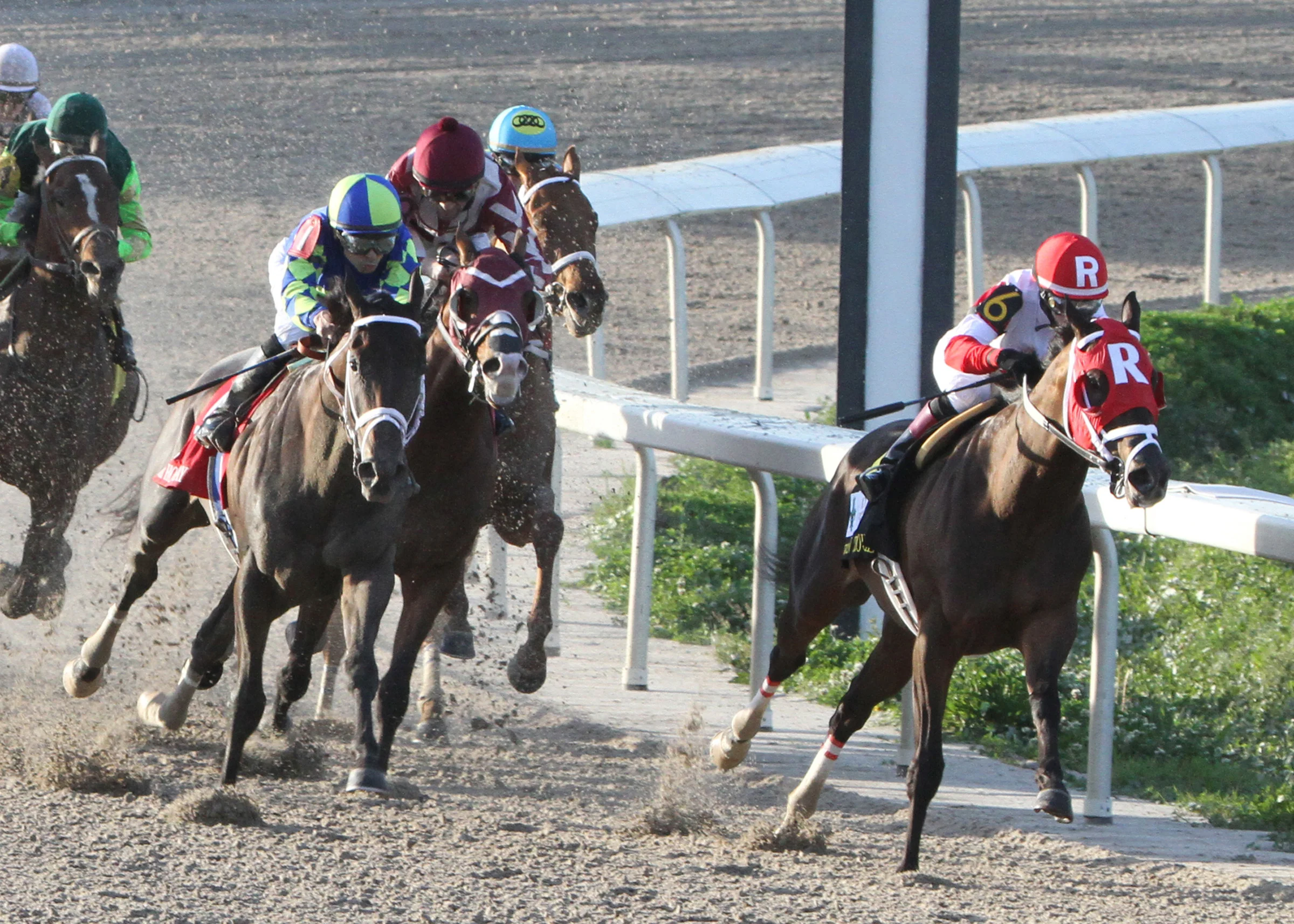
Mike Maker - the leading Kentucky based trainer in profile
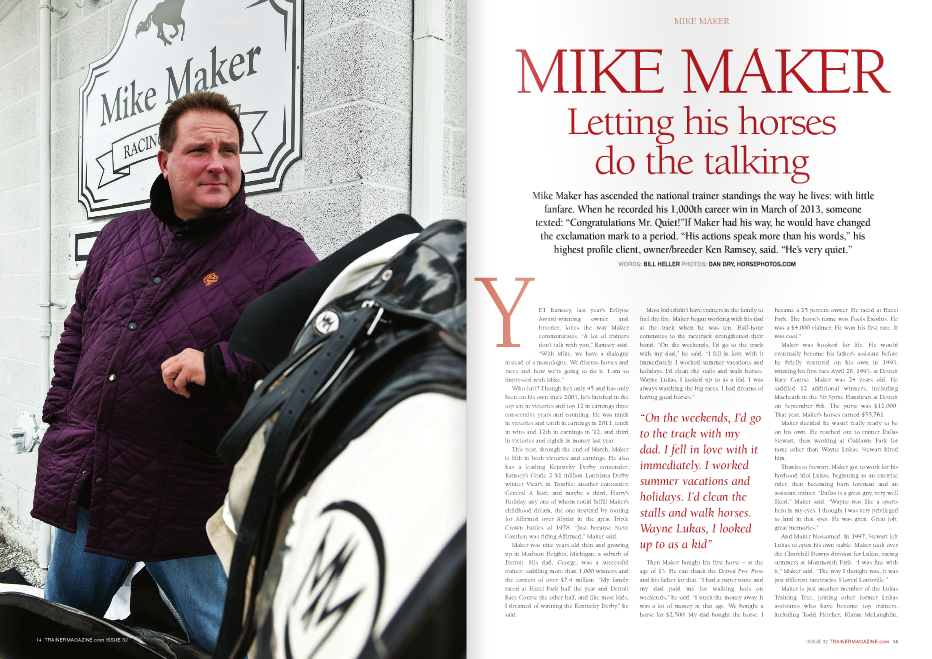
CLICK ON IMAGE TO READ ARTICLE
THIS ARTICLE FIRST APPEARED IN - NORTH AMERICAN TRAINER - ISSUE 33
Alan Balch - Shooting the messengers?
Are we shooting messengers?
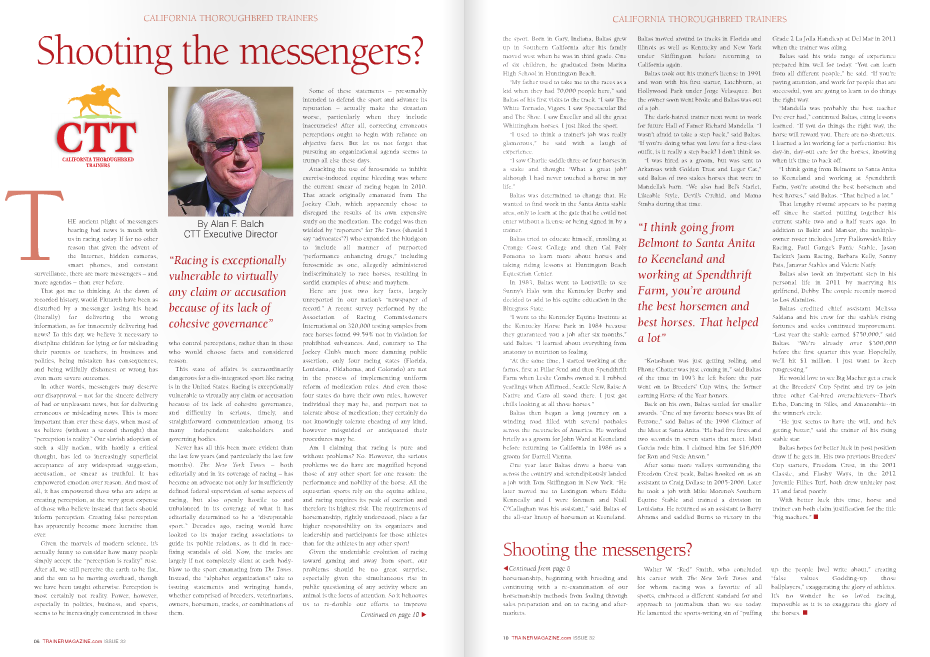
CLICK ON IMAGE TO READ ARTICLE
THIS ARTICLE FIRST APPEARED IN - NORTH AMERICAN TRAINER - ISSUE 33
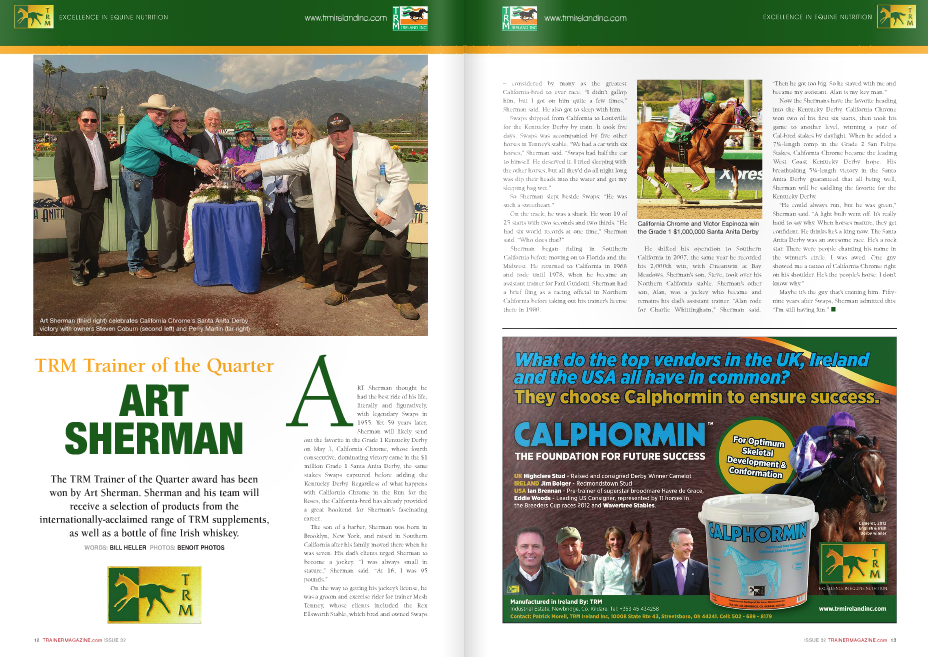
TRM Trainer of the Quarter - Art Sherman
Art Sherman went to the 1955 Kentucky Derby as the groom of Swaps. Forty nine years later he returns to Churchill Downs as the Trainer of California Chrome. The impressive winner of the Santa Anita Derby. For the Triple Crown season, he's our TRM Trainer of the Quarter.
CTT Trainer Profile - Richard Baltas
The trainer who turned Big Macher into a stakes performer!
The trainer who turned Big Macher into a stakes performer
THERE'S MORE TO READ ONLINE....
THIS ARTICLE FIRST APPEARED IN - NORTH AMERICAN TRAINER - ISSUE 32
TO READ THIS ARTICLE IN FULL - CLICK HERE
Author: Steve Schuelein
Sid Fernando - Dishing out the dirt
Read Sid Fernando's excellent column on how race tracks across North America are shedding the All Weather tracks and returning to Dirt surfaces. But just why would they want to do this?

Equi-N-Ice - cold compression treatment

Equi-N-Ice is an innovative, clinically proven and effective cold compression treatment for horses. Equi-N-Ice works by drawing heat out as opposed to other products that work by trying to drive cold in, such as ice packs. With Equi-N-Ice, there is no refrigeration, no mess, no mixing and no unpleasant smell. It is specially designed to conform to all the competition rules set by the FEI and all equestrian governing bodies.
Equi-N-Ice comes in a convenient reusable bandage, which is impregnated with a special cooling fluid which treats the area by rapid evaporation once applied. Cold compression is well documented as the most effective way of treating inflammation, swelling and bruising of muscles, tendons and ligaments; with Equi-N-Ice, the skin is as much as 15 degrees cooler once the bandage has been removed.
The bandage has it’s own natural elasticity, providing support and comes in a handy pack that can be resealed easily and quickly, so is an essential part of your first aid bag, whether at the barn or on the road.

Once washed, it’s so easy to re-apply the special non-irritant coolant to make the bandage damp again, and ready to store until needed again. The coolant is supplied in a handy plastic spray bottle, making it easy to re-apply without taking off the bandage.
To compliment the Equi-N-Ice bandage is The Rapid Cooler Rug, which is a quick and efficient, ideal for pre and post race, after exercise, while traveling and in all hot climates. The Rapid Cooler Rug is made from Coolmax® fabric, known for its ‘cool’ properties in reducing skin temperatures in human athletes, drawing the heat and sweat away and provides hours of cooling.
For more information visit www.equisportsint.com
or contact Joanne Louder tel: 912 281 3590
Pastern fractures - Split Pasterns, the injury that gets worse before it gets better
Fractures are relatively common injuries in thoroughbred racehorses and in a recent scientific report, equine orthopaedic surgeons detailed the healing time of a 'split pastern', warning that radiographs taken at the time of injury might not reveal the full extent of the damage.

Los Alamitos Race Course - dedicated thoroughbred meet heralds a new expanding racetrack
Los Alamitos, in Southern California, rose to national prominence as the base of Kentucky Derby winner California Chrome and this summer joins the main California Thoroughbred circuit with 3 meets scheduled for this year. The inaugural meet this July will host the Los Alamitos Derby-G2, with a guaranteed purse of $500,000. The buzz is almost tangible!


Northern Dancer - a giant among Thoroughbreds
Few horses were ever as animated and filled with a zest for life as the great racehorse and sire Northern Dancer. The bay son of Nearctic needed all the grit and exuberance he possessed, however, because he broke through prejudice and naysayers at every turn.

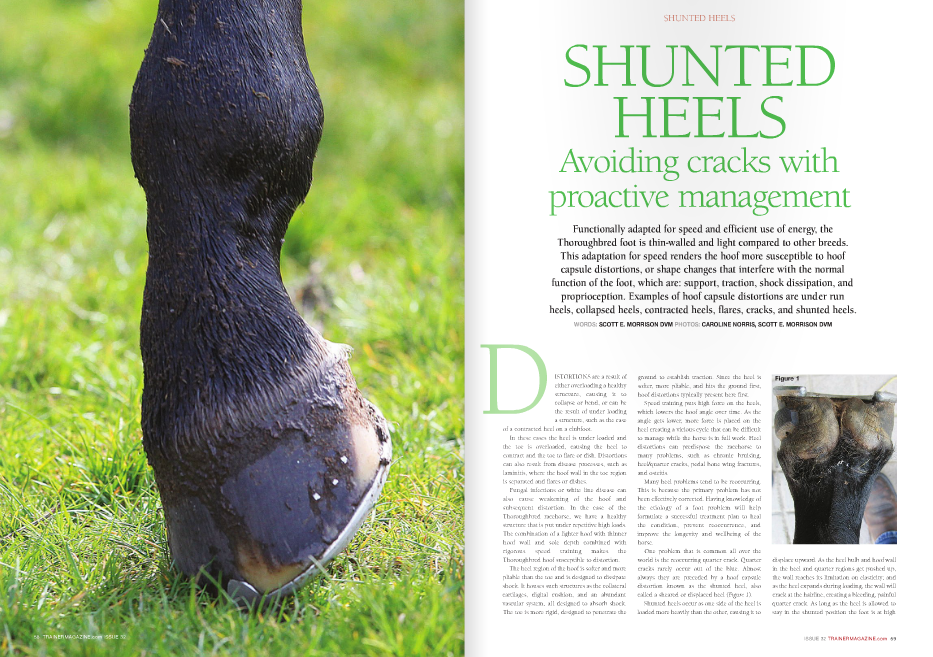
Shunted heels - avoiding cracks with proactive management
The Thoroughbred foot is thin-walled and light, adapted for speed and efficient use of energy. This adaptation renders the hood more susceptible to hoof capsule distortions.