
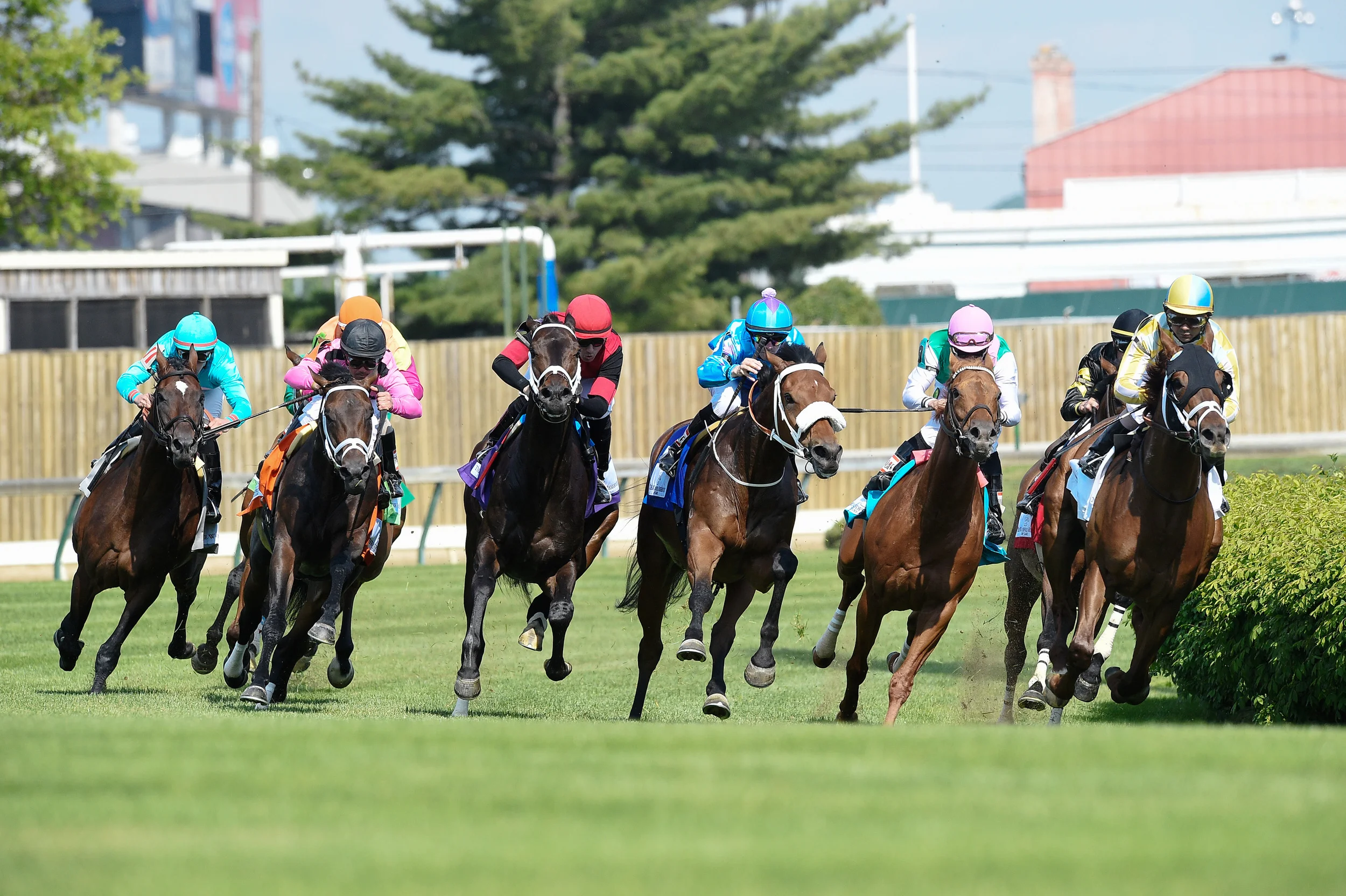
Understanding “Equine Sudden Death” syndrome
Contemporary horseracing news has identified a small medical trend in which assumedly disease-free racehorses are suddenly expiring before their time
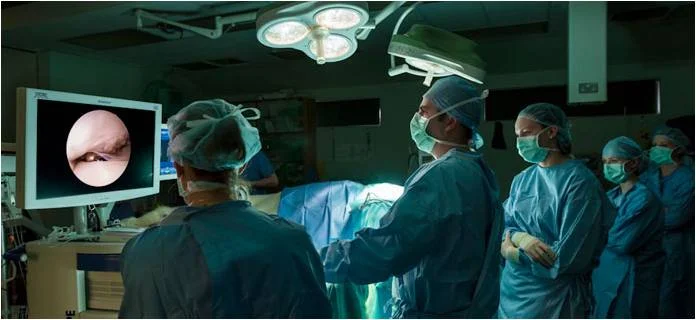
Treating Equine Synovial Infections
Most experienced trainers will know from bitter experience that a seemingly tiny wound can have a big impact if a horse is unlucky enough to sustain a penetrating injury right over a critical structure like a joint capsule or tendon sheath. Collectively, joints and tendon sheaths are called synovial structures, and synovial infection is a serious, potentially career-ending and sometimes life-threatening problem.
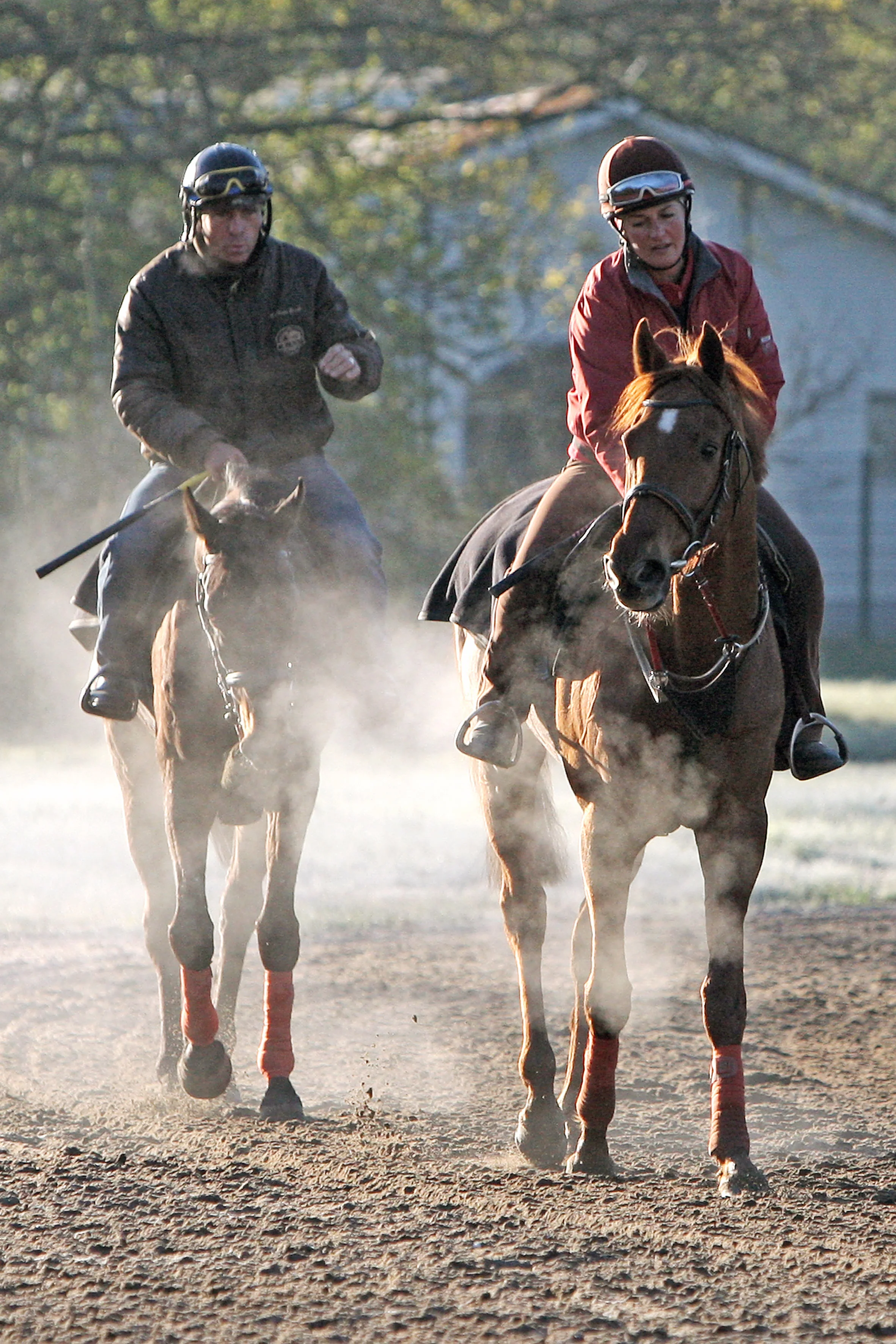
The Art of Breathing
Over the last two decades the Horserace Betting Levy Board (HBLB) in England has funded substantial research to understand how various body systems respond to training. For example, because of this HBLB investment we now know that the hearts of Thoroughbred racehorses get bigger as a response to athletic training and that big hearts are typically associated with better performers.
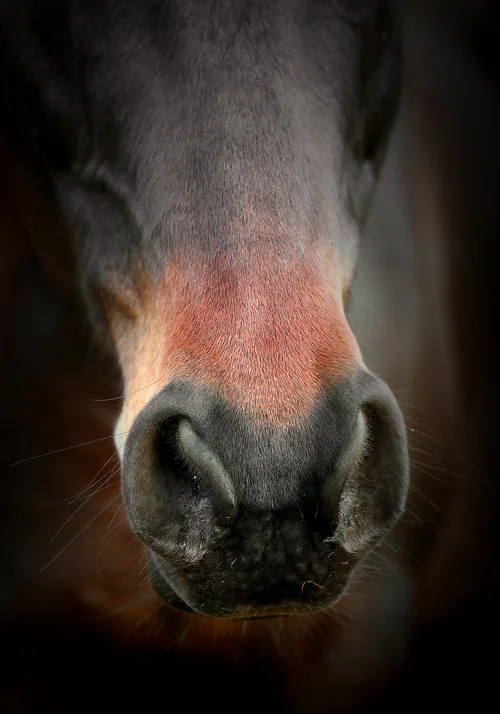
Streptococcus
The Horserace Betting Levy Board (HBLB) in the UK has invested over $11 million to protect racing and ensure horse welfare by disease surveillance and research on prevention of equine infections over the last decade. Infection with bacteria is one of the important causes.

Cardiac rhythm
When a horse runs badly, lameness or respiratory disease tends to immediately spring to mind, and indeed these are the most common causes—in that order. The heart comes in third, albeit quite a way behind these other body systems. If sudden death occurs in an equine athlete, a heart problem is usually the first thing that’s suspected. A new study, published in The Equine Veterinary Journal, provides significant insights on the cardiac rhythm abnormalities that can develop during and after racing in Standardbreds.

Horse welfare on the backstretch
If backstretch workers encounter conditions they can’t tolerate, they have an option of walking away. Horses don’t have that luxury. Whether a racetrack’s backstretch is horse-friendly or grossly indifferent, the horse remains. He relies on his trainer and his trainer’s staff to act in his best interest.
Veterinary research - the funding conundrum
The Thoroughbred Racing Industry is experiencing greater scrutiny than it ever has in its long and distinguished history, with the amplitude of debate and criticism from opponents of the sport on the basis of ethics and welfare reaching an unparalleled decibel.
Is there a place for medication in racing?
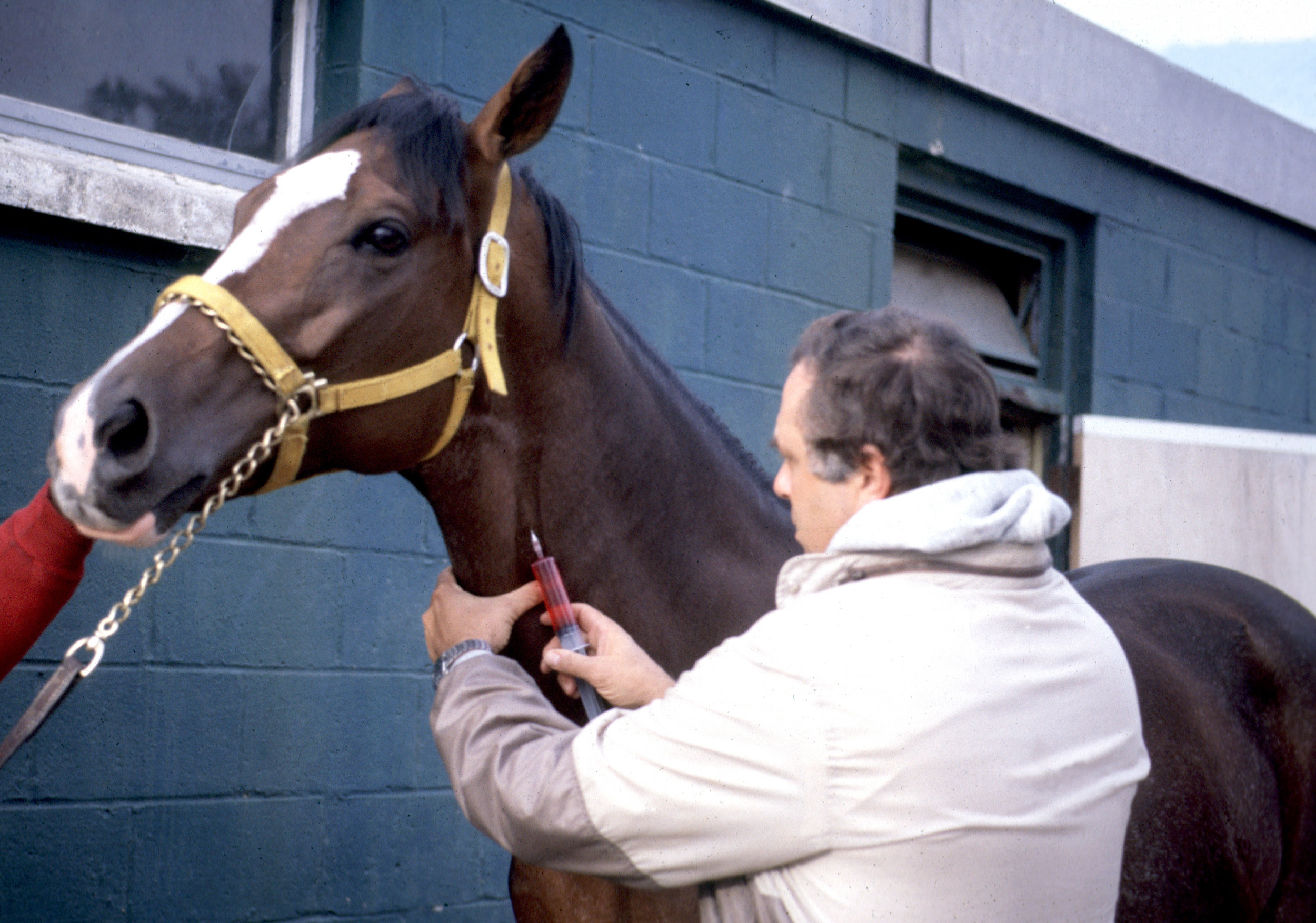
The single biggest area of debate currently in the Thoroughbred racing industry is the issue of racehorse medication. Medication is often characterized by the media and by people within and outside the industry as a black and white issue where one side of the argument is framed in terms of “hay, oats and water,” and anything else is considered permissive medication.
New research into the treatment of tendon and ligament damage in the Thoroughbred
Around 35% of the veterinary research and education budget is spent on projects to understand musculoskeletal disorders, improve their treatment, and prevent and minimize injury to racehorses.
Treating outbreaks of flu in vaccinated horses
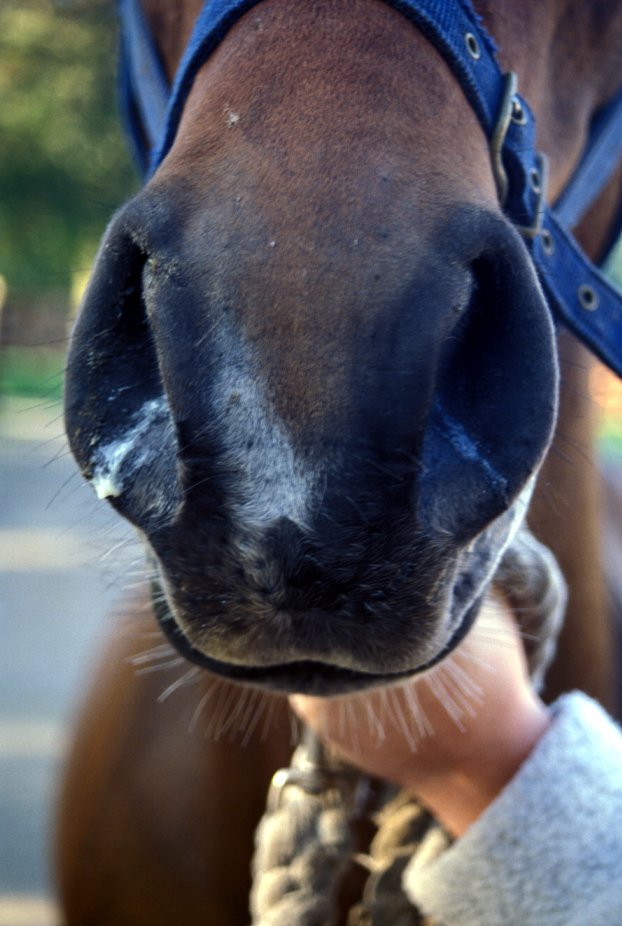
The devastating flu outbreak that rampaged through the Australian horse population in 2007 was an important wake-up call reminding us that equine influenza virus is an ever-present threat.
Pastern fractures - Split Pasterns, the injury that gets worse before it gets better
Fractures are relatively common injuries in thoroughbred racehorses and in a recent scientific report, equine orthopaedic surgeons detailed the healing time of a 'split pastern', warning that radiographs taken at the time of injury might not reveal the full extent of the damage.
Shunted heels - avoiding cracks with proactive management
The Thoroughbred foot is thin-walled and light, adapted for speed and efficient use of energy. This adaptation renders the hood more susceptible to hoof capsule distortions.
Treating Sore Shins - Can research make a breakthrough in treating 'bucked shins'
Consignors on both sides of the Atlantic are preparing their horses for the two-year old sales and, no doubt, are battling the phenomenon of 'bucked shins'. Can current research make a breakthrough?
Tie-back surgery - a trusted treatment
All trainers are familiar with a horse that makes a noise. If performance is poor, laryngoplasty has, for over 40 years, been the next consideration.
The aim of the procedure is to reverse the effects of larynx weakness that occurs due to a degenerative condition of the nerve that controls the muscles on the left side. A synthetic implant is placed along that side of the larynx to hold it open where the muscle is too weak.
It has long been suspected that the procedure has other effects on the airway, other than simply trying the collapsed part of the larynx back and out of the way.
Diagnostic imaging in young horses
So often we are dazzled by the youth and beauty of the next generation at the yearling sales. But what lies beneath that glorious skin? We take a deeper look at diagnostic imaging.
Few issues spark more debate and controversy than the interpretation of a juvenile Thoroughbred's radiographs and their relevance to the horse's future racing career. This article aims to review the most common radiographic finding, sesamoiditis, in the Thoroughbred yearling and discusses new research published in 2013 exploring the link between sesamoiditis and suspensory branch injuries and the effect these conditions can have on soundness and racing performance. This research can provide horsemen with accurate information with respect to the risk associated with these conditions and can aid them in the selection process and training of the young Thoroughbred racehorse.

The downsides to antibiotic therapy
The Hippocratic oath, which encapsulates the concept that it may be better to provide no treatment than to intervene but as a result do more damage, is a central tenet of medicine introduced by the Ancient Greeks.