
Young racehorse development through the lens of biotensegrity and fascia science

The debate surrounding the appropriate age to commence racehorse training remains a contentious topic. Advocates of traditional biomechanical models argue that training at 18 months is premature, as a horse's skeletal system does not reach full maturity for several more years. However, skeletal development alone presents a limited perspective. I would like to introduce another perspective from a rising research field. Through the lens of biotensegrity and fascia science, a more comprehensive approach emerges—one that considers the interconnectedness of a horse’s entire physiological system. Well-structured training at a relatively young age can support the holistic development of the racehorse, fostering both physical and psychological adaptability.
The Influence of gravity and early adaptation
From the moment a foal is born, it must quickly adapt to the force of gravity. Passage through the birth canal initiates its structural alignment, and within hours, the foal is standing and moving independently. Foals are born with predominantly fast muscle fibres (2X). The ability to travel up to seven kilometers daily alongside its dam is a testament to the foal’s inherent adaptability. This early exposure to movement and environmental stimuli plays a crucial role in its physiological and neurological development.
Challenging traditional views on skeletal maturity
This article seeks to introduce an alternative perspective on how the horse interacts with gravity, incorporating the principles of biotensegrity and fascia. It is important to note that most research is done on corpses and the fascia dries out almost directly after the circulation stops. Traditionally, equine skeletal maturation has been the primary concern regarding the timing of racehorse training. However, a singular focus on bone development overlooks the adaptability of connective tissues and the overall structural integrity of the horse. All young horses as an adaptation to their environment are in a critical phase of learning and adaptation—both physically and mentally—which must be accounted for in any training approach.
Veterinary discourse on skeletal maturity presents conflicting perspectives. Veterinarian Chris Rogers asserts that the skeleton of a two-year-old Thoroughbred is sufficiently developed for training, drawing parallels to human child development. Conversely, Dr. Deb Bennett posits that full skeletal maturity does not occur until six to eight years of age regardless of breed. All horses go through almost the same skeletal development phases, although thoroughbreds are extremely adapted through breeding to grow much quicker. While Bennett’s perspective has been widely accepted, Rogers’ viewpoint aligns with the practical realities of racehorse development, supporting the industry’s traditional training timelines.
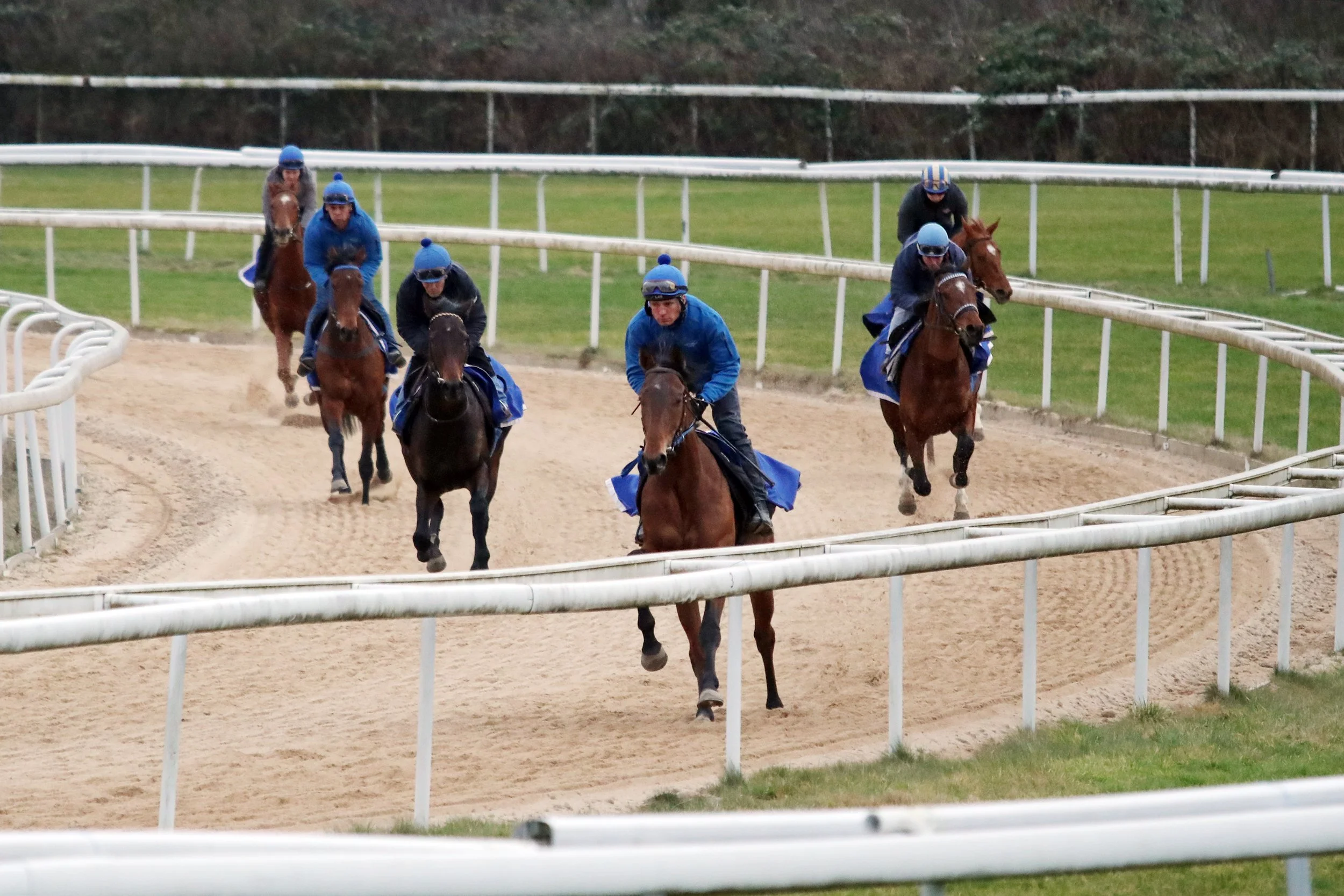
Flat racehorses typically begin training at around 18 months of age. At this stage, their skeletal and connective tissues are still developing, as research consistently shows. Cartilage, bones, muscles, and ligaments undergo intensive growth and adaptation. Every experience the young horse encounters contributes to its physiological and neurological development, shaping its ability to perform the tasks expected of a racehorse. Training at a young age offers several advantages, as young horses are highly receptive and adaptable. As explored later in this article, their connective tissues develop in response to the challenges they are exposed to, reinforcing their structural integrity over time.
Racehorse training inherently involves a selection process. Horses that do not meet performance expectations within the first few seasons are often retired from racing by the age of three or four, making way for new yearlings. Those that demonstrate both speed and durability may continue competing well into their later years. Those are often geldings. Mares and stallions that show promise may transition into breeding programs. The rest, if their foundational training has been well-structured, can adapt successfully to second careers as riding horses, often becoming ideal partners for young equestrians at the start of their horsemanship journey.
Tensegrity principles
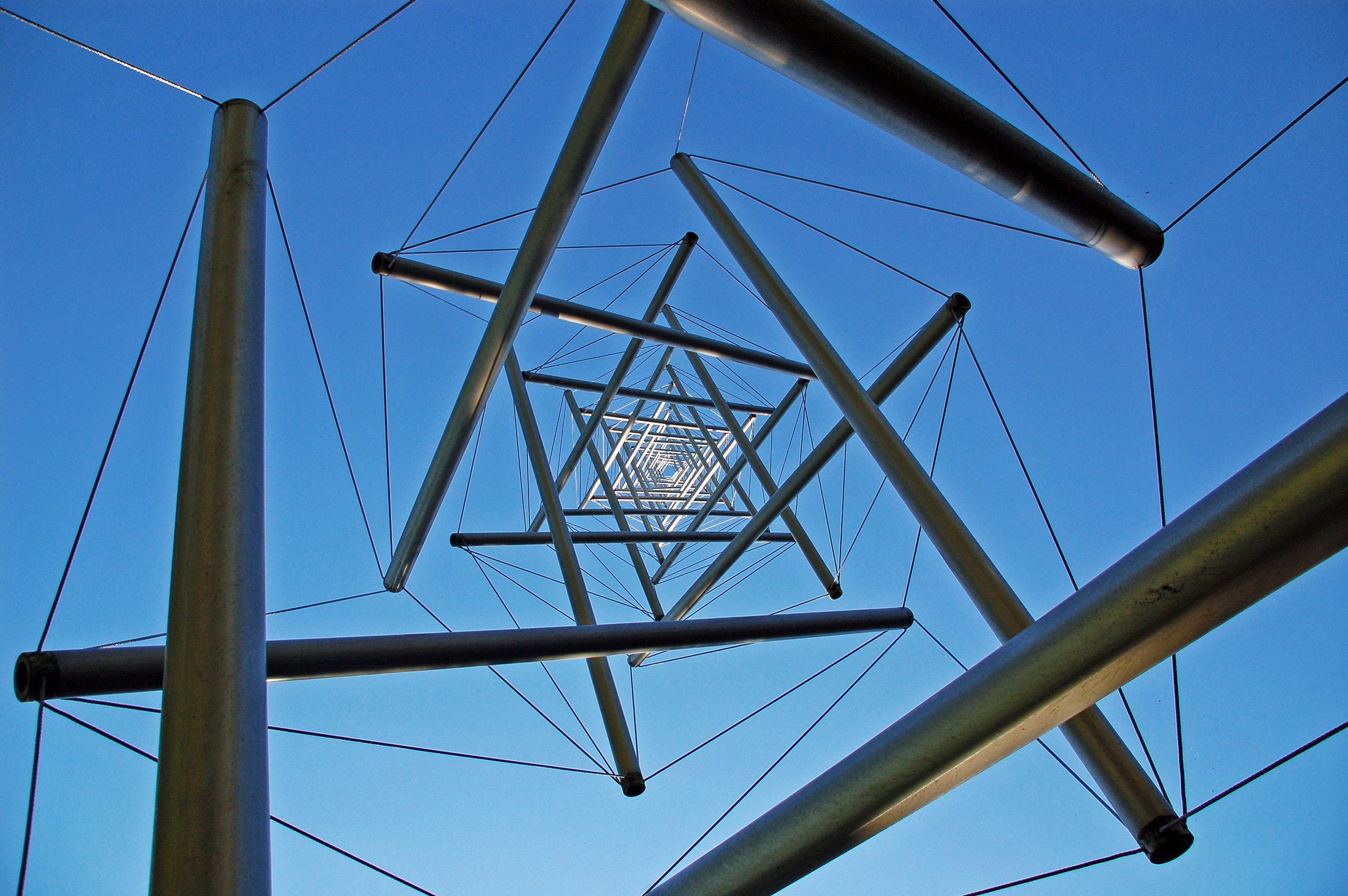
Tensegrity (tensional integrity) is a structural principle that explains how forces of tension and compression interact to create stability in a system. Originally coined by architect and engineer Buckminster Fuller, tensegrity has been widely applied in biological systems, including human and equine anatomy.
The role of fascia and biotensegrity in equine development
A traditional biomechanical view perceives the horse's skeleton like a rigid brick wall—if one part weakens, the entire structure becomes vulnerable to collapse. In contrast, a tensegrity-based perspective views the horse as a dynamic suspension bridge, where forces are distributed across an interconnected network of fascia, tendons, and ligaments. In this model, the skeleton is not a rigid load-bearing framework but rather ‘floats’ within the fascial system, allowing for adaptability, resilience, and efficient force distribution.
Biotensegrity highlights the balance between tension and compression within the body. In equine anatomy, the skeleton functions as a stabilizing framework, while fascia, tendons, and ligaments manage dynamic forces. Fascia, composed predominantly of collagen, exists in various densities, from loose connective tissue that facilitates muscle glide to the more rigid structures forming tendons and bones. This complex, fluid-filled network plays a crucial role in maintaining stability, distributing forces, and mitigating the impact of training.
Training influences the structural adaptation of connective tissues. Properly executed, it can enhance durability and resilience, reinforcing ligaments and tendons much like steel cables under controlled tension. Understanding the dynamic interplay between muscle, fascia, and skeletal development allows for training methods that optimise long-term soundness and performance.
Fascia
One of the most abundant proteins in the body is collagen, which forms connective tissue in all its various forms—from loose fascia, which separates muscles, to denser collagen structures that align with the direction of force and develop into tendons, ligaments, or bone. One of the key functions of loose fascia is to allow muscles to glide smoothly against one another without friction when one muscle contracts and another stretches.
Loose fascia consists of a collagen network, with its spaces primarily filled with water and hyaluronic acid. It is a highly hydrated structure—young horses are composed of approximately 70% water. Imagine a water-filled balloon, where the skin acts as the boundary between the internal and external environments. During fetal development, collagen structures form first, providing the framework within which the organs develop. Collagen, a semiconductive protein, relies on water to function optimally.
The water-rich environment surrounding fascia transforms it into an extraordinarily intelligent communication network. Its function is highly responsive to the body's pH levels, adapting moment by moment to internal conditions. As the central hub for force transfer and energy recycling, fascia provides immediate balance and support—often operating beyond the constraints of the nervous system.
Fascia's remarkable adaptability is rooted in its multifaceted properties. It is nociceptive, meaning it is capable of detecting pain and harmful stimuli, alerting the body to potential injury or strain. It is also proprioceptive, enabling the body to sense its position and movement in space, which aids in maintaining coordination and balance. Additionally, fascia exhibits thixotropic properties—allowing it to shift between a gel-like state and a fluid-like state depending on movement, which enhances flexibility and responsiveness.
Finally, fascia demonstrates piezoelectric properties, generating electrical charges in response to mechanical stress, playing a crucial role in cellular signaling and tissue remodeling. These combined characteristics enable fascia to dynamically adjust to both mechanical and biochemical stimuli, ensuring optimal function in response to ever-changing internal and external conditions."
Fascia has no clear beginning or end; it distributes pressure and counteracts the force of gravity.
The biotensegrity of equine locomotion and how horses rest while standing
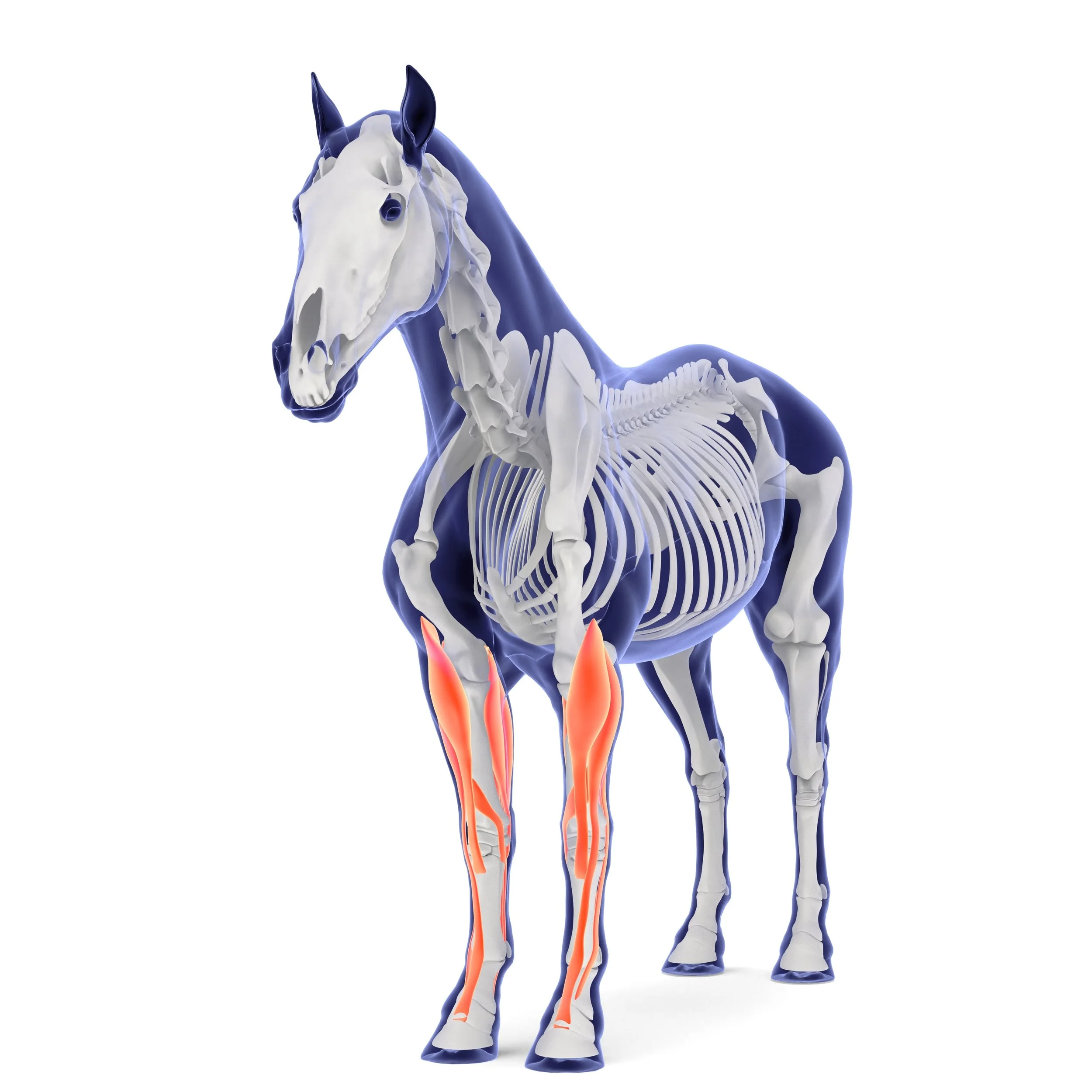
Horses possess a remarkable evolutionary adaptation that allows them to rest while standing, a capability underpinned by the principles of biotensegrity. This structural efficiency is achieved through an intricate network of tendinous and ligamentous locking mechanisms working in harmony with the skeleton.
In the forelimbs, the extensor and flexor tendons engage to stabilise the skeletal structure, minimizing muscular effort. Meanwhile, in the hind limbs, a specialised locking mechanism is activated when the patella (kneecap) is positioned against a flat section on the femur just above the stifle, further contributing to this passive support system.
This adaptation allows horses to conserve energy while remaining poised for rapid movement. In the event of sudden danger, they can instantly transition from rest to flight, ensuring their survival—an essential trait for both wild and athletic performance. The efficiency of this natural support system exemplifies the principles of biotensegrity, where tension and compression forces work in balance to maintain structural integrity with minimal effort.
The head and neck function as critical balancing structures, comprising approximately 10% of the horse's total body weight. The forelimbs bear roughly 60% of the body’s weight, but true structural support originates from above the elbow joint. The spine, a central element of equine biomechanics, acts as a suspension system. The primary function of the equine spine is to support the internal organs, a role that also enables the horse to carry a rider.
This structural foundation ensures both stability and balance, allowing for efficient movement and performance under saddle. The propulsion generated by the hind legs is efficiently transferred to the forehand through the back muscles, which are reinforced with robust connective fascia plates, ensuring optimal movement and stability. This structural complexity underscores the need for a training regimen that respects the developmental timing of multiple interrelated systems beyond just the skeletal framework.
Risks and adaptations in young racehorses
While early training offers advantages in developing resilience in young racehorses ( they have a high percentage muscle fiber 2X), it also presents risks. The spinal column, particularly the lumbar-sacral junction, endures significant forces during high-speed galloping. Without appropriate conditioning, the vulnerability of these structures can lead to pathologies such as kissing spines or pelvic instability. Their growth plates remain open, making them more susceptible to the impact of high-speed forces, compensatory adaptations to early training stress may manifest as different maladaptive adaptations in connective and skeletal tissues, potentially diminishing long-term performance capabilities.
However, when managed correctly, the high adaptability of collagen structures in young horses allows for positive adaptation. Training introduces controlled tensile and compressive forces, fostering the development of strong, functional connective tissues. The challenge lies in striking the right balance between stimulus and recovery to optimise long-term soundness and athletic potential.
The value of tacit knowledge in training practices
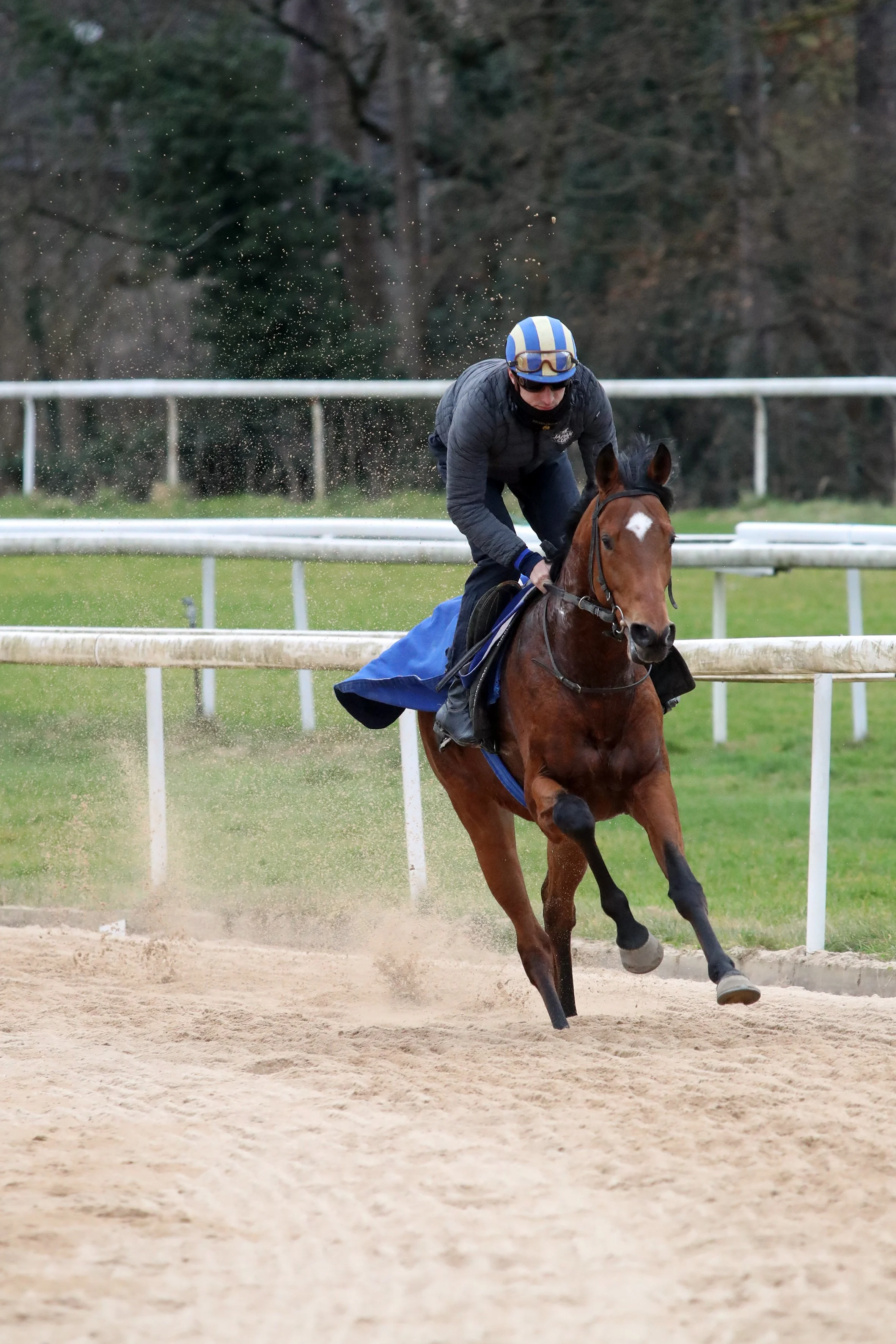
Experienced trainers have an intuitive understanding of the complex relationships between tissues and biomechanics, a knowledge that is often honed through years of careful observation and practical experience. This tacit expertise is fundamental in shaping training strategies that take into account the horse’s overall development. A comprehensive training program should not only focus on the maturation of the horse’s bones but also prioritise the adaptive growth of fascia, ligaments, and muscles. By doing so, trainers ensure that young racehorses develop in a way that is aligned with their evolving physiological capabilities, promoting balanced growth and minimizing the risk of injury. This holistic approach allows for the optimal performance and longevity of the racehorse, fostering a more sustainable path toward peak athleticism.
Conclusion: a holistic perspective on racehorse development
The evolution of equine training methodologies has greatly benefited from recent advancements in scientific understanding, offering a more refined approach to racehorse development. By incorporating biotensegrity principles into training programs, a more comprehensive view of the horse’s physical structure and function emerges, shifting the focus from skeletal maturity alone to a broader understanding of the interconnected roles of fascia, connective tissues, and adaptive biomechanics. This shift in perspective allows for the cultivation of healthier, more resilient athletes who can perform at their peak while minimizing the risk of injury.
With equine welfare at the forefront, adopting a holistic approach to racehorse development—one that blends cutting-edge biomechanics, physiological insights, and traditional training wisdom—will pave the way for more sustainable, ethical practices within the industry. Such an approach not only enhances performance in the short term but also ensures the longevity and well-being of racehorses throughout their careers. Ultimately, by embracing this integrated perspective, the racing industry can promote a future where both the performance and welfare of horses are prioritised, leading to a more ethical and effective standard of training.
---
Extra Reading References
- Levin, S. (Biotensegrity: www.biotensegrity.com)
- Clayton, H. M. (1991). *Conditioning Sport Horses*. Sport Horses Publications.
- Adstrup, S. (2021). *The Living Wetsuit*. Indie Experts, P/L Austrasia.
- Schultz, R. M., Due, T., & Elbrond, V. S. (2021). *Equine Myofascial Kinetic Lines*.
- Bennett, D. (2008). *Timing and Rate of Skeletal Maturation in Horses*.
- Rogers, C. W., Gee, E. K., & Dittmer, K. E. (2021). *Growth and Bone Development in Horses*.
- Ruddock, I. (2023). *Equine Anatomy in Layers*.
- Myers, T. W. (2009). *Anatomy Trains (2nd Edition)*. Churchill Livingstone.
- Diehl, M. (2018). *Biotensegrity*.
- Kuhn, T. S. (1962). *The Structure of Scientific Revolutions*. University of Chicago Press.
- Tami Elkyayam Equine Bodywork
MUSCLE MATTERS - HOW PROTEIN QUALITY DRIVES PERFORMANCE AND RECOVERY IN RACEHORSES
WORDS: DR CAROLINE LOOS
Recent research is reshaping our understanding of equine muscle metabolism - revealing how the quality, timing and composition of dietary protein directly affect muscle synthesis, repair and ultimately, performance.
► How much protein does a racehorse really need?
For racehorses, muscle isn't just about strength - it's about speed, stride and power. Well-developed, healthy muscles are essential not only for explosive performance on the track but also for injury prevention and long-term soundness. That's why understanding the mechanisms behind muscle growth is so important.
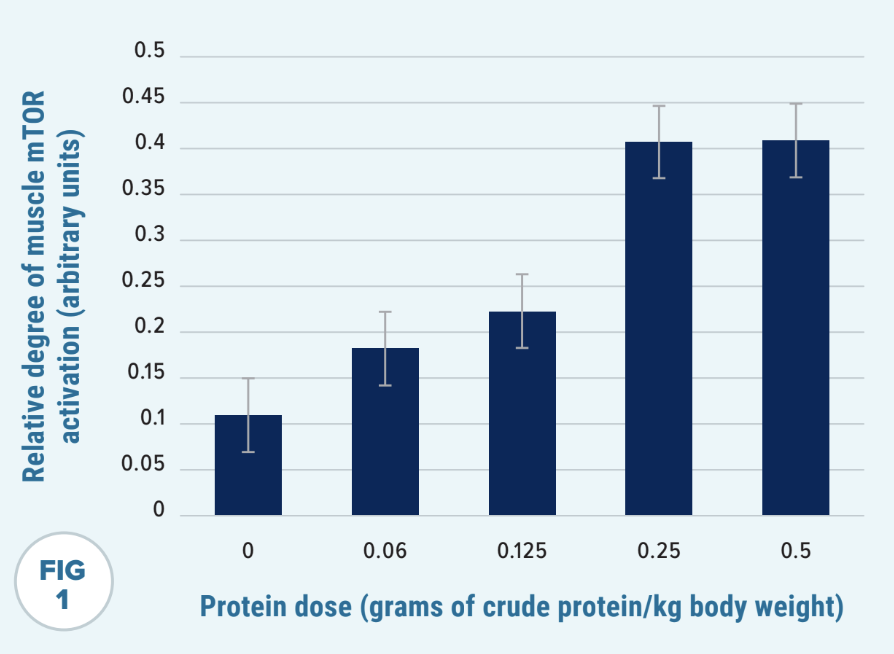
In a 2020 study conducted at the University of Kentucky, horses were fed graded levels of a high-quality protein supplement. The research investigated how different levels of dietary protein influence the activation of the mTOR signaling pathway - the key mechanism behind muscle protein synthesis. Their findings revealed that mTOR activation peaked at a dose of 0.25 g of crude protein per kg of body weight per meal. This equates to approximately 140-150 g of crude protein or 220-240 g of a typical protein (-30-35% CP) balancer supplement for the average 550-600 kg horse. Any intake above that threshold showed no further benefit.
Concluding that there is an optimal dose of high-quality protein per meal to effectively stimulate muscle-building processes. Feeding beyond that level may offer no added benefit, while feeding below it could mean missed gains.
► Why not all protein is equal
Muscle is built from amino acids - and not all horse feeds supply these building blocks in equal measure. The effectiveness of dietary protein in stimulating muscle building is dependent on its quality. The quality of a protein source is determined by its amino acid profile and digestibility. The higher the digestibility, the greater the amount of amino acids available for absorption and protein synthesis. In addition, the closer the dietary amino acid profile matches that of muscle, the higher the quality of the protein source. One amino acid in particular stands out when it comes to promoting muscle mass: leucine, which acts both as a building block and as a powerful metabolic switch that initiates muscle protein synthesis through the mTOR pathway.
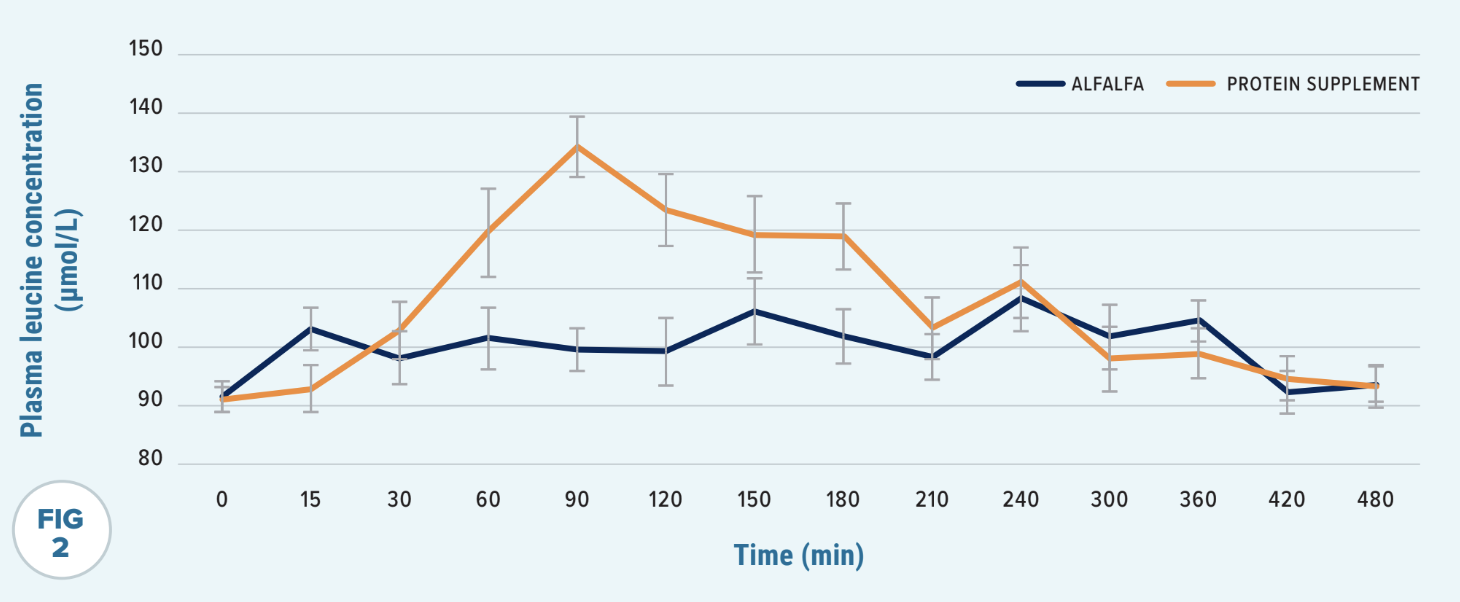
In a 2022 study, horses were fed meals based on alfalfa protein or a high-quality protein supplement (containing soybean meal, potato protein and alfalfa meal). While both meals contained the same amount of crude protein, plasma levels of essential amino acids - particularly leucine - rose significantly higher and faster with the protein supplement. This difference in amino acid availability was mirrored in the muscle, with significantly greater activation of mTOR, meaning enhanced stimulation of muscle protein synthetic pathways.
Simply put: two feeds with identical crude protein levels can have vastly different effects on the horse's body, depending on the type of protein they provide. That's why evaluating amino acid profiles, and thus the quality of the protein, is more meaningful than comparing the quantity or percentage of crude protein in the feed.
► Timing of feeding: Key in maximizing muscle development
It's not just what you feed, but also when you feed it. We know that the magnitude of stimulation of muscle synthetic pathways and ultimately net muscle accretion over time may depend on the protein feeding pattern throughout the day. In the same 2022 study in horses, peak activation of muscle-building pathways occurred 90 minutes post feeding in horses and de- activation of these systems took about 3-5h. Work in human athletes shows that pulse protein feeding every 3h post exercise is superior for simulating muscle protein synthetic than smaller frequent meals or large meals separated by 6h. If we cautiously extrapolate this to horses, this suggests that feeding a meal of at least 0.25g CP/kg BW of high-quality protein every 3-4h after an intensive workout, would be more effective for muscle development compared to feeding 2 larger protein meals morning and evening.
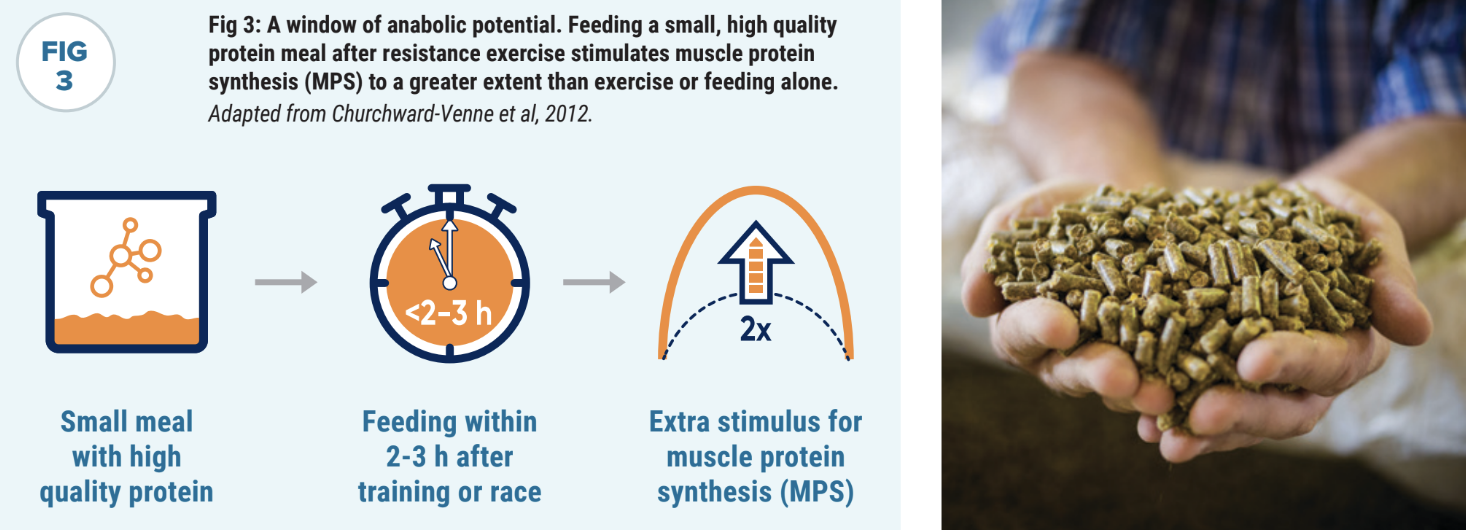
Secondarily, timing of feeding relative to exercise is also key for maximal muscle gains. Muscle fiber recovery is energy-intensive and amino acid-dependent. When amino acid supply is delayed or insufficient - particularly leucine - the repair mechanisms lag and muscle fibers remain vulnerable to damage. It has already been well established in other species than exercise and feeding work synergistically on muscle protein synthesis. Consumption of a small but high quality meal of protein shortly after exercise results in greater activation of muscle protein synthesis compared to that seen with exercise alone. Furthermore, this feeding strategy will mitigate exercise-induced muscle damage, thereby speeding up the recovery.
Racehorses, like many sporthorses, are typically fed large, infrequent meals often disconnected from training sessions. Although more specific research in horses is needed, providing smaller but high quality protein meals several times a day, with 1 meal post-exercise, will have a beneficial effect on muscle protein synthesis and recovery.
►The 'Golden Hour'
The takeaway? Protein quality and precise timing of feeding throughout the day could be the missing link in turning training effort into real muscle gain - supporting faster recovery, better adaptation, and sustained performance.
This fits within the broader concept of the "Golden Hour", the first 60 minutes post-exercise when the body's recovery mechanisms are highly receptive to nutrients. Combining cool- down routines, rehydration and a high-quality protein meal during this window significantly enhances recovery. Beyond that, muscle recovery continues for up to 72 hours. Ensuring ongoing support through digestible protein, antioxidants and moderate movement during this period prevents stiffness, optimizes adaptation and reduces injury risk.
Strategic nutrition plays a vital role in managing muscle fatigue and optimizing post-exercise recovery. By ensuring rapid availability of key amino acids - especially leucine - trainers may reduce the risk of post-exertional muscle issues while supporting overall performance.
► Building blocks for muscle: beyond leucine alone
While leucine plays a starring role in triggering muscle synthesis, it does not act alone. Other essential amino acids like lysine, methionine and valine are critical for the actual building of new muscle tissue. Muscle development can only occur when all necessary amino acids are present in sufficient amounts. That's why feeds or supplements with balanced amino acid profiles outperform generic protein sources in supporting muscle health.
Racehorses are elite athletes. They deserve nutrition that reflects that status. With the right feeding strategy, we can unlock the full potential of training, accelerate recovery and protect horses from common setbacks. The good news? These are changes you can implement immediately. Begin by evaluating your current feeding schedule. Look for opportunities to align post-exercise meals with protein intake and ensure those meals are based on high-quality, digestible proteins.
► Practical takeaways for racehorse trainers
• Feed smarter, not just more. Focus on protein quality, not just quantity.
• Use the Golden Hour wisely: apply cool-down routines, hydration and offer a digestible protein-rich recovery feed.
• Choose protein sources rich in leucine and essential amino acids.
• Avoid overfeeding: excess protein cannot be stored and takes a lot of precious energy resources to be broken down - it's wasting nutrients and potentially stressing metabolism.
Feeds or supplements with balanced amino acid profiles outperform generic protein sources in supporting muscle health.
Racehorses are elite athletes. They deserve nutrition that reflects that status. With the right feeding strategy, we can unlock the full potential of training, accelerate recovery and protect horses from common setbacks.
References:
Loos et al., 2020,, Pathways regulating equine skeletal muscle protein synthesis respond in a dose-dependent manner to graded levels of protein intake Journal of Animal Science, 98(9), p.skaa268 https://doi.org/10.1093/jas/skaa268
Loos et al., 2022, Differential effect of two dietary protein sources on time course response of muscle anabolic signaling pathways in normal and insulin dysregulated horses. Frontiers in Veterinary Science, 9, p.896220. https://doi.org/10.3389/fvets.2022.896220
Areta, J.L., Burke, L.M., Ross, M.L., Camera, D.M., West, D.W., Broad, E.Μ., Jeacocke, N.A., Moore, D.R., Stellingwerff, T., Phillips, S.M. and Hawley, J.A., 2013. Timing and distribution of protein ingestion during prolonged recovery from resistance exercise alters myofibrillar protein synthesis. The Journal of physiology, 591(9), pp.2319-2331.
Churchward-Venne, T.A., Burd, N.A. and Phillips, S.M., 2012. Nutritional regulation of muscle protein synthesis with resistance exercise: strategies to enhance anabolism. Nutrition & metabolism, 9(1), p.40. https://link.springer.com/article/10.1186/1743-7075-9-40