
Veterinary
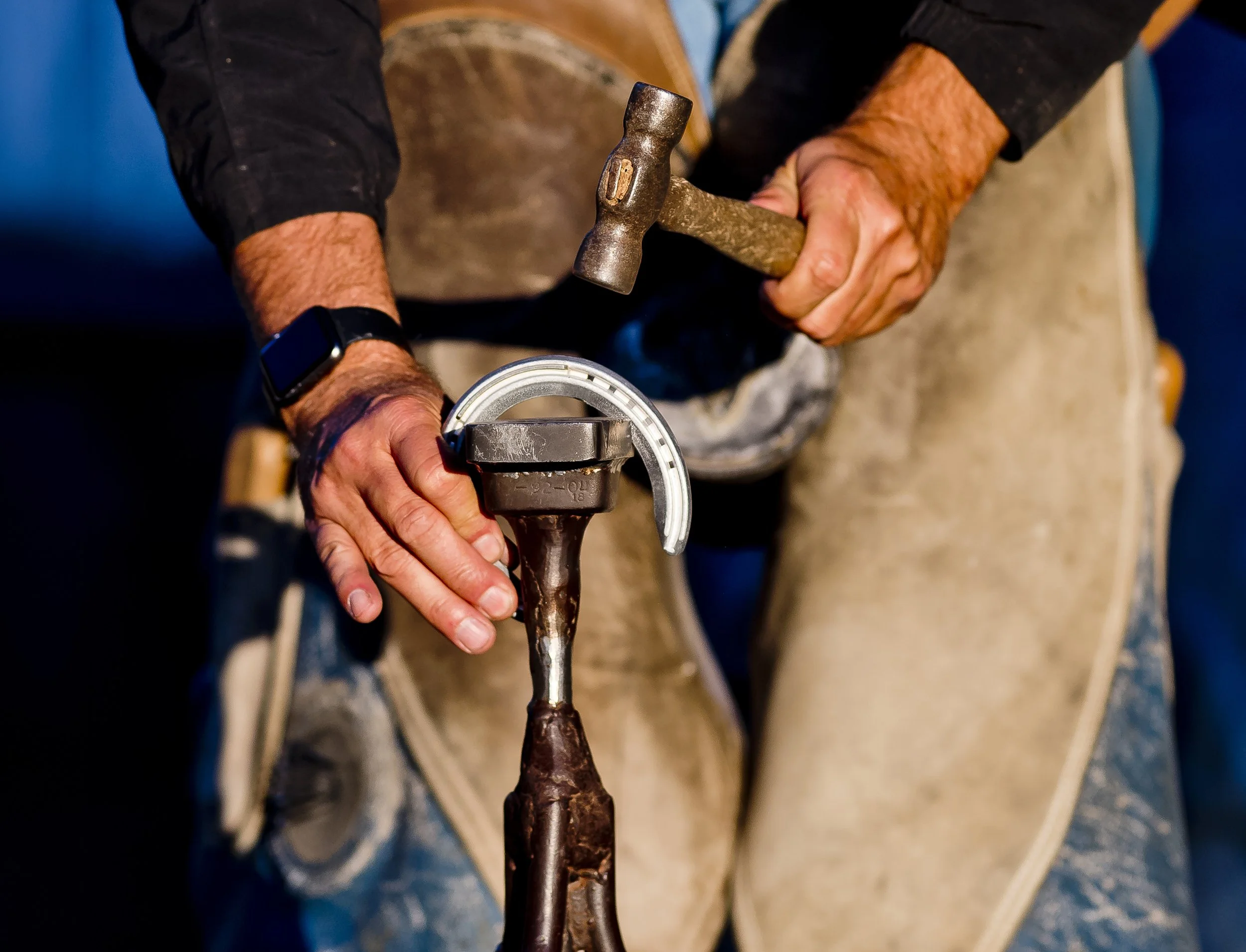
Out of necessity, cowboys became their own farriers in the American West, and they passed down their knowledge to the younger hands on the ranch. A dayworker could increase his pay substantially if he could shoe a few horses for the boss before the day was over. These days U.S. farrier schools are training farriers and social media has generated interest in a trade that goes along with a seemingly western way of life. The American horse culture is seen online in posts and streamed to every household by networks like EQUUSTV, and equine-loving YouTubers from seemingly every state, while reaching audiences of every age. Feed, supplements, grooming products, tack, equine sportswear, trucks, beer, and real estate promote with horses and sometimes farriers too. How often do you see a horseshoe in a logo or company/product branding campaign?
In racing, trainers choose their farrier in most cases. However, a skilled farrier may not be available or hard to find at some racetracks. If HISA requires that a specifically credentialed farrier must be hired for Thoroughbred racehorses, will this make hiring a farrier more difficult? Unintended consequences as they are, making it harder to find this HISA farrier is a very real possibility. Currently, there are fewer new farriers entering apprenticeships with racetrack farriers or coming out of farrier schools and looking to work at the racetrack.
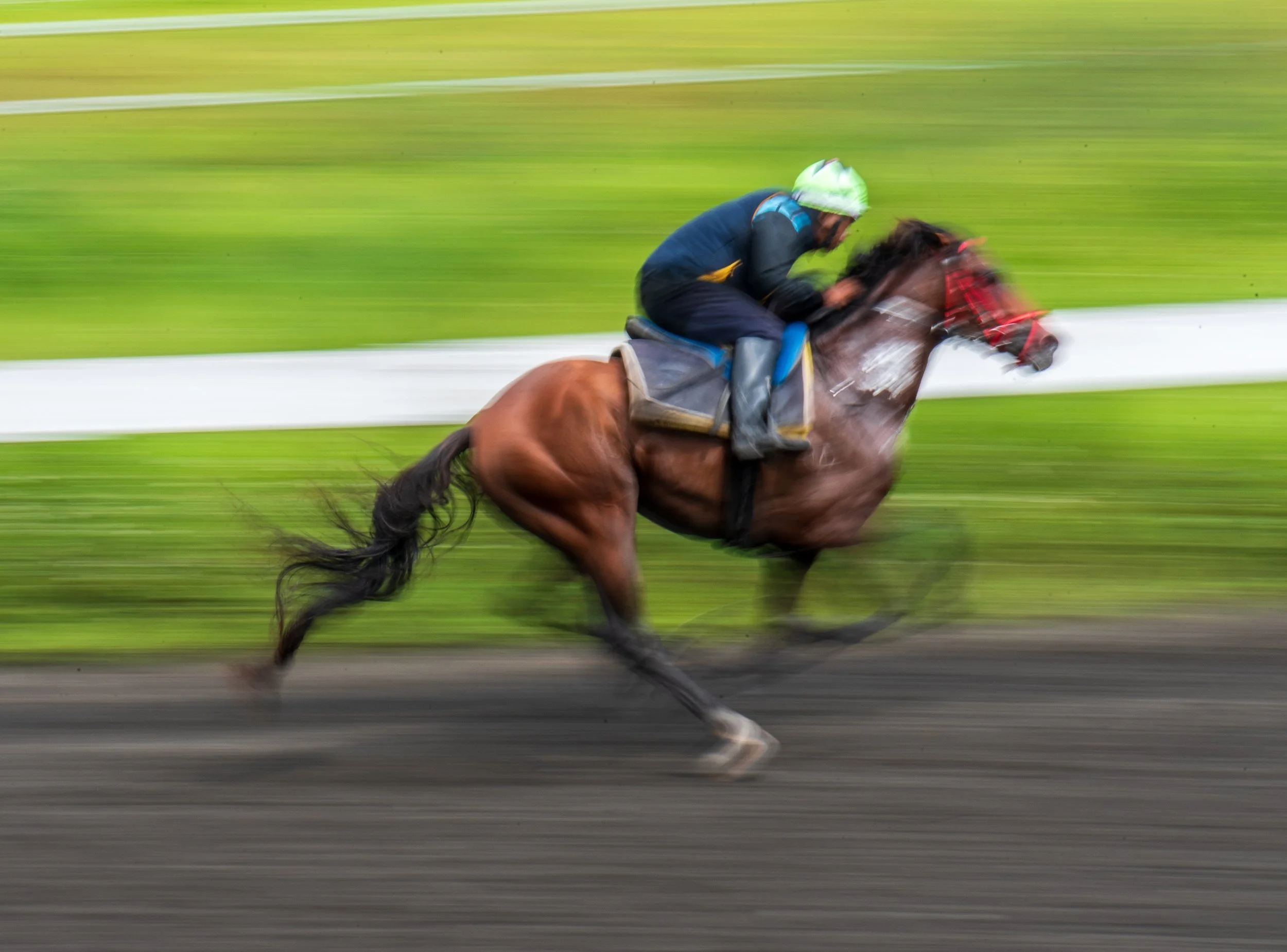
Exercise‑induced pulmonary hemorrhage, EIPH or “bleeding”, has been recognized for centuries. The true cause of this disease was misunderstood until modern diagnostic tools revealed that bleeding actually comes from the lungs, not the nose. For much of its history, the condition was understood as the rare and dramatic episodes of nosebleeds (epistaxis) after intense work, and bleeding was seen as a one-off, colorful event in an otherwise healthy horse.
With the advent of the tools of endoscopy and bronchoalveolar lavage (“lung wash”), it became clear that bleeding from the nose represents a relatively rare occurrence of a much more common lung condition. Today, EIPH is recognized as a widespread, seemingly silent feature of equine athletes, with studies finding it in up to 95% of Thoroughbred racehorses.
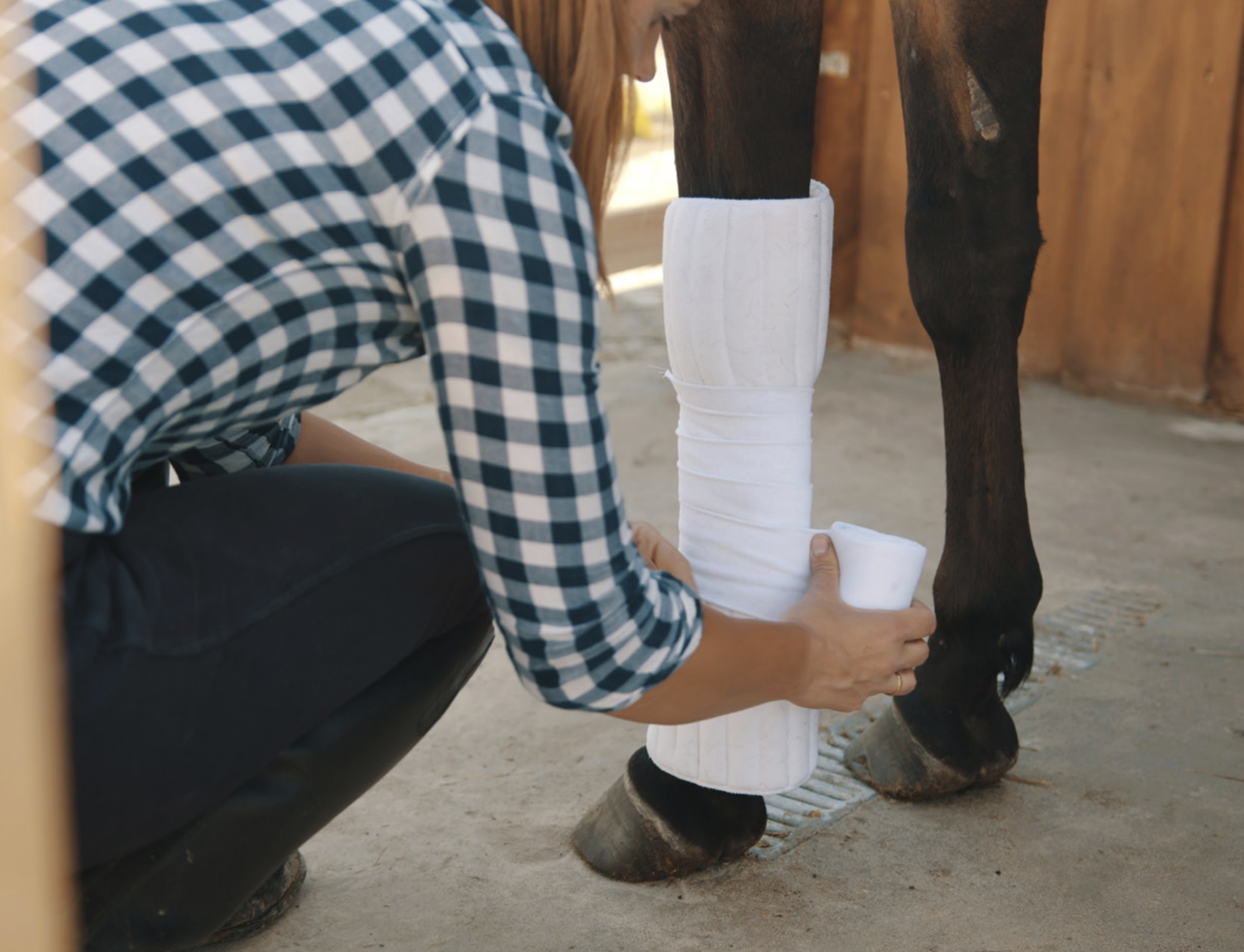
Injury is an unavoidable part of life and the ability to repair is one of the most vital characteristics of any living organism continually exposed to environmental harm. Regardless of the cause the body immediately attempts to restore tissue continuity.
Being prey animals as well as finely tuned athletes, Thoroughbreds can experience a wide range of injuries throughout their lives.The three main goals of healing are: to restore tissue continuity with the best possible quality of tissue, to do so in the shortest safest time and to prevent recurrence or breakdown of the repair.

The incidence of serious fractures in horses racing on the flat is low (around one case every one to two thousand starters); but when fractures occur the consequences are often severe for the horse and, sometimes, the jockey. Both the severity and the dramatic nature of these injuries cause a significant negative impact to everyone connected with the horse, as well as spectators.
The International Federation of Horseracing Authorities (IFHA) convened the Global Summit on Equine Safety and Technology at Woodbine Racecourse, Toronto, in June 2024, to focus on how current research into causes of racehorse fatalities on the course, including fractures, can be advanced and translated into action, to better understand the factors leading to fatalities and potentially mitigate them.
At the meeting there were two workshops where specialist veterinary clinicians, pathologists and researchers came together to focus on Exercise Associated Sudden Death incidents and fractures.
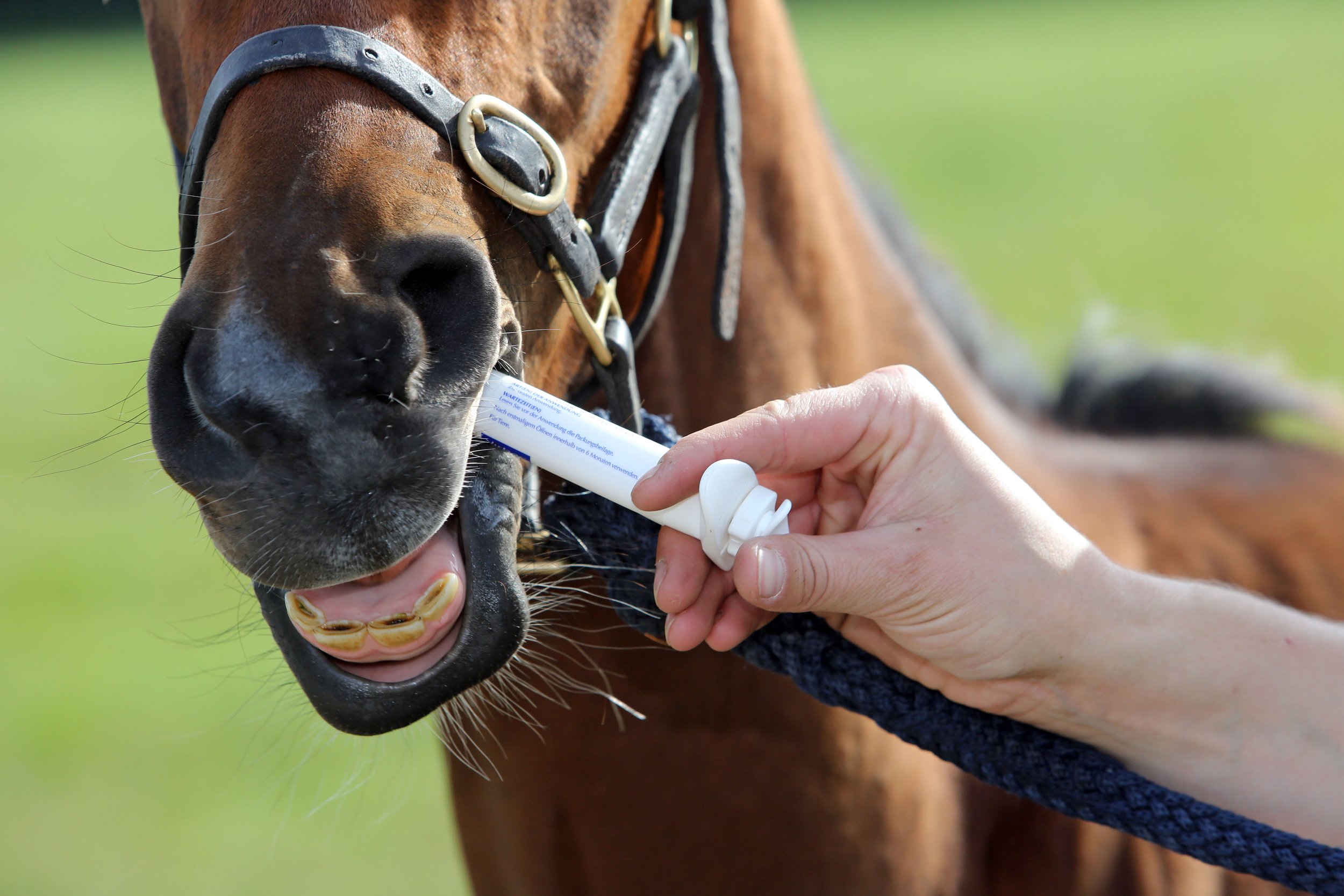
All horses are exposed to parasitic worms at some point in their lives. It is not possible to eradicate all worms from all horses, nor completely avoid the risk of worm-associated disease, so some level of parasite control is necessary in any environment where horses are kept.
Traditionally, regular all-group wormer (anthelmintic) treatments were used to control these parasites, regardless of the management conditions. Increasing reports of wormer resistance over the last two decades [1] indicate this is no longer sustainable and will only act to worsen the situation, especially as no new wormers are coming to market any time soon. It is essential to take an approach that safeguards the effectiveness of anthelmintics.
As common equine worms are spread via grass (Fig. 1), and horses in training do not routinely graze for significant periods (so are at lower risk of infection), they represent ideal candidates for diagnostic-led programes.








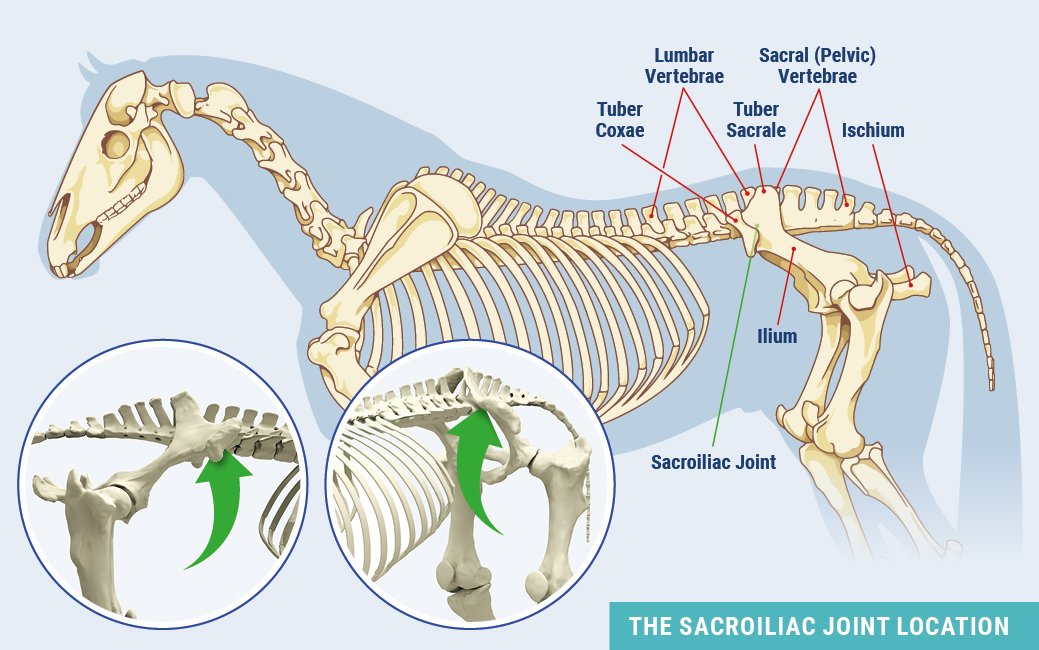

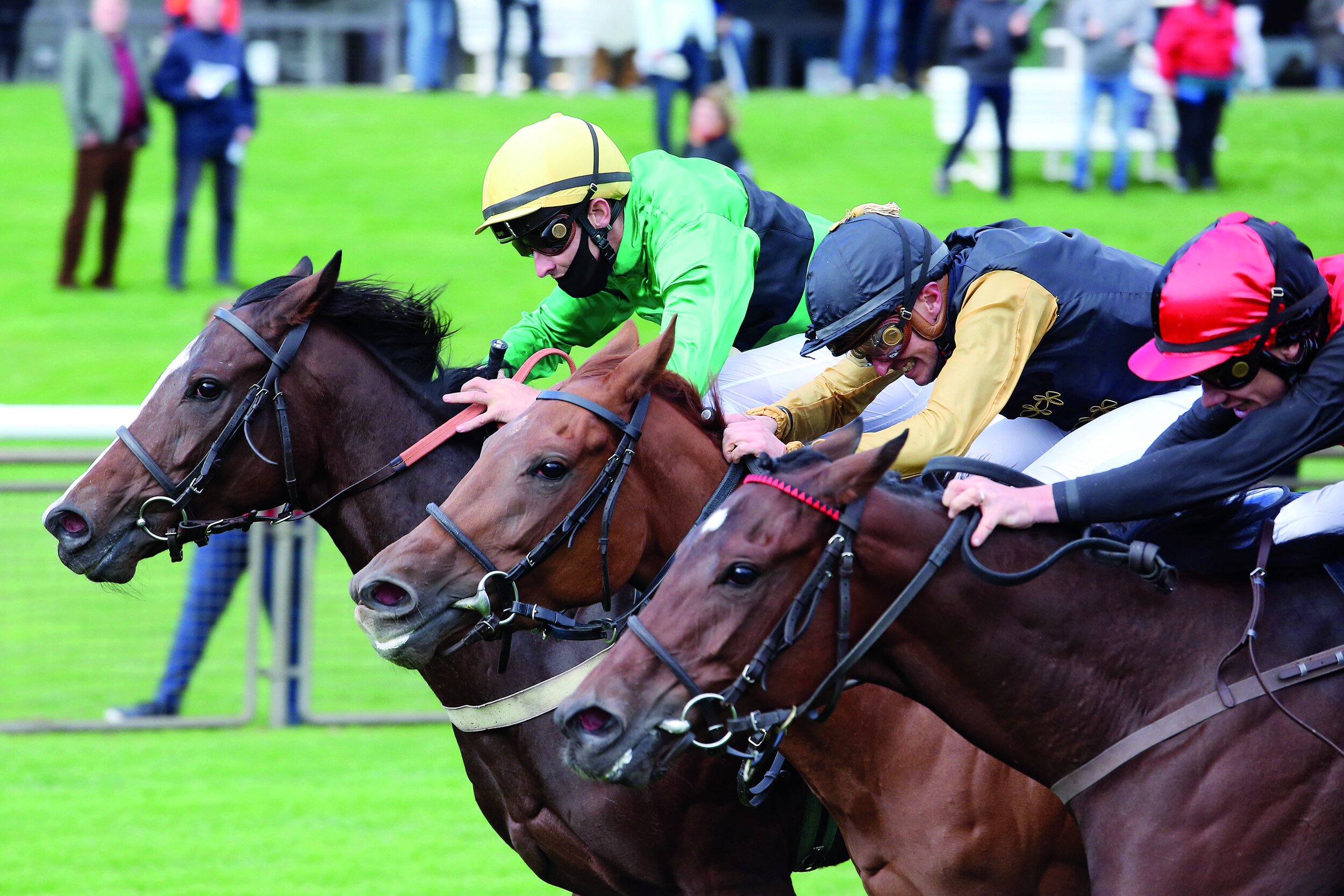

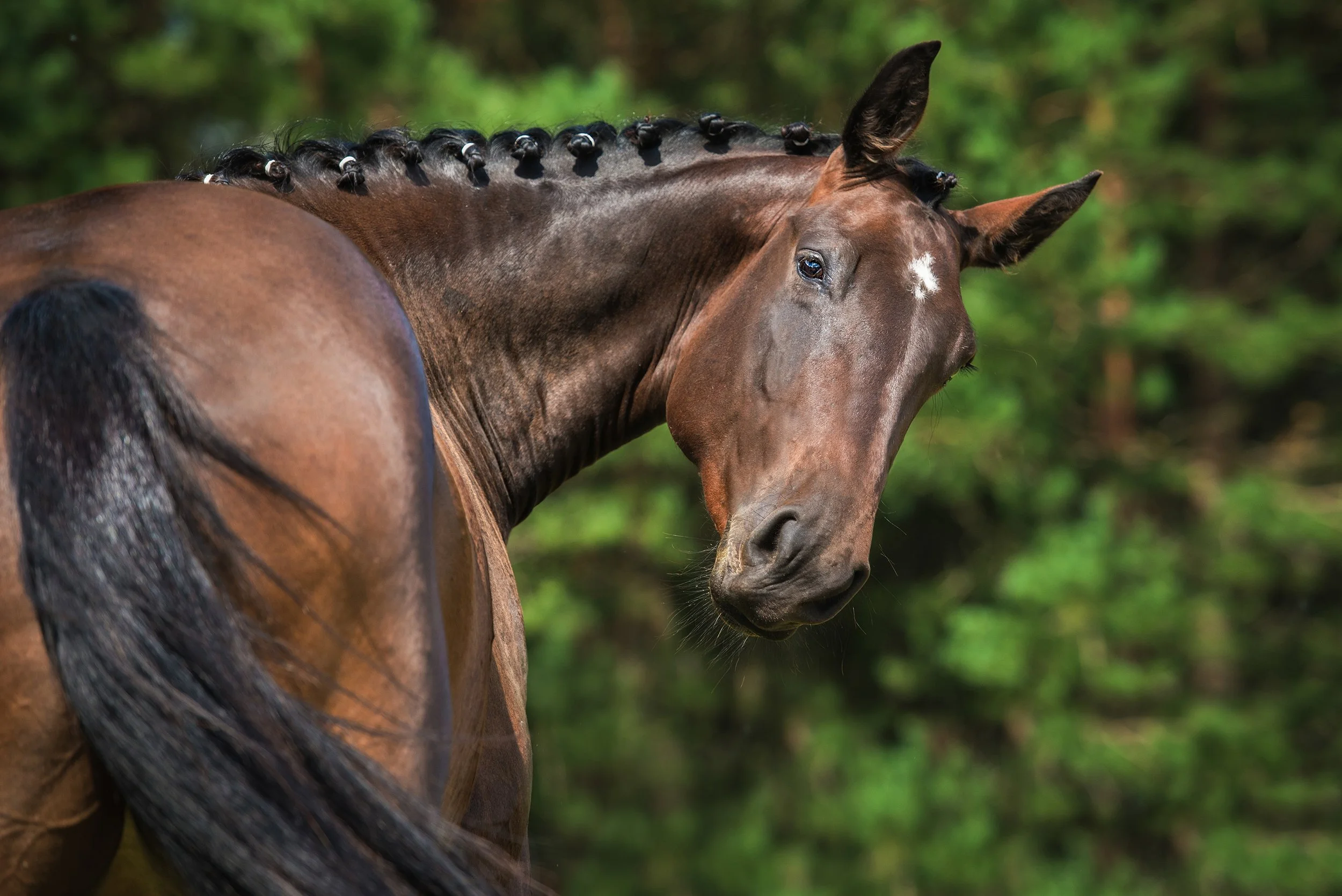
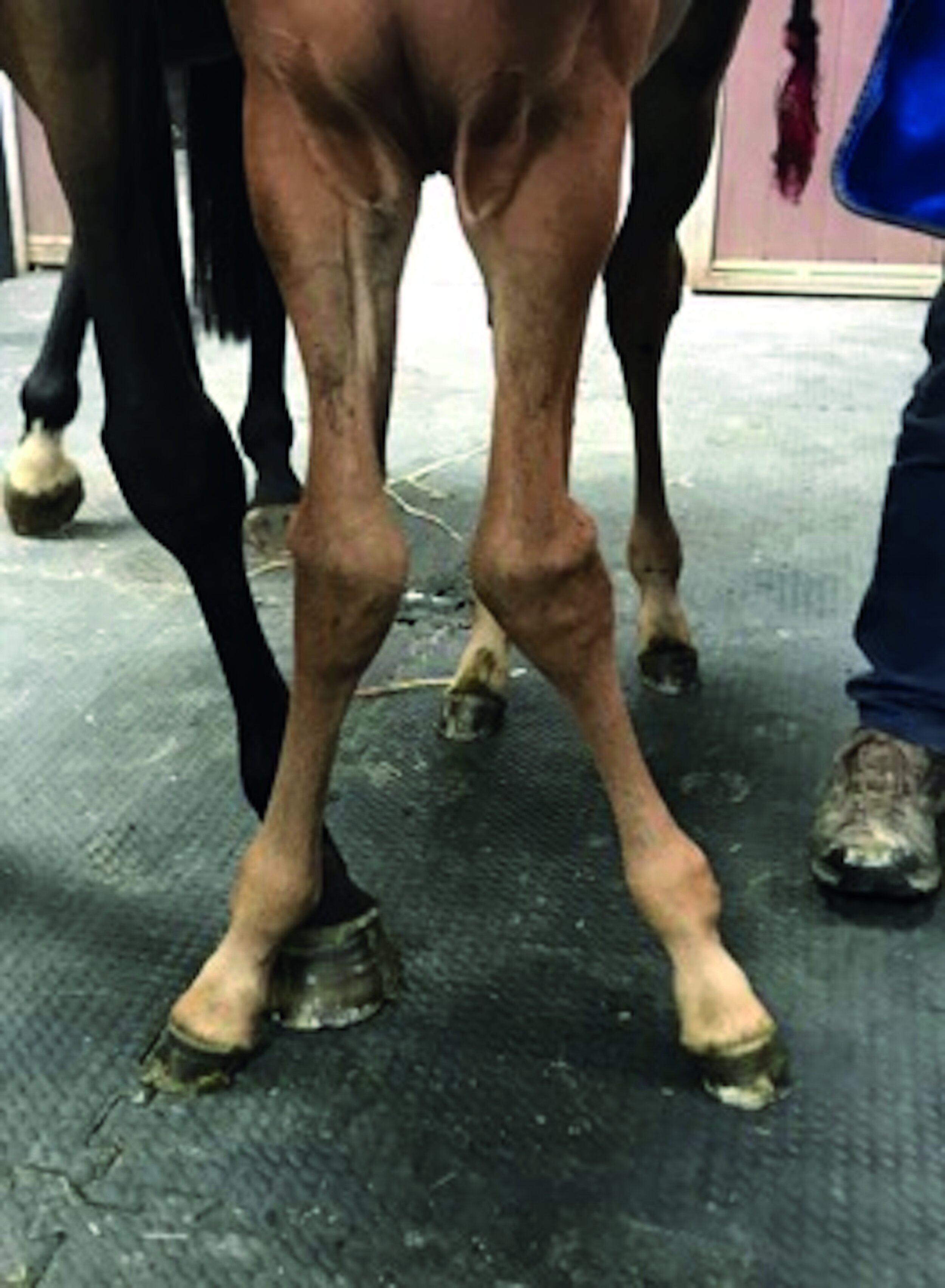












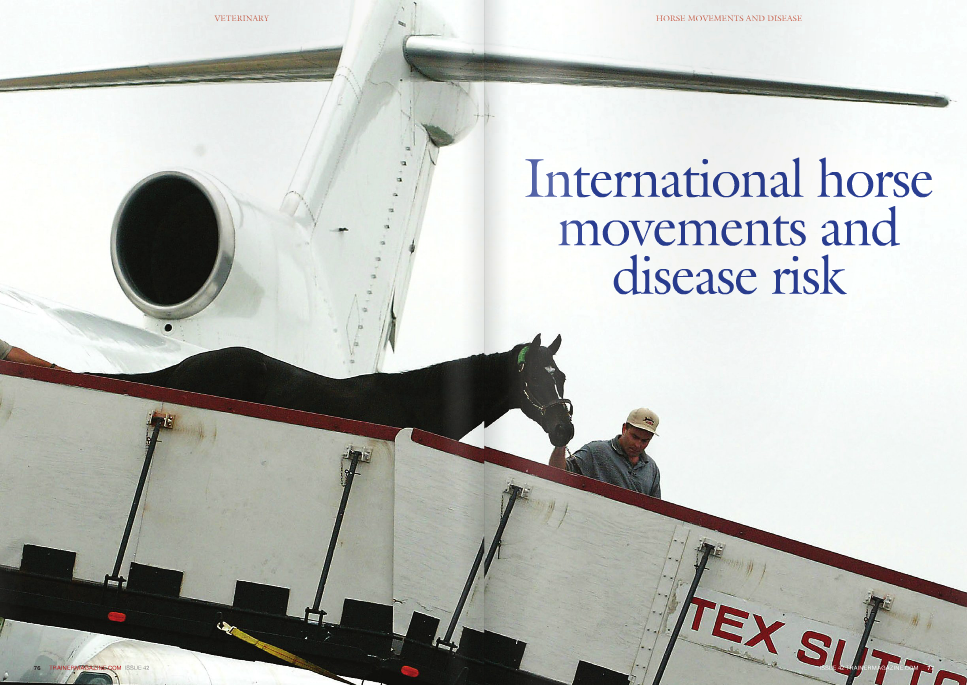


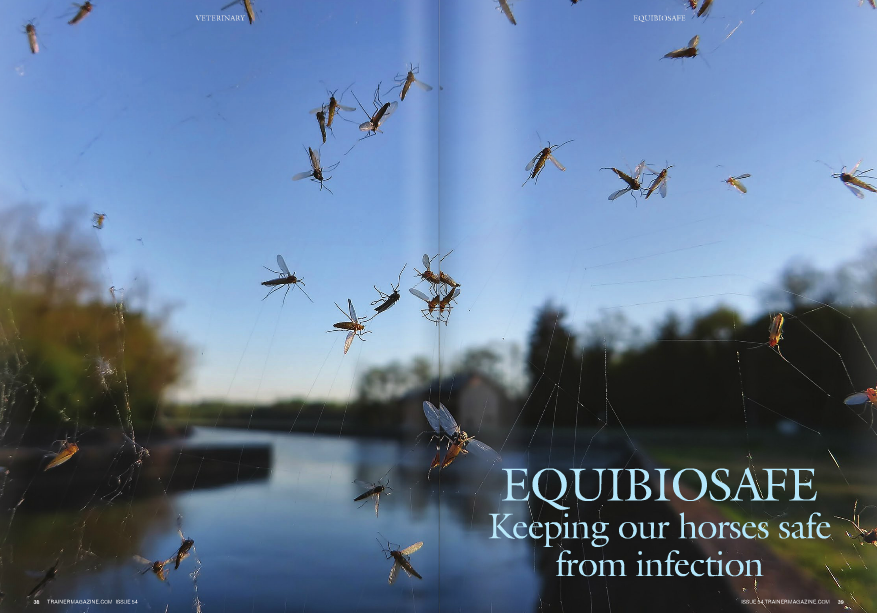
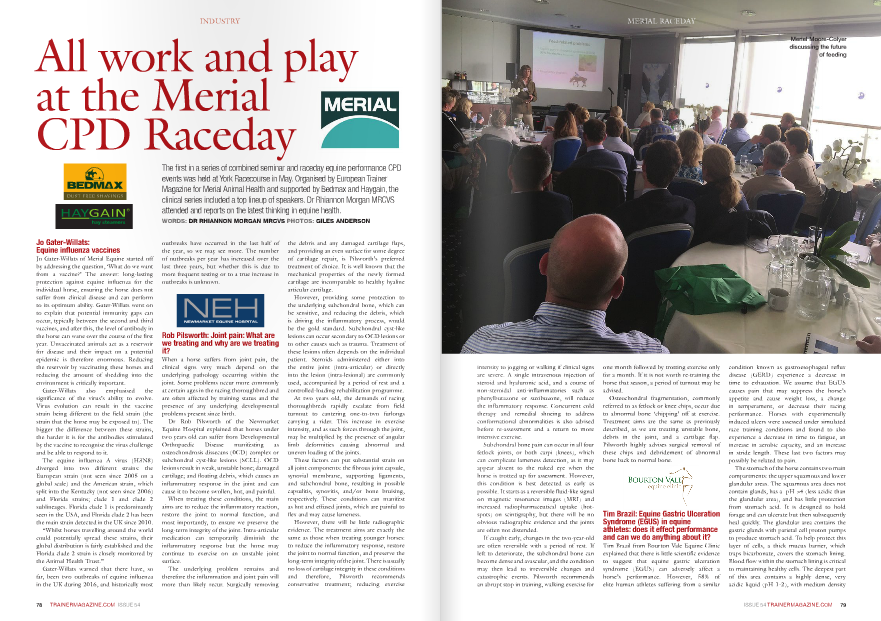


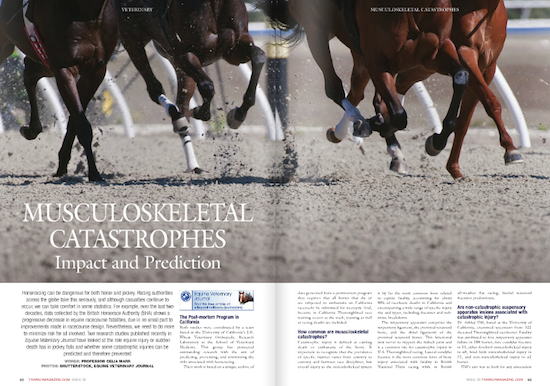


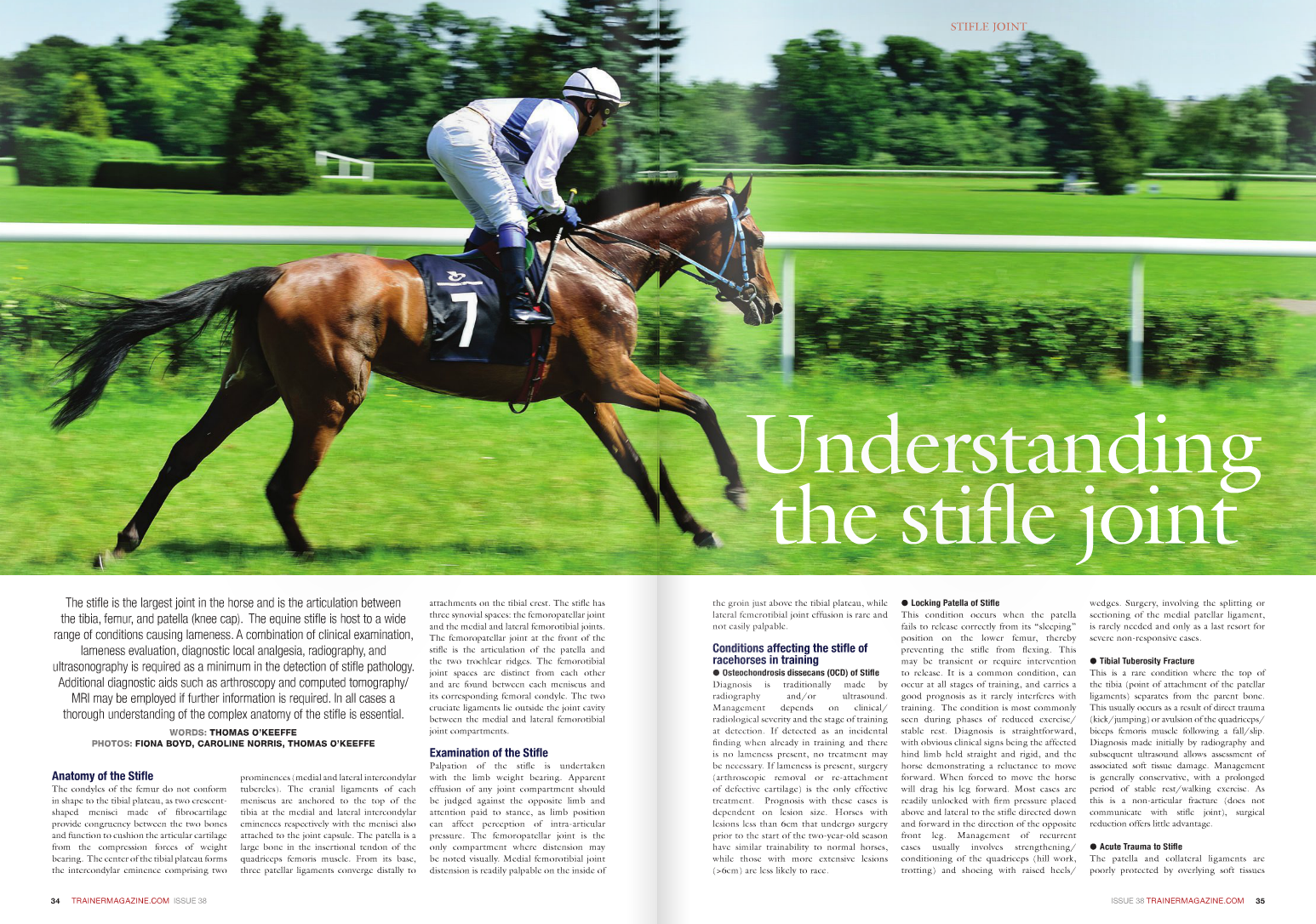
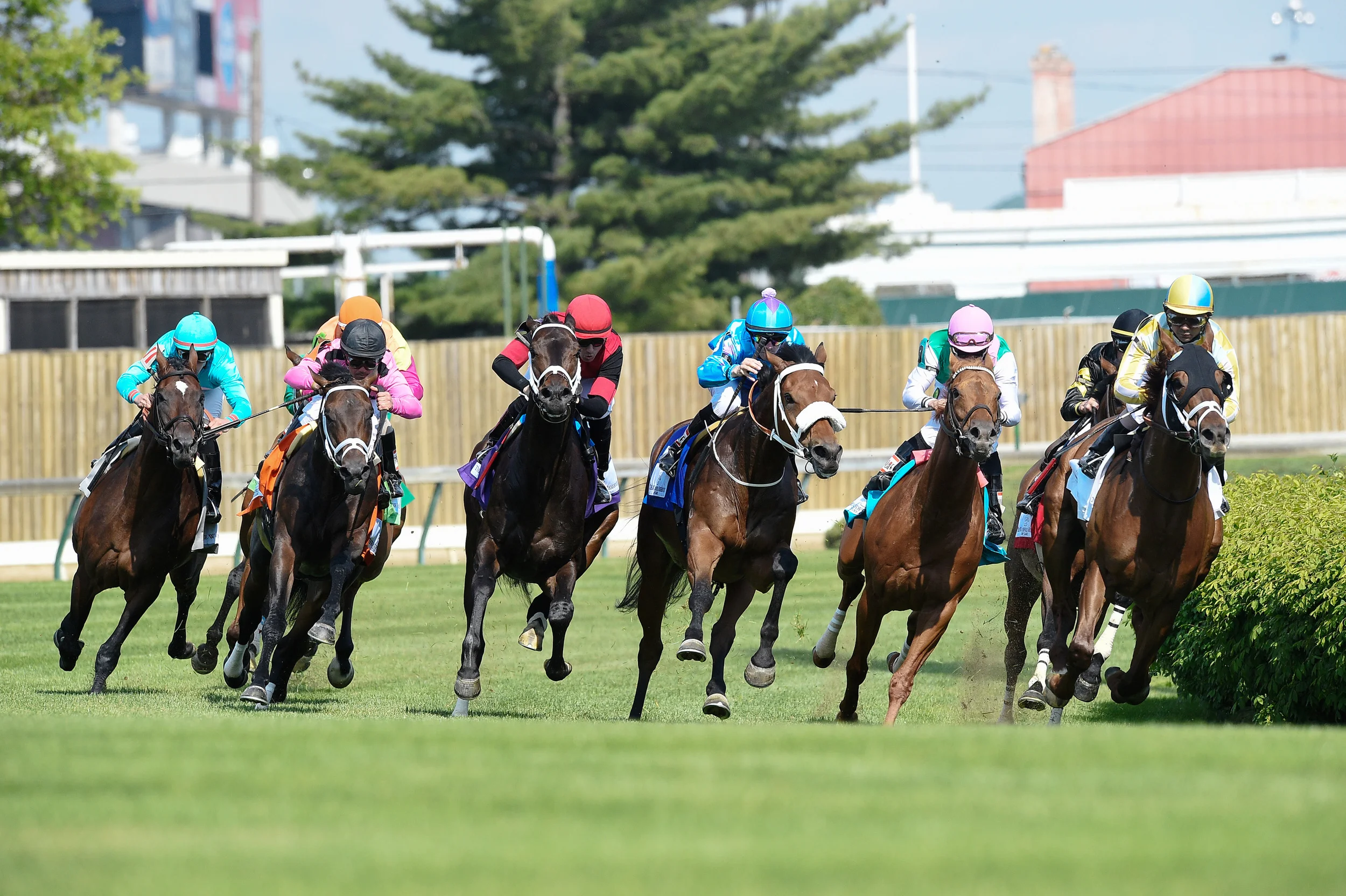
Contemporary horseracing news has identified a small medical trend in which assumedly disease-free racehorses are suddenly expiring before their time
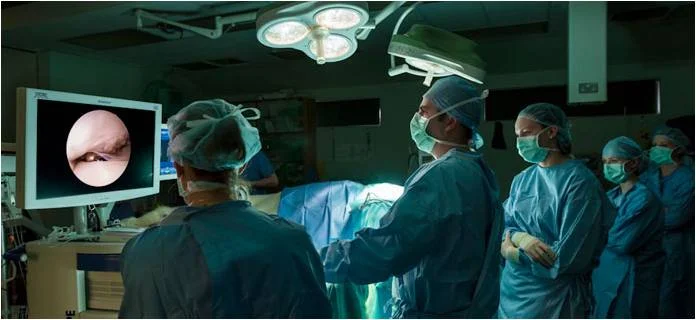
Most experienced trainers will know from bitter experience that a seemingly tiny wound can have a big impact if a horse is unlucky enough to sustain a penetrating injury right over a critical structure like a joint capsule or tendon sheath. Collectively, joints and tendon sheaths are called synovial structures, and synovial infection is a serious, potentially career-ending and sometimes life-threatening problem.
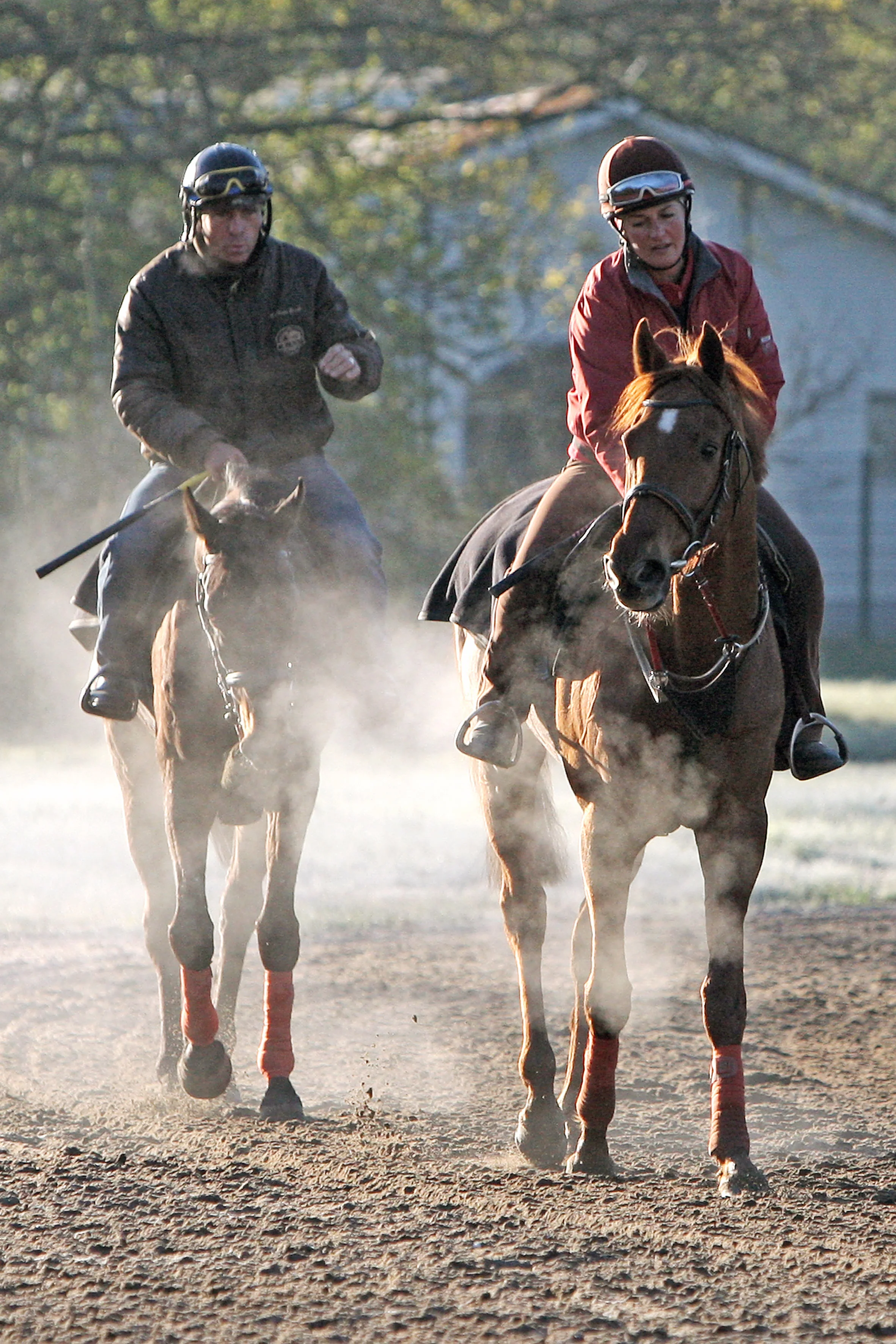
Over the last two decades the Horserace Betting Levy Board (HBLB) in England has funded substantial research to understand how various body systems respond to training. For example, because of this HBLB investment we now know that the hearts of Thoroughbred racehorses get bigger as a response to athletic training and that big hearts are typically associated with better performers.
The Horserace Betting Levy Board (HBLB) in the UK has invested over $11 million to protect racing and ensure horse welfare by disease surveillance and research on prevention of equine infections over the last decade. Infection with bacteria is one of the important causes.

When a horse runs badly, lameness or respiratory disease tends to immediately spring to mind, and indeed these are the most common causes—in that order. The heart comes in third, albeit quite a way behind these other body systems. If sudden death occurs in an equine athlete, a heart problem is usually the first thing that’s suspected. A new study, published in The Equine Veterinary Journal, provides significant insights on the cardiac rhythm abnormalities that can develop during and after racing in Standardbreds.

If backstretch workers encounter conditions they can’t tolerate, they have an option of walking away. Horses don’t have that luxury. Whether a racetrack’s backstretch is horse-friendly or grossly indifferent, the horse remains. He relies on his trainer and his trainer’s staff to act in his best interest.
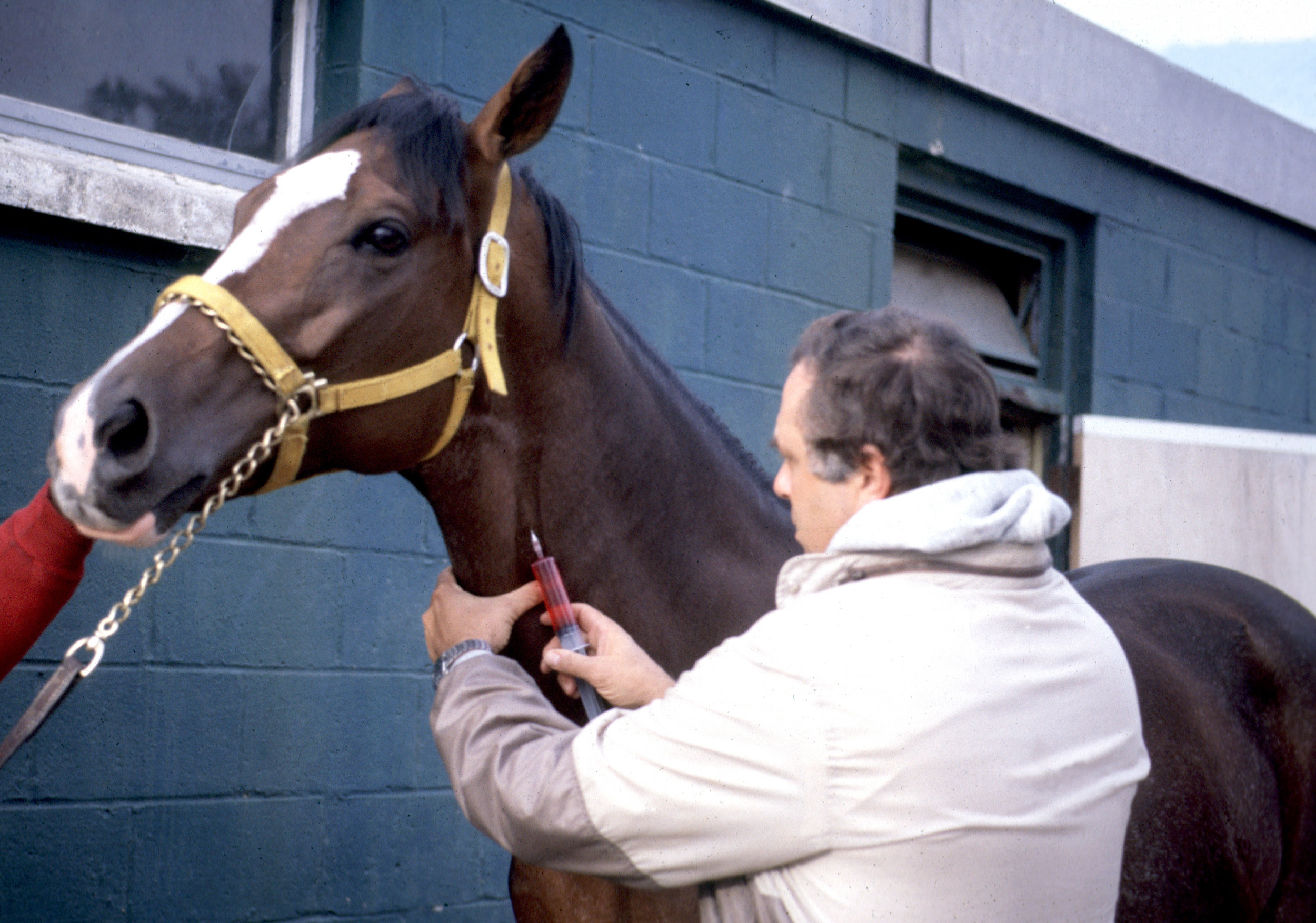
The single biggest area of debate currently in the Thoroughbred racing industry is the issue of racehorse medication. Medication is often characterized by the media and by people within and outside the industry as a black and white issue where one side of the argument is framed in terms of “hay, oats and water,” and anything else is considered permissive medication.
Around 35% of the veterinary research and education budget is spent on projects to understand musculoskeletal disorders, improve their treatment, and prevent and minimize injury to racehorses.
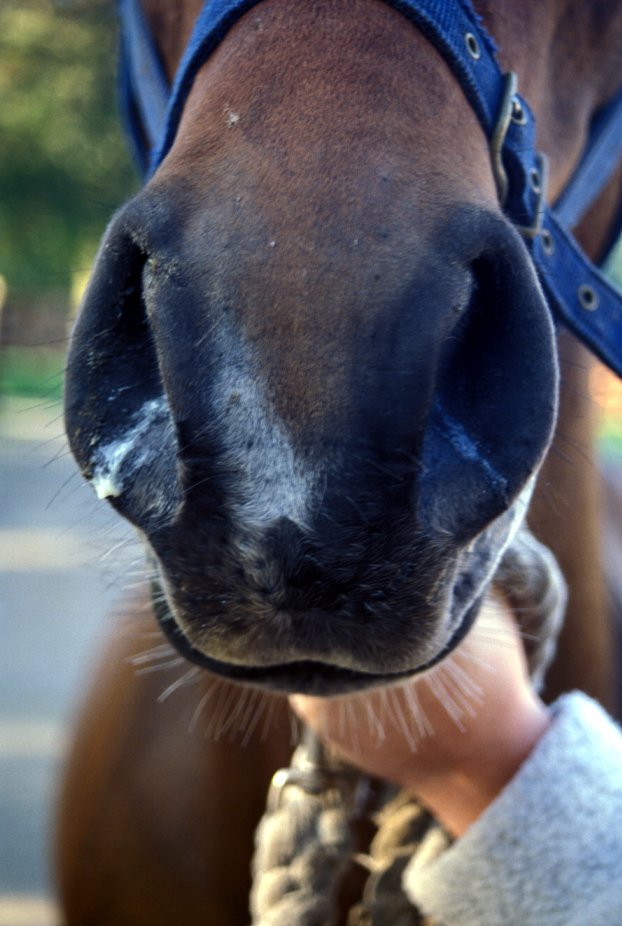
The devastating flu outbreak that rampaged through the Australian horse population in 2007 was an important wake-up call reminding us that equine influenza virus is an ever-present threat.

Fractures are relatively common injuries in thoroughbred racehorses and in a recent scientific report, equine orthopaedic surgeons detailed the healing time of a 'split pastern', warning that radiographs taken at the time of injury might not reveal the full extent of the damage.
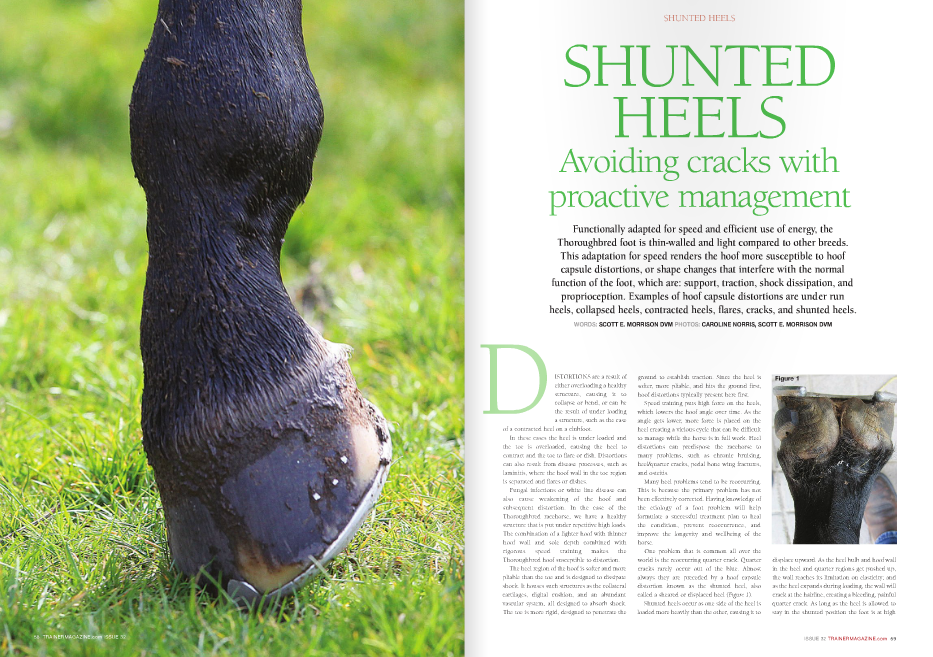
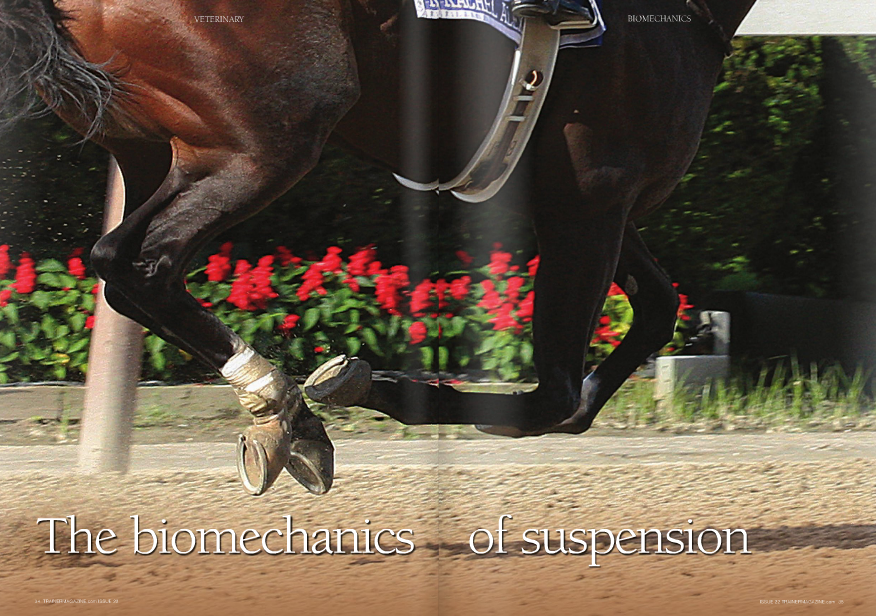
The Thoroughbred foot is thin-walled and light, adapted for speed and efficient use of energy. This adaptation renders the hood more susceptible to hoof capsule distortions.
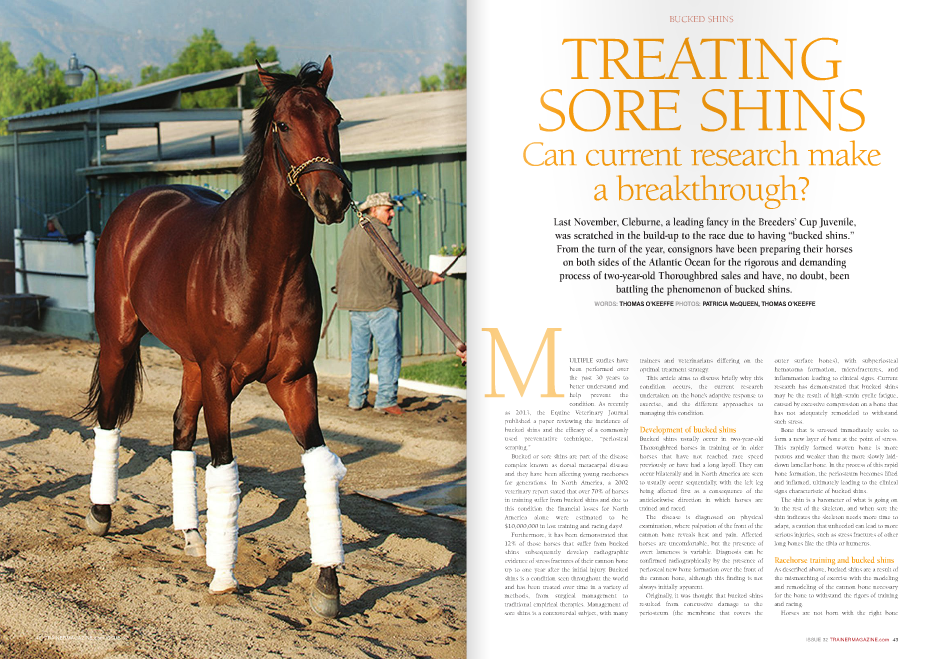
Consignors on both sides of the Atlantic are preparing their horses for the two-year old sales and, no doubt, are battling the phenomenon of 'bucked shins'. Can current research make a breakthrough?
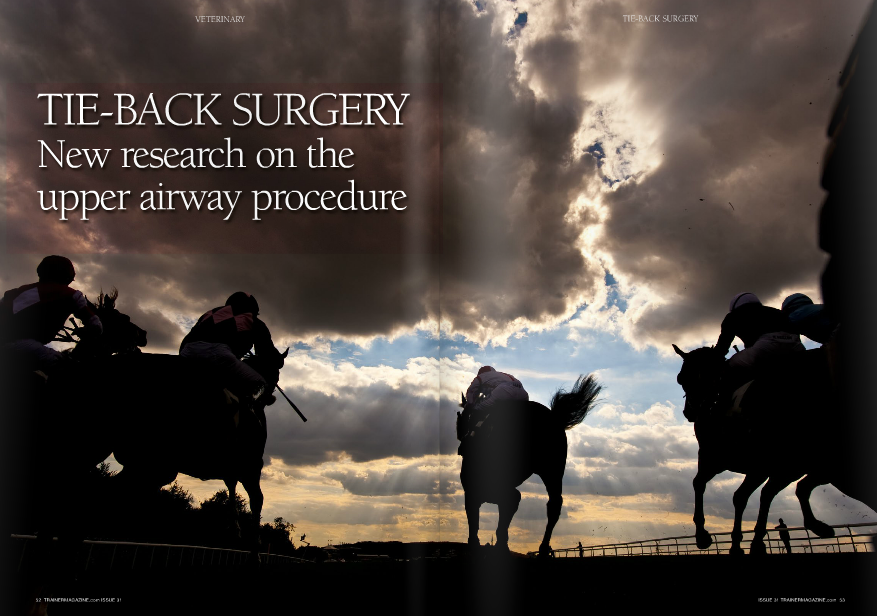
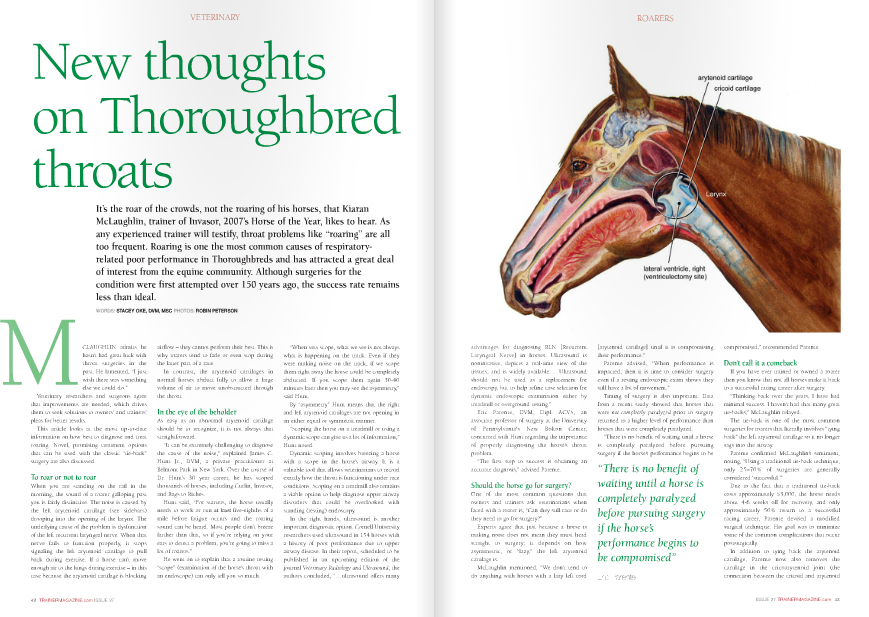
All trainers are familiar with a horse that makes a noise. If performance is poor, laryngoplasty has, for over 40 years, been the next consideration.
The aim of the procedure is to reverse the effects of larynx weakness that occurs due to a degenerative condition of the nerve that controls the muscles on the left side. A synthetic implant is placed along that side of the larynx to hold it open where the muscle is too weak.
It has long been suspected that the procedure has other effects on the airway, other than simply trying the collapsed part of the larynx back and out of the way.
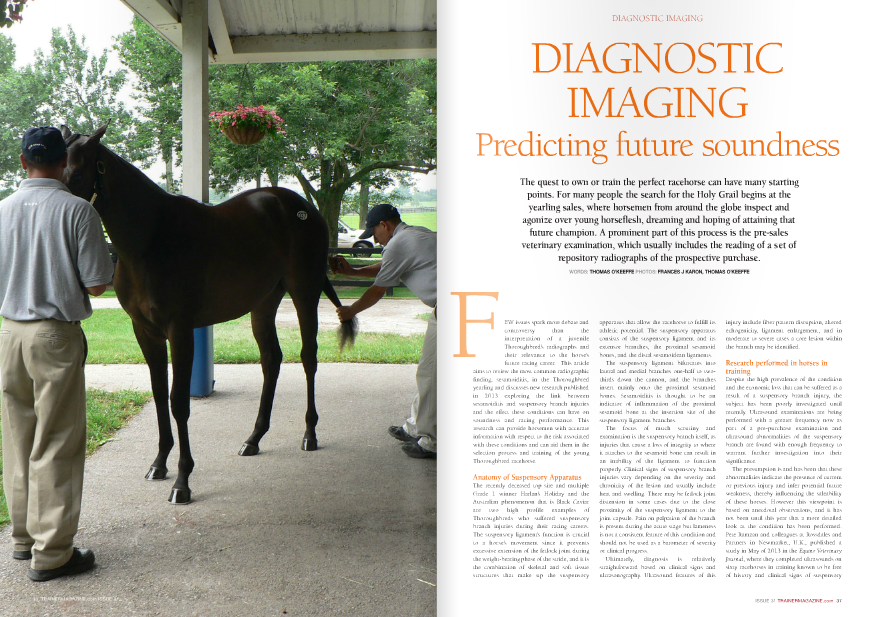
So often we are dazzled by the youth and beauty of the next generation at the yearling sales. But what lies beneath that glorious skin? We take a deeper look at diagnostic imaging.
Few issues spark more debate and controversy than the interpretation of a juvenile Thoroughbred's radiographs and their relevance to the horse's future racing career. This article aims to review the most common radiographic finding, sesamoiditis, in the Thoroughbred yearling and discusses new research published in 2013 exploring the link between sesamoiditis and suspensory branch injuries and the effect these conditions can have on soundness and racing performance. This research can provide horsemen with accurate information with respect to the risk associated with these conditions and can aid them in the selection process and training of the young Thoroughbred racehorse.


The Hippocratic oath, which encapsulates the concept that it may be better to provide no treatment than to intervene but as a result do more damage, is a central tenet of medicine introduced by the Ancient Greeks.


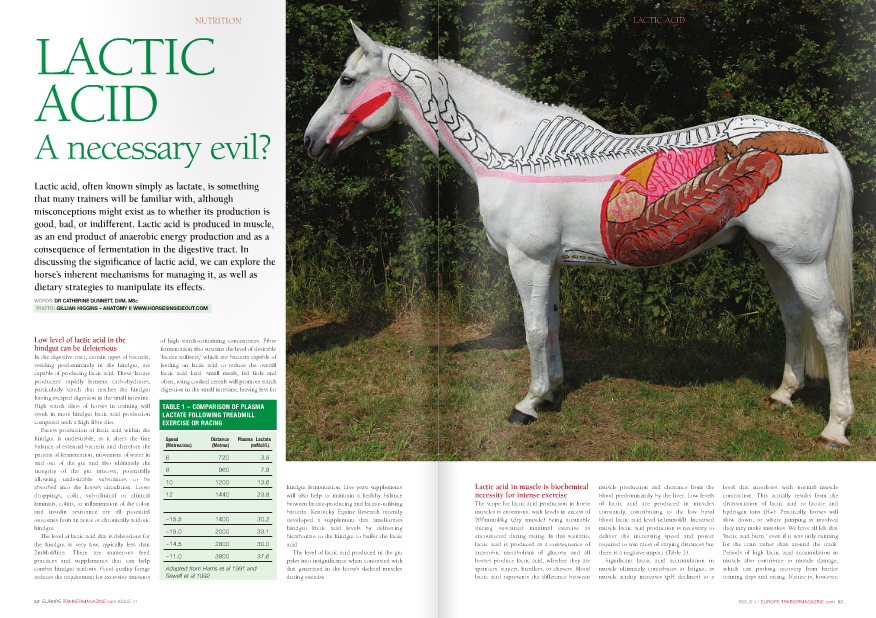














Two important amendments to CHRB rule 1844 became effective on October
20, 2007. The flunixin regulatory threshold was raised to 50ng/ml in
blood form the previous 20ng/ml. This should have little impact in the
day-to-day operation of most stables.
Rick M. Arthur, DVM (01 December 2007 - Issue Number: 6)
The Thoroughbred Racing Industry is experiencing greater scrutiny than it ever has in its long and distinguished history, with the amplitude of debate and criticism from opponents of the sport on the basis of ethics and welfare reaching an unparalleled decibel.