
Training
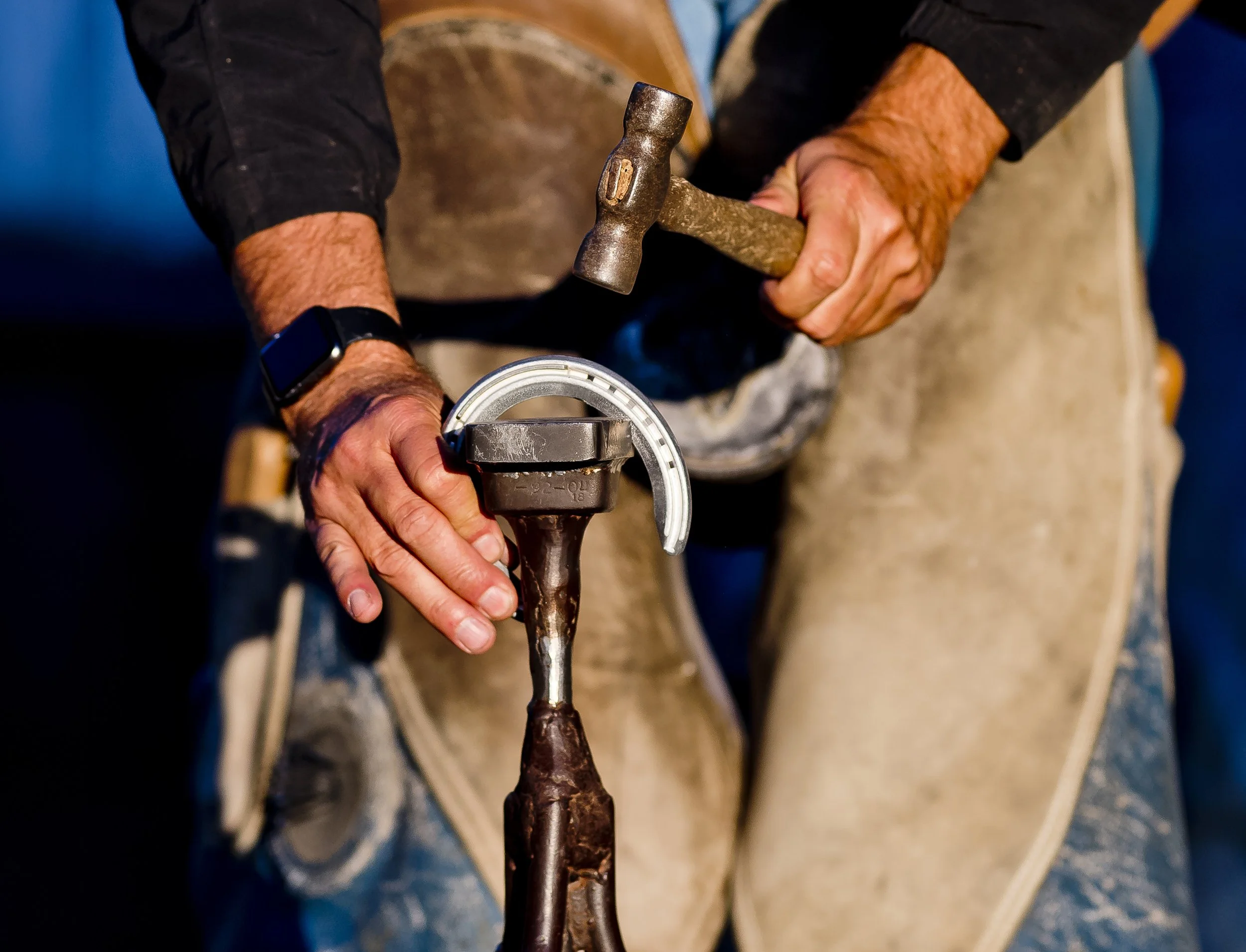
Out of necessity, cowboys became their own farriers in the American West, and they passed down their knowledge to the younger hands on the ranch. A dayworker could increase his pay substantially if he could shoe a few horses for the boss before the day was over. These days U.S. farrier schools are training farriers and social media has generated interest in a trade that goes along with a seemingly western way of life. The American horse culture is seen online in posts and streamed to every household by networks like EQUUSTV, and equine-loving YouTubers from seemingly every state, while reaching audiences of every age. Feed, supplements, grooming products, tack, equine sportswear, trucks, beer, and real estate promote with horses and sometimes farriers too. How often do you see a horseshoe in a logo or company/product branding campaign?
In racing, trainers choose their farrier in most cases. However, a skilled farrier may not be available or hard to find at some racetracks. If HISA requires that a specifically credentialed farrier must be hired for Thoroughbred racehorses, will this make hiring a farrier more difficult? Unintended consequences as they are, making it harder to find this HISA farrier is a very real possibility. Currently, there are fewer new farriers entering apprenticeships with racetrack farriers or coming out of farrier schools and looking to work at the racetrack.
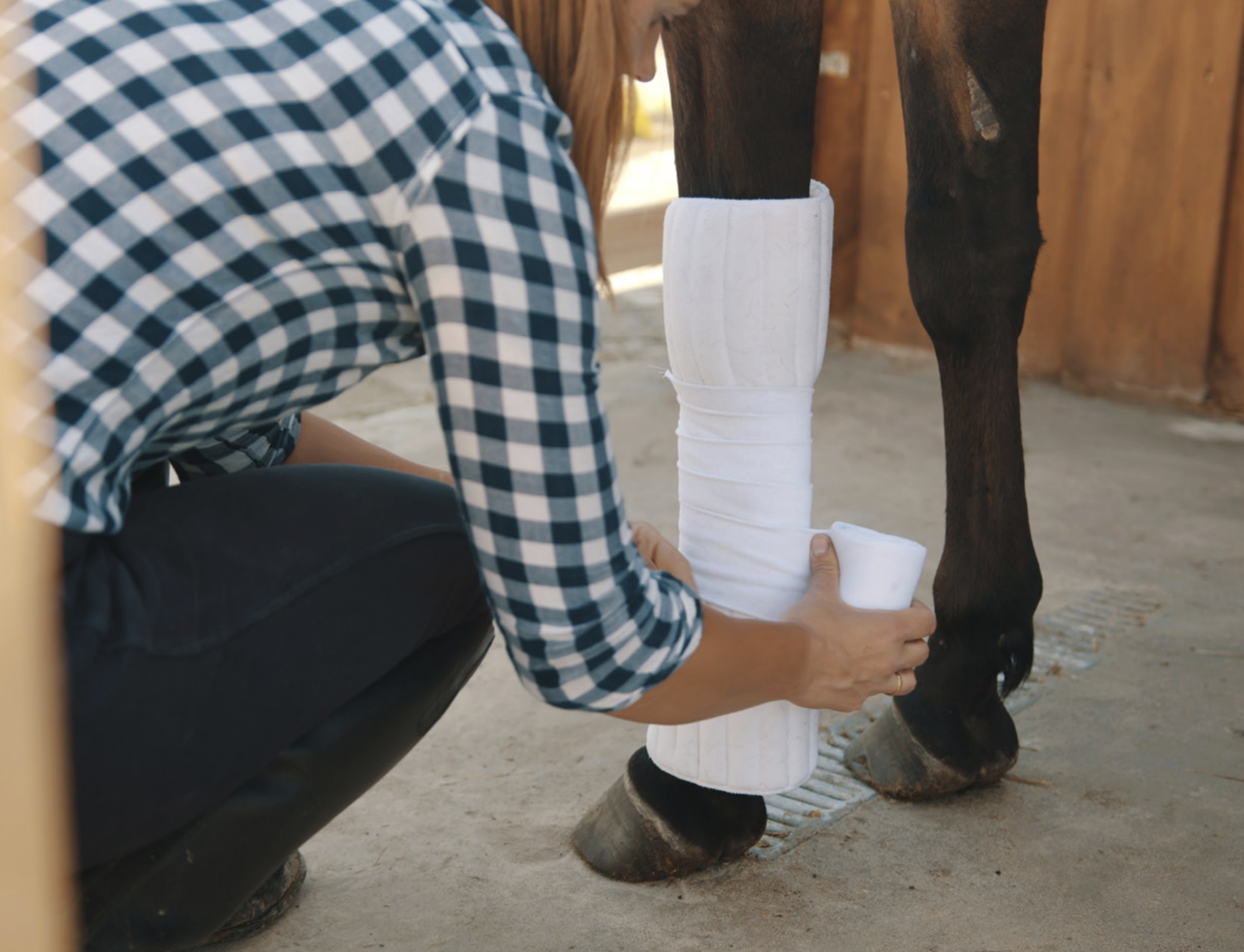
Injury is an unavoidable part of life and the ability to repair is one of the most vital characteristics of any living organism continually exposed to environmental harm. Regardless of the cause the body immediately attempts to restore tissue continuity.
Being prey animals as well as finely tuned athletes, Thoroughbreds can experience a wide range of injuries throughout their lives.The three main goals of healing are: to restore tissue continuity with the best possible quality of tissue, to do so in the shortest safest time and to prevent recurrence or breakdown of the repair.
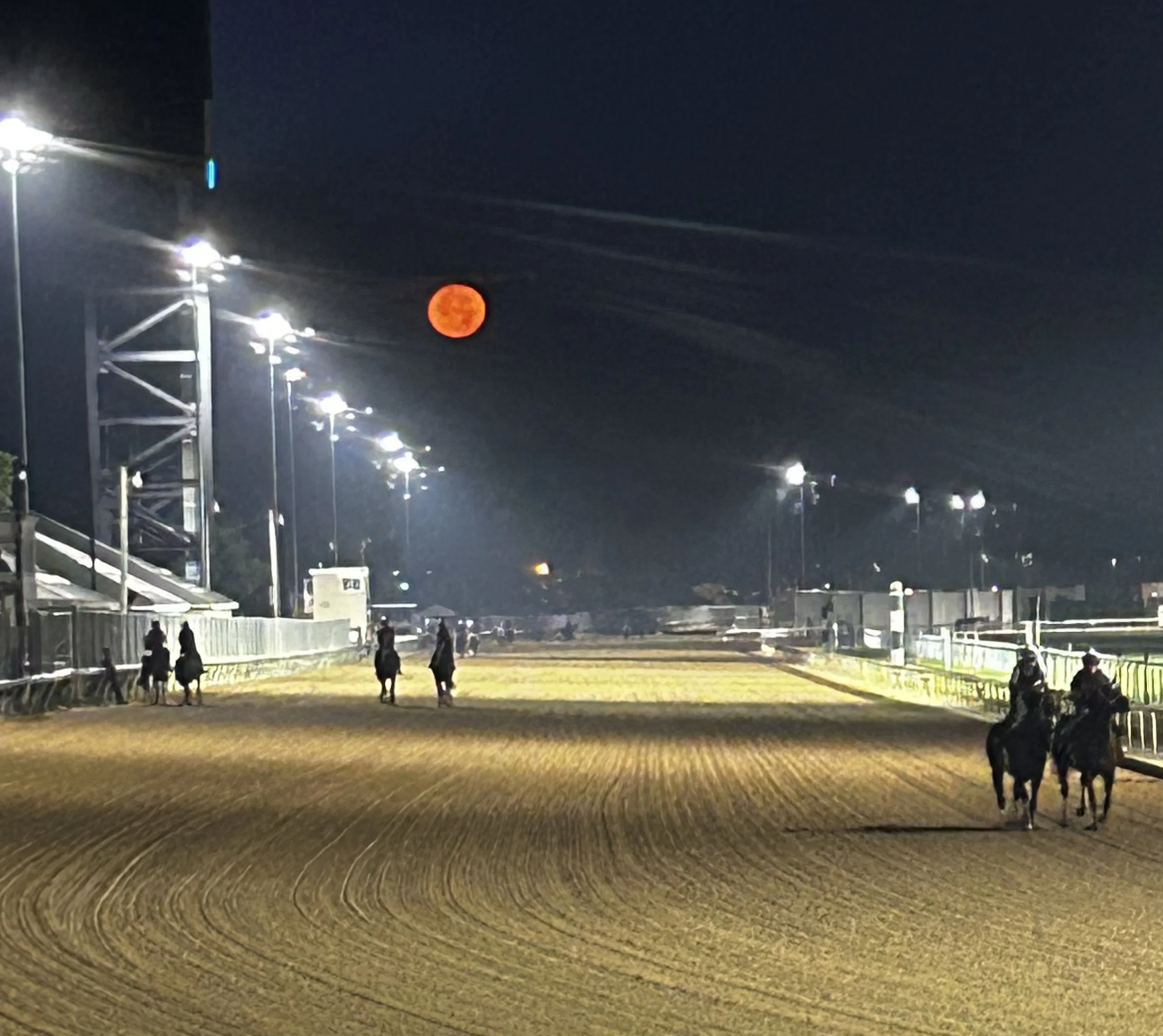
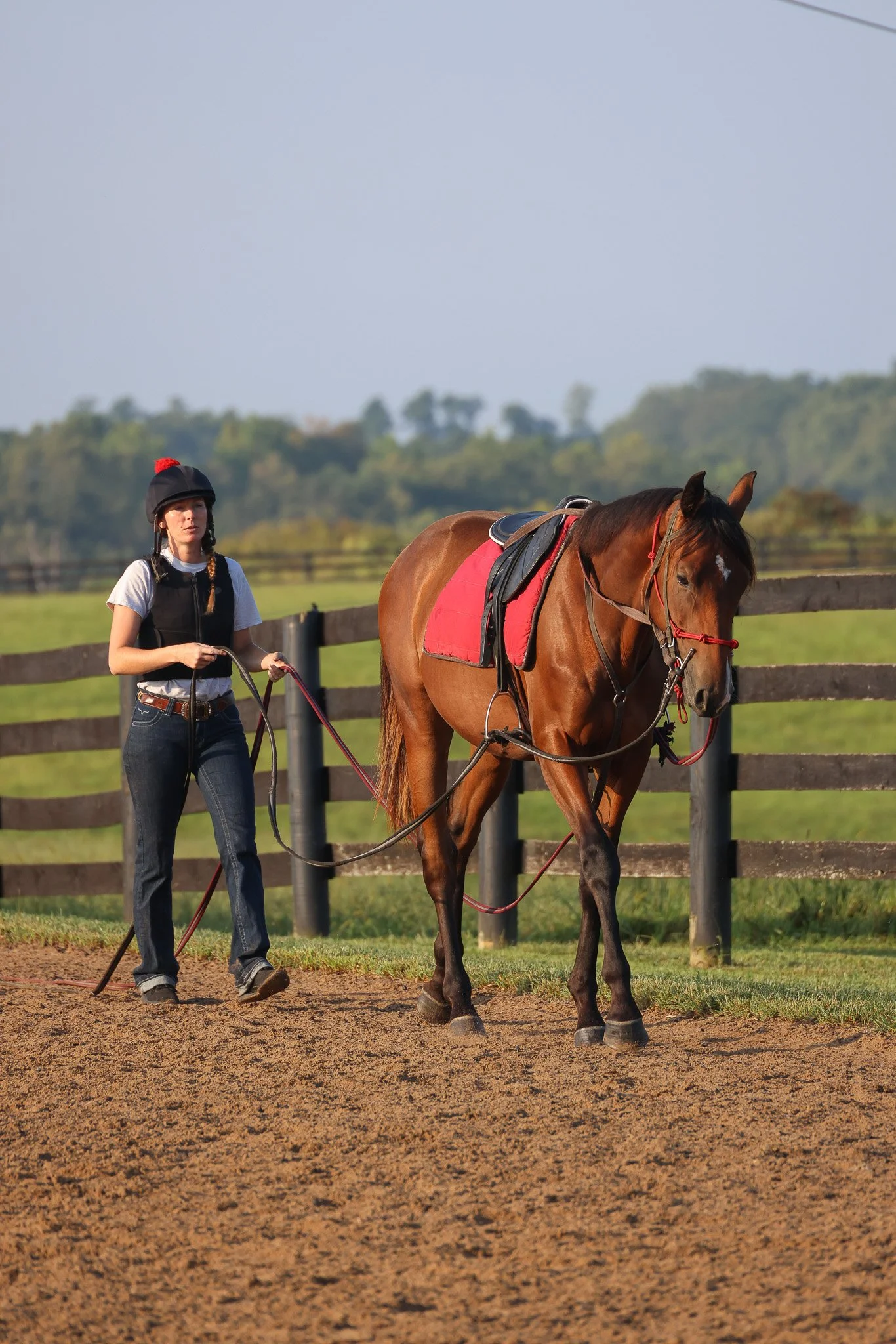


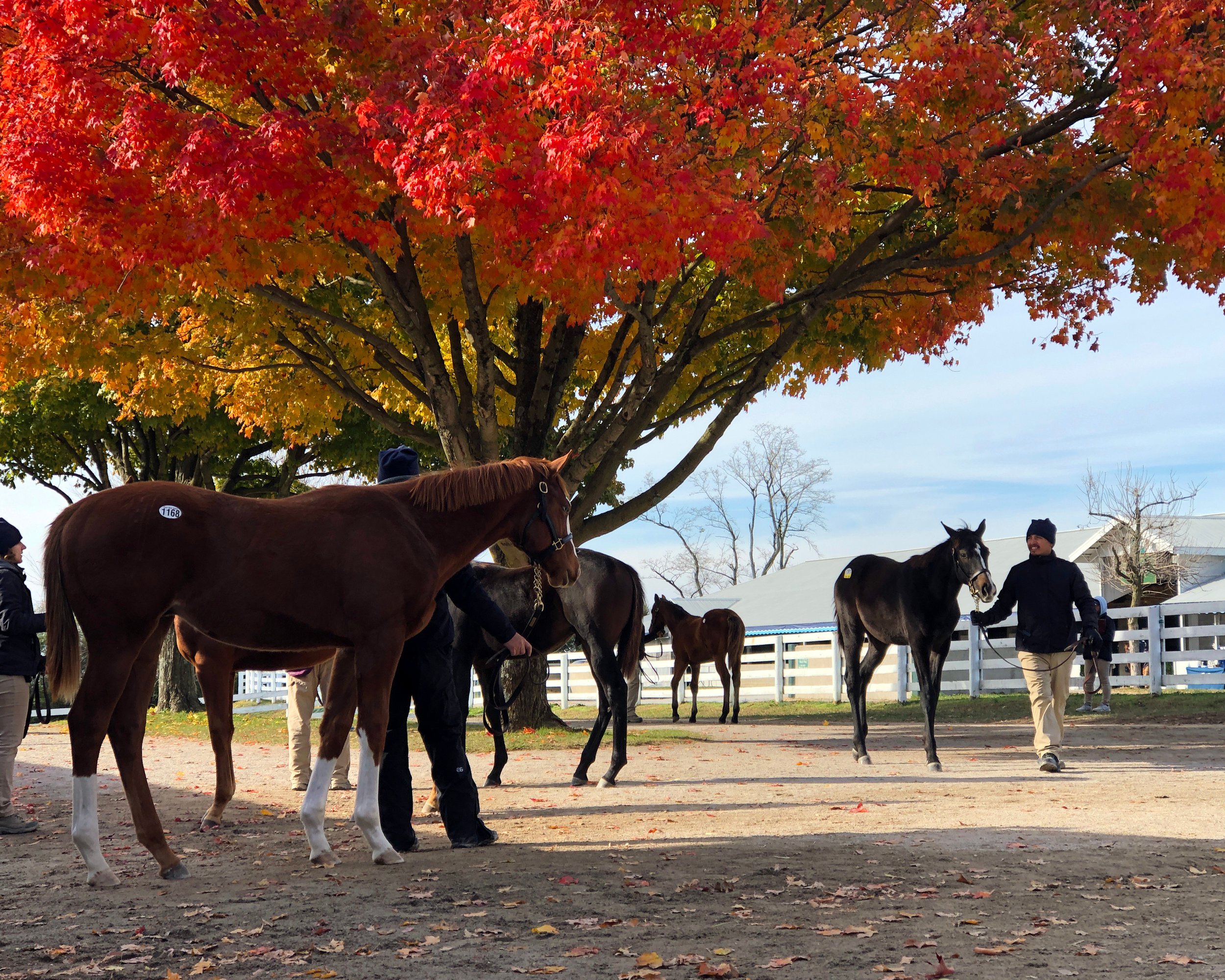


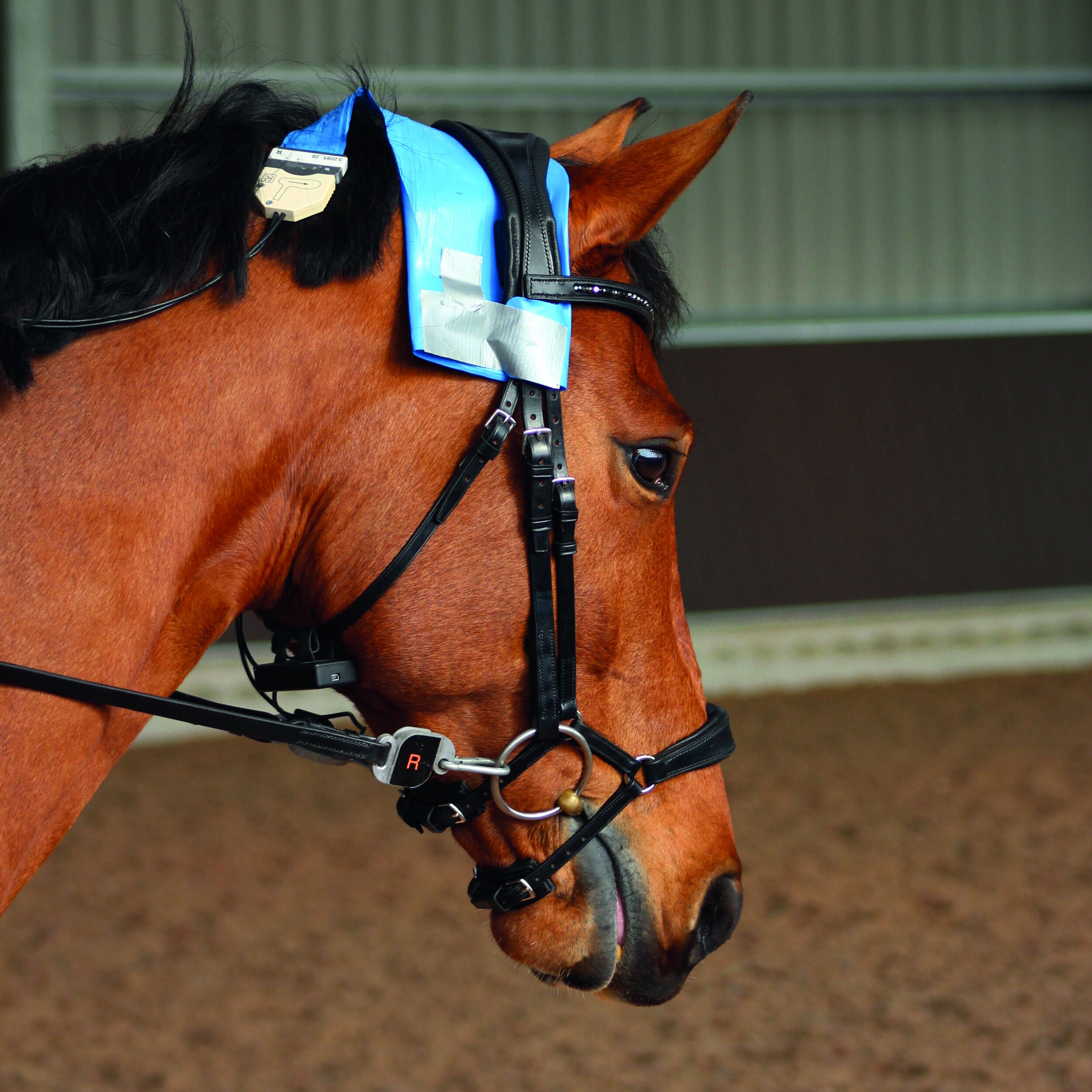


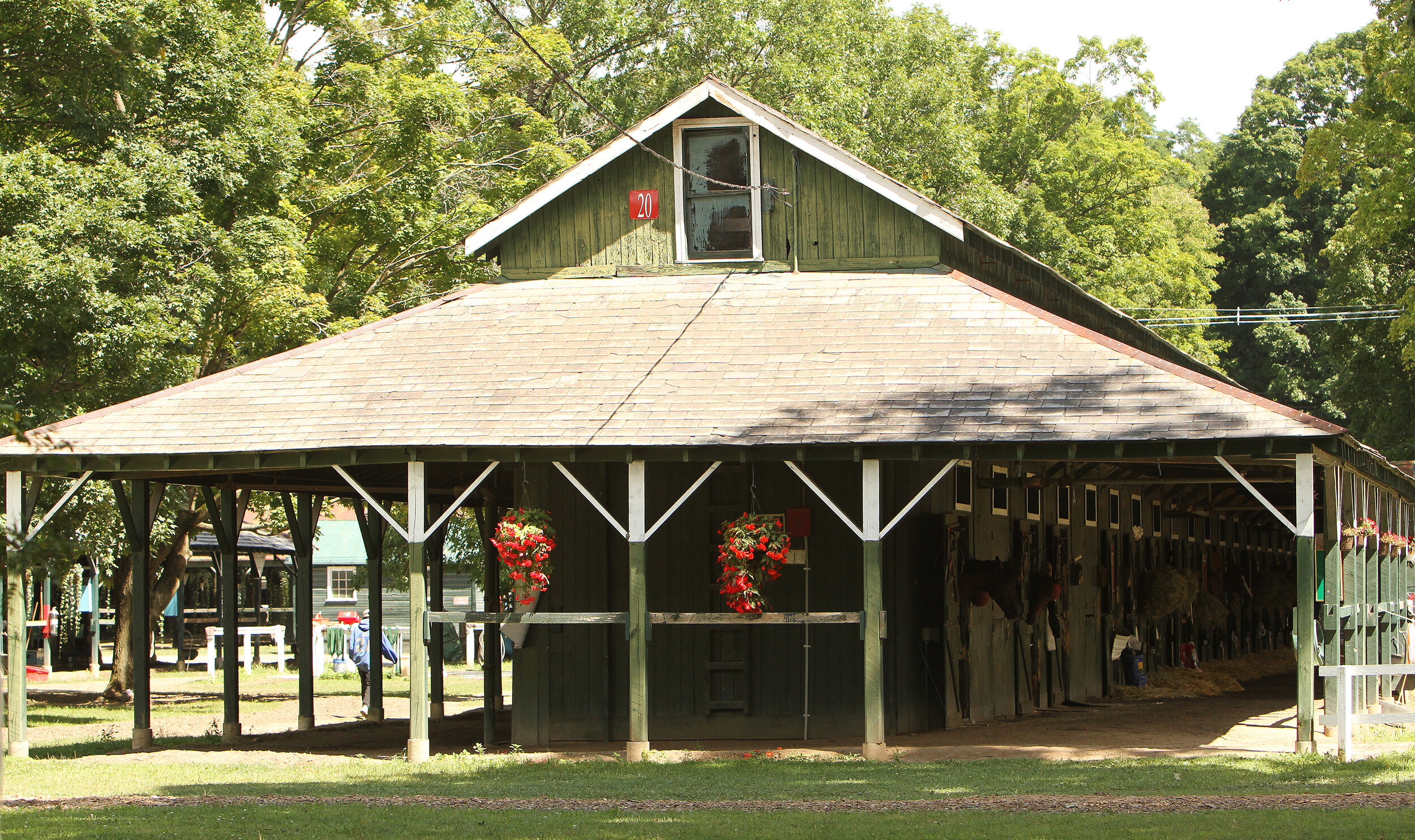
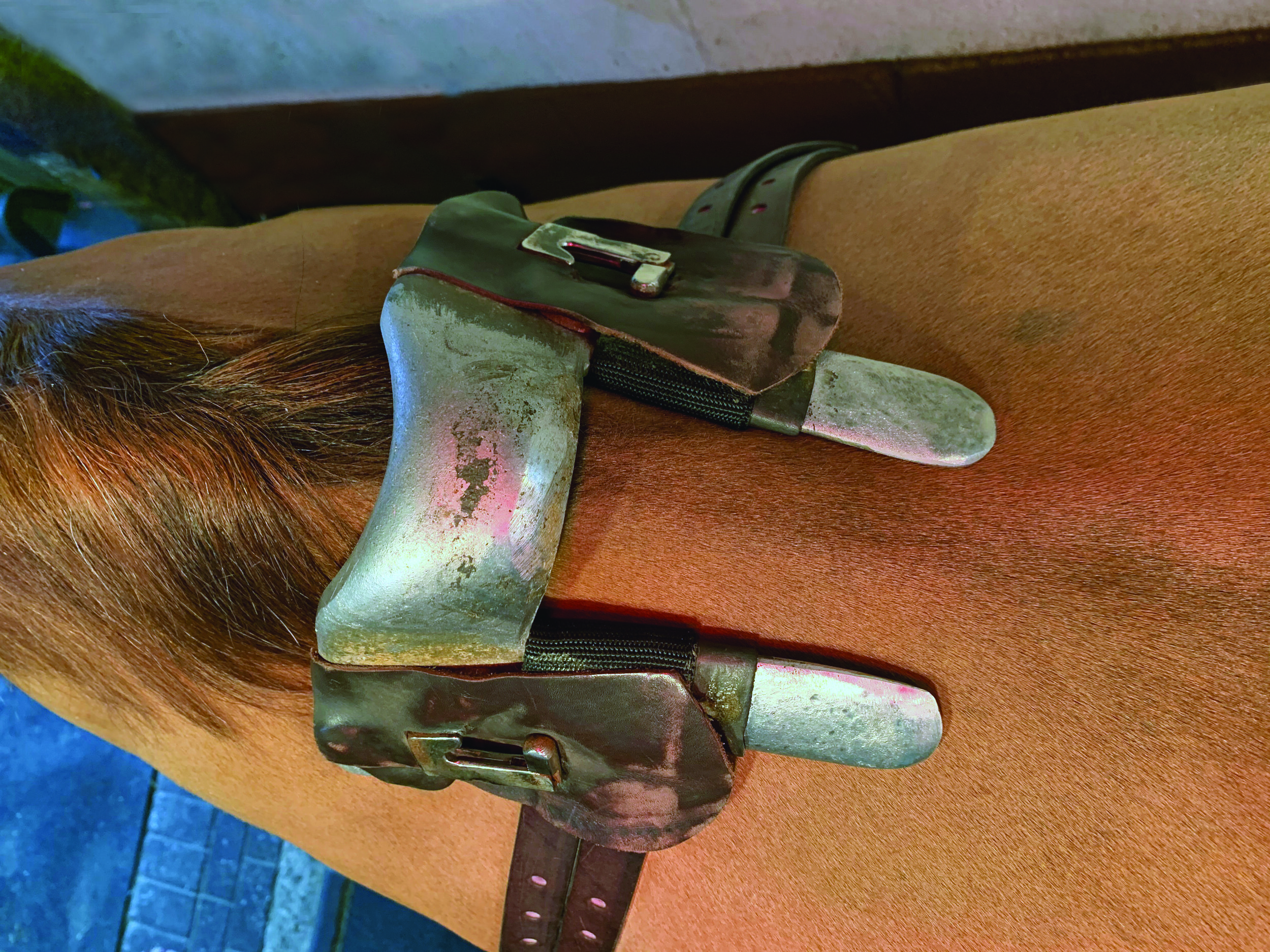

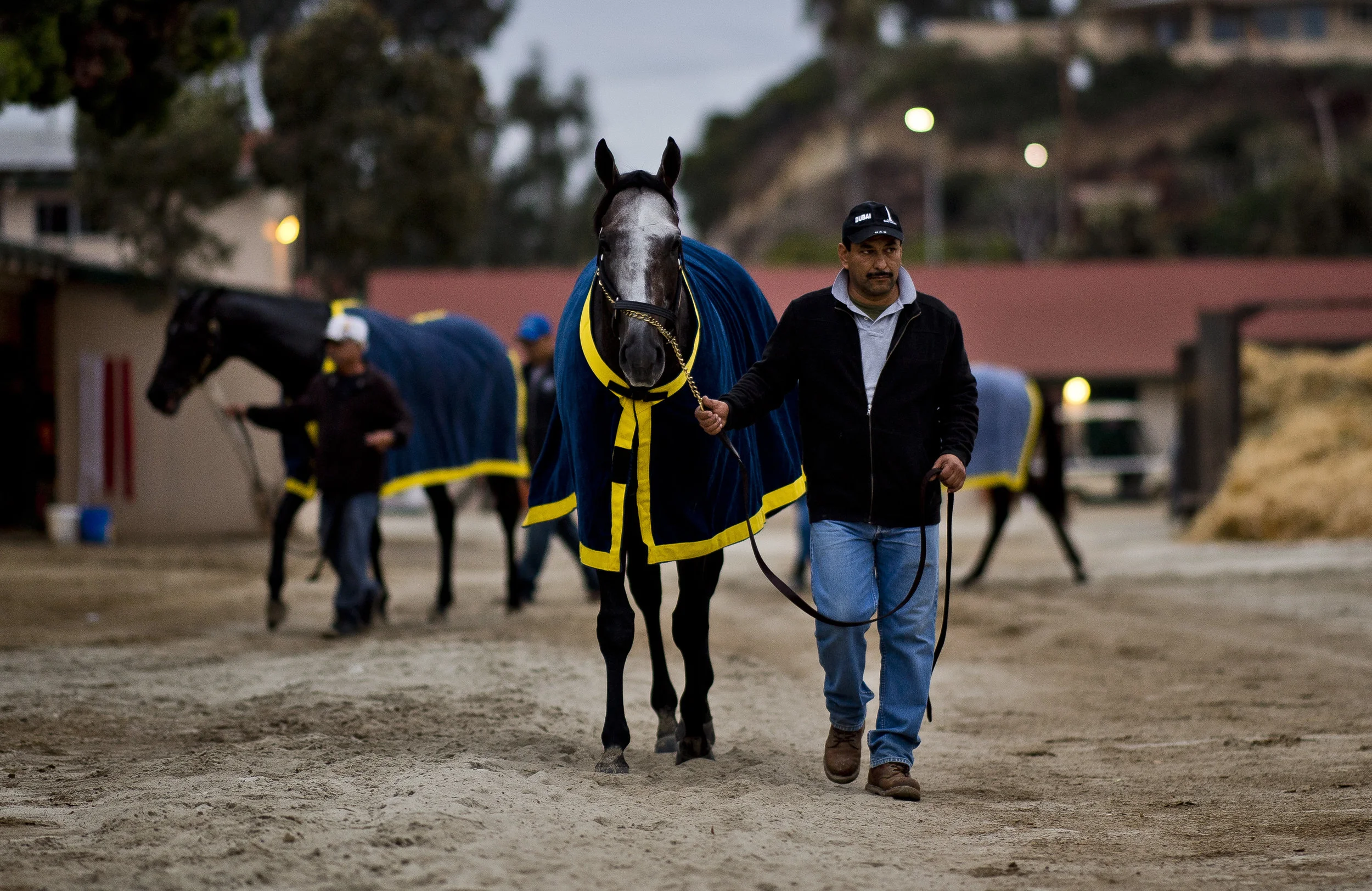


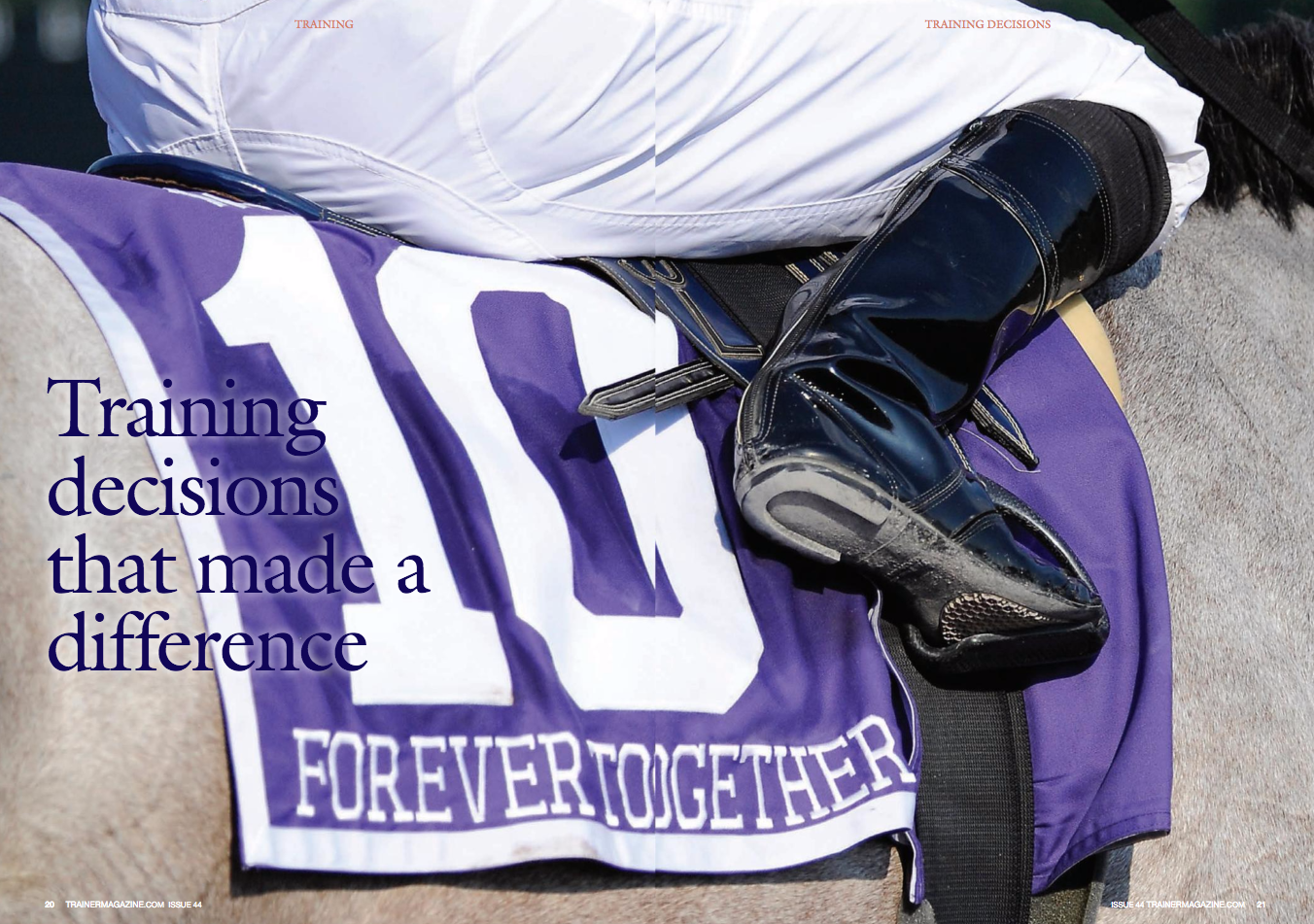



Ask two dozen trainers how they prepare horses for their first career start and you’ll get 24 different answers. Variety, as California trainer Peter Miller points out, may be a good thing: “If it was all the same, it would be quite boring.”

Stress fractures not only lead to training interruptions but if they are not identified early and managed appropriately they can be associated with subsequent catastrophic fractures. Stress fractures of the humerus, tibia, ilium and cannon bone (aka third metacarpal bone or McIII) are most common. Stress fractures are a late stage on a pathway of stress-related bone injury.
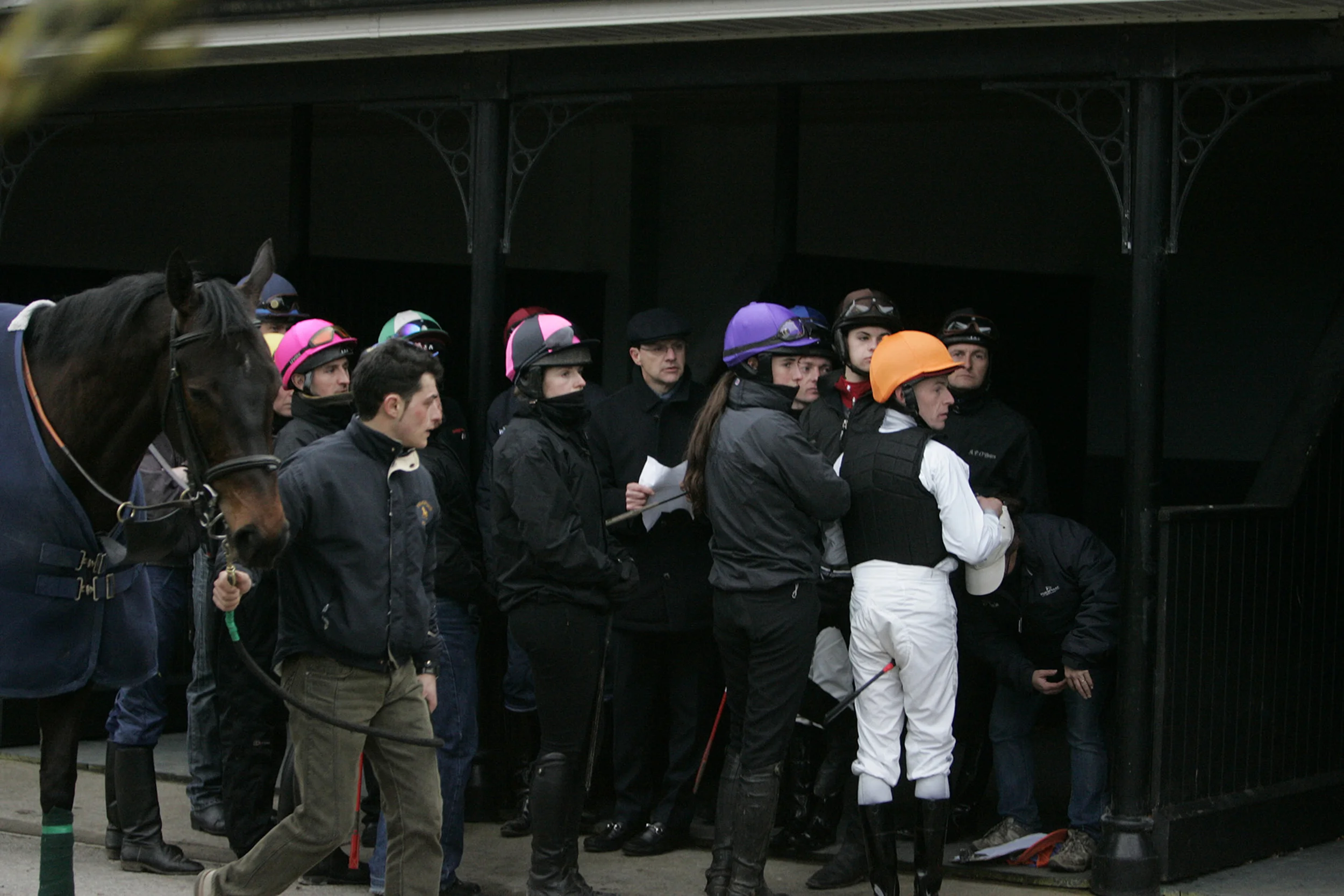
Trainers around the world have widely varying ideas on training methods, feeding regimes and riding tactics, and these opinions can even differ between neighbouring professionals using the same facilities. But one thing that handlers will unanimously agree upon is the vital importance of a competent team of work riders. As South Africa’s James Maree from the Work Riders Development Programme puts it, "I know and all trainers know that if you get to the track in the morning and you haven’t got a decent work rider, you may as well go home. Without that, you just can’t do anything."

Catching cheaters is like playing Whac-A-Mole. Regulators smack one here, and another turns up there.
Find out how elite trainers consider the impact of jet lag, light-dark cycles, and other factors associated with shipping across times zones on their horses’ performance?
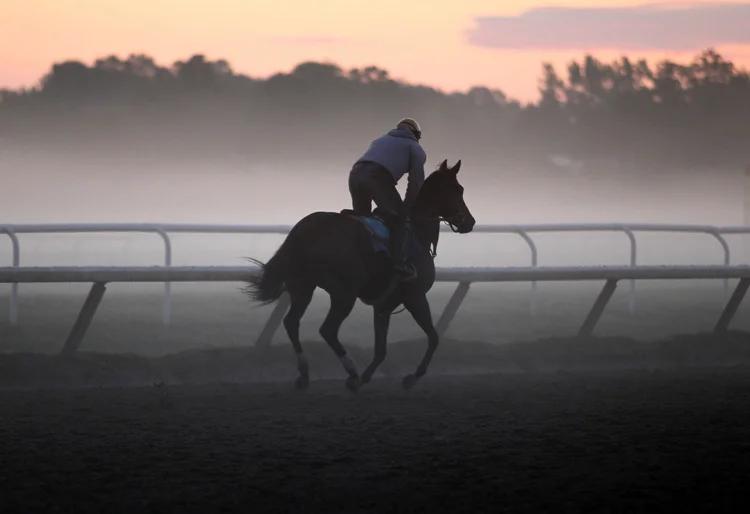
Timing is everything. Nowhere is this more relevant than when preparing an elite equine athlete for a race. Thoroughbred trainers are critically aware of the importance of fine-tuning the feeding and exercise regimes of their charges in the months, weeks and days before a big event. Timing is also critical for the smooth functioning of a horse’s musculoskeletal system for optimal performance.
Racehorses are athletes performing at the peak of their physical capabilities, with their strength and fitness carefully monitored and researched. However less consideration is given to the psychological factors that may affect their performance, with fear being a major influence.
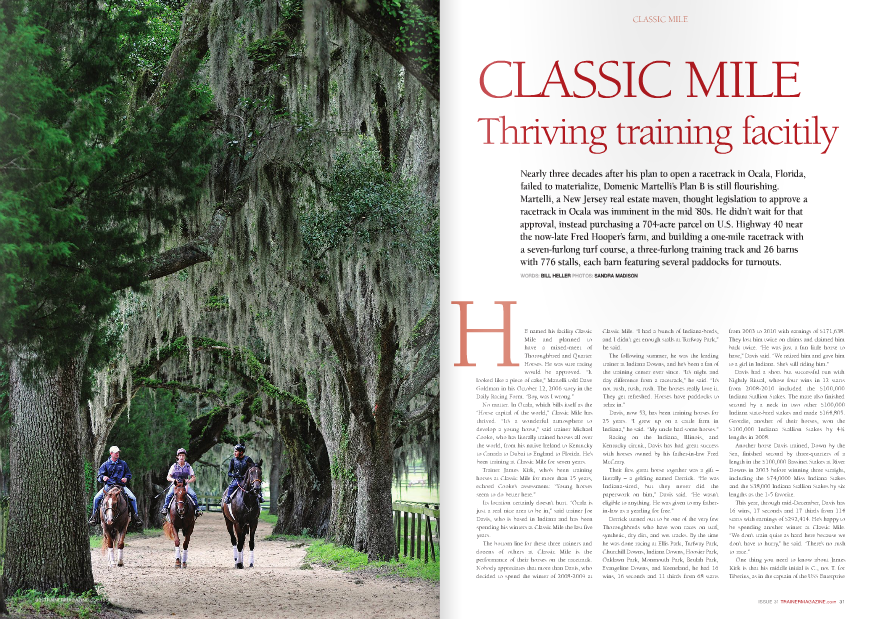
Nearly three decades after his plan to open a racetrack in Ocala, Florida failed to materialize, Domenic Martelli's Plan B is still flourishing. Martelli, a New Jersey real estate maven, thought legislation to approve a racetrack in Ocala was imminent in the mid '80's. He didn't wait for that approval, instead purchasing a 704-acre parcel on U.S. Highway 40 near the now late Fred Hooper's Farm, and building a one-mile racetrack with a seven-furlong turf course, a three-furlong training track and 26 barns with 776 stalls, each barn featuring several paddocks for turnouts.
He named his facility Classic Mile and planned to have a mixed-meet of Thoroughbred and Quarter Horses. He was sure racing would be approved. "It looked like a piece of cake," Martelli told Dave Goldman in his October 12, 2006 story in the Daily Racing Form. "Boy, was I wrong."
Photos by Sandra Madison





Street Sense's dramatic, decisive victory in last year's Kentucky Derby restructured a lot of perceptions about winning the Run for the Roses. Not only could a Breeders'Cup Juvenile winner return the following spring to capture the first leg of the Triple Crown, but he could make his final prep for Churchill Downs' dirt track on a synthetic one.
Bill Heller (26 June 2008 - Issue Number: 8)
Led by Kentucky Derby winner Street Sense, the three-year-old crop of 2007 rearranged a lot of people's thinking on what it takes to succeed on the first Saturday of May and beyond.Street Sense not only became the first colt to win the Breeders' Cup Juvenile and the Run for the Roses the following spring, but along with the Derby's second and third place finishers, Hard Spun and Curlin, thrived later in the year. So did Tiago and Any Given Saturday, who finished seventh and eighth in the Derby and joined the top three in the starting gate for the Breeders' Cup Classic.
Bill Heller (14 February 2008 - Issue Number: 7)
The term alone, "resistance training," invites at the very least skepticism, and in some cases, even a trace of joviality. As Hall of Fame conditioner Dick Mandella remarked when asked about it, "I'm very familiar with resistance training. For many years, I've had owners who resisted my training. I've had a few horses who resisted, too."
Caton Bredar (14 February 2008 - Issue Number: 7)
While the Thoroughbred racehorse has evolved through methods of breeding, raising, feeding, vaccinating and training, one thing that has remained fairly constant is that they must be broken in with great care and patience if they stand any chance of doing what they were born to do.
Frances Karon (01 December 2007 - Issue Number: 6)
With Thoroughbreds racing fresher and less frequently these days, traininga horse to win off a month layoff is commonplace. But when a trainerstretches his Thoroughbred’s layoff to six months or longer, and he winsthat first start back, that’s special. Doing it consistently stamps a trainer as one of the best in the business.
Bill Heller (01 October 2007 - Issue Number: 5)
Standing in the classroom of the North American Racing Academy (NARA) at the Kentucky Horse Park in Lexington, Kentucky is a sensory thrill. The smell of leather, the sharp crack of reins slapping against outstretched necks as seven jockeys scrub hard on their mounts. If you close your eyes and listen to the strained breathing of the riders you can almost hear the cadence of the hooves. The only thing that isn’t real are the horses, but with names like John Henry, Alysheba and Sunday Silence, they are all but real.
Frances Karon (19 May 2007 - Issue Number: 3)