
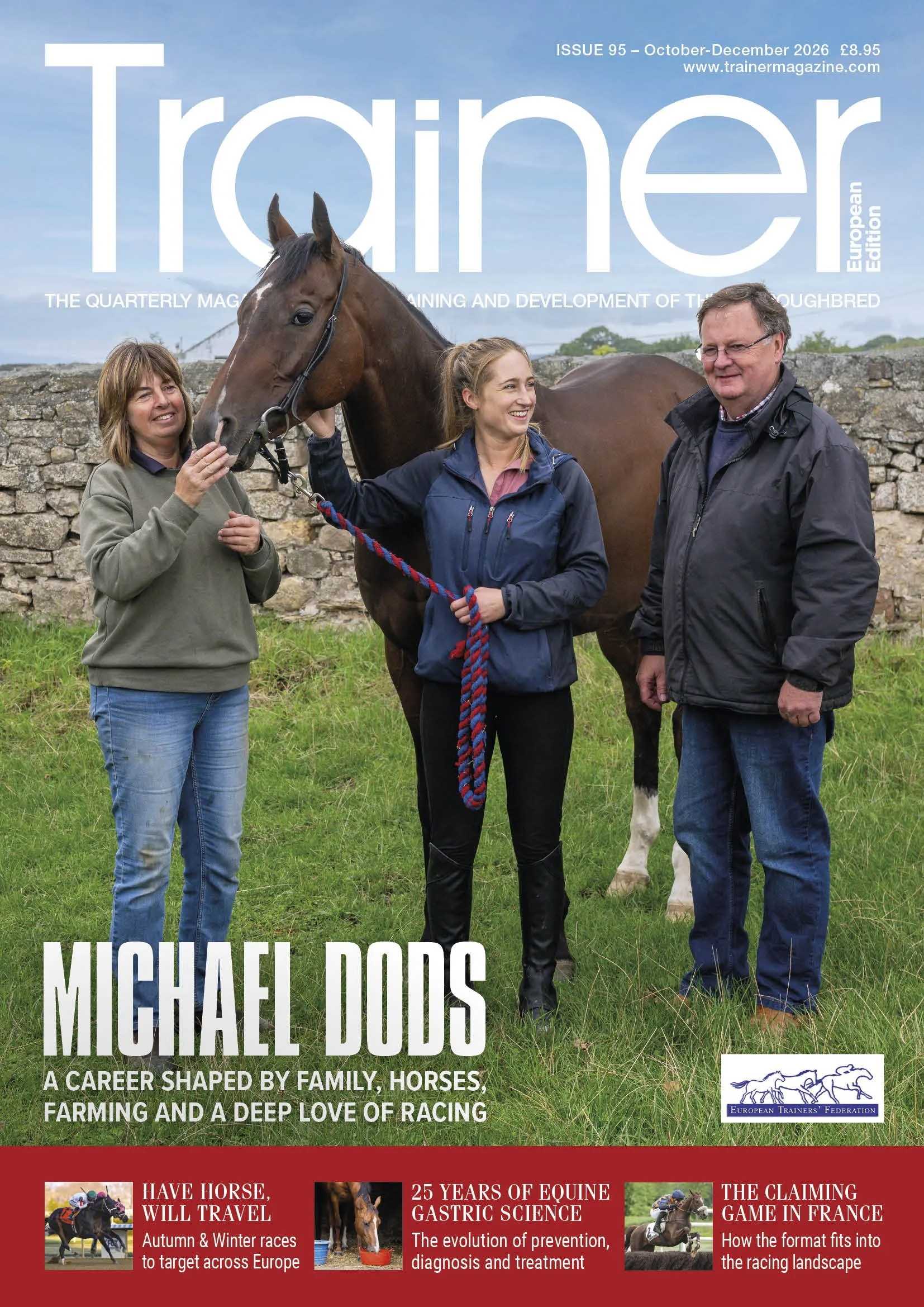
October - December 2026 - issue 95
trainermagazine/member subscribers click on the cover to read this issue
Subscription Options:
4x issue print subscription
£26.95 every 12 months (ex p&p) / 4 x print issue subscription to European Trainer.
SUBSCRIPTION STARTS WITH THE JANUARY TO MARCH ISSUE 2027
Order this issue in print
£8.95 (ex p&p) - CLICK HERE TO ORDER
Download this issue
£5.95 - CLICK HERE TO ORDER
Content in this issue includes:
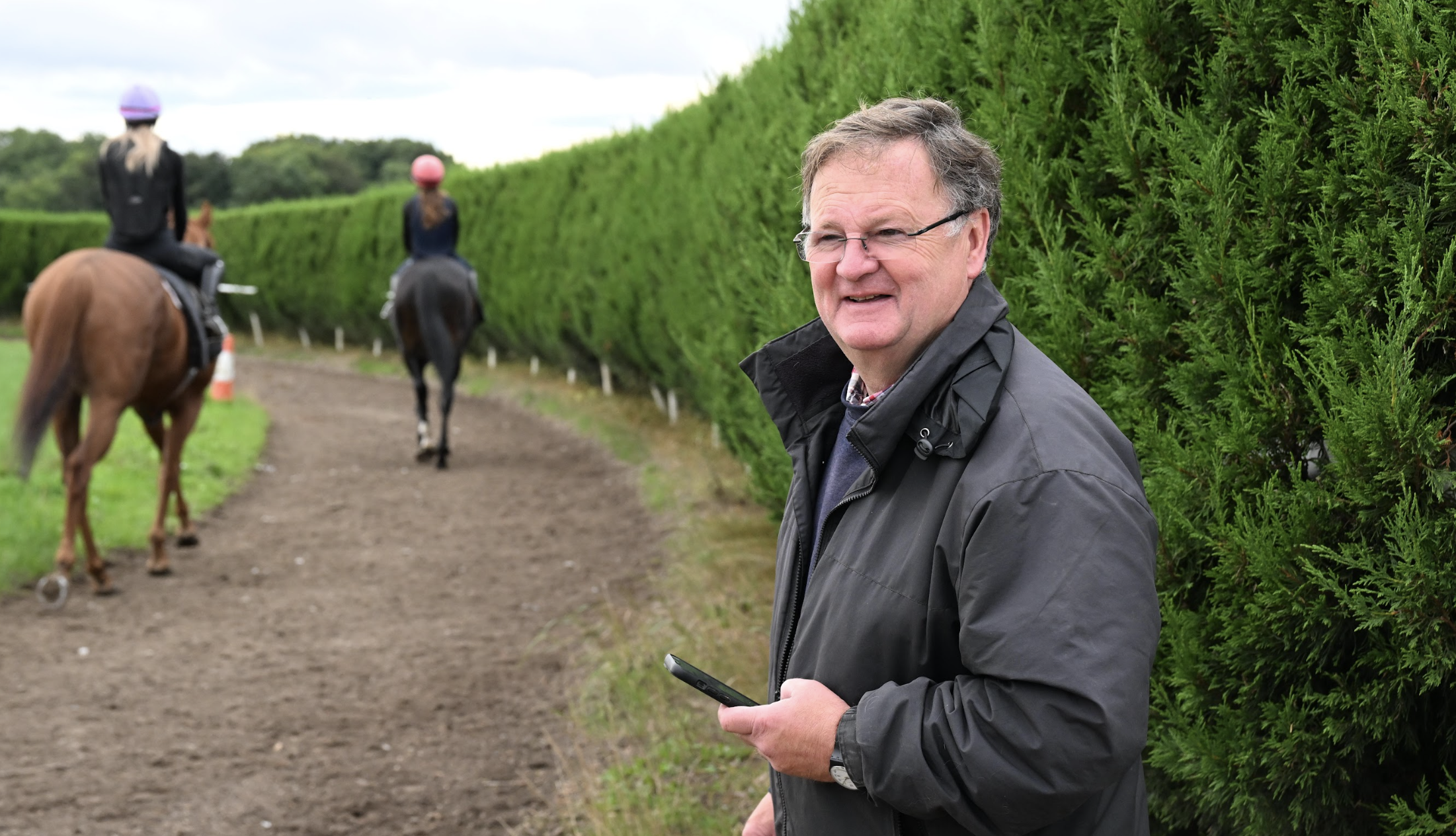
Preparation is key but training racehorses isn’t an exact science, there are always curveballs lurking. Just ask the Darlington-based trainer Michael Dods, the man responsible for saddling this year’s Gimcrack Stakes winner Arapaho Gold.
By Bayside Boy, the 42,000 euros yearling is the third foal from the capable Irish handicapper Call Of The Jungle. The juvenile making a smooth winning debut in a maiden at Thirsk in May, with Dods immediately formulating a plan,
“I had it in my mind, based upon what he’d shown us, that Arapaho Gold would go to Beverley next for the Brian Yeardley, and we fully expected he’d win that, and because of his pedigree, and the distance, it fitted that he could run in the Windsor Castle at Royal Ascot.”
However, things took a sharp U-turn on the Westwood, when the 11-4 second favourite reared up, placed a leg over the top of his stall, and consequently was withdrawn. Dods explains,
“I hadn’t really made a Plan B. Craig Witherford and Connor Beasley did a lot of work with him in the stalls afterwards, and we decided that we didn’t want to travel far – thinking Ascot might be a bit much for him – for his next start.
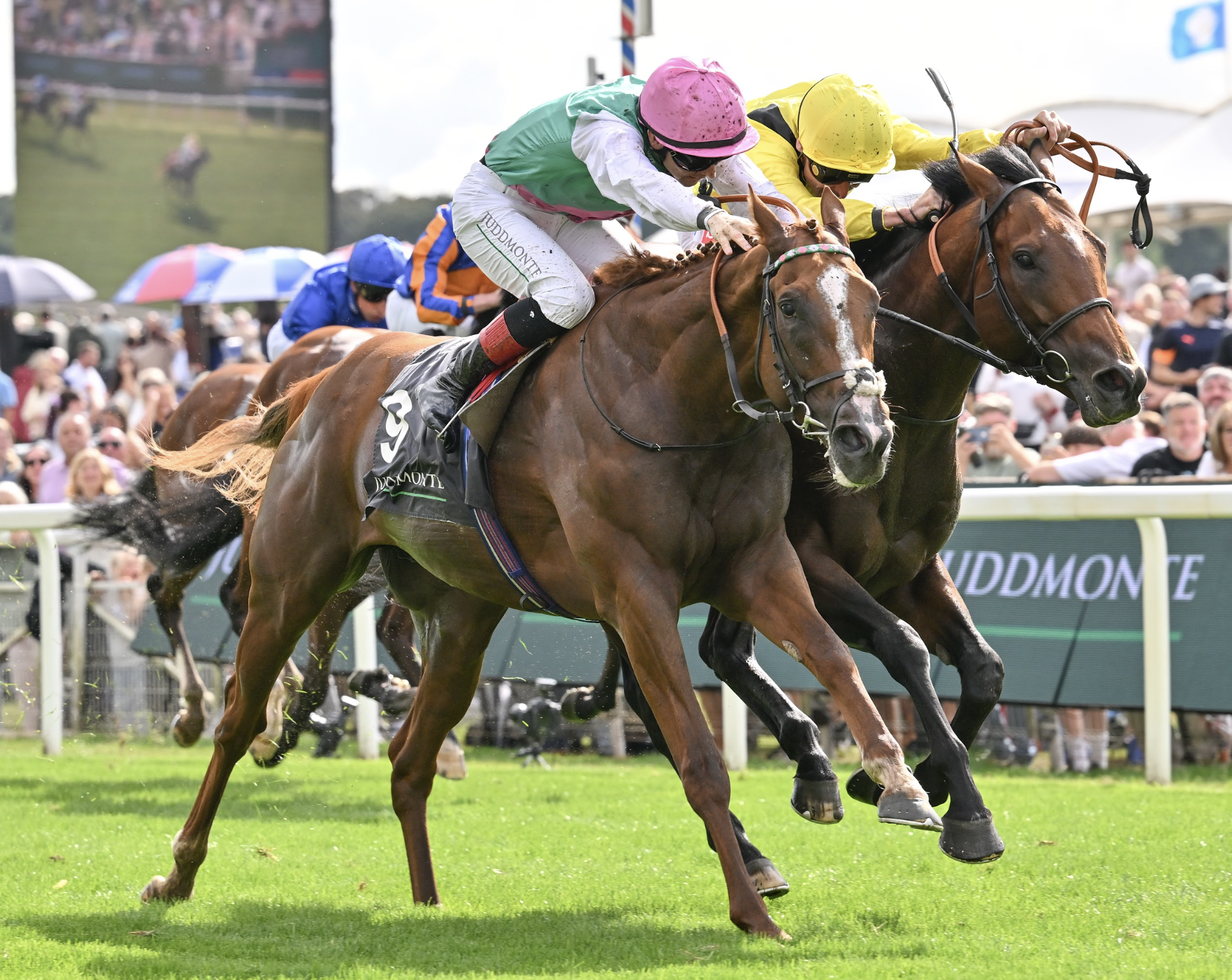
The Cavalor Trainer of the Quarter award has been won by Andrew Balding. Balding and his team will receive a Cavalor voucher of €1,000 for Cavalor supplements and care products as well as a consultation with one of their senior product specialists.
Andrew Balding became the licensed trainer at historic Kingsclere in 2003, when he succeeded his father, Ian, who sadly passed away in January 2026. Andrew’s wife, Anna Lisa, plays a key role in the running of the business and management and is also a familiar sight at the races.
Catherine Rudenko discusses the role of targeted oral nutritional supplements - in managing joint inflammation, supporting cartilage repair and maintaining performance in both young and aging horses in training.
There are many factors that influence athletic performance including joint and muscular function. Training naturally places stress on both joints and muscles and this is where nutrition plays a key role. Nutrition is a powerful tool for managing inflammation, facilitating recovery and supporting repair and regeneration at a cellular level.
Oral nutritional supplements when used in a targeted manner can help horses adapt to training, recover better and support continued performance for the long term.
Part one of this two-part series focuses on joint health and the role of nutrition. In the next issue the role of oral nutritional supplements for soft tissue recovery will be discussed.
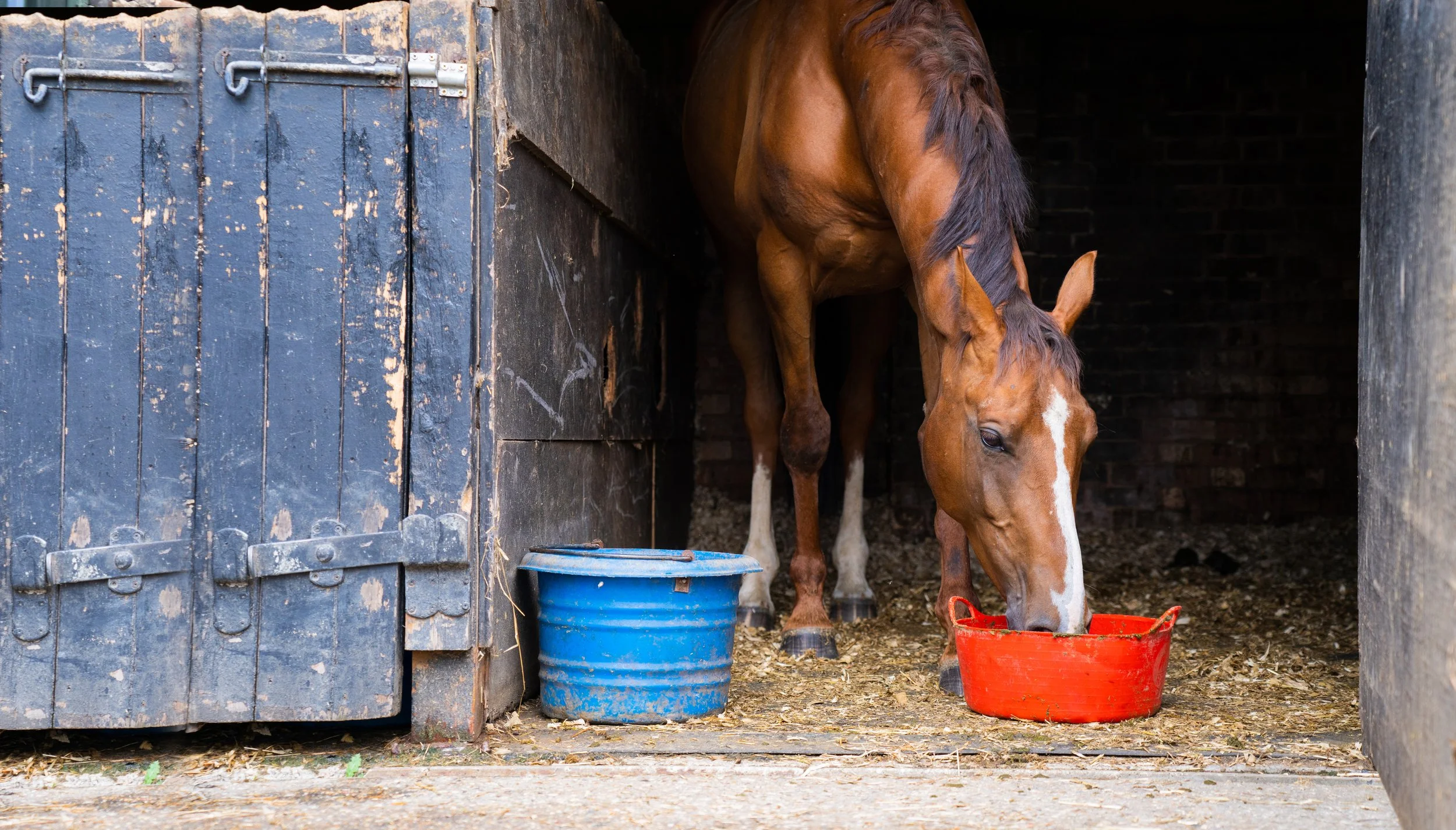
Dr. Katie Williams reviews the understanding of equine gastric health over the last 25 years, examining the distinction between ESGD and EGGD, starch thresholds, wrapped hay, and the buffering benefits of alfalfa.
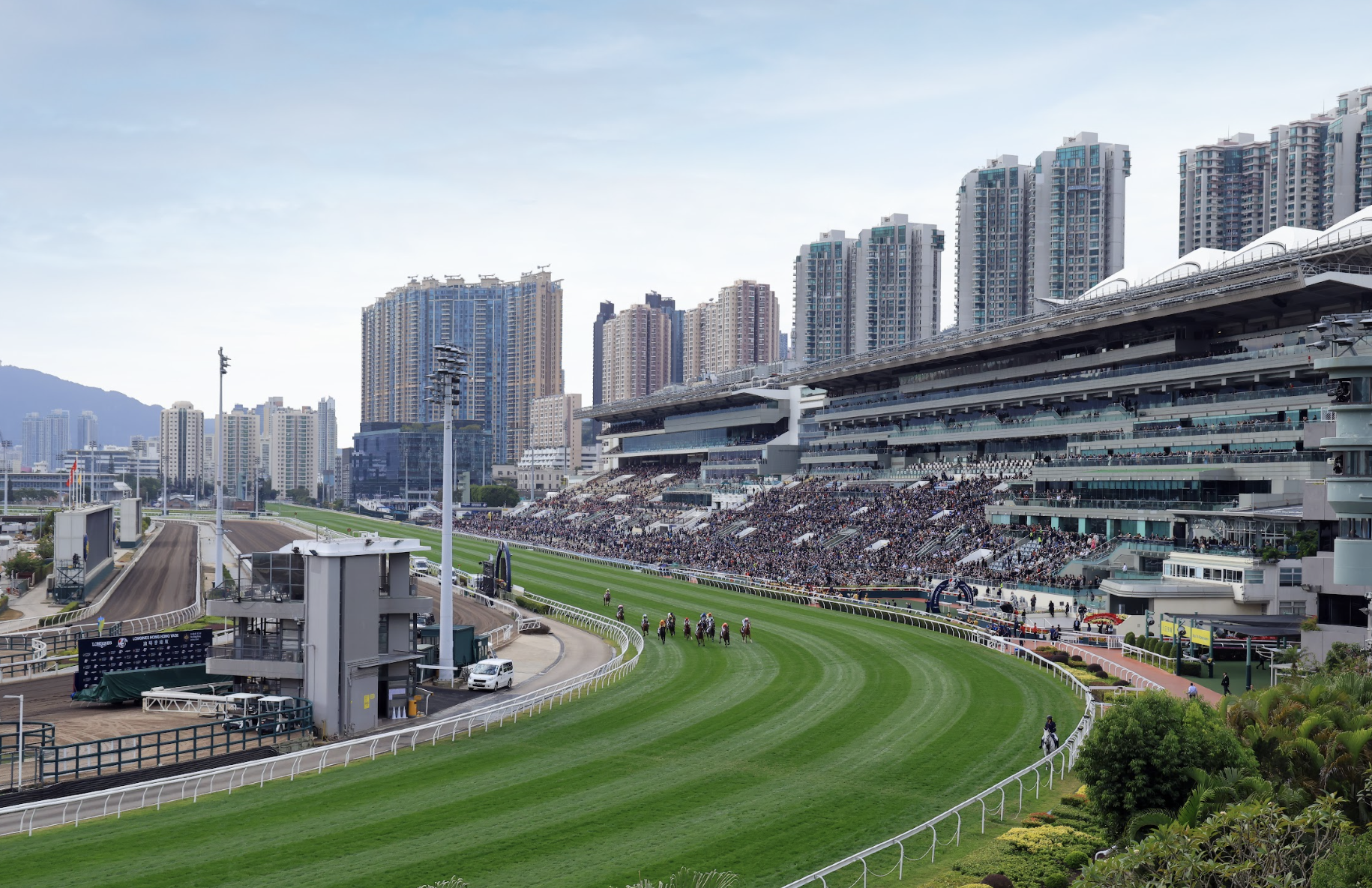
Our quarterly guide to upcoming international fixtures, bonus schemes, and travel incentives across Great Britain, Ireland, France, Morocco, the US, Bahrain and Hong Kong
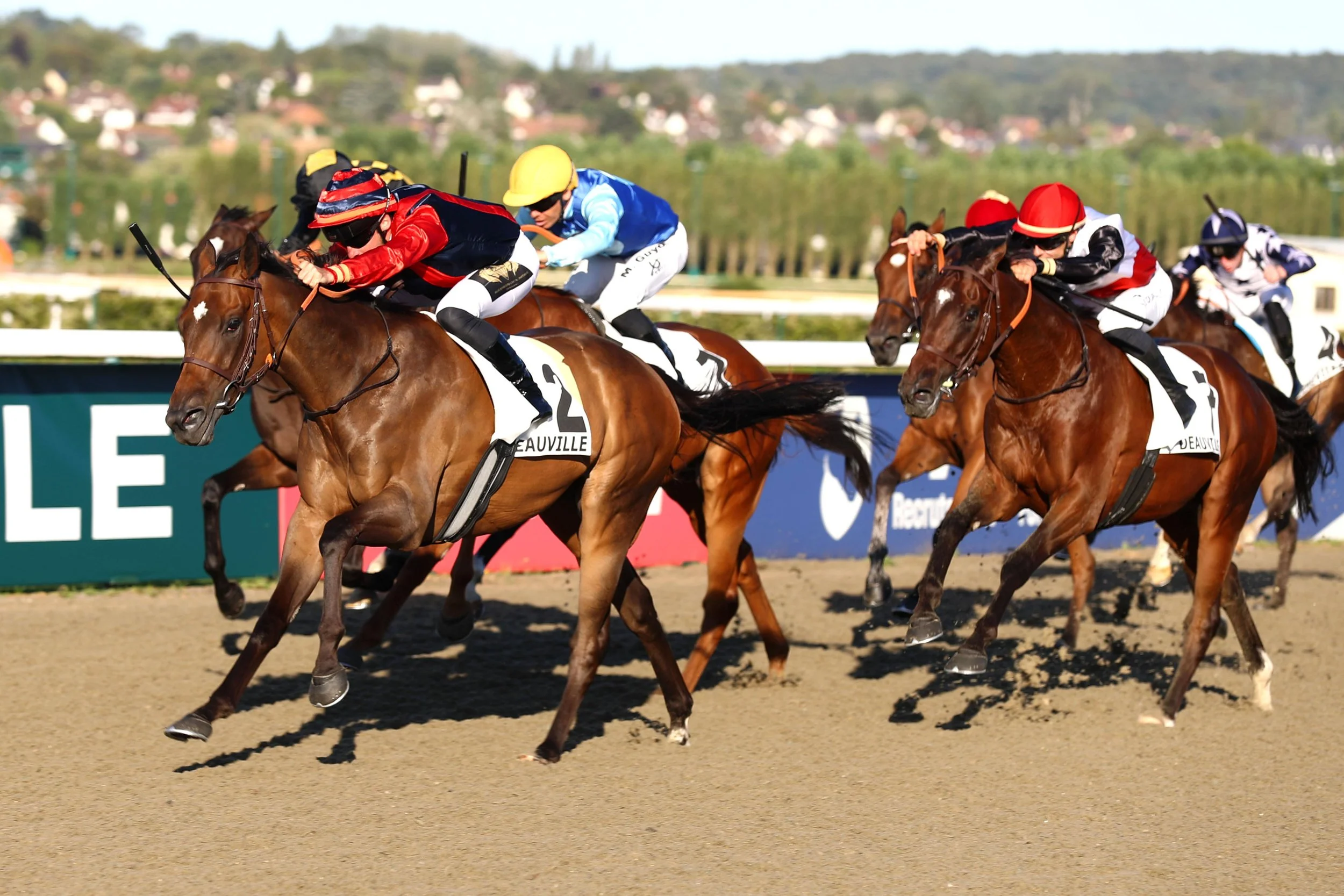
What do Group 1 winners Tiger Tanaka (Marcel Boussac 2020), Mille et Mille (Prix du Cadran 2015), Gemix (Grande Course de Haies d’Auteuil 2013 & 2014) and Gentoo (Prix Royal-Oak 2010) all have in common? Like the most famous of the rags-to-riches stories in French racing folklore, 1992 Prix du Jockey-Club hero Polytain, these champions were all snapped up by their future Group 1 winning connections via the claiming ranks.
Often stigmatized by the upper end of racing’s echelons, the claiming system in France continues to form a significant part of the calendar, serving the twofold purpose of an accessible race programme and an alternative market place.
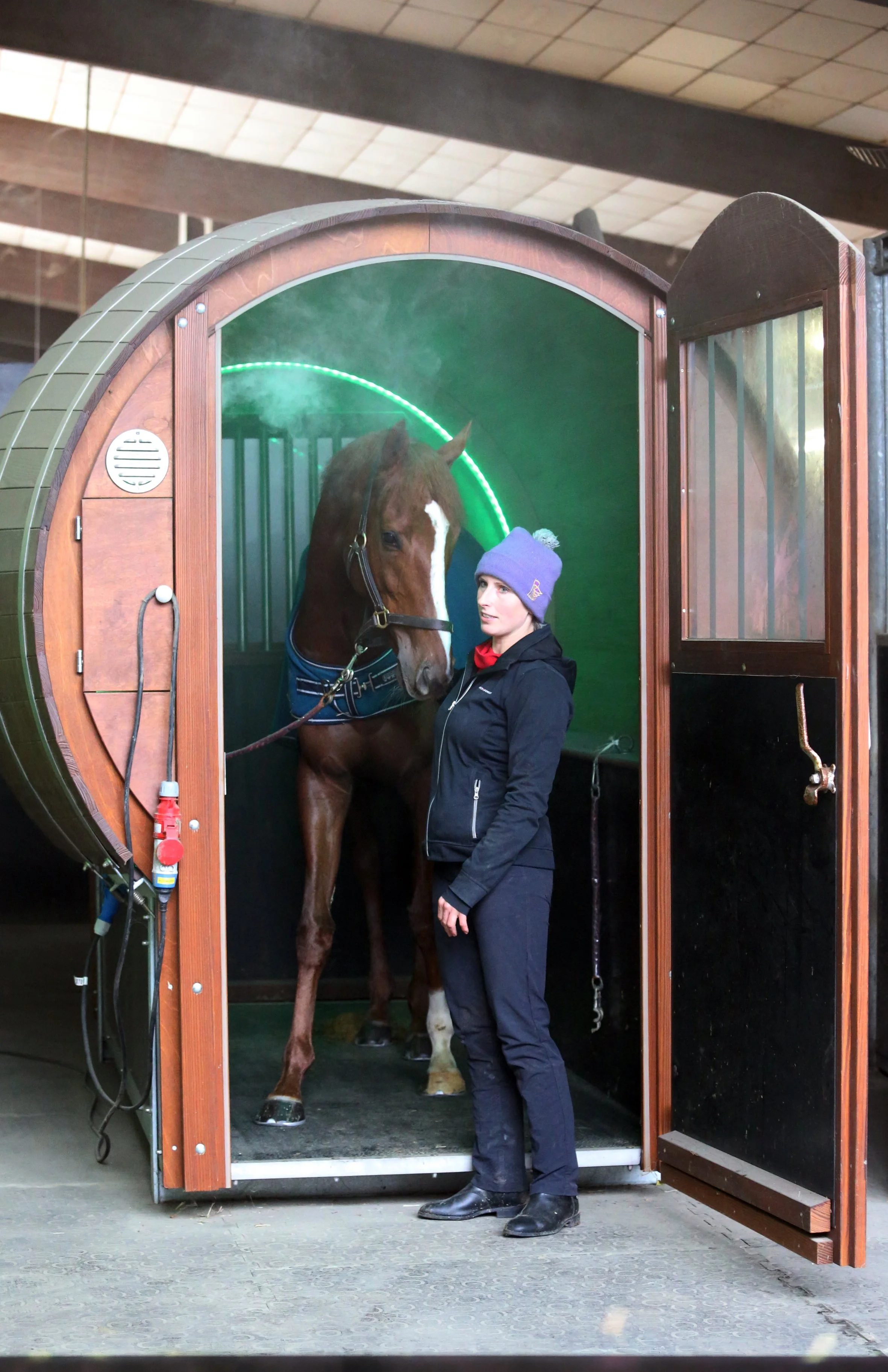
Respiratory health remains one of the most critical limiting factors in performance across all equestrian disciplines. While cardiovascular capacity can be honed through conditioning and musculoskeletal integrity, the equine respiratory tract operates under intense physiological stress during high-speed exertion and heavy training schedules. Conditions such as Exercise-Induced Pulmonary Hemorrhage (EIPH), Inflammatory Airway Disease (IAD / Equine Asthma), and bio-contaminant pressures in high-density stables present persistent challenges for trainers striving to maintain peak athletic form.
To address these multi-faceted challenges, an integrated Respiratory Care Room (RCR) environment has been conceptualised. The RCR represents a comprehensive, multi-modal respiratory therapy environment that bridges advanced physiological support with strict biosecurity protocols for all equine athletes.
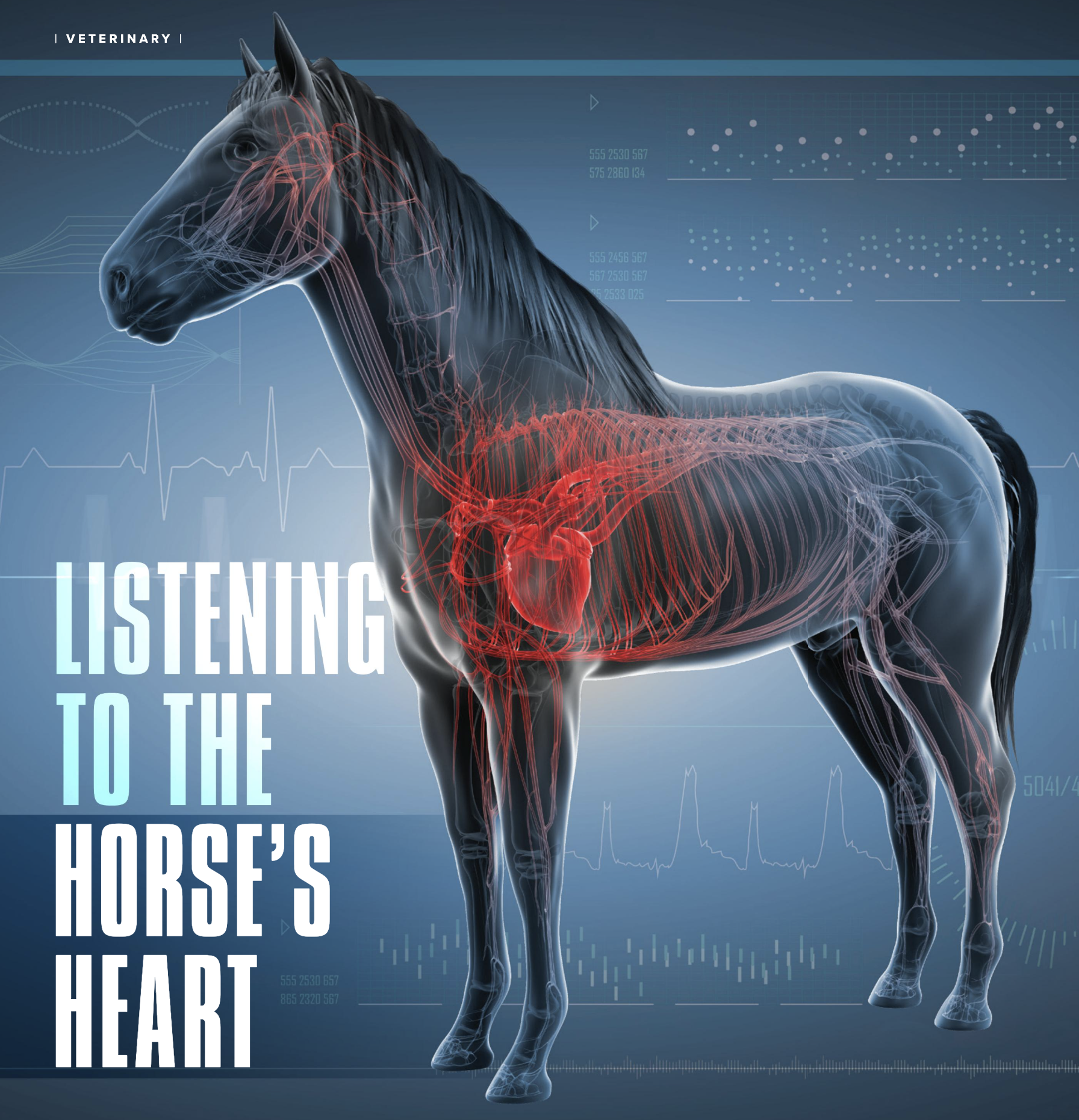
There has been much fascination about how much information a horse's heart can tell us. The challenge is that much of that information is hidden in signals that are too subtle for the human eye to recognise. This is where artificial intelligence (AI), wearable technology and modern ECG analysis could make a real difference to equine medicine. AI is often portrayed as something futuristic, but at its simplest it is a way of teaching computers to recognise patterns. Give a computer enough examples and, rather than simply following a set of instructions, it can learn to identify patterns that may be difficult for us to see.
For horses, this could be particularly valuable. A modern racehorse can generate enormous amounts of information: heart rate, ECG recordings, exercise speed, recovery time, movement, laboratory results and clinical records. The problem is no longer simply collecting information. It is understanding what that information means. One area where this could become particularly important is the heart.
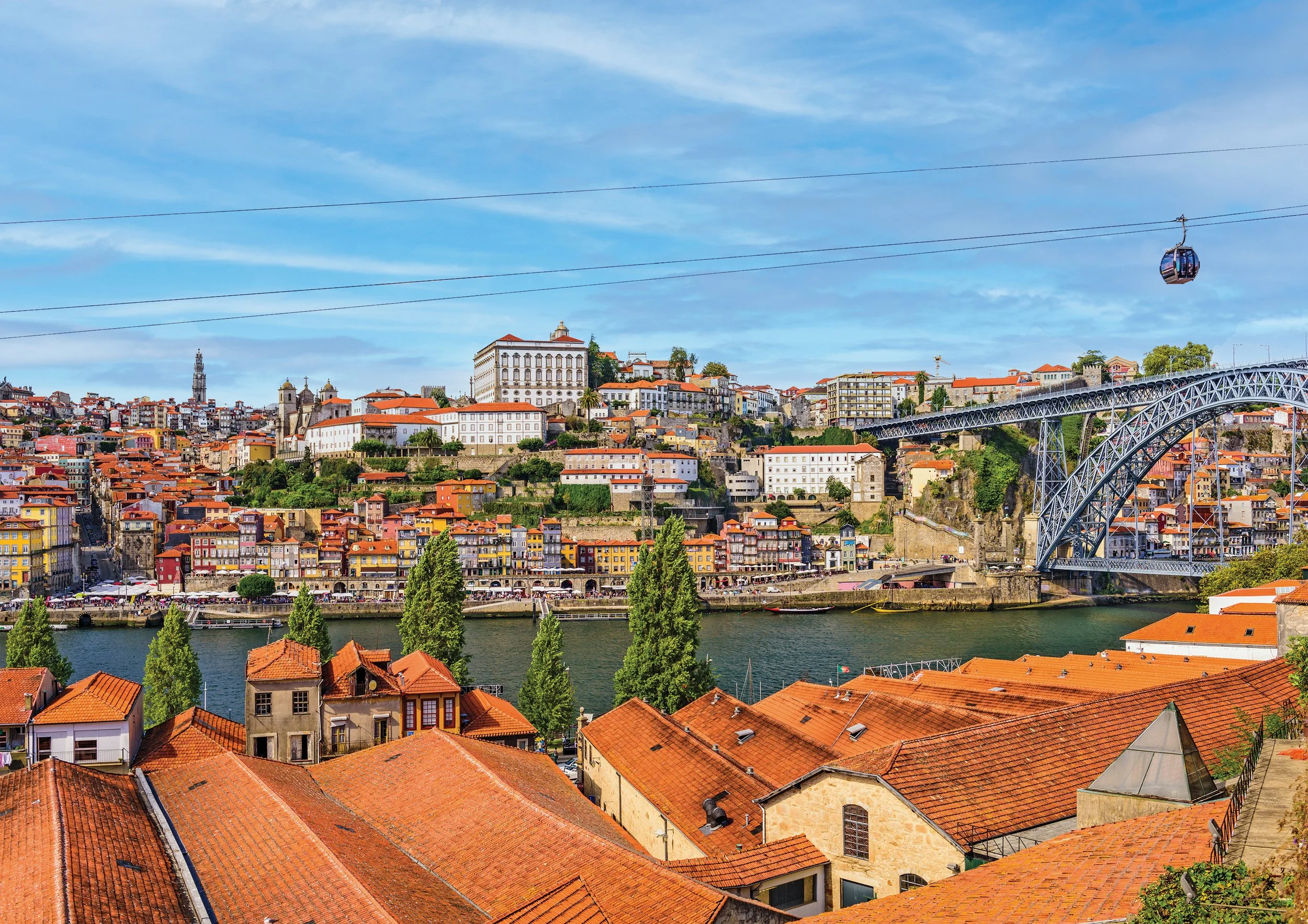
Since its inception in 2010, the European and Mediterranean Horseracing Federation has held two principal gatherings each year: a General Assembly and an Executive Council Meeting. Our long-standing policy has been to meet in as many member countries as possible, giving each host Racing Authority the chance to showcase its racing and allowing our members to experience the remarkable diversity of the sport across our region.
On every previous occasion, the host organisation has been able to present a mature racing industry with established income streams. The scale of activity has varied enormously—from the powerhouse industries of France, Britain, and Ireland to the more modest operations in Slovakia or the Channel Islands—but racing in each nation has existed for decades, if not centuries, and operates within a stable betting environment.
Portugal, which hosted the 2026 reunion, is the exception.
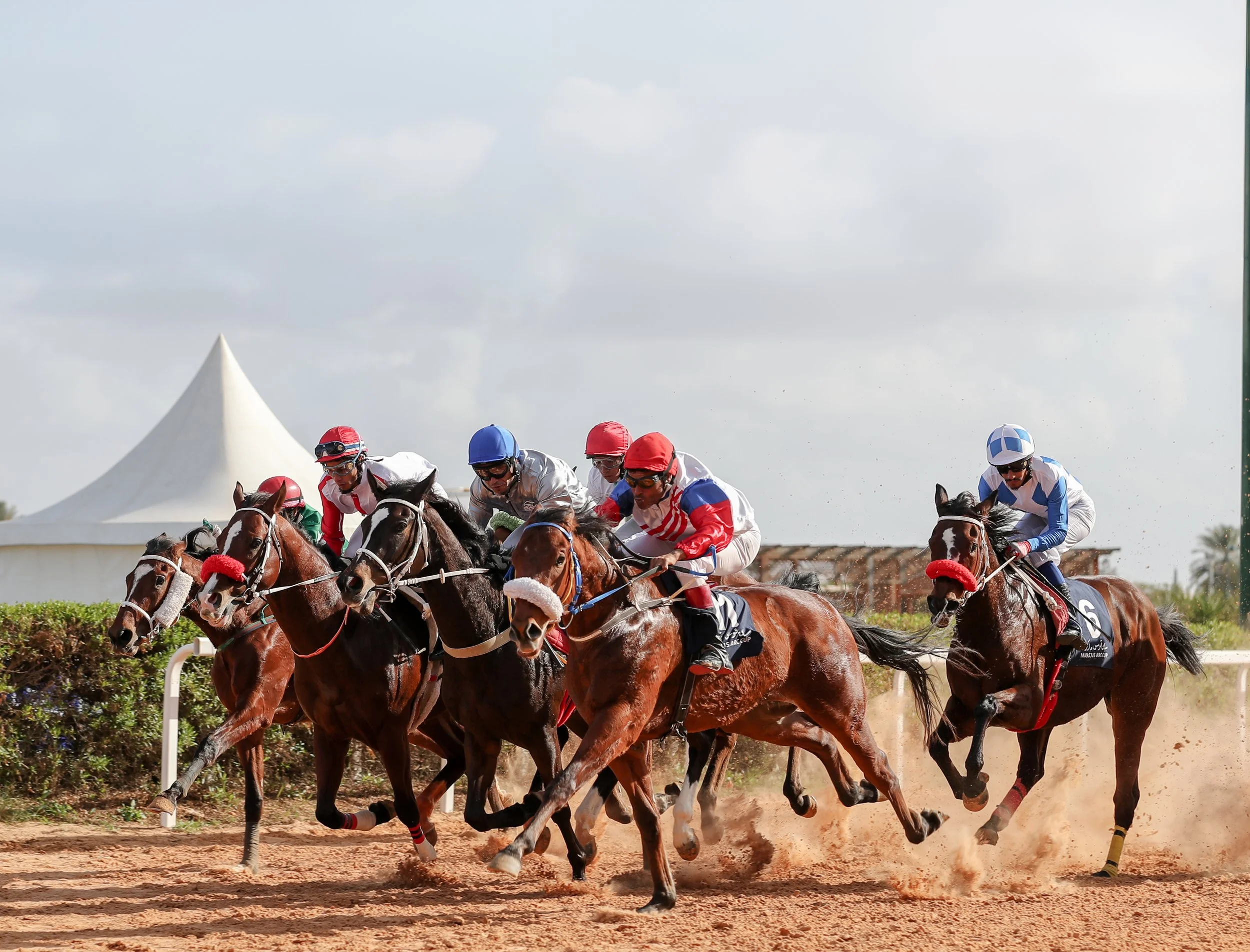
Following one of the darkest chapters of her life, former trainer and now writer, Clare Cannon, travelled to Libya expecting only to reconnect with horses she had helped send there. Instead, she discovered a nation rich in history, hospitality and ambition, where a thriving Thoroughbred industry and remarkable generosity offered a renewed sense of hope, purpose and optimism for the future, against every expectation.
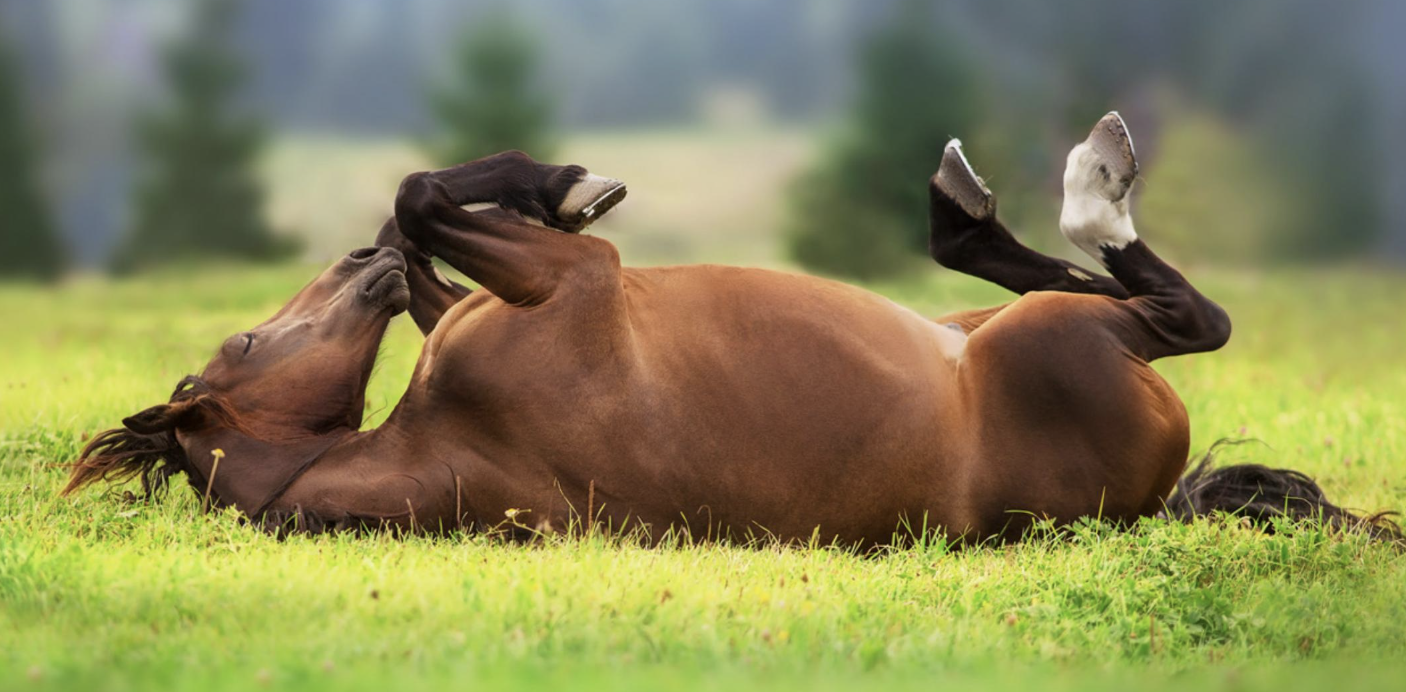
Horse owners worry over recurring colic is justified
When a horse suffers nephrosplenic entrapment, a specific type of displacement colic, the risk of it happening again can be elevated. For high-performance horses, that means more than pain and emergency bills; it can disrupt training schedules and competition plans. A preventative surgery called laparoscopic closure of the nephrosplenic space has been widely used for years, but until now, no one knew how long the benefits lasted. Dr. Nicola Cribb, Department of Clinical Studies, Ontario Veterinary College (OVC), discusses new research from a five-year study at the OVC.
What is nephrosplenic entrapment colic?
Nephrosplenic entrapment colic is a condition where a section of the large intestine, usually the large colon, moves into the natural gap between the spleen and the left kidney. That gap is called the nephrosplenic space. Some horses can have a deeper or wider space, and if an excess of gas builds up in the large colon, it can cause displacement and the colon may slip into this trough and become trapped.
The result can be painful abdominal distension, gas accumulation, and obstruction of normal gut movement as well as enlargement of the spleen. If untreated, the condition can become life-threatening.