
January - March 2015 - issue 48
trainermagazine/member subscribers click on the cover to read this issue
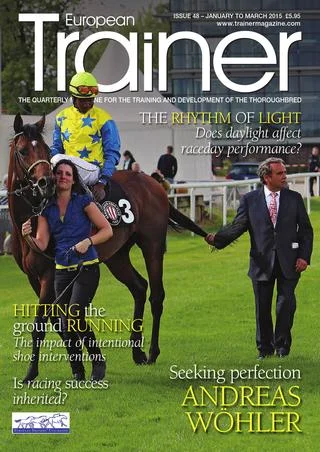
Order this issue:
PRINT FORMAT @ £8.95
CLICK HERE TO ORDER
DOWNLOAD PDF FORMAT @ £5.95
CLICK HERE TO ORDER
Contents in this issue include:
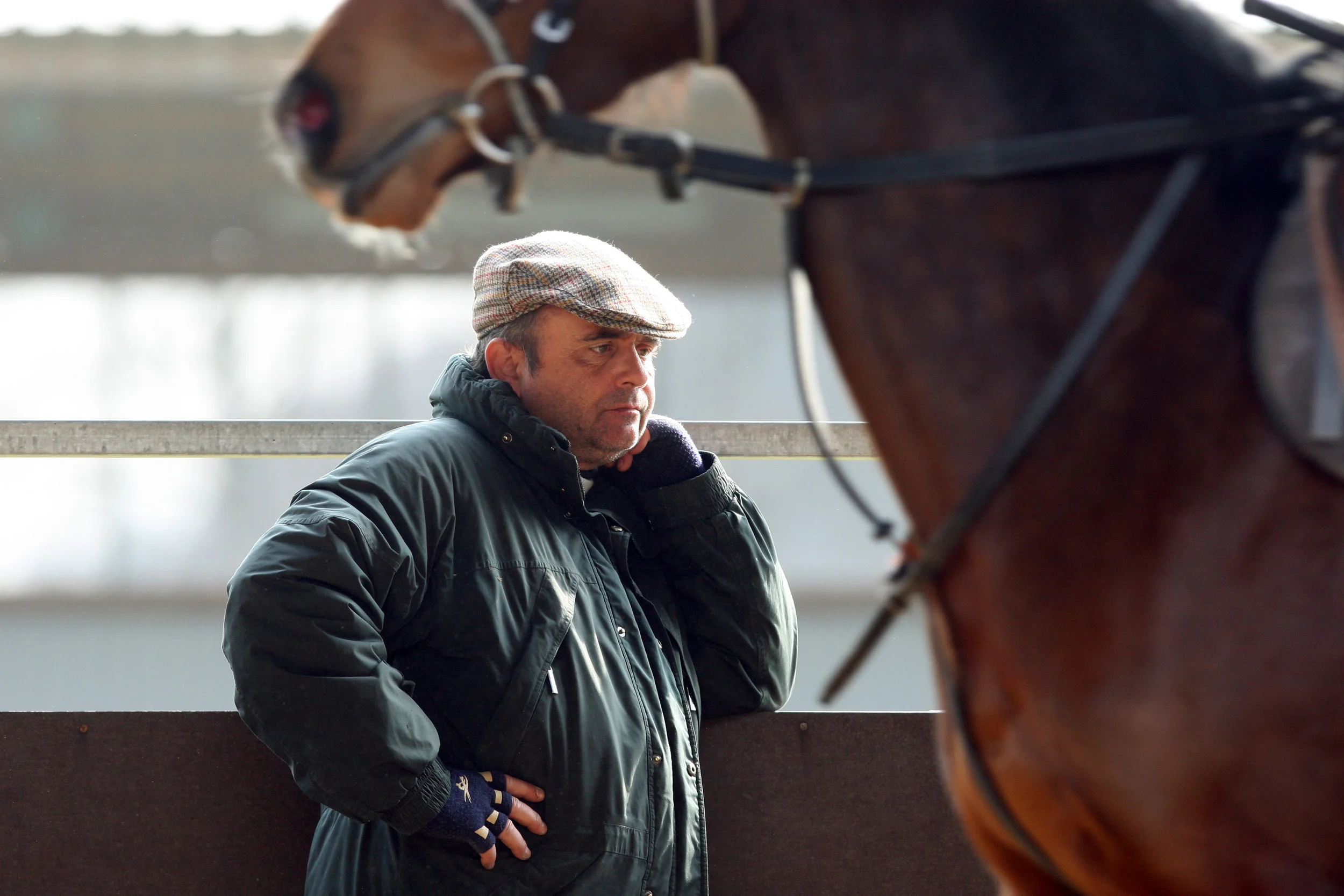
Top German trainer Andreas Wöhler first featured in these columns ten years ago, but his career has reached such new heights with his victories in two of the world´s most iconic races—Ascot´s King George VI and Queen Elizabeth Stakes in July 2013 with Novellist, and the Melbourne Cup in November 2014 with Protectionist—that he is certainly worth a second look now.
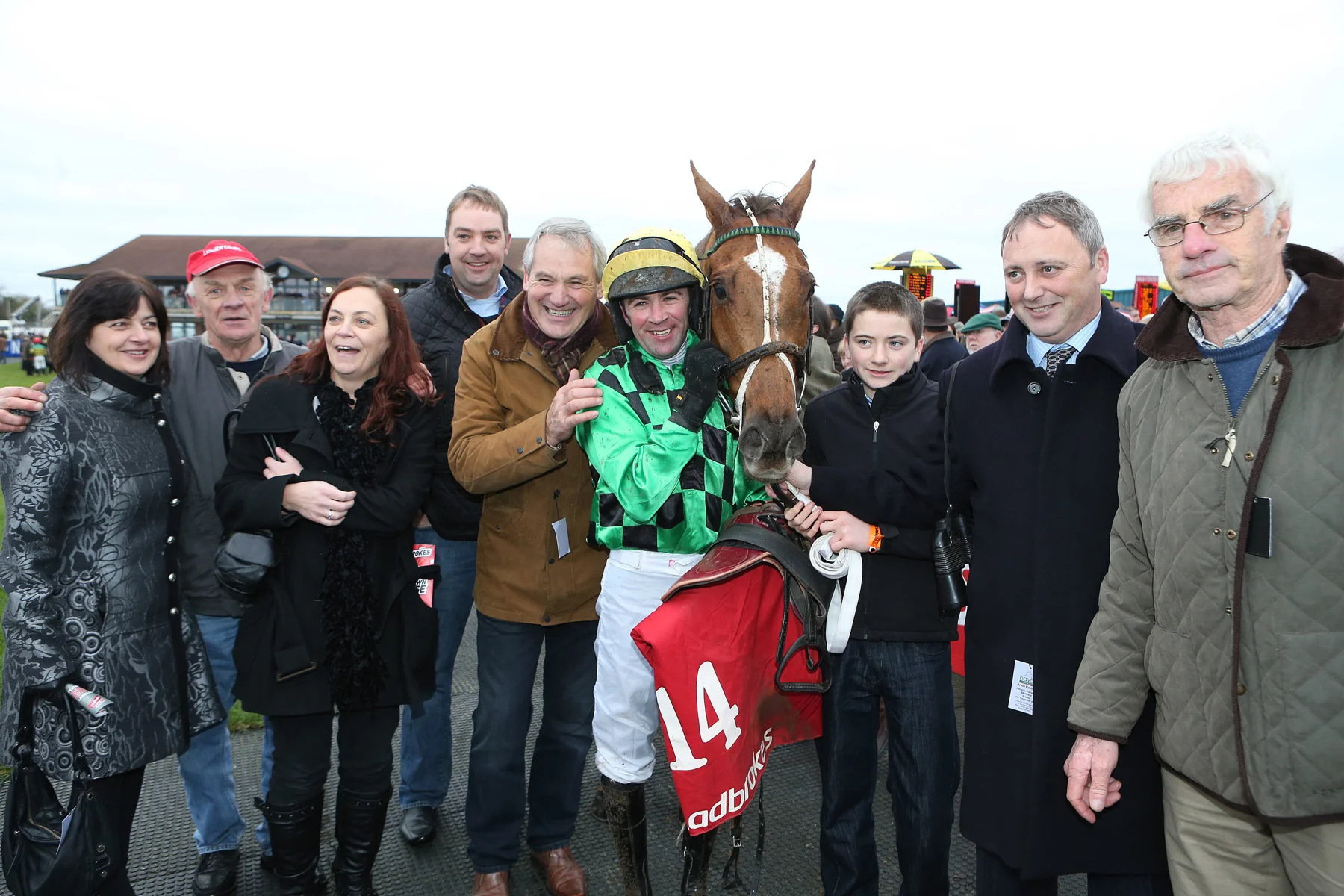
With Horse Racing Ireland (HRI) recently publishing figures for the first half of 2014, the number of active owners in Irish racing is a serious concern and reflects the general trend across Europe.
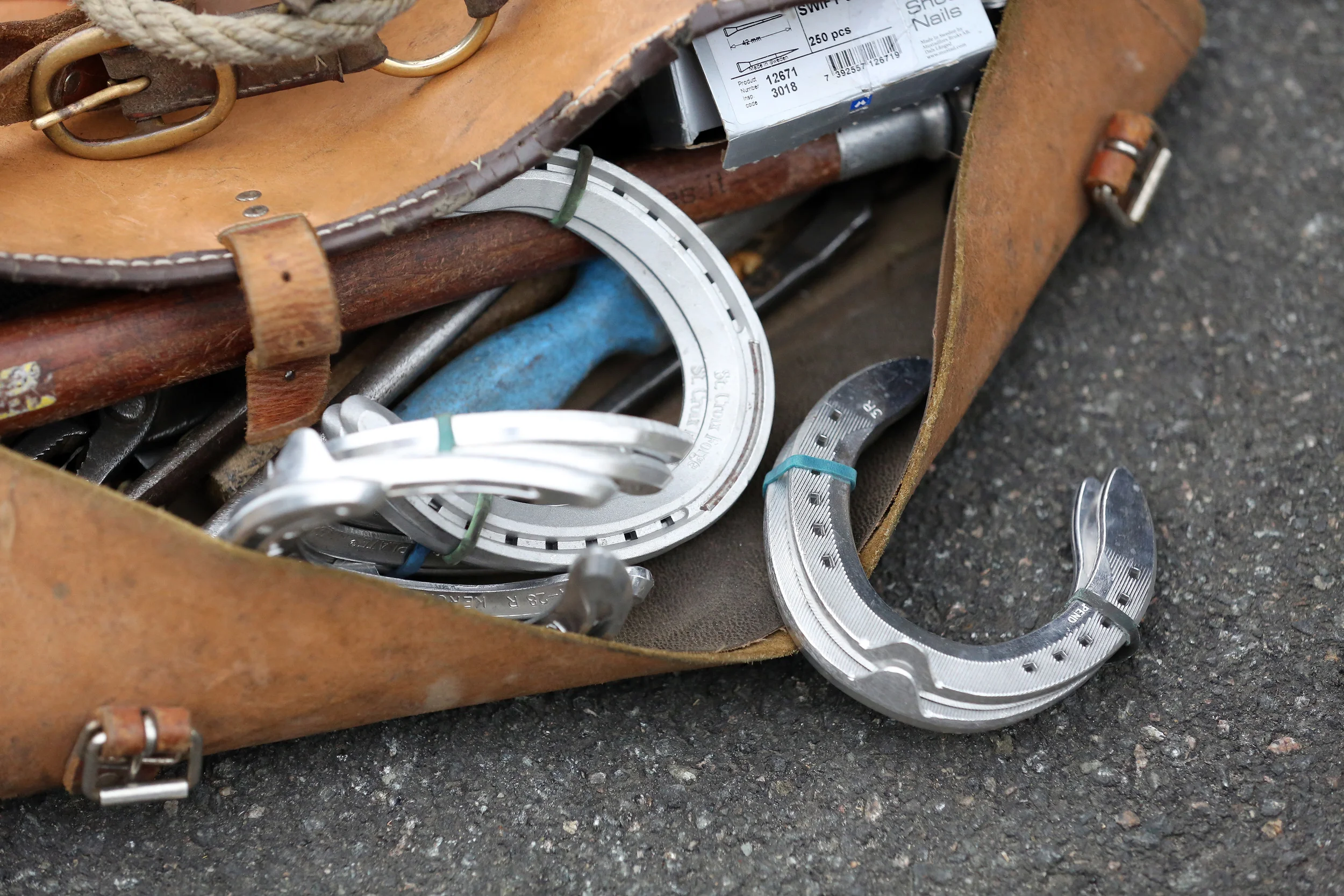
The interaction of a horse’s foot and the ground surface is complex. Stance—that part of the stride when the foot is in contact with the ground—can be divided into three phases, which determine the loading environment of the limb: impact, mid stance and push off. Loading of the limb determines how it functions and also influences where injury may occur. Research funded by the Horserace Betting Levy Board at the Royal Veterinary College has focussed on the foot and is allowing a greater understanding of the effect of changes in surface or shoeing on stance, on remodelling of the tissues and ultimately on the risk of injury.
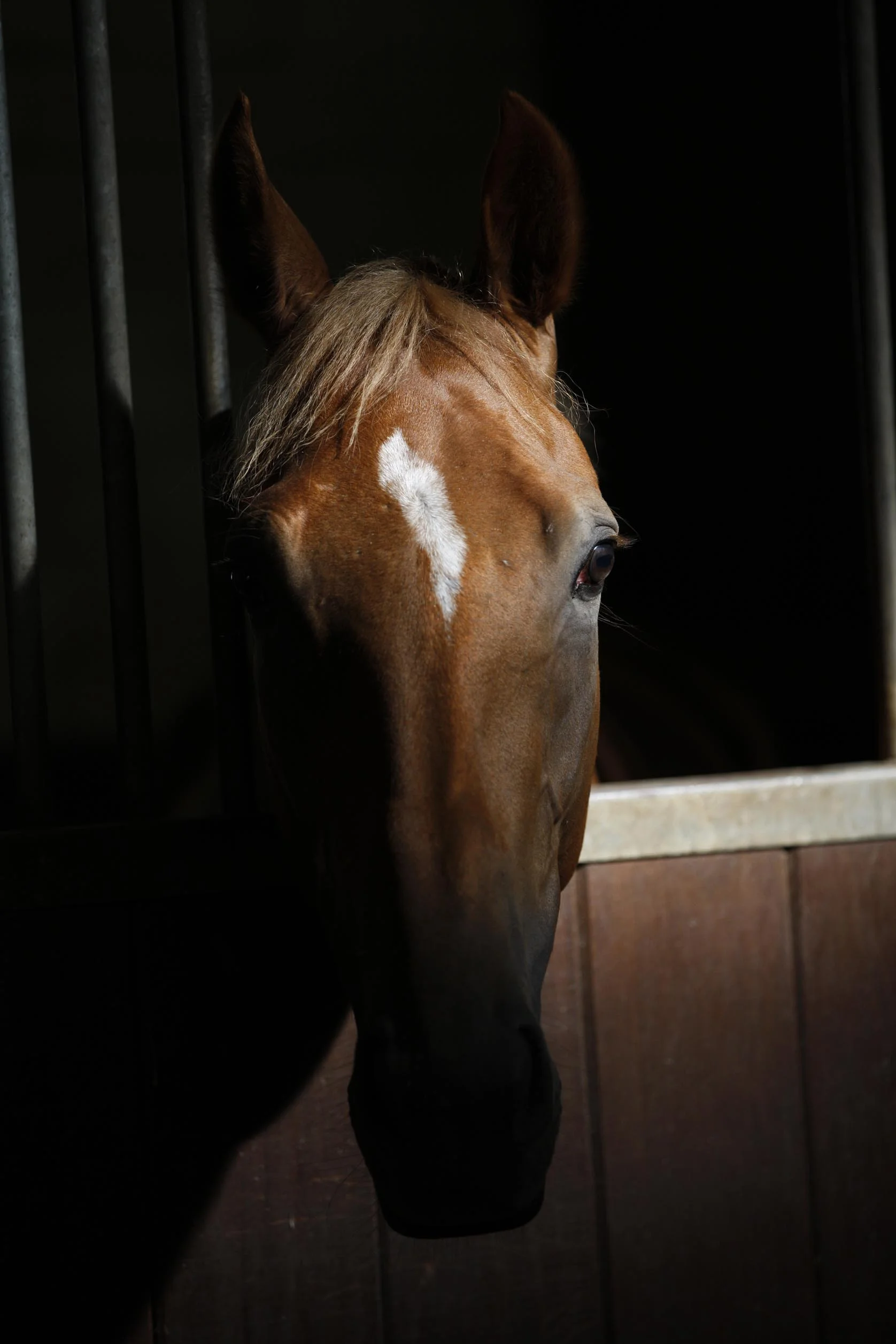
Recipient of multiple awards, including the Saratoga Trainer’s Title and the Eclipse Award for Outstanding Trainer, Bill Mott is no stranger to travelling with his horses. For example, Mott was trainer and chaperone of Cigar, winner of the inaugural Dubai World Cup in 1996. How do Mott and other elite trainers consider the impact of jet lag, light-dark cycles, and other factors associated with shipping across times zones on their horses’ performance?

A sad indictment of racing is that many punters hold the belief that half the horses in a race are ‘not trying’, and we have to wonder, what gave them that impression?
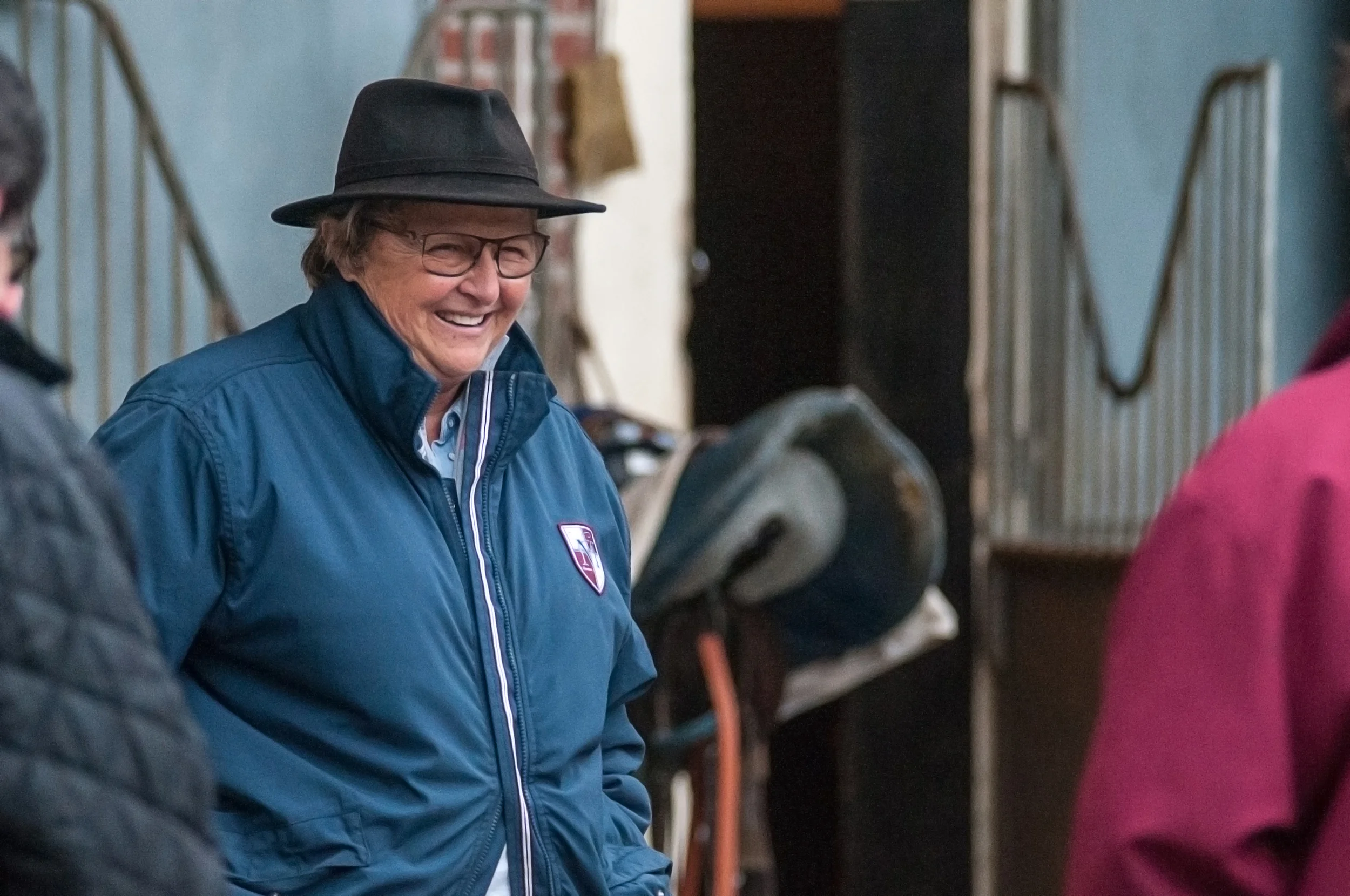
As 2014 draws to a close, I hope that some trainers will have time to take a rest and reflect on some of the great performances of the season. I offer my congratulations to winners of all races, big and small, throughout the past year.
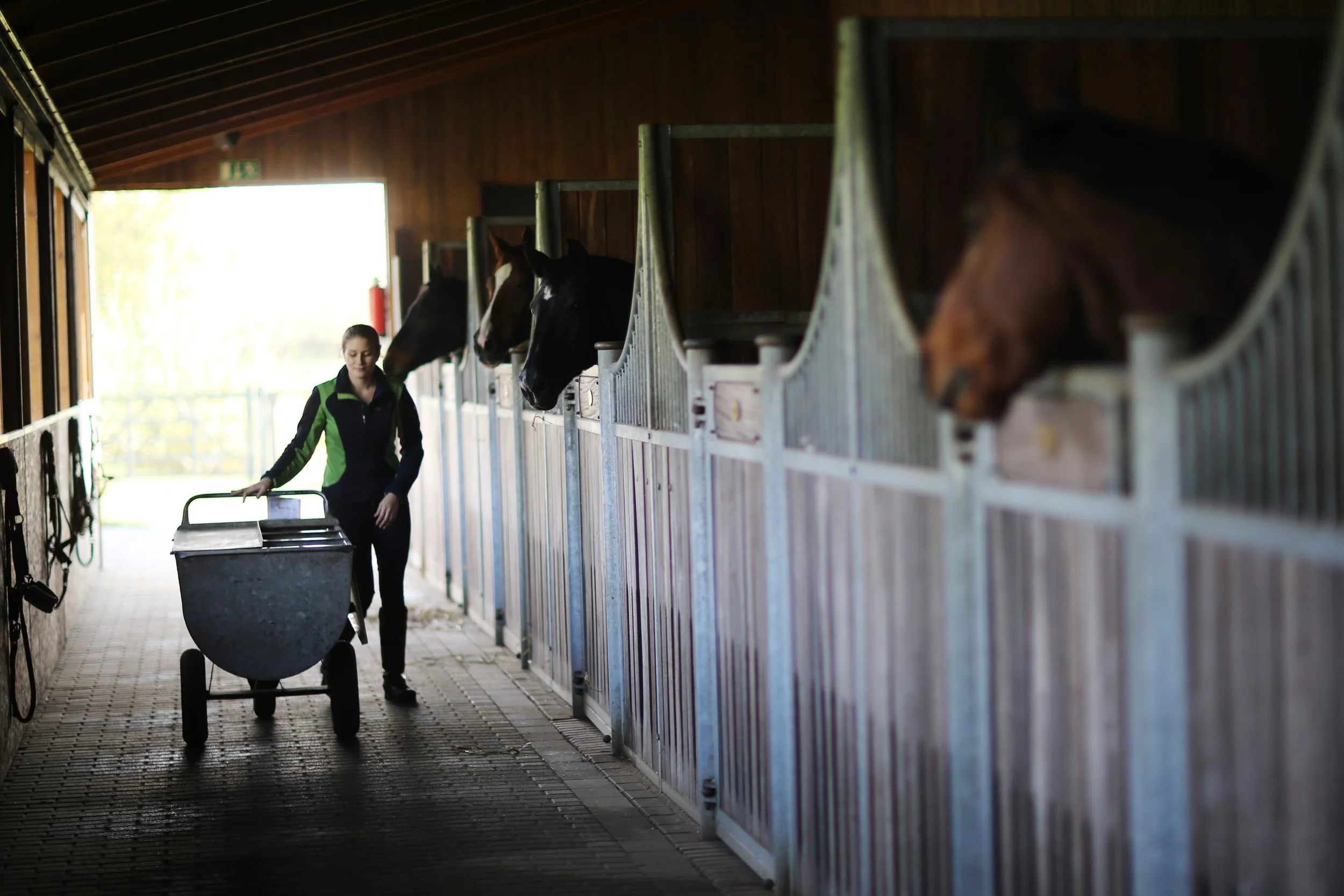

The horseracing industry is battling for its life, and the key point of contention is medication—not just a push for uniform medication rules, but a movement to eliminate all race-day drugs. Two years after the Breeders' Cup banned anti-bleeding medication for its juvenile races, Gulfstream Park in Florida has announced its intention to offer Lasix-free races for 2015, and the Kentucky Horse Racing Commission is considering doing the same for its tracks. North America is the only region of the world that allows race-day medication.
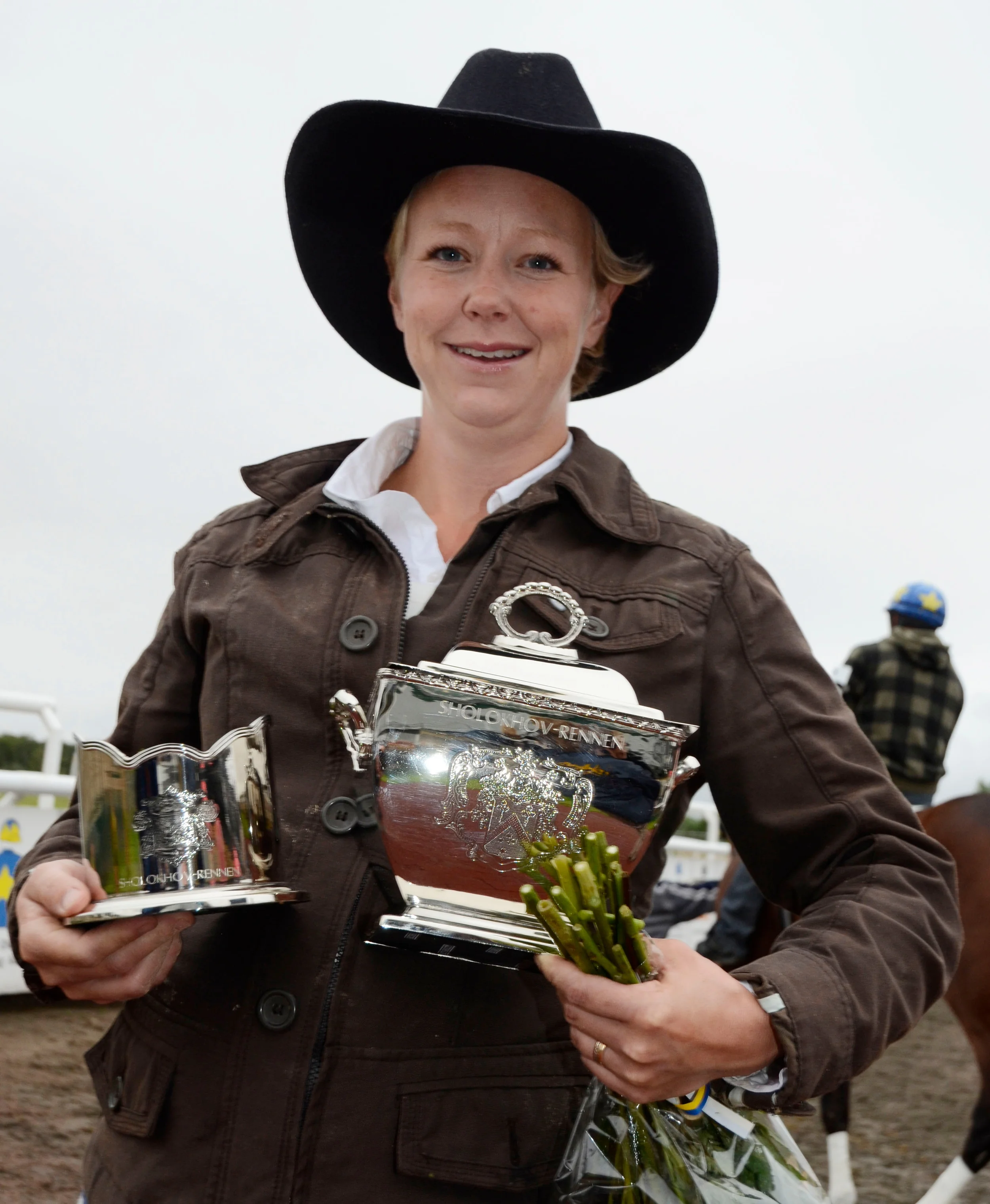
Jessica Long has only been training for five or six years but her pedigree (she is the daughter of Swedish trainer Caroline Stromberg) speaks volumes, with recent victory at Jägerso, with home-bred Berling victorious in the Swedish Open Mile, followed by Volatile’s terrific 3rd place in the Dubai Cornwallis Stakes at Newmarket this October. Both horses were her first British runners, Berling being entered in the Darley Stakes the same day.
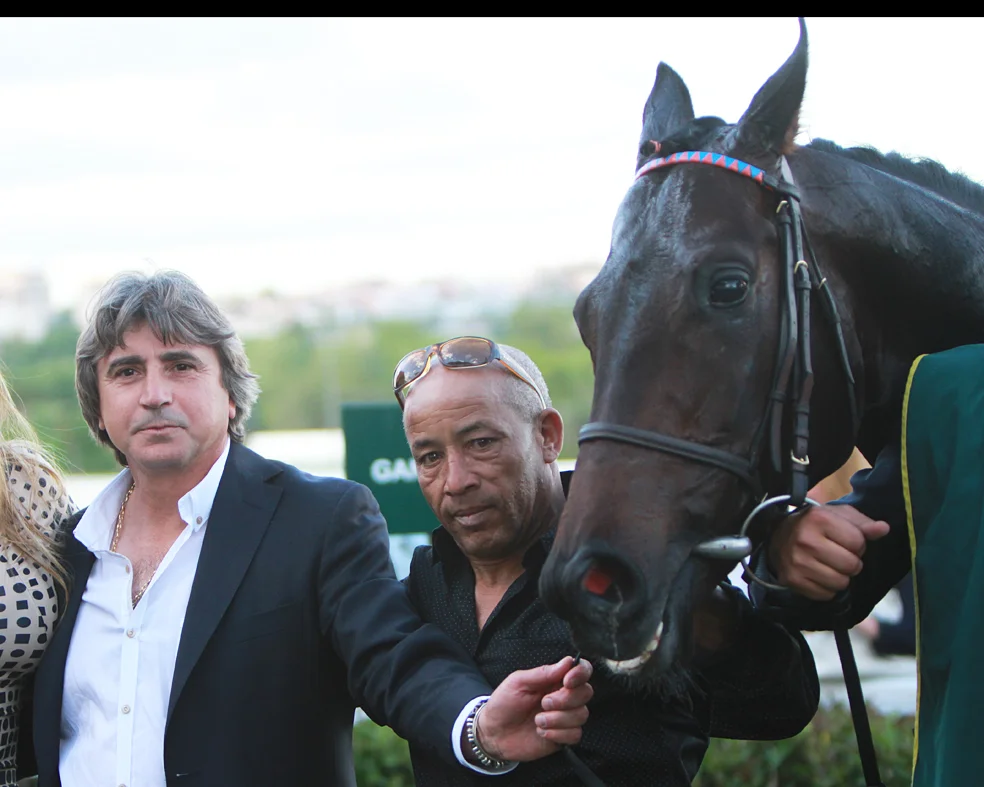
At the close of the autumn season, a packed Hipodromo de la Zarzuela, watched Rodriguez trained Arkaitz triumph in a closely fought Gran Premio Villamejor; a race which saw Ziga make things very difficult for the 3 year old and almost overtake him. However, Triple Crown (Poule, Derby and Villamejor) glory belonged to Arkaitz and Rodriguez.