
by Alan F. Balch
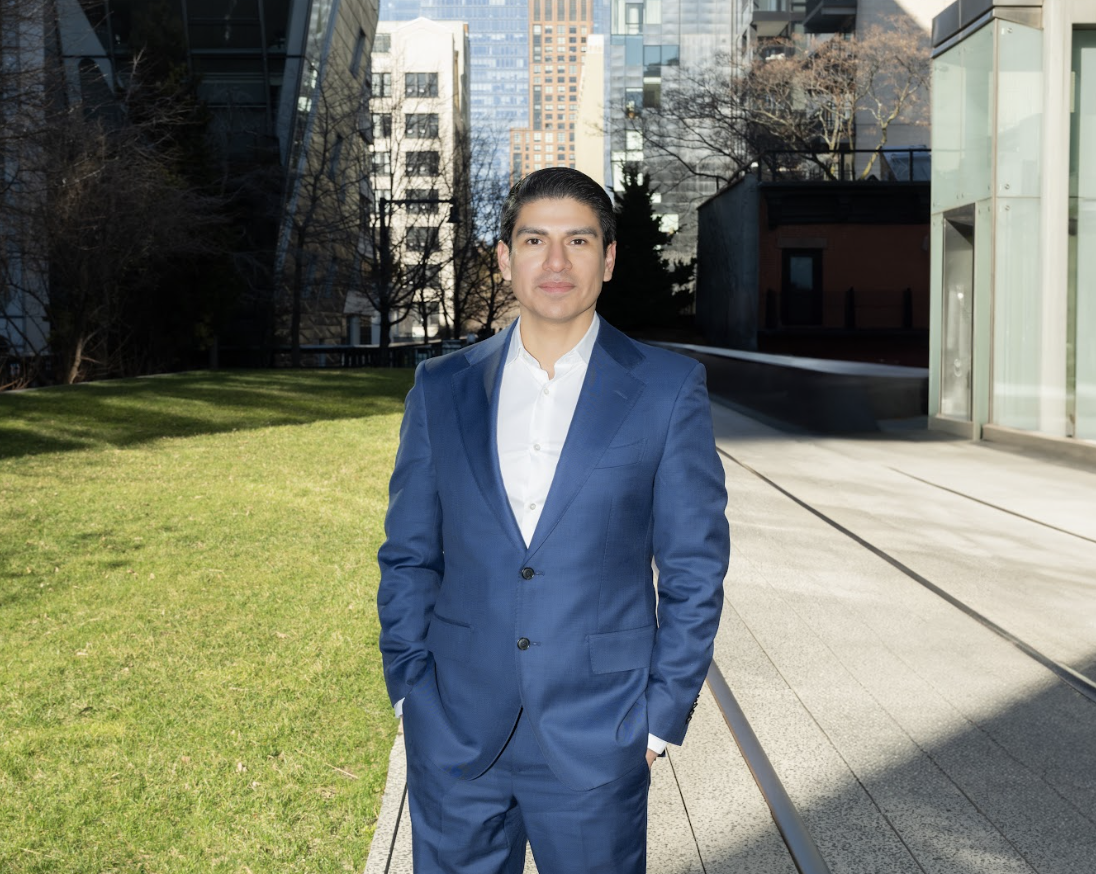
Daniel Inocente
Since the cataclysmal year of 2019, racing’s regulators and stakeholders in California (and several other jurisdictions) have been publicly, privately, and regularly attacked by self-identified animal welfare or “rights” advocates.
They seek to end racing altogether. And, in many instances if not all, to end the use of animals for any kind of human enjoyment (including zoos and even pets, not just circuses). Ditto for fur, leather, and food. I attended a regulatory meeting in Los Angeles back then . . . where a politically appointed commissioner for “Animal Services” advocated that dogs in city shelters only be provided “vegan” food, and declared that “no animal should participate in any activity without first having provided its informed consent.”
Laughable? No.
This year in February, our Racing Board ventured to Arcadia for a public meeting, across the street from Santa Anita. The anti-racing people attended, although not in the large numbers we once saw, and used every agenda opportunity for repetitive, critical (and occasionally erroneous or ill-informed) public comment, urging the end of racing in this state.
I’m one of many who has never missed one of these meetings, in my case for the last 16 years in my present position. It took quite a while for industry representatives, and Racing Board members themselves, to realize the futility of attempting to debate or even discuss the points of view expressed by our critics.
At this particular meeting, however, one prominent owner and breeder from Northern California stood to comment on the particular agenda issue under consideration; but then she ended this way: “. . . the other thing I would like to take the time to say here today is addressing those in the room who are so concerned for animal rights. I would wish that every homeless person, every starving child in this country would get the care, the health care, the nutrition, the shelter, the daily passionate care that these thoroughbred horses receive.”
Loud, sustained applause followed from virtually every racetracker in the audience! We had been waiting years for someone to sum it all up that way, that succinctly, that truthfully.
That truth is so understood, and so fundamental to the very existence of racing as an enterprise and sport, that it far too often goes without saying. Not just saying, but proclaiming.
And just who is primarily responsible for that all-encompassing, passionate care at the track? The backstretch community, and all those who not just belong to it, but who support it, employ it, provide its physical components, and care for all its members.
Way back in October 1991, the late American Pillar of the Turf and then editor-in-chief of The Blood-Horse, wrote his landmark essay, “The ‘Without Us’ Syndrome.” He chastised those of us in racing who all too frequently were tempted to say, or did say, that “without us, there would be no game.” Not only was that opinion self-destructive, but when expressed it “unmasks a basic inability to grasp the interdependence of various segments” of racing which rely on each other for the sport’s and industry’s success. And even existence.
It’s in my own mind these days because I’m coming close to having spent as much time in my current professional position advocating for the interests of the backstretch community as I earlier did for various managements and regulatory segments. In short, I’ve lived the critical interdependence of racing for over half a century. I’ve heard that “without us” comment more times than I would like to admit. And, honestly, I’ve thought it myself on occasion.
Lately, I’ve been struck by the contrast between some significant new attention to the backstretch communities across the nation, particularly in terms of meal programs and recreation, as well as health and welfare investments and organizations; however, it must be said, track living and sanitary conditions continue to be embarrassments to the sport almost everywhere.
For the most part, especially at major tracks, the backstretch workers are principally responsible for turning out their horses for exercise and especially on race day in absolutely immaculate style, whether or not there are monetary rewards for “best turned out” in a race. That same community is also responsible for keeping the living conditions of their horses at the highest possible standards, around the clock: safety, medical care, clean bedding, water, feed, nutrition.
Therefore, the horses are often treated better by their caretakers than are the caretakers themselves by track managements! Is it any wonder, then, that some on the backstretch can’t resist the all-too-human temptation to disrespect their physical surroundings?
Throughout both the racing and non-racing horse care communities, to the contrary, I’ve always sensed their deep, respectful appreciation for the opportunities presented to those who capitalize on them, including and especially outside the sport. California’s Edwin J. Gregson Foundation, named for the late Kentucky Derby winner and headed now by Breeders’ Cup-winning trainer Jenine Sahadi, is an opportunity showcase. Since 2000, nearly a thousand scholarship grants have been distributed to children of backstretch parents, to facilitate college-bound students in their pursuit of higher education, as well as expanding backstretch educational and recreational programs.
Daniel Inocente is one exemplar of the program. His late father was an exercise rider for trainer John Gosden. In the last two decades, his Gregson-stimulated career has taken him all over the world, originally in architecture . . . and has spanned concert halls and museums, the Mars Rover for the Jet Propulsion Laboratory, and Dubai skyscrapers.
I’ve always believed that the racetrack mirrors the world at large – the risks to and potential rewards for all, from the humble to the exalted. Resting on its foundation, the inclusive community that cares for the horses.