Welfare
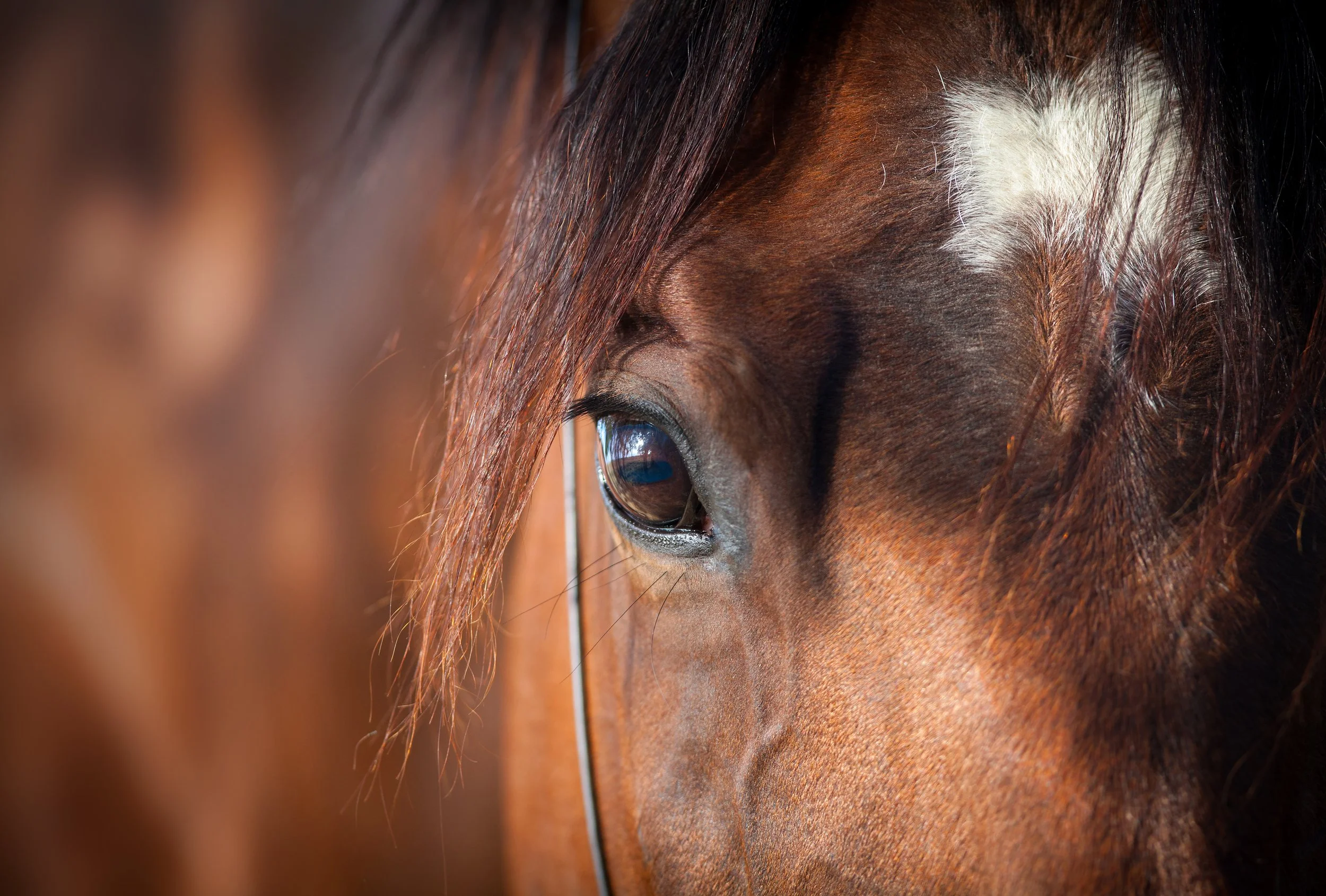
In a performance-driven environment such as racing, unwanted behaviour is rarely viewed in isolation. A horse that becomes difficult to tack up, reluctant to enter the stalls, defensive around handling, unusually reactive during routine exercise or inconsistent in its work is often assessed through a familiar framework: temperament, training, attitude, experience or management. Sometimes that assessment is entirely correct. Some horses are naturally sharper than others, some are immature, and some simply take longer to learn what is being asked of them.
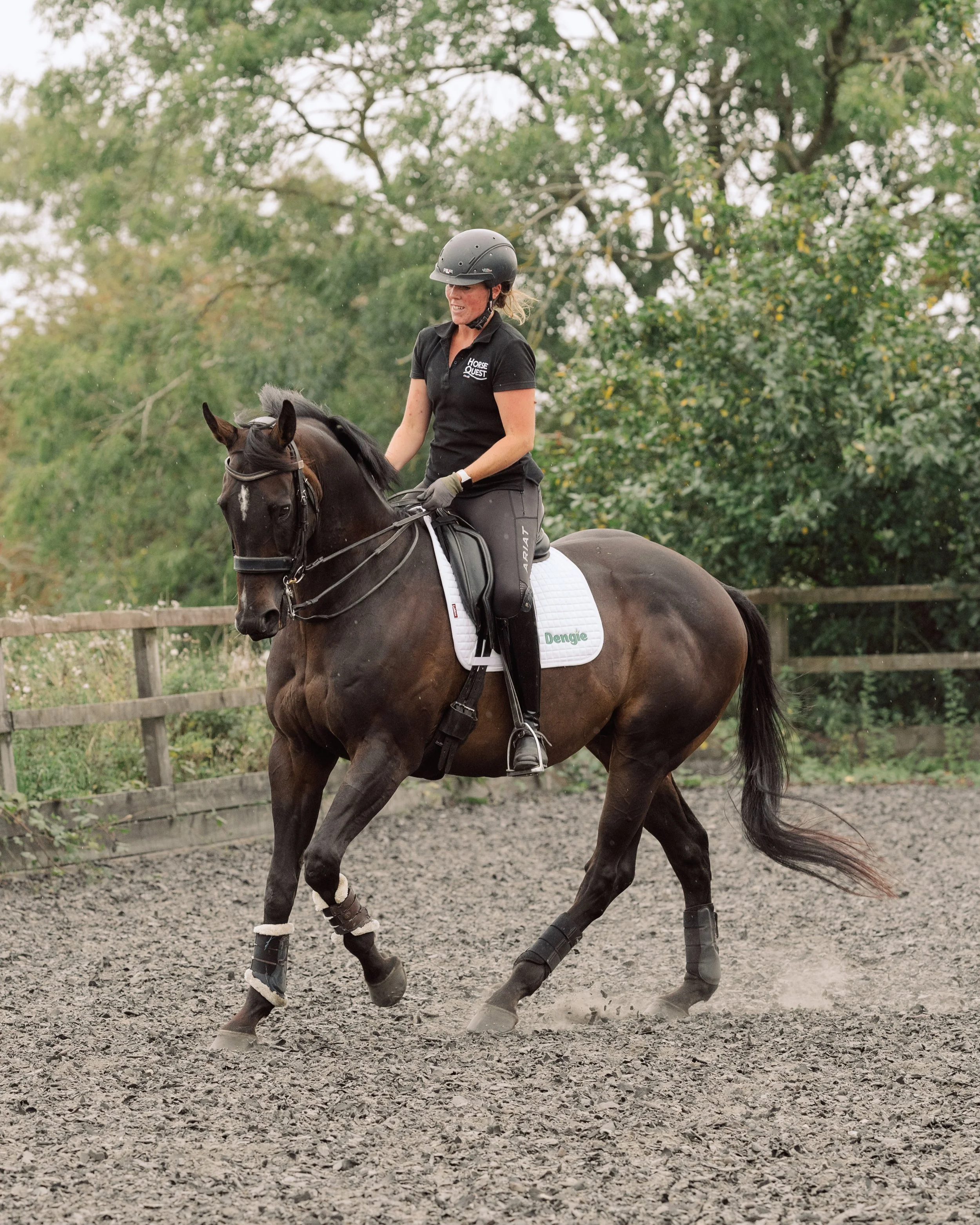
There is little doubt that, in the discourse on aftercare, the volume is, slowly but surely, being turned up.
The International Forum for the Aftercare of Racehorses (IFAR), an organisation of just 10 years’ standing, whose mission it is to advocate for lifetime care for retired racehorses, and to raise awareness of and encourage best practice in their aftercare, recently introduced a membership and supporter scheme.
Already, its website boasts no fewer than 42 member organisations and 50 supporters worldwide in a list that is ever growing. In May, in Newmarket, the Jockey Club hosted a seminar focussing on preparing racehorses for retirement and retraining.