
Profiles
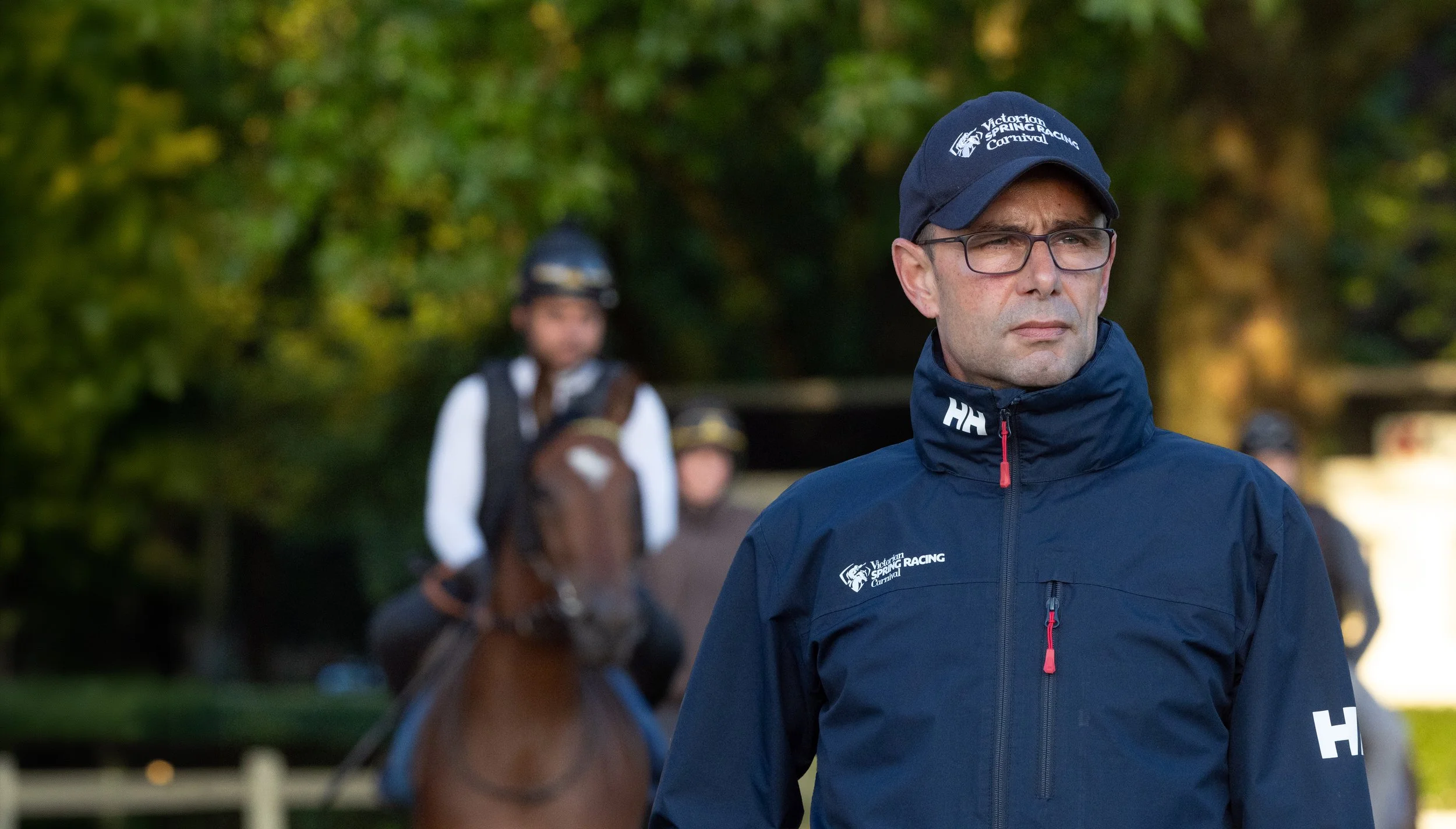
It took one horse - compact in stature but big, big in character - to catapult Weiss into the top trainer ranks. His career had been steady up to that point, and he did display the one virtue essential to his training approach: patience.
Now firmly established as one of the go-to German handlers, his composed demeanour hides fierce competition and a deep passion. A lot meets the eye when it comes to Marcel Weiss - he was in fact nicknamed ‘the Englishman’ due to his flat cap and his smart riding attire - but that tells only half the story. England is well known for its north-south divide, and it is an open secret that Germany is still very much divided into east and west. Society may be a step ahead, but things take a bit longer in racing - a lot of things move very slowly in German racing - and certain tracks are still referred to as ‘east’.
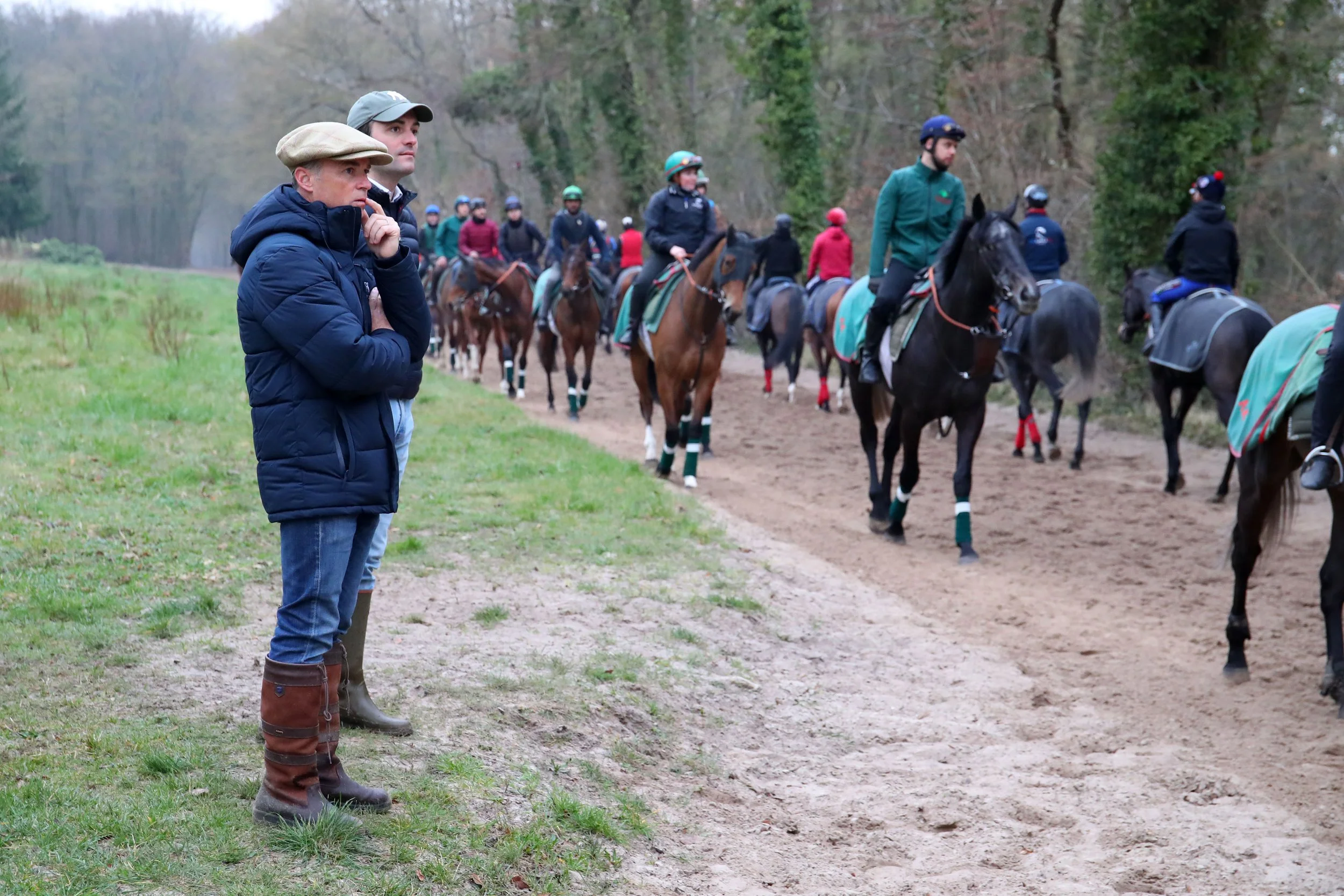
"Hasn't everyone seen and heard enough of me recently?" After a headline season which saw him set a new record for the number of Group 1 winners in a year by a French handler and a first title in the national trainers' championship, the 48-year-old is aware that the name "Graffard" has been among the most cited in the racing press over the past 12 months.
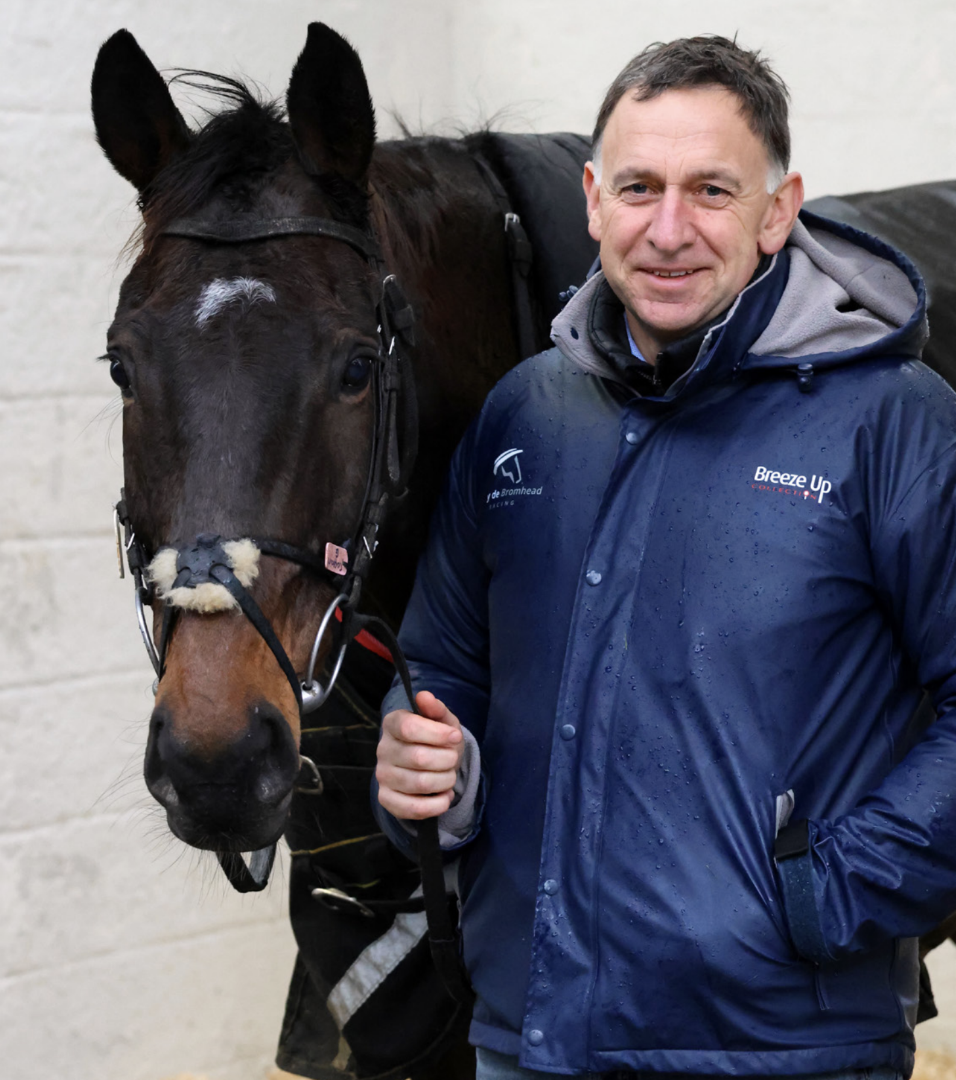
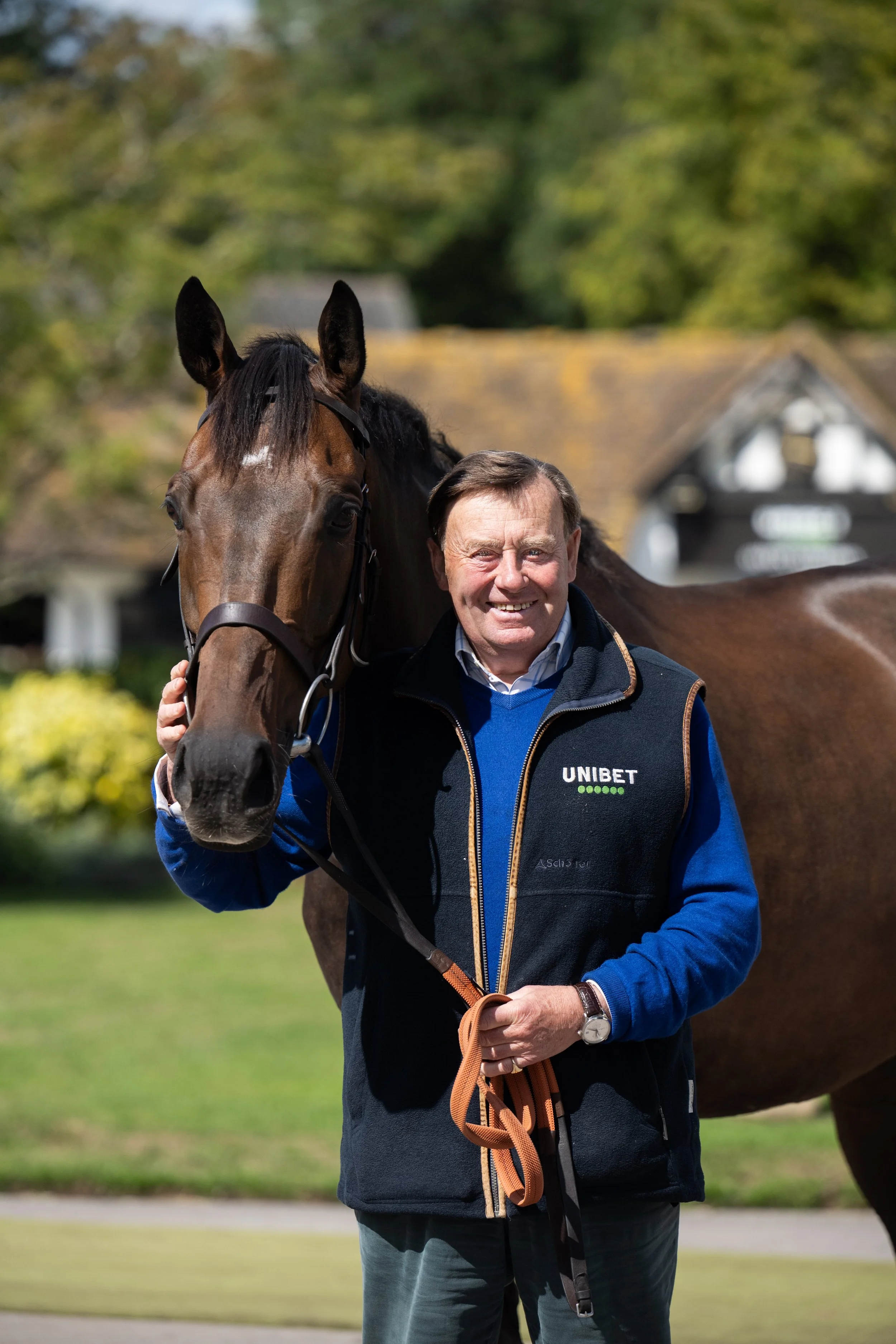
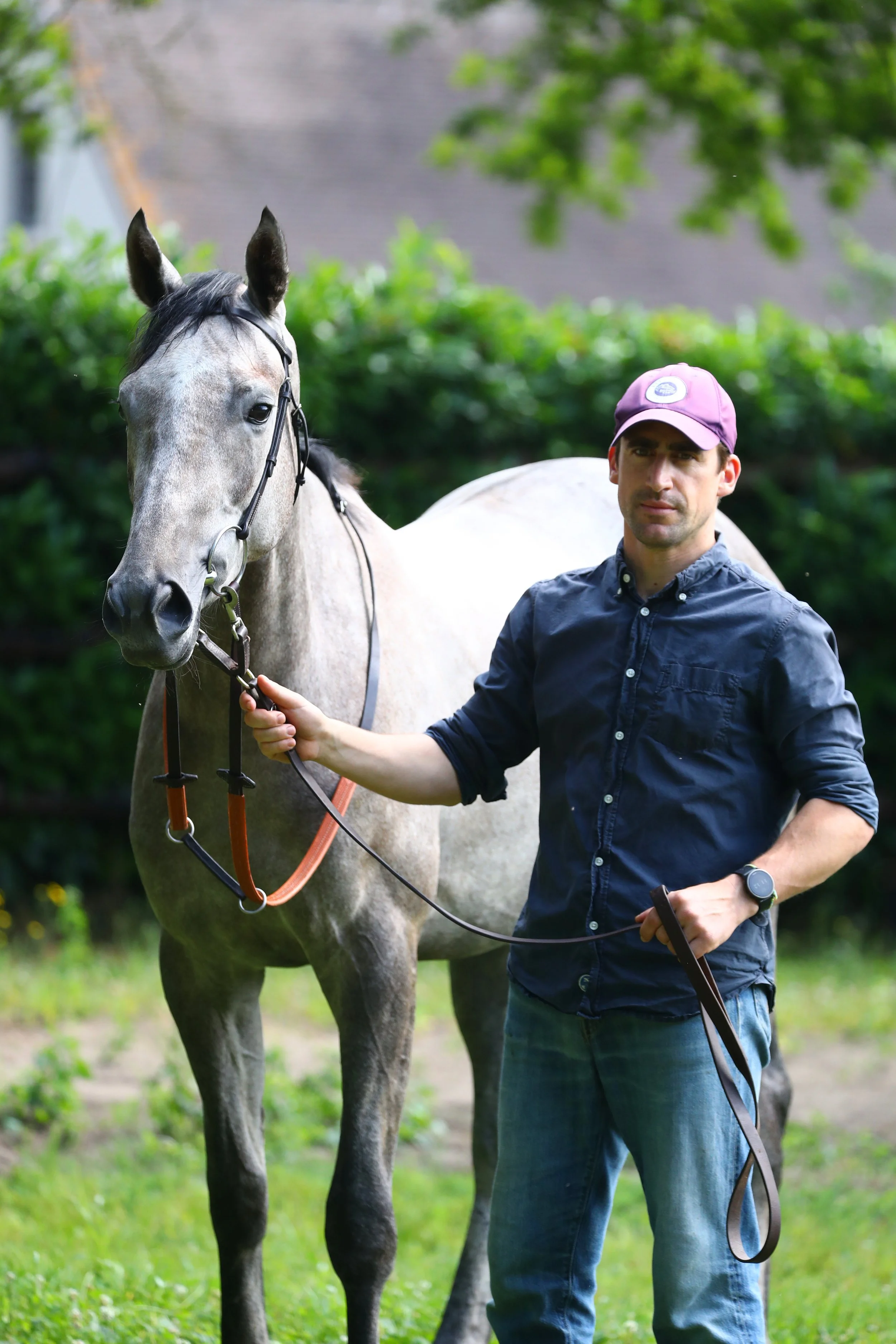


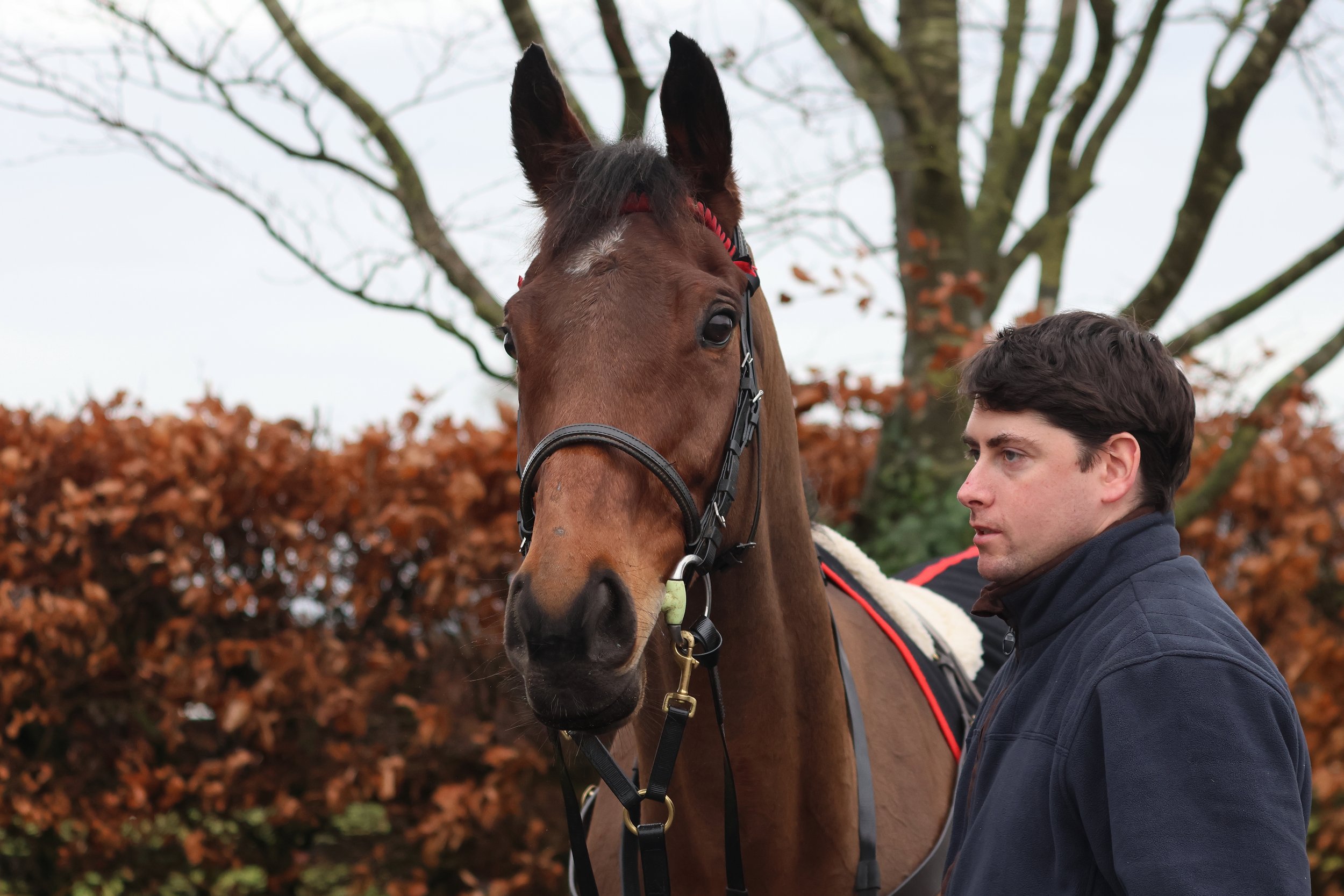
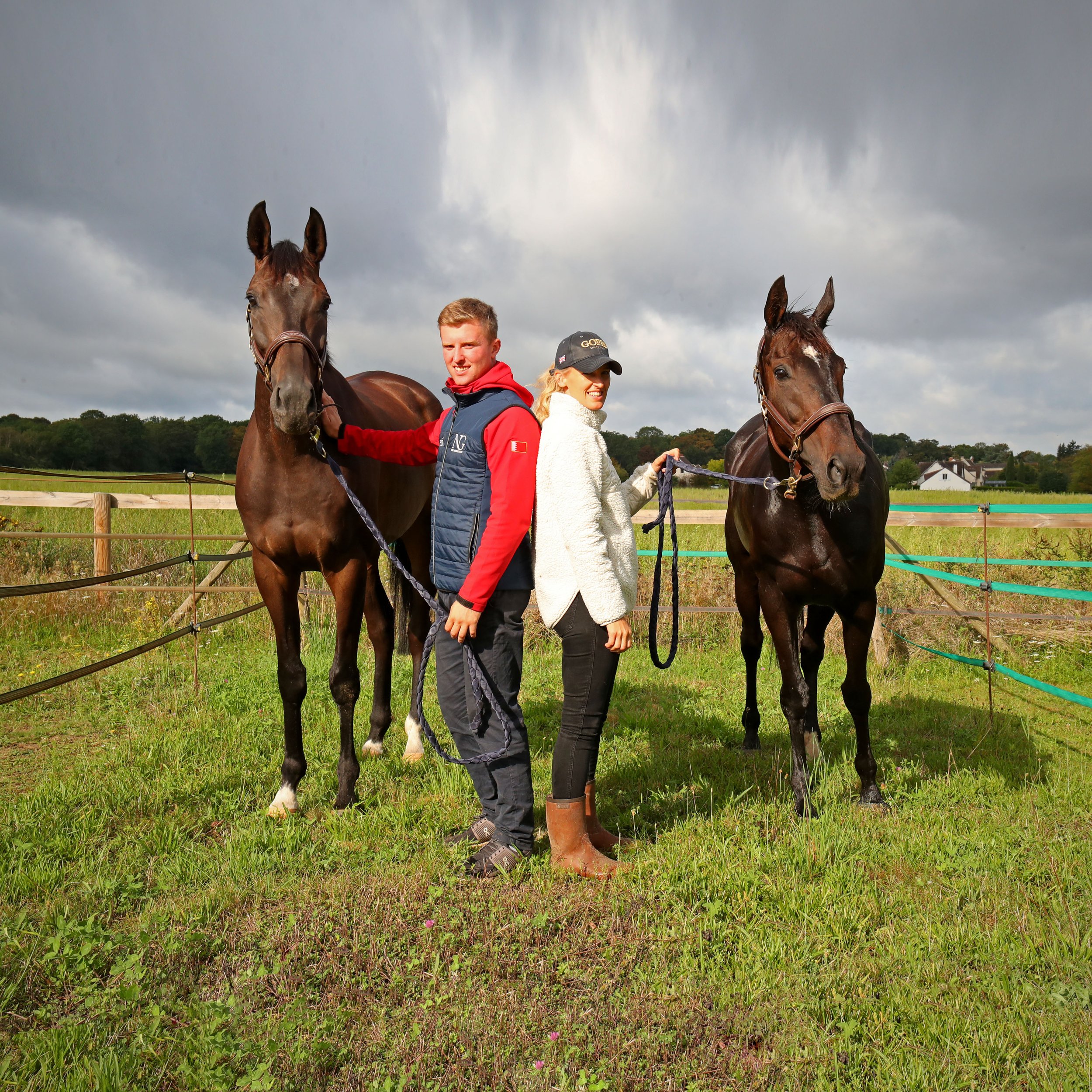
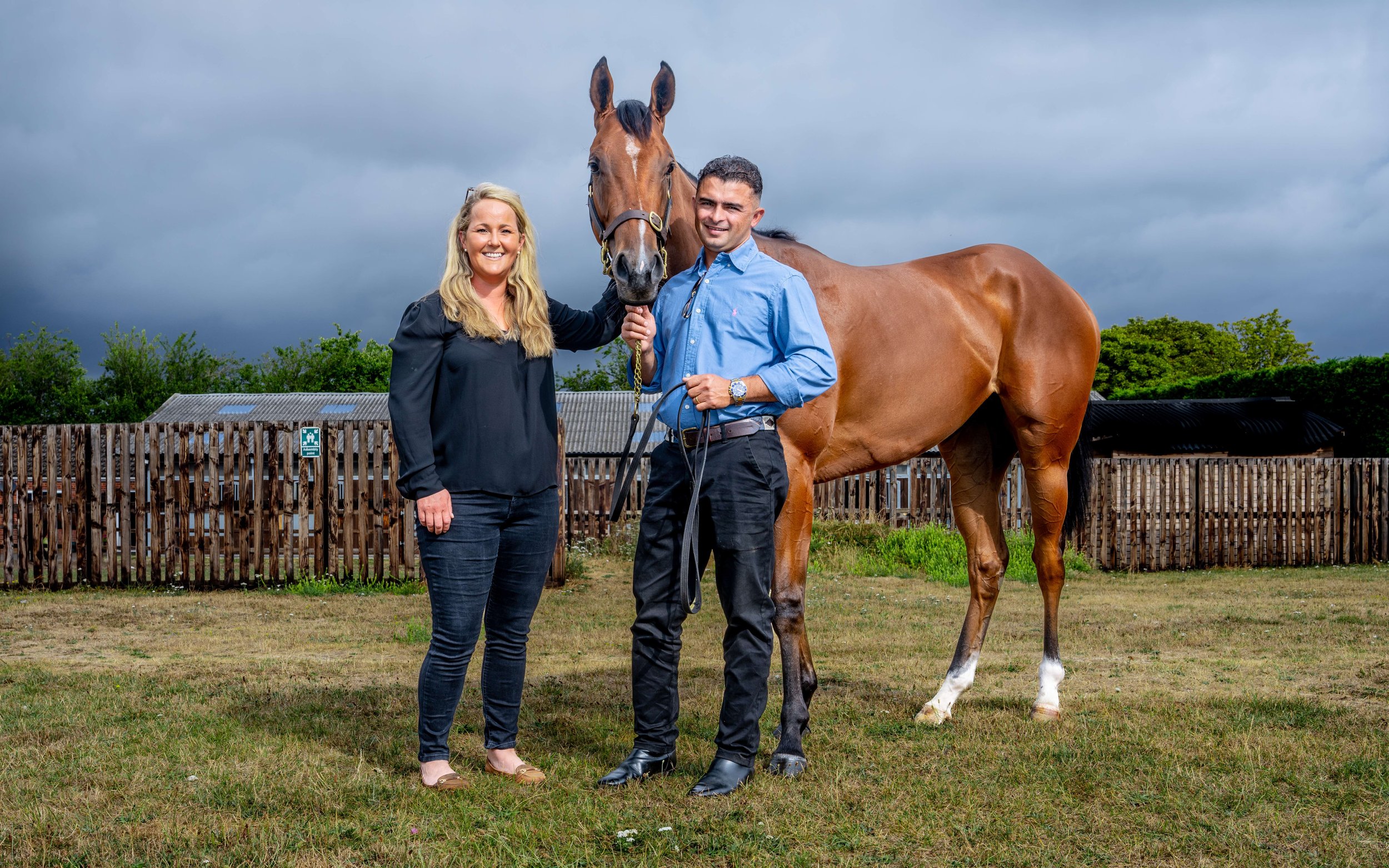
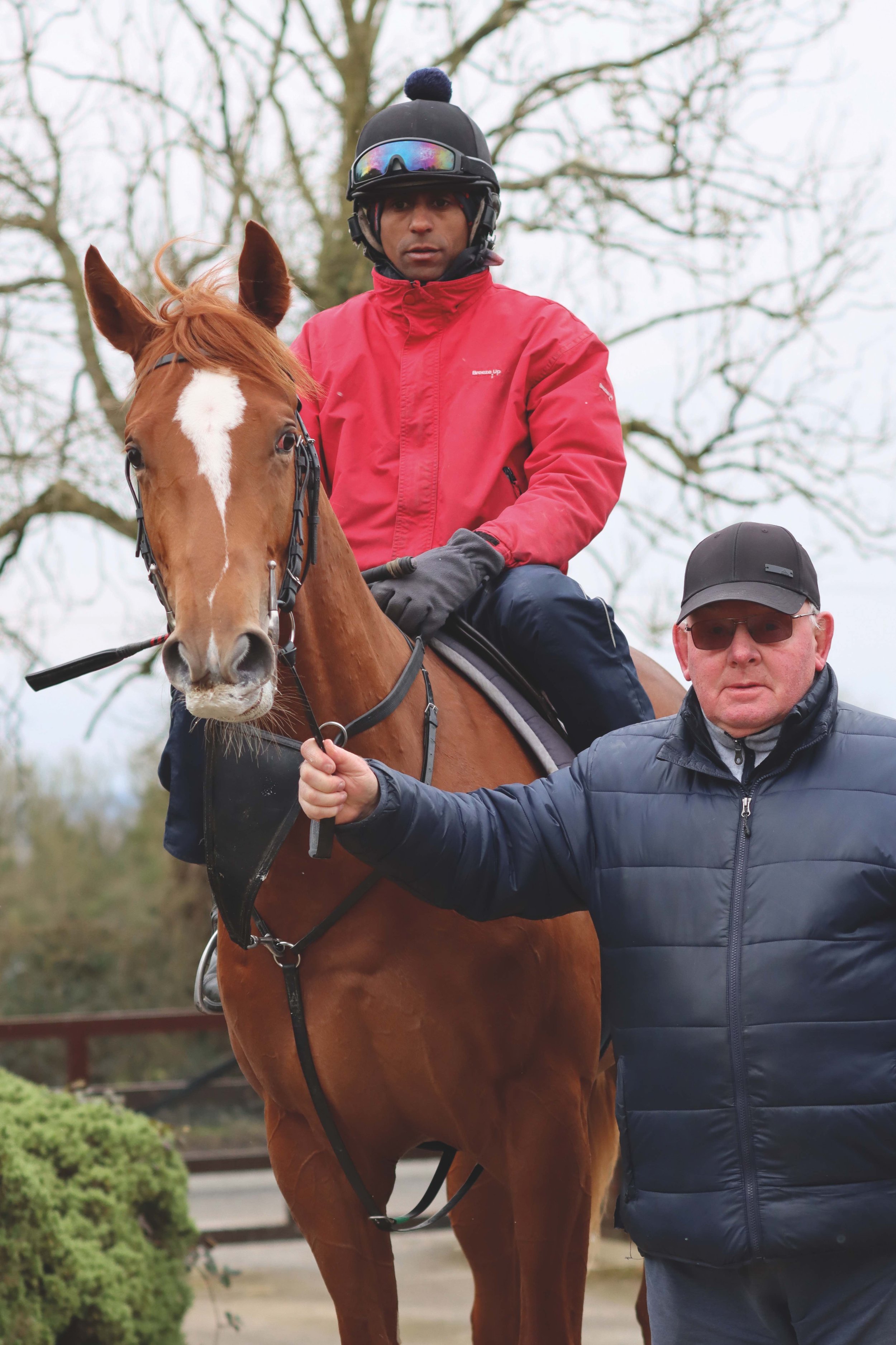

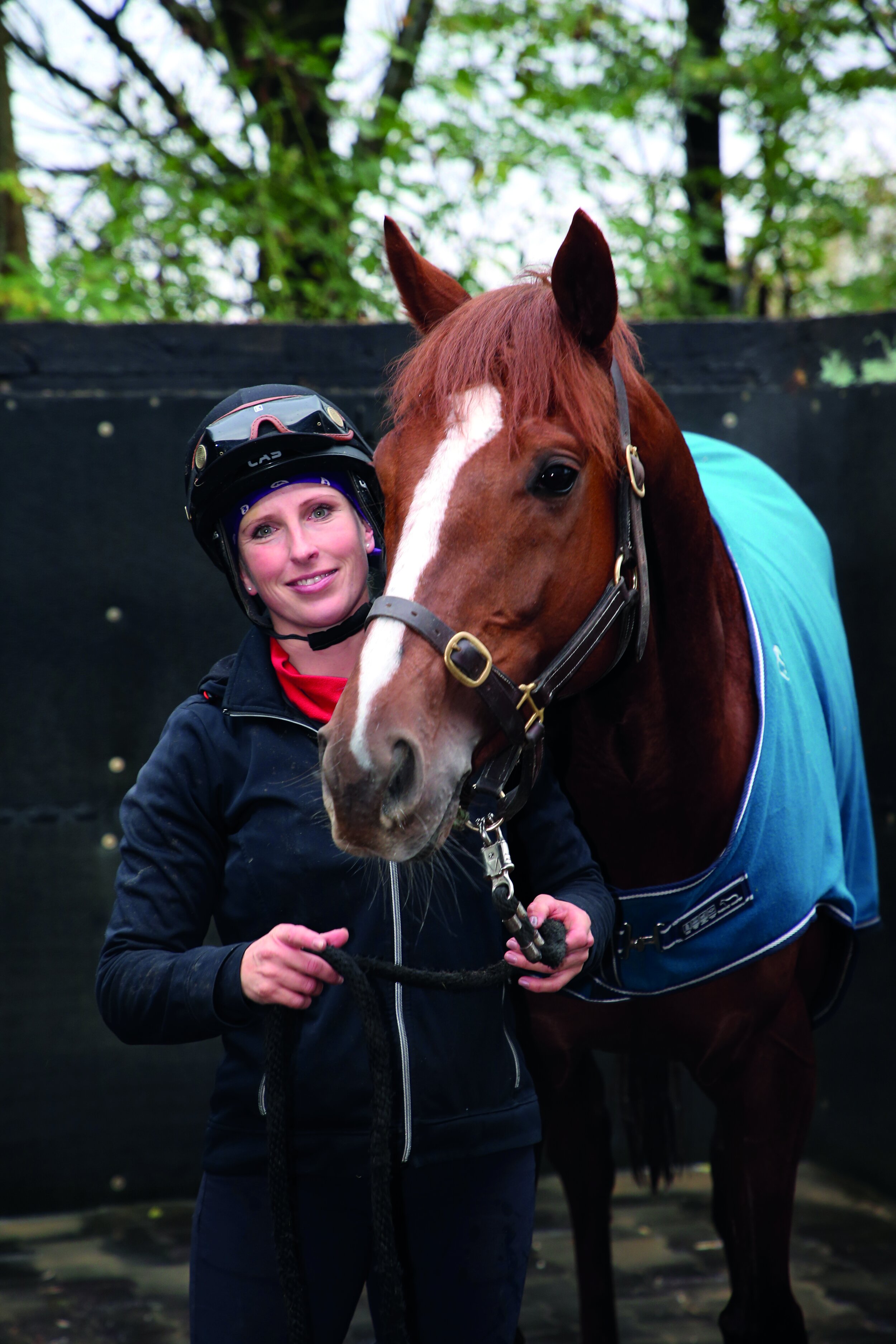

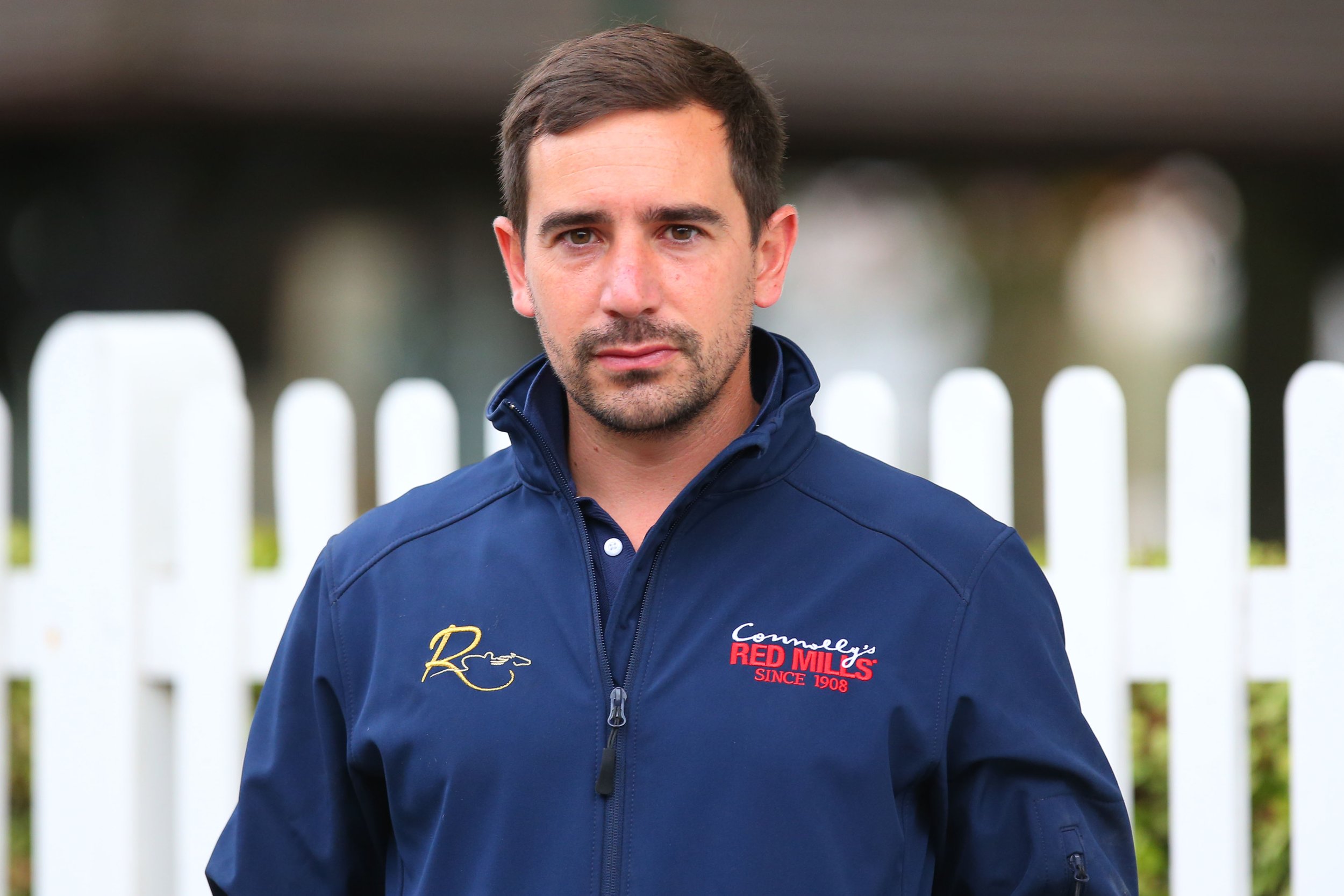


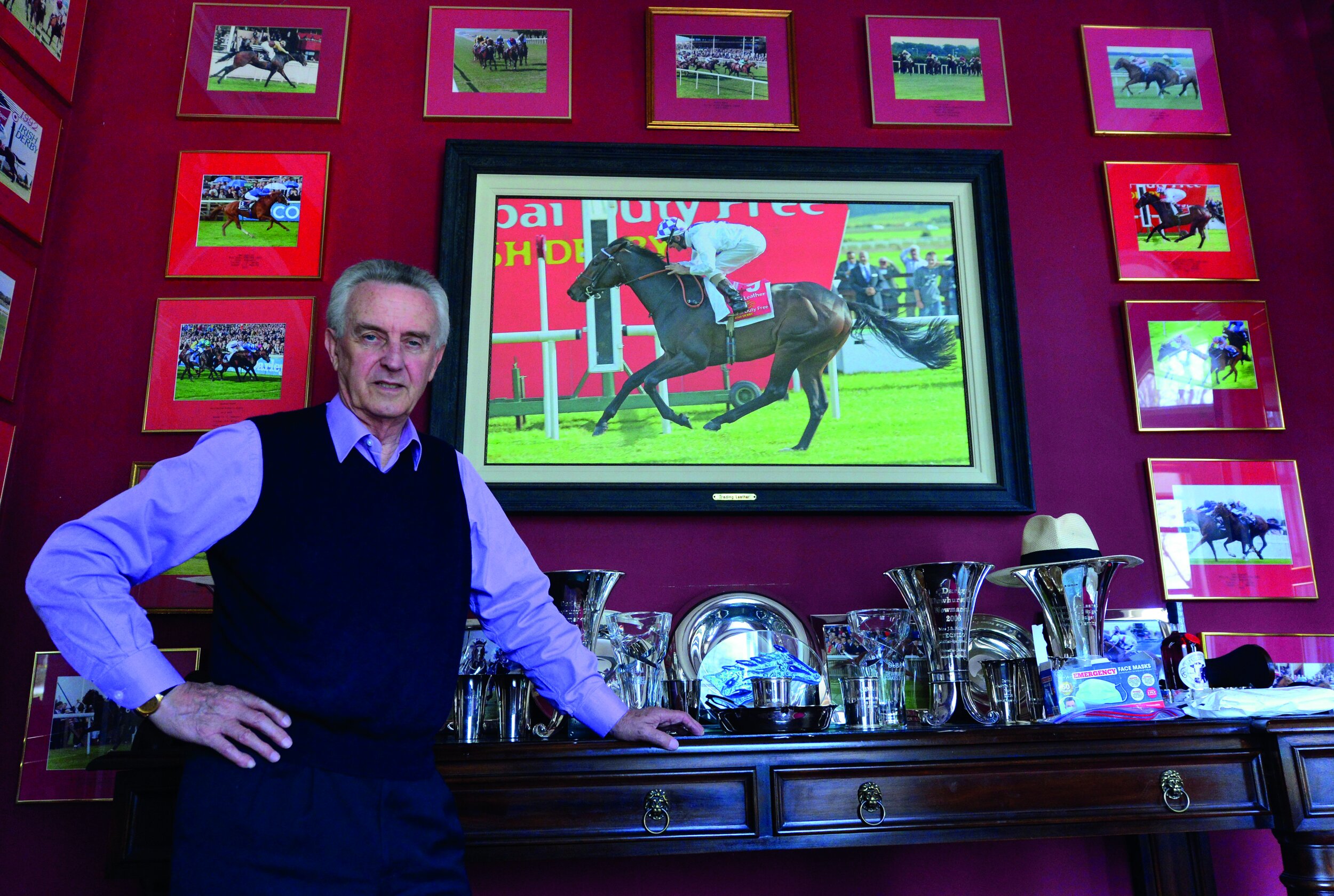


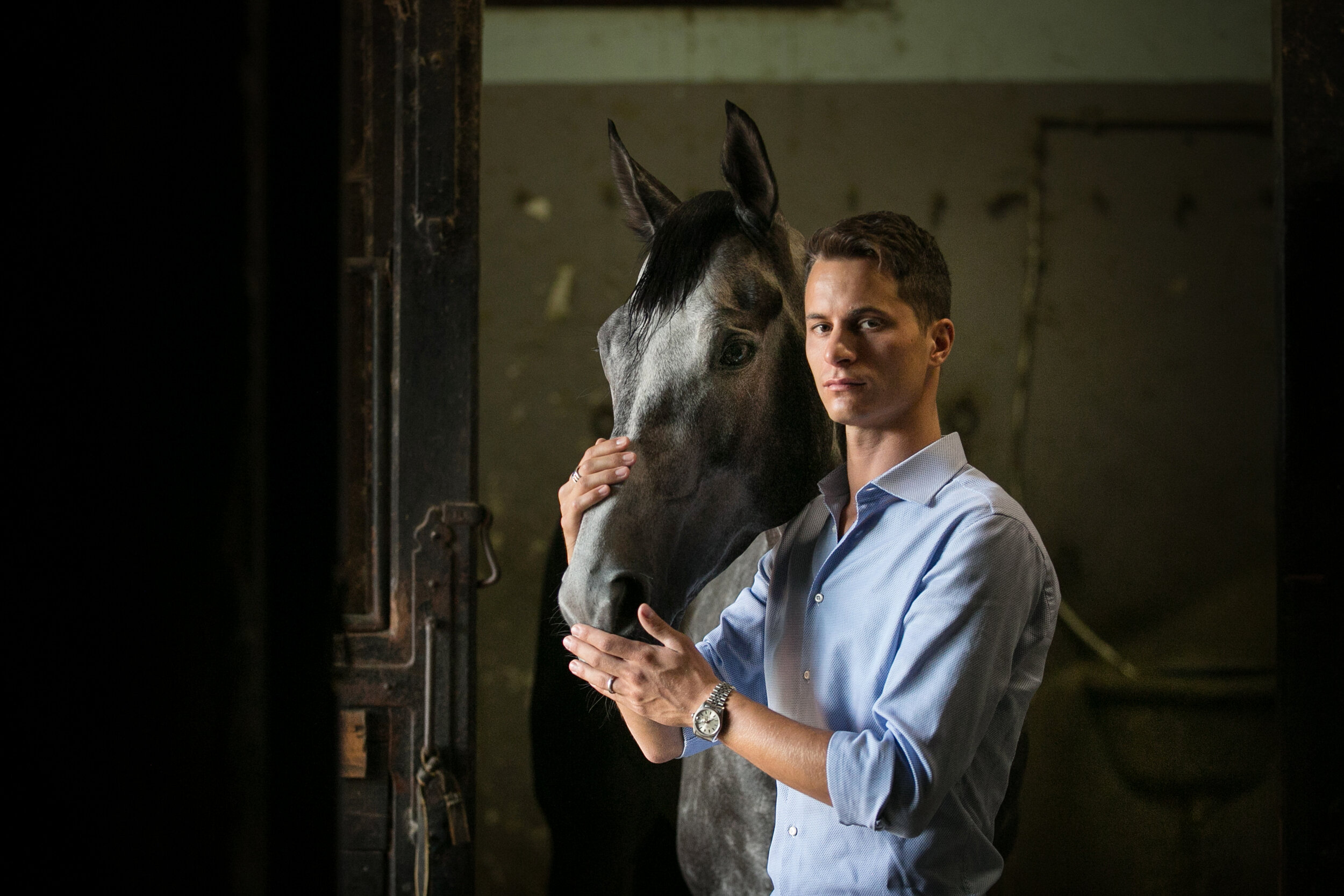


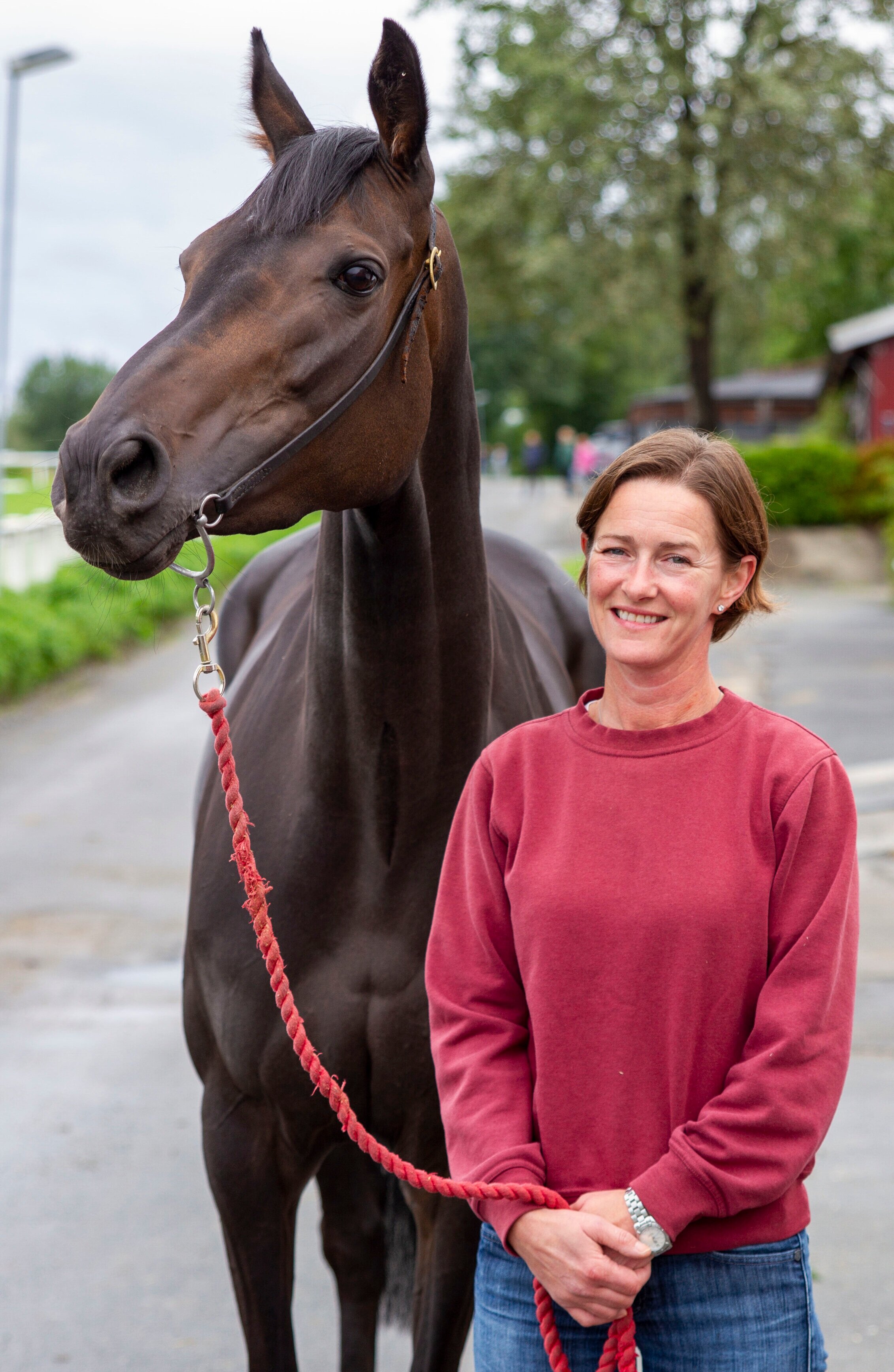


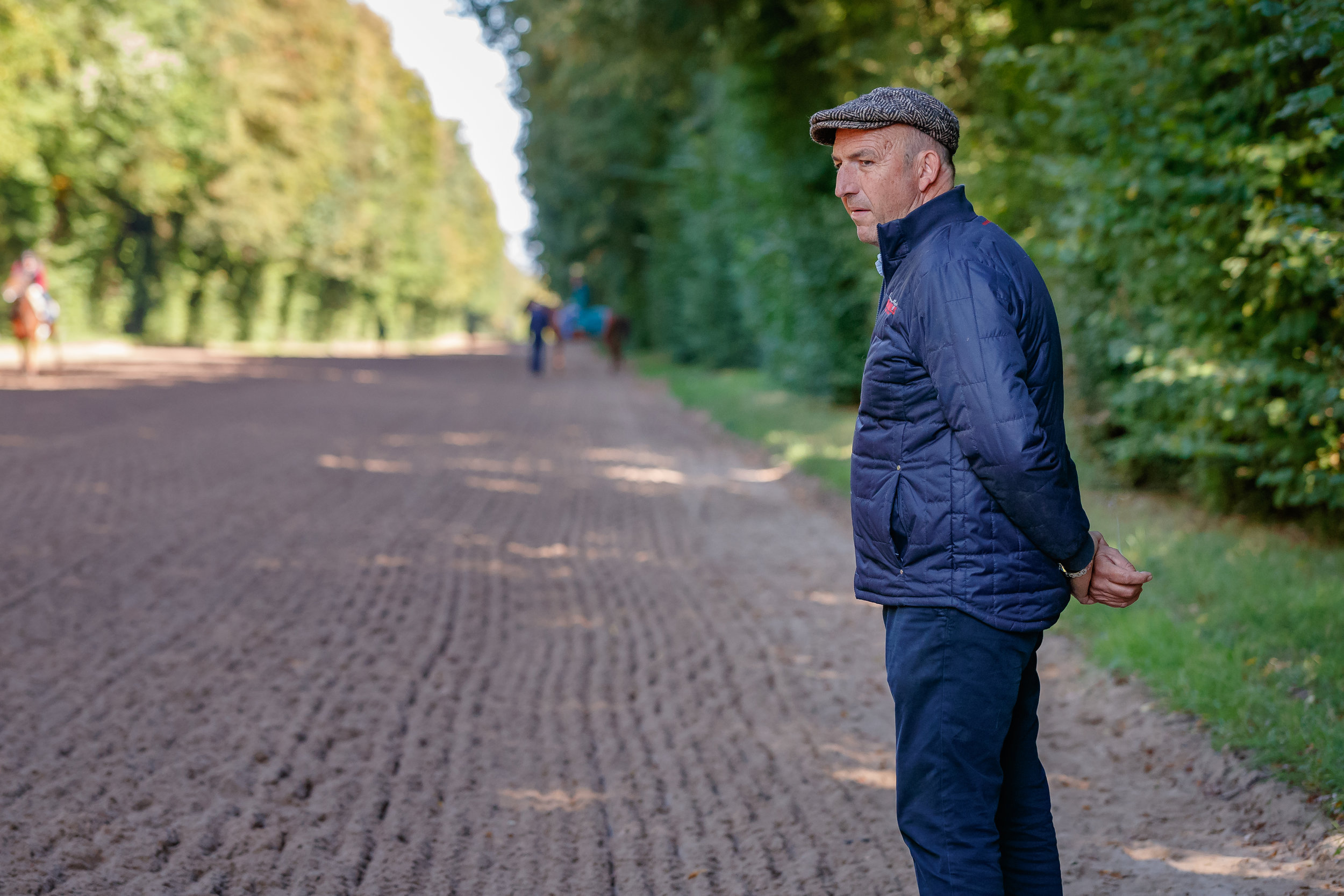


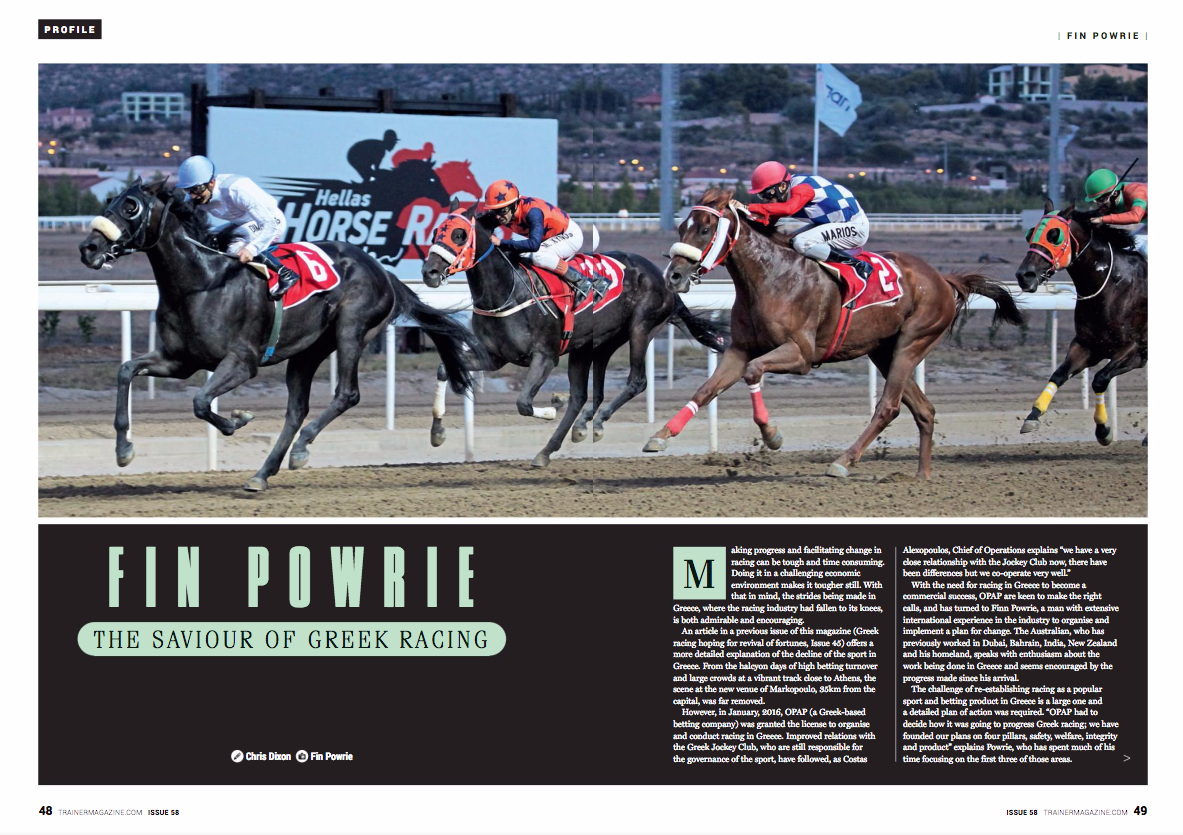


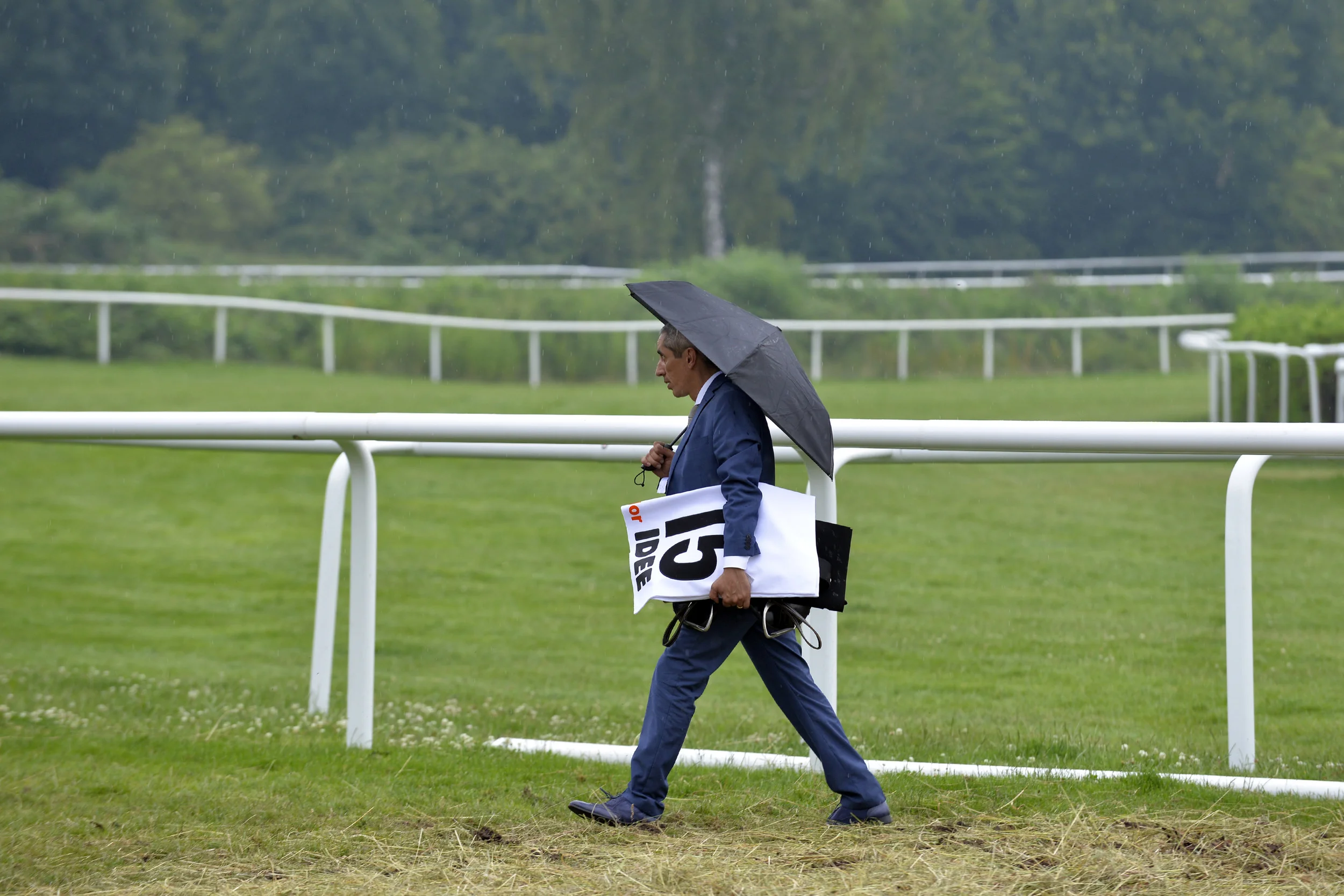
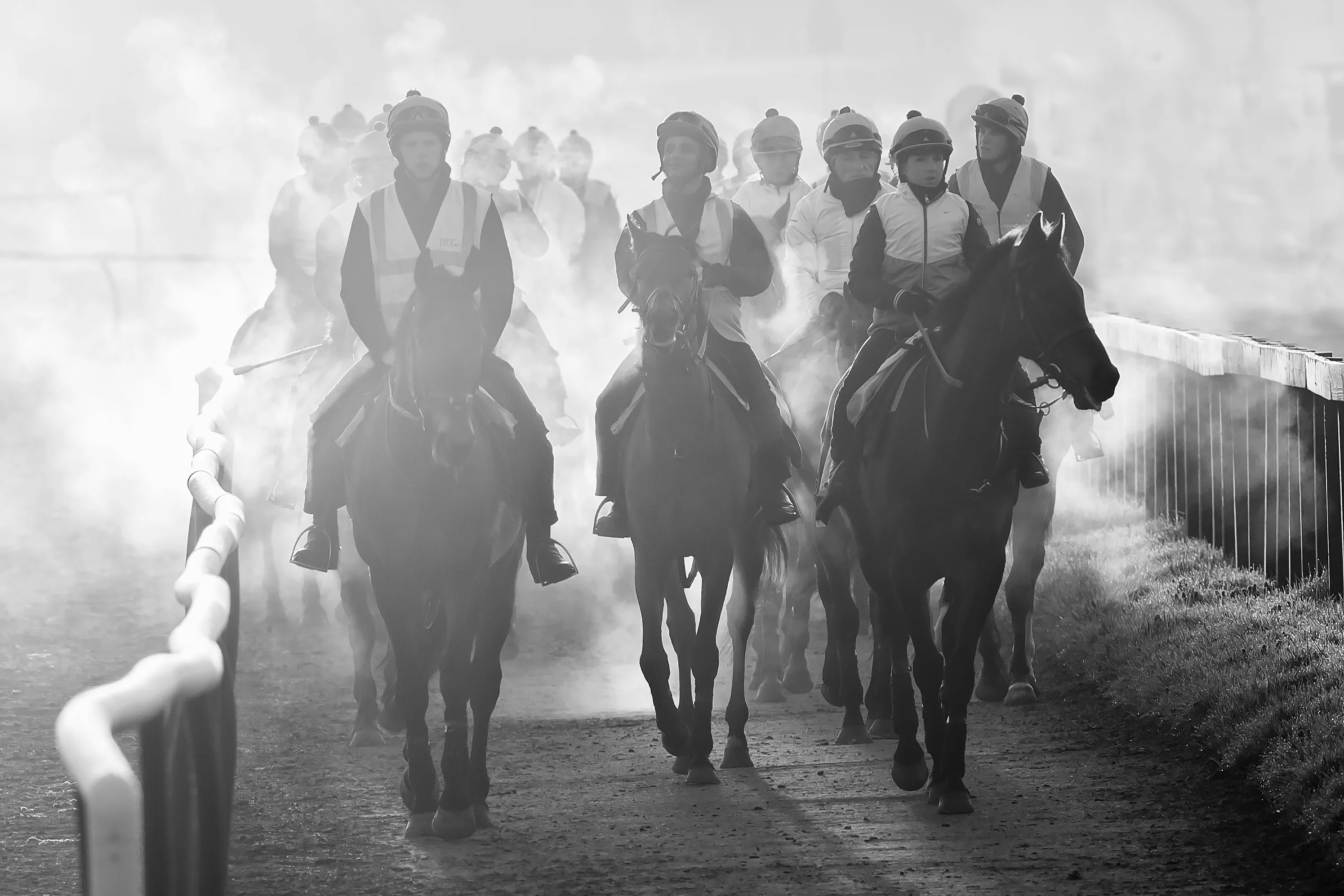
Of Ed Dunlop’s 24 Group or Grade 1 winners, all but seven have taken place outside Britain. Among current trainers, he is the leading exponent of the art of travelling that most delicate animal – the fit, primed racehorse – round the world and returning home with a suitably large cheque.
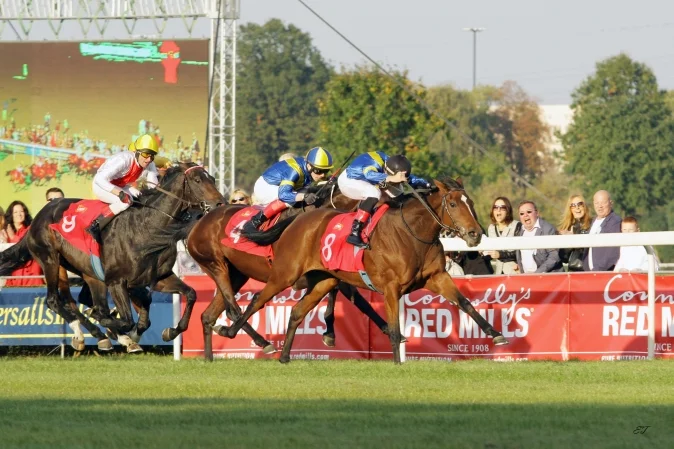
Andrzej Walicki is an exceptional personage of the Polish turf. Although he isn't the only active horse trainer in Poland with close to a 50-year tenure, the successes of his charges make him the best Polish trainer since World War II, if not in the entire history of Polish horseracing.
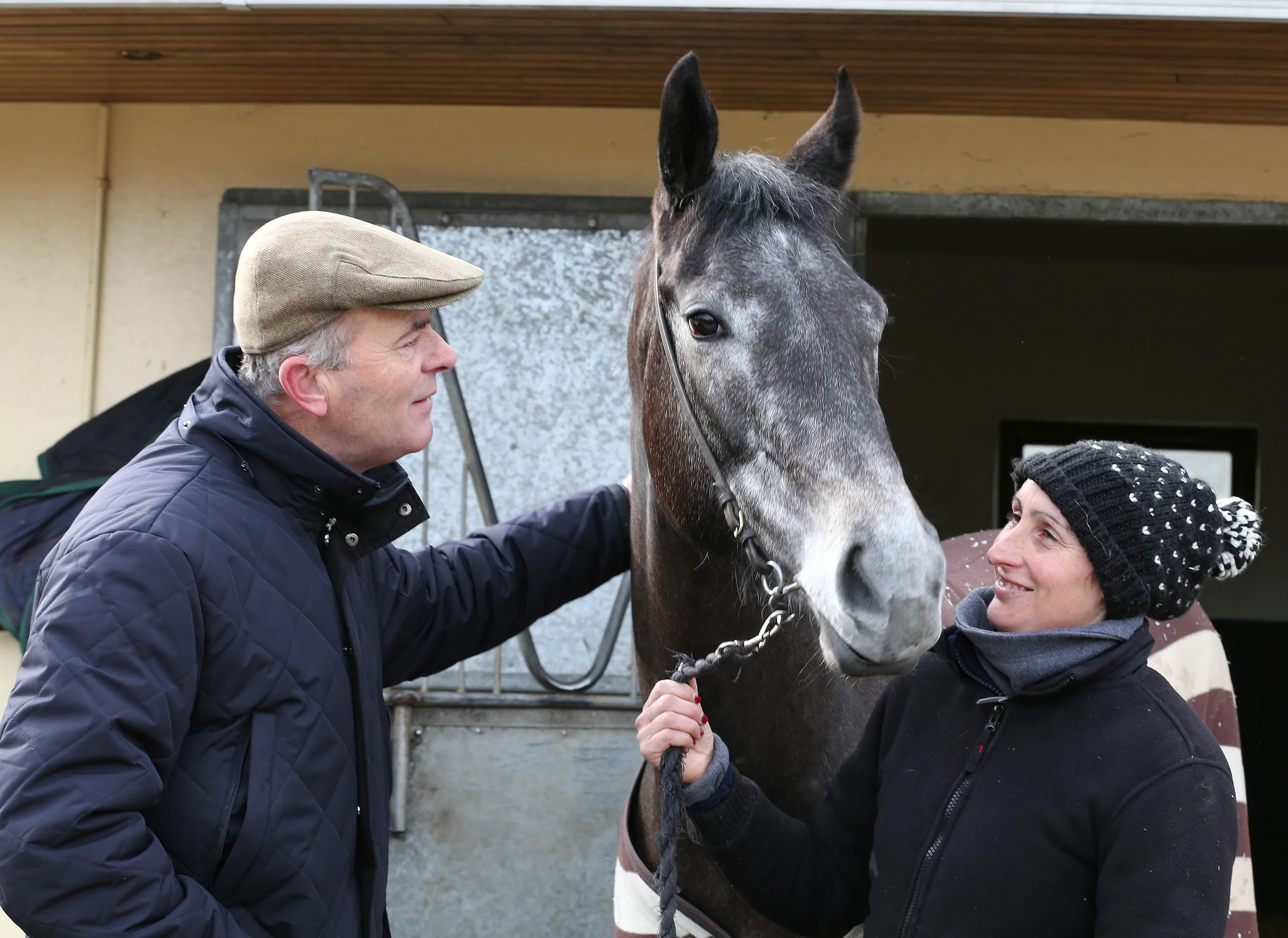
The Eddie Lynam story appears to be one of overnight success, but like all overnight success stories, it was 30 years in the making. His story illustrates how tough things really are for most trainers, while highlighting why it is that they persevere. Success hinges on the right horse coming along and, for Lynam, they’re now coming along in their droves.
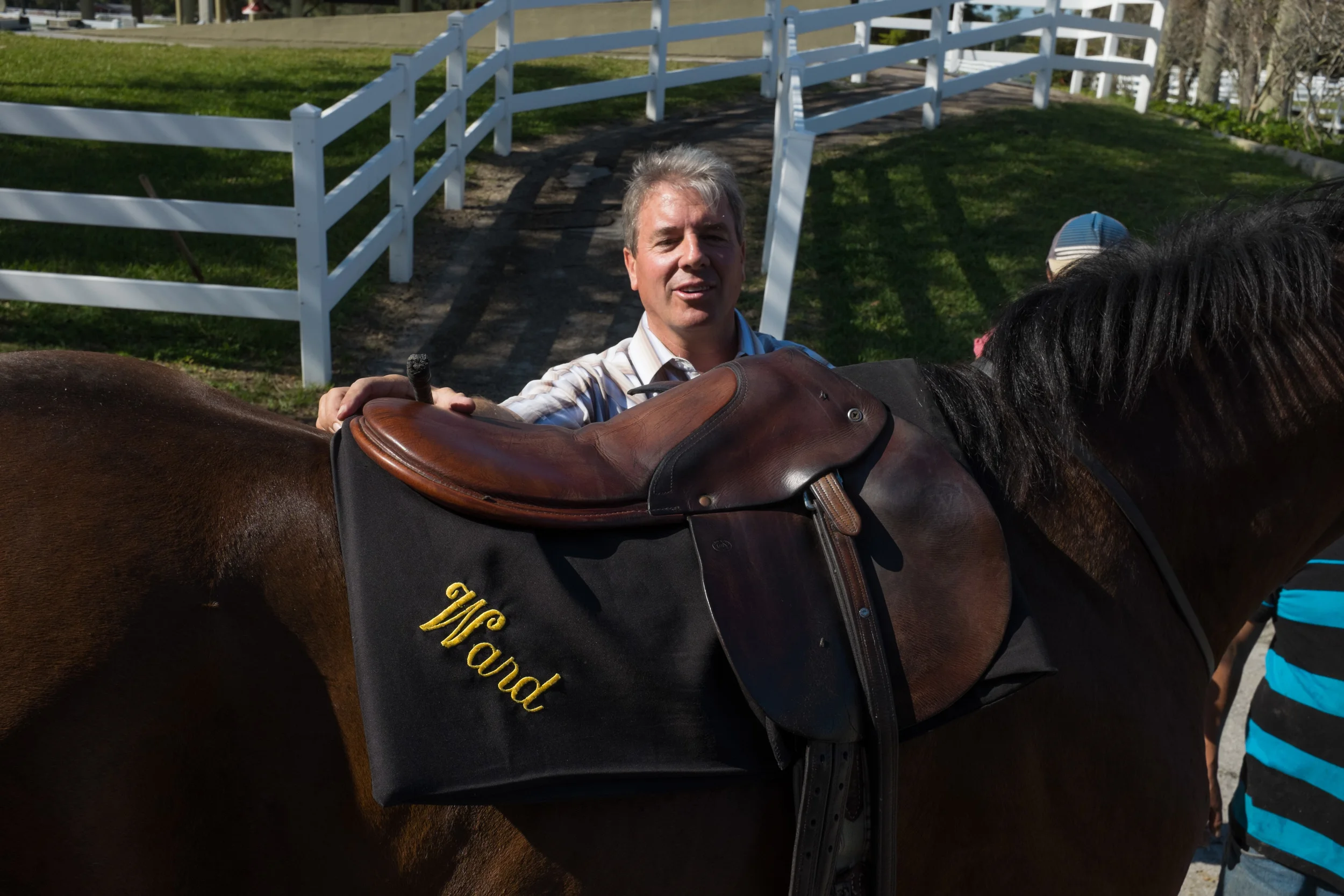
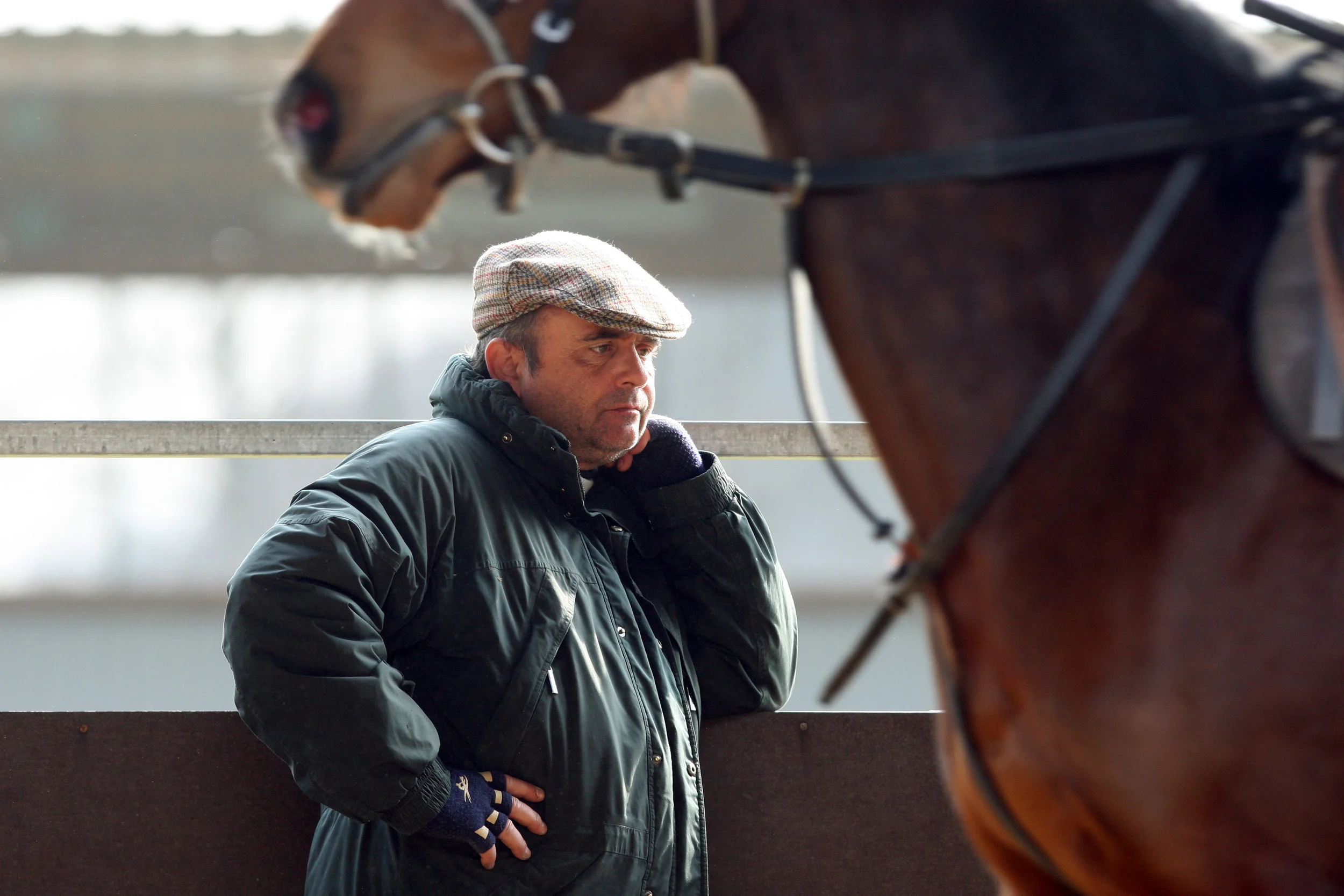
Top German trainer Andreas Wöhler first featured in these columns ten years ago, but his career has reached such new heights with his victories in two of the world´s most iconic races—Ascot´s King George VI and Queen Elizabeth Stakes in July 2013 with Novellist, and the Melbourne Cup in November 2014 with Protectionist—that he is certainly worth a second look now.
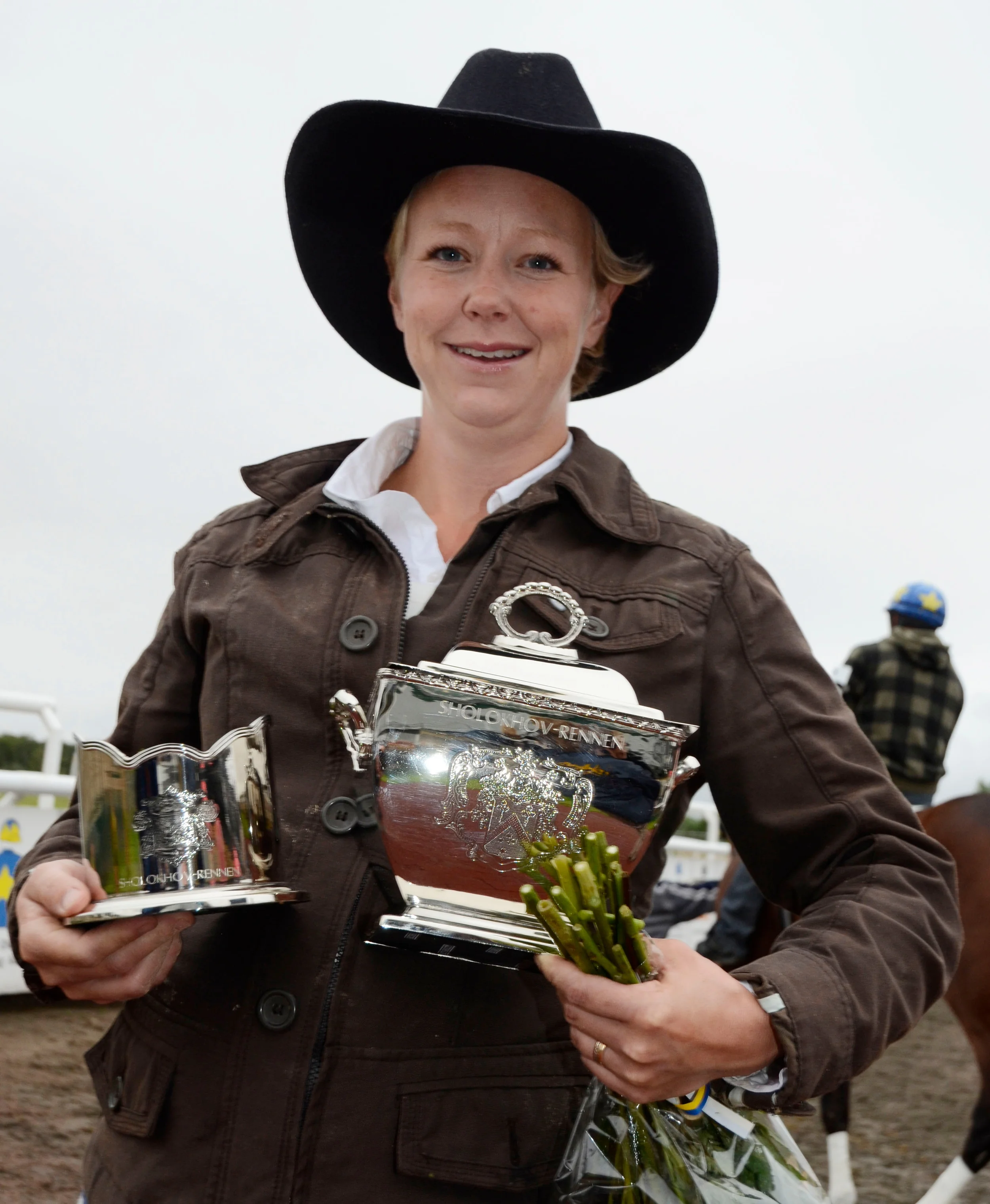
Jessica Long has only been training for five or six years but her pedigree (she is the daughter of Swedish trainer Caroline Stromberg) speaks volumes, with recent victory at Jägerso, with home-bred Berling victorious in the Swedish Open Mile, followed by Volatile’s terrific 3rd place in the Dubai Cornwallis Stakes at Newmarket this October. Both horses were her first British runners, Berling being entered in the Darley Stakes the same day.
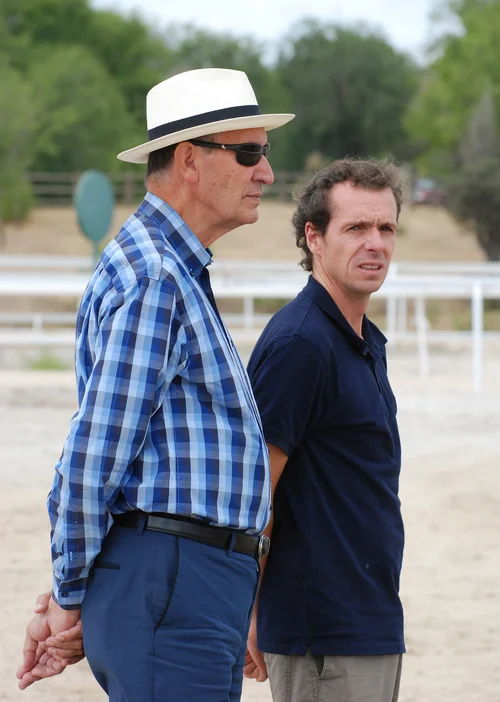
In eight years with a licence, Guillermo Arizkorreta has been Spain’s champion trainer three times and has his sights set on a prime international target.

After four years working as assistant to champion National Hunt trainer Paul Nicholls, Harry Fry took the plunge and set up his own operation with the backing of his mentor and landlord Richard Barber in 2012.
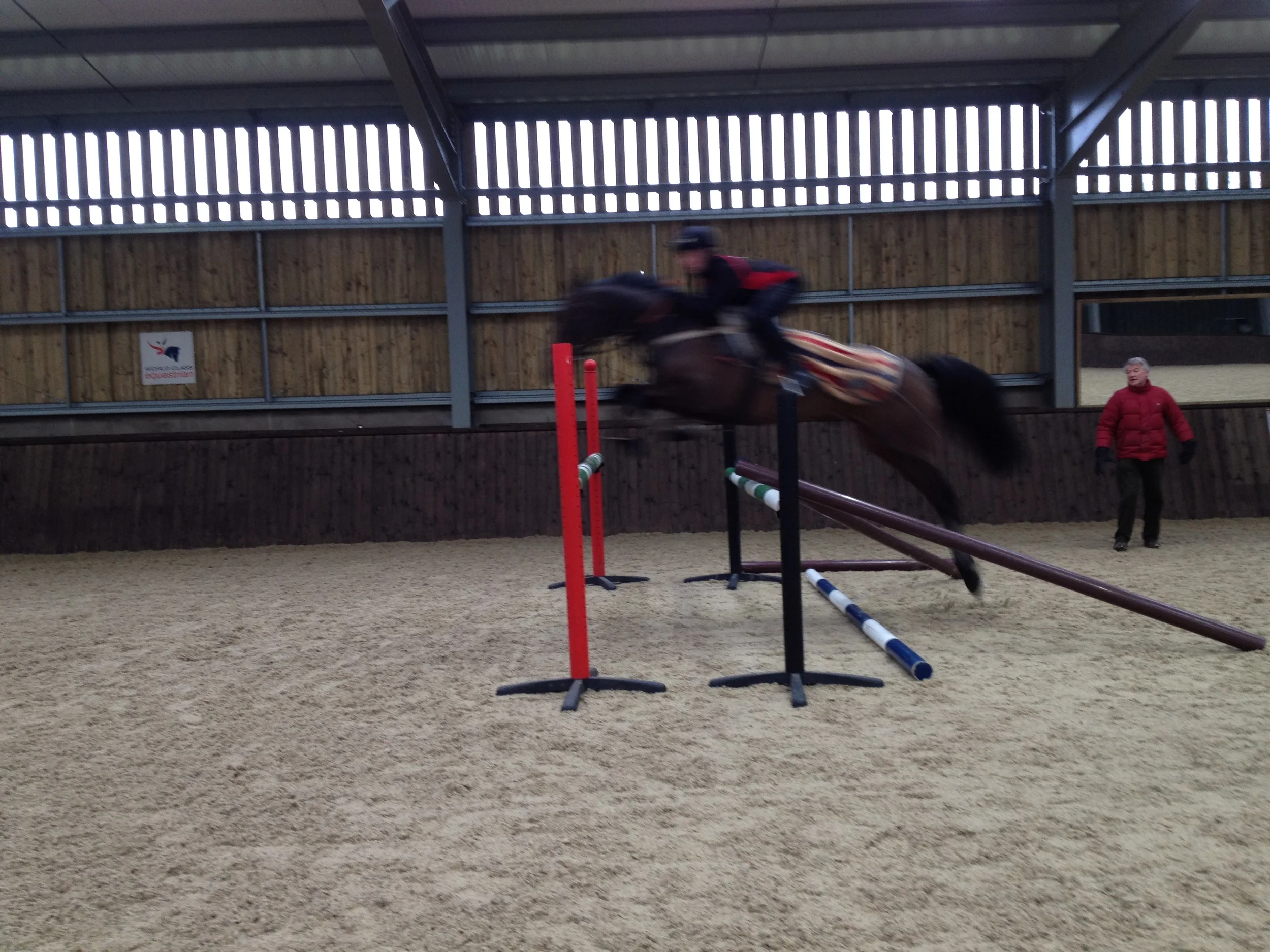
Emma Berry speaks to Yogi Breisner about his work within the racing world and why he has helped many racehorses get that one step ahead in the jumping game.
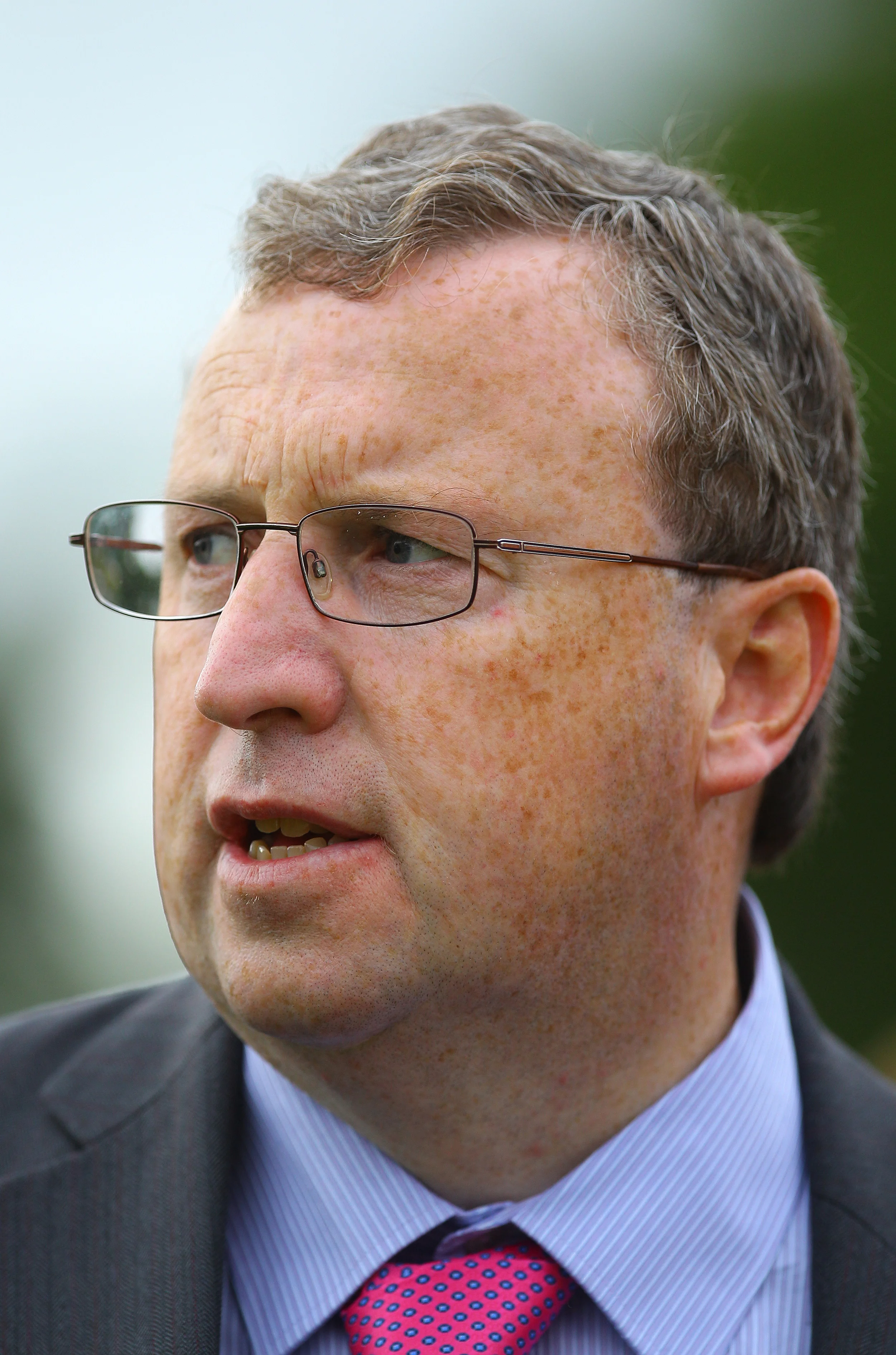
The CEO of Horse Racing Ireland also happens to be chairman of the European & Mediterranean Horseracing Federation (EMHF) and the vice chairman of the International Federation of Horseracing Authorities (IFHA). He's a busy man but gave an insight into his hectic world to Lissa Oliver.
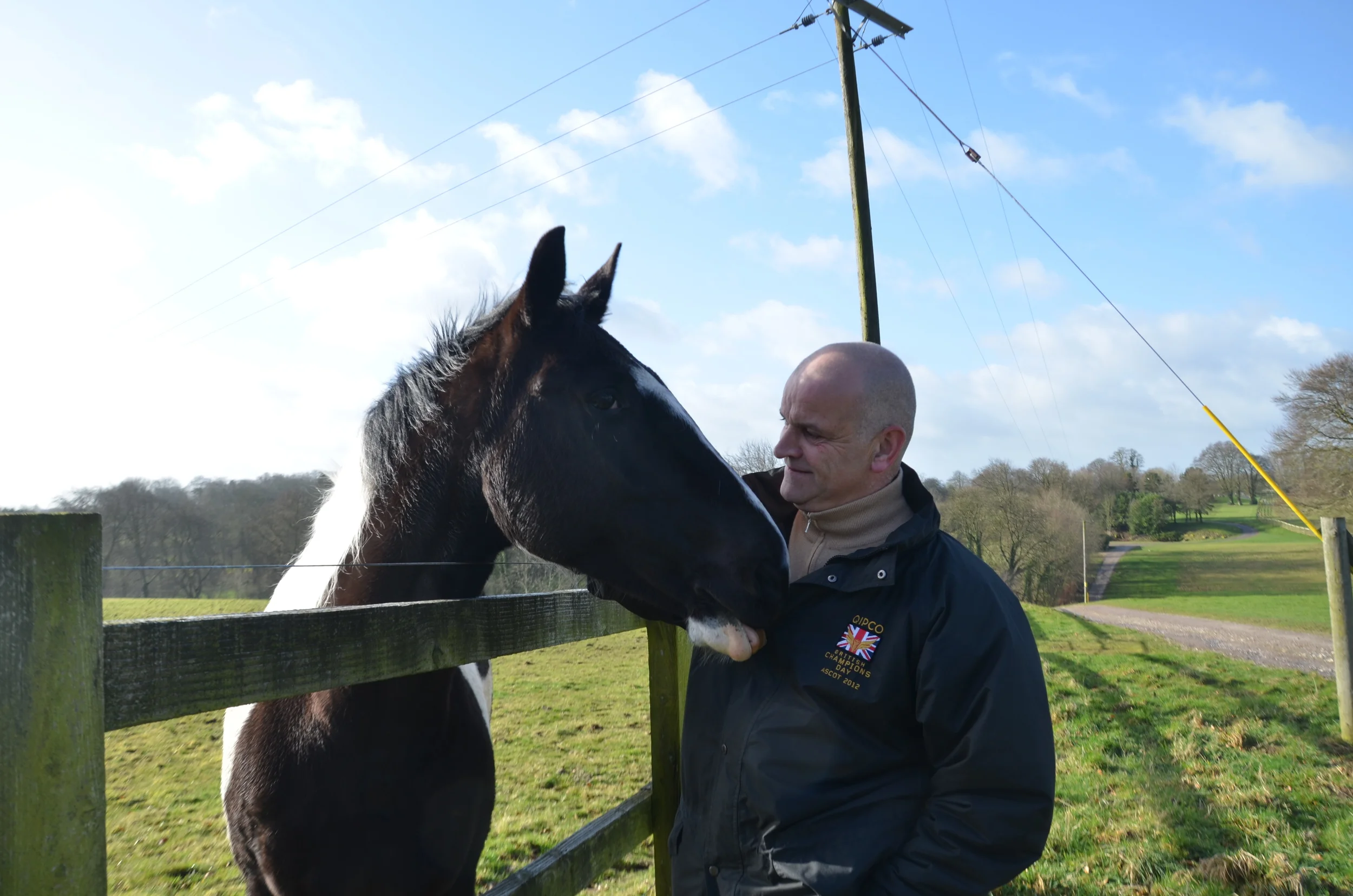
The 2,500-acre Manton House Estate in Manton, Wiltshire, could easily dwarf – physically and historically – any trainer bold enough to take it on.
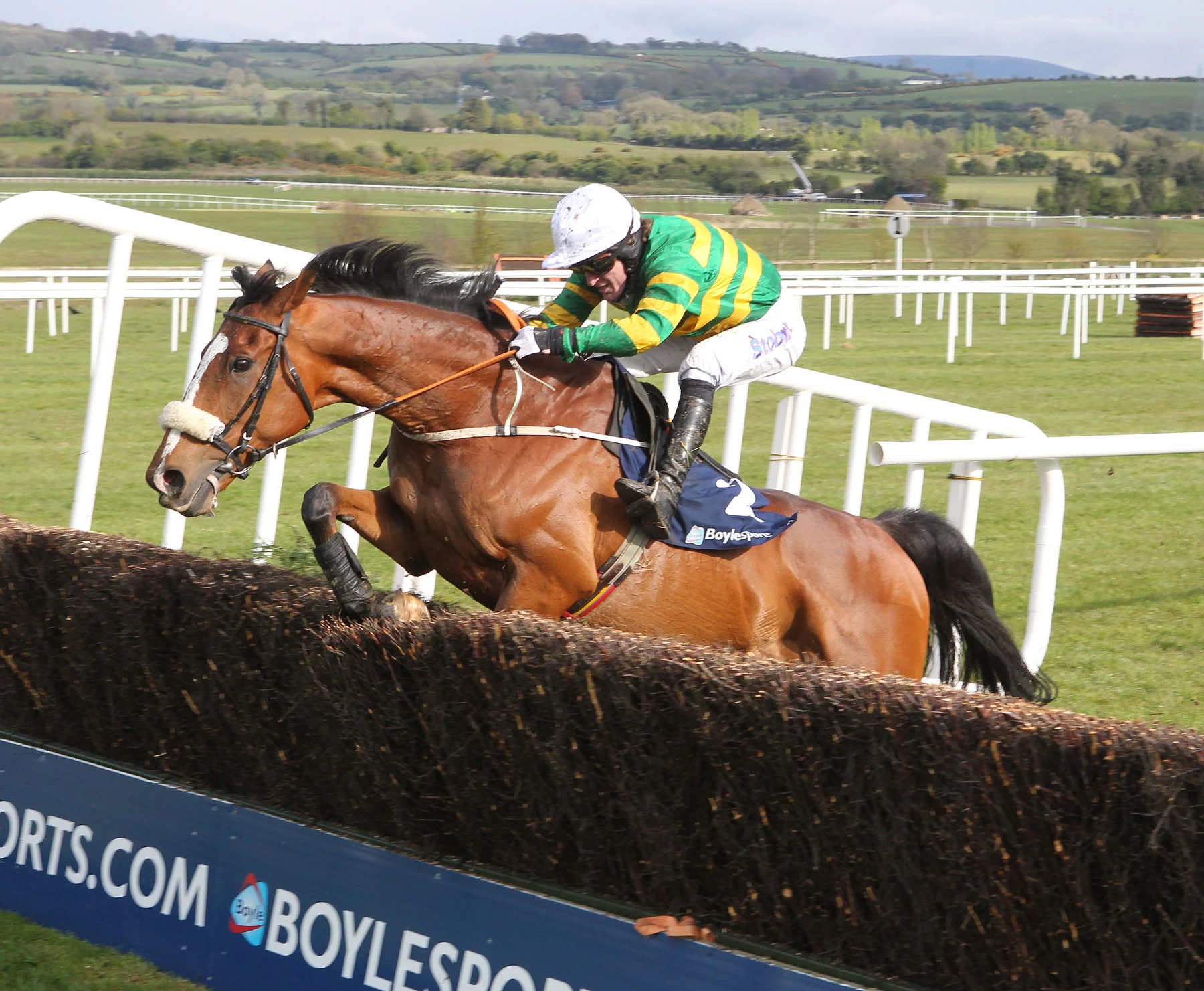
When he was 17 years old and in the breeding program at Irish National Stud in County Kildare, Eoin (pronounced “Owen”) Harty, a fifth-generation horseman, couldn’t wait for the arrival of racing magazines from America.






When I visited Audra and Tom Busteed in Cork freak gales were ravaging the coastline. Tranquil was hardly the best word to use; yet down at the bottom of the steep four furlong woodchip gallop, set within a wooded glen, was a peaceful stream in which many a Cheltenham hero had paddled as it carried its first ever rider. Slow, calm, meandering; oblivious to the storm of the outside world. This is indeed the tranquil nursery of Tom Busteed, the master tutor of the horse.
Lissa Oliver (European Trainer - issue 22 - Summer 2008)
Love him or hate him - odds are against indifference - trainer Sir Mark Prescott needs little introduction. The unapologetic Prescott isn't bothered whichever the sentiment, as he is very much his own man and comfortable - some might say all too much so - in his own skin.
Frances Karon (European Trainer - issue 22 - Summer 2008)
The Head family has a history steeped in horseracing, just as horseracing has a history steeped in Heads. Their dominance began in France in the late 1800’s with Alec’s jockey-turned-trainer grandfather Willie, a British expat. Alec’s father, also Willie, was a highly successful jumps jockey and dual purpose trainer in France.
Frances Karon (European Trainer - issue 21 - Spring 2008)
I’ve come to Willie Mullins’ yard in County Carlow, Ireland, expecting to see some strong horses and to hear some strong opinions. With Hedgehunter trotting past me up to the gallops, I’m certainly not disappointed in the first instance.
Lissa Oliver (European Trainer - issue 20 - Winter 2007)
He was riding in flat races in Norway at the age of eleven. He rode his first race over hurdles at thirteen, and one year later he became champion jump jockey. Yes, it may have been on a small circuit more than 50 years ago, but it was already clear that Åge Paus was a horseman a bit out of the ordinary.
Geir Stabell (European Trainer - issue 20 - Winter 2007)
Max Hennau used to train between 50 and 60 horses in Belgium. In 1973, he campaigned the colt Commodore to a domestic Triple Crown. Ten years later he handled the Belgium champion Little Vagabond. Bought for 1,000 guineas at Tattersalls in Newmarket, the small horse with a big engine won six races on the bounce at home and ran third in the Prix du Petit Couvert (Gp3) before being sold on to France. “Those were the days…,” he says.
Geir Stabell (European Trainer - issue 19 - Autumn 2007)
Meeting Mike de Kock, I soon knew that he most certainly is a case of a horseman turned businessman, and remaining a horseman first and foremost. Strange really, when it comes to light that he was brought up in a Dutch / English family with no connections to horses.
Geir Stabell (European Trainer - issue 18 - Summer 2007)
The damp of County Meath seems a long way from the sunshine of Melbourne, but to first season trainer Nick Cox it’s home from home. Mind you, it’s very misleading to refer to this as his first season, since Nick already has more than 180 winners to his name, back in his native Australia. So what made him decide to make the former Mitchelstown Stud here in Ireland his new base for training?
Lissa Oliver (European Trainer - issue 18 - Summer 2007)
Guillaume Macaire is the current champion jumps trainer in France, a title he has held since 2003. He is based in the Charente Maritime region of France at La Palmyre racecourse. In 2006 he ran 231 different horses and regularly campaigns horses across Europe.
Aurelie Dupont-Soulat (European Trainer - issue 17 - Spring 2007)
When he rode his first race, the horse was a year older than him. They did not win. ”I never was a very talented jockey”, he says. He has many other talents though. The Norwegian Bendik Bø (39) is a successful racehorse trainer and inventor, based in Sweden. He was never afraid to try his hand at new tasks. He was shoeing his first pony when he was only 14 years old.
Geir Stabell (European Trainer - issue 17 - Spring 2007)
"I am a developer of horses, and all my horses are for sale". These words, by Tom Tate, soon give you a balanced view of the Yorkshire trainer when you first meet him. Tate, who has 36 boxes at his two farms in Tadcaster, may come across as a very careful, conservative man. But he is also a gambler.
Geir Stabell (European Trainer - issue 16 - Winter 2006)
Valfredo Valiani (46), the man who discovered Electrocutionist, trains around 50 horses from his base in Pisa, Italy. In love with his motherland, he admits to having had thoughts of moving his operation abroad, to England or France perhaps.
Geir Stabell (European Trainer - issue 15 - Autumn 2006)
It takes considerable courage and determination to pull up your family roots and start from scratch in another country where competition is at its highest level. In addition, a new language must be mastered as well as a complete change of environment and culture. That is the challenge that Pia Brandt has set herself when she decided to leave Sweden last year and take on the giants of Chantilly on their home ground.
Desmond Stoneham (European Trainer - issue 14 - Summer 2006)
It is at times assumed that a background in horses is almost essential for anyone to succeed at training but one individual that is certainly putting paid to such preconceived notions is Paul Nolan.
Ryan McElligott (European Trainer - issue 13 - Spring 2006)
Frances J. Karon visits the home of Criquette Head-Maarek and learns how and why she became France's First Lady of racing. From the foal that started her on the road to great success to her love of Treve, Criquette talks about her family and why she likes to keep training simple.