
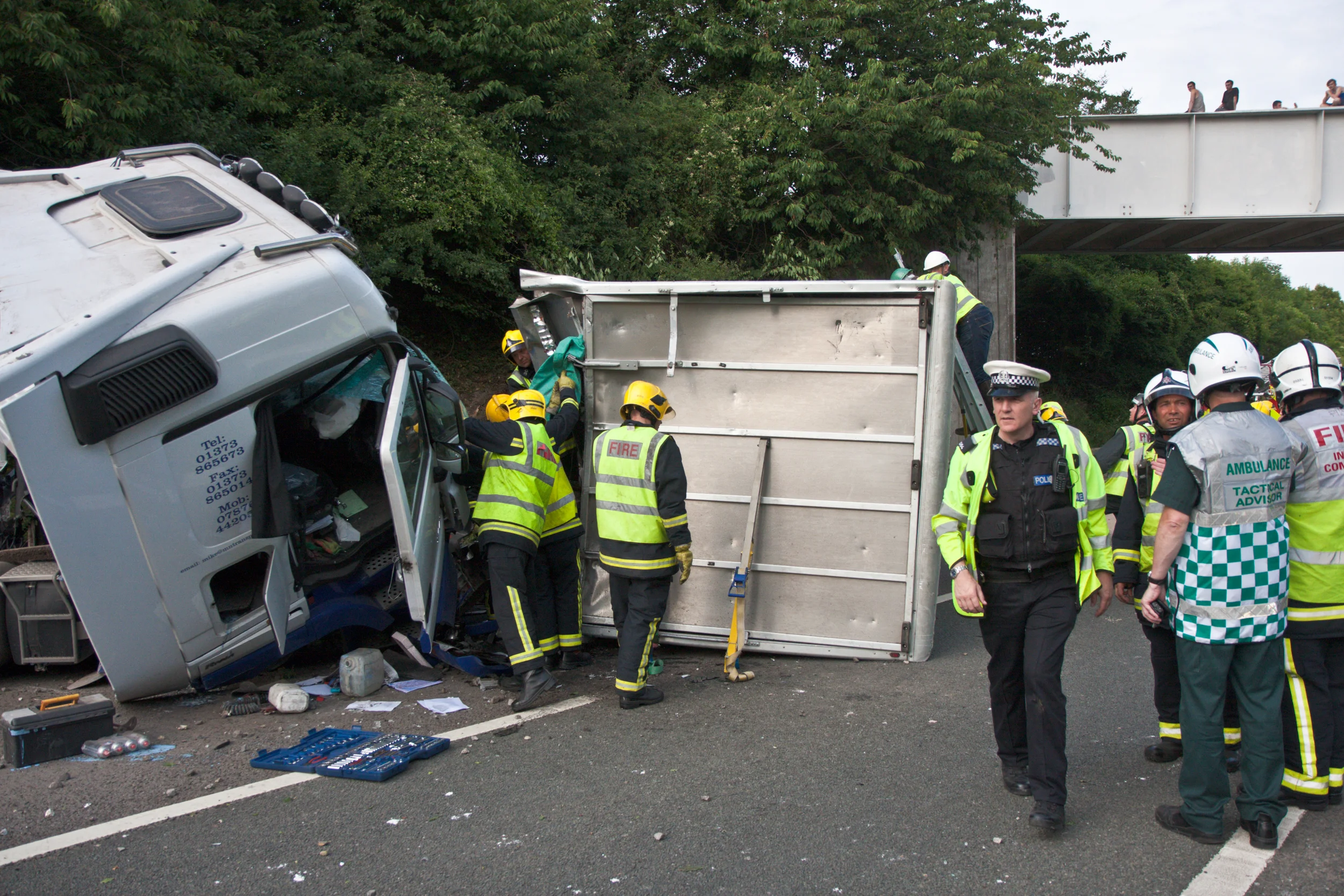
Incident Management
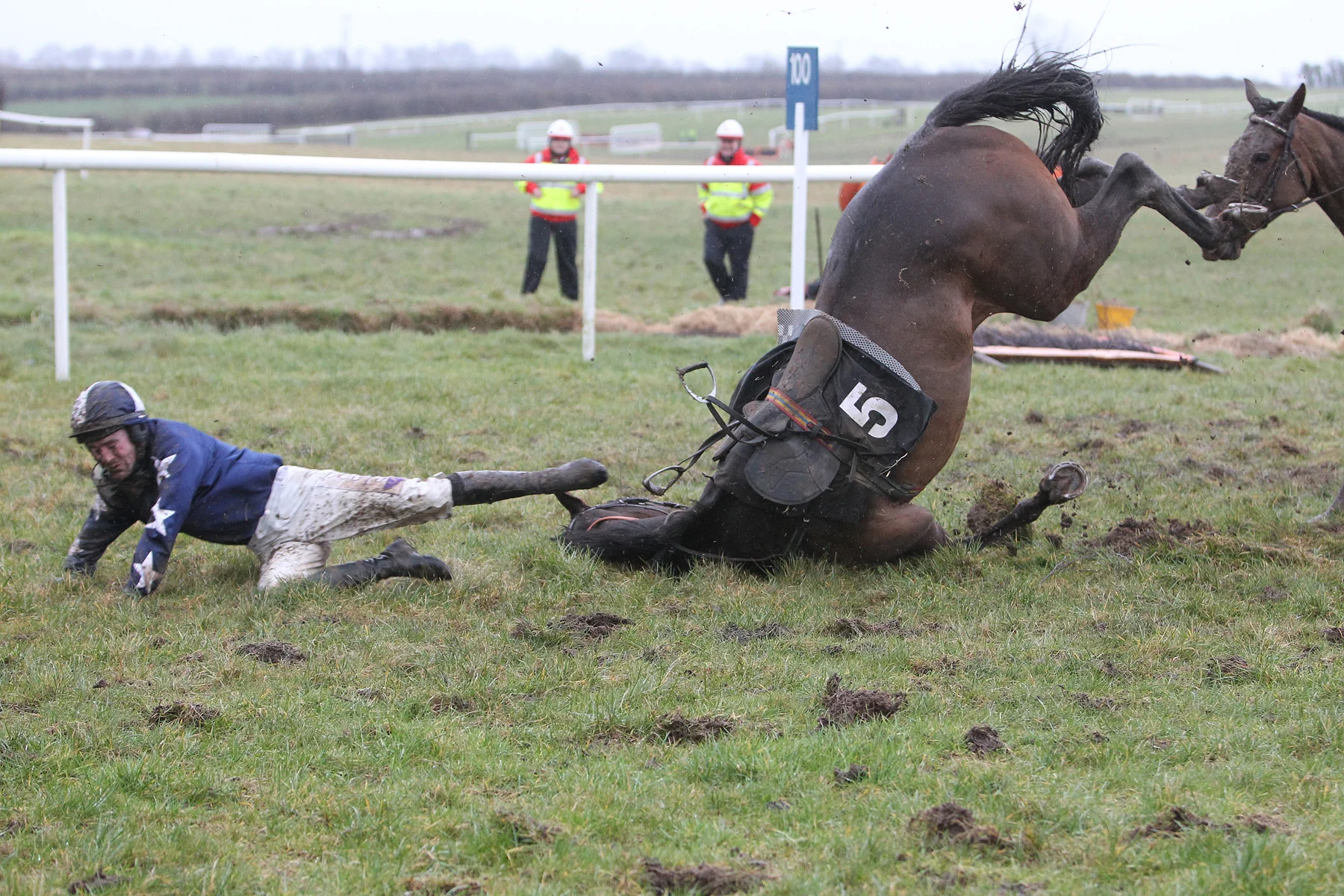
The UK Fire and Rescue Service along with large animal veterinary associations have responded to the need for a joined-up approach and standard operating protocols when dealing with emergency situations involving large animals. This article explores the concepts and techniques required to safely resolve such incidents and demonstrates how these skills in planning for and managing the unforeseen or unwanted event are being translated into the everyday operational activity of the equine professional community.
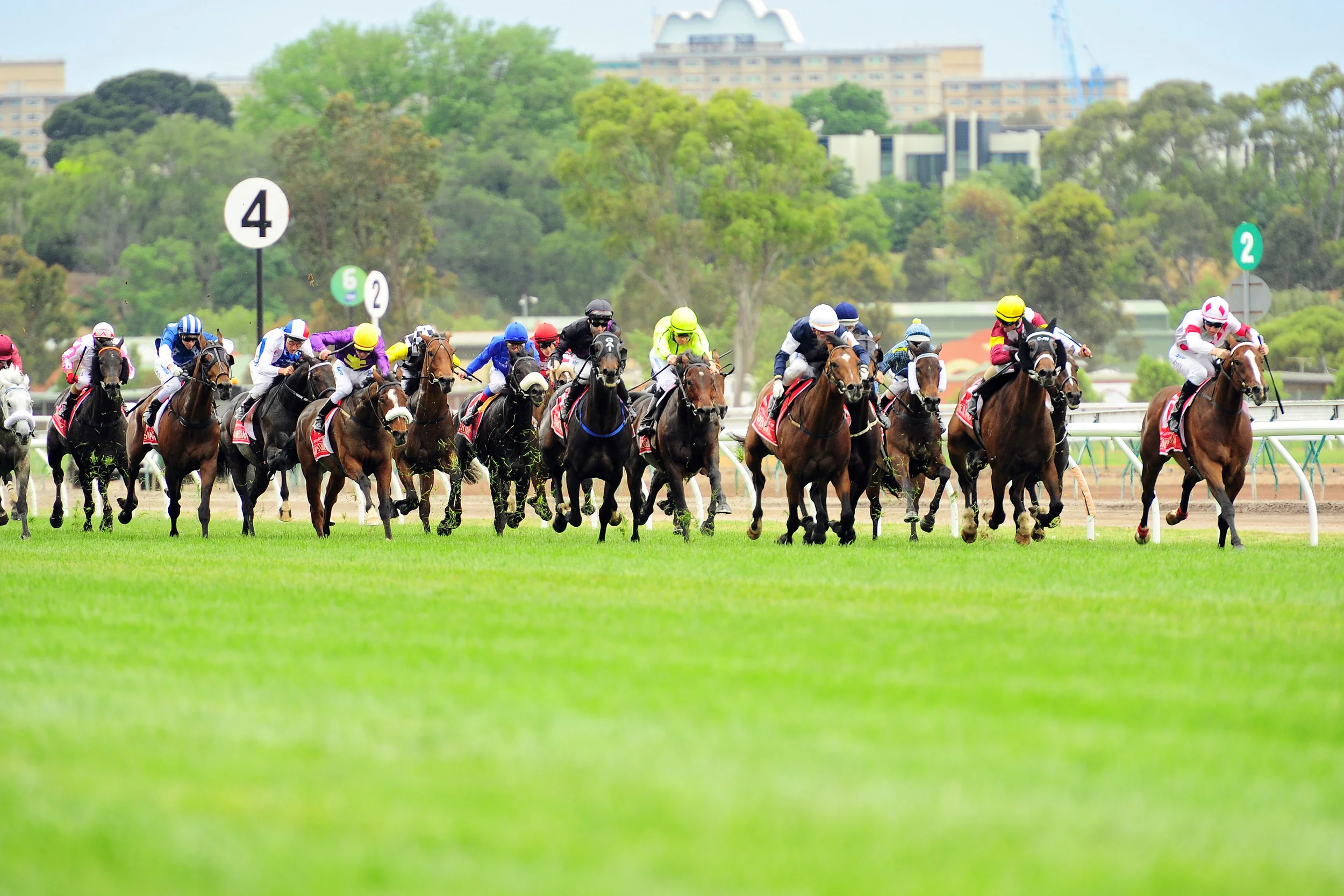
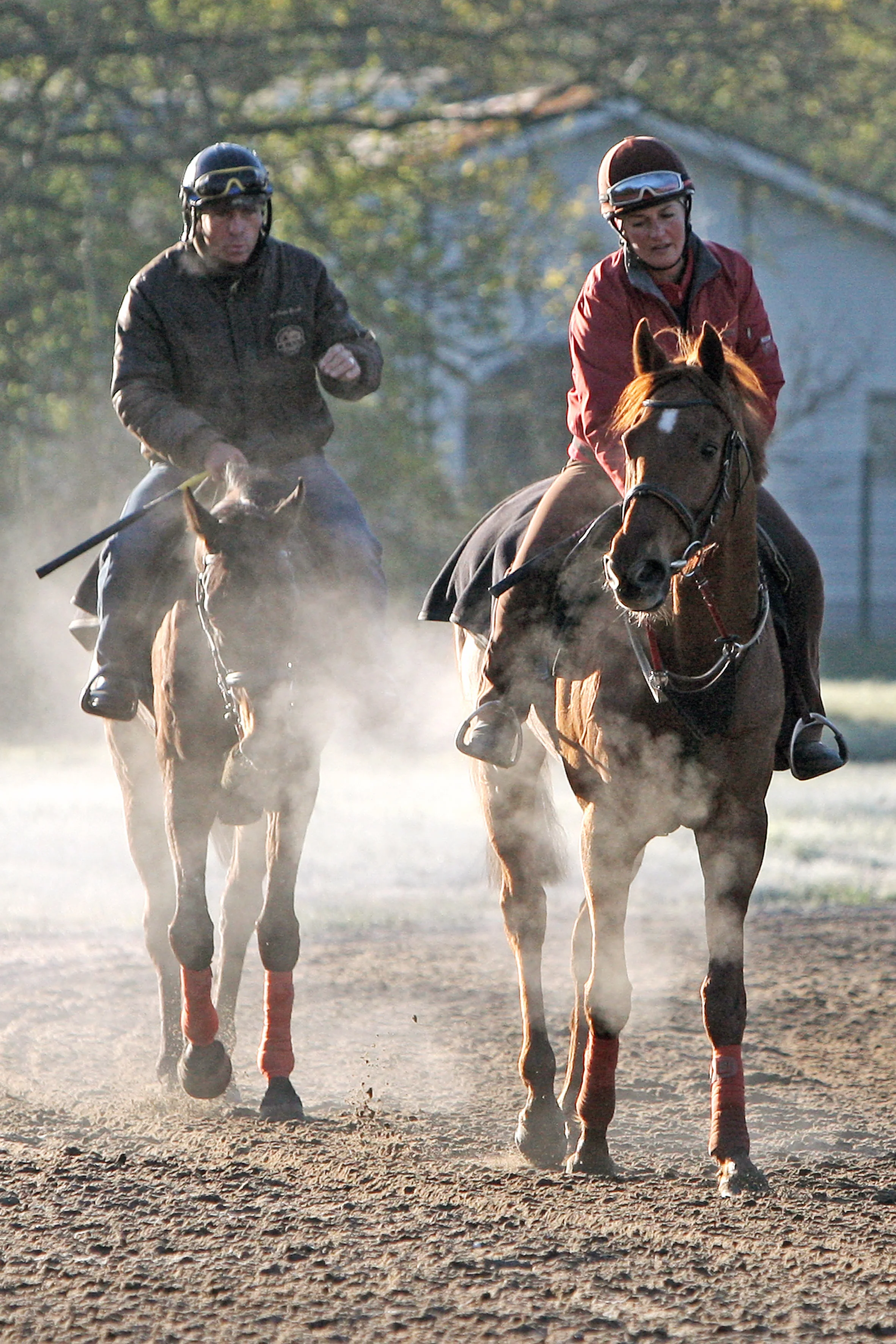
Do the muscles of the respiratory system affect performance?
Over the last two decades the Horserace Betting Levy Board (HBLB) has funded substantial research to understand how various body systems respond to training. For example, because of this HBLB investment we now know that the hearts of thoroughbred racehorses get bigger as a response to athletic training and that big hearts are typically associated with better performers. We also know that bones respond to training by remodelling and hence become better prepared for the strains associated with galloping.
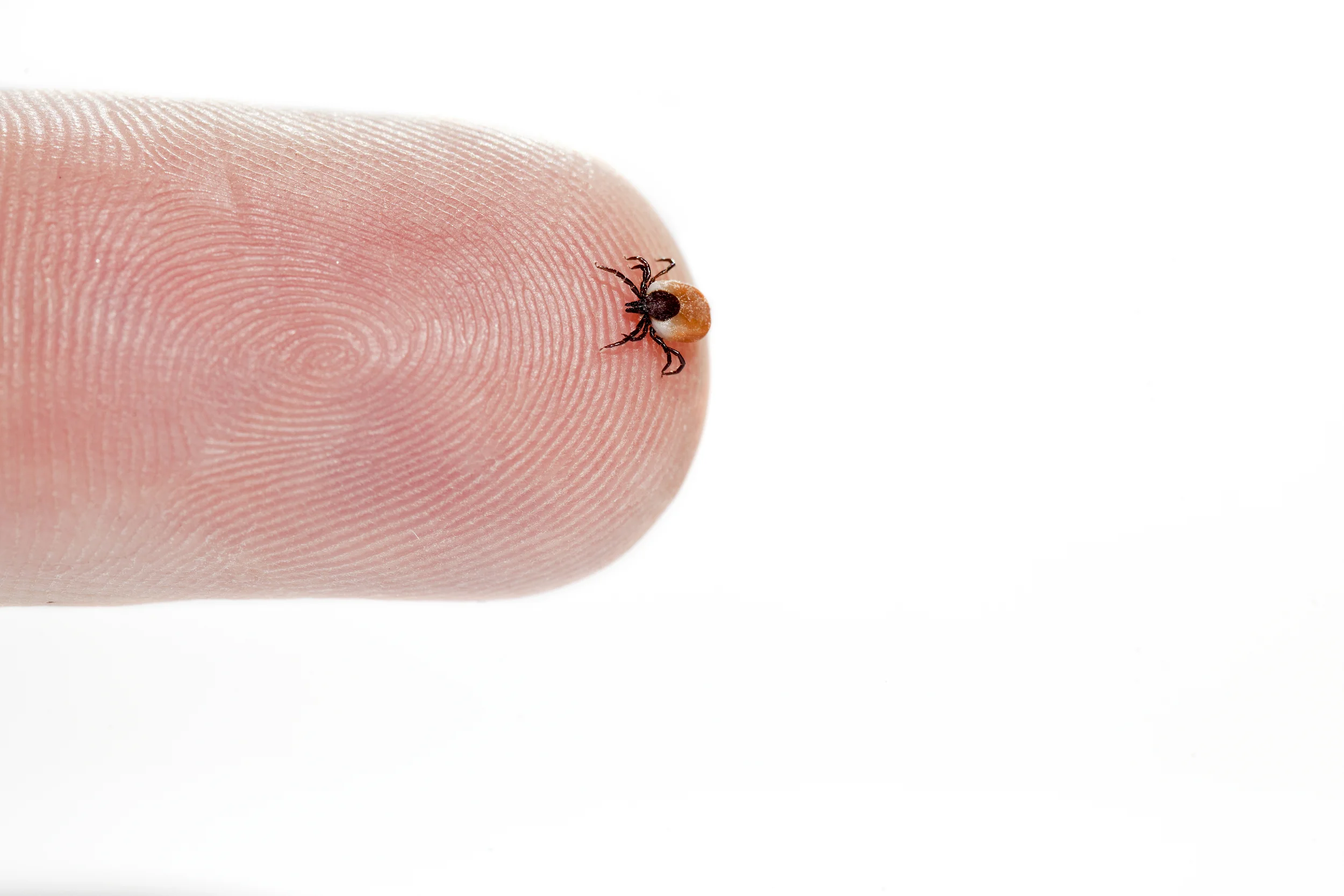
Climate Change - New equine diseases
Worldwide, when there are new disease outbreaks – human or horse – there seems to be a link between climate change and infectious disease risk. Warmer environment and changing weather patterns influence many factors that encourage disease outbreaks, disease transmission, and the emergence of new diseases.
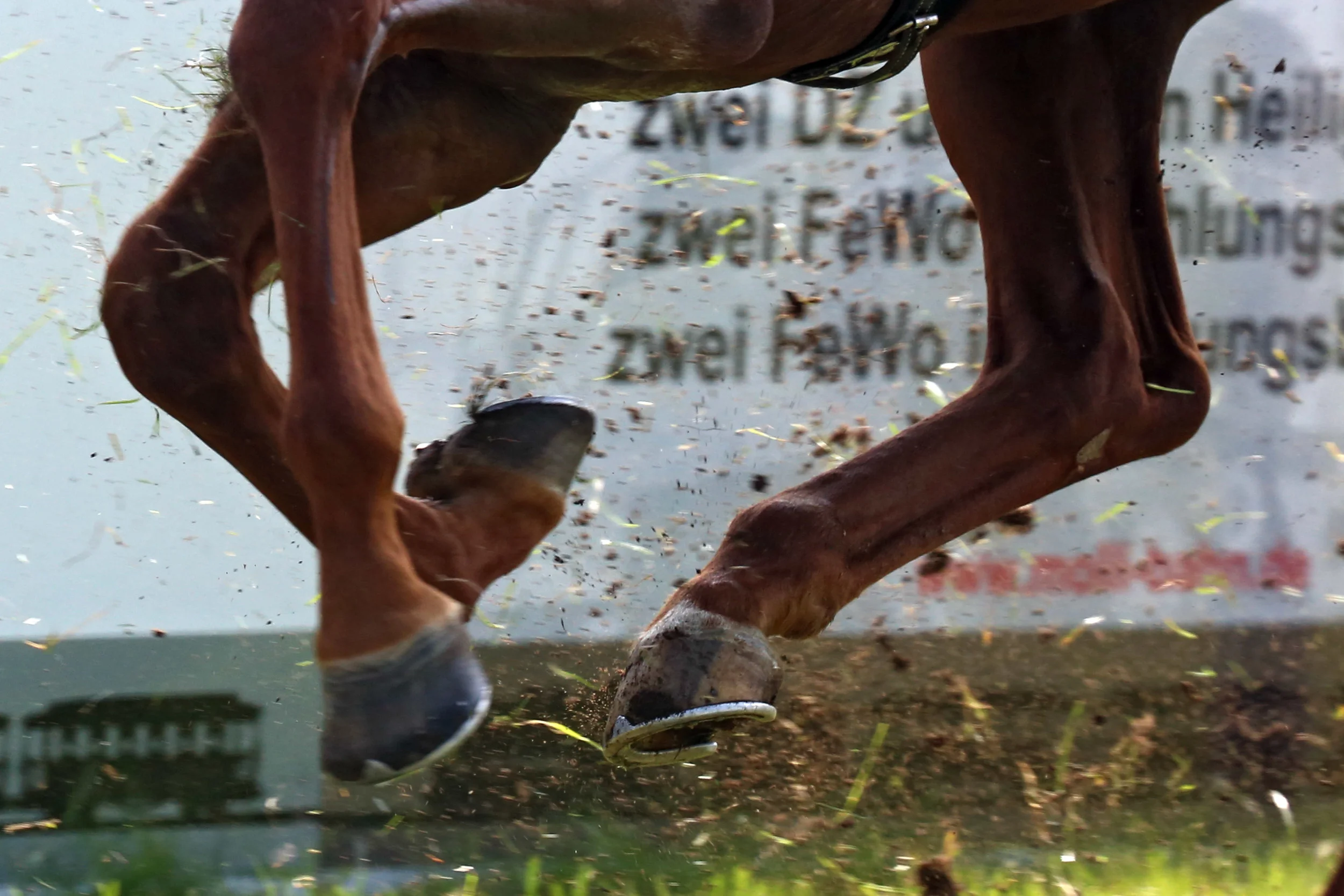
Are stress fractures and training surfaces linked?
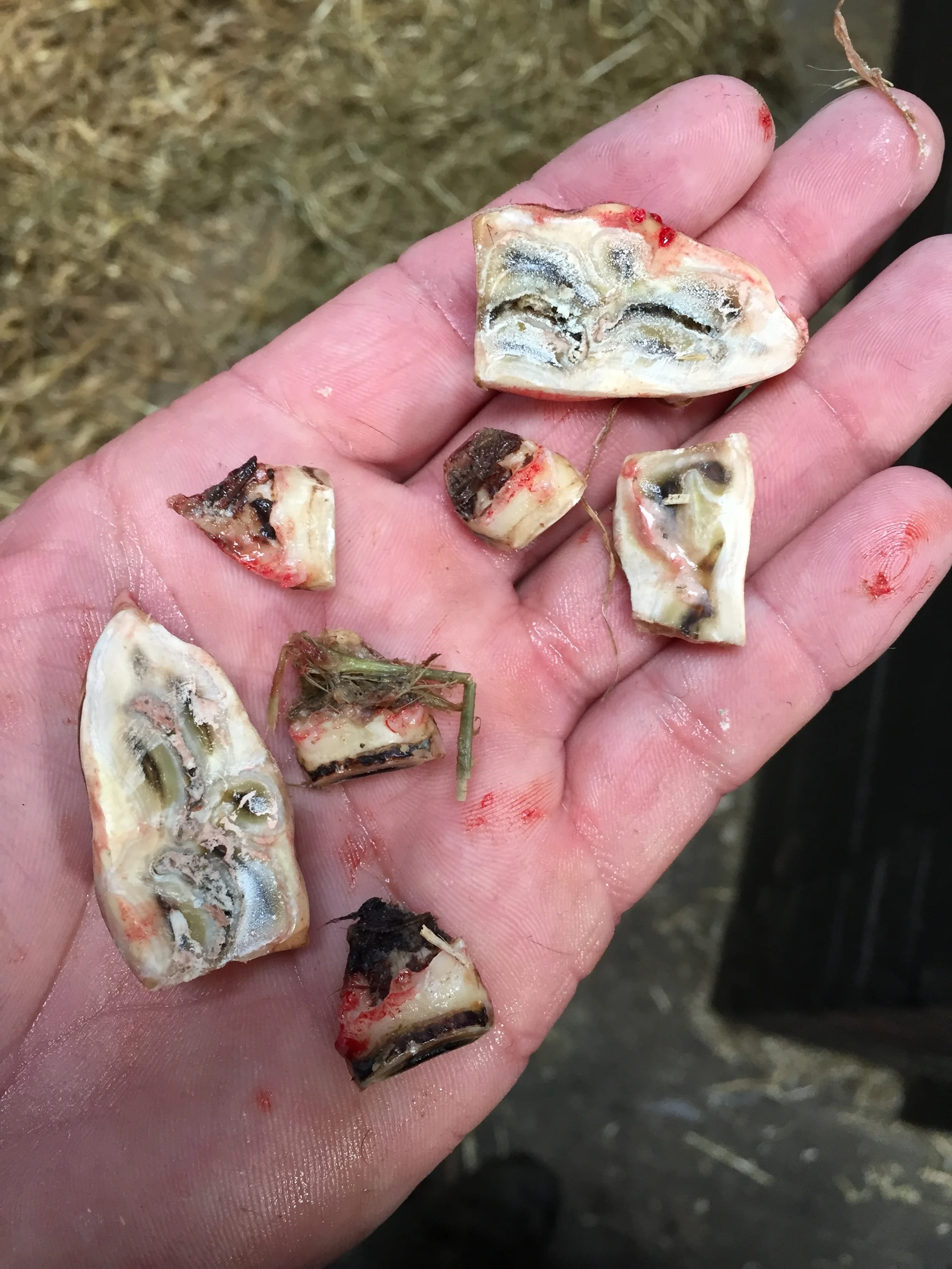
Stress fractures not only lead to training interruptions but if they are not identified early and managed appropriately they can be associated with subsequent catastrophic fractures. Stress fractures of the humerus, tibia, ilium and cannon bone (aka third metacarpal bone or McIII) are most common. Stress fractures are a late stage on a pathway of stress-related bone injury.
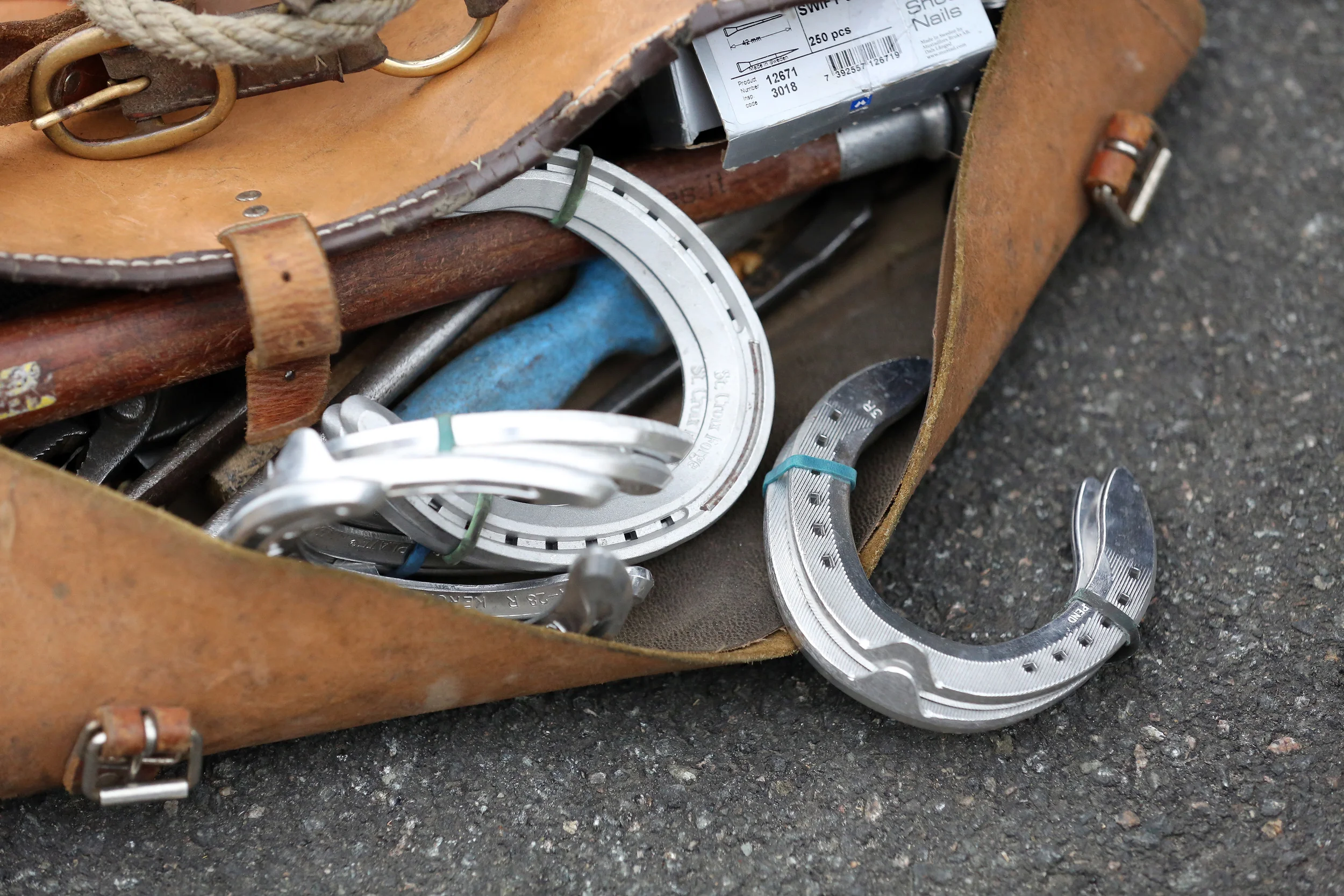
Hooves and ground surface - the impact of intentional shoeing interventions
The interaction of a horse’s foot and the ground surface is complex. Stance—that part of the stride when the foot is in contact with the ground—can be divided into three phases, which determine the loading environment of the limb: impact, mid stance and push off. Loading of the limb determines how it functions and also influences where injury may occur. Research funded by the Horserace Betting Levy Board at the Royal Veterinary College has focussed on the foot and is allowing a greater understanding of the effect of changes in surface or shoeing on stance, on remodelling of the tissues and ultimately on the risk of injury.
Shunted heels - Avoiding cracks with proactive management
Functionally adapted for speed and efficient use of energy, the thoroughbred foot is thin-walled and light compared to other breeds. This adaptation for speed renders the hoof more susceptible to hoof capsule distortions, or shape changes that interfere with the normal function of the foot, which are: support, traction, shock dissipation, and proprioception.
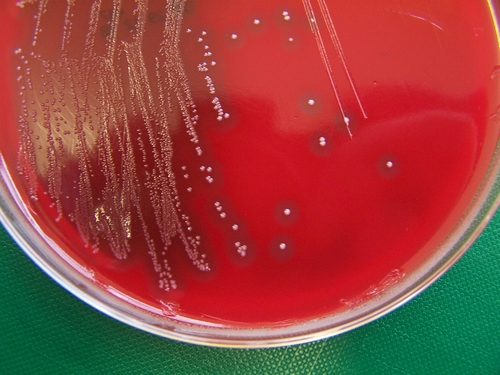
Streptococcus zooepidemicus - The bug that can place bets
The Horserace Betting Levy Board (HBLB) has invested over £7 million to protect racing and ensure horse welfare by disease surveillance and research on prevention of equine infections over the last decade. Infection with bacteria is one of the important causes. One bug in particular that can be found in many cases is Streptococcus zooepidemicus.
Cardiac rhythm - new technology brings new insights
When a horse runs badly, after lameness and respiratory disease have been ruled out, the heart is usually the next suspect. A new study, published in the Equine Veterinary Journal, provides significant insights into cardiac rhythm abnormalities that can develop during and after racing in standardbreds.
The Racehorse: A Veterinary Manual - Book Review
While several texts are available on equine orthopaedics and sports medicine, information relating to the racehorse - taking into account the practicalities of management peculiar to the racing industry - is often fragmented and contradictory. A new and hugely useful, if not indispensable, book by leading equine veterinary practitioner Pieter H L Ramzan, BVsc(Sydney), MRCVS provides a practical source of accessible information for the clinician, trainer and owner.
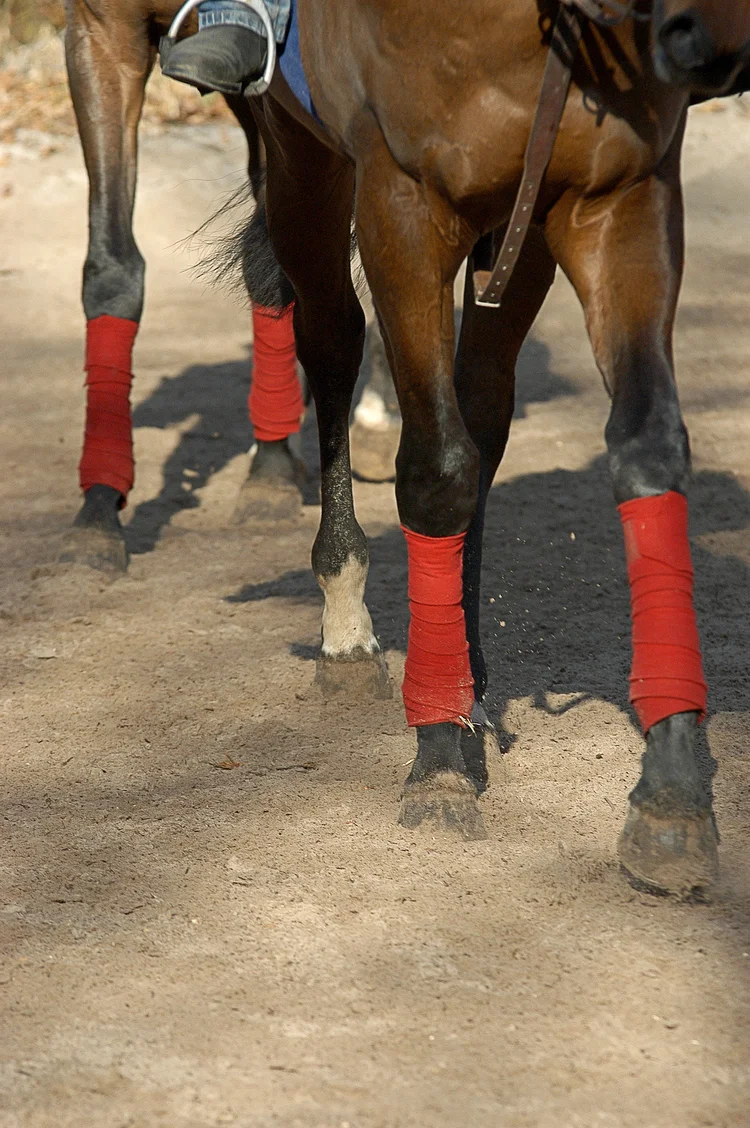
Treating sore shins - can current research make a breakthrough?
From the turn of the year, consignors on both sides of the Atlantic have been battling with the phenomenon of 'bucked shins' otherwise known as sore shins. Thomas O'Keeffe looks into the research being done to see if a breakthrough into the treatment of this condition is imminent.
HBLB tendon & ligament research - equine injury prevention and management
Professor Celia M Marr looks into the work carried out by the HBLB over the past 50 years aimed at the prevention and management of tendon and ligament injuries, most recently looking at research into stem cells.