
Headgear and the racehorse: Seeing the wood from the trees!
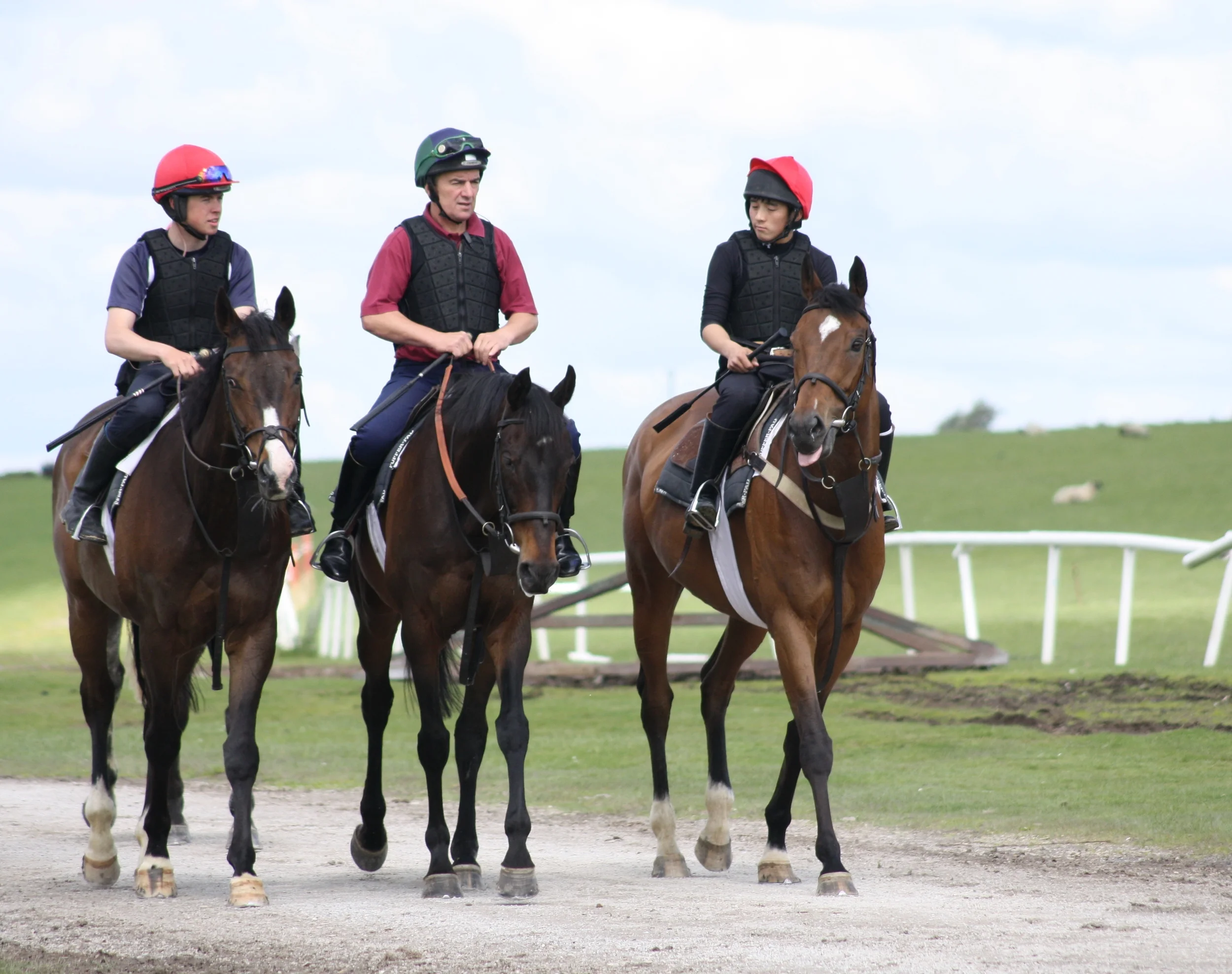
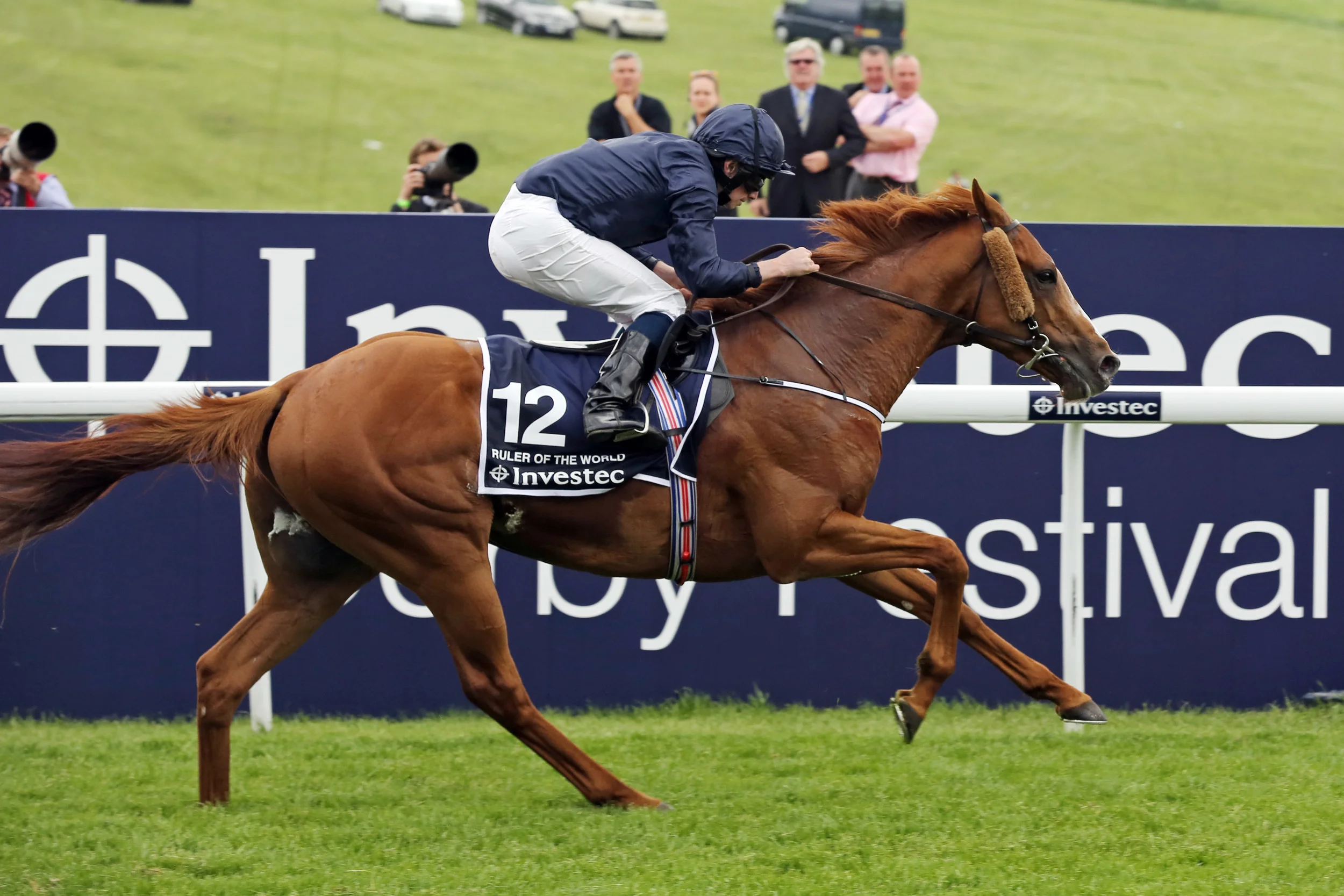
Across the world in all racing jurisdictions, there are horses that perform with a type of headgear for a multitude of reasons. From blinkers to hoods, there a variety of makes, types, and forms of equipment that can be placed on or over a horse’s head with the ultimate aim of enhancing performance.
Hooves and ground surface - the impact of intentional shoeing interventions
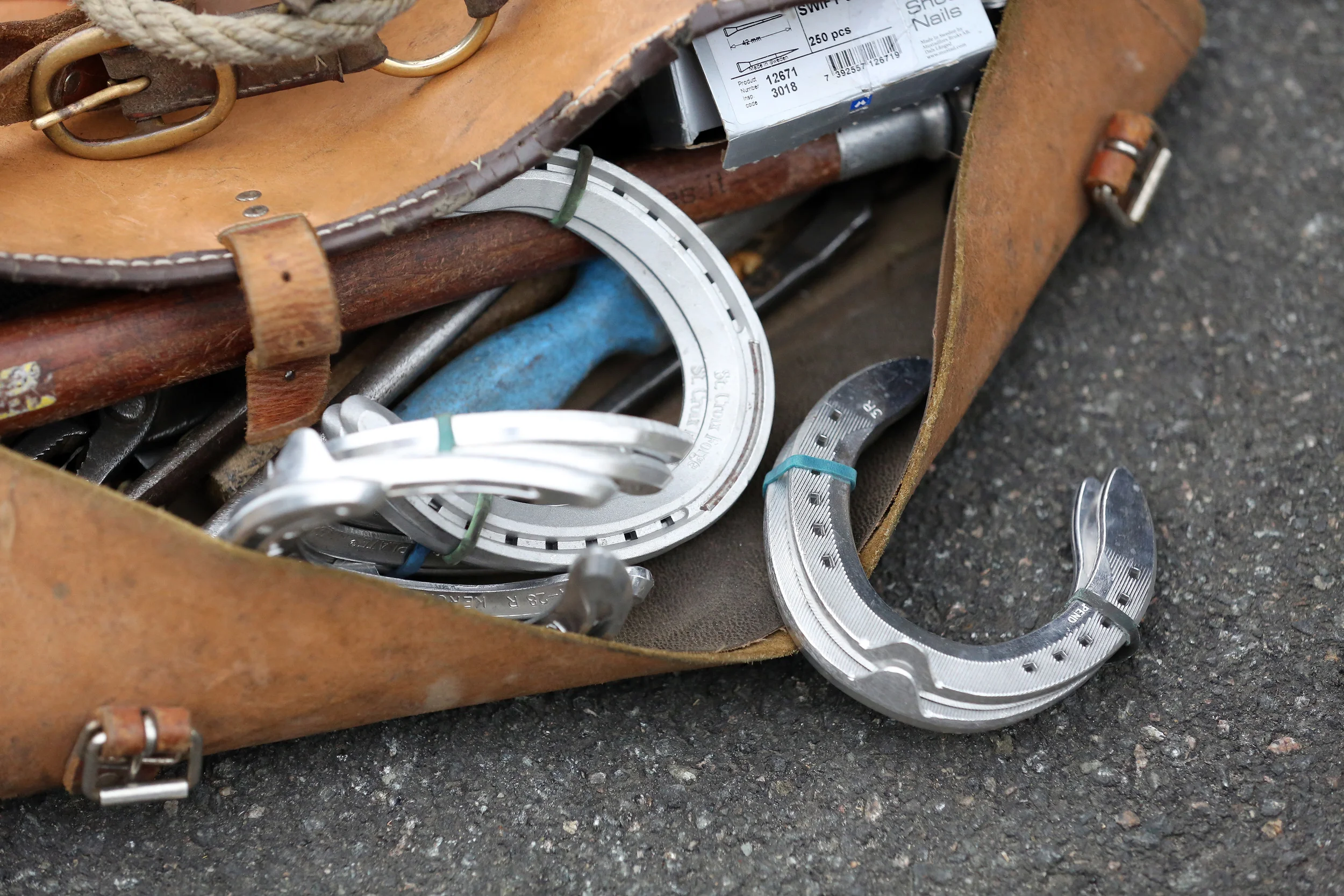
The interaction of a horse’s foot and the ground surface is complex. Stance—that part of the stride when the foot is in contact with the ground—can be divided into three phases, which determine the loading environment of the limb: impact, mid stance and push off. Loading of the limb determines how it functions and also influences where injury may occur. Research funded by the Horserace Betting Levy Board at the Royal Veterinary College has focussed on the foot and is allowing a greater understanding of the effect of changes in surface or shoeing on stance, on remodelling of the tissues and ultimately on the risk of injury.
Let there be light - how daylight affects performance and safety
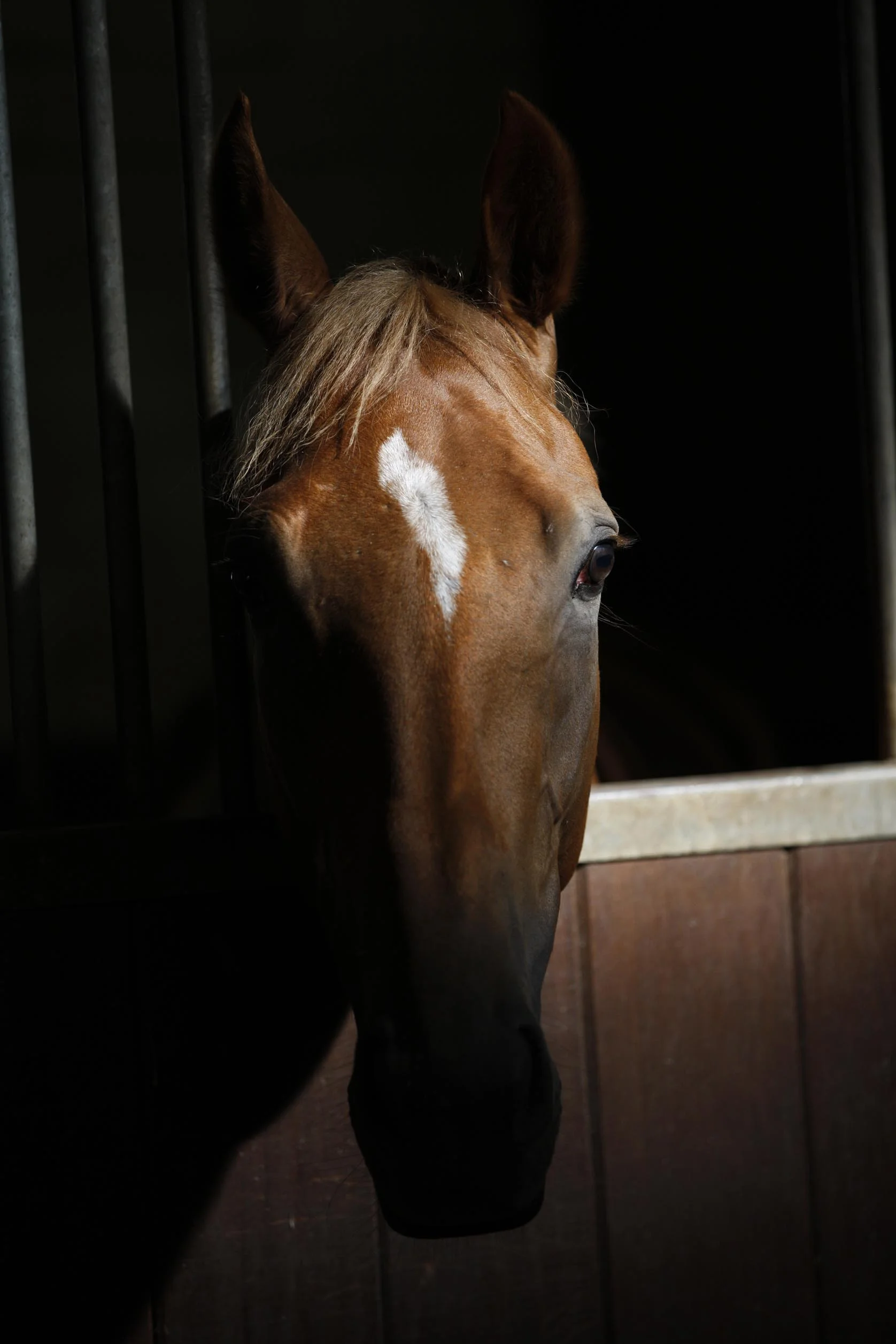
Recipient of multiple awards, including the Saratoga Trainer’s Title and the Eclipse Award for Outstanding Trainer, Bill Mott is no stranger to travelling with his horses. For example, Mott was trainer and chaperone of Cigar, winner of the inaugural Dubai World Cup in 1996. How do Mott and other elite trainers consider the impact of jet lag, light-dark cycles, and other factors associated with shipping across times zones on their horses’ performance?
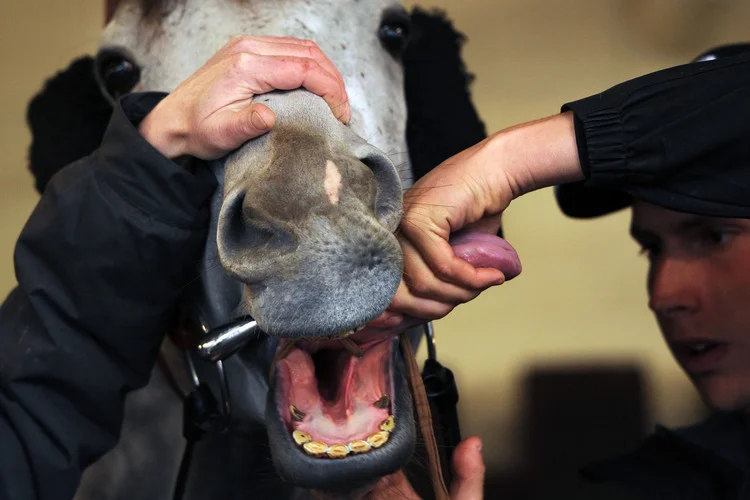
Tongue-ties - their place in racing in 2014
Tongue-ties (strips of material passed through the horse's mouth over the tongue and tied under the jaw) have been used for generations on racehorses worldwide as a method for the rider to retain control if his horse is prone to manoeuvering it's tongue over the bit. The use and efficacy of tongue-ties has spawned much debate and the Equine Veterinary Journal published reports in 2009 and 2013 evaluating use on racing performance and airway stability in thoroughbred racehorses.
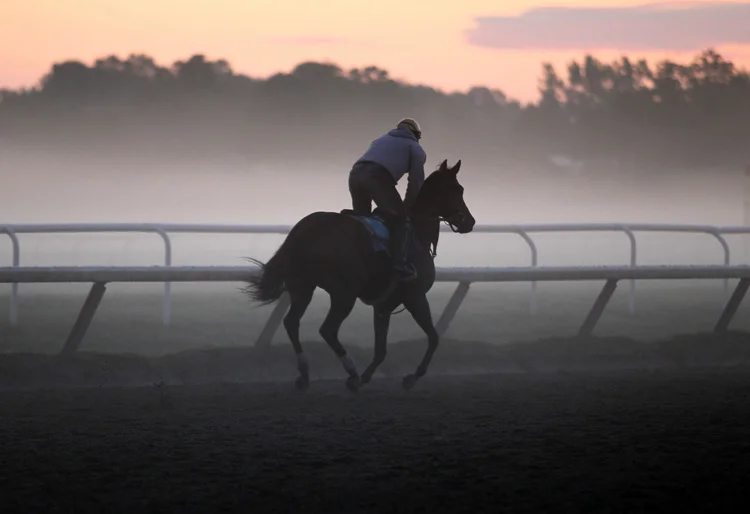
The effects of routine morning exercise on muscle response in thoroughbreds
Timing is everything and nowhere is this more relevant than when preparing an elite equine athlete for a race. Here, Barbara Murphy reveals a fascinating insight into the circadian system of the racehorse and how timing daily exercise impacts equine performance.
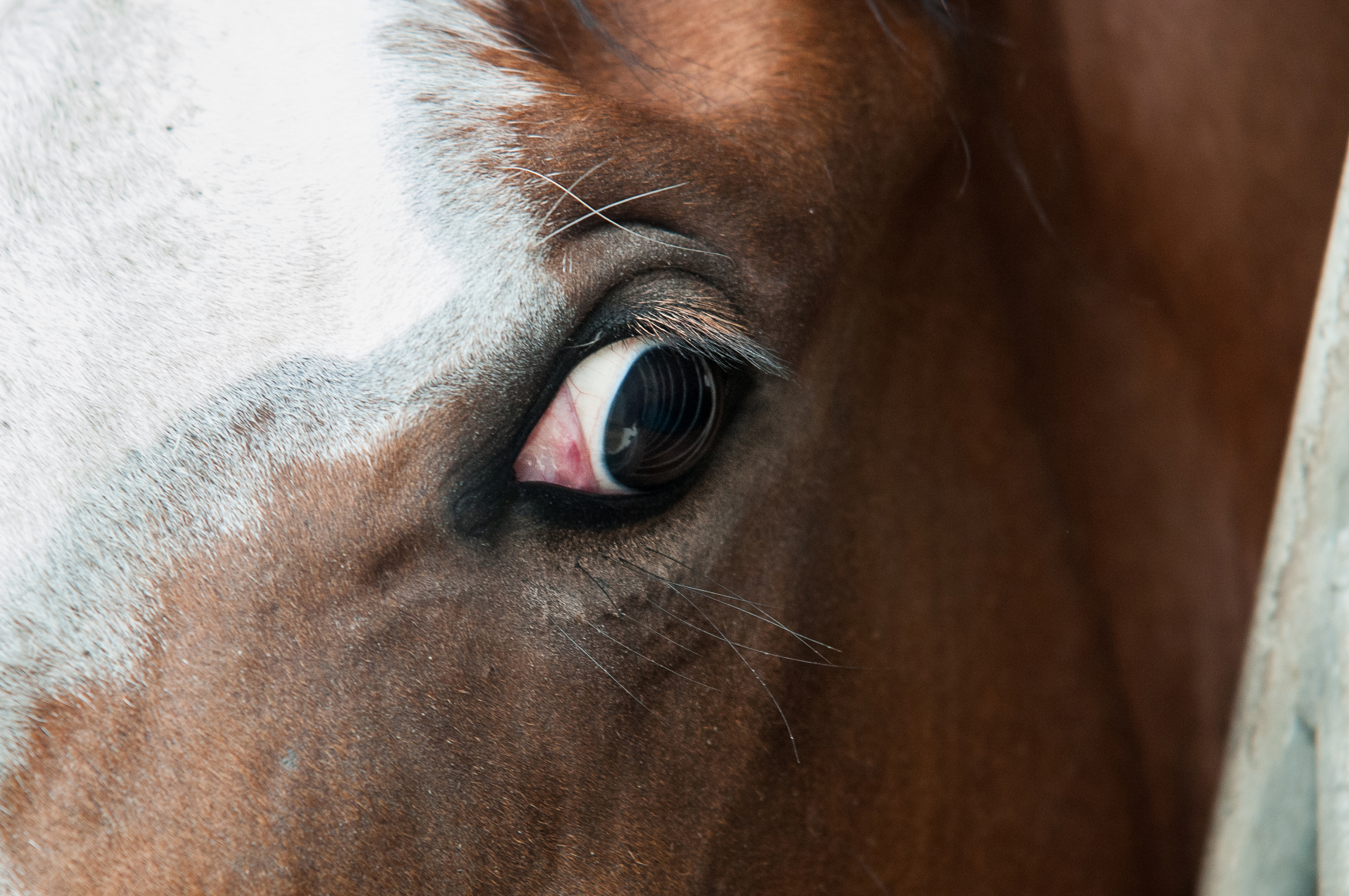
Do horses sense fear?
We asked Justine Harrison to explain why consideration must be given to the psychological factors, as well as the physical, that may affect the racehorse's performance.