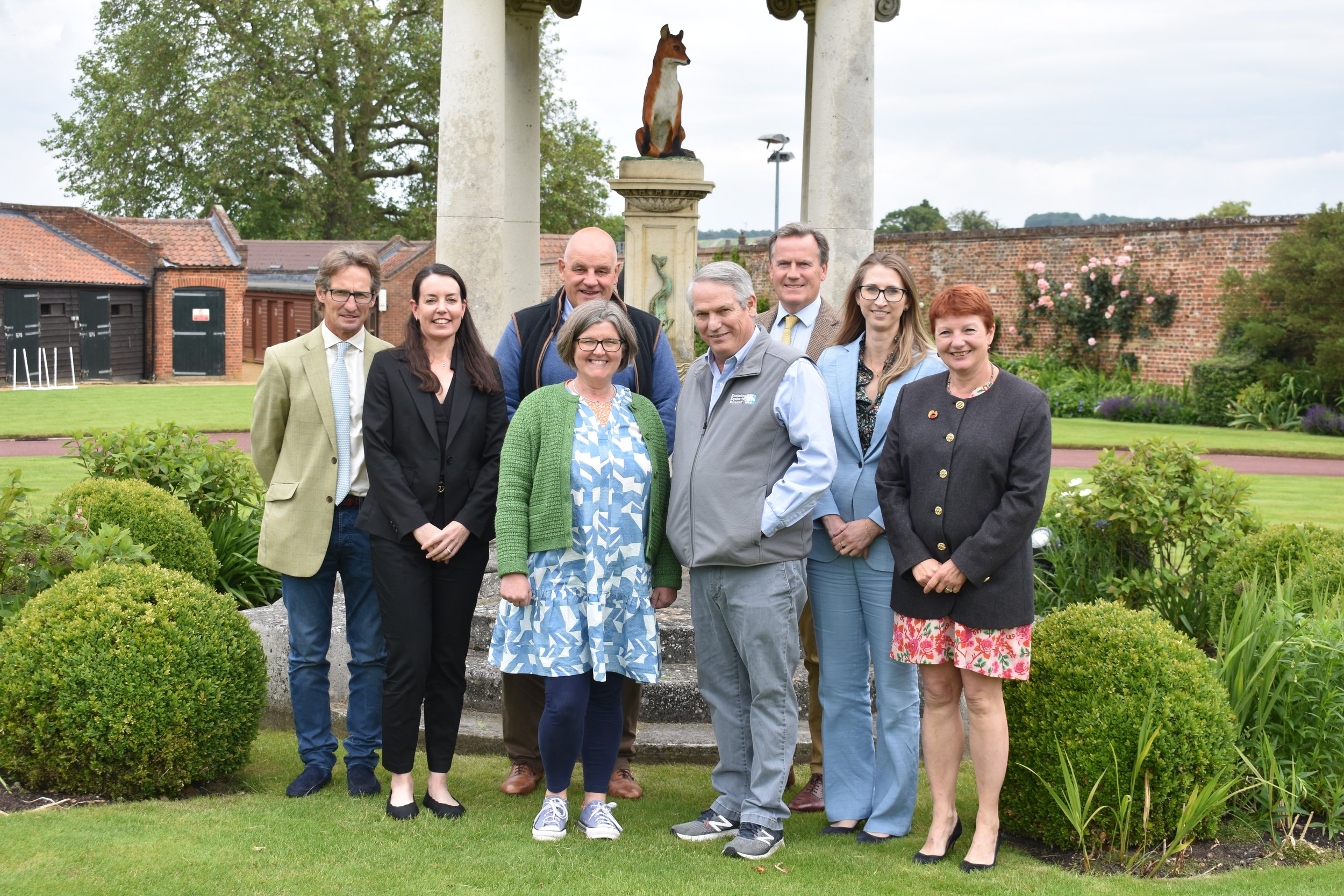
Gerald Leigh Memorial Lectures 2025
The seventh renewal of the Gerald Leigh Memorial Lectures, in association with Beaufort Cottage Educational Trust took place at Tattersalls in Newmarket, England on June 4th.
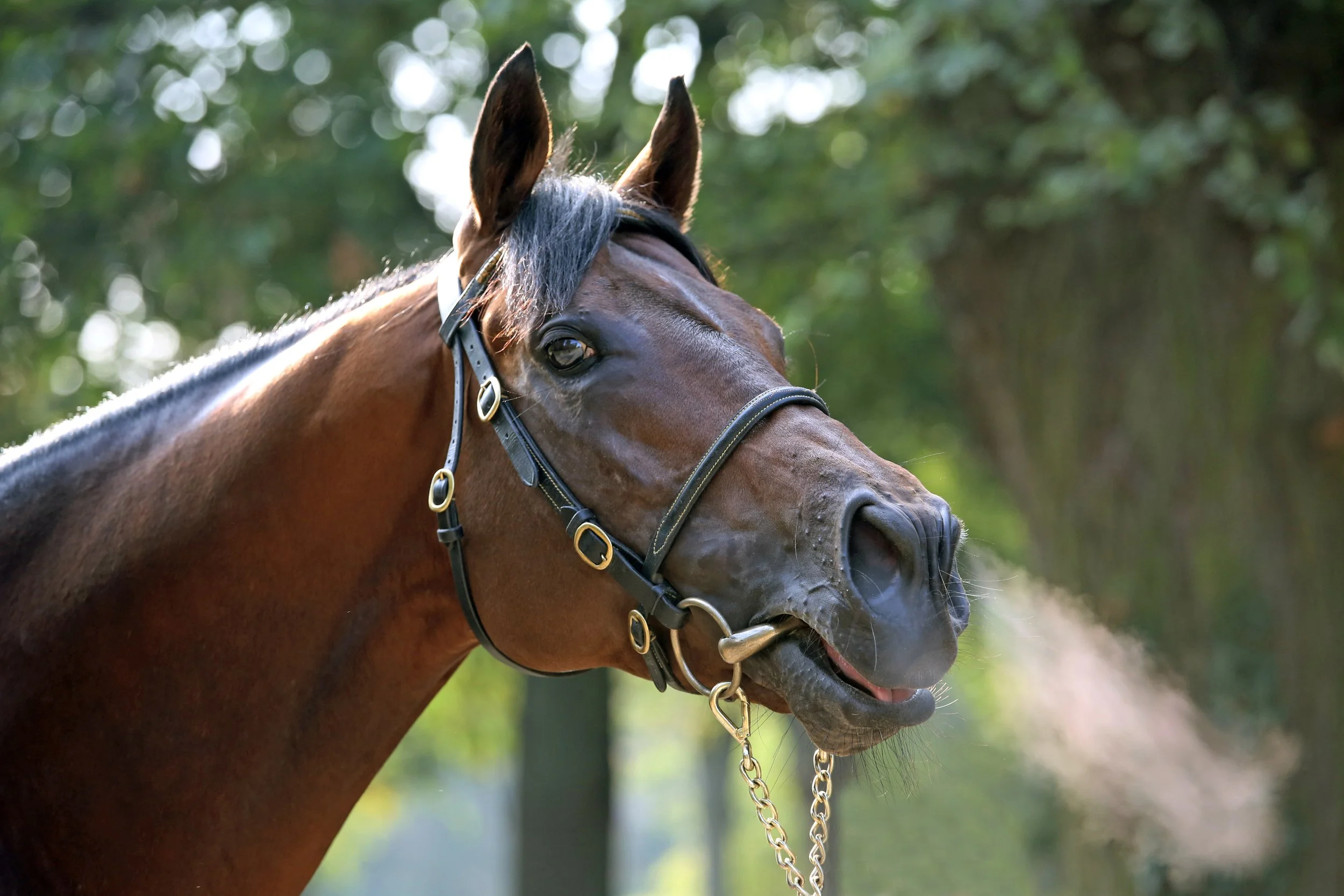
The Gerald Leigh Charitable Trust was established in 1974, set up in memory of Gerald Leigh, a prominent owner breeder and best known for breeding the highly successful Barathea and Markofdistinction.
His legacy lives on through the trust, which not only reflects his remarkable achievements and lasting influence in the world of Thoroughbred breeding and racing, but also continues his deep passion for scientific advancement and the welfare of horses—both within the racing industry and the wider equine community. The trust stands as a testament to Gerald Leigh’s enduring commitment to excellence, care, and innovation in all aspects of equine life.
Wind ops- the decision making and diagnostics
Tim Barnett MRCVS of Rossdales Veterinary Surgeons, delivered two informative and interesting lectures on wind ops and the decision making and diagnostics relating to them. As we all know, wind surgery addresses upper airway conditions in horses that impair breathing and performance. Key anatomical structures involved include the arytenoid cartilage, vocal folds, epiglottis, and soft palate. Common issues include vocal fold collapse, often causing a whistling noise and linked to progressive recurrent laryngeal neuropathy “roaring”, which severely obstructs airflow. Another frequent problem is dorsal displacement of the soft palate (DDSP), where the soft palate flips over the epiglottis, blocking airflow and causing sudden loss of performance.
Palatal instability often precedes DDSP. Other conditions include medial deviation of the aryepiglottic folds, nasopharyngeal collapse, epiglottic entrapment, and ventral luxation of the arytenoid apex (VLAC). These disorders vary in severity and may be progressive or multifactorial. Barnett clarifies that although surgical interventions target these conditions, outcomes depend on the specific disorder and severity.
Upper airway conditions remain a major cause of poor performance in racehorses, with many requiring multiple surgical interventions. Accurate diagnosis, particularly via exercising endoscopy, is key, as many disorders only become apparent during physical exercise.
Tieback (prosthetic laryngoplasty) is the most common wind surgery but carries risks such as aspiration, pneumonia and swallowing dysfunction, despite efforts to improve surgical techniques. Newer techniques, like standing tiebacks and improved implants (e.g., titanium buttons, reinforced screws), aim to reduce complications and enhance results.
Other surgeries like Hobday (vocal fold removal via laser) were also discussed, emphasising the delicate nature of airway surgeries and the ongoing challenge to balance treatment effectiveness against risks and complications in our racehorses.
For DDSP, tie-forward surgery, which mimics natural muscle action to restore laryngeal position, has shown positive results, while thermocautery remains controversial. Epiglottic entrapment can now be safely corrected in standing horses using lasers or scissors. Emerging therapies include laryngeal reinnervation and dynamic neuroprosthesis to restore muscle function, as well as vocal fold filling to reduce aspiration pressure.
Collagen cross-linking is also under investigation as a less invasive method for soft palate stiffening. Barnett concludes, precise diagnosis and tailored interventions are crucial for optimal results in treating upper airway disorders in racehorses. These advances reflect a growing push for safer, more effective airway interventions in the racehorse.
Barnett then moved onto discussing the critical role of exercise endoscopy in diagnosing upper airway dysfunction in Thoroughbreds, highlighting the limitations of resting endoscopy. While useful for detecting conditions like total RLN, epiglottic entrapment, or arytenoid chondritis, resting scopes often miss dynamic issues such as soft palate disorders and vocal fold collapse.
Recent developments in overground endoscopy which are battery-powered and rider-compatible, allow evaluation during real time exercise, providing accurate and practical diagnosis. This method has become the preferred standard, especially for assessing palatal instability and early RLN.
Clinical signs such as respiratory noise, poor performance, or sudden stops may indicate airway dysfunction, but accurate diagnosis requires proper exercise testing with horses cantering or galloping while synchronising breaths per stride. Additional tools like laryngeal ultrasonography aid diagnosis and planning of treatment.
Barnett cautioned against performing airway surgery without thorough diagnostics, as multiple simultaneous conditions can exist, and treatments must be carefully targeted to improve outcomes. Around 25% of Thoroughbreds show clinical RLN, reinforcing the need for tailored, evidence-based treatment plans to support both welfare and performance.
Laryngeal surgeries - the evolution of research and engineering of the tie back and nerve graft
Dr Fabrice Rossignol, of Grosbois/Chantilly Equine Clinic discussed laryngeal surgeries, focussing on the evolution of research and engineering of the tie back and nerve graft. Rossignol’s specialist clinic is at the forefront of treating recurrent laryngeal neuropathy (RLN).
The condition is often linked to degeneration of the recurrent laryngeal nerve, affecting the cricoarytenoideus dorsalis (CAD) muscle, which is critical for opening the airway during exercise. Rossignol explains that this muscle contains few fatigue-resistant fibres, making it vulnerable to atrophy. Even minor narrowing of the airway significantly increases resistance, due to the exponential pressure effects described by Poiseuille’s law.
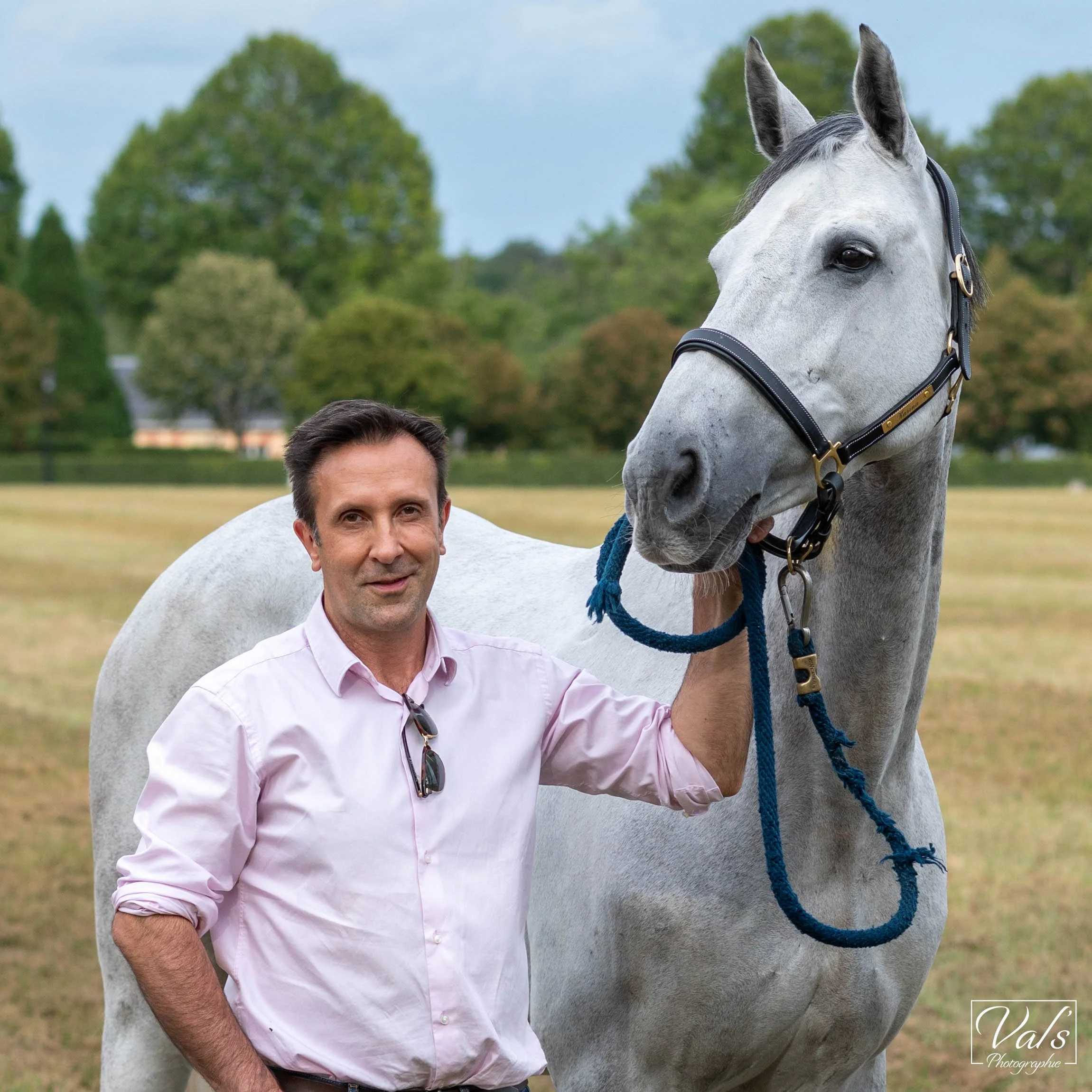
Diagnosis involves treadmill endoscopy and ultrasonography (caudal view of swallowing can be particularly useful) to assess dynamic airway collapse and muscle atrophy. Treatment is tailored to severity; advanced cases may require a tieback (laryngoplasty) using synthetic prostheses to partially open the arytenoid cartilage, though this risks complications like coughing. Newer techniques aim to restore function rather than replace it. One such innovation combines traditional tieback surgery with nerve grafting from the spinal accessory nerve, which activates during inspiration and contains fatigue-resistant fibres.
This hybrid approach improves airway opening and reduces side effects. Standing surgery under sedation allows more precise suture placement, minimising anaesthetic risk. Emerging technologies like 3D-printed implants and titanium screw anchors further enhance outcomes. Rossignol echoes Barnett’s earlier advice, that early intervention and careful case selection remain key to success.
Dr Rossignol continued on to discuss what and how we, as a racing industry, can learn from other disciplines.
Recent research in trotters and sport horses highlights how neck flexion contributes to dorsal and lateral pharyngeal collapse, likely due to nerve inflammation affecting muscles such as the stylopharyngeus. Nasal obstruction, including alar fold collapse and nasal muscle paralysis, also play a role in compromised airflow. Treatment options now include alar fold resection, nasal fenestration (widening), and innovative approaches like titanium mesh implants to replace lost muscular function.
Dr Rossignol explains that high-speed treadmill testing has proven critical in diagnosing dynamic airway conditions, while a multidisciplinary approach involving vets, trainers and farriers enhances management strategies. Use of nasal dilation devices, such as nasal strips, remains restricted under many jurisdictions' rules of racing.
It is clear that Rossignol champions cross-disciplinary learning, working with trotter trainers over decades has yielded practical insights, such as shoe removal to enhance performance. The methodical, detail-driven tack and equipment adjustments made in trotting disciplines provide valuable lessons in optimising performance.
Dr Rossignol also shares advances in surgical techniques, including refined approaches to epiglottic entrapment, emphasising the importance of collaborative care. Cross-disciplinary exchange continues to inform diagnosis, treatment and rehabilitation, enriching equine sports medicine and improving outcomes across disciplines.
An update on wind surgeries: what's new?
To conclude the lectures on wind ops, Mark Johnston, Dr Rossignol and Tim Barnett took to the floor to field audience questions. The discussion focused on recurrent laryngeal hemiplegia (RLN) in horses, highlighting its probable hereditary component but unclear linking between particular genes. Experts note the complexity of breeding influences and caution against oversimplifying genetic causes, as RLN will most likely be linked with other traits.
Surgery helps individual horses but may skew breeding populations, as generally only the more expensive stallions receive treatment. Disclosure of surgeries before breeding is debated but difficult to enforce. Non-surgical solutions like resistance masks are emerging but their impact on reducing surgery isn’t yet clear. Overall, understanding and managing RLN’s genetics and treatment remain challenging and unresolved.
Early diagnosis of recurrent RLN relies on ultrasonography to detect early muscle atrophy; surgery is recommended promptly to prevent irreversible damage. In contrast, dorsal displacement of the soft palate (DDSP) often stems from muscle fatigue, immaturity, or inflammation and is best treated medically with training and reinforcement until at least three years old. Surgery is a last resort if medical management fails.
Multiple surgeries can be ethical if done safely and explained clearly. Yearling wind testing is variable and challenging to interpret, complicating sales disclosures. The increase in buyers scoping foals’ pre-sale is seen as an invaluable and unpleasant practice due to solid evidence that a foal’s laryngeal physiology will and can change tremendously as they mature. Ongoing research explores novel therapies such as pacemakers and magnetic stimulation.
The practical management of tendon rehabilitation
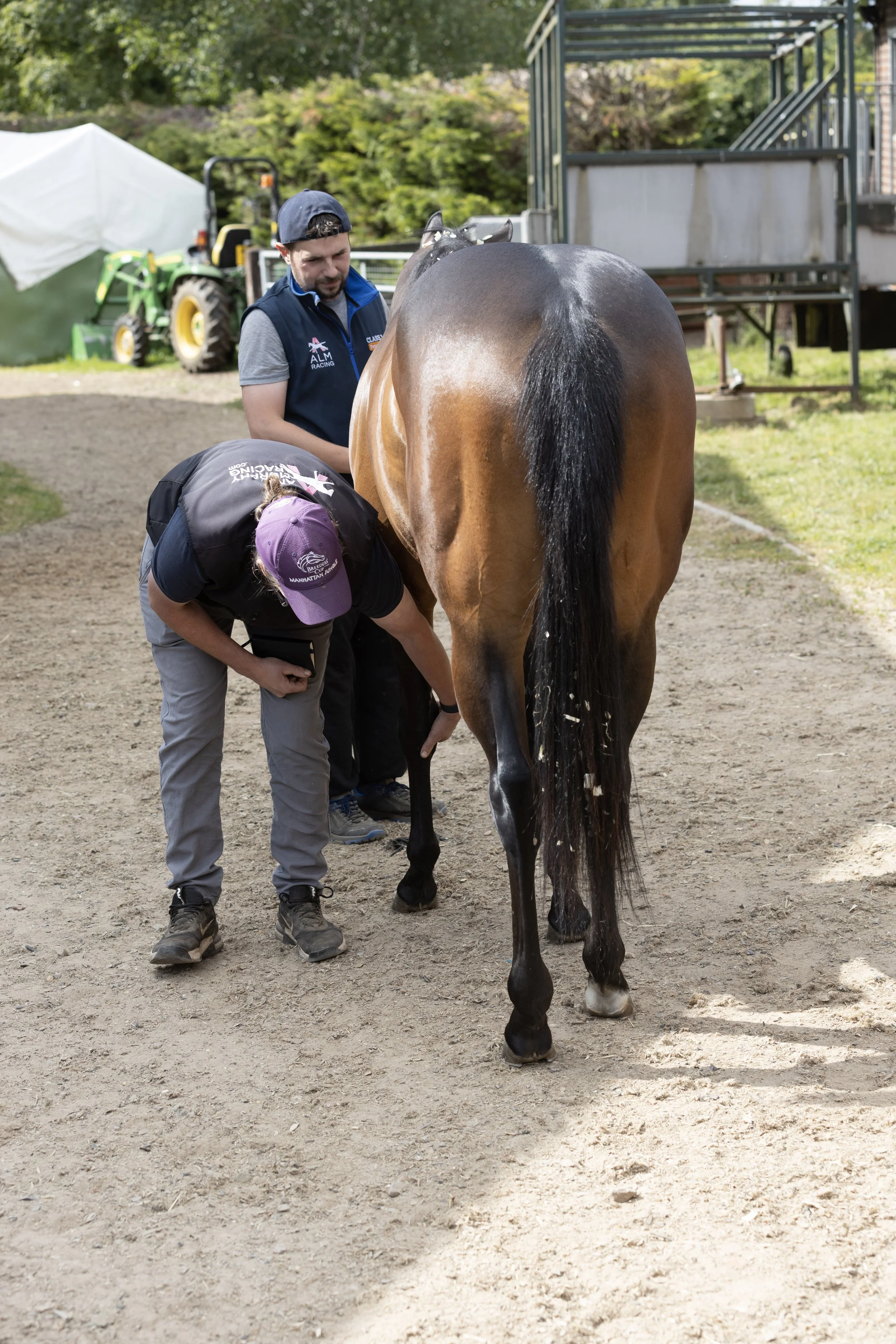
There is no introduction needed for Mark Johnston, who kindly provided us with his insight on the practical management of tendon rehabilitation. A renowned trainer with decades of experience offered a pragmatic view on tendon injury rehabilitation in racehorses, challenging long-held optimism around recovery. Despite advancements in ultrasound imaging and a range of therapies, from anti-inflammatories to experimental interventions like carbon fibre implants, he is yet to witness a truly successful long-term return to peak performance in top-level racing following a diagnosed tendon injury.
While ultrasound provides valuable detail, he still relies most on visual and tactile assessment, particularly tendon profile and signs of ‘bowing,’ which he considers a critical turning point. In his experience, few flat horses make a full comeback; many may race again, but recurrent issues and shortened careers are the norm. Mark’s approach is rooted in realism: throw everything anti-inflammatory at the injury early, manage workload carefully, and temper expectations.
Long rest alone is rarely effective and controlled rehab and early, aggressive treatment are key. He notes that previous use of prophylactic anti-inflammatories post-race helped reduce injuries, and questions whether restrictions on racecourse treatments may hinder progress. Prevention, early detection, and practical management remain the trainer’s most reliable tools.
Tendon injuries in racehorses
Professor Roger K.W. Smith FRCVS presented a detailed lecture on tendon injuries in racehorses, focusing on the superficial digital flexor tendon (SDFT) and the role of science in improving prevention and rehabilitation strategies. As a key structure for locomotion, the SDFT functions as an energy-storing spring but operates near its mechanical limits, especially in Thoroughbreds, making it prone to injury from accumulated loading rather than acute trauma.
Research shows that degeneration often precedes clinical injury, particularly within the interfascicular matrix (IFM), which loses elasticity with age and training. Tendon cells also become less responsive with age, impairing repair. Matrix metalloproteinases (MMPs) are implicated in post-exercise matrix degradation, further weakening the tendon.
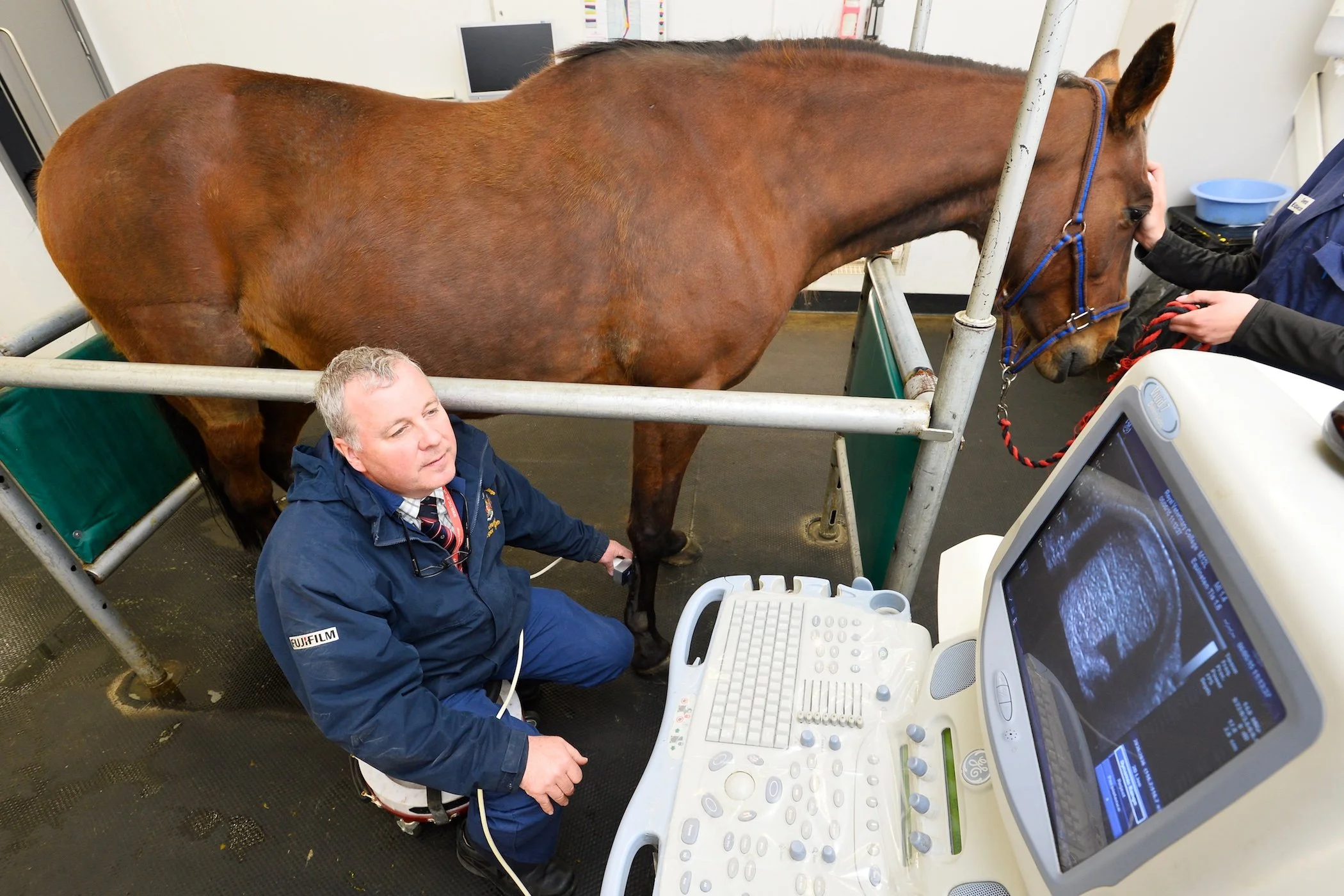
Professor Smith emphasised prevention through training adjustments: avoiding hard ground, spacing out intense work, and ensuring sufficient recovery of, ideally 72 hours. Early detection is critical. Diagnostic tools such as ultrasound, Doppler, and Ultrasound Tissue Characterization (UTC) can identify structural changes before injury becomes apparent.
When injury occurs, a prolonged, structured rehabilitation programme guided by regular imaging is essential. Biologic therapies like mesenchymal stem cells (MSCs) and platelet-rich plasma (PRP) are showing encouraging results, improving tendon structure and reducing re-injury rates. A personalised, biologically informed approach remains key to safeguarding tendon health in racehorses.
Tendinopathy - its causes, treatments and parallels between equine and human medicine
Lt. Col. Dr Tom Clack delivered a comprehensive lecture on tendinopathy, highlighting its causes, treatments, and parallels between equine and human medicine. Tendinopathy, a chronic overuse injury, follows a three-stage progression: reactive tendinopathy (early inflammation), tendon disrepair (structural change and neovascularisation), and degenerative tendinopathy (reduced symptoms but increased rupture risk).
Historically, eccentric loading exercises, which came about via human Achilles research, became the core treatment. Today, management is more tailored, focusing on biomechanics, load control, and personalised rehabilitation.
Diagnosis includes clinical evaluation and ultrasound, with advanced modalities like Shearwave elastography and UTC offering deeper insights into tendon integrity and healing.
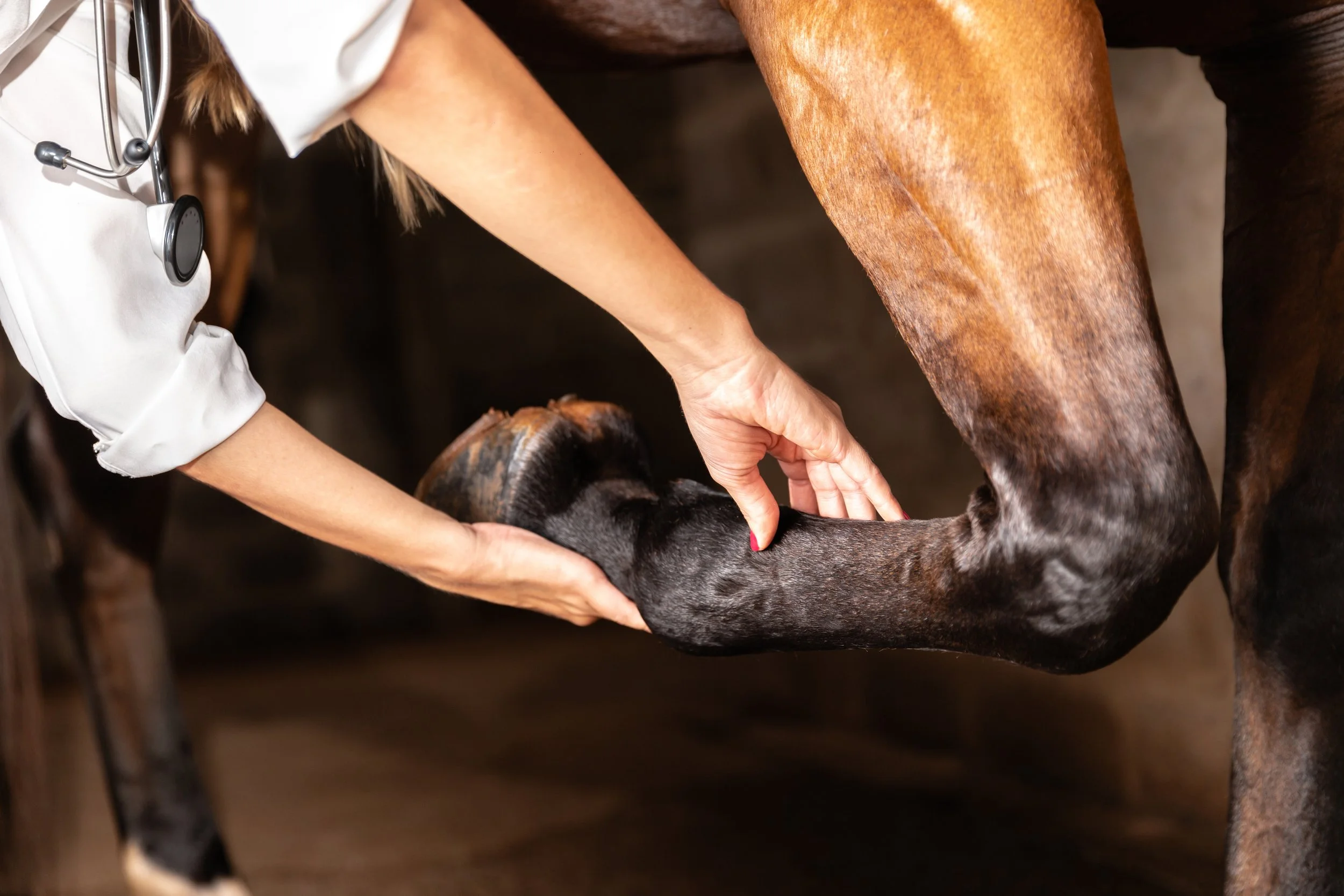
Dr Clack advocated a multimodal treatment strategy: progressive loading, extracorporeal shockwave therapy (ESWT), and injectables such as corticosteroids (for short-term relief) and PRP, which supports healing through growth factors.
Crucially, he emphasised the value of Thoroughbred racehorses as models for human tendon injury. Their tendons endure similar high loads, and developments in imaging, PRP, and regenerative therapies in equine medicine are increasingly influencing human sports injury treatment.
Dr Clack echoed the importance of early detection, strategic recovery protocols, and ongoing collaboration between human and veterinary medicine to improve long-term outcomes in equine athletes.
Rehabilitating the equine athlete
We were then treated to a lecture by Veterinary surgeon Amelia MacArthur, who provided a grounded and insightful view on equine rehabilitation, shaped by her hands-on experience running a specialist rehabilitation yard in North Yorkshire. Based at the former training yard of Peter Beaumont, her facility includes a water treadmill, deep sand gallop, extensive hacking, and a quiet stable environment, all tailored to support recovery and performance conditioning.
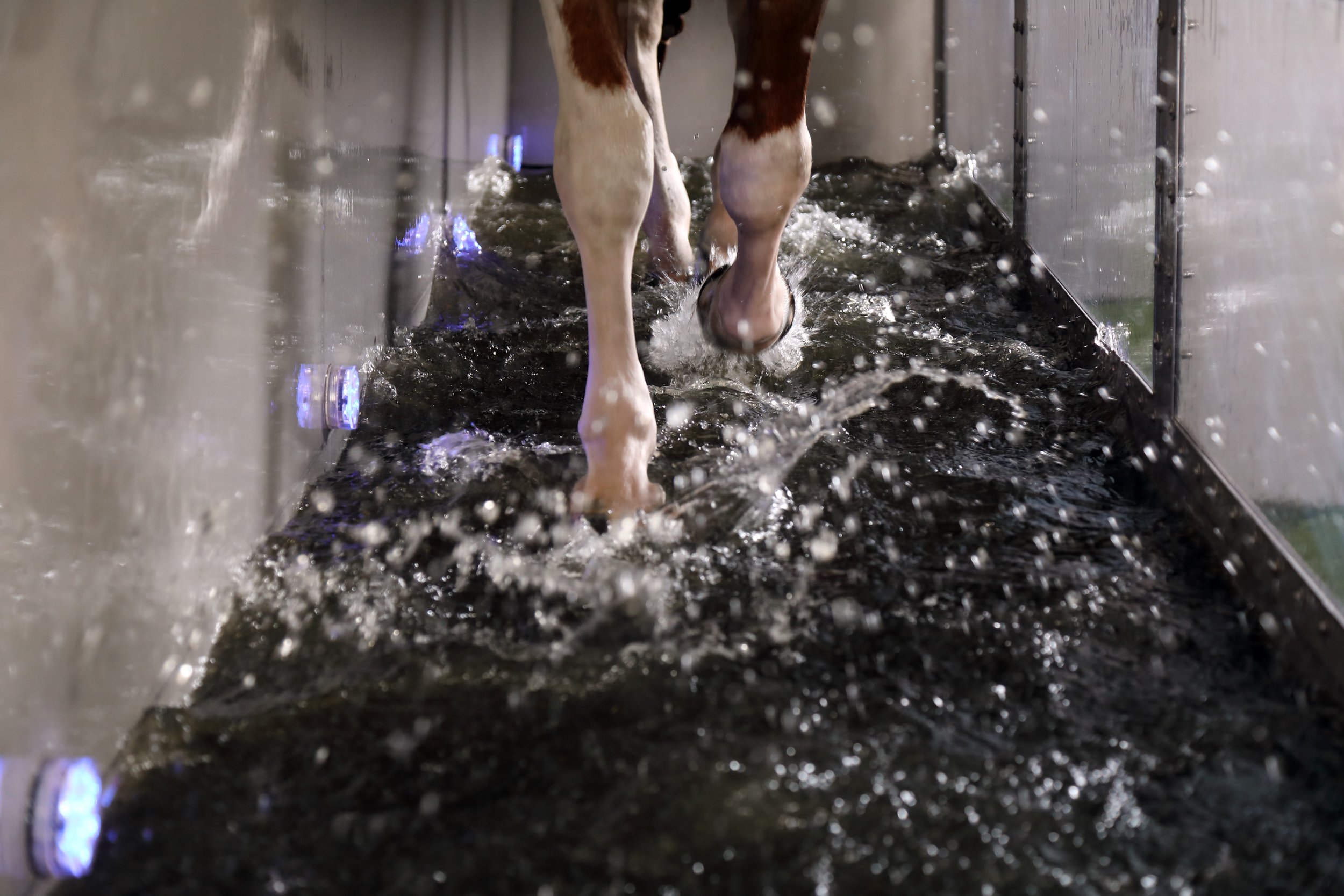
It is clear that MacArthur advocates for a genuinely holistic approach, not rooted in fads, but in understanding the whole horse: injury history, temperament, conformation, previous management, and future athletic goals. Rehabilitation begins with controlled exercise, which is often hand-walking, though she acknowledges the safety challenges of managing fresh horses, advising use of protective gear and sedation when necessary. In-stable physiotherapy, such as weight-shifts and limb lifts, can supplement or replace walking early on.
She stresses that rehabilitation literature often lacks clarity, so individualised programs with regular reassessment, particularly ultrasound checks, are essential. Progressive loading, surface variation, and adapting treadmill use depending on injury type all help prevent reinjury. For tendon cases, treadmill work is delayed to avoid strain from reduced slip.
Crucially, MacArthur highlighted the impact of rider weight and balance, particularly for ex-racehorses, and the importance of body condition in supporting soundness. A striking case study showed how fat loss transformed a Highland pony’s tendon recovery and competitive ability.
Tendon injury; therapy and management
The final open floor discussion of the day took place between Mark Johnston, Professor Roger Smith, Dr Tom Clack and Amelia MacArthur. The topic of military-style training programmes running parallel with equine management were discussed, particularly in managing overuse injuries like stress fractures. Key strategies include load management and gradual conditioning over 4–8 week cycles. It was noted that today’s horses, like modern human recruits, can often lack natural conditioning, especially in the feet, increasing injury risk.
Prevention is focused on structured training that supports both tendon and bone development, particularly in young horses (yearlings), where tendons must adapt before bones are heavily loaded. Ground conditions and surface variation also play a complex role in musculoskeletal health.
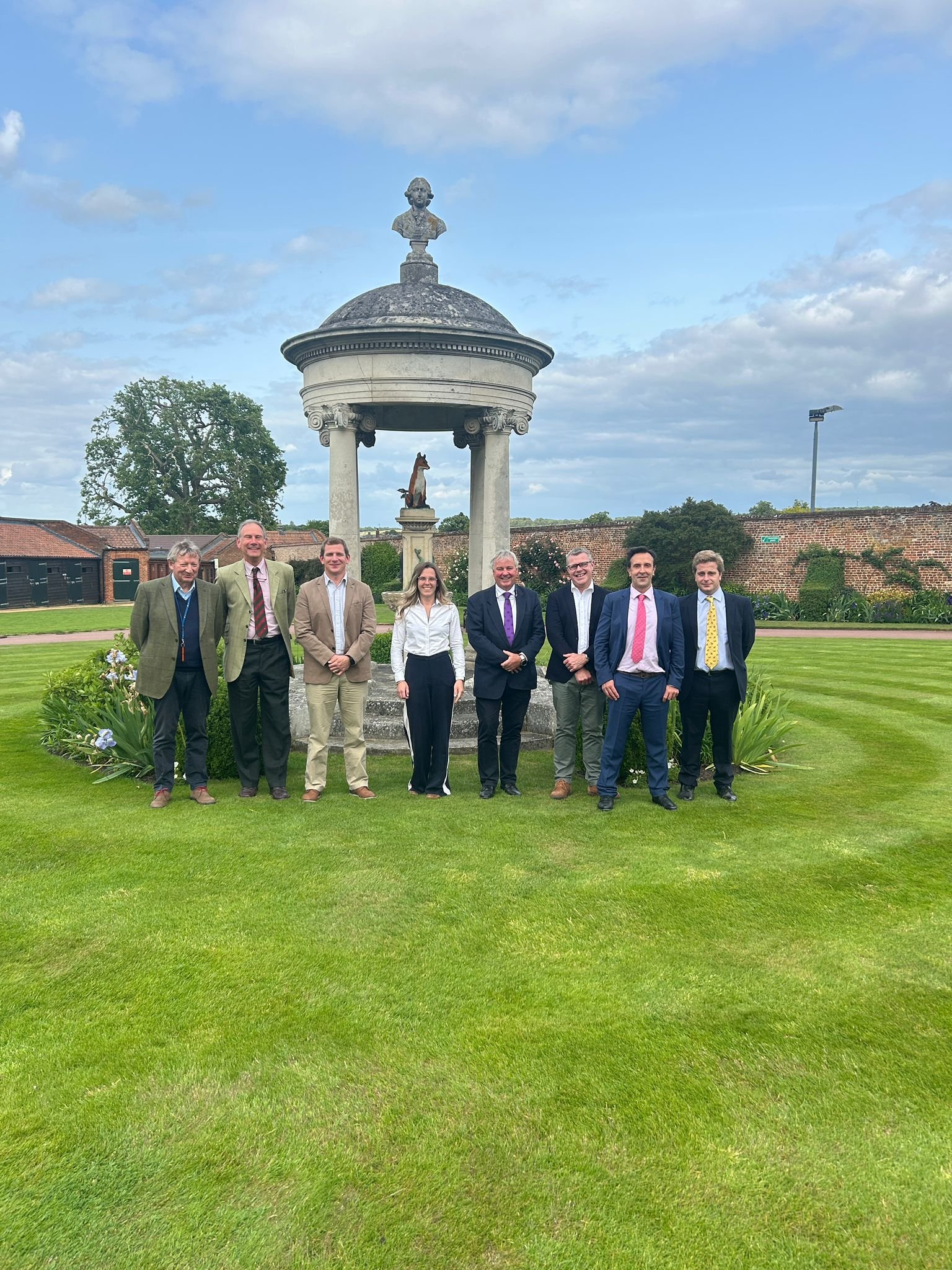
Rehabilitation and pre-training approaches remain debated, but there's agreement that progressive, controlled exercise is essential. Tendon injuries, especially in flat racehorses, are notoriously hard to overcome. Advances in ultrasound and imaging, such as UTC and shockwave elastography offer new promise, though they come with high costs and technical demands.
National Hunt horses often return to competition successfully after injury, offering hope, but managing owner expectations remains key. Medication use, such as dexamethasone, is tightly regulated on racecourses to uphold integrity. Like elite human athletes, horses need carefully balanced workloads and rest to prevent chronic damage. While rehabilitation methods are improving, prevention remains the best strategy.
This year’s renewal of the Gerald Leigh Memorial Lectures was once again full to the brim with exciting new research and innovative thoughts from world leading experts. Attendees, all involved within various areas of the horseracing industry made for diverse and thought-provoking discussions.
The commonality amongst the lecturers and attendees alike was the undeniable commitment to ensuring the betterment of equine welfare in all avenues of bloodstock, racing and life after. Safe to say, all who attended are already looking forward to the 2026 lectures.
Gerald Leigh Lectures 2024 - Optimising Youngstock Growth and Development

Beaufort Cottage Educational Trust hosted the annual Gerald Leigh Memorial Lectures at Tattersalls in Newmarket on June 11th. These lectures are in association with the Gerald Leigh Charitable Trust as a way of recognising Mr. Leigh’s achievements as a racehorse owner and breeder as well as continuing his passion for scientific knowledge and welfare of horses in the race industry and the equine industry as a whole.

Dr. Chavatte-Palmer provided a very insightful and interesting talk on the influence of maternal and environmental factors during the prenatal period on athletic performance. The lecture discussed the phenomenon of Developmental Origins of Health and Disease (DOHAD) which is demonstrated with the increasing evidence of the role in parental nutrition and environmental conditions, from periods preceding conception and throughout gestation, on phenotypic development in horses. She described how the nutritional environment before birth can affect the postnatal performance of the offspring as it is believed that nutrients can alter the way genes are expressed resulting in developmental trajectories that have repercussions on postnatal development. With a strong understanding and knowledge in DOHAD, nutritional strategies can be considered and developed to optimise youngstock growth and development. This is an exciting field as further research will potentially allow veterinarians and breeders to work cooperatively to optimise athleticism as well as the wellbeing and health of foals and mares.

Dr. Joe Pagan of the Kentucky Equine Research kindly visited from the U.S.A to discuss equine feeding management practices and equine nutrition in sports medicine. His first lecture discussed the effects of season on mare and foal nutrition. Through various studies some conclusions could be made and these conclusions do appear to be a global trend. It was found that colts are heavier and taller than fillies.
After 1 month of age, fillies were fatter than colts. Foals born in January and February were smaller at birth and grew more slowly in early life but by 150 days of age this lag disappeared. In addition, mare weight changes and body condition scores were related to season and management factors, as winter-foaling mares lost weight and had lower body condition post foaling than spring-foaling mares.

Dr. Pagan continued with a lecture on the right balance for optimal growth and development of youngstock. Recent research has shown that the health of the offspring of overweight mares may also be compromised. In addition, studies have shown that excess maternal nutrition during pregnancy can alter glucose and lipid (fat) metabolism in foals until 160 days of age. Another study reported a higher incidence of osteochondrosis (OC) in foals born to dams that were fed concentrates during gestation rather than forage.
A more recent study on the nutrition of the mare during the last trimester and subsequent foal health revealed some interesting observations. It was found that the growth of foals from 6-24 months of age was not affected by maternal diet and maternal undernutrition appeared to affect bone growth as foals from dams fed forage only had narrower cannon bones than foals from dams fed forage and barley. In addition, it was found that overfeeding negatively affected yearlings from mares fed barley and forage more than yearlings from broodmares fed only forage.
Finally, there was a decrease in insulin sensitivity and enhanced insulin levels suggesting insulin dysregulation in yearlings from mares fed both barley and forage and not yearlings from forage-only mares. Another exciting field of research that will also lead to greater cooperation of breeders and veterinarians in providing good health and wellbeing to foals and mares.

These lectures had the pleasure of hosting Paul Overton, who is an equine agronomist with a strong understanding of pasture management. His passion for his area of expertise and in helping with improving management of studs was abundant as he outlined the aims of pasture management that included the need to provide safe grazing pastures from parasites, colic and grass sickness, atypical myopathy and other ailments as well as to provide a safe area to exercise horses of all ages. In addition, he made clear that fresh leafy bite grass in the paddocks all year round is key.
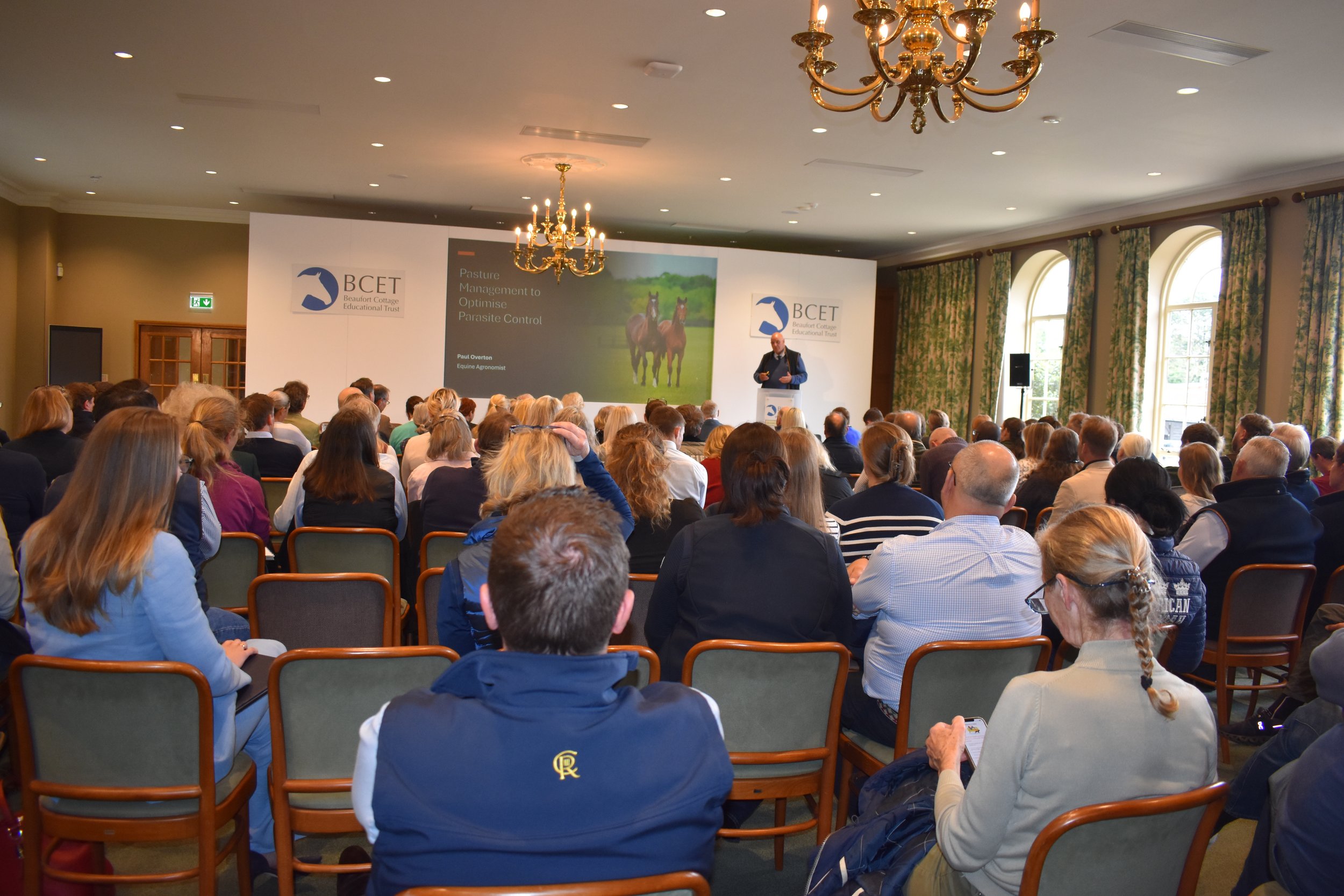
We were reminded of the fundamentals of good basic pasture management that included a removal programme for muck, providing a dense leafy grass sward, sharing and mixing the paddock use with other livestock (sheep and cattle) and moving horses to various paddocks around the stud to maximise rest of all paddocks. To optimise paddock health, it should be remembered that all paddock management follows the horses around the seed, be guided by the weather rather than the calendar and work quickly to maximise rest periods. Finally, good simple paddock and grassland management can help a multitude of issues and every marginal gain is helpful.

Julian Dollar gave us an insight into a stud manager’s approach to soundness. It was an integral part of the lecture programme as it provided the audience with another perspective of stud management. He made it clear that a variety of factors must be considered when breeding and raising sound horses but two main criteria is a strong team and an attention to detail.
The team needed is one that is completely dedicated and passionate about their horses and should consist of a veterinary service, farriers, nutrition/feed and land management support. There must be a cooperative work ethic in order to provide the best all round management as possible. This team must strive for excellence and work on marginal gains.
A sound breeding and rearing programme starts with mating focusing on sound parents, especially the mare, to produce sound offspring. It is important to work with mother nature rather than interfering with it, thus focusing on a healthy environment. This strategy must be flexible that will allow one to provide the horses with a quality paddock.
The offspring should be between 55-60 kg and they should have a seamless transition from birth to exercise and living out. In addition, the foals should be monitored and assessed closely in order to achieve timely and maximum beneficial interventions that may include selective surgeries. Finally, it is believed that the perfect preparation for a yearling to go into training would be some controlled exercise combined with turnout the rest of the time.

Professor Jacqui Matthews, the director of Austin Davis Biologics, provided some sobering information on parasites and their resistance in the United Kingdom. She explained that intestinal worms are found in most grazing animals and most breeding premises are at high infection risk due to the presence of young animals grazing permanent pastures as well as having a history of interval deworming treatments.
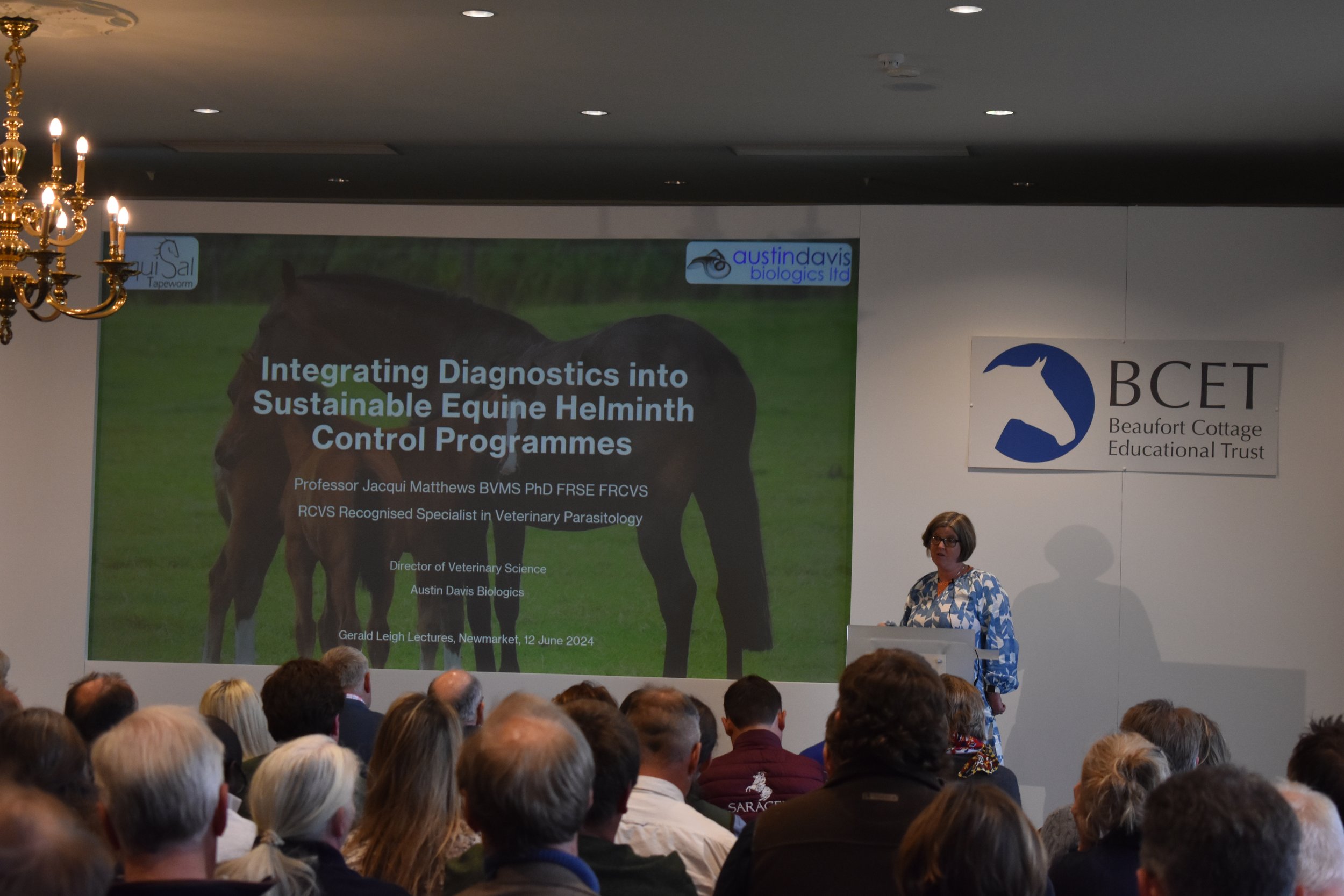
In addition, wormer resistance is being reported in all major parasitic worms of horses. Therefore, it is vital to have control plans that include a risk-assessment approach. Professor Matthews made it very clear that we need to be concerned regarding parasites and their resistance to wormers on UK studs and we need to act now. She explained the action that is needed which includes evidence-based worm control. This approach requires risk assessment that allows one to identify potential issues in the management, the avoidance of all horses regularly being treated, the assessment of wormer effectiveness as well as the effectiveness of interventions.
With respect to the management, there are some principles behind reducing anthelmintic use. Good pasture hygiene can substantially reduce infective egg and larval stages in the environment and the lowering of this pasture contamination decreases parasites acquired when grazing. Pasture management must include:
Dung removal works! Full removal of dung at least once per week and place it away from pastures and water courses.
Maintain low stocking density
Rest pastures – ideally 12 months and avoid grazing foals on same paddocks every year
Consider grazing with ruminants between equine groups
With respect to treatment, make informed choices by using various tests such as faecal worm egg counts, faecal egg count reduction test, antibody-based tests to identify worms, and other tests. Ultimately, do not blindly treat horses without considering the reason for worming and assessing wormer effectiveness.

Professor Matthews followed up with a second lecture on integrating diagnostics into sustainable equine helminth control programmes. An integrated diagnostic-led control programme should consider:
Faecal egg worm count in late winter if grazing year-round. Recommend treatment if 200 or more eggs per gram and select your anthelmintic according to its sensitivity.
Tapeworm test in spring to identify individuals with tapeworm burdens and treat infected individuals as these horses will contaminate the paddocks with cestode eggs.
Late spring/early summer perform faecal egg worm count reduction test in order to assess anthelmintic effectiveness annually. Worm all horses that have FEC of >200 eggs per gram. Perform FEC test at day 0 and 14 days after treatment. Calculate the mean percentage.
Reduction in FEC between 0 and day 14 post treatment.
In late summer/early autumn perform tapeworm test to identify individuals that have, over the summer grazing period, accumulated high tapeworm burdens which may put them at risk of colic
In late autumn perform a small redworm test. In low infection-risk situations, test in late autumn/winter to identify individuals that do not require treatment for small redworm. Use in low-risk groups where owners usually apply all-group larvicidal treatments.
With good pasture management one can lower the selection for resistance, leading to a lowering the need for wormer treatments, a lowering in the proportion of horses that test positive and a lowering of paddock contamination; therefore, less horses are likely to be infected and more likely to have lower burdens.

With his 20 years of buying and selling thoroughbred bloodstock, Jamie Railton gave us insights into the business of foal purchasing. He discussed all of the variables that must be taken into account when selecting foals for purchase. Skill and experience are needed in spotting the foal with the potential to increase in value because of its physical improvement and its pedigree. He explained that a team of people are required as well as having a system to select foals; however, the system must be flexible and one must still want to continue to learn from the process and adapt and later the selection criteria. In addition, he discussed the need to reinvent oneself with the continuous change in the trends seen in the market.

Dr. Rebecca Mouncey is a veterinary surgeon and post-doctoral research fellow, currently investigating early-life determinants of performance and economics of thoroughbred breeding.

Dr. Mouncey discussed how musculoskeletal disease and injury remains the greatest barrier to thoroughbreds being retained within the industry and realising their maximum athletic potential, and is likely to have important economic consequences. She explained that lameness/musculoskeletal injury and disease are the most common barriers to performance. The causes of these conditions of developmental orthopaedic diseases are fractures and tendon/ligament injuries.
By improving the foal’s/yearling’s strength to withstand training and resist injury, while avoiding trauma, one can help with the prevention of these diseases. Unfortunately, there are still important knowledge gaps. It is possible to optimise musculoskeletal health during early-life with exposure during critical stages of growth and development that changes the distribution of cell types, alters metabolic function and ultimately altering the susceptibility and injury in adulthood.
Postnatally the period of greatest plasticity, response to external stimuli/exposures is during periods of most rapid growth and development. By 24 months of age, the horse is 96% mature bodyweight and 98% mature height and reached peak bone mass. There must be a balance in early-life exercise and activity as too little will delay musculoskeletal development and too much will cause tissue damage and trauma. We must always consider the animal’s growth, nutrition and exercise as a whole and not mutually exclusive.

Abigail Kent MRCVS from Rossdales Veterinary Surgeons, presented an interesting lecture on the diagnosis and treatment of limb deformities in foals. Dr. Kent is very knowledgeable in all aspects of equine elective and emergency surgery and has a particular interest in orthopaedics, specifically arthroscopy, angular limb correction and fracture repair.
Limb deformities in foals are developmental orthopaedic conditions, that can be subdivided into 2 major groups: 1) angular limb deformities, in which there is deviation, primarily in the frontal plane, originating at a joint and/or growth plate and 2) flexural limb deformities, in which there is persistent hyperflexion or hyperextension of the limb.

These conditions may be acquired or congenital and the aetiology is multifactorial. Early appropriate intervention is the key to the best outcome. Angular limb deformities are relatively common in foals and strategies for management, including surgical techniques, are well established. Early recognition, diagnosis and monitoring are essential in order to ensure optimal outcomes.
In cases of severe deformities that fail to respond adequately to conservative approaches (restricted exercise, splints, corrective hoof trimming and shoeing) other treatments such as timely surgery may be used. Transphyseal screws are effective for the corrections of both forelimb and hindlimb limb deformities. Flexural limb deformities can be treated conservatively with the mainstays of limited controlled exercise, nursing care, manipulation of the foot with trimming/shoes, splinting/casting and pain management.
Surgical intervention is typically recommended when conservative treatment is not effective or for severe or rapidly worsening deformities. The goal of surgery is to release tension in the restrictive musculotendinous unit, allowing for greater stretch and more normal range of motion of the affected joint.
In conclusion, all the contributors provided the participants a very interesting and illuminating day. This event highlighted the lengths that all stakeholders and the veterinary profession are taking to constantly improve the health and wellbeing of the horses and the health of the race industry.